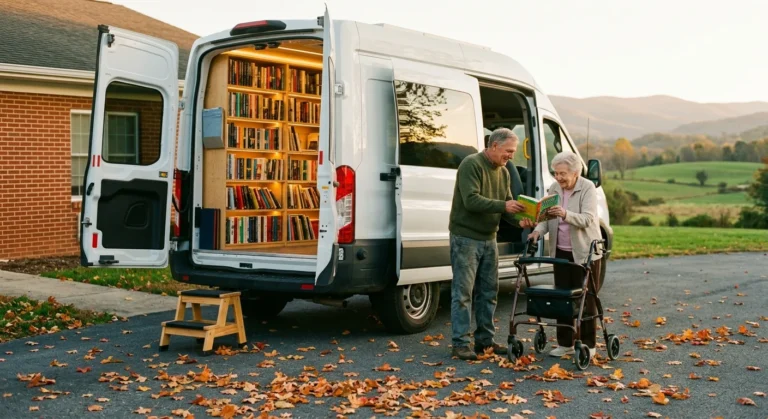
For a solo retiree age 65+ with mild mobility limits who travels 28 nights a year, a $0 to $100 adoption waiver barely dents annual costs. Ongoing boarding bills, dental care, and fall exposure decide whether a cat, small dog, or volunteering fits.
In a single year, 28 nights of dog boarding plus one routine teeth cleaning reaches $1,000 to $2,800+ before food or medications. Measuring every shelter offer against those recurring numbers and your physical limits prevents an unmanageable match.
Why Fee Waivers Barely Move a Solo Traveler’s Budget
No single national rule sets senior-pet adoption discounts, so age cutoffs and fee waivers vary by city and nonprofit shelter. At age 65 or older, you qualify for every major tier, from 55+ discounts to 65+ fee waivers.
Nationally, the Pets for the Elderly Foundation pays adoption fees for adopters 60 and older at 58 participating shelters in 34 states. Grants cover the adoption fee, including bundled pre-adoption exams and spay or neuter surgery.
Per-pet subsidies vary by shelter grant, such as up to $50 off at Houston SPCA and CARE Humane Society or $75 off at Oregon Humane. Since 2020, partner shelters also receive retention grants covering vet care, food shortages, home visits, and grooming.
City and nonprofit shelters publish separate senior fee schedules:
- City of Austin Animal Services: Fee-waived adoptions apply to dogs over 7 years old and cats 7 and older.
- LA Animal Services: Adopters 62+ get 50% off pets age 7+, plus a $10 dog license for low-income seniors.
- North Shore Animal League America: Seniors For Seniors charges $50 ($100 for commercially bred dogs) for adopters 60+ choosing dogs 4+ or cats 6+, with vet and grooming benefits.
- Regional shelters: Porter County Animal Shelter (IN) waives fees for 55+ adopters on pets 7+, Best Friends Animal Society–Utah waives fees for 55+ adopters on pets 5+, and RISPCA waives fees for 65+ adopters of senior pets.
Even a $0 adoption fee saves only $50 to $100 once. For a solo retiree away from home for a month each year, that upfront discount equals one or two nights of kennel care.
Worked Cost Math for 28 Travel Nights and Dental Care
ASPCA ownership guides split yearly costs across exams, preventives, dental care, food, boarding, and supplies. For a 7+ pet, dental treatment and travel care dominate that budget.
Per 2026 CareCredit veterinary pricing data, routine cat or dog teeth cleanings cost $300 to $700+, with higher totals when extractions are needed. Larger dogs sit toward the top of anesthesia weight tiers, pushing cleanings higher than for small dogs or cats.
Travel multiplies that baseline for a solo adult with no spouse or housemate at home. Rover national benchmarks put traditional kennels at $25 to $75 per night and boarding in a sitter’s home at $40 to $55 per night.
Consider a concrete 28-night travel schedule—whether one month-long trip or two two-week trips per year—paired with one $300 to $700 routine dental cleaning:
- Commercial kennel: Twenty-eight nights at $25 to $75 per night adds $700 to $2,100, totaling $1,000 to $2,800+ with one dental cleaning before food or medications.
- Sitter’s home: Twenty-eight nights at $40 to $55 per night adds $1,120 to $1,540, totaling $1,420 to $2,240+ with dental care, and many private sitters cap dog weight.
- Indoor senior cat: Cats often manage short trips with drop-in visits, keeping the $300 to $700+ dental bill as your main spike, though a 28-night absence still requires daily care or $700 to $2,100 if kenneled.
New pet insurance policies for animals age 7 and older carry steep premiums and exclude pre-existing dental or joint conditions. Keeping a dedicated monthly cash reserve gives you reliable funds for senior bloodwork, arthritis medication, or unexpected extractions.
AARP advises comparing retail pharmacies against clinics for prescriptions, buying preventives in bulk, and using community vaccine clinics. Confirm which dental cleanings and blood panels the shelter completed before signing.
Fall Risk and Mobility Limits When Living Alone
CDC data shows falls are the leading cause of fatal and nonfatal injuries among adults 65 and older, with over 14 million falling each year. Adding an animal to a solo household introduces concrete physical hazards alongside companionship.
A CDC emergency-department analysis of 2001–2006 data linked dogs and cats to 86,629 nonfatal fall injuries annually, with nearly 88% involving dogs. Fracture rates peak among older adults due to sudden leash lunges, tangled leads, and pets underfoot.
National Institutes of Health guidance advises matching a pet’s daily demands to your health. Ask your doctor or physical therapist to evaluate your balance, grip strength, and lifting limit before adopting, especially with knee arthritis, osteoporosis, or a joint replacement.
Body weight decides emergency control when you live alone. A 55-pound dog with a paw injury cannot be lifted into a car solo, whereas a dog under 25 pounds is usually liftable.
Adult dogs age 7 and older generally bring steadier leash manners than puppies. Placing two short, flat walks inside a structured daily retirement routine prevents joint fatigue, though icy walks remain mandatory when you live alone.
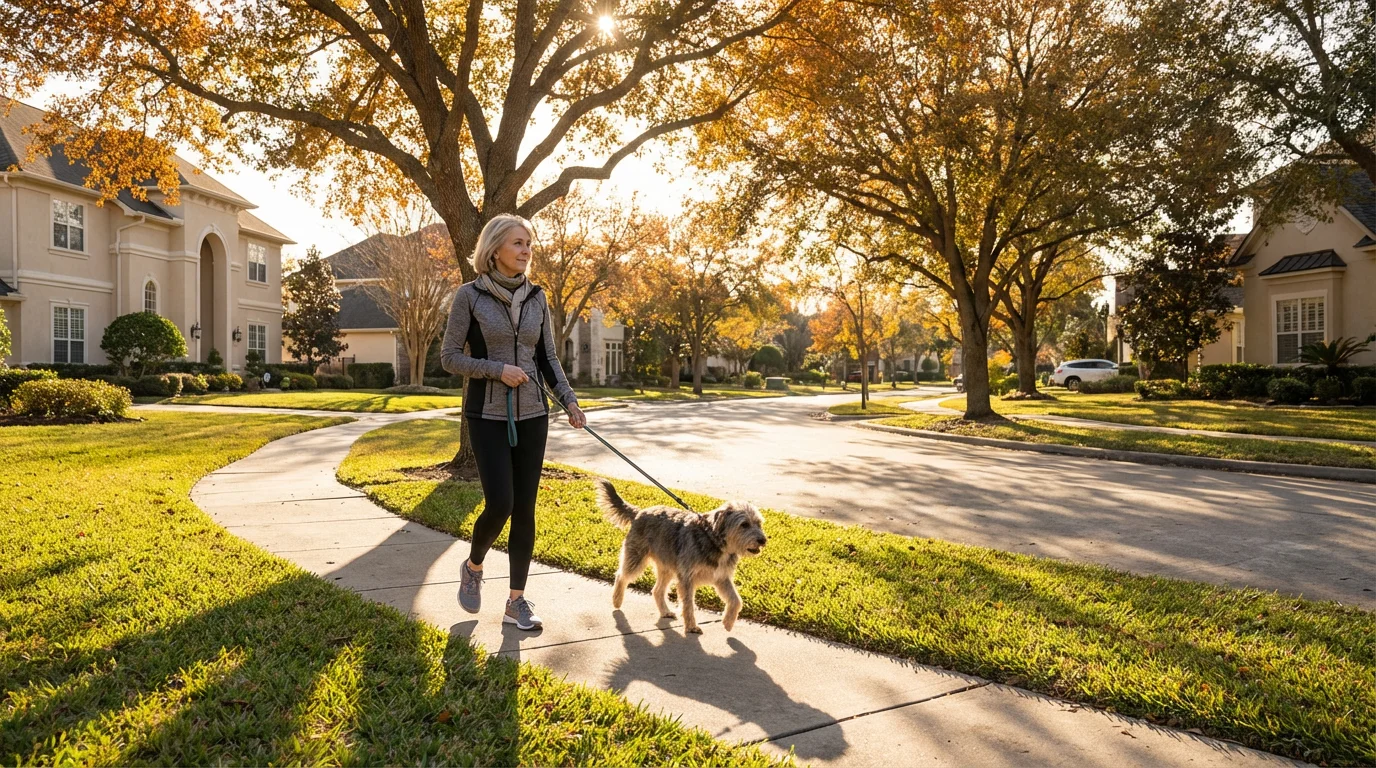
An indoor adult cat removes outdoor leash pulls and winter walking altogether. You still need to prevent indoor trips near stairs or food bowls and raise or place the litter box so mild knee stiffness does not turn daily scooping into a strain.
If 28 travel nights a year plus mild balance limits rule out full-time dog ownership, shelter volunteering or hospice therapy dog visits can close the gap. Helping at a senior dog rescue provides regular animal contact with zero boarding bills, vet fees, or solo lifting risks.
Solo-Living Backup Plans and Statutory Pet Trusts
When you live alone, sudden hospitalization leaves a pet behind a locked door. Standard wills take weeks or months in probate, delaying caregiver access and care funds.
Before signing shelter paperwork, run through this four-step vetting and contingency sequence built for a solo traveler:
- Verify senior-waiver eligibility: Check the Pets for the Elderly directory or municipal shelter site for age thresholds (55+, 60+, 62+, or 65+) and bring government photo ID.
- Audit records and leash force: Request vaccination, bloodwork, and dental charts, and test any dog outdoors on a six-foot leash to measure pulling strength on flat ground and curbs.
- Establish rapid-entry backup care: Name primary and alternate caregivers using ASPCA planning steps, exchange signed veterinary authorizations, and carry a wallet alert card naming your contacts.
- Fund a statutory pet trust: Work with an estate-planning attorney in your state to create an enforceable pet trust instead of relying solely on a will.
Pairing a caregiver agreement with smart-lock access and check-in trees lets a neighbor enter within hours of an emergency. Store feeding amounts, medications, microchip numbers, and vet contacts in a digital estate vault your caregiver can open.
All 50 U.S. states and Washington, D.C., recognize enforceable pet trusts by statute after Minnesota enacted its law in 2016. Forty-nine states and D.C. use express animal-trust statutes, while Idaho authorizes them under its noncharitable purpose-trust statute.
Following ASPCA guidelines, name a trustee, successor trustee, caregiver, and remainder beneficiary, listing microchip details and veterinary standards. State laws vary on duration—such as 21 years versus the animal’s lifetime—and court authority to reduce excess funds, so consult a state estate-planning attorney.
Side-by-Side Decision Matrix for a Solo Traveling Retiree
Evaluating upfront discounts, 28-night travel costs, dental ranges, and mobility exposure side by side shows which option holds up for a 65+ solo traveler with mild joint limits.
| Animal Profile | Upfront Senior Waiver (Age 65+) | 28-Night Travel + Routine Dental Baseline | Mobility & Fall Demands | Solo Traveler Verdict |
|---|---|---|---|---|
| Senior Cat (7+ Years) | $0 Austin (7+); $50 NSALA (6+); $0 Best Friends Utah (5+); PFE 60+ grants | $300 to $700+ dental (more with extractions); drop-in visits for short trips, or $700 to $2,100 kenneled 28 nights | No outdoor leash pull; indoor trip hazard; litter-box bending unless raised | Lowest travel and fall load with reliable drop-in care arranged |
| Small Adult Dog (7+ Years, <25 lbs) | $0 Austin (>7 yrs); 50% off LA (7+); $0 Best Friends Utah (5+); PFE 60+ grants | $1,000 to $2,800+ kennel ($700 to $2,100) + dental ($300 to $700+); $1,420 to $2,240+ sitter home | Lower leash-pull force; liftable into a car solo; outdoor walks in bad weather | Viable with doctor/PT clearance and $1,000+ budgeted yearly for travel care |
| Large Adult Dog (50+ lbs) | $50 NSALA (4+, $100 commercially bred); $0 Best Friends Utah (5+); PFE 60+ grants | $1,000 to $2,800+ kennel + dental; sitter homes ($1,120 to $1,540) often exclude 50+ lb dogs | Highest pull and knock-over risk (88% of CDC pet falls); cannot be lifted solo | Skip for solo living with mobility limits; choose rescue volunteering instead |
Before visiting a shelter, ask your physician or physical therapist for a lifting and balance limit, obtain a written dental quote from a local clinic, and secure two signed emergency-caregiver commitments.