
Retirement opens a magnificent new chapter, a wide-open landscape brimming with possibilities. This isn’t a time to slow down, but a vibrant invitation to lean into your strengths, ignite your passions, and make a profound difference. Many believe their greatest contributions still lie ahead, and volunteering offers a powerful avenue to channel your accumulated wisdom and expertise into meaningful action.
Whether through community service or creative retirement projects, there are countless ways to design a chapter that feels purposeful and vibrant.
Beyond specific service roles, consider how these contributions fit into a wider retirement bucket list focused on growth and legacy.
You have a lifetime of experience, unique skills, and an unwavering spirit. Imagine leveraging these assets not just for personal fulfillment, but to uplift communities, mentor future generations, or champion causes close to your heart. This guide empowers you to move beyond generic volunteer roles, helping you identify opportunities that perfectly align with your talents, amplify your impact, and deliver immense personal satisfaction.
Beyond Leisure: Finding Your Purpose in Retirement
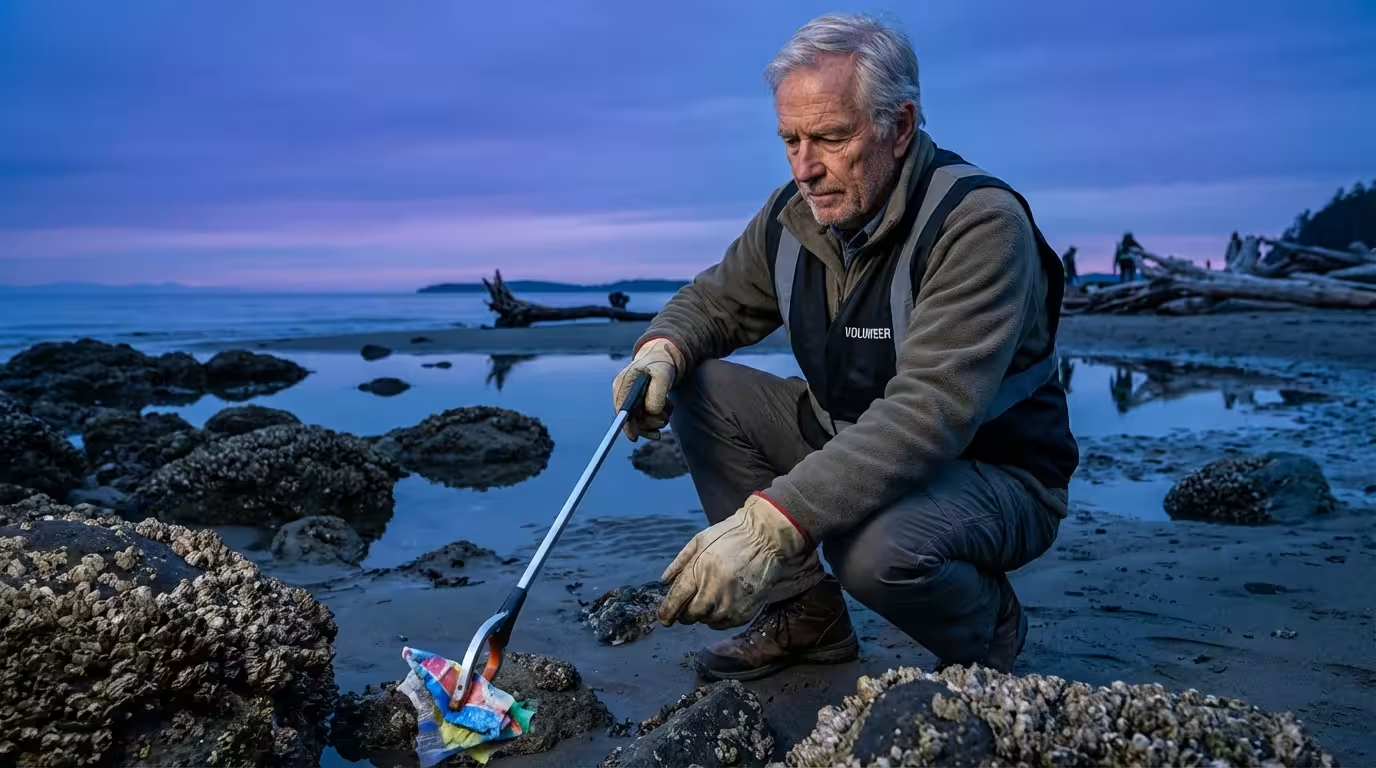
Retirement provides an extraordinary canvas for self-actualization. Many people discover that true fulfillment extends beyond personal leisure, finding profound joy and renewed energy in contributing to something larger than themselves. This desire for continued growth and meaningful engagement drives a growing number of retirees to seek out impactful volunteer roles.
For some, this sense of mission begins at home through purposeful grandparenting, mentoring the next generation within their own family circle.
The concept of “finding purpose” isn’t abstract; it’s about actively engaging with activities that resonate deeply with your values and bring a sense of meaning to your days. For many, this translates into community involvement, leveraging their lifetime of skills to address pressing needs. Research consistently shows that engaging in purposeful activities, such as retirement volunteering, positively impacts mental and physical well-being, fostering a greater sense of happiness and longevity.
“It is never too late to be what you might have been.” — George Eliot
This pursuit of purpose doesn’t require a radical overhaul of your life; it asks you to look inward and consider how your unique journey has prepared you to make a difference now. Embrace this incredible opportunity to shape your retirement as a period of active contribution and vibrant living.

Unearthing Your Unique Gifts: Self-Assessment
Before you dive into volunteer listings, take time for powerful self-reflection. Your skills are a valuable currency, forged over decades of professional and personal experience. Recognizing these assets forms the bedrock of smarter volunteering, enabling you to identify opportunities where your contributions will truly shine.
If you feel your current expertise needs a refresh to meet modern nonprofit needs, consider upskilling for your second act to maximize your impact.
Consider the full spectrum of your abilities. This includes your professional expertise, your hobbies, and even the soft skills you’ve honed throughout life. Think broadly about how these translate into value for an organization.
Here’s a structured approach to inventorying your unique gifts:
- Professional Skills: List all technical, managerial, and specialized skills from your career. Did you manage projects, handle finances, build software, teach, market products, or lead teams? Document these tangible abilities.
- Transferable Skills: These are the invaluable soft skills that apply across any context. Think about communication, problem-solving, mentoring, organization, strategic thinking, fundraising, public speaking, or event planning. Every career develops these in abundance.
- Personal Interests and Hobbies: What do you love to do in your free time? Are you a master gardener, a keen photographer, a talented writer, a proficient cook, or an avid hiker? These passions often hold hidden skills, such as planning, research, or creative expression, that can be incredibly useful to a cause.
- Life Experience and Wisdom: Your journey through life provides an unparalleled depth of understanding and empathy. Perhaps you navigated complex family dynamics, overcame personal challenges, or mentored younger colleagues. These experiences offer invaluable perspectives and a compassionate approach that many organizations desperately need.
By thoroughly evaluating your skill set, you gain clarity on your potential contribution. This self-awareness is your first step in finding purpose that truly resonates with you and serves others effectively.

Mapping Your Passions to Impact: Identifying Causes
Connecting your skills to a meaningful cause requires understanding what truly ignites your spirit. Your passions, values, and concerns are powerful indicators of where you can make the most profound difference. Smart volunteering isn’t just about giving time; it’s about giving your heart to an issue you care deeply about.
Finding a cause that resonates emotionally can lead to a fulfilling retirement journey where every hour spent feels like a gift.
For many, the most rewarding path involves building intergenerational connections by sharing their professional wisdom with younger activists and community leaders.
Start by considering the issues that move you. What problems in your community or the world stir your emotions? What makes you want to act? These deep-seated concerns are your guides to finding purposeful retirement volunteering that fulfills you.
Consider these questions to pinpoint your areas of interest:
- What societal issues concern you most? Is it education, environmental protection, elder care, animal welfare, food insecurity, or supporting veterans?
- What injustices or inequalities do you feel compelled to address? Perhaps you are passionate about advocating for human rights, equal access, or social justice.
- What aspects of your community would you like to see improved? Do you envision better parks, stronger youth programs, more vibrant arts, or improved literacy rates?
- What causes have you supported financially or emotionally in the past? Your past giving or interest often points to deeply held values.
Once you have a clear picture of your skills and your passions, you can begin to see the incredible synergy. For example, a retired accountant passionate about financial literacy might volunteer to teach budgeting workshops. A former teacher who loves animals could develop educational programs for an animal shelter. This alignment creates a truly enriching and impactful experience for everyone involved.
Exploring the Landscape of Opportunity: Where to Look
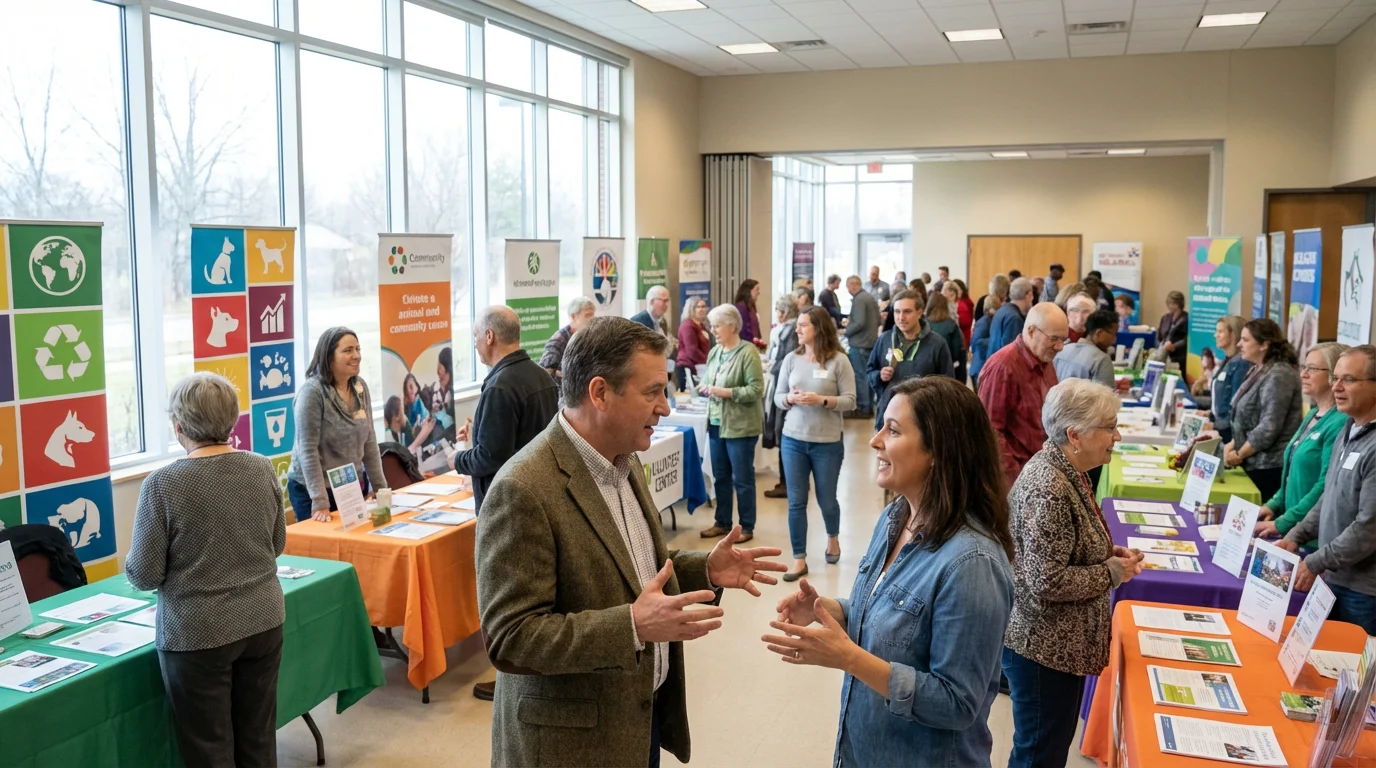
With a clear understanding of your skills and passions, you are ready to explore the vast world of volunteer opportunities. Many organizations actively seek the expertise and wisdom that retirees bring, recognizing your immense value. Knowing where to look simplifies the search for how you find volunteer opportunities that match your skills.
Connecting with community organizations is also a wonderful way to discover new passions in retirement while meeting people who share your values.
Several excellent resources specialize in connecting individuals with suitable volunteer roles. These platforms serve as invaluable tools for your search:
- Online Volunteer Matching Platforms: Websites like VolunteerMatch allow you to search for opportunities by interest, skill, location, and even by the type of organization. These platforms are incredibly efficient for finding diverse roles.
- Organizations Specializing in Older Adults: Groups such as AARP and Encore.org focus on engaging experienced adults in social impact work. Encore.org, for instance, champions the idea of an encore career, emphasizing purpose and impact in later life. Their Purpose Prize program specifically recognizes older adults who are making significant contributions.
- Local Community Centers and Libraries: These hubs often maintain lists of local non-profits and community groups needing assistance. They can provide invaluable local connections and insights into immediate needs.
- Professional Associations: Your former professional associations may offer pro-bono opportunities where you can lend your expertise to worthy causes, often in a consulting or advisory capacity.
- Faith-Based Organizations: Many churches, synagogues, mosques, and other faith-based groups have extensive outreach programs and are always looking for dedicated volunteers.
- Educational Institutions: Schools, colleges, and universities often need mentors, tutors, guest lecturers, or administrative support. Organizations like Osher Lifelong Learning Institutes, while primarily for learning, also foster community involvement.
- SCORE Mentoring: If you possess business acumen, SCORE Mentoring offers a fantastic avenue to mentor aspiring entrepreneurs and small business owners, directly leveraging your professional experience.
Approach your search with an open mind, but always with your identified skills and passions as your compass. This strategic approach ensures you find roles that are both impactful and personally rewarding.

Making the Match: Finding the Right Fit
Finding a volunteer opportunity isn’t just about matching skills to a cause; it’s about finding an organization whose mission, culture, and needs align with your personal goals and availability. This careful consideration ensures a sustainable, fulfilling, and impactful experience for you and the organization.
Once you identify a few potential opportunities, conduct thorough due diligence. Think of this as an interview process, where you are also evaluating the organization.
Here are key steps to making the best match:
- Research the Organization Thoroughly: Visit their website, read their mission statement, and review their annual reports if available. Understand their goals, programs, and the impact they aim to achieve.
- Contact the Volunteer Coordinator: Reach out to discuss the role in detail. Ask about the specific responsibilities, time commitment, training provided, and the expected impact of your work.
- Clarify Expectations: Ensure a clear understanding of what the role entails. Will you work independently or as part of a team? Is there a need for specific hours, or is it flexible? Honest communication about your availability and preferences is vital.
- Consider the Culture: During your interactions, pay attention to the organizational culture. Does it feel welcoming, collaborative, and professional? Does it align with your working style and values?
- Assess the Impact Potential: How will your specific skills contribute to their mission? Can you see a clear line between your efforts and the positive change the organization creates? This connection is crucial for sustained motivation.
- Start Small, If Possible: Sometimes, starting with a short-term project or a trial period allows both you and the organization to assess the fit without a long-term commitment. This reduces pressure and helps ensure alignment.
Choosing the best volunteer organizations for retirees involves more than just listing capabilities; it’s about a mutual fit where your unique gifts can truly flourish and contribute to a cause you believe in.

Beyond the Basics: Maximizing Your Volunteer Experience
Your volunteer journey extends beyond the initial match; it’s an ongoing opportunity for growth, connection, and even greater impact. To truly maximize your experience, adopt a proactive and adaptable mindset. Your extensive experience prepares you to take initiative and innovate within your volunteer role.
Think about how you can not only fulfill your duties but also identify new ways to contribute. Your fresh perspective can often uncover efficiencies or unmet needs that the organization might not have recognized.
Consider these strategies to enhance your volunteering:
- Be Proactive and Take Initiative: Don’t wait to be told what to do. Once you understand the organization’s mission and your role, look for opportunities to take on more responsibility or suggest improvements. Your wealth of experience makes you an invaluable strategic asset.
- Embrace Lifelong Learning: Volunteering can be a fantastic pathway to acquiring new skills or refining existing ones. Whether it’s learning new software, understanding different demographics, or mastering new communication techniques, approach every task as a learning opportunity.
- Build Relationships: Connect with fellow volunteers, staff, and beneficiaries. These relationships enrich your experience, offer networking opportunities, and create a stronger sense of community and shared purpose.
- Share Your Expertise Thoughtfully: While your expertise is valuable, offer it respectfully. Listen first, observe, and then suggest ways your skills can genuinely help, rather than imposing your old ways of working. Mentoring younger staff or volunteers is often a highly appreciated contribution.
- Advocate for Your Cause: Beyond your direct tasks, consider how you can be an ambassador for the organization. Share their story with your network, help with fundraising, or recruit other skilled retirees. Your influence can extend far beyond your direct volunteer hours.
- Reflect and Adjust: Periodically reflect on your experience. Are you still feeling challenged and fulfilled? Is your contribution making a difference? If not, it’s okay to discuss adjusting your role or even seeking a new opportunity that better aligns with your evolving interests and capabilities.
By actively engaging and seeking ways to expand your impact, you transform a volunteer position into a dynamic, meaningful, and deeply personal journey of contribution and personal growth. Your retirement years can easily become your most impactful.

Real Stories, Real Impact: Inspiration in Action
The power of skilled retirement volunteering comes alive through the stories of individuals who have embraced this chapter with courage and generosity. These examples illustrate the boundless potential for impact when you match your unique abilities with a pressing need. They serve as a powerful testament to the idea that your best years for making a difference are truly ahead.
Consider individuals like those recognized by the Purpose Prize, an initiative of Encore.org. These awards celebrate social innovators over 50 who are making significant contributions to society. They highlight retirees who have reinvented themselves to tackle critical social issues, often using skills honed over decades in diverse fields.
For example, a retired marketing executive used her strategic communication skills to help a local food bank optimize its donor outreach and volunteer recruitment. Her expertise in messaging and audience engagement led to a significant increase in donations and volunteer hours, directly expanding the food bank’s capacity to serve more families. She didn’t just pack boxes; she transformed their operational visibility.
Another inspiring example is a former engineer who, after retirement, became deeply concerned about environmental waste. He leveraged his problem-solving and design thinking abilities to help a non-profit develop innovative recycling programs for hard-to-dispose materials, creating sustainable solutions that benefited the entire community. His technical background was invaluable in designing practical, scalable systems.
These stories underscore a vital truth: your professional past is not just history; it’s a rich reservoir of capabilities ready for a new purpose. Whether you’re a seasoned educator mentoring at-risk youth, a retired nurse providing health screenings, or a former business leader advising a nascent non-profit through SCORE, your contributions are not merely appreciated; they are transformative. You bring a level of experience, judgment, and dedication that younger volunteers often have not yet acquired, making you an indispensable asset to any cause.
Frequently Asked Questions
How do I find volunteer opportunities that match my skills?
Begin with a personal inventory of your professional, transferable, and hobby-based skills, alongside your deepest passions. Then, utilize online platforms like VolunteerMatch, reach out to local community centers, and explore specialized organizations like Encore.org or SCORE Mentoring. Clearly articulating your strengths and interests to volunteer coordinators will help them direct you to fitting roles.
What are the best volunteer organizations for retirees?
The “best” organizations are those that align with your unique skills and passions. Many retirees find great fulfillment with organizations such as AARP, Encore.org, SCORE Mentoring, local libraries, schools, hospitals, environmental groups, and food banks. Websites like VolunteerMatch can help you filter by cause, skill, and location to find organizations perfectly suited to your interests.
Can I volunteer with specific skills, or do I need general help?
Absolutely, organizations actively seek volunteers with specific skills. Many non-profits operate like small businesses and need expertise in areas such as finance, marketing, human resources, IT, grant writing, event planning, and project management. Clearly communicate your professional background and unique talents; this helps organizations assign you to roles where your specialized knowledge can have the greatest impact.
What if I don’t have “professional” skills, just life experience?
Your life experience is a profoundly valuable skill set. Years of managing a household, raising a family, navigating personal challenges, and interacting with diverse people cultivate incredible soft skills. These include empathy, resilience, problem-solving, active listening, organization, and patience. Many volunteer roles, especially in direct service or mentorship, thrive on these very qualities. Every experience you’ve had has equipped you with unique insights and abilities that can benefit a cause.
How much time should I commit to volunteering in retirement?
The time commitment is entirely flexible and depends on your availability, energy levels, and the needs of the organization. You can choose roles requiring a few hours a month, several hours a week, or even short-term project-based commitments. Many organizations are adaptable, understanding that retirees value flexibility. Clearly communicate your preferred time commitment upfront to ensure a good match that supports your lifestyle.
Disclaimer: This article is for informational and inspirational purposes. Life decisions are deeply personal, and we encourage readers to pursue their dreams while considering their unique circumstances, health, and financial situation.








Leave a Reply