
Retirement arrives not as an ending, but as an exhilarating new beginning. It presents a boundless landscape of opportunity, a fresh chapter where your potential knows no limits. This stage of life invites you to cast aside old expectations and embrace the vibrant pursuit of new knowledge and passions.
You have accumulated a lifetime of wisdom and experience. Now, you hold the unique freedom to direct that energy toward exploration, reinvention, and profound personal growth. Imagine a retirement filled with intellectual discovery, exhilarating challenges, and the pure joy of becoming more fully yourself, every single day.

Your Brain’s Best Chapter: The Science of Senior Learning
Many people once believed that cognitive decline was an inevitable part of aging. Modern neuroscience, however, paints a much more inspiring picture. Your brain retains an astonishing capacity for neuroplasticity, the ability to reorganize and form new neural connections, throughout your entire life.
Engaging in senior learning actively strengthens these neural pathways. Imagine your brain as a dynamic, ever-growing garden, where new ideas are seeds and learning is the constant nourishment. This process keeps your neural networks robust and efficient.
Studies consistently demonstrate that intellectually stimulating activities improve memory, enhance problem-solving skills, and even reduce the risk of cognitive impairment. You are not simply maintaining your brain, you are actively enhancing it, building a more resilient and vibrant mind. This active engagement directly counters the “use it or lose it” phenomenon often associated with aging.
Consider the data: A study published in the journal Neurology found that individuals who engaged in mentally stimulating activities had a slower rate of memory decline. Another report from the National Institute on Aging emphasizes the importance of lifelong learning for promoting overall brain health. This isn’t just about preserving function, it is about unlocking new cognitive capabilities and fostering peak mental performance well into your later years.
The benefits extend beyond mere brain power. Lifelong learning fosters a profound sense of accomplishment and boosts self-esteem. It combats feelings of isolation by creating new social connections and a shared sense of purpose with fellow learners. You gain not only knowledge, but also community and joy, contributing to a holistic sense of well-being.
“It is never too late to be what you might have been.” — George Eliot

Unlocking Your Inner Curiosity: Where to Begin Your Learning Journey
The first step on any grand adventure involves exploration. Before you dive into specific courses, take time to rediscover your innate curiosity. What subjects have always captivated you? What skills did you wish you had pursued earlier in life? Retirement offers the perfect canvas to explore these dormant desires without the constraints of past responsibilities.
Begin by asking yourself a few powerful questions. These insights will help you pinpoint learning areas that resonate deeply with your spirit, revealing passions that might have been hidden for years:
- What topics make you lose track of time when you read about them or watch documentaries?
- Were there hobbies or interests you set aside due to work or family obligations, such as playing a musical instrument or studying ancient history?
- What skills would genuinely enrich your daily life, allow you to contribute to your community, or simply bring you immense personal satisfaction?
- Is there a language you always wanted to learn, enabling you to connect with new cultures, or a creative art form you dreamed of mastering?
- What current events, scientific discoveries, or philosophical debates spark your intellectual engagement and inspire you to learn more?
Your learning journey can also spring from a desire to solve a problem or contribute to a cause you care about. Perhaps you want to understand environmental issues better, learn coding to build a website for a local non-profit, or delve into genealogy to uncover your family’s history. Engaging in meaningful intellectual stimulation after work provides a profound sense of direction.
Consider brainstorming methods to uncover these passions. Journaling about your past curiosities, talking to friends and family about their interests, or simply observing what captivates your attention in everyday life can reveal exciting new directions. Allow your imagination to roam freely; no idea is too big or too small when it comes to personal growth.

Pathways to Knowledge: Where Can Seniors Take Classes?
Once you have identified your areas of interest, an abundance of learning opportunities awaits you. The landscape for senior learning has never been richer, offering diverse formats to suit every preference and schedule. You possess more options now than ever before to embark on your continuing education journey.
Consider these popular and effective avenues for continuing education, each offering unique benefits and communities:
- Universities and Colleges: Many institutions offer auditing programs, discounted tuition, or even free courses for seniors. You can immerse yourself in academic subjects, from history and literature to science and philosophy, often alongside traditional students, benefiting from a rigorous intellectual environment and access to extensive libraries.
- Osher Lifelong Learning Institutes (OLLI): These member-driven organizations, often affiliated with universities, specifically cater to learners aged 50 and above. OLLI programs provide non-credit courses, lectures, and study groups in a vibrant, peer-led environment. You explore subjects without the pressure of grades or exams, fostering a truly supportive and engaging atmosphere. Osher Lifelong Learning offers a fantastic model for engaged senior education, emphasizing participation and shared discovery.
- Community Colleges and Adult Education Centers: These local resources frequently offer a wide array of practical and creative classes. You can learn a new craft, master a software program, take a cooking class, delve into local history, or even acquire a certification for an encore career. These centers are accessible, community-focused, and often highly affordable.
- Online Learning Platforms: Websites like Coursera, edX, MasterClass, and countless others provide access to university-level courses, professional development, and hobby-based learning from the comfort of your home. Many courses are free or very affordable, offering incredible flexibility and the ability to learn at your own pace, anytime, anywhere.
- Travel Learning Programs: Combine your love for travel with intellectual stimulation. Organizations like Road Scholar specialize in educational adventures for older adults. You might study art history in Italy, explore ancient civilizations in Greece, learn about conservation efforts in a national park, or discover indigenous cultures, enriching your global perspective with immersive experiences.
- Libraries and Community Centers: Your local library is a treasure trove of learning resources. They host workshops, book clubs, lecture series, and often provide free access to online learning platforms or language learning software. Community centers similarly offer diverse classes, from fitness and wellness to arts and crafts, fostering local connections.
Each pathway offers unique benefits, from structured academic environments to flexible, self-paced study. You choose the format that best aligns with your learning style, desired level of engagement, and personal aspirations. The opportunity to learn and grow is truly boundless.

Beyond the Classroom: Practical Approaches to Continuing Education
Formal courses represent only one facet of lifelong learning. Your retirement offers myriad informal, yet equally powerful, opportunities for personal growth and intellectual stimulation after work. Embrace these diverse approaches to expand your horizons and integrate learning seamlessly into your daily life.
Many retirees find that mastering a new skill provides the perfect structured challenge to mark this new stage of life.
Consider integrating these practical learning methods into your daily life:
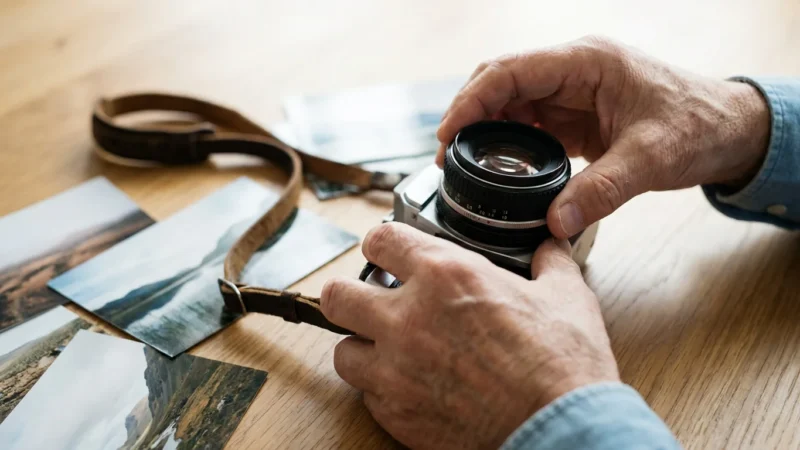
- Skill-Based Workshops: Dive into hands-on experiences. Enroll in a photography workshop, a pottery class, a coding bootcamp, a course on sustainable gardening, or even a session on digital literacy. These experiences provide tangible skills, foster creativity, and often lead to new hobbies or entrepreneurial ventures.
- Volunteering and Mentorship: Share your lifetime of expertise while learning new perspectives. By volunteering for a cause you champion or mentoring younger professionals through organizations like SCORE Mentoring, you engage in active learning. You gain insights from new challenges, acquire leadership skills, and contribute meaningfully to your community. This intergenerational exchange benefits both parties, bridging knowledge gaps.
- Reading and Self-Study: Cultivate a robust reading habit. Explore diverse genres, delve into non-fiction, or revisit classic literature. Many online resources, podcasts, and documentaries offer structured self-study paths on virtually any topic imaginable, allowing you to become your own expert in areas of deep interest.
- Joining Clubs and Groups: Become part of a book club, a hiking group that focuses on local ecology, a foreign language conversation group, a scientific discussion forum, or a chess club. These communities offer social interaction, collaborative learning, and a sense of belonging centered around shared passions.
- Learning a Musical Instrument or New Language: These endeavors rigorously exercise cognitive functions, enhancing memory, attention, and multitasking abilities. They demand dedication, discipline, and offer immense personal satisfaction. Online apps, private tutors, or group classes can kickstart your journey, leading to new forms of expression and cultural understanding.
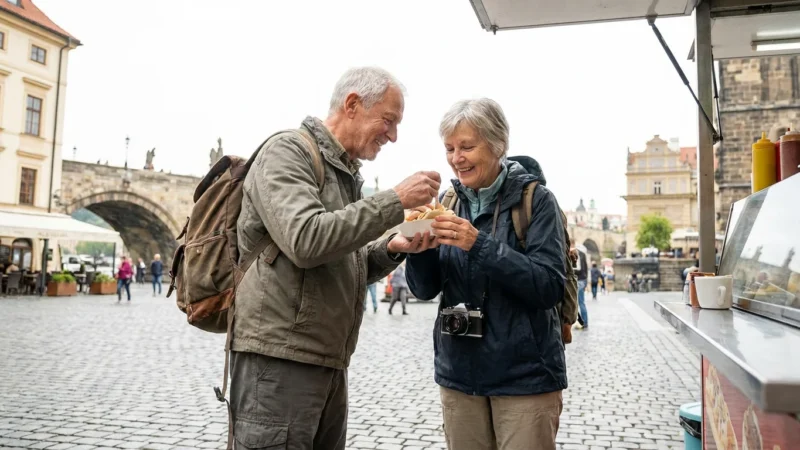
- Travel with a Purpose: Beyond structured educational tours, design your own learning-focused trips. Research the history, culture, or natural environment of your destination before you go. Engage with locals, visit museums, and truly immerse yourself in the learning experience, transforming every journey into an educational expedition.
These approaches allow you to tailor your learning to your lifestyle, interests, and energy levels. They demonstrate that every day presents an opportunity for intellectual stimulation, for pushing your boundaries, and for discovering something new about the world or yourself. Learning becomes an integral and joyful part of your retirement routine.

The Transformative Power of Personal Growth in Retirement
The continuous pursuit of knowledge offers more than just new information; it catalyzes profound personal growth. In retirement, this growth can redefine your identity, deepen your sense of purpose, and enrich every aspect of your life. You actively shape the person you are becoming, embracing a dynamic new self.
Lifelong learning keeps your spirit youthful and your perspective fresh. It challenges assumptions, broadens your worldview, and fosters empathy. When you engage with new ideas and diverse people, you cultivate a more adaptable and resilient mindset, essential for navigating an ever-changing world. This mental flexibility becomes a superpower.
Many individuals find that retirement, fueled by learning, becomes a time of reinvention. You might discover a hidden talent for painting, develop an expertise in astronomy, or become an advocate for a cause close to your heart. This journey of discovery often leads to unexpected paths and fulfilling new roles, giving life new meaning and direction.
Encore.org celebrates individuals who are using their experience and passions to create social impact in their later years. Their Purpose Prize winners exemplify how continued learning and engagement lead to meaningful contributions, illustrating the powerful connection between personal growth and societal benefit. Your learned skills can translate into tangible community impact.
Learning also strengthens your social fabric. Engaging in classes or study groups connects you with like-minded individuals, forging new friendships and intellectual camaraderie. This vibrant social interaction combats isolation, a factor known to impact well-being in later life. You build a supportive network around shared interests, fostering deep connections that enrich your retirement years.
Furthermore, personal growth through learning enhances your overall mental health. It provides a sense of achievement, reduces stress, and increases self-confidence. You challenge yourself to step outside your comfort zone, proving your capabilities and reminding yourself that age is merely a number, not a limit to your potential.

Crafting Your Personalized Learning Adventure: Actionable Steps
Embarking on a lifelong learning journey requires more than just desire; it demands intention and a strategic approach. You have the power to design a learning adventure perfectly suited to your aspirations and circumstances. Here is how you can begin shaping your unique path, transforming abstract dreams into concrete realities:
1. Define Your Learning Goals:
- Be Specific: Instead of “learn something new,” aim for “master basic conversational Spanish for my trip to Mexico” or “understand the principles of photography to improve my travel photos.” Specificity provides clear direction and measurable progress.
- Set a Timeline: Decide if you prefer short-term workshops, semester-long courses, or ongoing self-study. A clear timeline provides motivation and structure, helping you stay on track. Be realistic about the time commitment for your chosen goal.
- Identify Desired Outcomes: Do you want to gain a new skill, deepen your understanding of a complex topic, prepare for a new volunteer role, or simply enjoy the process of discovery? Understanding your motivation helps you select the right learning path.
- Break It Down: For larger goals, divide them into smaller, manageable steps. Learning a new language, for instance, can be broken into mastering basic vocabulary, then simple sentences, then conversational practice. This prevents overwhelm and celebrates incremental progress.
2. Research and Explore Opportunities:
- Tap Local Resources: Investigate community colleges, Osher Lifelong Learning Institutes, public libraries, and senior centers in your area. They often offer excellent, affordable programs tailored for older adults, providing a local community aspect.
- Leverage Online Platforms: Browse course catalogs on platforms like Coursera, edX, or even YouTube. Look for free audits or financial aid options for paid courses. This provides unparalleled flexibility and access to global expertise from your home.
- Connect with Networks: Talk to friends, family, and community members about what they are learning or what interests them. They might know about hidden gems, local learning groups, or recommended instructors. Word-of-mouth recommendations are invaluable.
- Trial and Error: Do not be afraid to try a short workshop or a single introductory class. If it does not resonate, move on. The goal is enjoyment and growth, not adherence to a preconceived plan. Allow yourself the freedom to experiment.
3. Plan Your Time and Budget:
- Allocate Time: Treat learning as a priority. Schedule dedicated learning blocks into your week, just as you would any other important activity. Consistency is key, even if it is just an hour a few times a week.
- Consider Costs: Many learning opportunities are free or low-cost. If pursuing a more expensive option, budget for tuition, materials, and travel. Remember that scholarships, grants, and senior discounts are often available. Explore all financial aid options to make learning accessible.
- Balance Commitments: Integrate learning with your existing retirement activities. Perhaps you listen to an educational podcast during your morning walk, or dedicate evenings to online courses after family commitments. Flexibility allows for sustainable learning.
4. Embrace a Growth Mindset:
- Welcome Challenges: Learning new things inevitably involves moments of difficulty, confusion, or frustration. View these as opportunities for growth and resilience, not roadblocks. Your brain thrives on overcoming challenges.
- Practice Patience: Mastery takes time. Celebrate small victories and acknowledge your progress, however incremental. Do not compare your learning pace to others. Focus on your personal journey and enjoy the process of discovery.
- Overcome Self-Doubt: Silence the inner critic that suggests you are “too old” or “not smart enough.” Your lifetime of experience is an asset, providing context and perspective. Believe in your capacity to learn and grow, regardless of age.
- Be Flexible: Your interests might evolve, or a particular course might not be what you expected. Allow yourself the freedom to pivot, explore new areas, and change direction as your journey unfolds. Learning is an iterative process.
5. Build a Learning Community:
- Connect with Peers: Seek out study groups, discussion forums, or clubs related to your learning interests. Shared experiences enhance motivation, provide accountability, and deepen understanding through diverse perspectives.
- Share Your Journey: Tell friends and family about what you are learning. Their encouragement and curiosity can be incredibly motivating. Teaching others what you have learned also solidifies your own understanding.
- Consider Mentorship: Both giving and receiving mentorship can be powerful learning tools. Look for opportunities to learn from experts in your chosen field or share your knowledge with others. Mentorship fosters growth for everyone involved.
- Engage in Intergenerational Learning: Seek out opportunities to learn alongside younger generations, or to teach them. This exchange of knowledge and perspective is incredibly enriching, breaking down age barriers and fostering mutual respect.
By taking these actionable steps, you transform the abstract idea of lifelong learning into a concrete, achievable plan. You move from dreaming about new passions to actively cultivating them, building a retirement rich with intellectual vitality and profound personal satisfaction.
Frequently Asked Questions
Is lifelong learning truly beneficial for seniors?
Absolutely. Research consistently shows lifelong learning enhances cognitive function, improves memory, and boosts overall brain health. It also fosters a sense of purpose, reduces feelings of isolation, and increases overall life satisfaction. You gain mental agility and emotional well-being.
How can I start learning new things if I feel overwhelmed?
Start small and choose a topic that genuinely excites you. Begin with a single online lecture, a short workshop, or a book. Break down larger learning goals into manageable steps. Remember, the journey begins with a single step, not a giant leap.
Are there affordable options for continuing education?
Yes, many. Public libraries offer free workshops and access to online learning resources. Community colleges often have senior discounts. Osher Lifelong Learning Institutes provide affordable, non-credit courses. Online platforms feature numerous free courses and auditing options. Financial constraints do not have to limit your intellectual pursuits.
What if I don’t have much free time?
Even small pockets of time contribute significantly. Dedicate 15-30 minutes daily to reading, listening to educational podcasts, or practicing a new skill. Integrate learning into existing routines, such as listening to an audiobook during walks or commutes. Consistency, even in brief intervals, yields remarkable results over time.
Can learning help me find a new purpose?
Indeed. Engaging with new subjects and skills often reveals latent talents or passions you never explored. This process of discovery can lead to new interests, volunteer opportunities, or even second careers that align with a renewed sense of purpose. Learning sparks new directions and meaning.
Retirement offers you an unparalleled opportunity to explore, to grow, and to redefine what is possible. Embrace the joy of lifelong learning as your guiding star in this extraordinary chapter. Your intellect is a muscle, and continuous exercise keeps it strong, vibrant, and ready for whatever new adventure you choose to pursue.
You possess the wisdom of experience and the freedom of time. Combine these powerful assets with an insatiable curiosity, and you unlock a retirement filled with endless discovery, profound satisfaction, and a deep, abiding joy. Step boldly into your next great learning adventure.
Disclaimer: This article is for informational and inspirational purposes. Life decisions are deeply personal, and we encourage readers to pursue their dreams while considering their unique circumstances, health, and financial situation.





Leave a Reply