
Retirement heralds a magnificent new chapter, a time of boundless potential and profound personal growth. You stand at the threshold of your most extraordinary years, poised to redefine what aging truly means. This is not a time to slow down, but a vibrant invitation to lean into life with renewed vigor, curiosity, and purpose.
Prioritizing your mental and physical health now becomes the bedrock for truly thriving in retirement. It is the fuel that powers your dreams, the foundation for your adventures, and the key to unlocking an era of deep fulfillment. Embrace this journey with boldness, knowing your best years are undeniably ahead.

Redefining Retirement Wellness: More Than Just Absence of Illness
Retirement wellness extends far beyond merely avoiding sickness. It encompasses a holistic approach to living, recognizing that your physical, mental, emotional, and social health are intricately connected. True wellness means actively pursuing vitality in every facet of your life, ensuring each day brings joy, purpose, and engagement.
In many cases, embracing minimalism can help clear the physical and mental clutter that often hinders a wellness-focused lifestyle.
While health is wealth, properly managing your retirement finances provides the peace of mind necessary to focus on your physical and mental goals.
Viewing retirement through this lens shifts the focus from managing decline to maximizing potential. You are not simply managing your age, you are mastering the art of living well at every stage. This perspective empowers you to take proactive steps towards a vibrant, fulfilling future.
Consider the interconnectedness of your wellbeing. A brisk morning walk not only strengthens your heart but also clears your mind, boosts your mood, and can even spark new creative ideas. Engaging in stimulating conversations enhances your social connections and keeps your cognitive faculties sharp. Each choice you make contributes to your overall retirement wellness.
Research consistently highlights the benefits of a proactive approach to senior health. For example, the Stanford Center on Longevity emphasizes how intentional lifestyle choices profoundly impact health span, not just lifespan. This means you gain more years of high-quality, independent living.

Fueling Your Body: Essential Physical Health Strategies
Your physical health forms the bedrock of an energetic retirement. It empowers you to explore new horizons, engage in beloved activities, and maintain your independence. Committing to a dynamic physical routine is an investment in every future adventure.
A solid understanding of financial literacy provides the security needed to invest in your physical health and wellness goals without stress.
Embrace Movement as a Lifestyle
Consistent physical activity is non-negotiable for robust senior health. It strengthens your heart, muscles, and bones, improves balance, and significantly elevates your mood. You do not need to become an elite athlete, consistent moderate movement makes a profound difference.
Consider diversifying your activities to benefit different aspects of your physical self:
- Aerobic Exercise: Activities like brisk walking, swimming, cycling, or dancing boost cardiovascular health. Aim for at least 150 minutes of moderate-intensity aerobic activity each week.
- Strength Training: Lifting light weights, using resistance bands, or bodyweight exercises (like squats against a chair) builds muscle mass, which naturally declines with age. Strong muscles protect your joints and improve mobility.
- Flexibility and Balance: Yoga, Tai Chi, and stretching exercises enhance your range of motion and reduce the risk of falls. Many community centers offer specialized classes tailored for seniors.
Start where you are, gradually increasing intensity and duration. Even 10-minute bursts of activity throughout the day accumulate into significant health benefits. The key is consistency and finding activities you genuinely enjoy.
Nourish Your Body Wisely
What you eat directly impacts your energy levels, cognitive function, and resilience against illness. A well-balanced diet fuels your body for all the adventures ahead.
- Prioritize Whole Foods: Focus on fruits, vegetables, lean proteins, and whole grains. These provide essential vitamins, minerals, and fiber.
- Stay Hydrated: Drink plenty of water throughout the day. Dehydration can lead to fatigue, confusion, and other health issues.
- Limit Processed Foods: Reduce intake of sugary drinks, unhealthy fats, and highly processed items. These offer little nutritional value and can contribute to inflammation and weight gain.
- Consider Nutritional Needs: As you age, your body’s nutritional requirements may shift. Discuss your diet with your doctor to ensure you are meeting all needs. Sometimes, supplements like Vitamin D or B12 may be beneficial.
Prioritize Restorative Sleep
Quality sleep is fundamental to both your physical and mental repair. It boosts immunity, enhances memory, and improves your overall mood. Aim for 7-9 hours of restorative sleep each night.
- Establish a Routine: Go to bed and wake up around the same time each day, even on weekends.
- Create a Relaxing Environment: Ensure your bedroom is dark, quiet, and cool.
- Limit Screen Time: Avoid electronic devices an hour before bed. The blue light can disrupt your sleep cycle.
- Avoid Caffeine and Heavy Meals: Steer clear of these close to bedtime.
Cultivating a Sharp Mind: Boosting Your Cognitive Vitality
Maintaining mental wellbeing is paramount for a rich and engaged retirement. Your brain thrives on novelty and challenge, proving that lifelong learning is not just a pastime but a powerful strategy for cognitive vitality. You possess an incredible capacity to grow and adapt, regardless of age.
Embrace Lifelong Learning
Keep your brain active by consistently exposing it to new information and skills. This stimulation builds cognitive reserves and sharpens your memory. The brain is remarkably plastic, meaning it can form new connections throughout your life.
- Learn a New Language: Studies show bilingualism can delay the onset of cognitive decline.
- Master a Musical Instrument: Playing music engages multiple areas of the brain, improving coordination and memory.
- Take a Class: Enroll in a university course, an online program, or a local community workshop. Osher Lifelong Learning Institutes offer fantastic opportunities across the country.
- Engage in Brain Games: Puzzles, crosswords, Sudoku, and strategic board games provide enjoyable mental workouts.
Challenge yourself regularly. Do not shy away from subjects or skills you once thought too difficult. This era of your life provides the perfect canvas for intellectual exploration.
Practice Mindfulness and Stress Reduction
Chronic stress can significantly impair cognitive function and overall mental wellbeing. Incorporating practices that calm your mind can enhance focus, improve memory, and foster emotional balance.
- Meditation: Even a few minutes of daily meditation can reduce stress, improve attention, and promote a sense of inner peace.
- Deep Breathing Exercises: Simple breathwork techniques can quickly calm your nervous system and bring clarity.
- Spend Time in Nature: Connecting with the natural world has proven benefits for stress reduction and mental clarity. Take walks in parks, gardens, or nature trails.
These practices are not about emptying your mind, but about observing your thoughts without judgment. They empower you to respond to life’s challenges with greater composure and clarity.
Nurturing Your Spirit: Emotional and Social Connections
Human beings are wired for connection. Robust social ties and a deep sense of purpose are critical components of how to care for mental health in retirement. They protect against loneliness, foster emotional resilience, and add immense richness to your daily life.
Proactive retirement travel planning is another wonderful way to combine social engagement with physical activity and discovery.
Actively building social connections in retirement creates a support system that wards off isolation and boosts emotional resilience.
Cultivate Meaningful Relationships
Strong social networks are a powerful antidote to isolation and a significant predictor of longevity and happiness. Actively seek out opportunities to connect with others.
- Nurture Existing Friendships: Make regular efforts to reach out to friends and family. Schedule calls, video chats, or in-person visits.
- Join Groups and Clubs: Pursue hobbies and interests in group settings. Book clubs, hiking groups, art classes, or volunteer organizations are excellent avenues for meeting like-minded individuals.
- Connect Across Generations: Mentoring younger individuals or engaging with grandchildren can be incredibly rewarding, offering fresh perspectives and vital energy.
These connections provide emotional support, intellectual stimulation, and a sense of belonging. They remind you that you are valued and an integral part of a larger community.
Discover and Live Your Purpose
A sense of purpose provides direction, meaning, and motivation. It is a powerful driver for how to care for mental health, helping you wake up each day with excitement and a clear sense of what matters to you. Retirement offers a unique opportunity to explore new passions or rekindle old ones.
“The biggest adventure you can take is to live the life of your dreams.” — Oprah Winfrey
- Volunteering: Contribute your time and skills to causes you care about. Organizations like VolunteerMatch can help you find opportunities that align with your interests.
- Mentoring: Share your lifetime of experience with others. Programs like those supported by Encore.org celebrate individuals making a difference in their second acts.
- Pursue a Passion Project: Start that novel, paint that landscape, learn that craft. The process of creation and pursuit is deeply fulfilling.
- Encore Career: Consider a part-time or full-time “encore career” that aligns with your values and offers social impact. The Purpose Prize celebrates older innovators making a difference.
Finding your purpose is an ongoing journey, not a destination. It evolves with you, offering new avenues for contribution and personal satisfaction.

Building Your Wellness Blueprint: Actionable Daily Habits
Transforming aspirations into reality requires a practical framework. Building a personal retirement wellness blueprint involves integrating healthy habits into your daily life. This section provides actionable steps to create routines that support your physical and mental wellbeing. These are the what healthy habits for seniors that truly make a difference.
Creating Your Personalized Wellness Routine
Success comes from small, consistent steps. Design a routine that feels sustainable and enjoyable, tailored to your unique preferences and circumstances. This is your personal roadmap to robust retirement wellness.
- Assess Your Current Habits: Begin by reflecting on your current daily activities. Identify areas where you are already strong and areas where you want to improve. Be honest but not judgmental.
- Set Realistic, Achievable Goals: Instead of aiming for perfection, set small, specific goals. For example, rather than “exercise more,” commit to “walk 30 minutes, three times a week.”
- Integrate Gradually: Do not try to change everything at once. Introduce one or two new habits at a time. Once they feel natural, add another. This gradual approach minimizes overwhelm and maximizes adherence.
- Schedule Your Wellness: Treat your wellness activities with the same importance as other appointments. Block out time in your calendar for exercise, social connection, learning, and relaxation.
- Build a Support System: Share your goals with a trusted friend, family member, or join a group. Having someone to share your journey with provides accountability and encouragement.
- Track Your Progress: Keep a simple journal or use an app to monitor your habits. Seeing how far you have come can be incredibly motivating. Celebrate small victories along the way.
- Be Flexible and Adapt: Life happens. If you miss a day, do not give up. Simply pick back up where you left off. Your wellness blueprint is a living document, it will evolve as you do.
Remember, consistency trumps intensity. Doing a little something every day is more effective than sporadic, intense bursts of effort. These what healthy habits for seniors are designed to be integrated seamlessly into your existing life.
Practical Daily Wellness Practices
Here are some examples of daily habits you can integrate to boost your mental and physical health:
- Morning Movement: Start your day with a short walk, some stretches, or a light yoga routine. This sets a positive tone and energizes your body.
- Mindful Moments: Dedicate 5-10 minutes to quiet reflection, meditation, or deep breathing. This helps center your mind and reduce stress.
- Hydration Check: Keep a water bottle handy and make conscious efforts to sip water throughout the day.
- Nutrient-Rich Snacks: Instead of reaching for processed foods, opt for fruits, nuts, or yogurt for your snacks.
- Social Touchpoint: Make it a point to connect with at least one person each day, whether a quick call, a text, or an in-person chat.
- Cognitive Challenge: Spend some time reading, working on a puzzle, or learning something new. Keep your brain engaged.
- Evening Wind-Down: Create a relaxing evening routine devoid of screens. Read a book, listen to calming music, or take a warm bath to prepare for sleep.
These practices are not rigid rules, but flexible guidelines to empower your retirement wellness journey. Choose what resonates with you and build from there.
Overcoming Obstacles and Staying Resilient
Even with the best intentions, you may encounter challenges on your wellness journey. This is a natural part of any significant life transition. The key lies in developing resilience, adapting to setbacks, and knowing when to seek support.
Navigating Common Hurdles
Many retirees face similar obstacles. Recognizing them helps you prepare and develop strategies to overcome them.
- Loss of Routine: The structure of work often disappears in retirement. Actively create a new, fulfilling routine to maintain purpose and engagement.
- Social Isolation: Friends may move, or social circles may shrink. Proactively seek out new communities and connections. Remember the power of organizations like AARP, which offers extensive resources for older adults, including social events and volunteer opportunities.
- Health Changes: Minor aches, pains, or more significant health issues can arise. This is an opportunity to adjust your wellness plan, perhaps modifying exercises or seeking new forms of support.
- Motivation Lapses: It is normal to lose motivation occasionally. Revisit your “why,” remind yourself of your goals, and perhaps try a new activity to rekindle excitement.
- Financial Concerns: While we do not offer financial advice, ensuring your wellness plans are sustainable within your budget is important. Many free or low-cost options exist for exercise, learning, and social engagement.
View challenges not as roadblocks, but as opportunities for creative problem-solving and growth. Your adaptability is one of your greatest strengths.
The Power of Professional Support
Sometimes, challenges are too complex to navigate alone, and seeking professional help is a sign of strength, not weakness. Do not hesitate to leverage expert resources available to you.
- Medical Professionals: Regular check-ups with your doctor are crucial. Discuss any physical or mental health concerns openly. They can provide guidance, referrals, and personalized advice.
- Mental Health Specialists: If you experience persistent feelings of sadness, anxiety, or struggle with a significant life transition, a therapist or counselor can offer valuable tools and strategies. Psychology Today offers extensive resources on mental health and purpose.
- Physical Therapists: For mobility issues or injury recovery, a physical therapist can design a safe and effective exercise program tailored to your needs.
- Nutritionists/Dietitians: If you have specific dietary needs or health conditions, a registered dietitian can help you develop a personalized eating plan.
Your wellness team can provide expert guidance, helping you optimize your mental wellbeing and senior health with confidence.
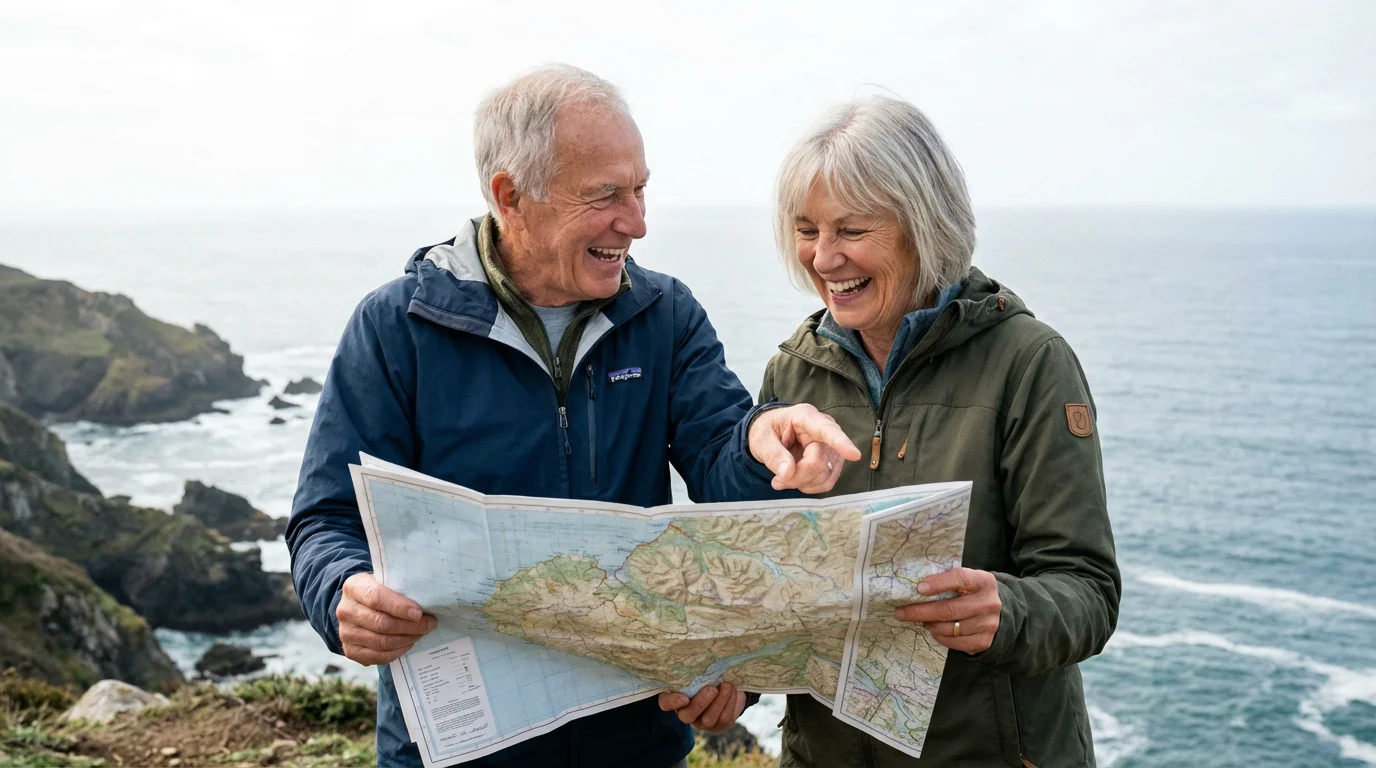
Embracing the Adventure: Your Wellness Journey Ahead
Retirement is not a finish line, it is a new starting line for an extraordinary adventure. It is your time to rewrite the script, to cast off old expectations, and to courageously pursue the life that truly excites you. Your retirement wellness is the engine that will power this incredible journey.
Embrace curiosity as your compass. Let boldness be your guide. Whether you are learning a new skill, traveling the world, volunteering in your community, or simply savoring daily moments of joy, your capacity for growth and fulfillment knows no age limits. Every sunrise brings new possibilities for vitality and purpose.
You have cultivated a lifetime of wisdom, experience, and resilience. Now, channel that power into crafting a retirement chapter that is vibrant, meaningful, and utterly unique to you. Prioritize your mental and physical health, for it is the greatest gift you can give yourself and those you love. Go forth and create your magnificent legacy.
Frequently Asked Questions
Is it too late to start new healthy habits in retirement?
Absolutely not. It is never too late to begin prioritizing your health. Studies show that individuals who adopt healthy lifestyle changes in their senior years experience significant benefits, including improved physical function, enhanced mental clarity, and increased longevity. Even small changes, consistently applied, can yield remarkable results.
How can I stay motivated to maintain my wellness routine?
Maintaining motivation involves several strategies. Set realistic goals, celebrate small victories, find an accountability partner, and diversify your activities to prevent boredom. Connect your wellness activities to your larger retirement dreams. For example, staying fit allows you to travel more, or maintain your favorite hobbies.
What if I feel isolated in retirement?
Feeling isolated is common, but it is also highly manageable. Actively seek out social opportunities by joining clubs, volunteering, or taking classes. Reach out to old friends and family, and be open to making new connections. Community centers, faith-based organizations, and online groups offer excellent avenues for social engagement.
How do finances impact my wellness choices?
Financial planning is an important aspect of overall retirement wellness, ensuring you have the resources to support your desired lifestyle. However, many wellness activities are low-cost or free. Walking, library programs, community center activities, and home-cooked meals offer significant health benefits without a large financial outlay. Focus on creative solutions that fit your budget.
Can I really reinvent myself in retirement?
Yes, absolutely. Retirement is often described as a “second act” for a reason. You have the time, experience, and freedom to explore new passions, acquire new skills, and even embark on new careers or volunteer roles. Embrace the idea that your identity is not fixed, and your potential for growth and reinvention is limitless.
Disclaimer: This article is for informational and inspirational purposes. Life decisions are deeply personal, and we encourage readers to pursue their dreams while considering their unique circumstances, health, and financial situation.







Leave a Reply