
Retirement no longer signals an exit from purpose, passion, or productivity. Instead, it ushers in a vibrant new chapter, a “second act” brimming with possibilities. You stand at the threshold of reinvention, where age becomes an asset, experience a foundation, and curiosity your compass. This is your time to dream bigger, learn more, and contribute in ways you always envisioned, but perhaps never had the time for. Embrace the opportunity to redefine your professional journey, leveraging your wisdom while acquiring new, valuable skills.

Redefine Retirement: Embrace Your Second Act
Forget outdated notions of retirement as a time for slowing down or stepping back. Modern retirement is an expansive canvas, inviting you to paint a future defined by growth, engagement, and meaningful contribution. Many individuals discover their most fulfilling work and profound impact during their “second act.” This period offers unparalleled freedom to pursue long-held aspirations, explore new interests, and even launch entirely new careers. You possess a unique blend of experience, perspective, and dedication, making you an invaluable asset in any field you choose to enter or create.
Many retirees find joy in transitioning from corporate to creative roles that allow them to explore long-dormant artistic passions.
The shift in perspective around aging and work creates fertile ground for your ambition. Longevity research from institutions like the Stanford Center on Longevity consistently highlights the benefits of continued engagement, both for individual well-being and societal progress. You are not just seeking personal fulfillment, you are also contributing to a broader movement that values wisdom and experience. Your best years are unequivocally ahead, waiting for you to seize them with renewed vigor and purpose.

Why Upskilling Is Your Strategic Advantage Now
The professional landscape evolves rapidly, driven by technological advancements and changing market needs. Upskilling, the process of learning new abilities or enhancing existing ones, acts as your key to unlocking these emerging opportunities. It is not merely about keeping up, it is about staying ahead, positioning yourself to thrive in dynamic environments. You do not need to shed your past; instead, you build upon it, integrating your lifetime of knowledge with fresh capabilities. This blend makes you uniquely compelling to employers and clients alike.
Maintaining a modern skillset is also a powerful strategy for overcoming ageism in the workplace by demonstrating your adaptability and commitment to growth.
Consider the practical advantages:
- Expanded Opportunities: New skills open doors to diverse roles, from consulting to entrepreneurship, and from part-time work to full-time engagement. You increase your versatility in a competitive market.
- Increased Earning Potential: Highly sought-after skills command better compensation, allowing you to supplement your retirement income or fund your next adventure. Your investment in learning provides a tangible return.
- Enhanced Cognitive Health: Engaging in National Institute on Aging-backed activities like learning new skills stimulates your brain, promoting mental sharpness and cognitive resilience. It keeps your mind agile and vibrant.
- Greater Personal Fulfillment: Mastering something new delivers immense satisfaction and boosts your self-confidence. You experience the joy of continuous growth and achievement.
- Social Connection: Learning often involves interacting with others, expanding your network and fostering new friendships. You connect with a diverse group of individuals who share your interests.
Upskilling is your proactive step towards an extraordinary second act, ensuring your professional relevance and personal enrichment for years to come. It affirms your commitment to a life lived fully, without limits.

Unearthing Your Purpose: Identifying Your Passion and Transferable Skills
Before diving into specific skill development, take time for introspective exploration. What truly ignites your spirit? What causes resonate with you? Your past experiences hold a treasure trove of transferable skills that form a powerful foundation for your future endeavors. Many individuals find deep meaning in “encore careers,” roles that combine personal meaning, social impact, and continued income, as championed by organizations like Encore.org.
Success in your second act often starts with identifying profitable second career ideas that align with your unique background and lifelong interests.
Follow these steps to pinpoint your unique path:
- Reflect on Your Life Story: Recall periods when you felt most alive, engaged, or impactful. What activities were you doing? What problems were you solving?
- List Your Passions: Beyond work, what hobbies, interests, or topics genuinely excite you? Do you love gardening, writing, mentorship, technology, or community service? Your passions often point to your purpose.
- Inventory Your Transferable Skills: Think broadly about the abilities you have honed over decades. These are not tied to a specific job title but are universally valuable.
- Communication (written, verbal, public speaking)
- Problem-solving and critical thinking
- Leadership and team management
- Project management and organization
- Mentorship and coaching
- Adaptability and resilience
- Sales and negotiation
- Customer service
You possess many of these already, making your learning journey more efficient.
- Identify Gaps and Desires: Once you have a clearer picture of your ideal second act, note the skills you already possess and the new ones you need to acquire. This creates a clear roadmap for your upskilling efforts.
This self-discovery process ensures your skill development aligns with your deepest values and aspirations, making your second act truly fulfilling. Your journey begins with understanding yourself.
“It is never too late to be what you might have been.” — George Eliot

In-Demand Skills for Today’s Ever-Evolving Landscape
The modern economy constantly generates new opportunities, and specific skills consistently appear on lists of “what skills are in demand now.” While your passions guide your choice, understanding market needs ensures your efforts yield tangible results. Many of these skills are highly adaptable across various industries, making them excellent investments for your career training. Focus on skills that enhance both your professional viability and your personal growth.
Many of these competencies are perfectly suited for those looking to explore the gig economy for seniors through freelance or project-based work.
Consider these high-demand categories for your skill development:
- Digital Literacy and Technology Skills:
- Cloud Computing: Understanding platforms like AWS, Azure, or Google Cloud opens doors in IT, data management, and more.
- Data Analysis: The ability to interpret and present data is crucial for business intelligence, marketing, and research.
- Cybersecurity Basics: Protecting digital assets is vital for every organization, offering roles in tech support or compliance.
- Website Development (No-Code/Low-Code): Tools like WordPress, Wix, or Squarespace allow you to build functional websites without extensive coding, perfect for small businesses or personal projects.
- Communication and Content Creation:
- Digital Marketing: SEO, social media management, content strategy, and email marketing are critical for almost any business.
- Copywriting: Crafting compelling text for websites, ads, and marketing materials remains a valuable skill.
- Video Editing: With the rise of video content, knowing how to edit engaging footage is a sought-after ability for creators and businesses.
- Public Speaking (Virtual & In-Person): Confidently conveying your message is always powerful, especially in a world of online presentations.
- Business and Entrepreneurial Skills:
- Project Management: Organizing tasks, managing timelines, and overseeing resources are essential for leadership roles.
- Financial Literacy and Planning: Understanding investments, budgeting, and financial analysis empowers you for personal ventures or advisory roles.
- E-commerce Management: Setting up and running an online store requires knowledge of platforms, marketing, and logistics.
- Consulting: Leveraging your decades of experience to advise businesses or individuals. This often requires strong analytical and communication skills.
- Human-Centric and Niche Skills:
- **Coaching and Mentorship:** Guiding others in professional or personal development is a deeply rewarding path, often enhanced by your life experience. Organizations like SCORE Mentoring rely on experienced individuals to mentor new entrepreneurs.
- Grant Writing: Assisting non-profits or community organizations in securing funding.
- Language Acquisition: Learning a new language can open doors to travel, teaching, or translation opportunities.
- Sustainability and Green Skills: Expertise in renewable energy, environmental consulting, or sustainable practices aligns with growing global needs.
- Online Learning Platforms: These are excellent for structured learning at your own pace.
- Coursera, edX, Udemy, Skillshare: Offer thousands of courses from universities and industry experts on topics ranging from data science to creative writing. Many provide certificates upon completion, which you can add to your professional profile.
- LinkedIn Learning: Focuses on business, technology, and creative skills, often integrated with professional networking tools.
- MasterClass: Provides instruction from world-renowned experts in their fields, offering inspiration alongside practical tips.
- Community Colleges and Local Adult Education Programs:
- Often provide vocational training, certificate programs, and continuing education courses in practical skills like accounting software, web design, or healthcare support. These options often blend online and in-person components.
- University Extension Programs (Osher Lifelong Learning Institutes):
- Institutions like Osher Lifelong Learning Institutes (OLLI) offer non-credit courses specifically designed for older adults. While many focus on enrichment, some provide skill-building opportunities in a supportive academic environment.
- Mentorship and Apprenticeships:
- Pairing with an experienced professional allows you to gain practical knowledge and industry insights. Seek out mentors through professional organizations, online networks, or local business groups.
- Some fields, particularly trades or specialized crafts, offer apprenticeship models where you learn on the job.
- Volunteer Work:
- Volunteering offers an invaluable way to gain real-world experience and build new skills without the pressure of formal employment. Organizations always need help with marketing, fundraising, event planning, and administration. Websites like VolunteerMatch can help you find opportunities.
- Self-Study and Personal Projects:
- Utilize books, tutorials, podcasts, and open-source resources to teach yourself. Apply your learning immediately by undertaking personal projects or offering pro bono services. Building a portfolio demonstrates your capabilities.
- Budgeting for Education: Treat your skill development as a worthwhile expense, allocating funds from your retirement savings or current income. Many online courses offer payment plans or reduced fees.
- Employer-Sponsored Training: If you are currently working part-time or in an existing role, inquire if your employer offers tuition reimbursement or professional development stipends. Many companies invest in employee growth.
- Grants and Scholarships for Older Adults: Some organizations and educational institutions provide financial aid specifically for older students returning to school or pursuing vocational training. Research local and national programs tailored to your demographic.
- Low-Cost or Free Resources:
- Public Libraries: Offer free access to online learning platforms (like LinkedIn Learning or Gale Courses), books, and workshops.
- YouTube Tutorials: An incredible source for visual learners, providing step-by-step guides on nearly any skill.
- MOOCs (Massive Open Online Courses): Many platforms offer free audit options for their courses, allowing you to learn without paying for a certificate.
- Government Workforce Development Programs: Some state and local governments offer free or subsidized training for in-demand skills, often focused on re-entry into the workforce.
- Tax Deductions: Consult with a tax professional regarding potential deductions for educational expenses related to career advancement or maintaining existing skills. This can reduce the net cost of your learning.
- Update Your Professional Profile: Revamp your resume, LinkedIn profile, and online portfolio to highlight your newly acquired skills, certifications, and any relevant projects. Emphasize how your experience combined with new skills creates unique value.
- Leverage Your Existing Network: Inform former colleagues, friends, and acquaintances about your new direction and skills. They may know of opportunities or people who can help. Your network is a powerful asset.
- Join Professional Organizations and Industry Groups: Attend virtual or in-person meetings, conferences, and workshops related to your new field. These platforms offer invaluable networking opportunities and insights into current trends.
- Create a Strong Online Presence: If your second act involves consulting, freelancing, or entrepreneurship, establish a professional website or blog showcasing your expertise. Share valuable content related to your niche.
- Practice Your “Elevator Pitch”: Articulate clearly and concisely what you do, what problem you solve, and what makes you unique. Practice until it feels natural and confident.
- Explore Flexible Work Options: Many companies are open to hiring experienced professionals for part-time, contract, or remote roles. These options provide flexibility and allow you to ease into your new career.
- Consider Entrepreneurship: If you have a business idea, use your new skills to launch your own venture. Resources like SCORE Mentoring can provide invaluable guidance for small business owners.
- Seek Feedback and Iterate: Be open to constructive criticism on your resume, pitch, or initial projects. Continuously refine your approach based on feedback and market responses.
- Embrace a Growth Mindset: Understand that learning is a continuous process, and mistakes are opportunities for growth, not failures. Your intelligence is not fixed; it expands with effort.
- Break Down Goals: Large goals can feel overwhelming. Divide your upskilling journey into smaller, manageable steps. Celebrate each milestone you achieve.
- Connect with a Support System: Share your journey with trusted friends, family, or a mentor. Their encouragement and perspective can be invaluable during challenging times.
- Prioritize Self-Care: Ensure you get adequate rest, nutrition, and physical activity. A healthy body supports a sharp mind and sustained energy for learning.
- Stay Curious and Open-Minded: Approach new technologies or ideas with a spirit of inquiry. Curiosity fuels learning and keeps the process engaging.
- Focus on Your “Why”: Remind yourself of the purpose behind your second act. Whether it is financial independence, intellectual stimulation, or making a difference, your “why” is a powerful motivator. Psychology Today highlights the importance of purpose in well-being, reinforcing the value of your efforts (Psychology Today Purpose).
- Celebrate Progress, Not Perfection: Acknowledge how far you have come and the skills you have already mastered. Focus on your continuous improvement rather than an elusive state of perfection.
- Network with Peers: Connect with others who are also upskilling or launching second careers. Sharing experiences and offering mutual support can be incredibly empowering.
Your choice of skill will depend on your passion and market alignment. These options provide a starting point for exploring the vibrant possibilities.
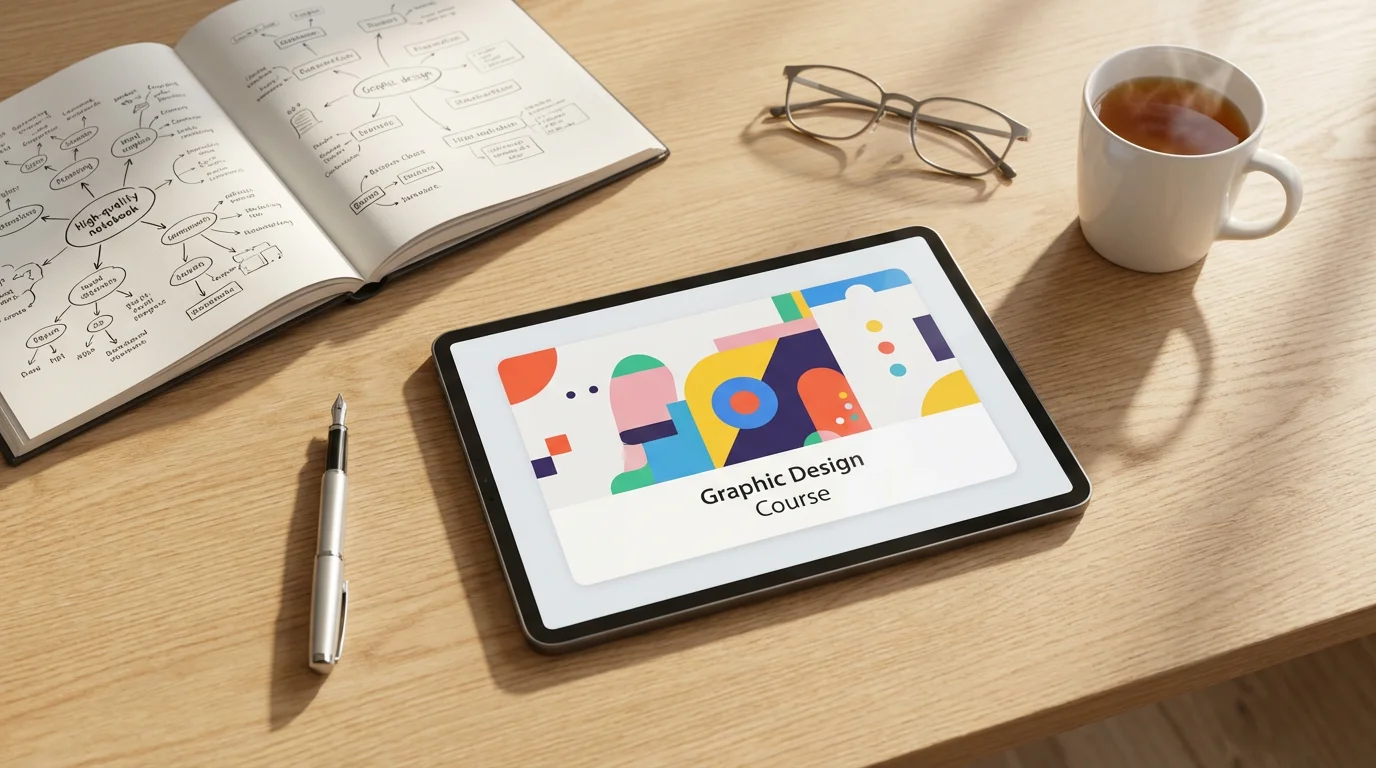
Mastering New Abilities: Your Guide to Skill Development
The pathways to learn new skills are more abundant and accessible than ever before. You do not need to enroll in a traditional four-year degree program to achieve your goals. A diverse array of resources, many offering online courses, caters to every learning style and schedule. The key lies in choosing the method that best suits your desired career training and personal preferences.
Developing technical proficiency also opens the door to remote work opportunities for retirees that provide the freedom to work from anywhere.
While technical proficiency is vital, don’t overlook the power of networking to help you discover hidden job opportunities in your new field.
Explore these effective strategies for how to learn new skills:
Remember, consistent practice and application solidify your learning. Do not be afraid to experiment with different learning methods until you find what resonates most effectively with you.

Financing Your Future: Investing in Your Skillset
Investing in your skill development is an investment in your future earning potential and personal fulfillment. While some resources are free, many quality programs carry a cost. Strategic planning ensures you can pursue your career training without financial strain. You possess the foresight and wisdom to make sound financial decisions that align with your long-term goals.
Consider these funding options for your upskilling journey:
Your proactive approach to financing your education empowers you to choose the best programs and accelerate your path to a fulfilling second act. Do not let perceived costs deter you from pursuing your dreams.

Building Bridges: Networking and Launching Your Retirement Career
Acquiring new skills is a significant accomplishment, but translating those skills into a new career requires strategic action. Networking is not just for young professionals; it is crucial for anyone building a new chapter, especially in your second act. Your rich life experience provides a compelling story and an authentic connection point. Launching your new career involves actively seeking opportunities, marketing your new abilities, and embracing a proactive mindset.
Building these connections is a vital first step, especially if you are starting a consulting business in retirement to monetize your professional wisdom.
Take these actionable steps to launch your second act:
The journey to a successful second act is iterative. Celebrate small victories, learn from every experience, and remain persistent in your pursuit of a career that truly resonates with you.

Cultivating Resilience: Overcoming Challenges and Staying Motivated
Embracing a new career chapter, especially one that involves significant learning, inherently comes with challenges. You might encounter moments of doubt, technological hurdles, or unexpected setbacks. However, your decades of life experience have already equipped you with immense resilience and problem-solving capabilities. Approach these challenges not as roadblocks, but as opportunities to demonstrate your adaptability and commitment. Maintaining motivation is crucial for sustained success.
Cultivate your resilience and stay motivated with these strategies:
Your wisdom and life experience are powerful assets in navigating this journey. Embrace every step, knowing that you are building a future as vibrant and limitless as your imagination.
Frequently Asked Questions
Is it really possible to start a new career after 55?
Absolutely. Your experience, wisdom, and professional network are invaluable assets. Many employers and industries actively seek mature professionals who bring a unique blend of skills and stability. The key involves identifying your transferable skills, acquiring new ones, and effectively marketing yourself.
How do I choose which new skills to learn?
Begin by reflecting on your passions, interests, and what truly excites you. Then, research “what skills are in demand now” in areas that align with those interests. Consider taking online assessments to identify your strengths and potential career paths. Prioritize skills that offer flexibility, growth, and genuine personal fulfillment.
Are online courses effective for career training?
Yes, online courses are highly effective, offering unparalleled flexibility and access to top-tier education. Platforms like Coursera, edX, and LinkedIn Learning provide structured learning, practical exercises, and industry-recognized certifications. They allow you to learn at your own pace, fitting around your existing commitments, and often provide the same content as traditional classroom settings.
What if I am not tech-savvy? Can I still upskill for a new career?
Of course. Many in-demand skills do not require advanced technical proficiency, and even tech skills can be learned from the ground up. Start with basic digital literacy, familiarize yourself with common software, and then gradually explore areas like website development (using user-friendly platforms) or digital marketing. Many resources cater specifically to beginners, guiding you step-by-step.
How long does it typically take to learn a new skill well enough for a job?
The timeframe varies significantly depending on the complexity of the skill and your dedication. Basic skills might take weeks or a few months, while more complex ones could take 6-12 months or even longer for mastery. Consistent practice, hands-on projects, and active application of your learning accelerate the process. Focus on steady progress, not just speed.
Disclaimer: This article is for informational and inspirational purposes. Life decisions are deeply personal, and we encourage readers to pursue their dreams while considering their unique circumstances, health, and financial situation.









Leave a Reply