Retirement often marks a powerful transition, a moment not for slowing down, but for embracing new adventures and pursuing long-cherished dreams. You have lived a life rich with experiences, lessons, and unique perspectives. Now, more than ever, is the time to capture that wisdom. Consider the profound impact of writing your memoir, transforming your personal journey into a lasting gift of storytelling for future generations.
Your story holds immense value. It offers an intimate glimpse into a life well-lived, providing context, inspiration, and connection for your family and beyond. Imagine the joy of sharing your triumphs, your challenges, and the moments that shaped you. This guide empowers you to embark on this meaningful project, offering actionable steps on how to write meaningful memoir.
Why Your Story Matters Now: The Power of Memoir
Retirement presents a unique opportunity for reflection and creation. You possess the time and perspective to look back, synthesize your experiences, and articulate the wisdom gained. Writing your memoir becomes a powerful act of legacy planning for your family, ensuring your voice resonates for years to come.
Discovering the joy of writing in this stage of life offers a beautiful way to reflect on your journey.
By sharing your personal history, you create deep intergenerational connections that will endure for generations.
Your personal history is not just a collection of facts. It is a tapestry of emotions, decisions, and relationships that shaped who you are today. Sharing these narratives fosters deeper understanding and connection within your family. It provides invaluable context for their own lives and decisions.
It is never too late to be what you might have been. — George Eliot
Research confirms the benefits of reflective practices like memoir writing. Studies indicate that engaging in life review can enhance a sense of purpose and well-being in older adults. You gain clarity about your journey, and you actively shape how your story will be remembered.
Consider the many gifts your memoir offers:
- Inspiration: Your journey can inspire courage and resilience in others.
- Connection: Family members understand their roots and heritage more deeply.
- Wisdom: You pass on life lessons, values, and insights.
- Personal Growth: The act of writing provides new perspectives on your own life.
- Preservation: You capture details, traditions, and memories that might otherwise fade.
Unearthing Your Narrative: Discovering What to Share
The thought of writing an entire life story can feel overwhelming. Start by identifying the core themes, pivotal moments, and significant relationships that define your unique journey. Your memoir does not need to cover every single day of your existence.
Embarking on this project is just one of many rewarding creative pursuits in retirement that can keep your mind active and inspired.
Making this transition from corporate to creative pursuits can be a deeply fulfilling way to reinvent yourself during retirement.
For many, discovering family history provides a rich foundation of details that helps anchor the personal narrative of a memoir.
Instead, focus on a specific period, a central theme, or a series of interconnected events. Perhaps you want to document your experiences during a particular historical era, recount your career evolution, or explore the profound impact of a life-changing decision. Defining your focus makes the task manageable and the narrative compelling.
Begin by exploring your memories through various prompts:
- Brainstorm Key Life Events: List major milestones, triumphs, and challenges from childhood to the present.
- Identify Pivotal Relationships: Who influenced you most? What lessons did they teach?
- Recall Defining Moments: Think about specific experiences that shifted your perspective or changed your path.
- Explore Your Values: What principles guided your decisions throughout life?
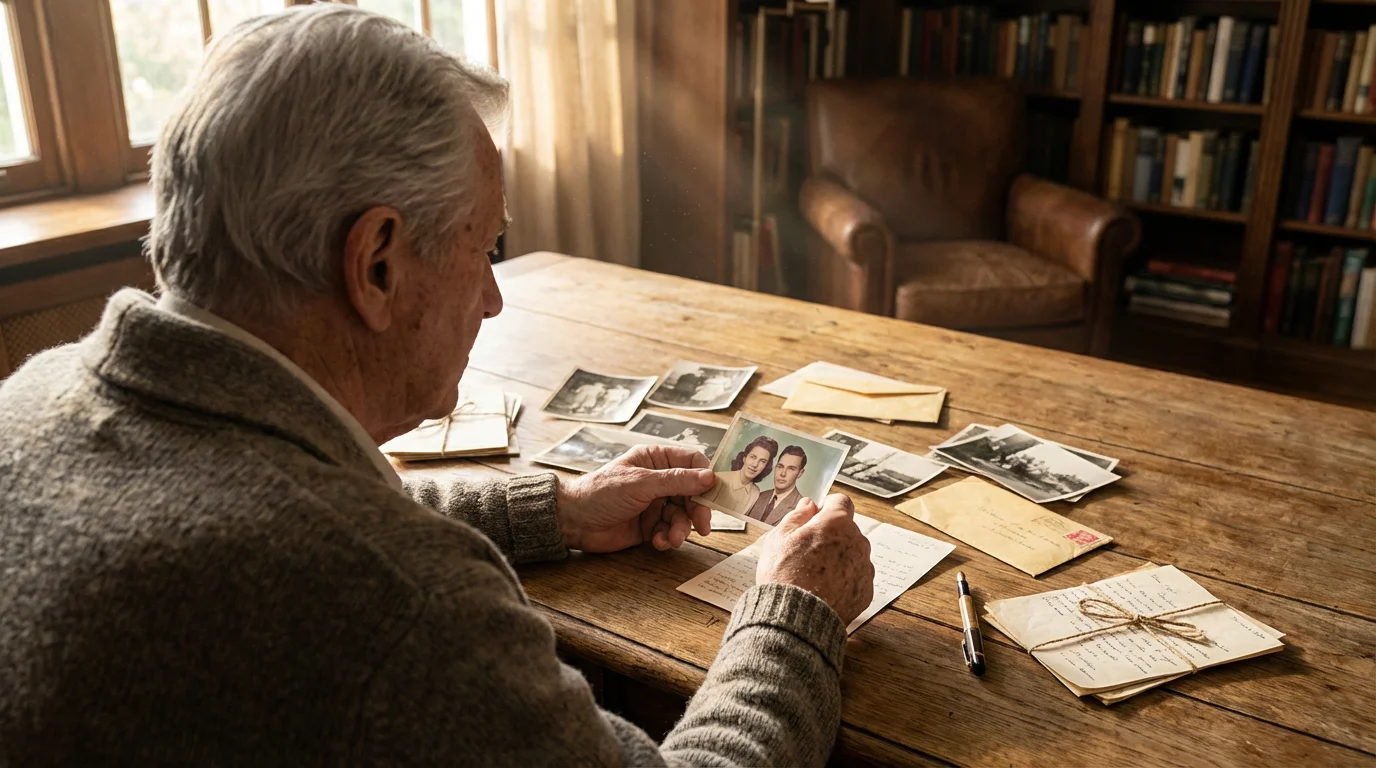
- Gather Artifacts: Look through old photographs, letters, journals, and family documents. These often spark forgotten memories and provide concrete details.
Many find it helpful to record initial thoughts or conversations. Speak your memories aloud, perhaps to a trusted friend or family member, or use a voice recorder. This informal approach can help you uncover stories you did not realize you held.

Crafting Your Memoir’s Outline: Structuring Your Life
Once you have a wealth of memories, the next step involves organizing them into a coherent narrative. An outline acts as your roadmap, guiding your writing process and ensuring a cohesive story. You can choose from several structural approaches, depending on the nature of your memories and your desired emphasis.
Consider these common memoir structures:
- Chronological: Follow your life journey from beginning to a chosen end point. This provides a clear, linear progression for readers.
- Thematic: Focus on several overarching themes, such as love, resilience, adventure, or learning. Each chapter can explore a different theme through various life events.
- Episodic: Present a series of self-contained stories or vignettes that collectively illustrate your life or a specific period. This works well for those with many vivid, distinct anecdotes.
- Transformative: Center your narrative around a significant life change, a journey of personal growth, or an experience that profoundly altered your perspective.
Your outline does not need to be rigid. It serves as a flexible framework. You can adjust and refine it as you write and discover new connections. The goal is to create a logical flow that engages your reader and effectively communicates your story.
Map out the key events or themes you wish to include in each chapter. Give each chapter a working title. Identify the beginning, middle, and end for your entire memoir, and then for each individual chapter. This structured approach simplifies the actual writing considerably.

Bringing Your Memories to Life: The Art of Storytelling
A compelling memoir moves beyond simply listing events; it immerses the reader in your experience. This is where the art of storytelling comes alive. Use vivid language, sensory details, and emotional honesty to transport your readers into your past.
If you want to experiment with different forms of expression, exploring retirement poetry can also be a wonderful outlet for your emotions.
Mastering the art of storytelling helps you transform everyday recollections into a narrative that truly resonates with readers.
Show, do not just tell. Instead of saying “I was sad,” describe the heavy ache in your chest, the blur of tears, or the quiet solitude you sought. This creates a stronger connection with your audience. Your words become windows into your lived experience.
Practical tips for enriching your narrative:
- Engage the Senses: Describe sights, sounds, smells, tastes, and textures. What did the bakery smell like? What music played during a memorable event?
- Use Dialogue: Recreate conversations as accurately as possible. Dialogue makes characters, including yourself, feel real and dynamic.
- Incorporate Reflection: Weave in your present-day insights and understanding of past events. This adds depth and demonstrates your growth over time.
- Vary Sentence Structure: Mix short, impactful sentences with longer, more descriptive ones to maintain reader interest.
- Be Authentic: Share your vulnerabilities, your mistakes, and your triumphs with genuine emotion. Authenticity resonates deeply with readers.
Remember that your perspective is unique. Embrace your individual voice and allow it to shine through your prose. Your memoir is not a historical document; it is your personal truth, beautifully articulated.

Establishing Your Writing Practice: Consistency and Joy
The key to completing your memoir lies in establishing a consistent writing routine. Treat your writing time as a sacred commitment, just like any other important appointment. Even short, regular sessions yield significant progress over time.
Your written experiences can also serve as a vital tool for sharing your wisdom and guiding the next generation.
For those who want to start small, embracing the joy of journaling is a gentle way to build a reliable habit.
You do not need to dedicate entire days to writing. Many successful memoirists find that even 30-60 minutes daily, or a few times a week, builds momentum. Find the time of day when you feel most energized and focused, and make it your dedicated writing slot.
To foster a productive and enjoyable writing environment, consider these steps:
- Designate a Space: Create a comfortable, inspiring, and clutter-free area dedicated to your writing.
- Set Achievable Goals: Instead of aiming for a specific word count, try writing for a set duration, or committing to completing a particular scene or event.
- Silence Distractions: Turn off notifications, close unnecessary tabs, and inform family members of your writing schedule.
- Join a Writing Group: Connect with other aspiring writers for support, feedback, and accountability. Organizations like SCORE Mentoring can offer valuable guidance for entrepreneurs, which can apply to the discipline of writing.
- Read Memoirs: Immerse yourself in the genre. Reading others’ memoirs provides inspiration and demonstrates diverse approaches to storytelling.
Embrace the journey of discovery that writing offers. Your memoir is a testament to your life, and the process itself can be incredibly enriching. Celebrate small victories and remain patient with yourself. Remember, the goal is to enjoy the creation process as much as the final product.

Overcoming Common Hurdles: Staying Motivated
Every writer encounters obstacles. You might face writer’s block, self-doubt, or the challenge of recalling difficult memories. Recognizing these common hurdles allows you to prepare for them and develop strategies to overcome them, ensuring your project progresses.
One common challenge is the fear of judgment. Remember, this is your story to tell. You control the narrative. You decide what to include and what to omit. Your primary audience can be yourself, your family, or a wider readership; clarity on this helps guide your choices.
Strategies to navigate memoir writing challenges:
- Embrace Imperfection: Your first draft is meant to be imperfect. Focus on getting your story down, knowing you will refine it later.
- Take Breaks: Step away from your manuscript if you feel stuck. A walk, a hobby, or a conversation can often refresh your perspective.
- Seek Support: Share your progress and frustrations with a trusted friend, family member, or writing mentor. Having an encouraging ear makes a significant difference.
- Practice Self-Compassion: Be kind to yourself through the emotional process of revisiting your past. It is okay to feel a range of emotions during this journey.
- Revisit Your “Why”: Remind yourself of the deep purpose behind your memoir. Focus on the legacy planning for your family and the gift of storytelling you are creating.
Your resilience and life experience equip you perfectly to navigate these creative challenges. View each hurdle as an opportunity to deepen your commitment to telling your unique story.

Sharing Your Legacy: What Happens After You Write
Completing your memoir is a monumental achievement. Congratulations! Now, consider how you want to share your incredible journey. The beauty of writing your own story is that you control its destination, ensuring your legacy planning for your family aligns with your vision.
You have many options for sharing your memoir:
- Family Heirloom: Print copies for immediate family members and close friends. This creates a tangible piece of your history.
- Digital Archive: Convert your memoir into an e-book or PDF to easily share with a wider family network, especially those living far away.
- Self-Publishing: For those who wish to reach a broader audience, self-publishing platforms offer accessible avenues to make your book available to the public.
- Community Engagement: Consider sharing excerpts or presenting your story at local community centers, libraries, or lifelong learning programs, such as those offered by Osher Lifelong Learning.
- Personal Website/Blog: Share your writing on a personal platform, creating an ongoing space for your stories and reflections.
The act of writing your memoir fundamentally changes you. You gain a clearer understanding of your life’s trajectory and the impact you have made. You also empower others through the authentic recounting of your experiences. Your story stands as a testament to the richness of a life fully lived, an enduring gift of storytelling.
Frequently Asked Questions
Do I need to be a professional writer to write a memoir?
Absolutely not. Your unique experiences and authentic voice are far more important than formal writing training. Many excellent memoirs come from individuals with no prior professional writing background. The desire to share your story is your most valuable asset.
How long should a memoir be?
Memoirs vary greatly in length, typically ranging from 50,000 to 90,000 words. However, your memoir’s length depends entirely on the scope of your story. Focus on telling your chosen narrative completely and compellingly, rather than adhering strictly to word count targets.
Is it okay to write about difficult or sensitive topics?
Yes, many memoirs explore challenging life events. Deciding what to include and how to present it is your personal choice. Consider the impact on yourself and others. You control the narrative and can choose to anonymize individuals or focus on your personal journey through the event. It is your story, told on your terms.
What if my family members disagree with my portrayal of events?
Memoirs are inherently subjective. They represent your memories and your perspective. While factual accuracy is important, different people often recall events differently. Be honest in your portrayal of your own feelings and experiences, acknowledging that it is *your* truth. You are not writing a definitive historical account, but a personal narrative.
Disclaimer: This article is for informational and inspirational purposes. Life decisions are deeply personal, and we encourage readers to pursue their dreams while considering their unique circumstances, health, and financial situation.