

Your retirement chapter offers an incredible opportunity for reflection, reinvention, and legacy building. You possess a lifetime of experiences, wisdom, and stories waiting to be shared. Imagine crafting a vibrant narrative that captures your unique journey, not just for yourself, but as a priceless gift for future generations. This is the power of memoir writing: a bold, creative endeavor that allows you to celebrate your life and articulate the lasting impact of your existence.
For many, writing a book is a top priority on their retirement bucket list, serving as the ultimate creative challenge.
You can transform your memories into a compelling `personal story`. This guide empowers you to embark on this fulfilling journey, showing you `how to write your life story` step by step. Embrace the unlimited potential of this adventure and begin preserving your `legacy` today.

Embrace Your Unique Story: Why Your Voice Matters
Every life is a rich tapestry woven with triumphs, challenges, lessons, and laughter. You have lived through eras, witnessed history, and shaped your own corner of the world. Your perspective is irreplaceable, your experiences invaluable. Sharing these elements through `memoir writing` offers profound benefits.
By embracing the art of storytelling, you can turn your lived experiences into a powerful legacy of wisdom for others.
Writing your story offers you a chance to reflect deeply on your journey. This process often brings new insights and a renewed appreciation for the path you have traveled. You might discover hidden connections between events or recognize the resilience you demonstrated in difficult times. Research suggests that engaging in meaningful activities, such as writing your memoir, contributes significantly to a sense of purpose and well-being in later life. Psychology Today explores how a strong sense of purpose enhances overall happiness and longevity, making your memoir project a truly beneficial pursuit for your own life and mind. You enrich your present by reflecting on your past, connecting with your deepest motivations and achievements.
Many people hesitate, believing their life lacks the drama or fame necessary for a book. Discard that notion immediately. Your memoir is not about celebrity; it is about authenticity, truth, and the universal human experience. Your descendants will cherish the chance to understand their roots and draw inspiration from your journey. Friends and wider audiences will find resonance in your personal struggles and triumphs. Your voice holds power and wisdom.

Getting Started: Laying the Foundation for Your Memoir
Beginning a memoir feels exciting, but also potentially overwhelming. Approaching it with a clear strategy helps immensely. You need a solid foundation before you dive into the actual writing. This initial planning phase helps you define your purpose and scope.
Define Your Purpose and Audience
Consider why you want to write your memoir. Are you primarily documenting family history, sharing life lessons, processing past events, or inspiring others? Identifying your core motivation guides your narrative choices. Next, think about your ideal reader. Writing for your grandchildren differs from writing for a broader public audience. This clarity influences your tone, detail, and emphasis throughout the book.
Writing a memoir is one of many fulfilling creative pursuits that can bring immense satisfaction to your post-career life.
Brainstorm Core Themes and Memories
Begin by casting a wide net for memories. Do not worry about order or completeness at this stage. Simply allow your mind to wander and capture anything that comes to mind. This free association helps unearth forgotten moments and pivotal experiences. Many writers find initial brainstorming a liberating exercise. You unlock a vast reservoir of potential stories by simply listing everything you recall.
- Key life events: Births, deaths, marriages, career changes, moves.
- Pivotal moments: Decisions that altered your path, unexpected opportunities, significant challenges.
- Major relationships: Family members, mentors, friends who impacted you profoundly.
- Personal triumphs: Achievements, moments of courage, times you overcame adversity.
- Cultural or historical context: How world events shaped your life, or how your life reflects broader societal changes.
- Sensory memories: Strong smells, sounds, tastes, sights, or feelings associated with particular times.
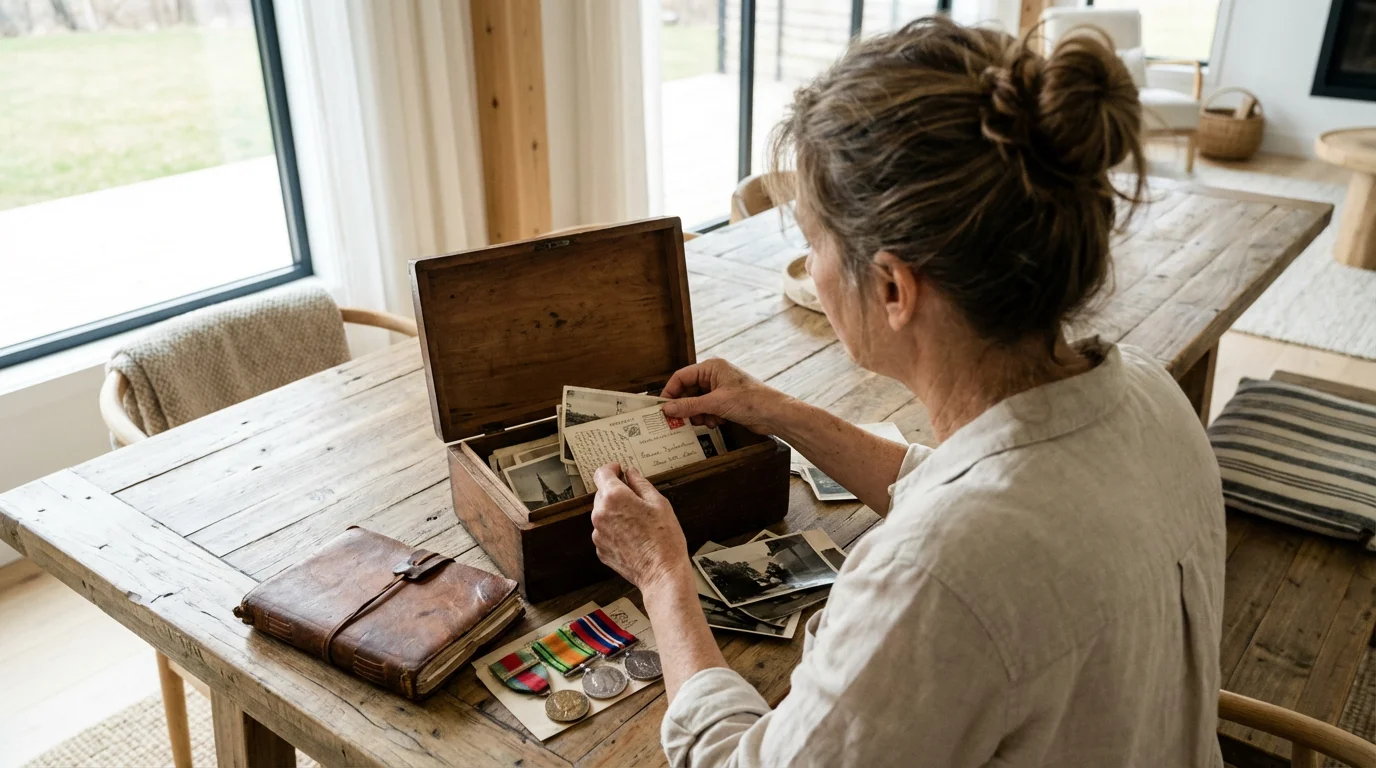
Gathering Your Memories: The Treasure Hunt of a Lifetime
Once you have a preliminary list, you transition into a more systematic memory retrieval process. Think of this as a treasure hunt for your past. You will discover forgotten details and enrich your overall narrative. Your meticulous approach now pays dividends later in the writing process.
This journey down memory lane is a wonderful opportunity for rekindling old passions and reconnecting with the dreams of your younger self.
Explore Memory Triggers
Actively engage with items and people that can spark your recollection. These resources provide concrete anchors for otherwise elusive memories. You draw upon multiple sources to create a richer, more detailed tapestry of your life. This comprehensive approach ensures you capture the nuances of your experiences.
- Photographs: Old albums, framed pictures, and digital archives offer powerful visual cues. Note the people, places, dates, and emotions evoked.
- Journals and Diaries: If you kept them, these provide immediate access to your thoughts and feelings at specific times. They offer authentic, in-the-moment perspectives.
- Letters and Emails: Correspondence with loved ones or colleagues can revive conversations and specific events. These documents provide direct evidence of past interactions.
- Heirlooms and Mementos: Objects can hold stories. A piece of jewelry, a souvenir, or a tool might unlock a flood of memories.
- Interviews with Others: Talk to family members, old friends, and former colleagues. They may remember events differently or recall details you have forgotten. Their perspectives enrich your narrative significantly.
Create a Timeline or Outline
As you gather memories, organize them into a structured framework. A chronological timeline works well for many memoirs, allowing you to track your life’s progression. Alternatively, you might choose a thematic outline, grouping memories around specific subjects or relationships. This structure provides a roadmap for your `personal story`. You give your memories an organized home, which will make the writing flow more smoothly.

Structuring Your Narrative: Crafting Your Personal Story
Your memoir does not need to cover every single day of your life. It needs to tell a compelling story. Think of yourself as a storyteller, carefully selecting and arranging events to create meaning and impact. You sculpt a cohesive narrative from the raw material of your memories. This shaping is a crucial step in transforming recollections into a read-worthy book.
Choose Your Narrative Arc
Every good story has a beginning, a middle, and an end. Even if your memoir covers a specific period, identify the arc within that timeframe. What was the driving question or challenge? How did you evolve? What resolution or understanding did you reach? Your answers guide your storytelling. You provide your readers with a journey, not just a list of events.
- Chronological: Follow events in the order they occurred. This is a common and straightforward approach for many `memoir writing` projects.
- Thematic: Organize around key themes, such as love, loss, career, adventure, or personal growth. Each chapter might explore a different theme, potentially jumping through time.
- Episodic: Focus on a series of related but distinct episodes or turning points in your life, rather than a continuous narrative. This works well for highlighting specific periods or achievements.
- “Frame” Story: Begin with a present-day reflection, then delve into the past, returning to the present at the end for final insights.
Focus on Scenes, Not Summaries
Bring your memories to life by writing them as scenes. Instead of saying, “I had a difficult childhood,” describe a specific event that illustrates that difficulty. Show your reader what happened, how it felt, and what you learned. Use dialogue, sensory details, and vivid descriptions. You immerse your reader in your experiences by painting a picture with your words. This makes your `personal story` resonate deeply.
If you find capturing full scenes challenging, exploring retirement poetry can be another beautiful way to express condensed, powerful emotions.
“It is never too late to be what you might have been.” — George Eliot

The Writing Process: Putting Pen to Paper (or Fingers to Keyboard)
Now, the exciting part begins: translating your outline and memories into actual prose. This demands discipline, patience, and a willingness to simply start. Do not wait for perfect conditions or flawless inspiration. You begin by simply putting words down. This action is the most important step in `how to write your life story` effectively.
To make the most of this creative endeavor, it helps to understand the joy of writing in retirement as both a therapeutic outlet and a legacy project.
If you find yourself stuck, using creative writing prompts is a great way to spark your imagination and get the words flowing again.
- Establish a Routine: Consistency is key. Dedicate a specific time each day or week to writing, even if only for 30 minutes. Make it a non-negotiable appointment with yourself. You build momentum through regular practice.
- Create a Conducive Environment: Find a quiet space where you feel comfortable and minimize distractions. Ensure you have your chosen writing tools ready, whether a pen and notebook or your computer. You optimize your focus and creativity.
- Write Freely (First Draft): During your first draft, focus on getting your story down. Do not worry about grammar, spelling, or perfection. Simply tell your story as it comes to you. You give yourself permission to make mistakes.
- Show, Do Not Tell: Instead of stating emotions, describe the actions, expressions, and physical sensations that convey those feelings. For example, instead of “I was scared,” write “My heart pounded, and my hands trembled as I peered into the darkness.” You engage the reader’s imagination.
- Use Sensory Details: Engage all five senses. What did you see, hear, smell, taste, and feel in that moment? Rich sensory details make your narrative immersive and authentic. You transport your reader directly into your memories.
- Embrace Dialogue: Recreate conversations as best you can recall them. Dialogue brings characters to life and propels the story forward. You reveal personalities and relationships through spoken words.
Writer’s block happens to everyone. When you feel stuck, try switching to a different section of your outline, free writing about why you are blocked, or simply taking a walk. You allow your subconscious mind to work on the problem. Remember, the goal of the first draft is completion, not perfection. You achieve a complete draft by pushing through obstacles.

Refining Your Manuscript: Editing and Polishing Your Words
Once you complete your first draft, step away from it for a while. A break allows you to return with fresh eyes and a critical perspective. You move from the creative phase to the analytical phase. This crucial distance helps you identify areas for improvement.
Self-Editing Techniques
Read your manuscript aloud. This helps you catch awkward phrasing, repetitive words, and sentences that do not flow well. You hear your words differently than you see them. Look for consistency in character portrayal, timeline, and themes. You ensure your `personal story` remains coherent and impactful.
- Big Picture Edit: Does the story flow? Is the pacing right? Are there any confusing sections or missing information? Do you achieve your original purpose?
- Chapter-by-Chapter Review: Evaluate each chapter for its contribution to the overall narrative. Does it have a clear focus? Does it engage the reader?
- Paragraph and Sentence Level: Check for clarity, conciseness, and vivid language. Eliminate jargon and clichés. Strengthen your verbs and remove unnecessary adverbs.
- Grammar and Spelling: Proofread carefully for errors. Consider using grammar-checking software, but always rely on your own judgment.
- Fact-Checking: Double-check dates, names, and historical details mentioned in your memoir. Accuracy builds trust with your reader.
Seek Feedback
Share your manuscript with trusted readers. Choose people who offer honest, constructive criticism. They do not need to be professional editors, but they should be good readers who provide valuable insights. Ask them specific questions about what resonated, what confused them, and where they felt disengaged. You gain invaluable external perspective. This step helps you polish your `memoir writing` to its finest form.

Sharing Your Legacy: The Final Steps to Preservation
After all your hard work, your memoir becomes a tangible testament to your life. Now, consider `what is the best way to preserve my story` and share it with those who will cherish it. The final steps involve making your memoir accessible and enduring. You ensure your `legacy` reaches its intended audience.
Printing and Publishing Options
You have several choices for transforming your manuscript into a finished book.
- Family Editions: For a personal, intimate share, consider using local print shops or online print-on-demand services like Blurb or Lulu. You can order a small number of beautifully bound copies for family and close friends.
- Self-Publishing: If you wish to reach a wider audience, platforms like Amazon Kindle Direct Publishing (KDP) allow you to publish both e-books and print-on-demand paperbacks. This gives you full control over the process and royalties.
- Traditional Publishing (Less Common for Memoirs, but Possible): If your story holds broad appeal or you have a unique platform, you might pursue a literary agent and traditional publisher. This path is more competitive but offers wider distribution.
Digital Preservation
Beyond physical copies, ensure your `personal story` lives on digitally. Save multiple copies of your manuscript in different formats and locations.
- Cloud Storage: Use services like Google Drive, Dropbox, or OneDrive.
- External Hard Drives: Keep a physical backup of your files.
- PDF Conversion: Convert your final manuscript into a PDF. This format maintains your formatting and ensures readability across various devices for years to come.
Your memoir is more than just a book; it is a profound act of `legacy` building. You provide a window into your world, offering lessons, humor, and a deep understanding of your heritage. You leave behind a testament to a life well-lived, a source of connection and inspiration for generations to come. Your story will inspire others to live boldly and pursue their own extraordinary chapters.
Frequently Asked Questions
Can I write a memoir if I am not famous?
Absolutely. Memoirs are personal stories, not celebrity biographies. Your unique experiences and perspective hold immense value. People connect with authentic human stories, regardless of fame. Your life offers a rich tapestry of experiences that deserve to be told.
How long should a memoir be?
Memoirs vary in length, typically ranging from 40,000 to 80,000 words. This translates to roughly 150-300 printed pages. Focus on telling a complete, compelling story rather than hitting a specific word count. You determine the optimal length for your narrative.
Do I need to include every detail of my life?
No, a memoir is not an autobiography that covers every event chronologically. A memoir focuses on a specific period, theme, or significant aspect of your life. You choose the most impactful moments and craft a narrative around them. Select details that serve your story’s purpose.
What if my memories are hazy or I forget important details?
Memory is fluid. Use memory triggers like photos, journals, letters, and conversations with others to fill in gaps. Accept that some details may remain elusive. Focus on the emotional truth and the broader narrative arc. Your authentic recollection creates the story.
Is it okay to write about sensitive family matters?
Approach sensitive topics with care and consideration. You own your story, but consider the potential impact on living individuals. Discussing certain events with affected parties beforehand can be wise. You can also change names or details to protect privacy while preserving the emotional truth. Your ethical considerations shape these narrative choices.
Disclaimer: This article is for informational and inspirational purposes. Life decisions are deeply personal, and we encourage readers to pursue their dreams while considering their unique circumstances, health, and financial situation.





1 Comment