

You stand at the precipice of an exciting new chapter, a time when possibilities stretch further than ever before. Retirement is not an ending. It is a powerful new beginning, a chance to redefine your purpose, leverage a lifetime of wisdom, and even launch a fulfilling encore career. Many individuals find volunteering opens the door to these extraordinary opportunities for growth and professional renewal.
This transition is a perfect opportunity to move from corporate to creative endeavors, allowing your unique talents to shine.
Consider volunteering as a strategic tool, a dynamic pathway to acquire new career skills, expand your professional network, and test new passions without immediate financial pressure. This journey can lead you directly to a new paid position, a consulting role, or even inspire a thriving entrepreneurial venture. Your best work, your most impactful contributions, might still lie ahead, waiting for you to unleash them through purposeful action.

The Uncharted Path: Reinvention Through Purpose
Retirement invites you to craft a life filled with meaning and impact, a life that resonates deeply with your values and aspirations. For many, this includes continuing to contribute professionally, finding new challenges, and applying their seasoned expertise in fresh contexts. Volunteering offers an exceptional bridge to this reinvention, allowing you to explore new avenues at your own pace and without the immediate pressures of a traditional job search.
Ultimately, getting involved in local causes stands out as one of the most meaningful retirement bucket list contributions you can make.
To ensure your efforts have the greatest impact, focus on matching your skills to meaningful causes that align with your personal values.
You possess a wealth of experience, perspective, and wisdom, accumulated over decades of living and working. This is your moment to channel that into ventures that ignite your spirit and expand your horizons. Envision yourself learning entirely new technologies, leading community initiatives, or mentoring the next generation, all while building a powerful new professional profile. This transformative journey often begins with a single, purposeful volunteer decision that aligns with your evolving sense of self.
“It is never too late to be what you might have been.” — George Eliot
Beyond the tangible career benefits, engaging in purposeful volunteer work significantly boosts your well-being. Research consistently shows that giving back correlates with increased happiness, reduced stress, and even improved physical health. When you integrate service into your life, you gain not only new skills and connections, but also a profound sense of fulfillment that enriches every aspect of your retirement experience.

Unlocking New Potential: Why Volunteering Transforms Your Career Journey
Volunteering is far more than altruism. It is a powerful catalyst for personal and professional growth, especially when you seek to transition or advance in your career. It provides a no-pressure environment to try on new roles, develop new skills, and connect with diverse individuals from various industries and backgrounds. These experiences are invaluable on your journey towards a renewed career path.
To see how this transition unfolds, you might find inspiration in Sarah’s fulfilling retirement giving back, which highlights the deep satisfaction of service.
Many organizations warmly welcome experienced volunteers, seeing your wisdom, leadership qualities, and practical skills as invaluable assets. You can step into leadership roles, manage complex projects, or implement innovative solutions that directly impact communities and organizational effectiveness. This practical, hands-on experience often proves more valuable than traditional coursework or certifications alone, providing tangible results and compelling narratives for your resume and interview conversations.
Key Benefits of Strategic Volunteer Work for Career Growth
- Skill Acquisition and Enhancement: Volunteer roles often demand new competencies. You can learn new software, refine project management techniques, develop sophisticated communication strategies, or even gain an understanding of entirely new industries. This expands your professional versatility.
- Networking Opportunities: Engage with professionals in your desired field, potential employers, influential mentors, and collaborative partners. Volunteering provides a natural, authentic setting for building meaningful connections based on shared purpose.
- Resume Building: Add current, relevant experience to your resume. Quantify your impact with metrics and accomplishments, demonstrating continuous engagement and adaptability to prospective employers. This keeps your professional profile vibrant and appealing.
- Career Exploration: Test out new career paths or industries without the significant commitment or financial risk of a full-time job. It allows you to explore passions and identify what truly resonates with your professional aspirations before making a major leap.
- Demonstrated Commitment and Adaptability: Show potential employers your dedication, strong work ethic, and ability to adapt seamlessly to new environments, teams, and challenges. These qualities are highly sought after across all sectors.
- Increased Confidence and Purpose: Achieve new goals, solve real-world problems, and receive recognition for your contributions. This significantly boosts your self-assurance and reinforces your sense of purpose, making you a more confident job seeker.
- Access to Hidden Job Markets: Many positions are filled through word of mouth or internal recommendations before they are publicly advertised. Being an active, valued volunteer often places you in a prime position to learn about these unlisted opportunities.

Gaining In-Demand Career Skills Through Service
The modern job market values adaptability, continuous learning, and a diverse skill set more than ever before. Volunteering offers a dynamic, real-world laboratory for you to cultivate these essential attributes. Imagine yourself managing a digital marketing campaign for a local non-profit, developing a new fundraising strategy for a community art center, or even providing IT support for a social enterprise. These roles directly translate into marketable career skills that employers actively seek today.
If you enjoy guiding others, you can also look into opportunities for mentoring and coaching in retirement as a way to use your hard-earned knowledge.
Proactively upskilling for your second act while volunteering allows you to remain relevant in a rapidly changing professional landscape.
Consider the skills you already possess. Perhaps you were a meticulous accountant, a resourceful project manager, an empathetic educator, or a strategic business analyst. Volunteer roles allow you to apply these core competencies, adapting them to new challenges, while simultaneously acquiring new ones relevant to your evolving career interests. This dual approach maximizes your growth and makes your resume shine with current, highly relevant experience that demonstrates your ongoing professional vitality.
Practical Skills You Can Gain or Enhance Through Volunteer Work
- Digital Literacy and Technology: Learn new software platforms, manage social media accounts for outreach, develop or update websites, or assist with essential data analysis for non-profits. This keeps your technical skills sharp and modern.
- Project Management: Lead initiatives from conception to completion, coordinate diverse teams, manage timelines, and oversee budgets for community programs or specific events. This showcases your ability to deliver results effectively.
- Marketing and Communications: Craft compelling stories, manage public relations efforts, design impactful promotional materials, or develop content strategies for charitable causes. These are vital for any organization’s visibility and success.
- Leadership and Teamwork: Oversee committees, mentor junior volunteers or staff, or collaborate effectively with diverse groups of stakeholders to achieve shared goals. Such experiences demonstrate your capacity to inspire and unify.
- Fundraising and Grant Writing: Develop strategies to secure crucial funding, write persuasive grant proposals, or organize and execute successful fundraising events. These are highly sought-after skills in the non-profit and social impact sectors.
- Data Analysis and Reporting: Collect, analyze, and present data to demonstrate the impact of programs and inform strategic decision-making for various organizations. This skill is critical for evidence-based planning and accountability.
- Public Speaking and Presentation: Give engaging tours, conduct informative workshops, or represent your organization at community events and public forums. This builds confidence and persuasive communication abilities.
- Problem Solving and Strategic Thinking: Non-profits often operate with limited resources, requiring creative solutions. You will develop practical problem-solving skills and learn to think strategically about resource allocation and program delivery.
These are not merely “soft skills.” They represent hard, quantifiable abilities that you can highlight with specific examples on your resume and discuss with confidence in interviews. Each volunteer experience becomes a powerful story of your capacity for continuous growth, valuable contribution, and professional readiness.

Building a Powerful Network: Connections That Count
Your network is truly your net worth, especially when navigating a career transition or seeking new opportunities in retirement. Volunteering provides unparalleled networking opportunities in a genuine, relationship-driven context. You naturally meet individuals who share your passions, individuals who can offer invaluable insights, provide mentorship, or open doors to new roles and collaborations. These connections often develop organically, fostering trust and mutual respect far beyond a transactional exchange.
Networking can also help you discover the benefits of part-time work in retirement, blending productivity with social engagement.
Imagine yourself working alongside a retired CEO who now advises a local charity, or collaborating with a rising professional passionate about environmental conservation. These are the connections that matter most. They offer not just insights and advice, but often direct referrals to hidden job markets or opportunities that are never publicly advertised. Your shared commitment to a noble cause creates a bond far stronger and more authentic than any cold call or generic online connection.
Strategies for Maximizing Your Volunteer Networking Opportunities
- Be Present and Engaged: Actively participate in all meetings, discussions, and social events related to your volunteer role. Show genuine interest in the organization’s mission and the work of your fellow volunteers and staff.
- Offer Your Expertise Proactively: Identify areas where your unique skills and experience can add extra value beyond your assigned tasks. This demonstrates your initiative, problem-solving abilities, and willingness to contribute meaningfully.
- Ask Thoughtful, Open-Ended Questions: Show genuine curiosity about the career paths, experiences, and professional journeys of fellow volunteers, staff, and board members. This opens doors for deeper conversations and relationship building.
- Follow Up Thoughtfully and Promptly: Connect with new contacts on professional platforms like LinkedIn. Send personalized thank-you notes after meaningful interactions. Suggest informational interviews to learn more about their work or industry, always respecting their time.
- Attend Related Events and Workshops: Participate in any workshops, seminars, conferences, or fundraising galas that your volunteer organization or its partners host. These events often bring together key stakeholders and potential professional contacts.
- Maintain Relationships Over Time: Periodically check in with your network. Share updates on your progress, offer assistance where appropriate, and continue to nurture these connections. A strong network is built on reciprocity and sustained engagement.
- Articulate Your Goals Clearly but Concisely: When appropriate, let trusted contacts know your career aspirations. They might be aware of opportunities or know someone who is, but they cannot help if they do not know what you are looking for.
Every interaction is a chance to expand your circle, learn invaluable lessons from others, and subtly reveal your professional potential. Many individuals discover new career paths and direct job openings through these informal yet incredibly powerful connections forged through shared service.

From Volunteer to Paid Professional: Making the Transition
The question, “can volunteering lead to a job,” receives a resounding yes from countless success stories across various sectors. Many organizations first observe potential employees as volunteers, allowing them to assess work ethic, specific skills, and cultural fit without the immediate pressure of a hiring decision. This allows you to essentially “audition” for a role, demonstrating your value, reliability, and potential firsthand, creating an undeniable case for your capabilities.
A recent study by Encore.org highlights how experienced professionals are increasingly finding meaningful work in the social impact sector, often after a period of purposeful volunteering. Volunteering serves as a practical, low-risk on-ramp. You gain direct industry experience, build a solid track record of achievement, and become an indispensable part of an organization. This deep integration makes a seamless transition to paid employment within that organization, or a similar one in its network, much more likely.
Steps to Convert Your Volunteer Role into a Paid Opportunity
- Excel in Your Volunteer Role: Consistently deliver high-quality work, take initiative, and become an indispensable, reliable asset to the organization. Go above and beyond expectations whenever possible. Your reputation precedes you.
- Identify Organizational Needs and Gaps: Pay close attention to challenges, emerging needs, or new projects where your skills could be formally applied in a paid capacity. Look for problems you can solve or value you can add that the organization currently lacks.
- Communicate Your Aspirations Clearly: Express your interest in a more formal, paid role to your supervisor or relevant leadership. Frame your conversation around how you can further contribute to their mission and growth, detailing specific ways your expanded role would benefit the organization.
- Tailor Your Resume and Online Profile: Update your resume and LinkedIn profile to prominently highlight the specific skills, accomplishments, and quantifiable impacts derived from your volunteer work. Use strong action verbs and metrics to demonstrate your capabilities.
- Network Internally and Externally Strategically: Continue building strong relationships within the organization. Also, leverage these internal connections to meet external contacts who might know of suitable openings or can provide introductions.
- Be Proactive and Solutions-Oriented: Do not passively wait for a job posting. Propose a new project that addresses a recognized need, suggest a new role that combines existing responsibilities with your unique skills, or offer to solve a persistent problem that aligns with your career goals.
- Negotiate Based on Value: When an opportunity arises, negotiate your terms based on the significant value you bring, not just your volunteer history. Highlight your experience, newly acquired skills, and proven commitment.
Remember, the goal is not to be a perpetual volunteer if your aim is paid employment. It is to use the volunteer experience as a strategic stepping stone, a demonstration of your capabilities and commitment, until a suitable and fulfilling paid opportunity arises. View it as an extended interview that showcases your best qualities.

Strategic Volunteering: Aligning Service with Your Career Goals
Approaching volunteer work with a clear, well-defined strategy maximizes its career-boosting potential. This means thoughtfully selecting roles that align precisely with your desired industry, the specific skills you want to develop, or the professional network you aim to cultivate. It transforms casual giving into a focused, powerful career development tool that propels you toward your next professional chapter.
Before you commit to a role, take time to reflect deeply on your career aspirations. Do you envision working in environmental conservation, healthcare administration, education, technology, or a specific consulting niche? Seek out organizations operating within those precise fields. Do you want to hone your leadership, marketing, data analysis, or public policy skills? Look for volunteer positions that explicitly offer those opportunities to gain practical experience. This deliberate, strategic choice makes your volunteer time incredibly productive and impactful for your career.
How to Volunteer for Career Change: A Strategic Approach
- Define Your Clear Career Objectives: Clearly articulate the industry, role type, specific skills, or level of responsibility you want to pursue or acquire in your next professional chapter. What does your ideal encore career look like?
- Research Target Organizations Meticulously: Look for non-profits, charities, community groups, or even social enterprises that operate directly in your desired field or that have a demonstrated need for the target skills you wish to develop. Analyze their mission and operations.
- Assess Your Skill Gaps and Development Needs: Honestly evaluate what new skills or knowledge you need for your target career. Then, actively seek volunteer roles where you can gain practical, hands-on experience in those precise areas.
- Leverage and Adapt Existing Strengths: Do not discard your past experience. Find creative ways to apply your foundational skills and expertise in new, perhaps unexpected, contexts while simultaneously learning and acquiring new competencies. This demonstrates versatility.
- Start Small, Test, and Scale Up: Begin with a manageable time commitment to ensure a good fit between your interests, the organization’s needs, and your career goals. Once you confirm alignment, gradually expand your involvement as confidence and interest grow.
- Regularly Evaluate Your Progress and Impact: Periodically assess whether your volunteer role still serves your defined career goals. Are you gaining the skills and connections you intended? Adjust your focus, responsibilities, or even seek a new role if necessary to stay on track.
- Consider a Portfolio Approach: You do not need to limit yourself to one volunteer role. Consider taking on a few different, smaller volunteer projects that collectively build a diverse set of skills and experiences relevant to your multi-faceted career aspirations.
Your time is an invaluable asset. Invest it wisely in roles that not only fulfill your innate desire to contribute to a greater good, but also strategically propel your professional trajectory forward. This deliberate, strategic mindset distinguishes powerful career development from casual, though still valuable, altruistic volunteering.

Finding Your Perfect Match: Resources for Impactful Volunteering
The vast world of volunteering offers countless avenues for contribution, each with its unique opportunities for personal and professional growth. Finding the right fit ensures both your deep satisfaction and effective career advancement. Fortunately, numerous resources exist specifically designed to help you discover opportunities that align perfectly with your skills, interests, and evolving career objectives. Leveraging these tools streamlines your search and connects you with truly impactful roles.
Whether you prefer hands-on community service, remote project management, specialized consulting, or engaging directly with youth, a perfect volunteer opportunity awaits your unique talents. Websites and dedicated organizations committed to matching passionate volunteers with specific needs make the search process incredibly efficient and targeted. Do not underestimate the power of your existing professional and personal networks in identifying relevant, often unadvertised, roles, as these can lead to highly customized positions.
Top Resources for Discovering Volunteer Opportunities
- VolunteerMatch.org: This is an incredibly extensive and user-friendly database allowing you to search for opportunities by location, specific interest, keywords, and skill set. It serves as an excellent starting point for any volunteer search, connecting millions of volunteers with tens of thousands of organizations.
- SCORE Mentoring: SCORE offers invaluable opportunities for experienced professionals to mentor small business owners and entrepreneurs. This allows you to leverage your lifetime of business acumen for significant community and economic impact, while also refining your consulting, advisory, and leadership skills. It is perfect for those seeking to transition into consulting or executive coaching roles.
- Local Non-Profit Organizations: Directly contact charities, hospitals, museums, schools, environmental groups, or arts organizations in your immediate community. Many local organizations have unadvertised needs that align perfectly with your unique skills and availability, often appreciative of direct offers of help.
- Professional Associations and Alumni Networks: Your professional associations or university alumni networks often have volunteer committees, special projects, or initiatives that can help you stay connected to your field, expand your network, and develop new skills within a familiar professional context.
- Tap Your Personal and Professional Network: Inform friends, former colleagues, mentors, and family members about your desire to volunteer specifically for career growth. Personal connections frequently lead to highly relevant, unique, and fulfilling volunteer placements that are not publicly advertised.
- LinkedIn’s Volunteer Section: Use the “Volunteer Experience” section on other professionals’ profiles to explore what individuals in your desired field are doing. You can also search for organizations with volunteer needs that align with your professional goals directly on the platform.
- AmeriCorps Seniors: This national service program connects Americans 55 and older with service opportunities, often providing small stipends. It is a fantastic option for those looking for more structured, long-term, and impactful volunteer roles that often come with significant training and support.
Remember to thoroughly research any organization before committing your time and energy. Understand their mission, the specific role responsibilities, the organizational culture, and the expected time commitment. This diligent due diligence ensures a mutually beneficial and career-advancing experience for you and the organization.
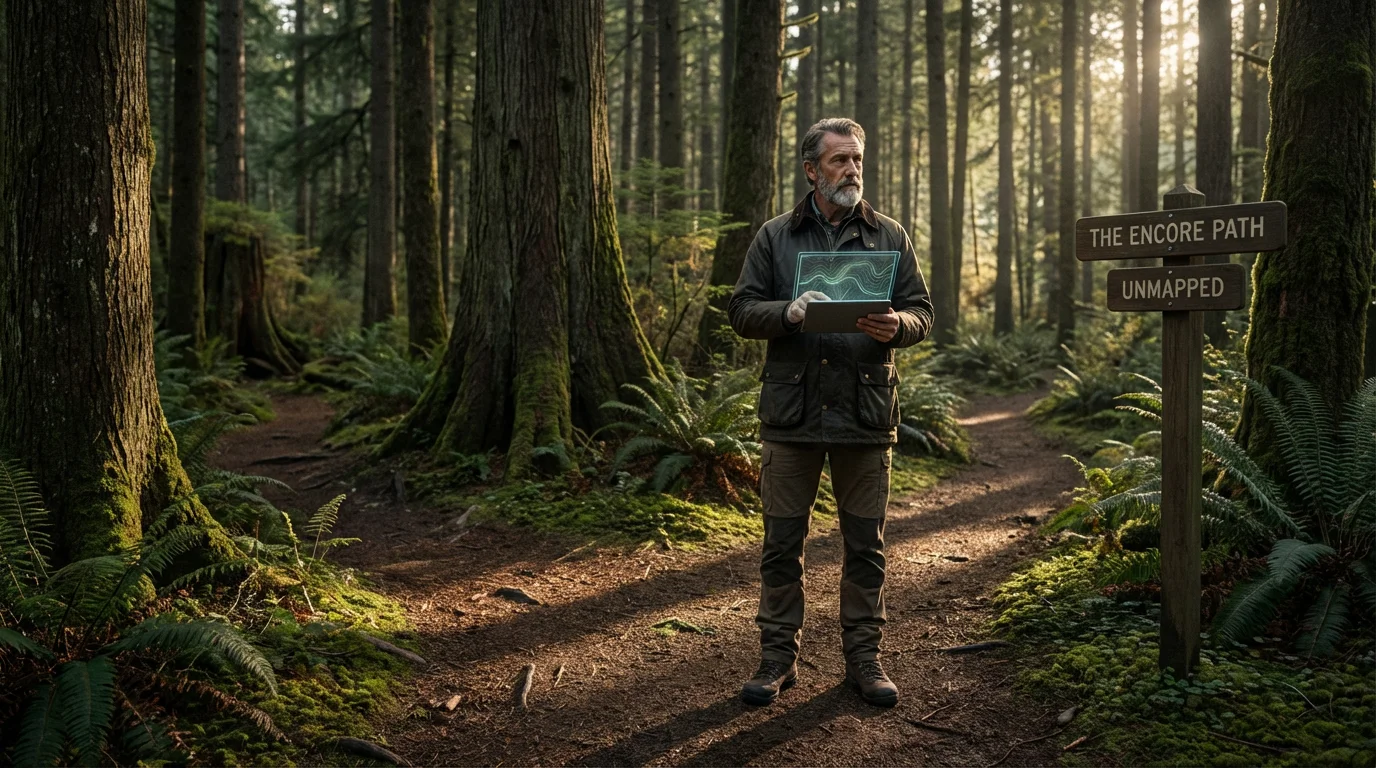
Navigating the Encore Career Landscape: A Roadmap for Success
The concept of an “encore career,” a fulfilling second act that combines personal meaning, significant social impact, and continued income, resonates deeply with many adults in their prime. Volunteering serves as a crucial, strategic component of this roadmap, offering a practical, low-risk way to explore new fields, acquire necessary skills, and confidently transition into a new professional chapter. Organizations like Encore.org actively champion this movement, recognizing the immense value and untapped potential of experienced individuals.
Your journey towards an encore career involves strategic planning, open-mindedness, a willingness to embrace new challenges, and a commitment to continuous learning. Think of your volunteer work not merely as an act of generosity, but as market research and hands-on training for your next professional act. It allows you to gain invaluable industry insights, validate new interests, and build a compelling, current narrative for your resume and professional profile. This thoughtful preparation significantly increases your chances of finding meaningful, purpose-driven paid work.
Key Steps in Your Encore Career Transition with Volunteering
- Deep Self-Assessment and Reflection: Begin by reflecting on your core values, your most transferable skills, your enduring passions, and the specific kind of impact you truly want to make in the world. What problems do you want to solve? What legacy do you wish to build?
- Conduct a Thorough Skill Gap Analysis: Identify any new skills, knowledge, or certifications required for your target encore career. Actively seek volunteer roles where you can gain practical, verifiable experience to bridge these gaps effectively and efficiently.
- Engage in Targeted, Strategic Volunteering: Select volunteer opportunities that directly provide experience in your desired new field, allow you to develop critical new competencies, or immerse you in the culture of your target industry. Every hour should count towards your goal.
- Network Strategically and Intentionally: Actively build genuine relationships with individuals already working in your target industry. Leverage your volunteer connections for informational interviews, mentorship, and insights into the job market. Be specific about your aspirations.
- Develop a Dynamic Portfolio and Updated Resume: Meticulously document your achievements, responsibilities, and quantifiable impact from all your volunteer roles. Craft a resume and LinkedIn profile that clearly showcases your readiness for paid work, emphasizing new skills and relevant experiences.
- Seek Out Mentorship and Expert Guidance: Find individuals who have successfully navigated similar encore career transitions. Learn from their experiences, challenges, and successes. Organizations like SCORE Mentoring offer free, expert guidance from experienced business professionals.
- Be Patient, Persistent, and Adaptable: An encore career transition is a journey, not a sprint, and it can take time. Embrace the learning process, celebrate small victories along the way, and remain adaptable to unexpected opportunities or shifts in your plan. Your resilience is key.
Your retirement years represent an unparalleled opportunity for purpose-driven work and personal fulfillment. Embrace this journey with courage, curiosity, and an adventurous spirit, knowing that your strategic volunteer contributions pave the way for a truly extraordinary and impactful next chapter, one defined by continued growth and meaningful engagement.
Frequently Asked Questions
Is age a barrier to using volunteer work for career change?
Absolutely not. Your age is a distinct advantage in the current professional landscape. Employers increasingly value the wisdom, emotional intelligence, proven work ethic, and unique perspective that comes with decades of experience. Many organizations, especially in the growing social impact sector, actively seek seasoned professionals for both their volunteer and paid roles. Focus on showcasing your current skills, your adaptability, and your passion for continuous learning, which purposeful volunteer work demonstrably proves.
How do I choose the right volunteer opportunity for career advancement?
Start by clearly identifying your specific career goals and the particular skills you aim to gain or the industries you wish to enter. Then, conduct thorough research into organizations within those fields. Look for roles that offer hands-on experience in areas directly relevant to your aspirations, such as project management, digital marketing, strategic planning, or community outreach. Prioritize opportunities that allow you to work alongside professionals who can serve as mentors or connect you to future job opportunities. Always align your volunteer choice with your strategic career objectives.
Can I volunteer remotely to gain new career skills?
Yes, remote volunteering is a fantastic and increasingly popular option, offering immense flexibility and access to opportunities regardless of your geographical location. Many non-profits and social enterprises require assistance with website development, social media management, grant writing, virtual event planning, data entry, or online research. Remote roles often demand and help you develop strong digital literacy, self-management, and independent problem-solving skills, all of which are highly valued in today’s evolving workforce. Platforms like VolunteerMatch list numerous virtual opportunities to explore.
How do I effectively highlight volunteer experience on my resume for a paid job?
Treat your volunteer experience with the same professionalism and rigor as paid employment. Create a dedicated section titled “Volunteer Experience” or integrate relevant, high-impact roles directly into your “Professional Experience” section. Focus intensely on quantifiable achievements, specific responsibilities, and the skills you utilized or developed. For example, instead of a vague “Helped with events,” write “Managed logistics for three major fundraising events, successfully increasing attendee engagement by 20% and securing $10,000 in corporate sponsorships.” Always use powerful action verbs and tailor your descriptions to match the requirements of the job you are applying for.
What if I am unsure about my exact encore career path? Can volunteering still help?
Absolutely. Volunteering is an excellent way to explore potential career paths without making a long-term commitment. It allows you to “try on” different roles, industries, and organizational cultures. You can gain firsthand insight into what truly interests you, what challenges you enjoy solving, and where your skills are most valued. This exploratory phase, fueled by diverse volunteer experiences, is crucial for gaining clarity and making informed decisions about your future professional direction. Think of it as valuable, practical market research for your next act.

Embrace Your Next Chapter: The Power of Purposeful Action
Your retirement is a vast, vibrant canvas awaiting your unique brushstrokes, a period bursting with unparalleled potential for continuous growth, meaningful contribution, and profound personal satisfaction. Volunteering stands as a powerful, accessible, and strategic tool in this exciting journey of reinvention. It offers a clear, proven pathway to acquiring new, in-demand skills, forging valuable professional connections, and ultimately, securing your next meaningful career or fulfilling entrepreneurial venture.
Do not merely dream of your next adventure. Take purposeful, decisive action today. Begin by exploring volunteer opportunities that genuinely ignite your passion and strategically align with your professional aspirations. Your deep experience, your boundless energy, and your unwavering commitment are invaluable assets waiting to make a significant difference, both in the lives of others and in the trajectory of your own extraordinary future. Step boldly and confidently into this chapter, knowing that through service, you build not only a better community but also an incredibly rich and purposeful life for yourself.
Disclaimer: This article is for informational and inspirational purposes. Life decisions are deeply personal, and we encourage readers to pursue their dreams while considering their unique circumstances, health, and financial situation.









Leave a Reply