

Retirement traditionally signals a time for slowing down, but for a growing number of vibrant individuals, it represents an exhilarating launchpad for new adventures. You have accumulated wisdom, skills, and a wealth of life experience. Now, you stand at the threshold of an extraordinary chapter, poised to redefine what retirement means for you.
Embrace this era not as an ending, but as an exciting beginning. Imagine a retirement rich with purpose, continued growth, and meaningful engagement. Part-time work offers a powerful avenue to achieve this, extending far beyond simply bolstering your bank account. Discover how continuing to work on your own terms can elevate your physical vitality, sharpen your mind, deepen your social connections, and ignite your passions.

Redefine Retirement: Your Next Grand Adventure
You have dedicated years to your career, raising families, and contributing to your community. Now, as you enter retirement, you hold the unique power to design a life that truly reflects your deepest desires and aspirations. This is your opportunity to shed outdated expectations and author a remarkable new narrative.
Consider part-time work as a flexible tool in your reinvention toolkit. It provides structure, engagement, and a sense of accomplishment without the demands of a full-time schedule. You gain the freedom to choose roles that align with your interests, your values, and your desired lifestyle. Many individuals find immense satisfaction in continuing to contribute their expertise.
It is never too late to be what you might have been. — George Eliot
This phase of life invites you to explore possibilities previously put on hold. Whether you dream of sharing your skills, pursuing a long-held interest, or giving back to your community, part-time work can serve as a bridge to those ambitions. It empowers you to live boldly, ensuring your best years truly lie ahead.

Beyond the Wallet: Mental Health Advantages of Senior Employment
While financial stability remains a primary driver for many considering part-time work, the profound benefits to your mental health often prove even more rewarding. Engagement and purpose are critical pillars of well-being at any age. Continuing to work, even casually, provides a powerful antidote to common retirement challenges like boredom or a lack of routine.
Maintaining a sense of purpose through work can significantly reduce the risk of depressive symptoms. Research from the National Institute on Aging, for instance, highlights how social engagement and intellectual stimulation actively support cognitive and emotional health in later life. Your contributions matter, and that feeling provides immense satisfaction.
Part-time roles offer a flexible pathway to:
- Sustain a routine that energizes you.
- Combat feelings of isolation or stagnation.
- Enhance your self-esteem and sense of worth.
- Provide a constructive outlet for your talents.
- Reduce stress by keeping your mind active and engaged.
You gain meaningful opportunities to contribute, fostering a vibrant mental landscape.

Sharpen Your Mind: Cognitive Benefits of Part-Time Work
Your brain thrives on challenge and novelty. Engaging in part-time work provides consistent mental stimulation, acting as a powerful protector of cognitive function. When you learn new skills, solve problems, or interact with different people, you create new neural pathways, keeping your mind agile and responsive.
Studies consistently demonstrate a link between continued engagement in mentally stimulating activities and a reduced risk of cognitive decline. For example, a 2018 study published in the European Journal of Epidemiology found that working past retirement age was associated with better cognitive function, particularly for memory and executive function. Your work can be a brain exercise.
Consider the daily tasks involved in many part-time jobs. These often require:
- Learning new software or procedures.
- Engaging in problem-solving scenarios.
- Managing schedules and priorities.
- Adapting to new technologies or environments.
- Collaborating with colleagues and customers.
Each of these activities serves as a valuable workout for your brain, maintaining your sharp edge.

Cultivate Connection: The Social Rewards of Working in Retirement
Human connection forms the bedrock of a fulfilling life. Retirement can sometimes lead to a reduction in daily social interactions, impacting overall happiness. Part-time work offers a dynamic solution, naturally weaving new and enriching relationships into your routine.
Working provides a built-in social network, connecting you with colleagues, clients, and the public. These interactions offer opportunities for camaraderie, shared experiences, and intellectual exchange. Maintaining social ties actively supports emotional well-being and a sense of belonging, which are crucial for a vibrant retirement.
Many individuals find a renewed sense of community through their part-time roles. You might:
- Form new friendships with colleagues who share your interests.
- Engage in stimulating conversations with diverse individuals.
- Become a mentor, sharing your wisdom with younger generations.
- Feel more connected to the broader world and current trends.
- Participate in team activities or social events organized by your workplace.
These connections enrich your life, making your days more vibrant and less isolated.
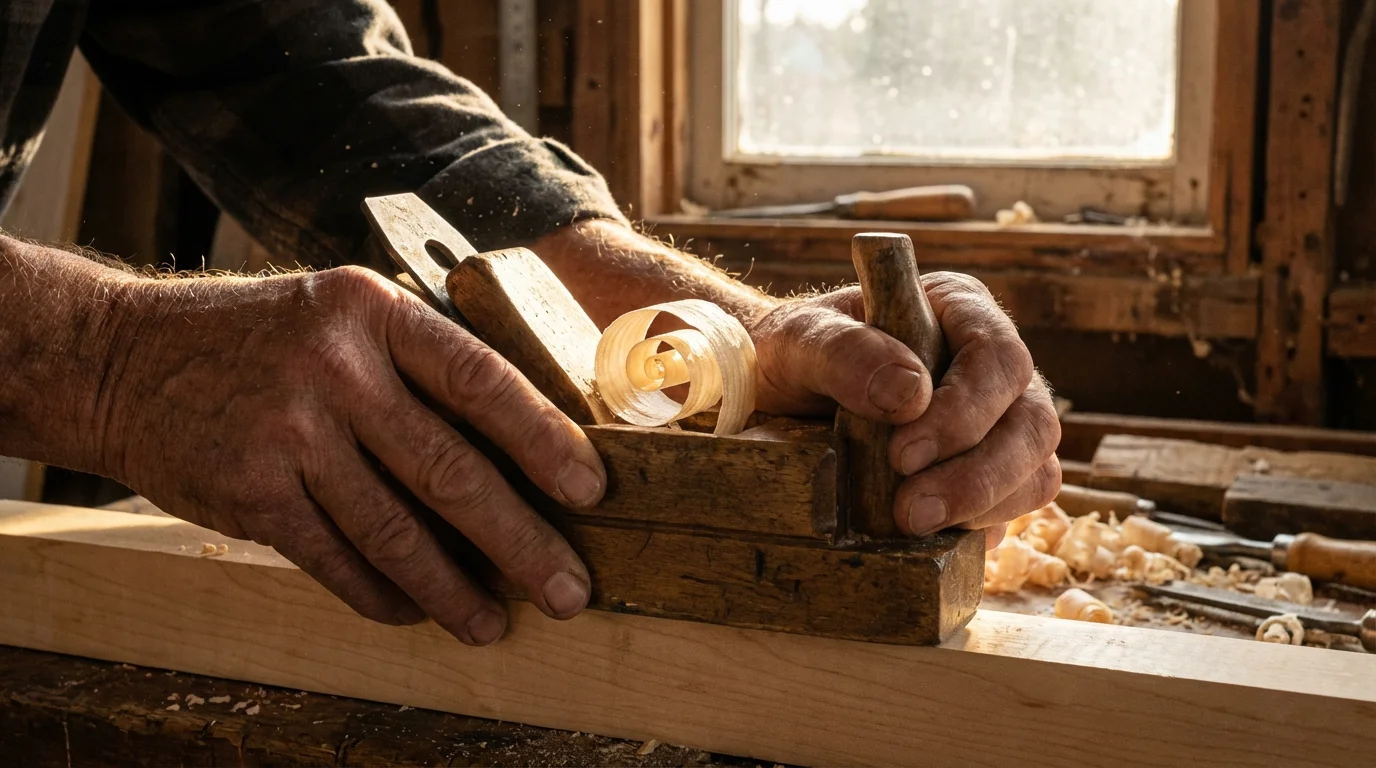
Fuel Your Passions: Finding Purpose and Meaning Through Part-Time Jobs
A sense of purpose provides direction and meaning, inspiring you to wake up each day with enthusiasm. Part-time work in retirement allows you to align your professional activities with your deepest passions, creating a truly fulfilling experience. You can pursue roles that resonate with your values or allow you to give back meaningfully.
Many retirees discover immense satisfaction in “encore careers” or roles that leverage their lifetime of experience for social good. Organizations like Encore.org celebrate individuals who find purpose in solving community challenges. You can apply your skills to causes you care about, making a tangible difference.
Think about how part-time work can ignite your passions:
- Teaching or Mentoring: Share your expertise with the next generation. SCORE Mentoring, for example, connects experienced professionals with small business owners.
- Creative Pursuits: Work in a bookstore, art gallery, or craft shop, immersing yourself in a beloved hobby.
- Community Service: Find roles with non-profits or local charities that align with your philanthropic interests. VolunteerMatch can help you find opportunities.
- Lifelong Learning: Take a part-time position at a university or museum, surrounding yourself with intellectual stimulation.
- Adventure & Travel: Pursue seasonal work in national parks or resorts, combining income with exploration.
These opportunities transform work into a source of profound personal fulfillment.

Maintain Your Momentum: Physical Well-being and Active Living
An active lifestyle is paramount for health and longevity. Part-time work, by its very nature, encourages movement and reduces sedentary behavior, directly contributing to your physical well-being. Regular activity helps maintain muscle strength, flexibility, and cardiovascular health.
Many part-time roles involve light physical activity, such as walking, standing, or manual dexterity tasks. Even office-based positions often require commuting or moving between tasks, providing more activity than staying home. This consistent, low-impact activity can significantly improve your overall physical fitness.
The health benefits extend to:
- Improved cardiovascular health through regular, moderate activity.
- Better sleep patterns due to consistent routines and physical exertion.
- Reduced risk of obesity and related health issues.
- Enhanced mobility and balance, preventing falls.
- Lower stress levels, benefiting your entire physiological system.
Engaging in part-time work helps you stay active, contributing to a healthier and more energized retirement.

Navigating Your Next Role: Practical Steps to Senior Employment
Finding the right part-time opportunity involves a thoughtful approach. You possess unique skills and a wealth of experience, making you a valuable asset to many employers. Take proactive steps to identify and secure a role that perfectly complements your retirement vision.
To streamline your search, look for recognized age-friendly employers that value the unique reliability and perspective of senior workers.
For those seeking maximum flexibility, exploring remote work opportunities for retirees can allow you to contribute from the comfort of your own home.
Start by reflecting on what truly motivates you. Consider your interests, desired level of commitment, and how you wish to spend your time. This self-assessment forms the foundation of a successful job search. AARP provides extensive resources and job boards specifically tailored for older adults seeking employment.
Follow these actionable steps to navigate your path to senior employment:
- Assess Your Skills and Interests: List your professional strengths, personal passions, and any areas where you desire continued learning.
- Define Your Ideal Role: Specify desired hours, work environment, and types of tasks. Do you prefer remote work, in-person, or a hybrid?
- Update Your Resume: Focus on transferable skills and recent accomplishments. Highlight your reliability, experience, and strong work ethic.
- Network Strategically: Inform friends, former colleagues, and community members about your job search. Attend local events or industry meetups.
- Explore Online Job Boards: Utilize platforms like AARP’s job board or specialized senior employment sites. Filter for part-time, flexible, or contract roles.
- Consider Volunteering: Sometimes a volunteer position can lead to paid opportunities or help you explore new fields without commitment.
- Prepare for Interviews: Practice discussing your experience and explaining why a part-time role suits your current life stage. Emphasize your dedication and value.
With a clear vision and strategic effort, you will find a part-time role that enriches your extraordinary retirement.
Frequently Asked Questions
What types of part-time jobs are best for retirees?
Many retirees find success in consulting, teaching, mentoring, customer service, administrative roles, retail, or working in creative fields like art galleries or museums. Flexibility, lower physical demands, and the opportunity to leverage existing skills often make these roles appealing. Online opportunities, such as freelance writing or virtual assistant work, also offer great flexibility.
How does part-time work affect my Social Security benefits?
Working while receiving Social Security benefits depends on your age and earnings. If you are under your full retirement age, your benefits may be reduced if your earnings exceed a certain limit. Once you reach your full retirement age, you can earn as much as you like without affecting your benefits. Consult the Social Security Administration website or a financial advisor for personalized guidance on your specific situation.
Can part-time work improve my overall happiness in retirement?
Absolutely. Research consistently shows that maintaining purpose, social connections, and mental engagement contributes significantly to overall happiness and life satisfaction in retirement. Part-time work provides structured opportunities for all these elements, helping to prevent boredom, isolation, and a sense of aimlessness that some retirees experience. It allows you to maintain a sense of contribution and personal growth.
Where can I find resources for senior employment?
Several excellent resources support senior employment. AARP offers extensive job boards, career advice, and skill-building resources. Organizations like SCORE Mentoring connect experienced professionals with small businesses, and Encore.org champions individuals seeking purpose-driven work in their later years. Online platforms also cater to flexible work arrangements.
Disclaimer: This article is for informational and inspirational purposes. Life decisions are deeply personal, and we encourage readers to pursue their dreams while considering their unique circumstances, health, and financial situation.









Leave a Reply