
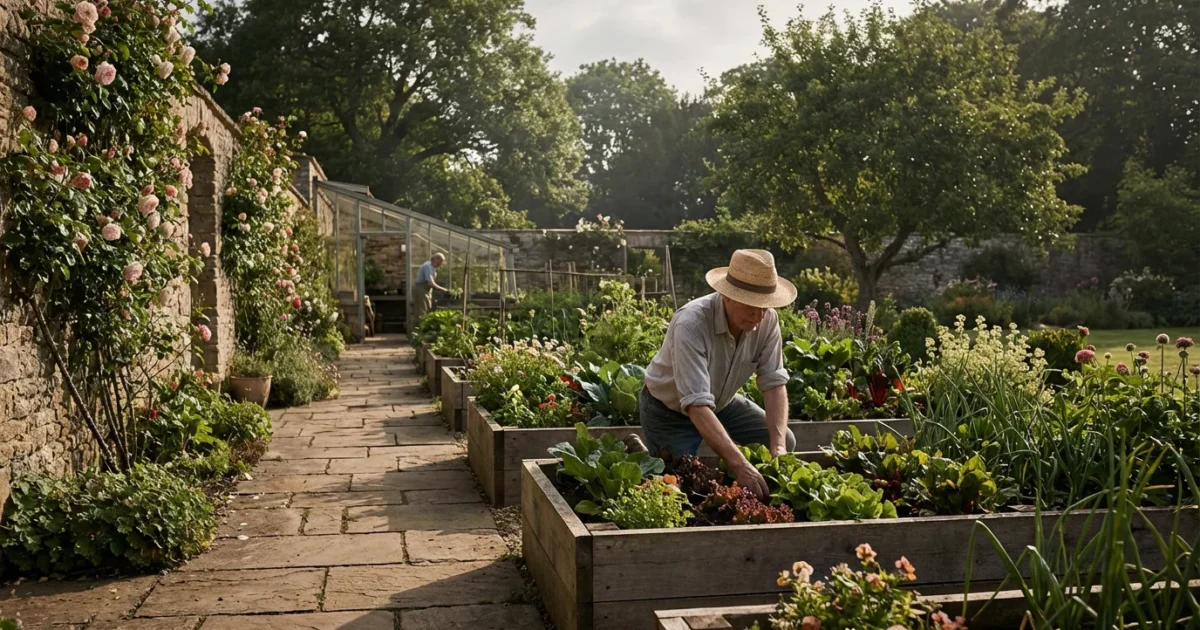
Retirement unveils a vast canvas, offering you the opportunity to paint your days with purpose, passion, and boundless growth. Imagine a pursuit that connects you deeply to nature, fosters well-being, and yields tangible rewards you can savor and share. Gardening, a timeless senior hobby, offers precisely this enriching experience, transforming your leisure into a vibrant journey of discovery. It is not about slowing down. It is about actively cultivating a life bursting with fresh possibilities. You stand on the threshold of creating something beautiful, literally from the ground up.
This successful transition from corporate to creative living marks the beginning of your most inspired chapter yet.
Gardening is just one of many creative outlets for retirement that allow you to transform your daily environment into a personal masterpiece.
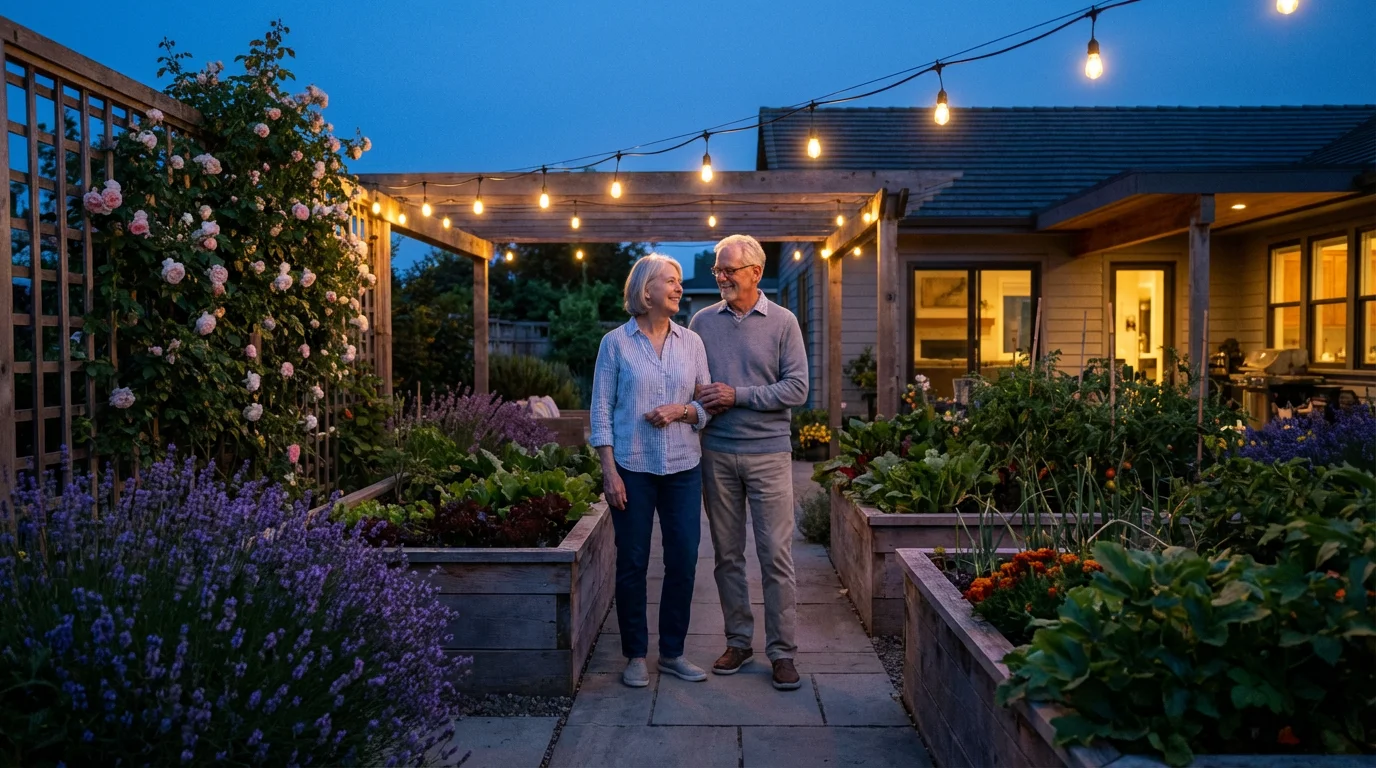
Unearthing New Passions: Why Gardening in Retirement?
Retirement offers the perfect season for nurturing new interests. Gardening provides a powerful blend of physical activity, mental engagement, and profound satisfaction. It engages all your senses, from the scent of damp earth to the vibrant colors of blooming flowers and the taste of sun-ripened produce. This dynamic pursuit challenges your mind, strengthens your body, and nourishes your soul.
Cultivating a plot is often about gardening for the soul, providing a rhythmic pace that promotes mental clarity and joy.
You experience numerous profound benefits when you embrace gardening:
- Physical Vitality: Digging, planting, weeding, and harvesting offer gentle yet effective exercise. This activity improves strength, flexibility, and cardiovascular health. Regular outdoor time also increases Vitamin D absorption, which supports bone health.
- Mental Sharpness: Planning your garden, solving pest challenges, and learning about plant needs keeps your brain active and engaged. The intricate details of plant care stimulate cognitive function and reduce stress.
- Purpose and Connection: Tending living things provides a daily sense of purpose. You connect with natural cycles, observe life unfold, and contribute to something beautiful. This connection mitigates feelings of isolation, creating a fulfilling retirement.
- Fresh, Healthy Food: Growing your own vegetables and herbs gives you access to the freshest, most nutritious produce imaginable. You control exactly what goes into your food, free from pesticides and unknown chemicals. This empowers you to make healthier dietary choices.
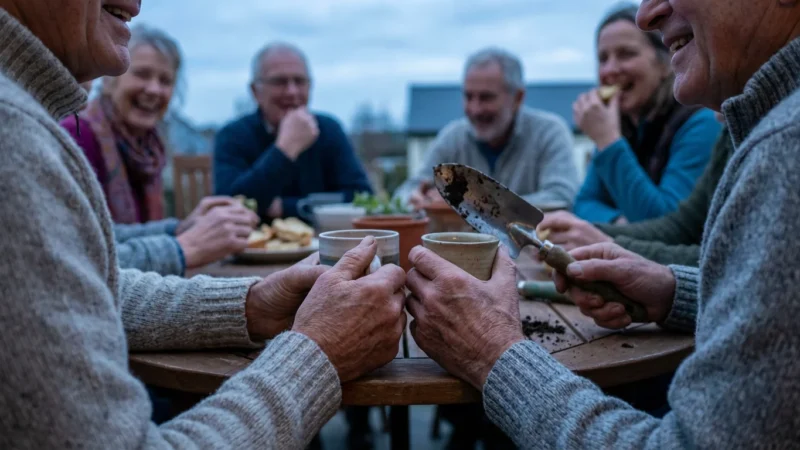
- Community and Sharing: Gardening often fosters a sense of community. You can share your harvest with neighbors, exchange tips with fellow gardeners, or even participate in local garden clubs. This builds new friendships and strengthens existing bonds.
- Stress Reduction: Spending time outdoors in nature significantly lowers stress levels. The rhythmic nature of gardening, combined with fresh air and sunlight, acts as a natural antidote to anxiety. You find peace and tranquility among your plants.
The National Institute on Aging highlights the benefits of physical activity and engagement in nature for older adults, underscoring how pursuits like gardening contribute to a higher quality of life. Embracing a senior hobby like gardening ensures your retirement years bloom with energy and well-being.
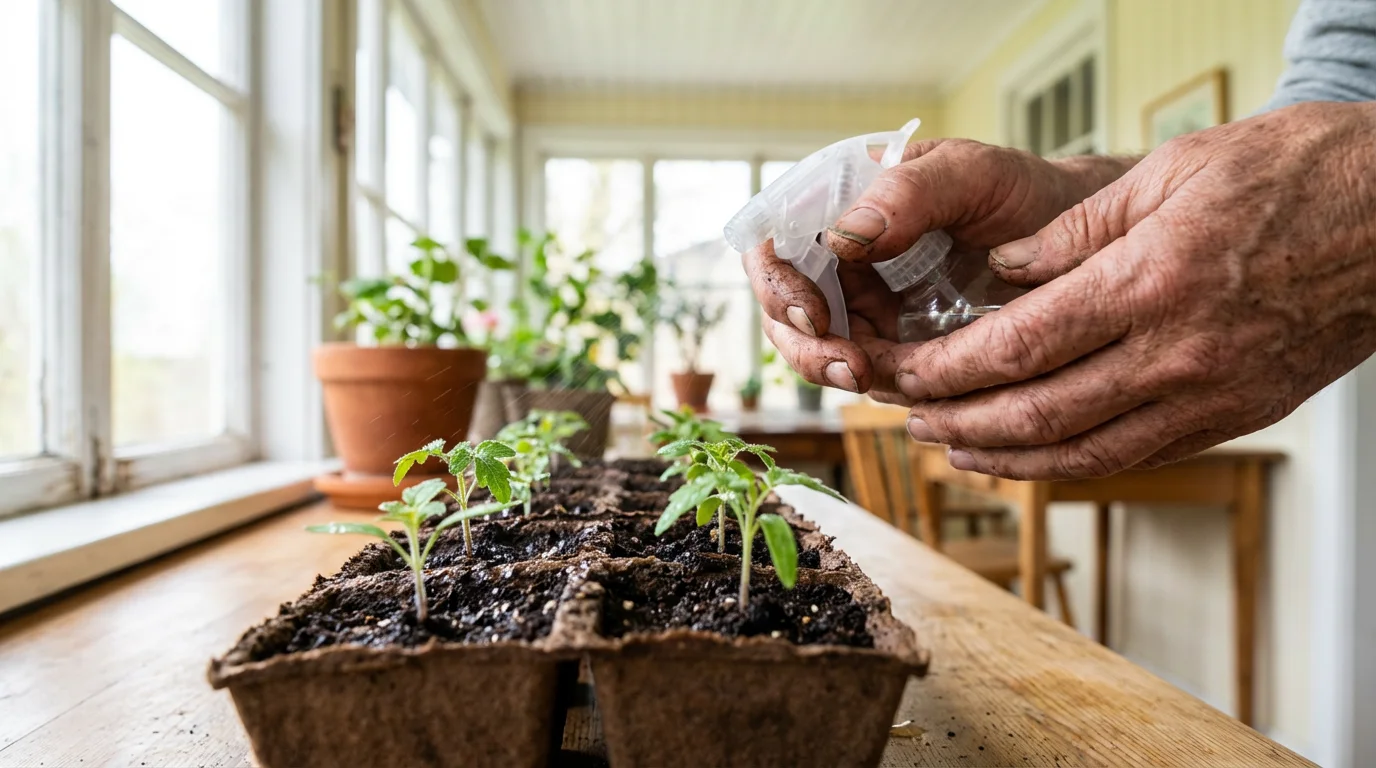
Your First Sprouts: Getting Started with a Simple Garden
Starting a garden might seem daunting, but you can approach it simply and effectively. Begin small, learn as you go, and let your curiosity guide you. The key lies in selecting the right spot and preparing your foundation. You are not aiming for perfection on day one. You are embarking on an exciting learning adventure.
In many ways, designing your garden beds is akin to sculpting your retirement, as you give shape and structure to your new daily routine.
Follow these practical steps to establish your simple garden:
- Choose Your Location Wisely: Most vegetables, herbs, and flowering plants require at least 6-8 hours of direct sunlight daily. Observe your yard throughout the day to identify the sunniest spots. Consider proximity to a water source for easy watering.
- Start Small: Do not overwhelm yourself. Begin with a manageable plot, perhaps a 4×4 foot raised bed or a few large containers on your patio. A small success builds confidence and encourages further exploration.
- Assess Your Soil: Healthy soil forms the backbone of a thriving garden. Your soil should drain well and feel crumbly. If you have dense clay or sandy soil, you will need to amend it. You can purchase a simple soil test kit to understand your soil’s composition and nutrient levels.
- Prepare the Garden Bed:
- For an in-ground bed: Clear the area of weeds and debris. Loosen the soil to a depth of 8-12 inches using a spade or garden fork. Incorporate 2-4 inches of organic matter, such as compost or well-rotted manure, to enrich the soil.
- For raised beds: Fill them with a good quality raised bed mix, which usually contains a blend of compost, topsoil, and perlite for drainage.
- For containers: Use a high-quality potting mix specifically designed for containers. Do not use garden soil, as it compacts too much in pots.
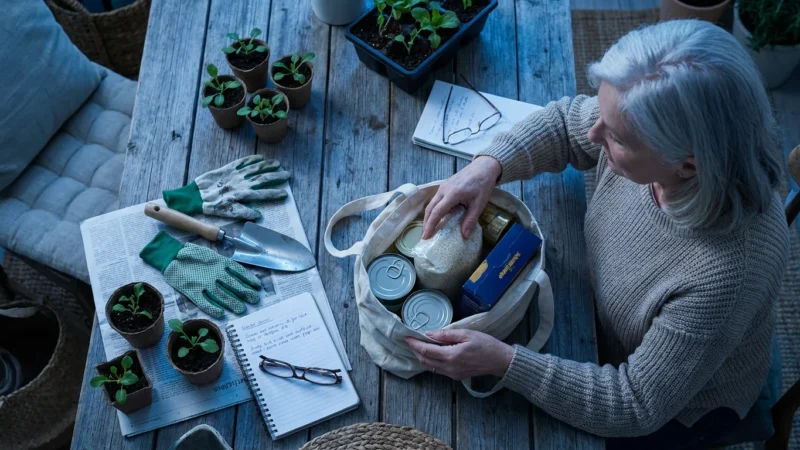
- Gather Essential Tools: You do not need an arsenal of expensive equipment. Start with the basics:
- Gardening gloves to protect your hands.
- A hand trowel for planting.
- A small hand fork for weeding.
- Pruning shears for cutting plants.
- A watering can or hose with a gentle nozzle.
- Plan Your Layout: Research the mature size of your chosen plants and space them appropriately. Consider grouping plants with similar sun and water needs. A simple sketch helps visualize your garden before you start planting.
This foundational work sets the stage for a rewarding gardening experience. You are establishing the environment where life will flourish.
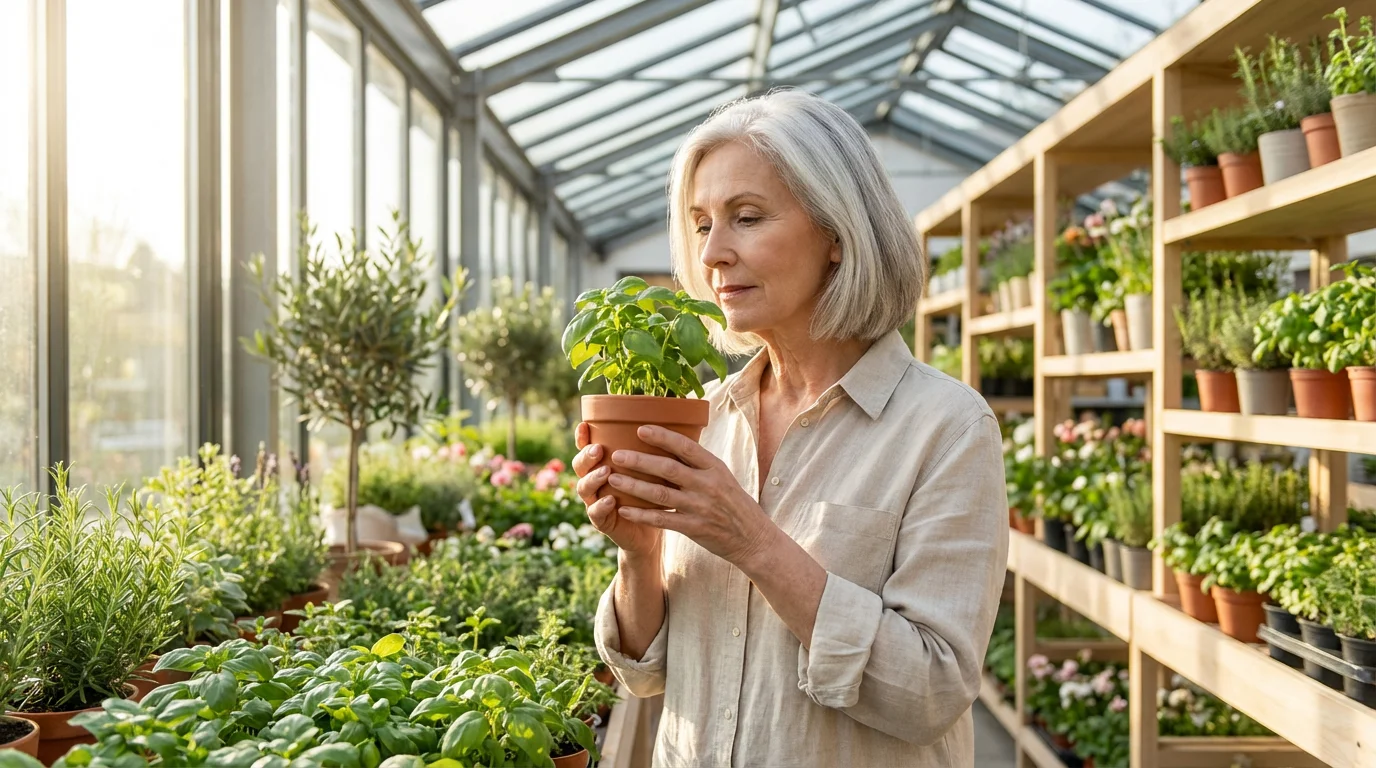
Choosing Your Green Companions: What to Plant First
The vast array of plants available can seem daunting, but choosing easy-to-grow varieties ensures early success and builds your gardening confidence. Focus on plants known for their resilience and generous yields. You want to experience the joy of a successful harvest, not the frustration of a difficult crop.
Consider these forgiving options for your first garden:
- Herbs: Many herbs thrive with minimal fuss, perfect for beginners.
- Basil: Loves sun and warmth, great for culinary use.
- Mint: Grows vigorously, best in containers to prevent spreading.
- Rosemary: Drought-tolerant once established, aromatic and flavorful.
- Thyme: Low-growing and hardy, excellent in rock gardens or containers.
- Parsley: Prefers partial shade, provides continuous harvest.
- Vegetables: These vegetables offer quick gratification and are relatively easy to grow.
- Lettuce and Spinach: Fast-growing, ideal for succession planting. They prefer cooler weather.
- Radishes: Harvestable in as little as three weeks, a true quick win.
- Bush Beans: Produce abundant crops without requiring staking.
- Zucchini: Known for prolific production, ensure you have space for its spreading habit.
- Cherry Tomatoes: Easier to grow than larger varieties, often thrive in containers.
- Flowers: Add beauty and attract pollinators, many are remarkably hardy.
- Marigolds: Easy to grow from seed, deter some pests, and add bright color.
- Zinnias: Come in various colors and sizes, attract butterflies, and make great cut flowers.
- Sunflowers: Iconic and easy to grow, providing seeds for you or local birds.
- Cosmos: Delicate, airy flowers that attract beneficial insects.
- Nasturtiums: Edible flowers and leaves, can act as a trap crop for aphids.
- Watering Wisely:
- Consistency is Key: Plants need consistent moisture, not sporadic drenching and drying.
- Deep and Infrequent: Water deeply, allowing the water to penetrate the soil several inches. This encourages roots to grow deeper, making plants more resilient.
- Timing Matters: Water in the early morning to minimize evaporation and allow foliage to dry before nightfall, reducing fungal disease risk.
- Check the Soil: Stick your finger an inch or two into the soil. If it feels dry, it is time to water. Do not rely solely on a schedule.
- Nourishing Your Plants:
- Compost Power: Regularly amend your soil with compost. It provides a slow release of nutrients and improves soil structure.
- Fertilizing When Needed: Most plants benefit from an occasional boost of fertilizer, especially heavy feeders like tomatoes and corn. Choose an organic, balanced fertilizer and follow package directions carefully.
- Observe Your Plants: Yellowing leaves or stunted growth often signal a nutrient deficiency. Research specific plant needs to address issues promptly.
- Weeding for Success:
- Early Intervention: Pull weeds when they are small before their roots establish deeply. This saves effort and prevents them from competing with your plants for water and nutrients.
- Mulch Benefits: Apply a 2-4 inch layer of organic mulch (straw, wood chips, shredded leaves) around your plants. Mulch suppresses weeds, conserves soil moisture, and moderates soil temperature.
- Hand Pulling: For a small garden, hand-pulling weeds remains the most effective and satisfying method.
- Pest and Disease Management:
- Prevention First: Healthy plants resist pests and diseases better. Provide good air circulation and avoid overhead watering to prevent fungal issues.
- Regular Inspection: Inspect your plants daily for signs of pests (holes, sticky residue) or disease (spots, wilting). Catching problems early makes them easier to manage.
- Organic Solutions: Many organic pest control methods exist. Hand-picking larger pests, using insecticidal soap for aphids, or introducing beneficial insects are effective strategies.
- Container Gardening: Perfect for small spaces, patios, or those with mobility considerations. You can grow a surprising variety of vegetables, herbs, and flowers in pots, barrels, or hanging baskets. This method offers flexibility and control over soil conditions.
- Raised Garden Beds: These structures improve drainage, warm the soil earlier in spring, and reduce bending and kneeling. They offer an ergonomic solution for many gardeners, making cultivation more comfortable and accessible.
- Community Gardens: Join a local community garden. You gain access to a plot of land, shared resources, and a wealth of collective knowledge from experienced gardeners. This fosters social connection and broadens your gardening community.
- Hydroponics or Aquaponics: For the tech-savvy and curious, explore growing plants without soil. These systems use nutrient-rich water or a symbiotic relationship with fish, offering year-round growing opportunities indoors.
- Attracting Pollinators: Dedicate a section of your garden to native flowers that attract bees, butterflies, and hummingbirds. This creates a beautiful, biodiverse space and supports vital ecosystem health.
- Specialty Gardens: Design a garden around a specific theme.
- Herb Garden: Focus on culinary or medicinal herbs.
- Rose Garden: Cultivate various rose varieties for fragrance and beauty.
- Zen Garden: Create a tranquil space for contemplation with rocks, sand, and carefully chosen plants.
- Seed Saving: Learn to collect and save seeds from your most successful plants. This connects you to ancient gardening traditions and allows you to preserve favorite varieties year after year.
- Savoring Freshness: There is no comparison to the taste of a sun-ripened tomato picked moments before eating or herbs gathered fresh for your meal. Your culinary experiences elevate with garden-fresh ingredients.
- Sharing with Others: The joy of gardening multiplies when you share your harvest. Offer excess produce to neighbors, friends, or local food banks. This act of generosity strengthens community bonds and spreads the benefits of your labor.
- Preserving Your Bounty: Learn techniques like canning, freezing, or drying to extend your harvest throughout the year. Imagine enjoying your own homemade tomato sauce or dried herbs in the depths of winter. This connects you deeply to the cycles of the seasons.
- Culinary Creativity: Your garden inspires new recipes and culinary experiments. You become more adventurous in the kitchen, experimenting with different vegetables and herb combinations. Your diet naturally becomes more diverse and nutrient-rich.
- A Source of Pride: Walk through your garden and feel the immense pride of creation. You envisioned it, planted it, nurtured it, and now you reap its rewards. This tangible accomplishment boosts your self-esteem and sense of purpose.
- Continuous Learning: Each harvest provides lessons. You learn what thrived, what struggled, and what you might try differently next season. Gardening becomes an ongoing masterclass in observation and adaptation.
- Seasonal Planning: Research and plan for each growing season. Understand what plants thrive in spring, summer, and fall in your region. Consider crop rotation to maintain soil health and prevent pest buildup.
- Succession Planting: For continuous harvests of quick-growing vegetables like lettuce or radishes, plant small batches every few weeks. This ensures a steady supply rather than one large, overwhelming harvest.
- Joining Garden Clubs or Associations: Connect with other gardening enthusiasts. Local clubs offer workshops, plant swaps, and valuable local knowledge. You find mentorship, camaraderie, and inspiration from experienced gardeners.
- Adapt to Your Body: As you age, your physical needs might change. Embrace ergonomic tools, raised beds, or container gardening to reduce strain. Gardening should remain a joy, not a chore. The Stanford Center on Longevity emphasizes adapting activities to maintain engagement and well-being.
- Embrace Lifelong Learning: Read gardening books, watch online tutorials, or attend local extension classes. New techniques, plant varieties, and sustainable practices emerge constantly. You are always a student in the garden, always discovering.
- Document Your Progress: Keep a garden journal. Note planting dates, successes, failures, and observations. This valuable record helps you learn from each season and refine your approach.
When selecting your plants, research their specific needs regarding sunlight, water, and mature size. Choose varieties suitable for your local climate and growing zone. Your local nursery offers invaluable advice on what thrives best in your region. You are not just planting seeds; you are planting the promise of discovery and delicious rewards.
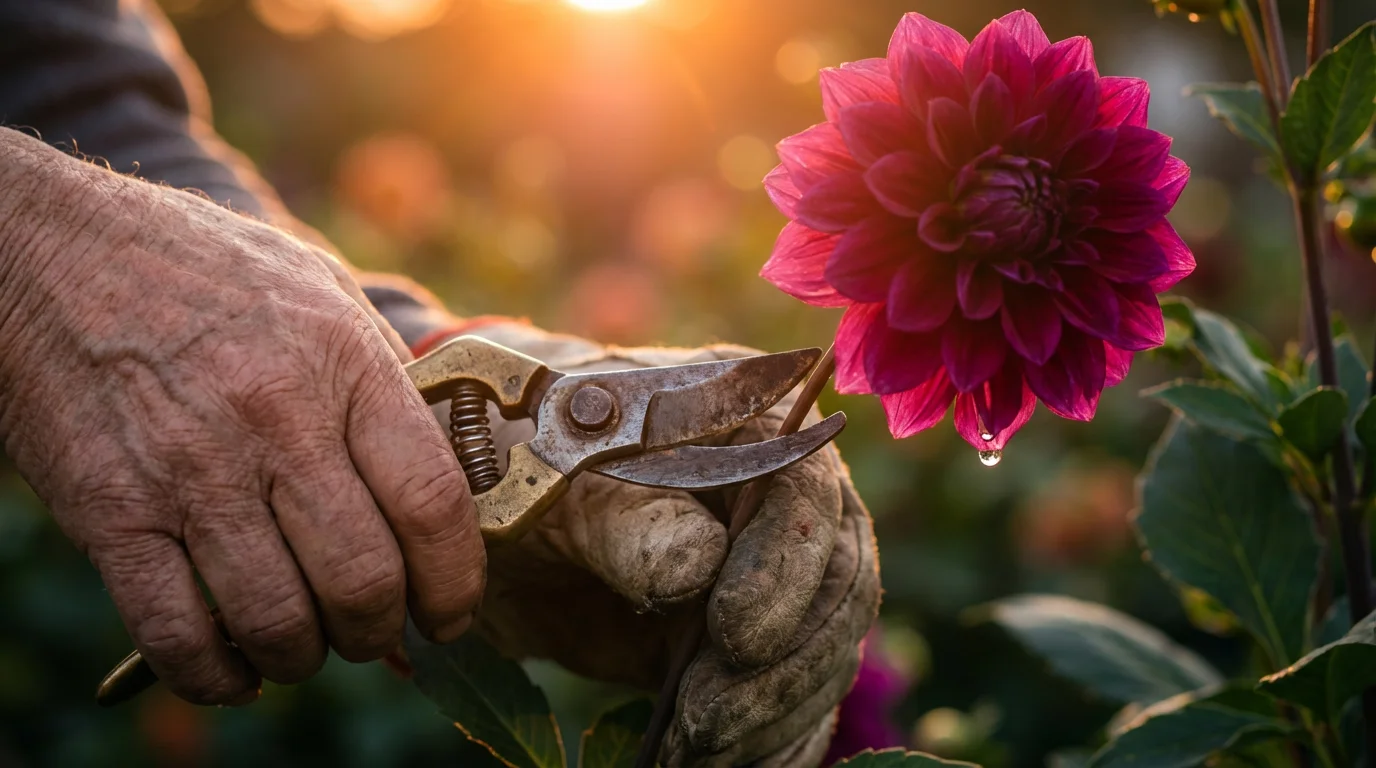
Nurturing Your Oasis: Essential Gardening Techniques
Once your garden is planted, nurturing it becomes a daily rhythm. Consistent care ensures your plants grow strong and productive. You learn to observe, respond, and adapt, just as you have done throughout your life. This ongoing engagement makes gardening a truly dynamic senior hobby.
If your harvest is particularly bountiful, you could explore monetizing your passions by selling organic vegetables or heirloom seedlings.
Master these fundamental gardening techniques:
These techniques empower you to become a confident steward of your garden. You are not just maintaining plants. You are fostering a vibrant ecosystem.
It is never too late to be what you might have been.
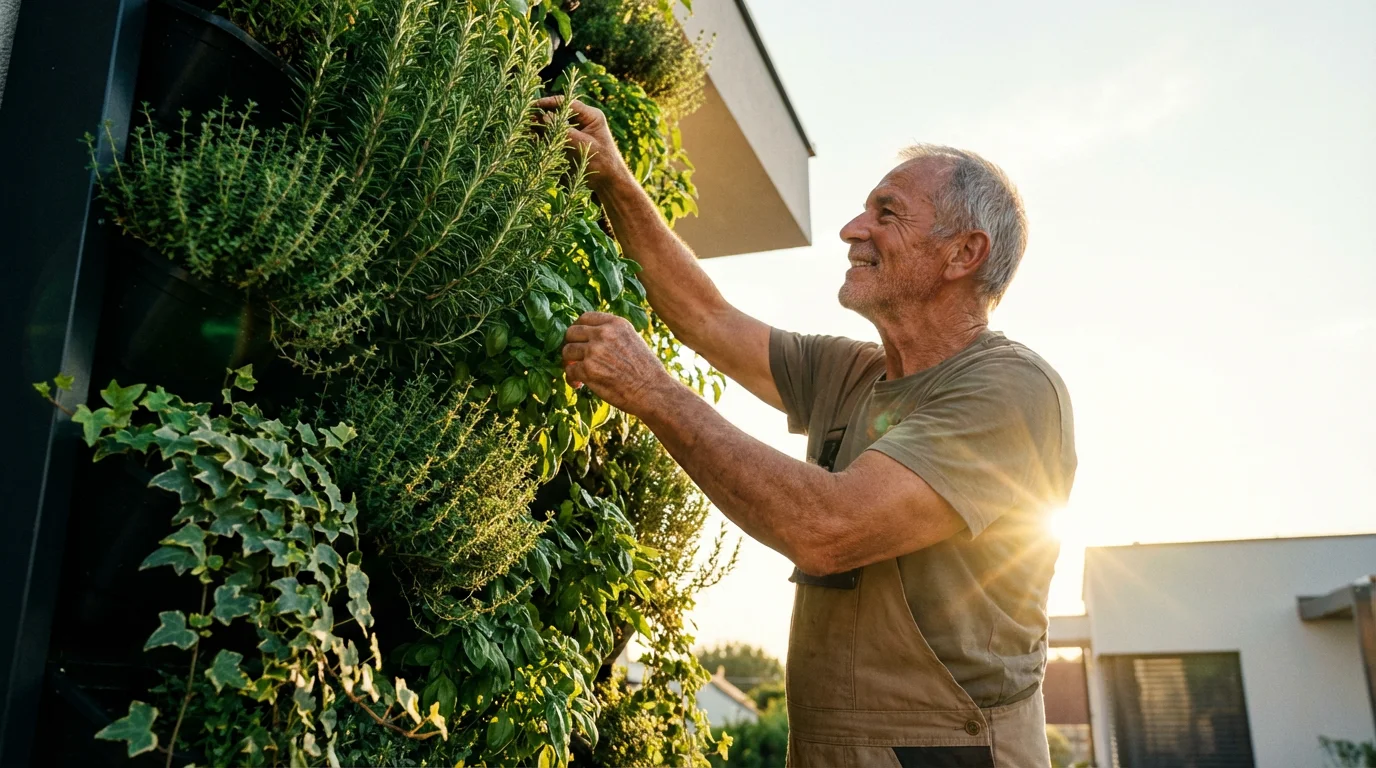
Beyond the Soil: Expanding Your Gardening Horizons
Once you master the basics, your gardening journey can expand in exciting directions. Retirement provides the time and freedom to explore niche interests and innovative approaches. You can transform your entire outdoor space into a personal sanctuary or contribute to a larger green community. This pursuit of expansion demonstrates the unlimited potential within your reach.
Consider these avenues for broadening your gardening experience:
Each new technique or area of focus opens up a fresh world of learning and accomplishment. You are constantly evolving your skills, transforming your green thumb into a green superpower.
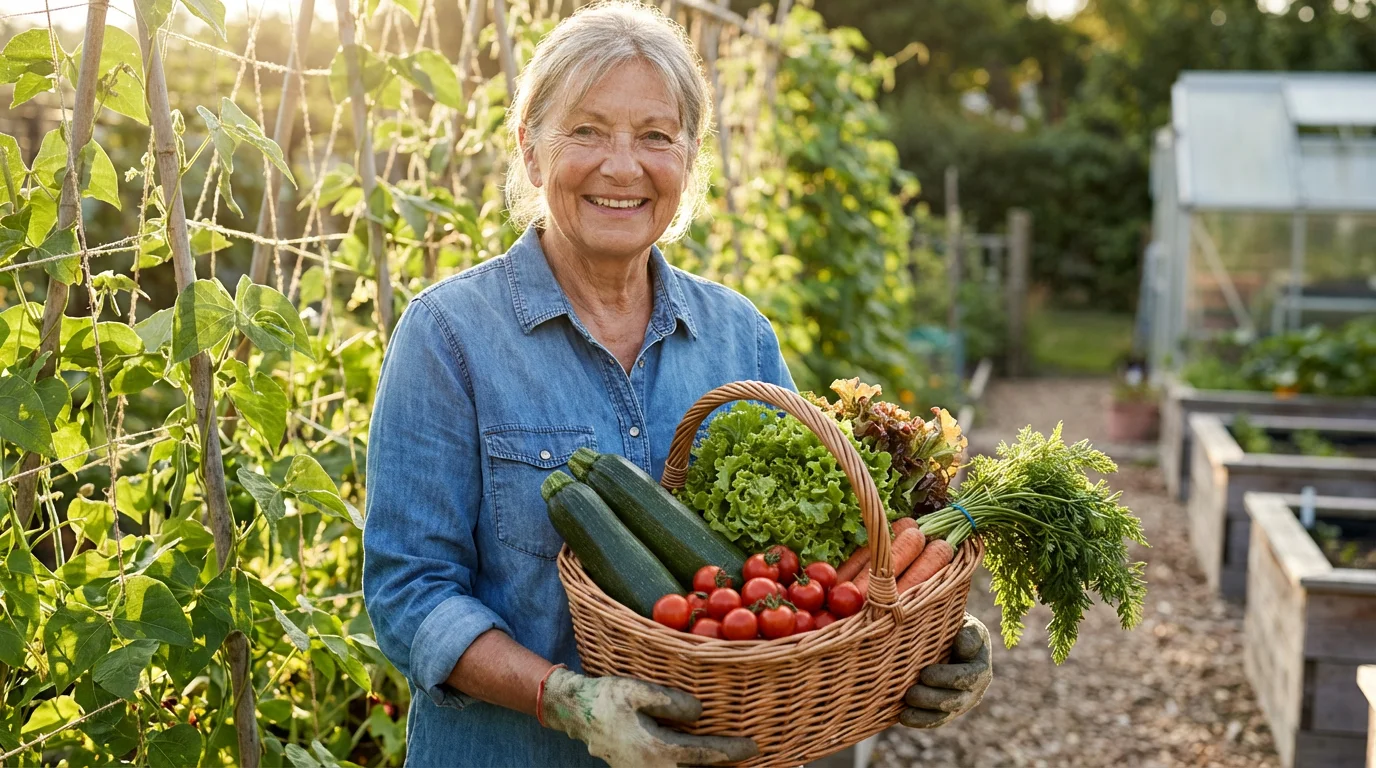
The Abundant Harvest: Reaping What You Sow
The pinnacle of your gardening efforts arrives with the harvest. This is where your patience, care, and dedication translate into delicious, beautiful, and tangible rewards. The act of gathering your own produce or cutting your own flowers offers a unique satisfaction unlike any other. You do not just grow food. You cultivate joy. This truly highlights what are the benefits of gardening.
Embrace the bounty your garden provides:
This abundant phase reinforces the profound connection between effort and reward. You are not just a gardener. You are a provider, a creator, and a lifelong learner.
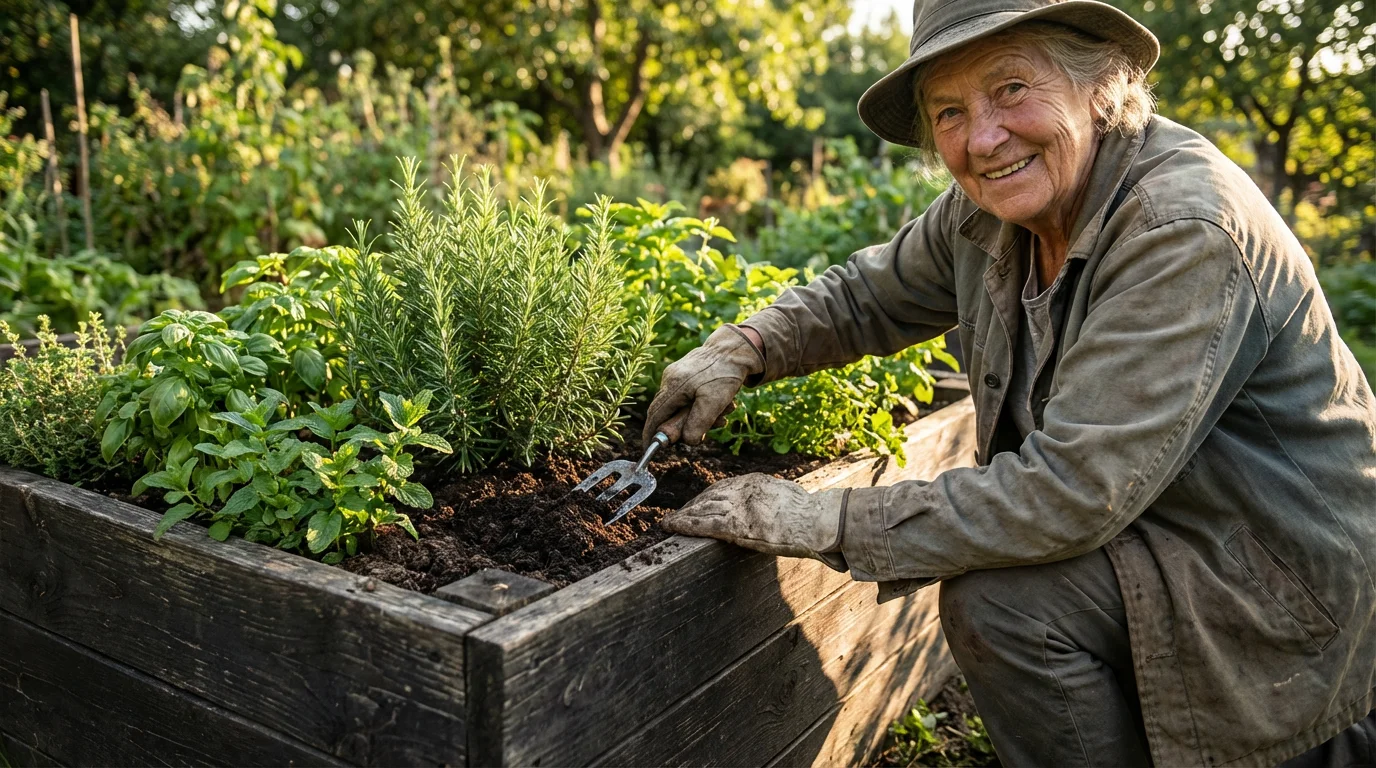
Maintaining Your Green Journey: Long-Term Engagement
Gardening is a journey, not a destination. To keep your green thumb thriving throughout retirement, embrace continuous learning, seasonal planning, and mindful adaptation. This lifelong engagement ensures your garden remains a source of joy and purpose for years to come. Your passion for outdoor activities can deepen with every season.
Consider these strategies for sustained gardening success:
Your garden evolves with you, mirroring your journey through retirement. It remains a testament to your curiosity, your resilience, and your commitment to a vibrant, engaged life. This ongoing connection to nature and growth provides immense fulfillment, year after year.
Frequently Asked Questions
Is gardening truly an effective workout for seniors?
Yes, gardening offers a fantastic low-impact workout. Activities like digging, weeding, and bending engage various muscle groups, improving strength, flexibility, and balance. Regular gardening sessions contribute to cardiovascular health and maintain joint mobility, making it a holistic outdoor activity for seniors.
What are the best plants for a beginner senior gardener to start with?
For beginners, focus on resilient and high-yield plants. Excellent choices include herbs like basil, mint, and rosemary; vegetables such as lettuce, radishes, bush beans, and cherry tomatoes; and flowers like marigolds, zinnias, and sunflowers. These options offer quick success and build confidence for more adventurous planting.
How do I make gardening more accessible if I have physical limitations?
You can adapt gardening to suit various physical needs. Consider incorporating raised garden beds, which reduce bending, or utilizing container gardening on patios for easy access. Ergonomic tools with comfortable grips also minimize strain. Look into garden kneeler benches or lightweight watering wands to make tasks easier and more enjoyable, ensuring gardening remains a rewarding senior hobby.
What kind of financial investment does starting a garden require?
Starting a garden can be surprisingly affordable. You can begin with minimal investment, using seeds, basic tools, and perhaps repurposing containers. As you become more enthusiastic, you might invest in raised beds, specialized soil, or advanced tools. The cost scales with your ambition, allowing you to start small and expand gradually, making it a flexible and accessible hobby.
Beyond fresh produce, what are the intangible benefits of gardening?
The intangible benefits of gardening are profound. It provides a deep sense of purpose, reduces stress through connection with nature, and fosters mental engagement. You develop patience, observation skills, and a sense of accomplishment. Sharing your harvest can also build community, making gardening a source of joy and social connection, reinforcing what are the benefits of gardening for overall well-being.
Disclaimer: This article is for informational and inspirational purposes. Life decisions are deeply personal, and we encourage readers to pursue their dreams while considering their unique circumstances, health, and financial situation.







Leave a Reply