
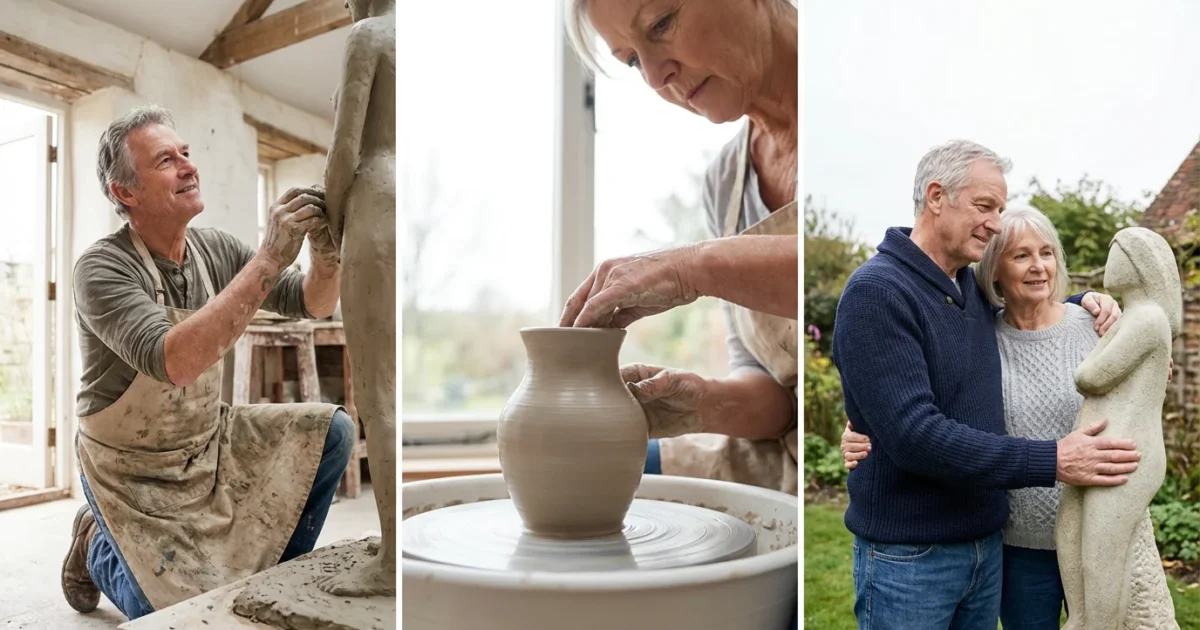
Retirement presents an unparalleled opportunity for reinvention, a blank canvas where you define your next masterpiece. You possess the wisdom of years, the freedom of time, and the courage to explore dreams once deferred. Imagine shaping not only a new chapter of life but also a tangible piece of art with your own hands. This is the essence of sculpting your retirement: deliberately creating a life of purpose, joy, and profound expression, just as a sculptor transforms raw material into a work of beauty.
Defining these goals is a key step in building a retirement bucket list that reflects your unique vision for the future.
Your retirement is an active creation, not a passive retreat. It invites you to engage fully with life, discovering new talents and revisiting old passions. Sculpting offers a powerful metaphor for this phase, demanding intention, patience, and the willingness to see potential in every moment. You hold the tools to craft an extraordinary future.
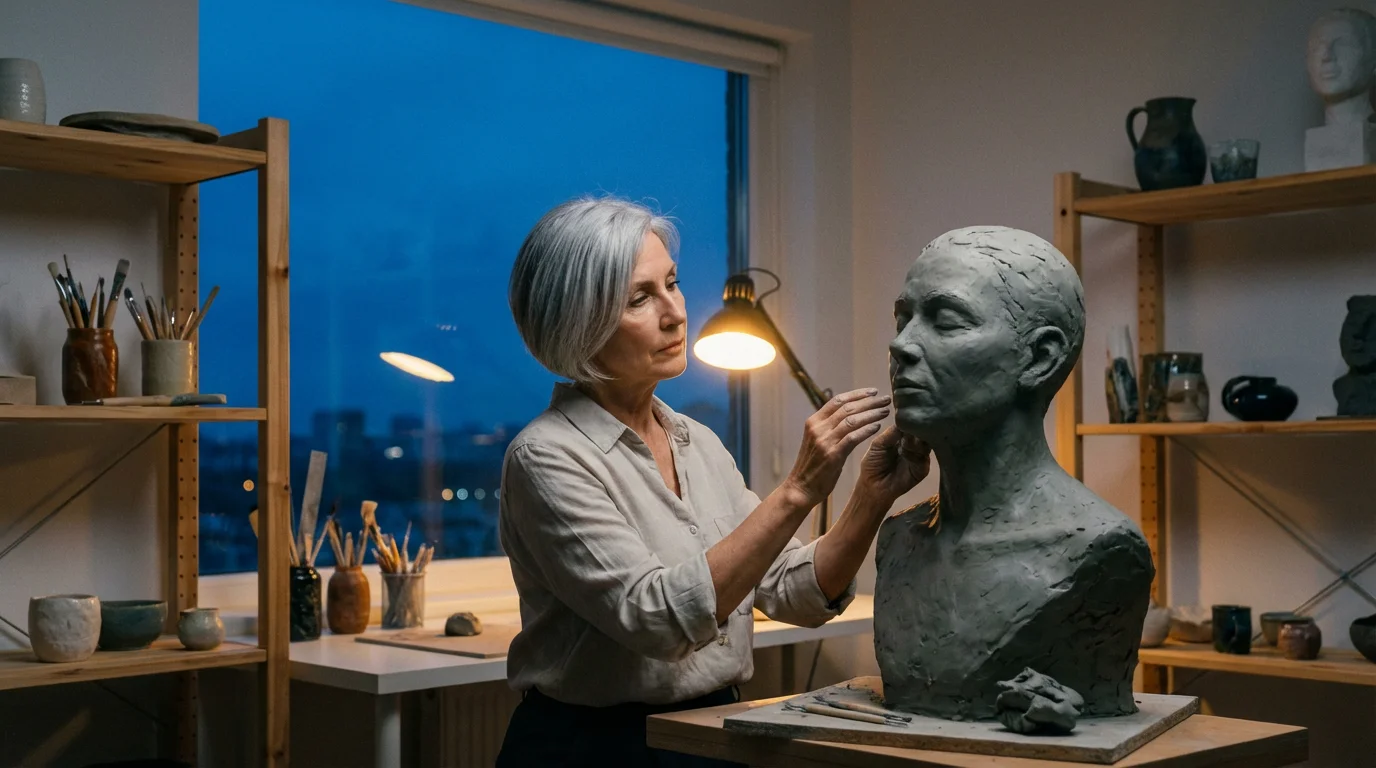
The Art of Reinvention: Your Retirement Canvas
Retirement signals a powerful transition, a moment when you seize the reins of your narrative. You are not slowing down; you are shifting gears, redirecting your energy toward pursuits that truly ignite your spirit. This stage of life becomes your personal canvas, ready for bold strokes and vibrant colors.
Exploring different creative outlets for retirement can help you identify which medium allows you to express your inner world most effectively.
Consider the incredible potential within you, waiting for expression. This period is a prime opportunity to try something completely new or deepen a long-held interest. Your experiences and perspectives now contribute to a richness in your creative output, a depth unattainable in earlier years.
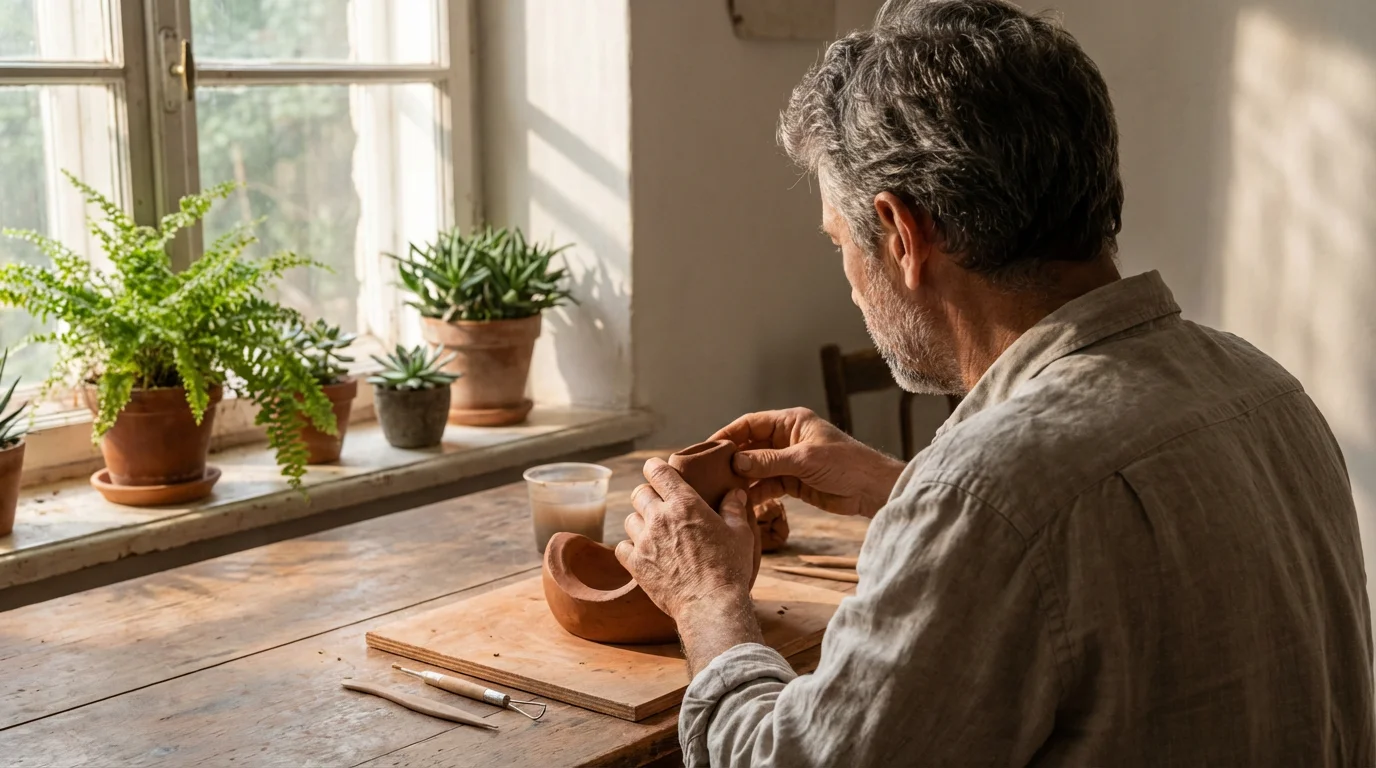
Why Sculpting Now? Unearthing New Passions
Engaging in new creative endeavors like sculpting offers profound benefits for your mind, body, and spirit. Studies from institutions like the National Institute on Aging consistently highlight the importance of cognitive engagement and social activity for healthy aging. Sculpting provides both.
Beyond the physical benefits, mastering a new skill like this keeps your mind sharp and builds lasting self-confidence.
This tactile art form stimulates multiple senses, enhancing dexterity and hand-eye coordination. The process of transforming raw material into form engages problem-solving skills, concentration, and spatial reasoning. It provides a meditative escape, reducing stress and fostering a deep sense of presence.
The act of creation itself delivers immense satisfaction. Seeing your vision take shape under your own hands builds confidence and a sense of accomplishment. You discover a new layer of your identity, one rooted in imaginative expression and bold creation.
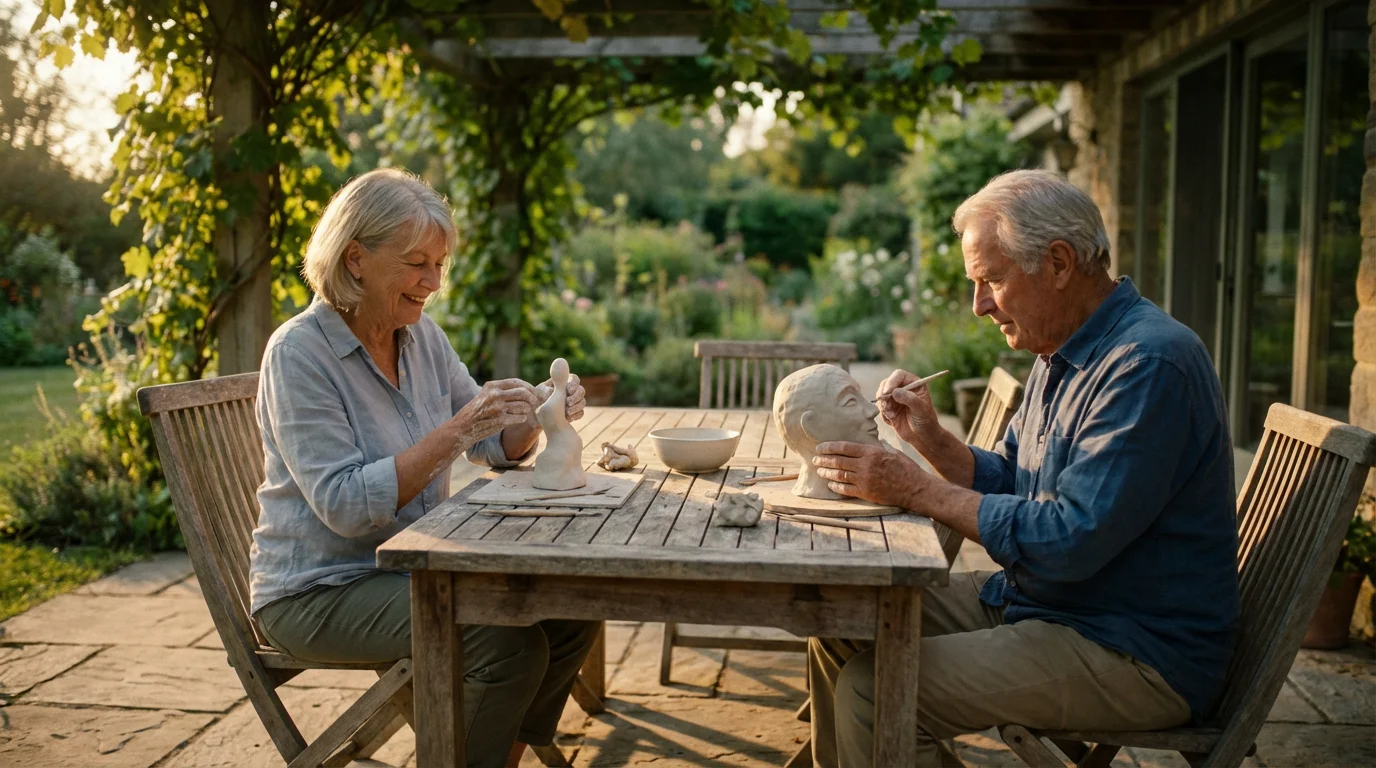
Getting Started with Senior Sculpting: A Beginner’s Guide
Taking the first step into the world of sculpture feels exciting and accessible. You do not need prior experience or an art degree to begin this fulfilling journey. Many senior sculpting enthusiasts start with curiosity and a willingness to learn. Your approach should prioritize exploration and enjoyment.
While the first touch of the clay might feel daunting, conquering your fears is essential for a truly rewarding artistic transformation.
Finding fulfilling projects for all skill levels ensures that your transition into the world of art remains rewarding and fun.
Follow these actionable steps to launch your sculpting adventure:
- Research Local Classes and Workshops: Begin by looking for introductory sculpting classes at local community centers, art studios, or colleges. Many institutions offer programs specifically designed for seniors, providing a supportive and social learning environment. Organizations like Osher Lifelong Learning Institutes (OLLIs) often feature art courses, including sculpting.
- Start with Accessible Materials: Do not feel overwhelmed by complex materials. Air-dry clay, polymer clay, or even simple soap blocks offer excellent starting points for beginners. These materials are easy to work with and require minimal specialized equipment.
- Explore Online Resources: A wealth of tutorials and guides exist online for various sculpture techniques. Websites and video platforms provide step-by-step instructions that you can follow from the comfort of your home. This allows you to learn at your own pace.
- Invest in Basic Tools: You do not need an extensive collection of professional tools initially. A simple starter kit for clay sculpting usually suffices. Focus on understanding the purpose of each tool as you progress.
- Embrace Experimentation: The beauty of sculpting lies in its forgiving nature. You can always reshape, add, or subtract. Allow yourself to experiment freely, without fear of “making mistakes.” Each attempt teaches you something valuable.
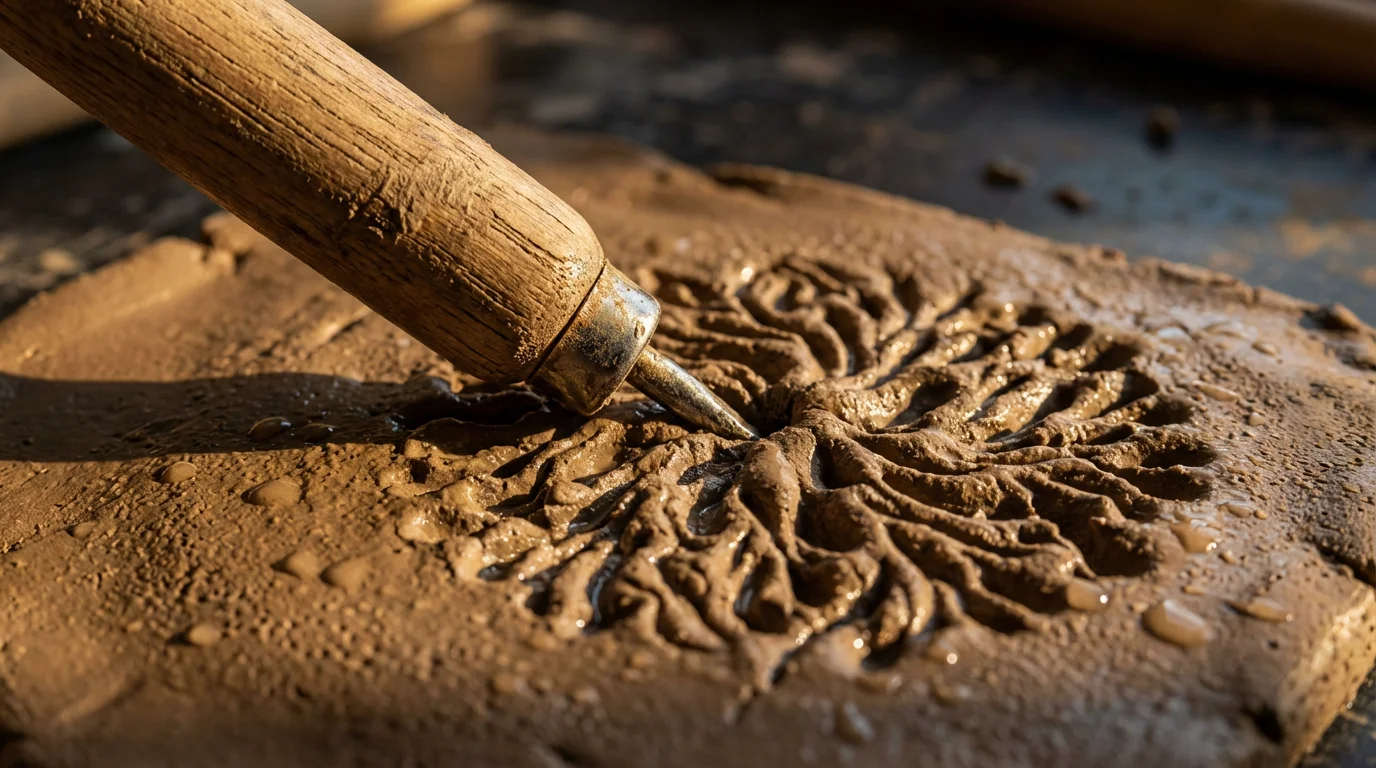
Exploring Sculpture Techniques: Finding Your Medium
The world of sculpture offers a diverse array of mediums and approaches. Each technique presents unique challenges and rewards, allowing you to discover what resonates most with your creative spirit. Do not limit yourself; try several before settling on a favorite.
If you find yourself drawn to two-dimensional work before attempting 3D forms, retirement sketching is a wonderful way to sharpen your visual perception.
Consider these popular sculpture techniques:
- Clay Sculpting (Additive): This is perhaps the most popular starting point. You build up forms by adding clay, shaping it with your hands and tools. Clay is incredibly versatile, allowing for both delicate details and robust structures. It provides a direct, tactile connection to your creation.
- Carving (Subtractive): This involves removing material from a larger block to reveal your desired form. Materials like wood, stone, or even soap offer unique textures and resistances. This technique demands careful planning and precision, but offers immense satisfaction as the form emerges.
- Assemblage: This involves combining various found objects or pre-existing forms to create a new sculpture. Think about discarded items, natural elements, or recycled materials. Assemblage is highly imaginative and encourages you to see potential in everyday objects.
- Wire Sculpture: Bending and twisting wire allows you to create elegant, airy forms that play with negative space. This technique requires patience and dexterity but results in visually striking pieces. It is a fantastic way to explore line and volume without heavy materials.
- Papier-Mâché: Using strips of paper soaked in adhesive, you build up forms layer by layer. This is a lightweight, cost-effective method that allows for significant sculptural freedom. It is particularly fun for creating whimsical or larger-than-life pieces.
Each of these techniques offers a distinct artistic experience. Your chosen medium will often dictate the type of aesthetic you can achieve, so explore broadly.
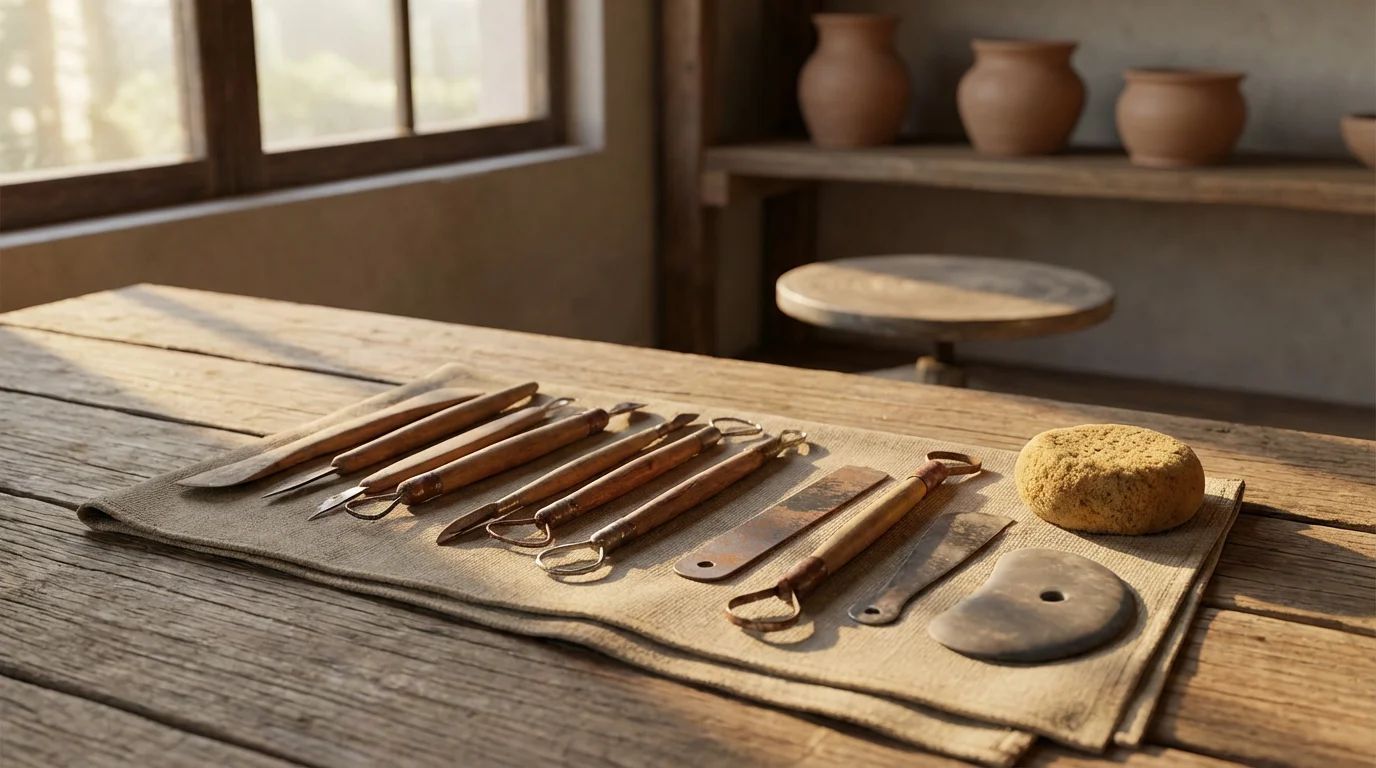
Essential Tools for Clay Sculpting and Beyond
You do not need an elaborate studio to begin. Many sculptors start with minimal equipment, focusing on the fundamentals. For those interested in `clay sculpting`, a few key tools make a significant difference. Understanding `what tools do I need to sculpt` helps you prepare effectively.
Here is a list of essential tools for beginners, particularly for clay work:
- Wire Clay Cutter: Use this tool to cut blocks of clay, prepare portions, and remove excess material. It provides clean, precise cuts.
- Wooden Modeling Tool Set: These tools feature various shapes and points, perfect for shaping, smoothing, and adding details to your clay. They are versatile and indispensable.
- Loop and Ribbon Tools: These tools, with their wire loops and ribbons, efficiently remove clay, hollow out forms, and create precise contours. They are excellent for refining shapes.
- Sponge: A natural or synthetic sponge helps you smooth surfaces, moisten clay, and clean up your workspace. It is a simple yet vital accessory.
- Needle Tool: A sharp needle mounted in a handle, this tool is ideal for scoring, detailing, creating textures, and cutting fine lines.
- Rolling Pin: For creating even slabs of clay, a rolling pin is indispensable. You can use a standard kitchen rolling pin or a specialized clay roller.
- Water Container: Keep a container of water handy to moisten your clay, clean tools, and keep your hands supple. Hydration is key for workable clay.
As you advance in `senior sculpting`, you might explore additional tools like calipers for measuring, texture tools for surface detail, or specialized carving tools for wood and stone. Always prioritize safety and comfort with your chosen instruments.
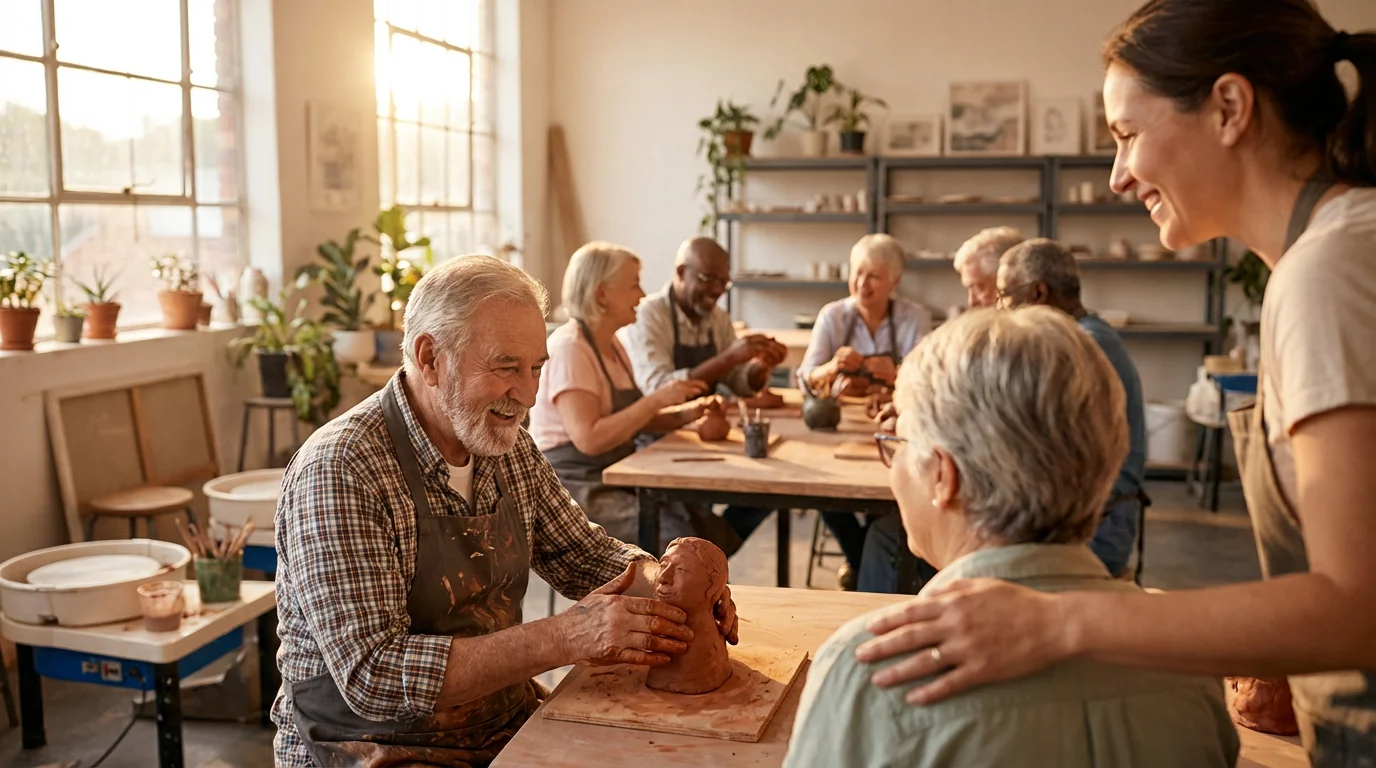
Joining the Artistic Community: Connection and Growth
One of the richest aspects of pursuing any new passion in retirement involves connecting with others who share your interests. The artistic community offers incredible opportunities for learning, inspiration, and camaraderie. You discover new perspectives and build lasting friendships.
As you gain experience, you may even find yourself mentoring others and sharing your newfound techniques with the next generation of creators.
Seek out local art groups, workshops, and open studio sessions. Many seniors find immense joy and growth by participating in communal creative spaces. These environments provide a chance to learn from experienced artists, share your progress, and receive constructive feedback. The shared passion fuels motivation and encourages continuous improvement.
Consider joining a local art guild or enrolling in a specialized program. Osher Lifelong Learning Institutes (OLLIs) frequently offer diverse art classes, providing a vibrant community for lifelong learners. These settings often feature expert instructors and access to specialized equipment, like kilns for firing clay.
“The biggest adventure you can take is to live the life of your dreams.”
— Oprah Winfrey
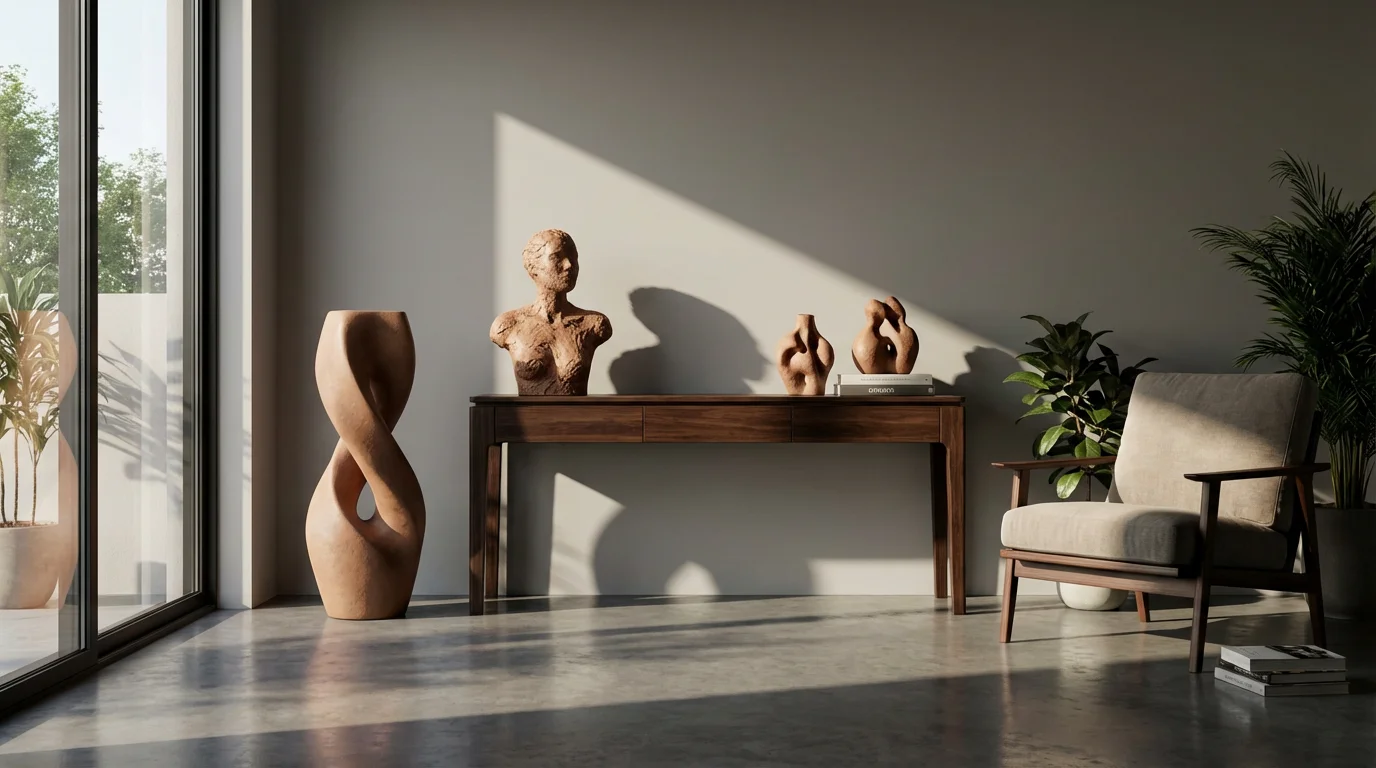
Displaying Your Masterpieces: Sharing Your Vision
The creation of art is a deeply personal journey, but sharing your work adds another layer of fulfillment. Displaying your sculptures celebrates your achievement and allows others to experience your unique vision. This act reinforces your identity as an artist.
For some, the joy of creation can lead to even more opportunities, such as monetizing your passions by showcasing your work at local art fairs or online.
Consider these avenues for sharing your creations:
- Home Display: Dedicate a special spot in your home for your favorite pieces. This serves as a constant reminder of your creative capability and brings beauty to your living space.
- Local Art Shows and Fairs: Many communities host art shows where amateur and professional artists can exhibit their work. Participating offers valuable experience, exposure, and the chance to connect with local art enthusiasts.
- Community Centers and Libraries: These venues often welcome local artists to display their work, providing an accessible platform for sharing with a broader audience.
- Online Galleries: Create a simple online portfolio or use social media to share photos of your sculptures. This connects you with a global audience and other artists.
- Gift Giving: Your handmade sculptures make incredibly thoughtful and personal gifts for friends and family. This spreads joy and showcases your talent.
Sharing your art is not about seeking validation; it is about extending your creative energy into the world. You inspire others, spark conversations, and contribute to the rich tapestry of human expression.
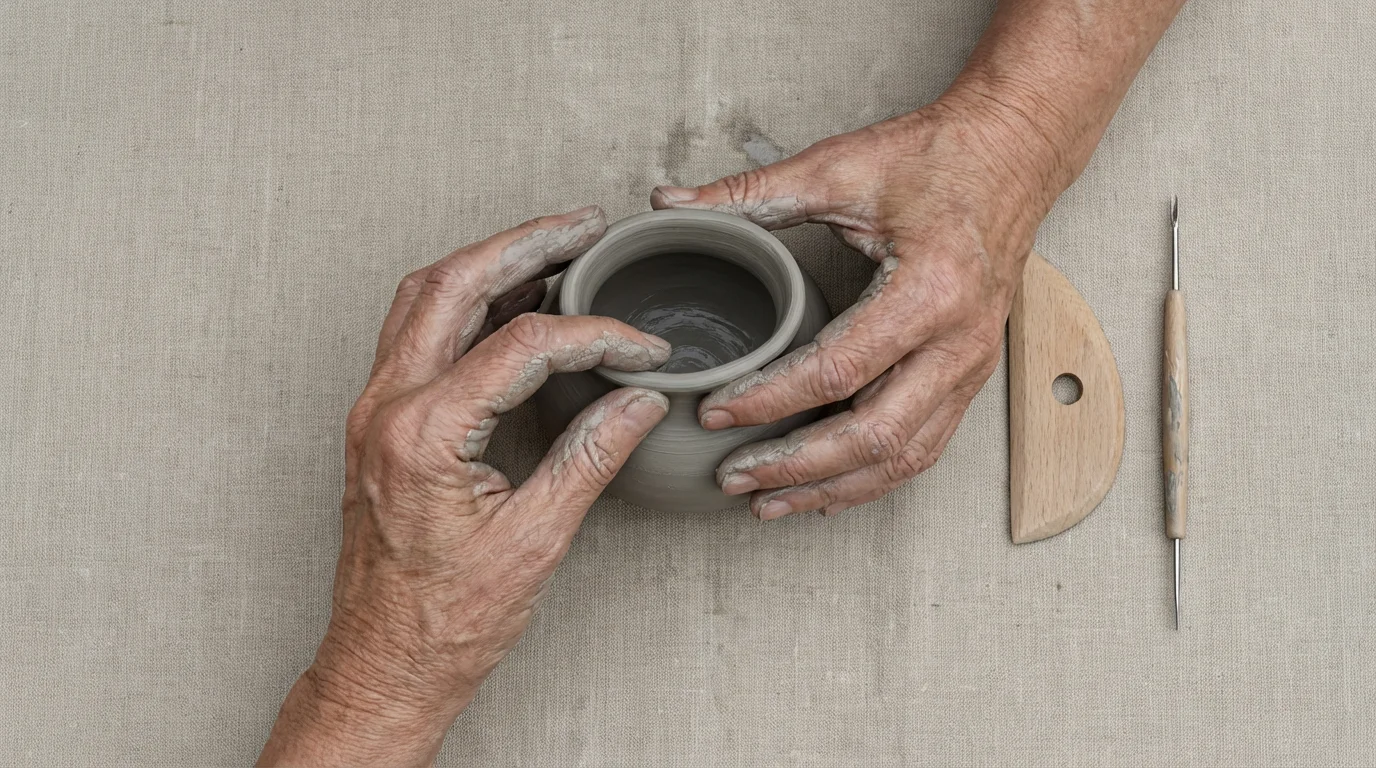
Beyond the Clay: Sculpting a Life of Purpose
The metaphor of `sculpting your retirement` extends far beyond the physical act of creating art. It embodies a philosophy of intentional living, where you actively design your days with purpose and passion. Just as a sculptor carefully considers each cut and addition, you thoughtfully construct your post-career life.
Just as you shape clay, retirement gardening allows you to sculpt living landscapes that bring beauty and tranquility to your daily environment.
Embrace curiosity. Cultivate new skills. Seek out enriching experiences. Retirement is not a finish line; it is a springboard to new beginnings. Whether you are pursuing `senior sculpting`, volunteering, traveling, or embarking on an encore career, you actively shape a life rich in meaning. Your finest work is not just in clay, but in the life you choose to create.
Frequently Asked Questions
Is it too late to start sculpting in retirement?
It is absolutely never too late. Many accomplished artists discover their passion for sculpting later in life. Your retirement offers dedicated time and a fresh perspective, making it an ideal period to explore new creative avenues like sculpting. Embrace the journey of discovery, regardless of your prior experience.
What are the best sculpture techniques for beginners?
For beginners, clay sculpting is often the most accessible starting point due to its forgiving nature and ease of manipulation. Hand-building techniques, such as pinch, coil, and slab construction, require minimal tools and allow for immediate tactile engagement. You can also explore additive sculpting with found objects or subtractive sculpting with soft materials like soap or floral foam.
What tools do I need to start clay sculpting?
You do not need an extensive array of tools to begin clay sculpting. Essential items include a wire clay cutter, a wooden modeling tool set, a loop tool, a sponge, and a needle tool. Many art supply stores offer starter kits that provide all these basics. As you advance, you might add ribbon tools, calipers, and various textures, but simplicity reigns supreme for initial exploration.
How can senior sculpting benefit my overall well-being?
Senior sculpting offers numerous benefits beyond artistic expression. It enhances fine motor skills and hand-eye coordination, engages cognitive function through problem-solving, and provides a calming, meditative outlet. The sense of accomplishment from creating something tangible boosts self-esteem, while joining classes or groups fosters social connection and reduces isolation. It is a holistic activity that enriches mind, body, and spirit.
Where can I find sculpting classes or communities as a senior?
Local community centers, art schools, and university extension programs frequently offer sculpting classes tailored for all skill levels, including dedicated senior programs. Many museums host workshops, and online platforms provide virtual instruction. Investigating local art guilds or studios reveals opportunities for open studio sessions and artistic communities where you connect with fellow enthusiasts and gain valuable insights.
Disclaimer: This article is for informational and inspirational purposes. Life decisions are deeply personal, and we encourage readers to pursue their dreams while considering their unique circumstances, health, and financial situation.



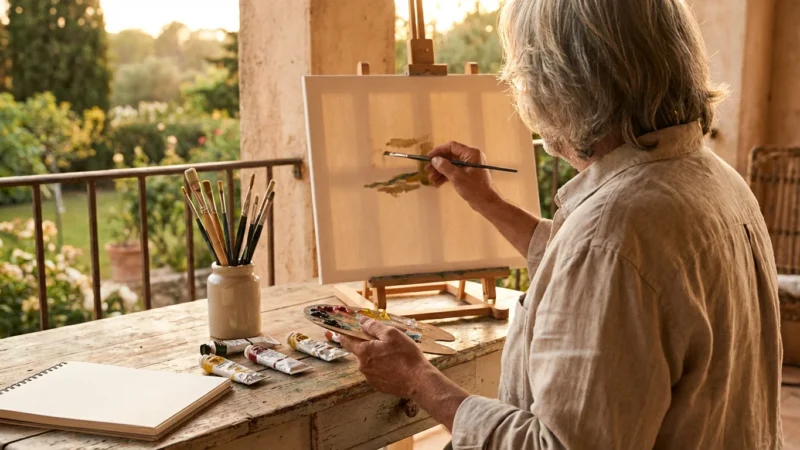
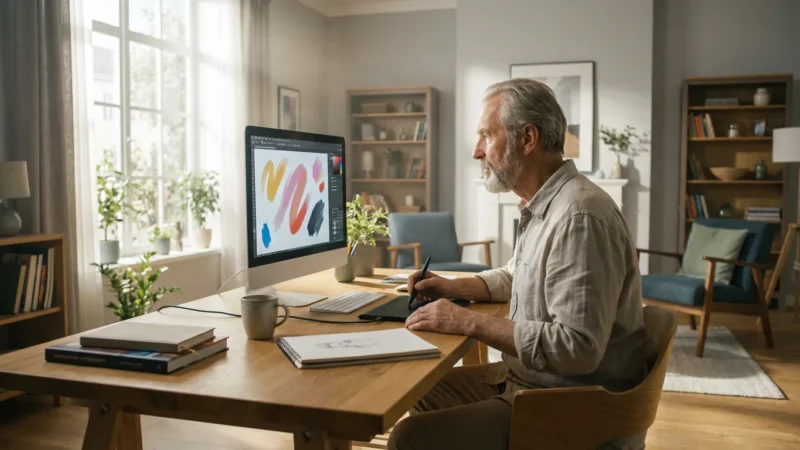

[…] Workshops: Dive into hands-on experiences. Enroll in a photography workshop, a pottery class, a coding bootcamp, a course on sustainable gardening, or even a session on digital literacy. These […]