
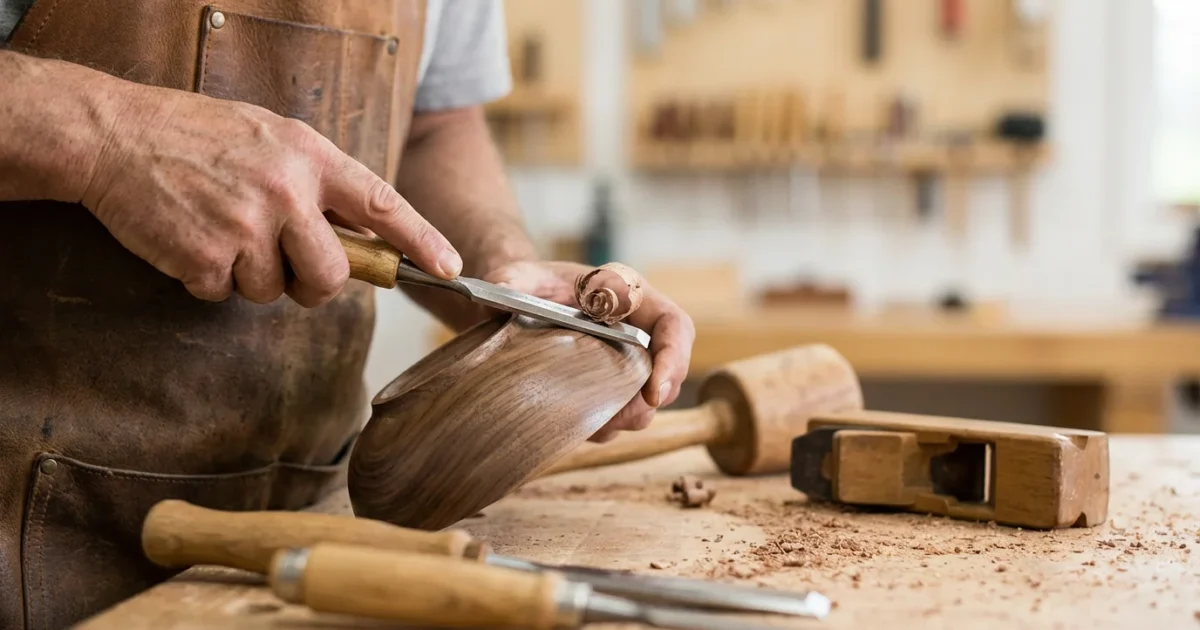
Your retirement offers an unparalleled opportunity to explore long-held interests and discover new passions. If the scent of sawdust and the satisfaction of creating something tangible call to you, woodworking presents a magnificent pursuit. This craft allows you to transform raw timber into beautiful, functional pieces, reflecting your unique vision and skill. Imagine crafting a cherished gift for a loved one, building custom furniture for your home, or simply enjoying the meditative process of shaping wood.
Many individuals find immense joy and purpose in woodworking during their retirement years. It is a journey of continuous learning and boundless creativity. You can start with simple projects and gradually develop your skills, finding profound satisfaction in each completed piece.
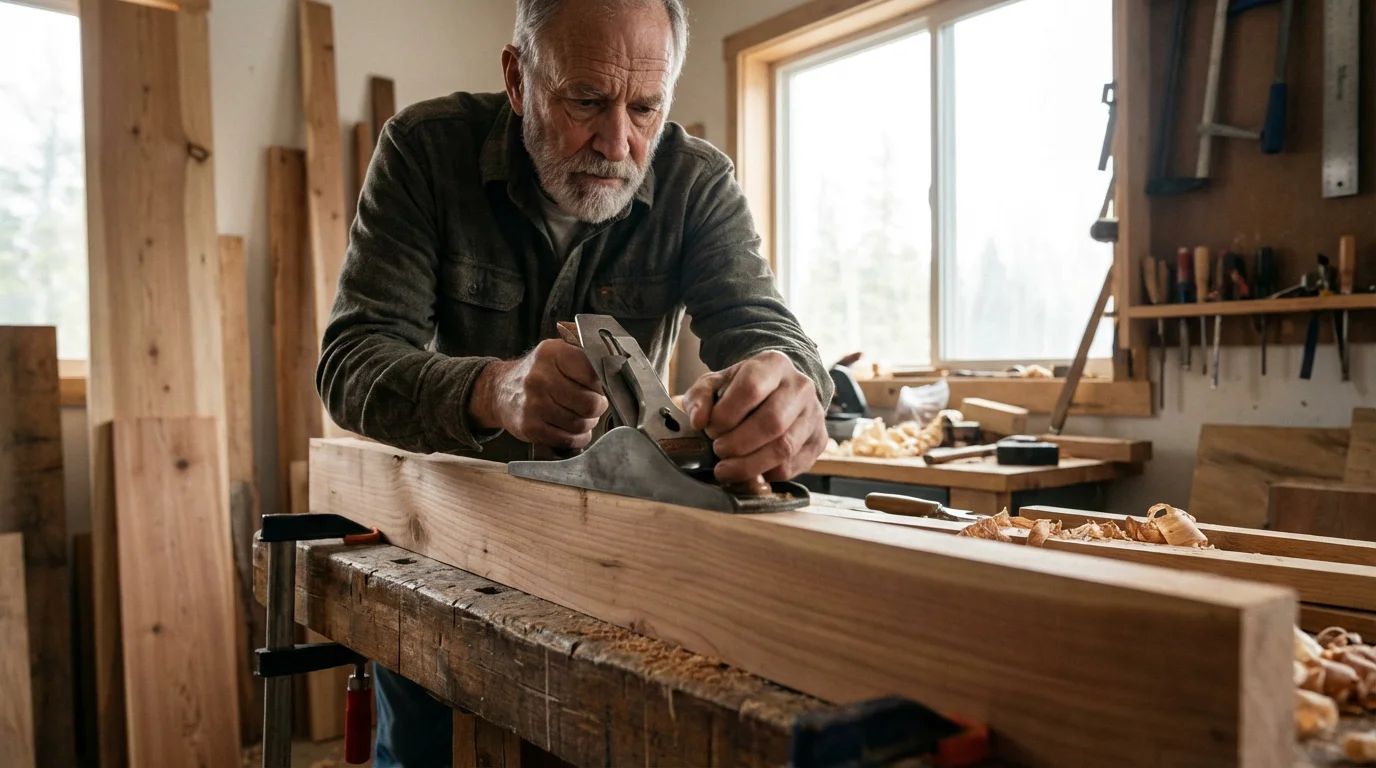
Embracing the Craft: Your Retirement Woodworking Journey
Retirement signals a vibrant new chapter, a time to step boldly into activities that enrich your life. Woodworking offers a powerful avenue for this reinvention. You move beyond previous professional demands, directing your energy toward a rewarding creative outlet.
For many, this hobby becomes the spark for a retirement reboot, leading to a fulfilling and productive second career.
This pursuit invites you to reconnect with your hands and mind, engaging in a craft that has shaped human history. You can create legacy pieces, transforming ordinary wood into extraordinary works of art or practical items for everyday living. Imagine the pride in saying, “I made that.”
Your journey into `senior woodworking` begins with curiosity and a willingness to learn. You do not need prior experience. What you need is an open mind and a desire to build. Many resources exist to guide you every step of the way.
“It is never too late to be what you might have been.” — George Eliot

The Rewarding Benefits of Senior Woodworking
Engaging in woodworking delivers a wealth of benefits, extending far beyond the finished product. This hands-on activity nurtures various aspects of your well-being, proving an excellent choice for an active retirement.
Beyond wood, retirement ceramics provides a different tactile experience for those looking to get their hands dirty while creating art.
If you enjoy mechanical challenges alongside woodworking, restoring a classic car offers another deeply satisfying hands-on project.
As your craftsmanship improves, you might even find opportunities for monetizing your woodworking passion to support your hobby.
Consider the numerous advantages you gain by embracing this craft:
- Cognitive Stimulation: Woodworking demands problem-solving, planning, and precision, keeping your brain sharp and engaged. You calculate dimensions, visualize designs, and troubleshoot challenges, strengthening your cognitive functions.
- Physical Activity: While not strenuous, woodworking involves movement, lifting, standing, and fine motor skills. These activities contribute to maintaining your physical agility and coordination.
- Creative Expression: You have a blank canvas to bring your ideas to life. Woodworking allows you to design, adapt, and personalize, giving you an unparalleled outlet for artistic expression.
- Sense of Purpose and Accomplishment: Completing a project, whether a simple shelf or an intricate carving, provides immense satisfaction and a tangible sense of achievement. This consistent feeling of purpose is vital in retirement.
- Stress Reduction: The focused nature of woodworking can be deeply meditative. It helps clear your mind of daily worries, allowing you to immerse yourself in the present moment and find calm.
- Social Connection: Join workshops, classes, or local clubs to connect with fellow enthusiasts. Shared interests foster new friendships and a supportive community.
These benefits combine to create a deeply fulfilling experience, proving that your retirement years are for vibrant living, not slowing down. Active engagement, like that found in woodworking, contributes significantly to overall well-being in later life, as highlighted by resources like AARP, which consistently advocates for purposeful activities.
Setting Up Your Workshop: Essential Tools and Safety
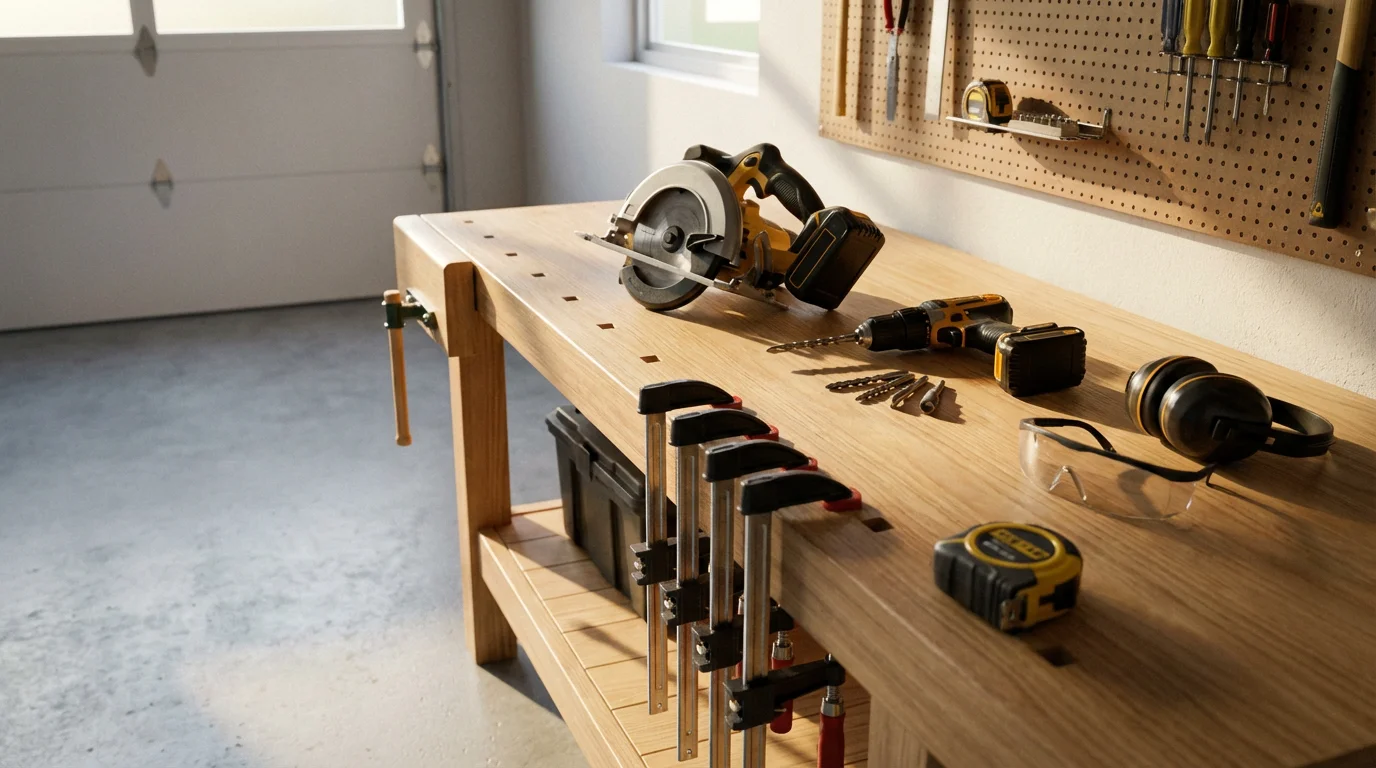
Starting your woodworking journey requires a dedicated space and a fundamental set of tools. You do not need an elaborate, expensive setup immediately. Begin with the basics and expand your collection as your skills grow and your interests deepen.
The familiarity you gain with these tools will also serve you well when tackling DIY home repair projects around your house.
Your workshop can be a corner of your garage, a spare room, or even a well-ventilated shed. Prioritize good lighting and a clean, organized environment. Clear access to electrical outlets is also essential.
Essential Tools for Beginners:
You can accomplish many `easy woodworking projects` with just a few core tools:
- Measuring Tools: A tape measure, a ruler, and a combination square ensure accuracy. Precision is paramount in woodworking.
- Hand Saws: A crosscut saw for cutting across the grain and a rip saw for cutting with the grain provide foundational cutting capabilities. A coping saw helps with intricate curves.
- Hand Planes: A block plane and a smoothing plane help you level and smooth wood surfaces. You learn the feel of the wood with these classic tools.
- Chisels: A set of sharp chisels allows you to carve, pare, and shape wood with precision. Sharpening them correctly is a skill in itself.
- Clamps: Various sizes of clamps, such as F-clamps and C-clamps, secure your workpieces during gluing or cutting. You can never have too many clamps.
- Mallet and Hammer: A wooden mallet is ideal for striking chisels, while a hammer handles nails.
- Drill: A cordless drill simplifies drilling holes and driving screws. Start with a basic model.
- Sanding Supplies: Sandpaper in various grits, sanding blocks, and an orbital sander (optional, but a time-saver) prepare your surfaces for finishing.
Prioritizing Safety in Your Workshop:
Woodworking involves tools that can cause injury if used improperly. Establishing and following safety protocols protects you and allows for a more enjoyable experience. Your well-being remains the highest priority.
- Wear Personal Protective Equipment (PPE): Always wear safety glasses to protect your eyes from flying debris. Hearing protection, like earmuffs or earplugs, guards against noise from power tools. A dust mask is crucial to prevent inhaling wood dust.
- Understand Your Tools: Read manuals for all power tools before use. Learn how each tool operates, its safety features, and its limitations. Never rush this learning process.
- Maintain Sharp Tools: Dull tools require more force, increasing the risk of slips and accidents. Keep your chisels, planes, and saw blades sharp.
- Secure Your Workpiece: Always clamp your wood securely before cutting, drilling, or routing. A stable workpiece prevents kickback and ensures accurate cuts.
- Keep Your Workspace Clean: A cluttered shop invites accidents. Clear away scraps, sawdust, and tools when not in use. Ensure clear pathways around machinery.
- Avoid Loose Clothing and Jewelry: Loose items can get caught in moving parts of machinery, leading to serious injury. Tie back long hair.
- Know Your Limits: Do not attempt tasks that feel unsafe or beyond your current skill level. Seek guidance or practice on scrap wood until you feel confident.
Starting Simple: Easy Woodworking Projects for Beginners
Embarking on your woodworking adventure feels most rewarding when you begin with achievable projects. These early successes build confidence and refine your fundamental skills. Do not aim for grand furniture pieces on day one; instead, focus on simple designs that introduce basic cuts, joinery, and finishing techniques.
Similarly, retirement quilting allows you to construct beautiful and functional items using patterns and textures.
For those who find joy in gifting their work, it is also possible to begin selling your handmade crafts online to reach a wider audience.
Here are excellent `what are easy woodworking projects` to get you started:
- Simple Shelves: Create a basic wall shelf or a small freestanding unit. This project teaches accurate measuring, straight cuts, and basic fastening methods like screws or biscuits.
- Picture Frames: Crafting a custom picture frame helps you master miter cuts for precise corners. You also learn about different joining techniques and finishing options.
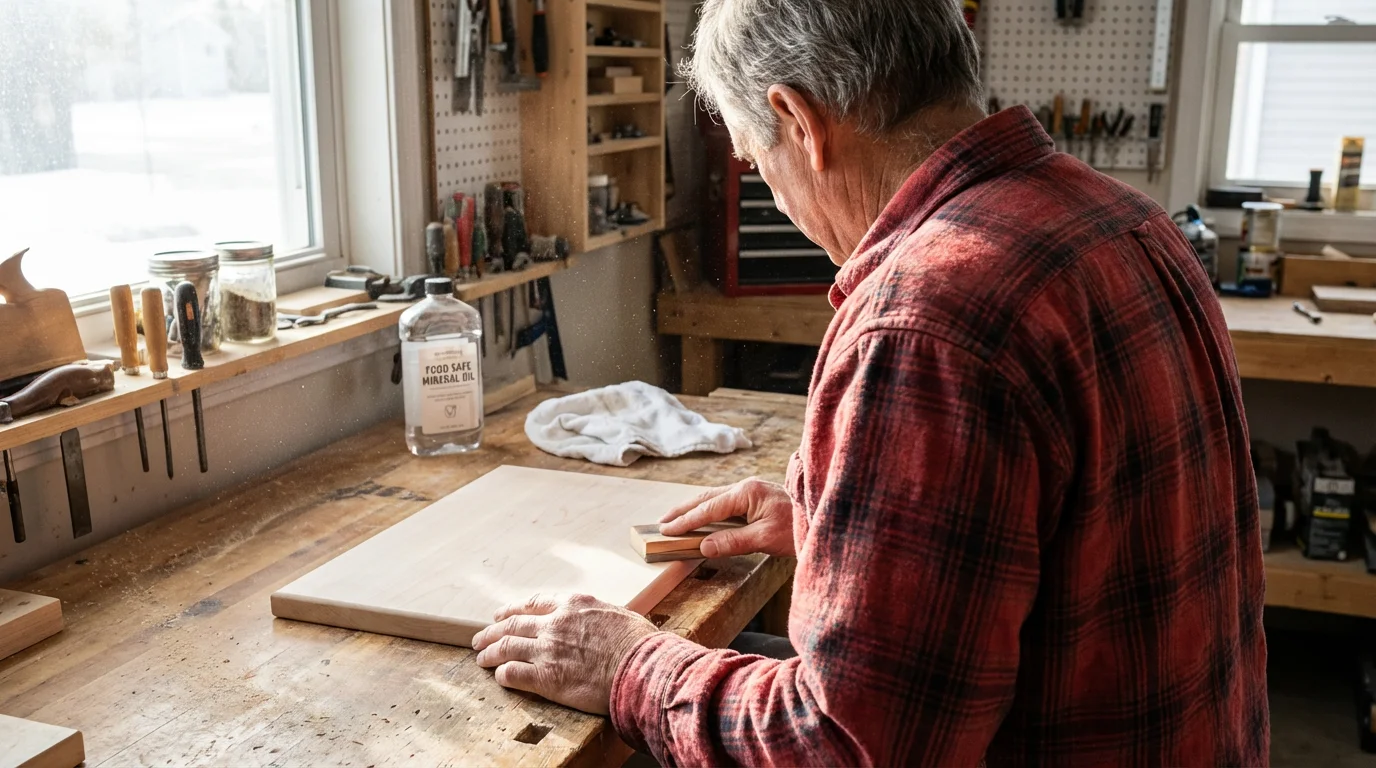
- Cutting Boards or Serving Trays: These projects introduce you to different wood types and grain patterns. You practice sanding for a smooth finish and applying food-safe oils.
- Small Boxes: A decorative box, perhaps for jewelry or keepsakes, teaches you about joinery methods like dovetails (for a challenge) or simple butt joints reinforced with splines.
- Birdhouses or Planter Boxes: These outdoor projects allow for more rustic finishes and focus on practical construction. You learn about angles and assembly.
- Coasters: An ideal starter project, coasters teach you about milling wood to consistent thickness, sanding, and applying protective finishes. You can experiment with different wood species.
Choose a project that genuinely interests you. This passion fuels your dedication and makes the learning process enjoyable. Remember, every master woodworker started with a simple cut.
Mastering Techniques: Developing Your Woodworking Skills
As you move beyond your first `woodworking projects`, you naturally progress to refining your techniques. Learning the fundamentals thoroughly builds a strong foundation for more complex creations. Patience and practice are your best tools in this stage.
Consider how you can enrich your skill set:
- Precise Measuring and Marking: Accuracy forms the cornerstone of good woodworking. Learn to use your tape measure, ruler, and combination square effectively. Practice marking cut lines with a sharp pencil or marking knife for exact precision.
- Square and Straight Cuts: Master the art of making perfectly square and straight cuts, whether with a hand saw or a circular saw. Practice consistently, using guides or fences to ensure accuracy. A slight error compounds quickly in woodworking.
- Basic Joinery: Understanding how to connect two pieces of wood is crucial. Start with butt joints, lap joints, and half-lap joints, learning to use glue and screws or dowels for strength. Progress to mortise and tenon or dovetail joints for superior craftsmanship.
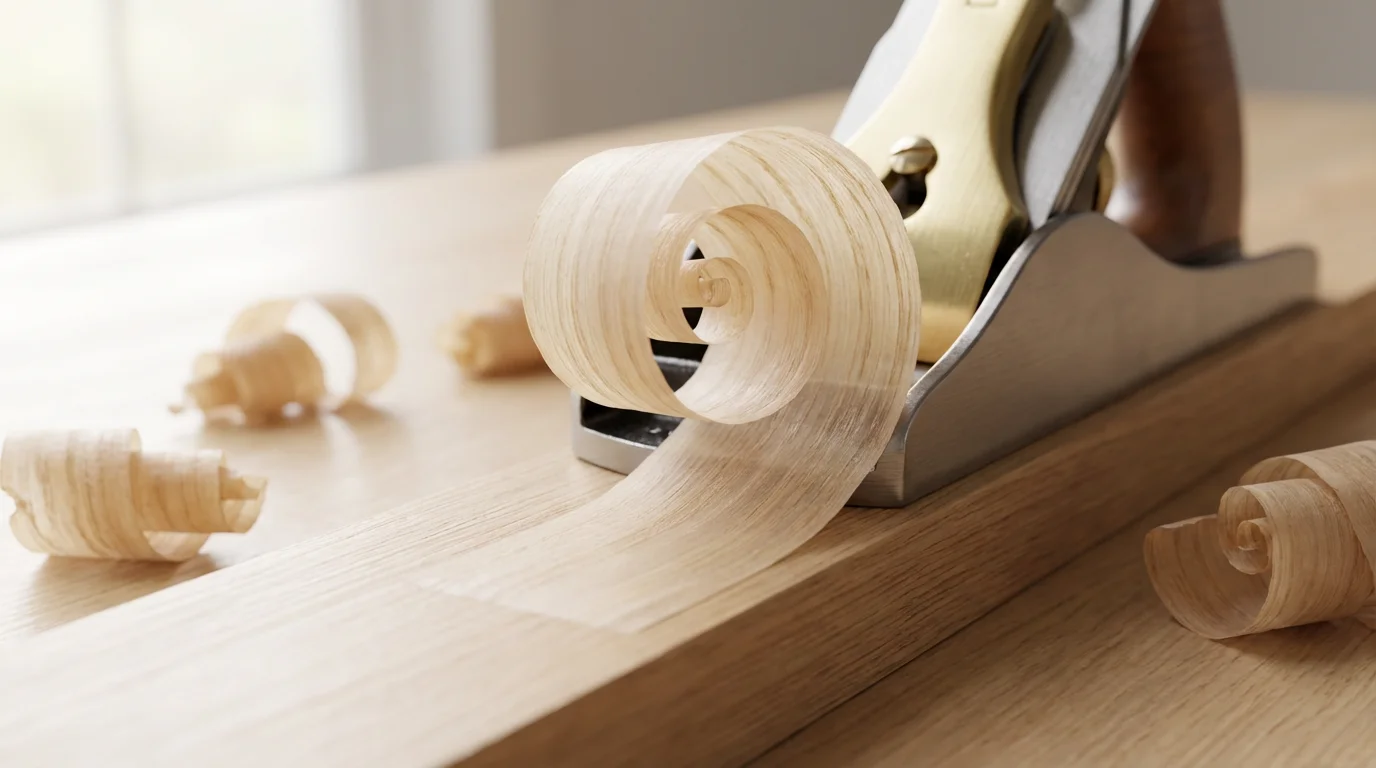
- Planing and Smoothing: Develop your touch with hand planes. Learn to read the grain and remove thin shavings to achieve perfectly flat and smooth surfaces without power sanders. This skill connects you intimately with the wood.
- Chisel Work: Practice paring, chopping, and carving with chisels. Learn how to hold them correctly for control and leverage. Sharp chisels make all the difference in achieving clean, accurate cuts.
- Sanding and Finishing: Proper sanding prepares the wood for a beautiful finish. Understand different sandpaper grits and how to work through them. Experiment with various finishes like oils, varnishes, and lacquers to protect and enhance your creations.
You can find numerous tutorials online or in books demonstrating these techniques. Many community colleges and woodworking shops offer introductory classes, providing hands-on instruction on `how can seniors learn woodworking` effectively. Learn from experienced instructors who can offer personalized feedback.
Beyond the Basics: Exploring Wood Carving and Advanced Projects
Once you establish a strong foundation, the world of woodworking opens up to a myriad of specialized crafts and advanced projects. You can delve into areas that truly capture your imagination, pushing the boundaries of your creativity and skill.
Discovering Wood Carving:
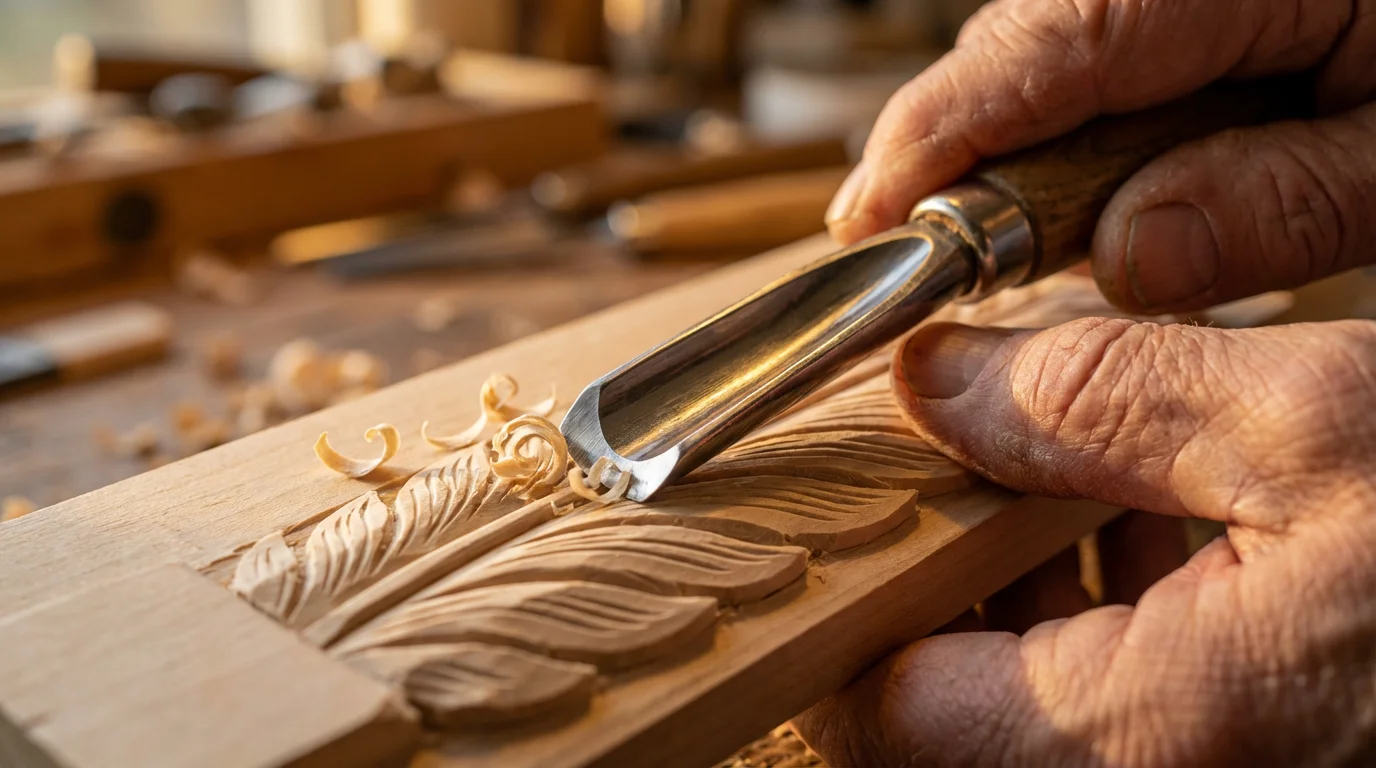
`Wood carving` represents a distinct and deeply artistic branch of woodworking. It involves shaping wood with knives, gouges, and chisels to create three-dimensional forms. It is a meditative process, allowing you to reveal the hidden beauty within a block of wood. Start with simple relief carvings or small figures. Focus on understanding the grain and how the wood responds to your tools.
Advanced Woodworking Projects:
As your confidence grows, consider tackling more ambitious `woodworking projects`:
- Furniture Making: Build tables, chairs, cabinets, or bookcases. This often requires precise joinery, complex assemblies, and a deep understanding of wood movement.
- Lathe Turning: Explore turning wood on a lathe to create symmetrical items like bowls, spindles, pens, or decorative vessels. This skill offers immediate gratification as forms emerge rapidly.
- Intarsia or Marquetry: These techniques involve creating intricate pictures or patterns by fitting together different colored woods (intarsia) or veneers (marquetry). They demand extreme precision and artistic vision.
- Boat Building: For the ultimate challenge, consider building a small boat. This combines structural engineering with fine woodworking, creating a vessel that is both functional and beautiful.
Each advanced area presents new challenges and learning opportunities. You gain immense satisfaction from mastering these complex skills and producing truly remarkable pieces. Your retirement years become a laboratory for continuous artistic and technical growth.
Connecting with the Woodworking Community and Resources
While woodworking can be a solitary pursuit, connecting with a community enriches your experience and accelerates your learning. Sharing knowledge, asking questions, and collaborating with fellow enthusiasts enhances your craft and social life.
Explore these avenues for connection and continued learning:
- Local Woodworking Clubs: Many cities and towns host woodworking clubs. These groups often organize workshops, demonstrations, and show-and-tell sessions, providing invaluable hands-on learning and camaraderie.
- Community College Courses: Enroll in woodworking classes at your local community college or adult education center. These courses offer structured learning, access to professional tools, and expert instruction on `how can seniors learn woodworking` from the ground up.
- Specialized Workshops: Look for weekend workshops offered by independent woodworking schools or professional woodworkers. These often focus on specific techniques like advanced joinery, wood carving, or tool sharpening.
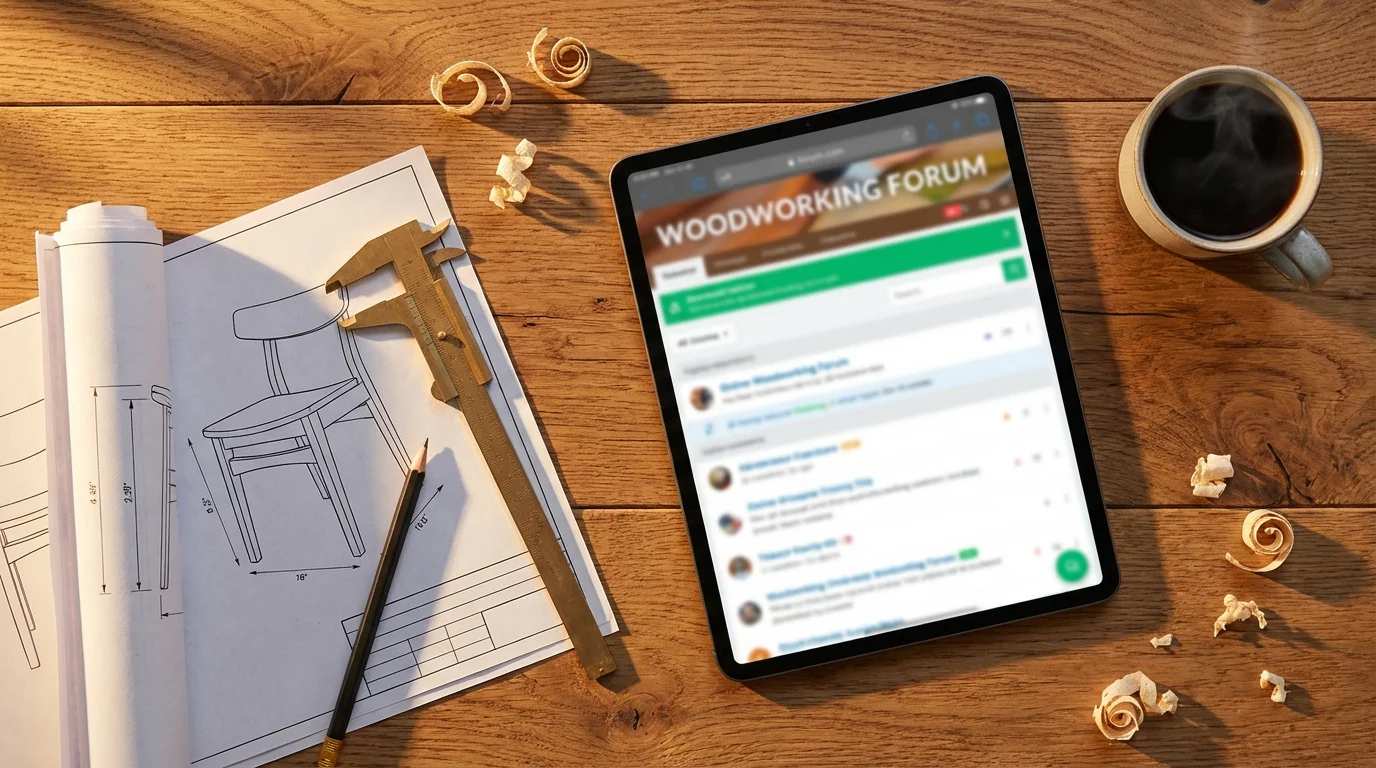
- Online Forums and Social Media Groups: Engage with global woodworking communities online. Share your projects, ask for advice, and learn from experienced woodworkers around the world.
- Woodworking Magazines and Books: Subscribe to woodworking publications for project ideas, tool reviews, and technique articles. A well-stocked library of woodworking books serves as an invaluable reference.
- Lumber Yards and Specialty Wood Shops: Visit local suppliers. Staff often possess deep knowledge about wood species, their properties, and best uses. They can offer guidance and inspiration for your `woodworking projects`.
Building a network within the woodworking community provides ongoing inspiration, technical support, and the joy of shared passion. You discover mentors, friends, and collaborators who make your retirement woodworking journey even more extraordinary.
Frequently Asked Questions
Is woodworking safe for seniors?
Yes, woodworking is very safe for seniors when you prioritize safety. Many tools now come with advanced safety features. Focus on learning proper tool usage, always wear personal protective equipment like safety glasses and hearing protection, and maintain a clean, organized workspace. Start with hand tools before moving to power tools, building confidence and muscle memory.
What type of wood is best for beginners?
Beginners should start with softwoods like pine, poplar, or basswood. These woods are easier to cut, carve, and shape, making them forgiving for initial `woodworking projects`. As your skills improve, you can transition to hardwoods such as oak, maple, or cherry, which offer different aesthetic and structural properties but are more challenging to work with.
How much does it cost to start woodworking?
You can start woodworking on a modest budget. You might invest a few hundred dollars for essential hand tools like saws, chisels, clamps, and measuring tools. You can often find used tools at estate sales or online marketplaces, reducing initial costs. As you progress, you can gradually invest in more specialized hand tools or power tools, spreading the expense over time.
Can I make money from retirement woodworking?
Absolutely. Many retirees turn their woodworking passion into a source of income. You can sell your `woodworking projects` at craft fairs, through online platforms, or by taking custom commissions. Consider creating small, popular items like cutting boards, custom signs, or unique decorative pieces. This combines your love for the craft with potential financial benefit, creating an inspiring encore career.
Where can I find design ideas for woodworking projects?
Inspiration for `woodworking projects` is everywhere. Look at magazines, books, and online platforms like Pinterest, Instagram, or woodworking-specific websites. Visit local craft markets or furniture stores for ideas. You can also find free plans and tutorials online for projects ranging from `what are easy woodworking projects` to complex furniture builds. Adapt existing designs to make them your own.
Disclaimer: This article is for informational and inspirational purposes. Life decisions are deeply personal, and we encourage readers to pursue their dreams while considering their unique circumstances, health, and financial situation.








Leave a Reply