
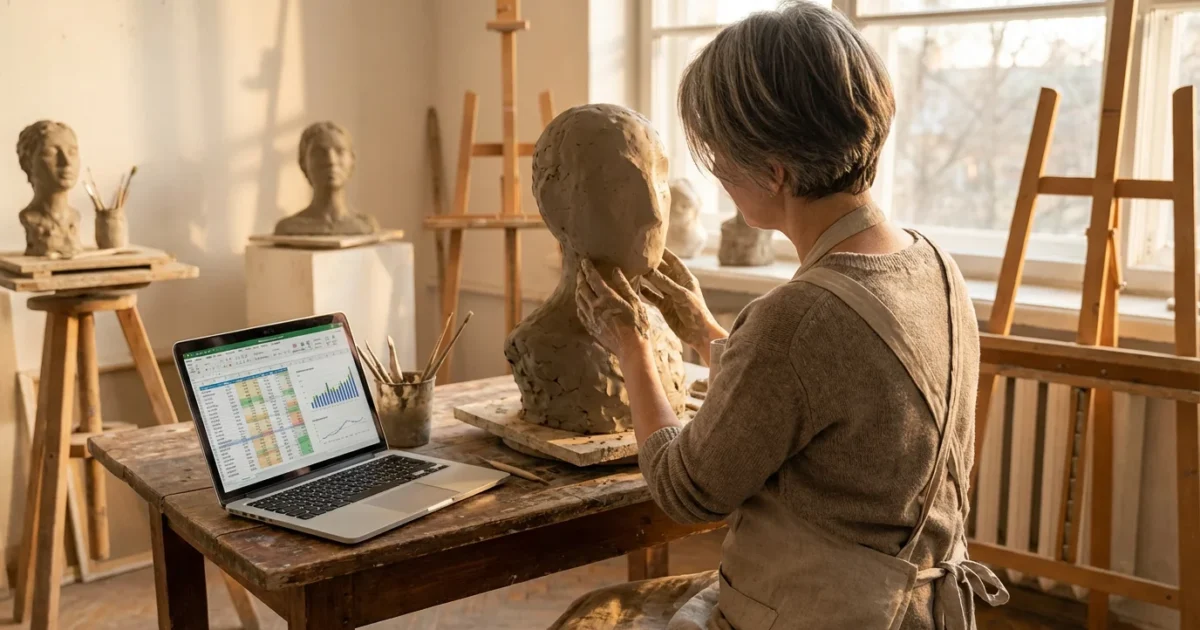
You stand at the precipice of an extraordinary chapter, a time when the daily grind releases its grip and boundless possibilities emerge. This isn’t a time for winding down, but for gearing up. Retirement offers a blank canvas, inviting you to paint your boldest dreams and sculpt a life filled with meaning, adventure, and exhilarating self-discovery. This story explores one woman’s remarkable journey, a testament to the powerful, transformative potential of `art retirement`.
Finding the right creative outlets for retirement can transform your daily routine into a series of inspiring and productive moments.
Mary’s Journey: From Corporate Metrics to Creative Masterpiece
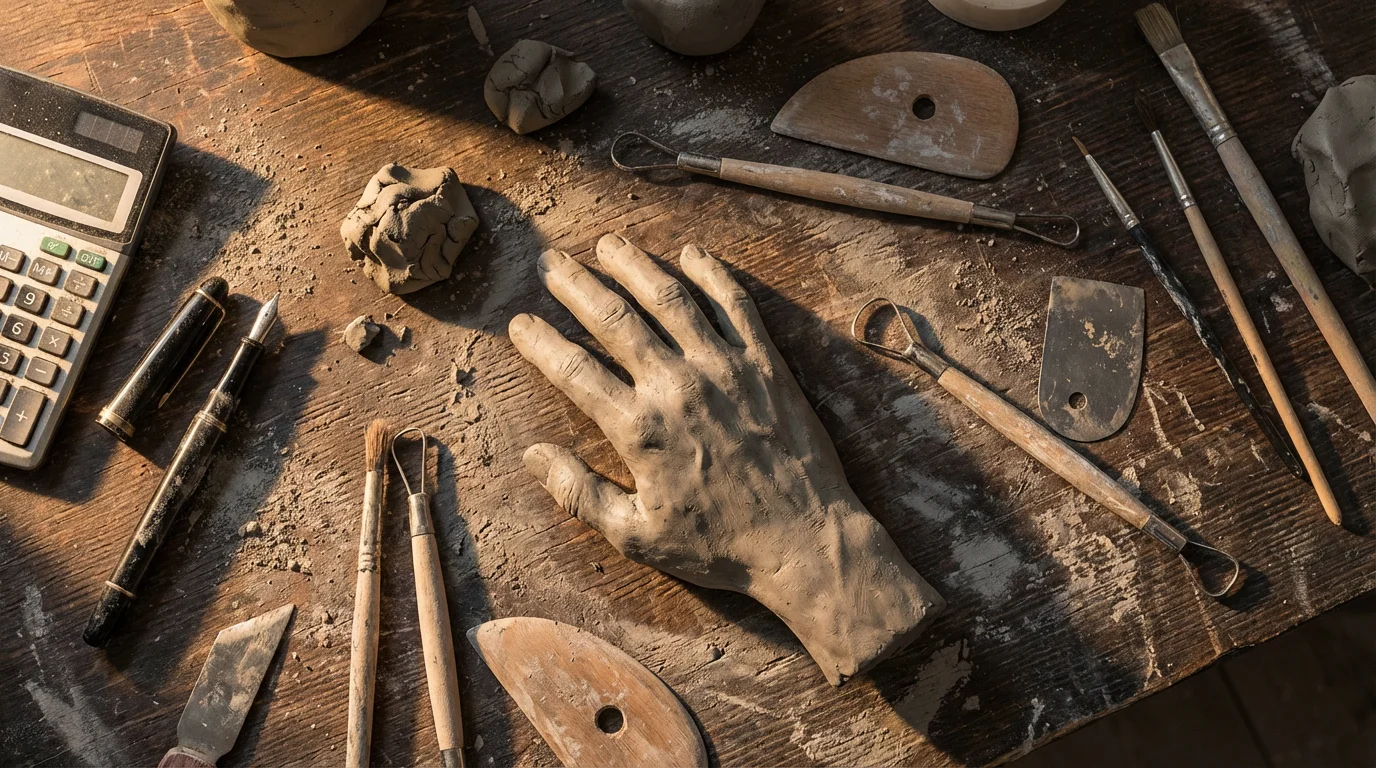
Mary spent 35 years navigating the complex world of corporate finance. Her days involved meticulous spreadsheets, strategic planning sessions, and the precise calculation of quarterly reports. Her career demanded sharp analytical skills and unwavering attention to detail. Yet, a quiet yearning for something more tactile, more expressive, always lingered beneath the surface.
Her journey serves as a powerful illustration of reinventing yourself in retirement by trading professional demands for artistic expression.
Retirement arrived, initially bringing a sense of relief. The pressure dissolved, and her calendar opened up. However, the newfound freedom quickly gave way to an unfamiliar quiet. Mary realized a crucial piece of her identity, wrapped in her professional life, had vanished. She sought a new purpose, a fresh challenge.
The spark ignited during a casual conversation with a friend about local community art classes. “Sculpting?” Mary thought. “Me, a sculptor?” The idea seemed outlandish at first, a stark contrast to her structured past. Yet, the thought persisted. She enrolled in a beginner’s clay sculpting class, tentatively at first, then with growing excitement.
Mary discovered a profound connection to the clay. Her hands, once accustomed to keyboard strokes and calculator buttons, now molded and shaped, finding rhythm and form. The initial awkwardness transformed into fluid motion, revealing an innate talent she never knew she possessed. She found immense joy in the tactile process, in bringing an idea from her mind into three-dimensional reality. This `art retirement` became her unexpected awakening.
Embracing the Power of Creative Pursuits in Retirement
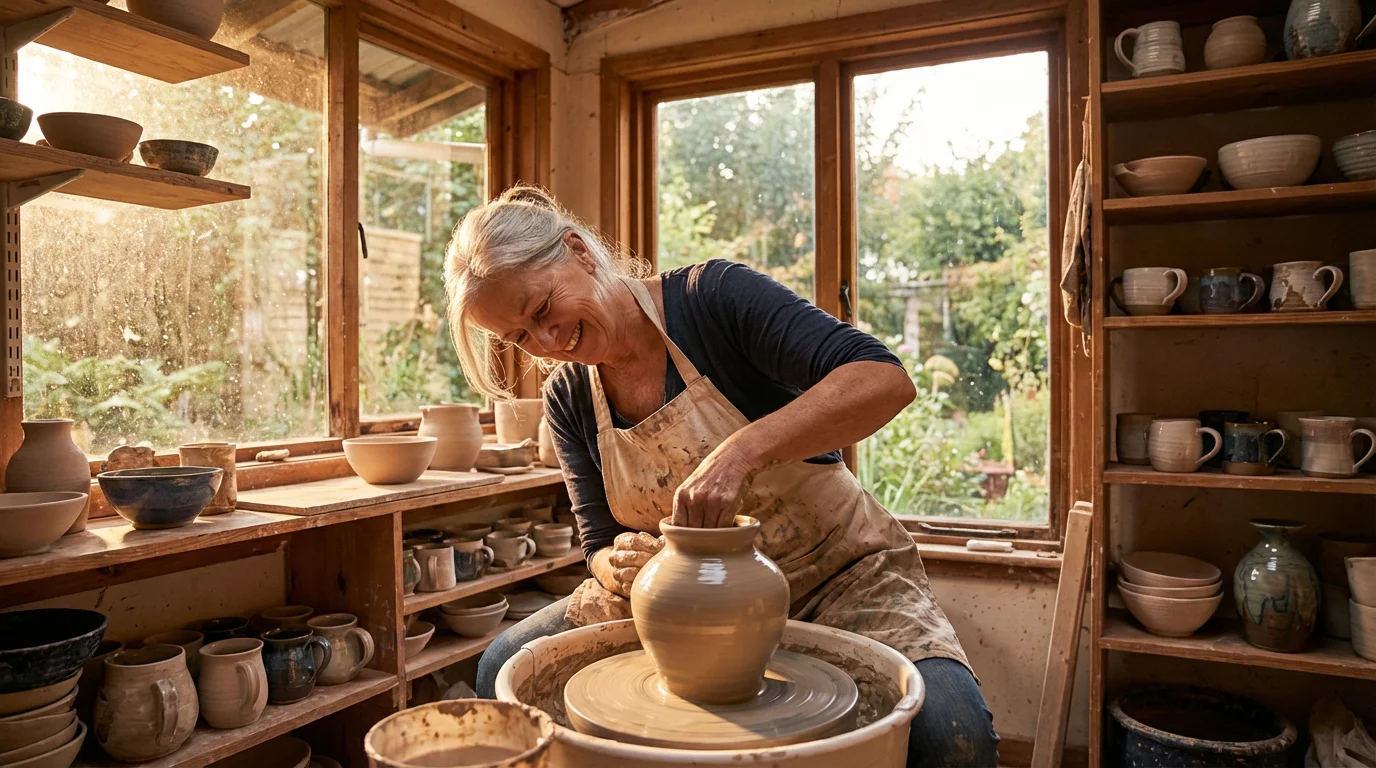
Mary’s story is a powerful reminder that retirement is not an ending, but a vibrant beginning. It offers an unparalleled opportunity to explore `creative pursuits` you previously lacked the time or courage to tackle. Engaging in artistic endeavors provides far more than just a pastime. It enriches your life in multifaceted ways, boosting cognitive function and fostering emotional well-being.
Studies show a strong correlation between creative engagement and healthy aging. For instance, research presented by the National Institute on Aging highlights how active participation in arts programs contributes to better health outcomes in older adults. You gain mental agility and a renewed sense of purpose.
Your retirement years present the ideal environment for these pursuits. You have the gift of time, freedom from daily professional obligations, and a lifetime of experiences to draw upon. This rich tapestry of life becomes your inspiration, ready to fuel your artistic expression.
It is never too late to be what you might have been. — George Eliot
What Art is Good for Seniors: Beyond the Canvas
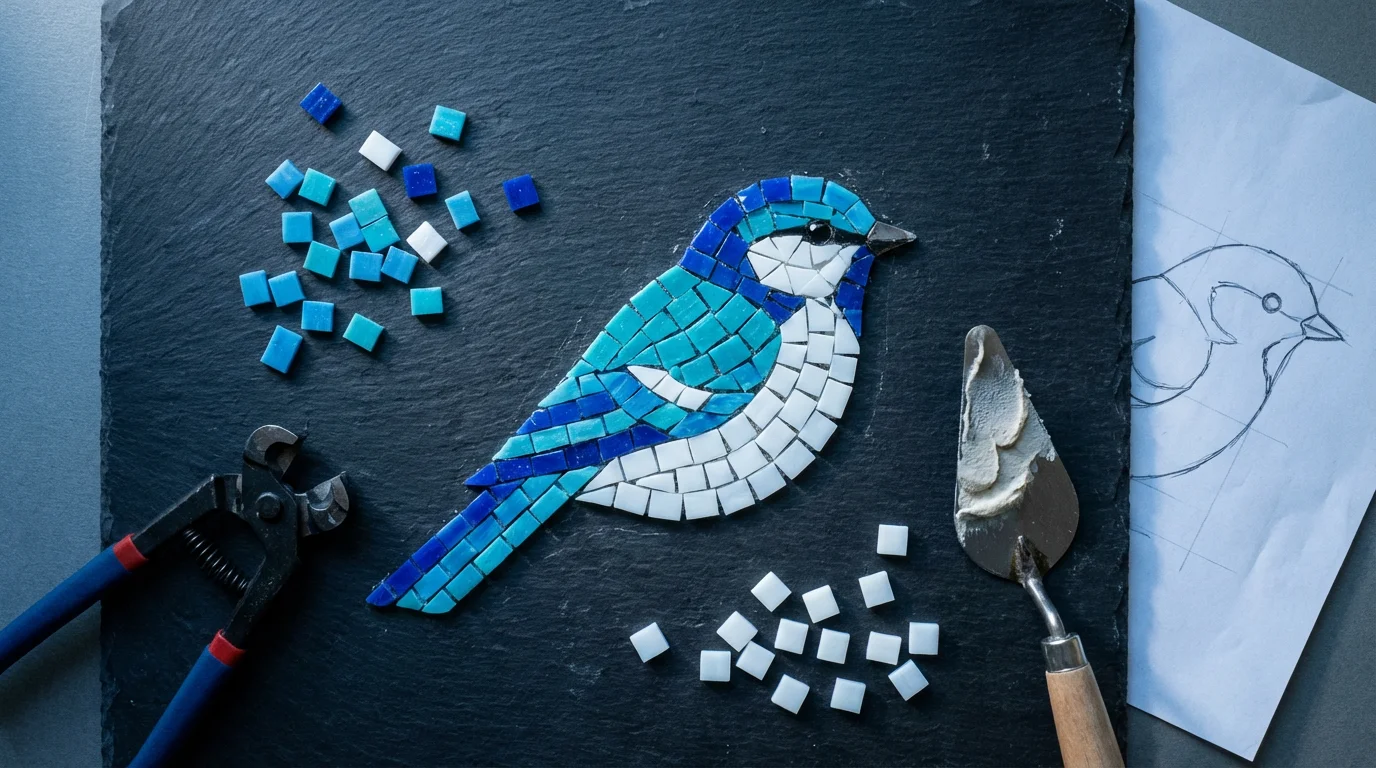
Engaging in art offers a multitude of benefits tailored to the unique phase of retirement. You strengthen cognitive abilities, enhance emotional resilience, and discover new avenues for social connection. Consider these specific advantages:
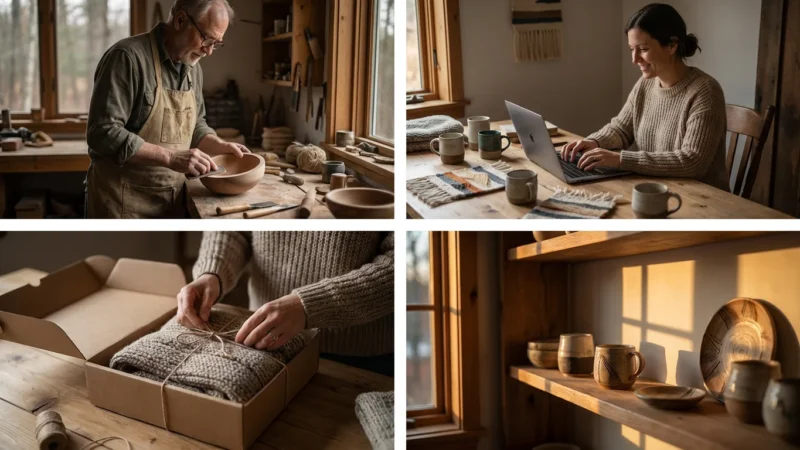
Beyond personal fulfillment, many find joy in turning hobbies into retirement income by selling their handcrafted work.
- Cognitive Stimulation: Art challenges your brain in new ways. Learning a new technique, solving a creative problem, or recalling color theory all contribute to improved memory and problem-solving skills. Creating art can help maintain neural pathways and even foster new ones.
- Stress Reduction and Emotional Expression: The creative process provides a powerful outlet for emotions. You can express feelings of joy, contemplation, or even past experiences through your chosen medium. The meditative aspect of creating art reduces stress and promotes a sense of calm.
- Enhanced Motor Skills and Hand-Eye Coordination: Activities like sculpting, painting, drawing, or playing an instrument require precise movements. Regular practice refines your fine motor skills and improves coordination. This contributes to overall physical dexterity.
- Increased Self-Esteem and Sense of Accomplishment: Completing a piece of art, no matter how small, brings immense satisfaction. You gain confidence in your abilities and a renewed sense of purpose. This achievement validates your efforts and ignites a desire for further exploration.
- Social Connection and Community Building: Art classes, workshops, and local art groups offer fantastic opportunities for connection. You meet like-minded individuals, share ideas, and build supportive friendships. This combats isolation and fosters a sense of belonging.
These benefits underscore why exploring `what art is good for seniors` transcends simple hobbies. It becomes a vital component of a fulfilling and vibrant retirement.

Learning New Skills: Your First Step into the Art World
The thought of `learning new skills` in retirement, especially artistic ones, can feel daunting. Many people believe they lack natural talent or that it is too late to start. These are common misconceptions. Talent often emerges through consistent effort and genuine curiosity. Your best years for artistic exploration are precisely now.
This phase of life provides the perfect canvas to embrace the joy of lifelong learning while exploring hidden talents.
You possess a lifetime of unique experiences and perspectives, a distinct lens through which to view the world. This is your most valuable asset as an artist. You do not need formal training or a grand studio to begin. Simple steps can launch your creative journey.
Here are actionable ways to begin `learning new skills` in the arts:
- Start Small and Experiment: Do not commit to a complex project immediately. Begin with simple sketches, basic clay forms, or a beginner’s watercolor set. Allow yourself to explore different mediums without pressure. The goal is discovery, not immediate mastery.
- Enroll in Beginner Classes: Local community centers, art schools, and senior organizations often offer introductory courses. These structured environments provide expert guidance, essential techniques, and the camaraderie of fellow learners. Consider organizations like Osher Lifelong Learning Institutes, which provide enriching courses specifically for older adults.
- Utilize Online Tutorials: The internet offers a wealth of free and paid resources. YouTube, Skillshare, and other platforms provide step-by-step guides for nearly every art form imaginable. You can learn at your own pace from the comfort of your home.
- Join a Local Art Group: Many towns have informal art groups that meet regularly to draw, paint, or craft together. These groups often welcome beginners and provide a supportive, non-judgmental space for creative expression.
- Embrace Imperfection: Your first attempts will not be masterpieces. Celebrate the process, the learning, and the joy of creation. Each “mistake” is a valuable lesson, guiding you towards improvement. Focus on the journey, not just the outcome.
Remember Mary’s initial hesitation. She took that first step, and it opened a world she never imagined. Your creative awakening begins with a single step, fueled by curiosity and courage.
Diverse Creative Pursuits: Finding Your Artistic Voice
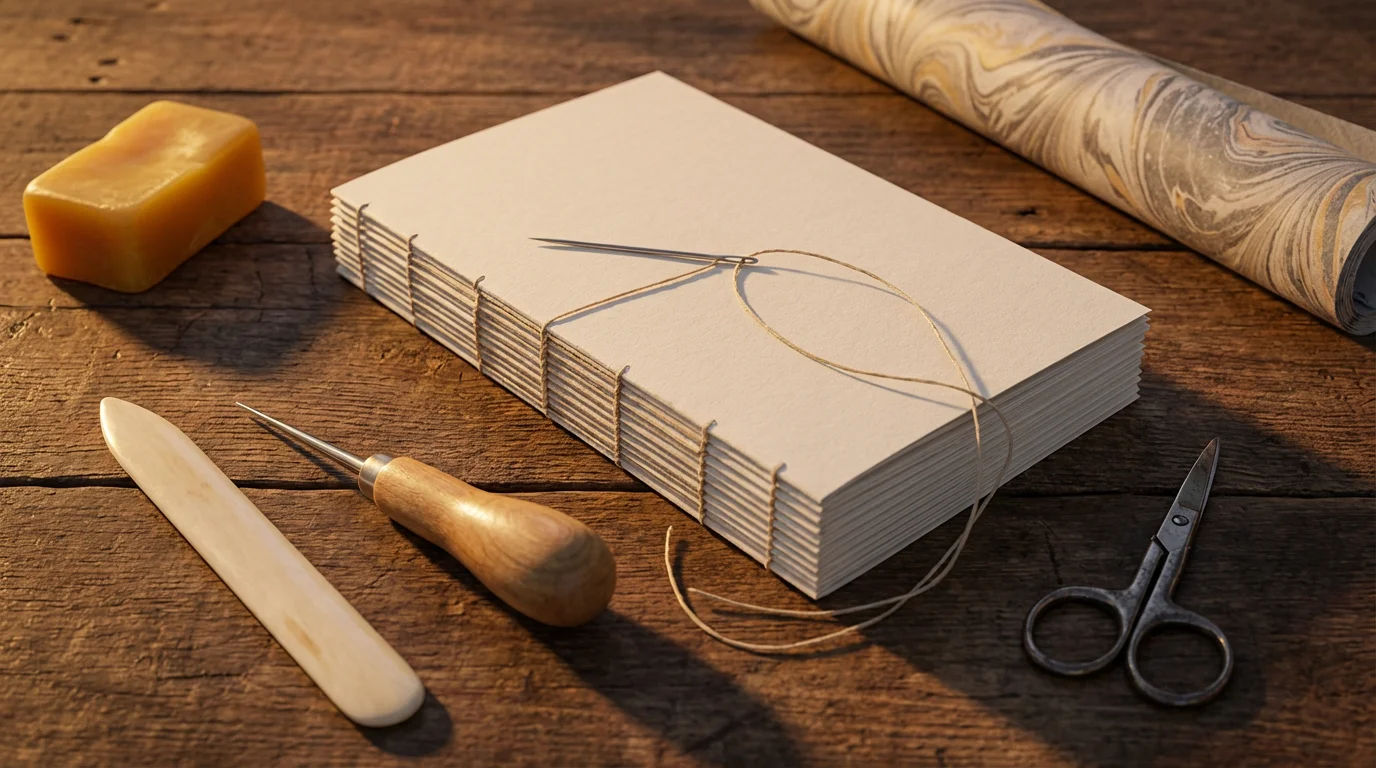
Art encompasses an incredible spectrum of activities, extending far beyond traditional painting and sculpting. You have countless options for `creative pursuits` that align with your interests, physical capabilities, and desired level of engagement. Finding your artistic voice involves exploration and a willingness to try new things.
Consider these varied creative avenues:
- Visual Arts:
- Painting and Drawing: Explore watercolors, acrylics, oils, pastels, charcoal, or pencil. Subjects can range from landscapes and portraits to abstract expression.
- Sculpting and Pottery: Work with clay, wood, stone, or even recycled materials. Create functional pottery or purely decorative pieces.
- Photography: Capture the beauty of your surroundings, experiment with light and composition, or delve into digital photo manipulation.
- Textile Arts: Engage in quilting, knitting, crocheting, weaving, embroidery, or fabric dyeing. Create wearables, home decor, or artistic wall hangings.
- Jewelry Making: Work with beads, metal, wire, or natural elements to design unique accessories.
- Performing Arts:
- Music: Learn a new instrument like the piano, guitar, or ukulele. Join a choir or a community band. Many senior centers offer opportunities for musical groups.
- Dance: Explore ballroom, folk, line dancing, or even creative movement classes. Dance provides physical exercise and joyful expression.
- Theater: Participate in local community theater productions, whether acting, directing, set design, or costume creation.
- Literary Arts:
- Creative Writing: Write poetry, short stories, memoirs, or plays. Join a writing workshop to hone your skills and share your work.
- Journaling: Document your thoughts, experiences, and reflections. This personal practice can be deeply therapeutic and a source of future creative inspiration.
- Crafts and Hobbies:
- Gardening and Landscaping: Designing and cultivating a garden is an art form in itself, blending aesthetics with natural science.
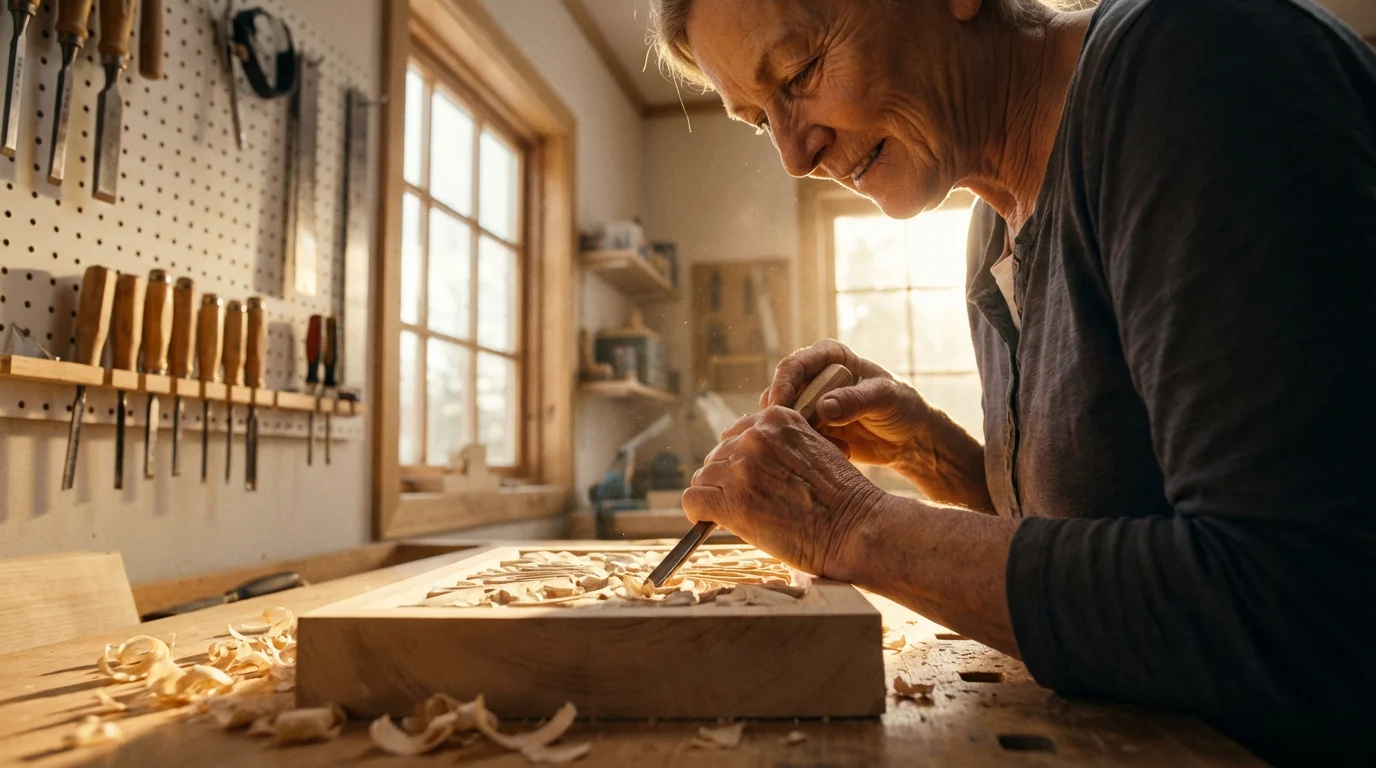
- Woodworking: Build furniture, intricate carvings, or practical household items.
- Culinary Arts: Experiment with new recipes, food styling, or baking elaborate creations.
The key lies in choosing an activity that genuinely excites you. Do not limit yourself to preconceived notions of what “art” should be. Your passion is your guide.
Is Retirement a Good Time for Art? An Emphatic Yes
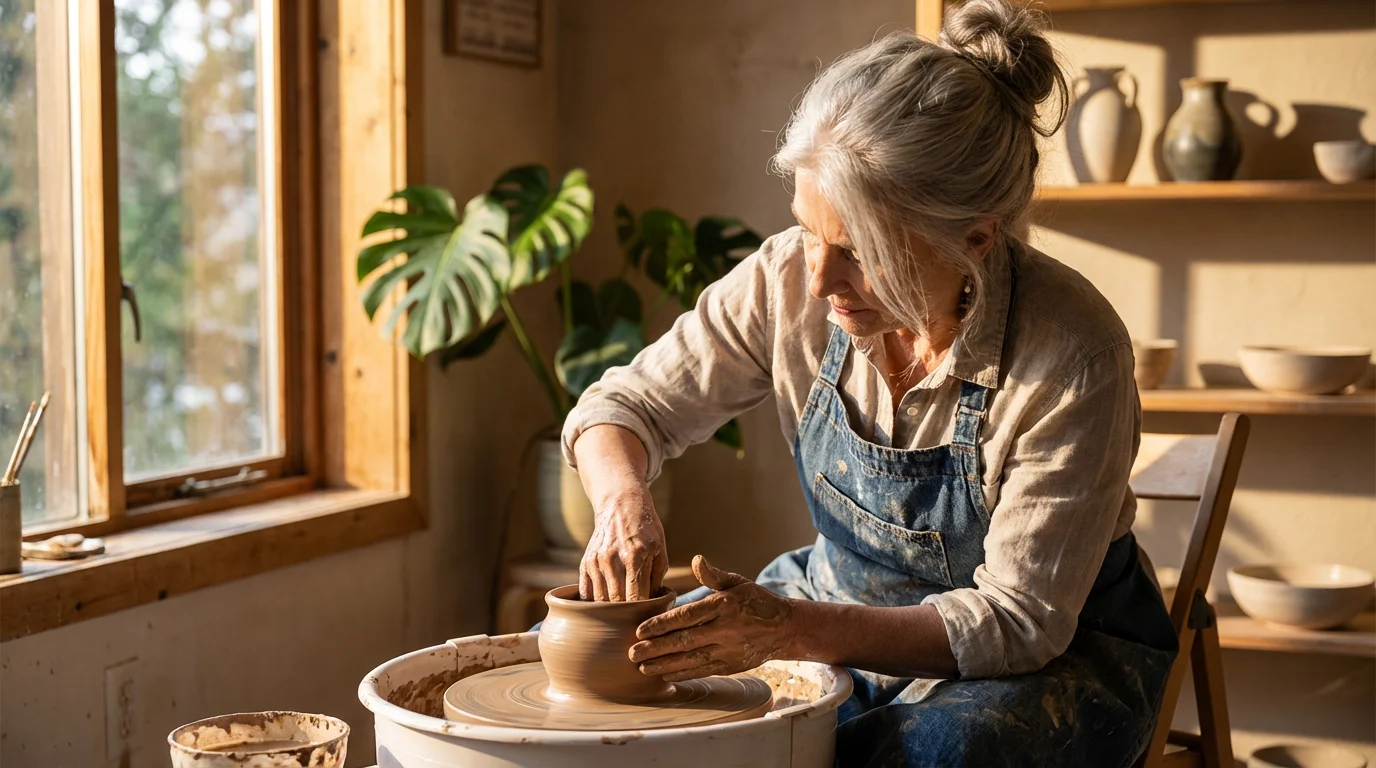
You might still wonder, `is retirement a good time for art`? The answer is a resounding and unequivocal yes. Retirement provides a unique confluence of time, wisdom, and freedom, making it the perfect season for artistic exploration. You possess distinct advantages that younger generations often lack.
First, you have the invaluable gift of time. Gone are the demands of a full-time career, the daily commute, and the constant juggling of professional and personal responsibilities. This liberation allows for deep, focused engagement with your chosen art form. You can dedicate hours, not just minutes, to practice, experimentation, and reflection. This sustained focus accelerates learning and fosters a deeper connection to your creative self.
Second, you bring a wealth of life experience and wisdom to your art. Every joy, sorrow, triumph, and challenge you have encountered shapes your unique perspective. This rich internal landscape provides an inexhaustible source of inspiration. Your art will carry a depth and authenticity that only a lifetime of living can provide. You have stories to tell, emotions to express, and insights to share.
Third, the freedom from external validation becomes a powerful artistic catalyst. You no longer need to impress employers or adhere to corporate metrics. Your art becomes a personal journey of self-expression and discovery. This freedom allows for genuine experimentation and uninhibited creativity. You create for the sheer joy of it, for the process itself, rather than for accolades or commercial success. This liberating approach often leads to the most profound and authentic work.
You are not just creating art; you are creating a richer, more vibrant life.
Cultivating Your Creative Community
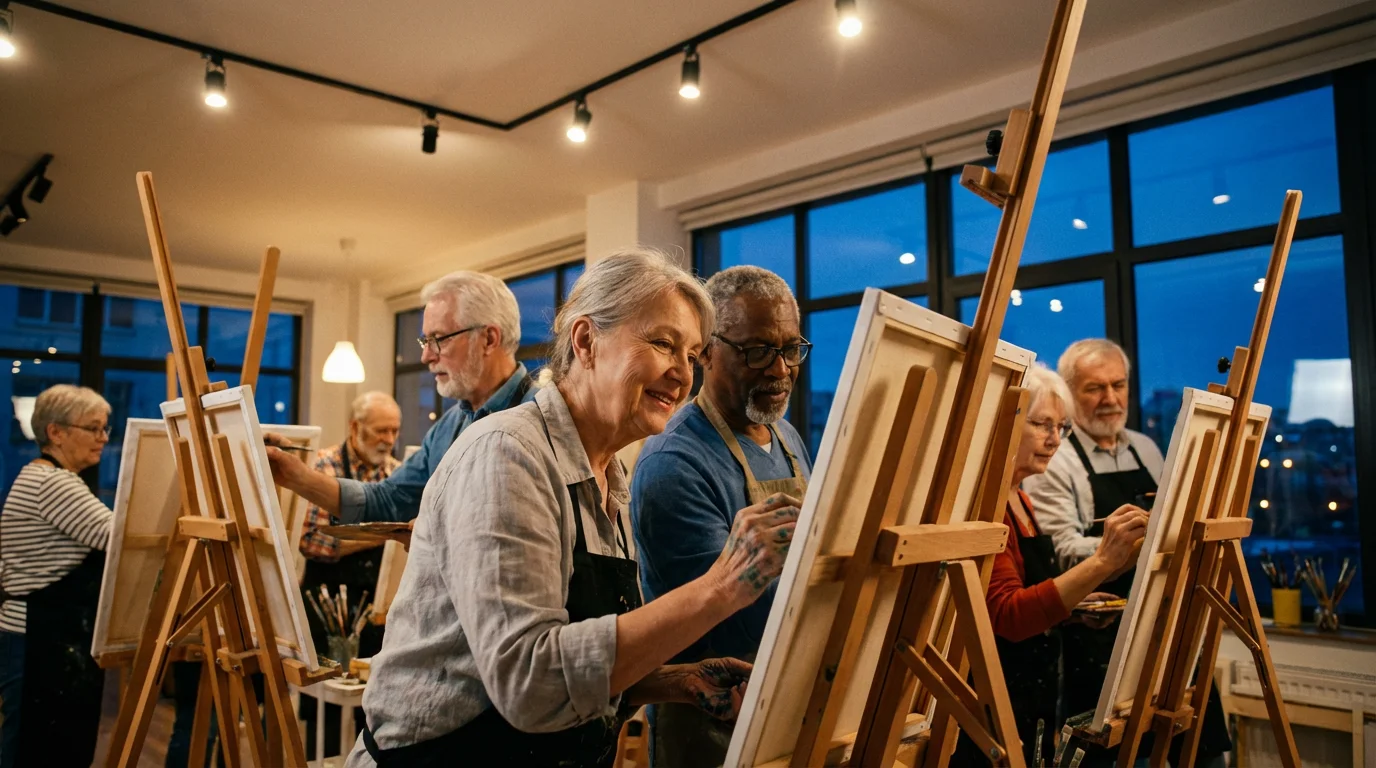
While `creative pursuits` often feel solitary, building a community around your artistic endeavors significantly enhances the experience. You gain encouragement, constructive feedback, and invaluable friendships. Connection fuels creativity and provides a support system for your journey.
Consider these avenues for finding your tribe:
- Local Art Centers and Galleries: Many communities have art centers offering classes, workshops, and open studio times. Participating directly connects you with fellow artists and instructors. Attending local gallery openings also provides opportunities to meet artists and art enthusiasts.
- Community Colleges and Universities: Often, these institutions offer non-credit courses or allow seniors to audit classes at a reduced rate. This provides a structured learning environment and access to academic resources.
- Online Forums and Social Media Groups: Platforms like Facebook, Reddit, or specialized art forums host communities dedicated to specific art forms. You can share your work, ask questions, and receive feedback from a global network of artists.
- Volunteer Opportunities: Volunteering at a local museum, art festival, or cultural organization connects you with the arts community. Organizations like VolunteerMatch can help you find relevant opportunities. You contribute your time while immersing yourself in an artistic environment.
- Art Retreats and Workshops: Consider multi-day retreats or intensive workshops focused on your chosen art form. Organizations like Road Scholar offer educational travel programs that often include immersive art experiences. These provide concentrated learning and the chance to forge deep connections with fellow participants.
Engaging with others who share your passion creates a dynamic environment for growth. You discover new techniques, find inspiration in others’ work, and celebrate shared successes.
Funding Your Artistic Journey: Smart Choices for Passionate Pursuits
Embarking on `creative pursuits` does not require a massive financial investment. Many artistic endeavors are accessible on a modest budget, and smart planning can help you manage costs effectively. Your passion and resourcefulness drive your journey more than the size of your bank account.
Here are practical strategies for funding your art:
- Start with Affordable Materials: You do not need professional-grade supplies when beginning. Purchase student-grade paints, pencils, or clay. Many art supply stores offer beginner kits that provide a good starting point without breaking the bank.
- Utilize Free and Low-Cost Resources: Explore your local library for art books, instructional DVDs, or free online course access. YouTube and other online platforms offer thousands of free tutorials. Public parks and nature trails provide free inspiration for sketching and photography.
- Seek Senior Discounts: Many art supply stores, museums, and community education programs offer discounts for seniors. Always inquire about these opportunities when enrolling in classes or purchasing materials.
- Consider Group Purchases: If you join an art group, inquire about pooling resources for bulk purchases of shared materials like clay, glazes, or large canvases. This often results in significant savings per person.
- Repurpose and Recycle: Look for opportunities to create art from repurposed materials. Old magazines for collage, discarded wood for sculpture, or fabric scraps for textile art can spark unique creations and save money.
- Explore Grants or Scholarships: Some local arts councils or senior organizations offer small grants or scholarships for adults pursuing artistic education. While less common for beginners, it is worth investigating as you progress.
Remember, the true value of your `art retirement` lies in the act of creation and the joy it brings, not in the cost of your supplies.
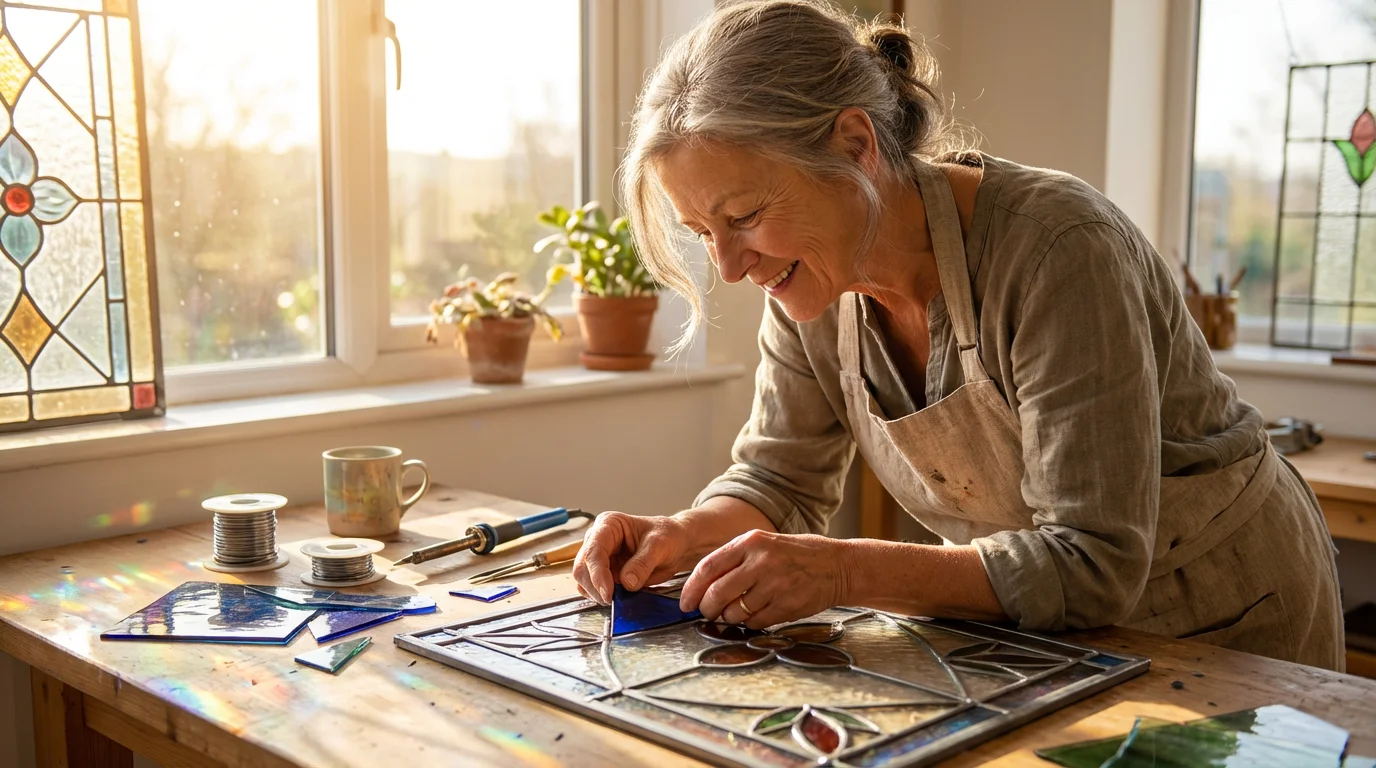
The Profound Impact of a Creative Retirement
Mary’s transformation from spreadsheet analyst to passionate sculptor beautifully illustrates the profound impact `art retirement` can have. She did not merely pick up a hobby; she unearthed a dormant part of herself, reinvention at its finest. Her days now brim with purpose, discovery, and the vibrant energy of creation. You experience a deep sense of fulfillment when you actively shape your retirement into a masterpiece.
Embracing `creative pursuits` empowers you to live boldly. You defy societal expectations that suggest later life should be about slowing down. Instead, you demonstrate that your wisdom, experience, and newfound time create an ideal launchpad for growth. You inspire others with your courage and curiosity.
Your journey into the arts becomes a testament to the unlimited potential of the human spirit at any age. It proves that the best years are always ahead, waiting for you to define them. This is your invitation to dream big, pursue your passions, and sculpt an extraordinary retirement chapter.
Frequently Asked Questions
What if I have never done art before and feel I have no talent?
Many people feel this way initially. Talent often develops through practice and genuine interest, not just innate ability. Begin with beginner classes or simple online tutorials. Focus on the joy of the process, not on creating a masterpiece from day one. You might surprise yourself with what you can achieve.
How do I choose which art form to try?
Consider what genuinely interests you and aligns with your personality. Do you prefer working with your hands, expressing yourself through color, or telling stories? Think about past childhood interests or activities that capture your attention. Experiment with a few different mediums to see what resonates most deeply with you.
Are there ways to make art more affordable in retirement?
Absolutely. Start with student-grade materials, utilize free online tutorials, and explore local library resources. Many community centers and senior organizations offer low-cost classes or free art groups. Seek senior discounts at art supply stores and consider repurposing materials you already have.
Can art really improve my health and well-being in retirement?
Yes, numerous studies support the positive impact of art on senior well-being. Engaging in creative activities stimulates cognitive function, reduces stress, improves motor skills, and fosters social connection. It also provides a strong sense of purpose and accomplishment, significantly enhancing overall quality of life.
Where can I find other seniors interested in art?
Look for local art centers, community colleges with senior programs, or even senior-specific art groups at your local community center. Online forums and social media groups dedicated to specific art forms also offer excellent opportunities to connect with a broader community of artists.
Disclaimer: This article is for informational and inspirational purposes. Life decisions are deeply personal, and we encourage readers to pursue their dreams while considering their unique circumstances, health, and financial situation.
Leave a Reply