
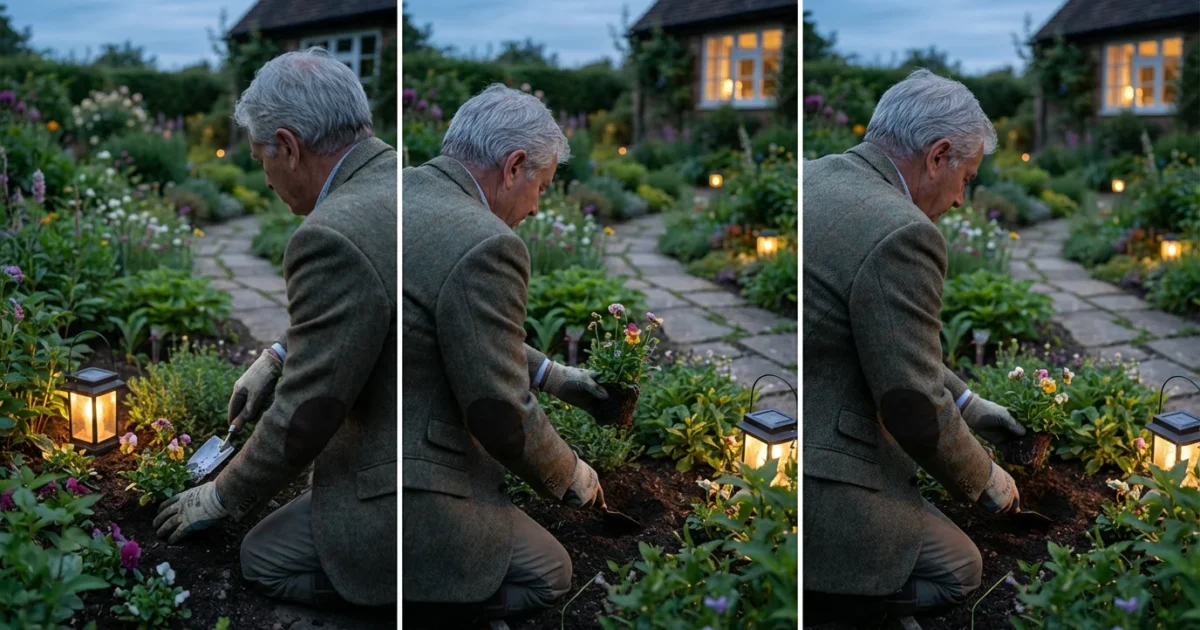
Retirement unfolds as a grand new chapter, an incredible opportunity to pursue passions and cultivate the life you have always envisioned. This season of life is not about slowing down. It is about embracing new growth, discovery, and vibrant experiences. Imagine stepping into your own green sanctuary each morning, a place where beauty flourishes by your hand, and tranquility settles over your spirit. This is the profound joy of gardening, a pursuit perfectly suited for your extraordinary retirement.
Gardening offers much more than just beautiful blooms or fresh produce. It presents a dynamic fusion of physical activity, mental engagement, and deep connection with the natural world. For those ready to dream big and live boldly, cultivating a garden is a deeply rewarding adventure. It allows you to transform a plot of land, a collection of containers, or even a small balcony into a personal paradise, a living testament to your continued zest for life and creativity.
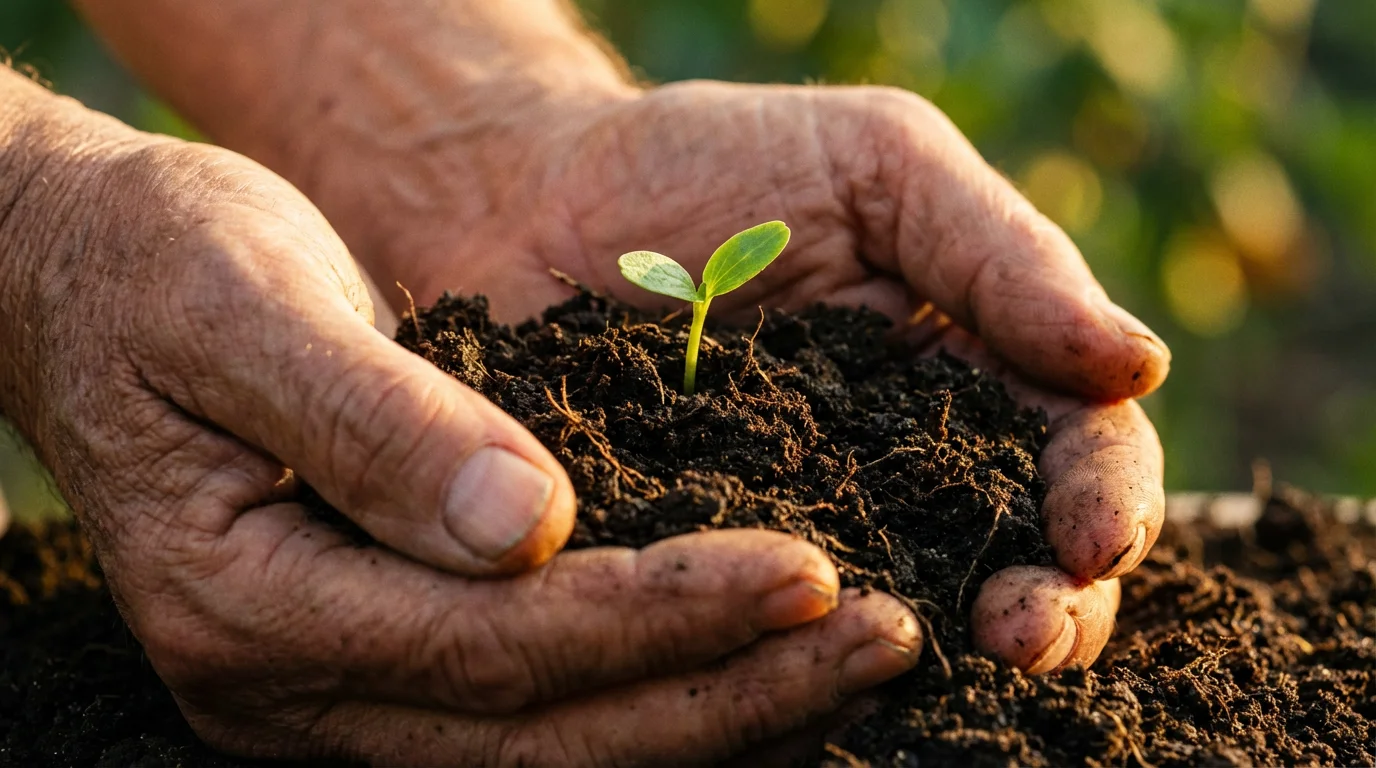
Unleash Your Inner Gardener: A New Chapter Awaits
Retirement empowers you to define your days on your terms. Gardening perfectly aligns with this freedom, inviting you to engage in a fulfilling activity that yields tangible beauty and personal satisfaction. You become the architect of your own vibrant space, shaping it with intention and care.
Starting a new hobby like this is a perfect way to begin stepping outside your comfort zone and embracing the unknown with confidence.
Learning the basics is the first step toward cultivating a green thumb and enjoying a lifetime of growth.
This pursuit offers a unique blend of physical engagement and mental stimulation. You get to enjoy fresh air, sunlight, and the gentle movements of planting, weeding, and watering. Your mind stays sharp as you learn about different plant species, soil health, and seasonal cycles. It is a continuous journey of discovery, keeping your curiosity alive and thriving.
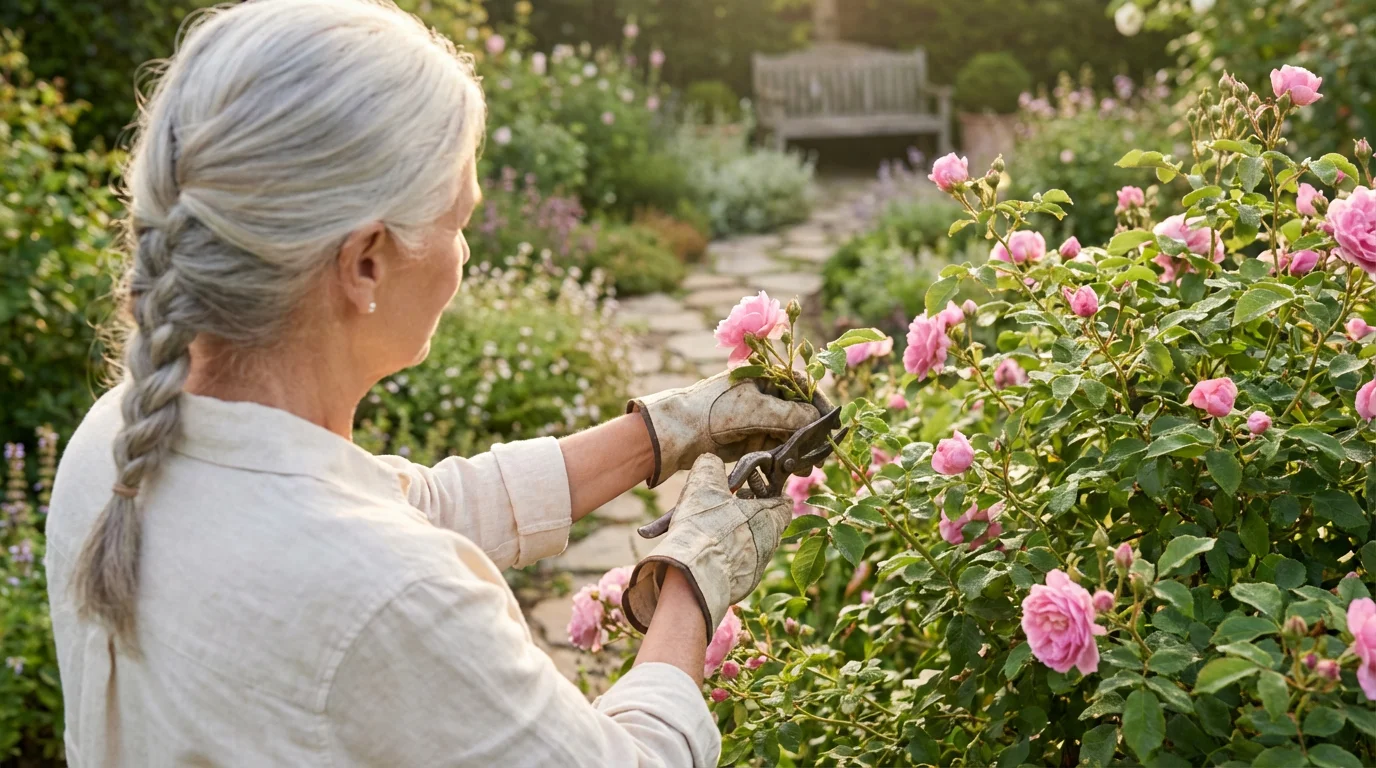
Why Gardening Blossoms in Retirement
The benefits of gardening extend far beyond the beauty of a flower garden or the taste of homegrown vegetables. It is a holistic activity that nurtures both body and mind. You experience a profound sense of purpose and accomplishment as you watch your efforts transform into lush greenery and colorful blossoms.
Consider the myriad advantages you gain by embracing gardening:
- Physical Activity: Light to moderate activity like bending, stretching, and walking strengthens muscles, improves flexibility, and boosts cardiovascular health. The National Institute on Aging encourages regular physical activity for healthy aging, and gardening offers an enjoyable way to meet these recommendations.
- Stress Reduction: Interacting with nature significantly lowers stress hormones and blood pressure. The meditative rhythm of tending plants offers a peaceful escape from daily worries, promoting a calm and centered mind.
- Mental Well-being: Engaging your senses, solving problems, and planning your garden layout keeps your brain active. The sense of achievement from nurturing life brings immense joy and combats feelings of isolation.
- Connection to Nature: Spending time outdoors reconnects you with the earth’s rhythms and cycles. You observe birds, insects, and changing seasons, fostering a deeper appreciation for the natural world.
- Nourishment and Flavor: Growing your own herbs, fruits, and vegetables provides fresh, organic produce right at your fingertips. You gain control over your food sources and savor flavors unmatched by store-bought alternatives.
“To plant a garden is to believe in tomorrow.” — Audrey Hepburn
This timeless wisdom captures the optimistic spirit that gardening instills. You invest your time and energy today, confident in the future beauty and bounty you will reap.
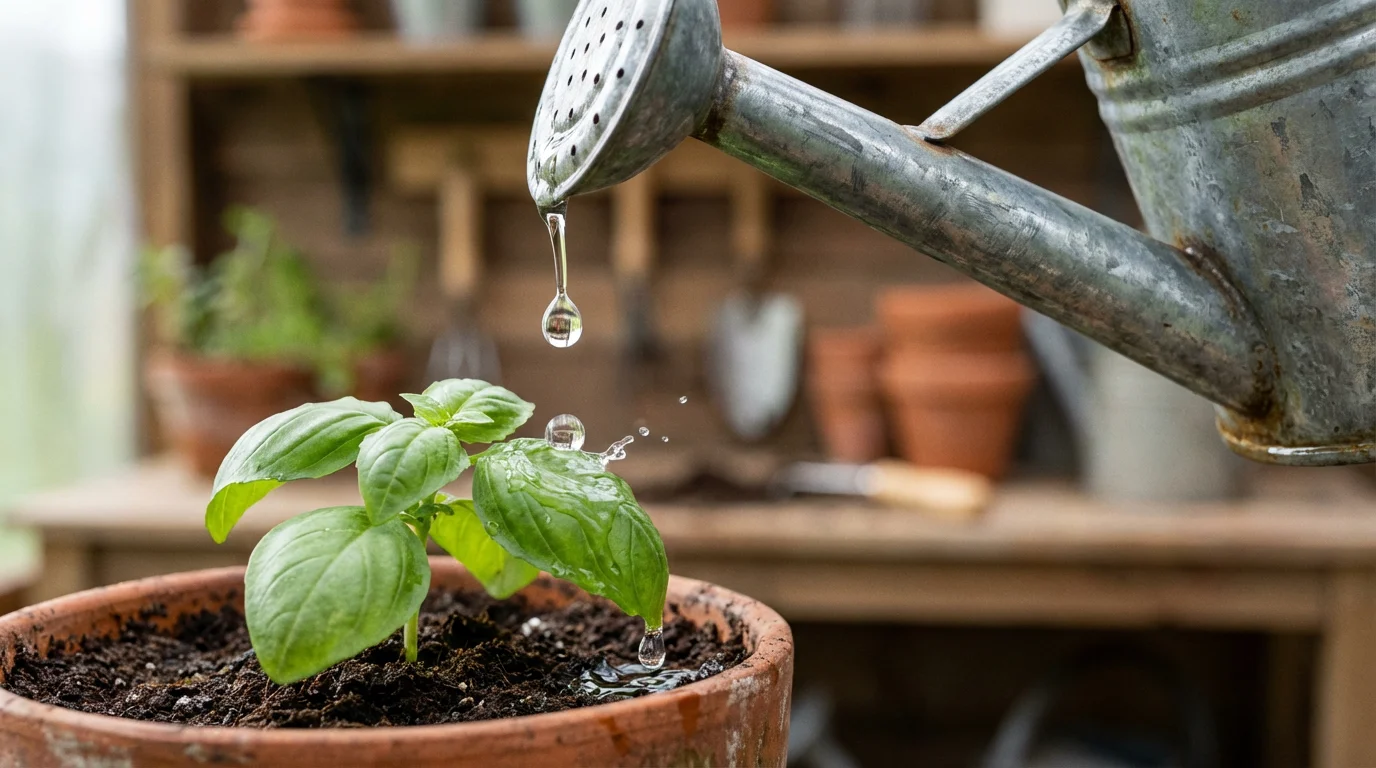
Getting Started: Your Beginner’s Guide to a Thriving Senior Garden
Starting your gardening journey does not require extensive knowledge or a massive plot of land. You simply need enthusiasm and a willingness to learn. Follow these practical steps to begin cultivating your very own senior garden, ensuring a rewarding experience from the outset.
Starting a garden is just one of many inspiring projects that can transform your outdoor space into a sanctuary.
- Assess Your Space: Look at your yard, patio, or balcony. How much sunlight does it receive? Most plants need at least 6 hours of direct sun daily. Identify the sunniest spots for your primary garden areas.
- Define Your Goals: What do you want to grow? A vibrant flower garden for aesthetic appeal? A practical herb garden for cooking? Fresh vegetables for healthy meals? Knowing your objectives guides your plant choices and garden design.
- Start Small: Avoid overwhelming yourself. Begin with a few container plants, a small raised bed, or a manageable section of your yard. You can always expand as your confidence and passion grow.
- Choose the Right Soil: Healthy soil is the foundation of a thriving garden. For containers and raised beds, use a high-quality potting mix. For in-ground gardens, consider amending your existing soil with compost to improve its texture and nutrient content.
- Select Easy-to-Grow Plants: Prioritize plants known for their resilience and minimal care requirements. This sets you up for early success and builds your confidence.
- Gather Basic Tools: You do not need an arsenal of expensive equipment. A hand trowel, pruning shears, a watering can or hose, and comfortable gardening gloves are excellent starting points.
- Create a Watering Plan: Consistent watering is crucial. Understand your plants’ needs and establish a routine. Many beginners overwater or underwater, so consistent moisture without saturation is key.
This step-by-step approach ensures a smooth and enjoyable entry into the world of gardening. You build foundational skills and celebrate small victories as your garden comes to life.
Designing Your Dream Space: Beds, Containers, and Accessibility
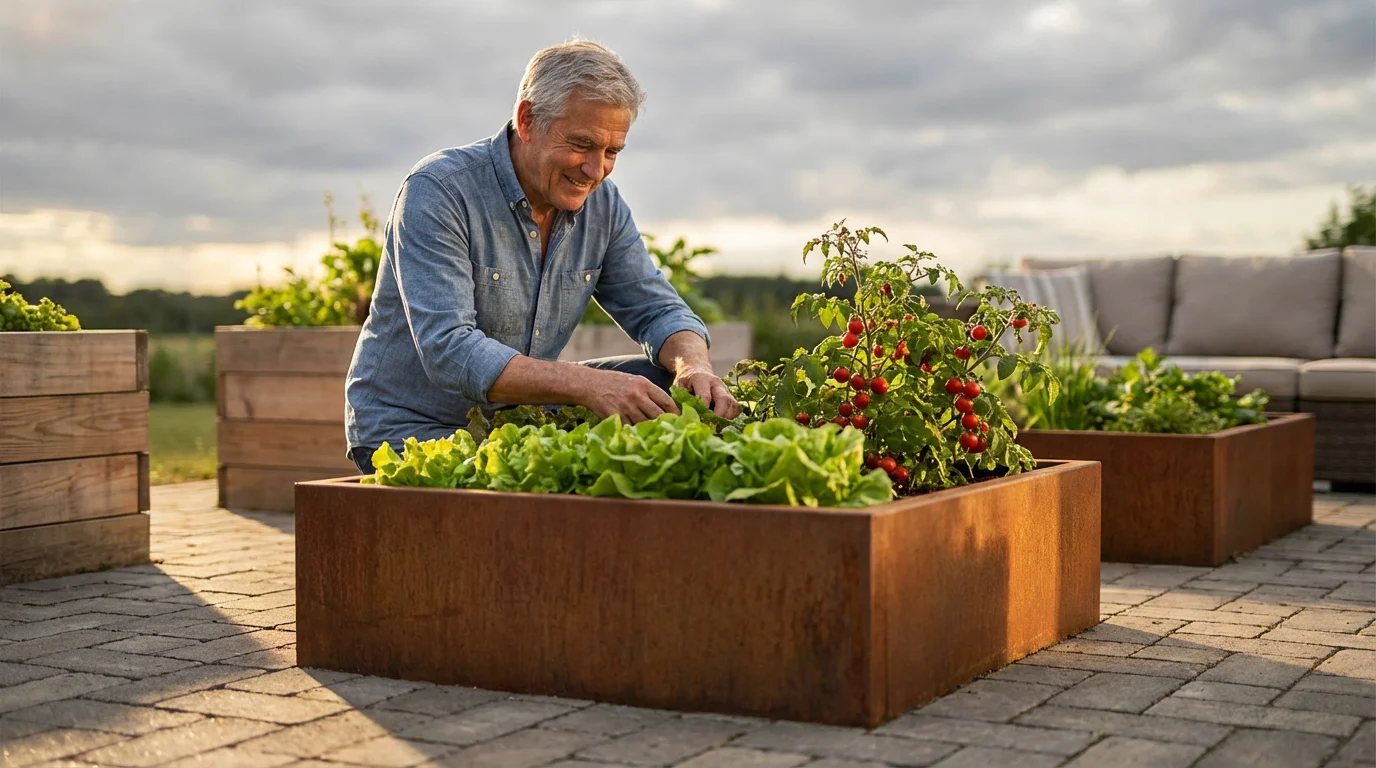
Your garden should be a place of joy, not strain. Thoughtful design makes gardening more accessible and enjoyable, especially for a senior garden. Consider solutions that minimize bending, kneeling, and heavy lifting, ensuring your passion remains sustainable and comfortable.
Many seniors find that updating their outdoor areas is one of the most rewarding home improvement projects they can undertake.
Explore these design options to create your ideal gardening environment:
- Raised Garden Beds: These are excellent for reducing strain on your back and knees. You can build them to your preferred height, often 18-30 inches tall, making planting and harvesting much easier. Raised beds also allow for better soil control and drainage.
- Container Gardens: Perfect for patios, balconies, or smaller spaces, container gardening offers incredible flexibility. You can move pots to optimize sun exposure, bring plants indoors during harsh weather, and create vibrant displays at various heights.
- Vertical Gardens: Maximize space with vertical planters, wall-mounted pockets, or tiered shelving. These designs are visually appealing and keep plants within easy reach, ideal for herbs, strawberries, and smaller flowers.
- Ergonomic Layout: Design wide pathways that accommodate wheelchairs or walkers if needed. Place frequently used tools and water sources conveniently. Integrate seating areas within your garden so you can rest and enjoy your handiwork.
- Smart Plant Grouping: Group plants with similar water and light needs together. This simplifies care and makes watering more efficient. Consider the mature size of plants to avoid overcrowding.
By planning your space with accessibility and ease in mind, you ensure your gardening experience remains a source of pleasure and vitality, enhancing your quality of life in retirement.
What Are The Easiest Plants To Grow? Starting with Success
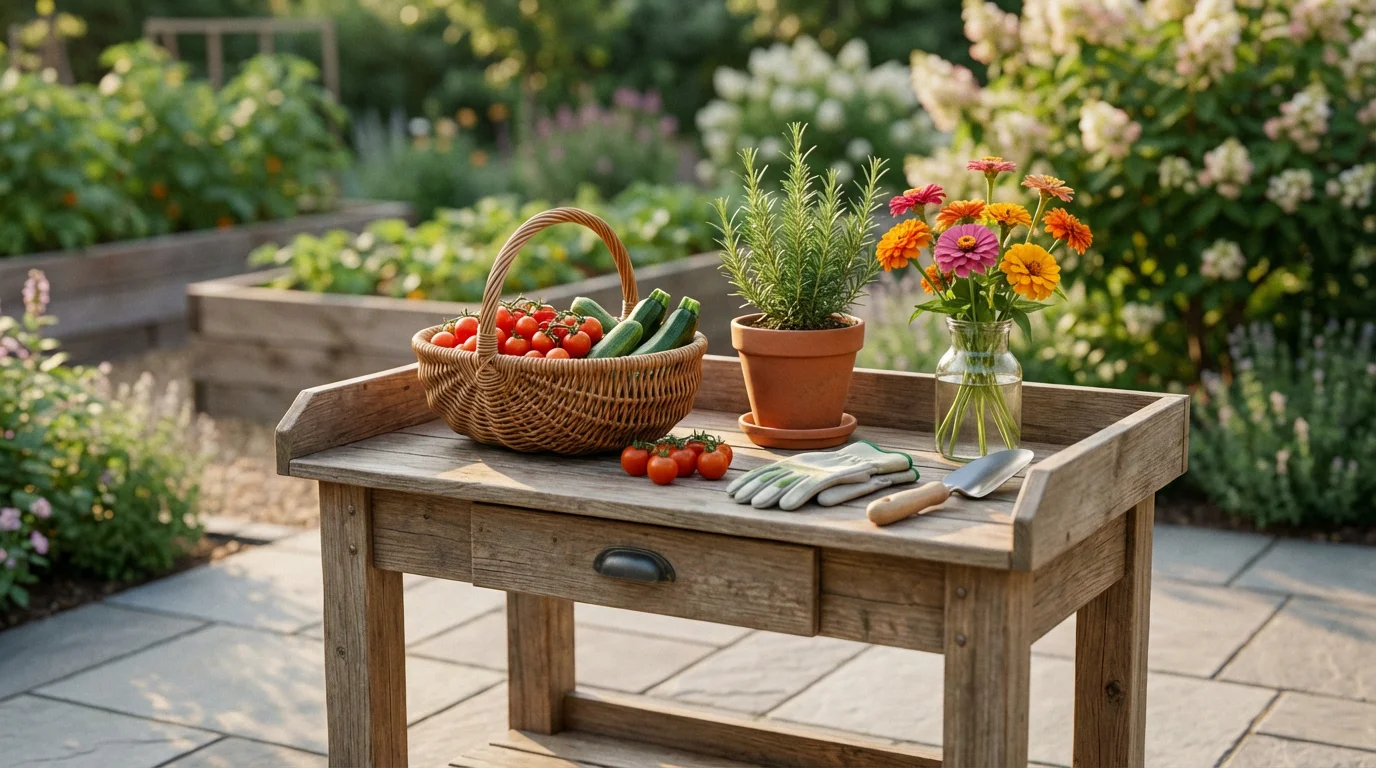
Choosing the right plants is paramount for beginner gardeners. You want varieties that are forgiving, resilient, and deliver consistent results. Focusing on low-maintenance options allows you to build confidence and enjoy the process without constant worry. Here are some of the easiest plants to grow, perfect for starting your flower garden, herb patch, or vegetable plot:
As your garden grows, you may want to explore photography in retirement to document the changing seasons and your personal successes.
For a beautiful flower garden, consider these vibrant, low-effort choices:
- Marigolds: These cheerful, bright flowers tolerate full sun and deter pests. They come in various shades of yellow, orange, and red, adding instant warmth to any space.
- Zinnias: Offering an explosion of color, zinnias thrive in heat and sun. They are prolific bloomers, excellent for cutting, and attract pollinators.
- Cosmos: Delicate and airy, cosmos grow easily from seed and produce abundant, charming flowers. They add a graceful touch to borders and containers.
- Sunflowers: Iconic and striking, sunflowers are surprisingly simple to grow from seed. They provide dramatic height and beauty, attracting birds and beneficial insects.
- Petunias: A classic choice for hanging baskets and containers, petunias offer continuous blooms with minimal effort. They come in a vast array of colors and patterns.
For fresh herbs and vegetables, start with these reliable performers:
- Mint: Incredibly easy to grow, often needing containment to prevent it from spreading too much. Perfect for teas, cocktails, and culinary uses.
- Basil: A staple for many dishes, basil thrives in warm, sunny conditions. Pinch off flowers to encourage bushier growth and more leaves.
- Cherry Tomatoes: These prolific producers are simpler to manage than larger tomato varieties. They offer a continuous harvest of sweet, bite-sized fruit.
- Lettuce and Leafy Greens: Many varieties like romaine, butterhead, and spinach grow quickly and tolerate partial shade. They are ideal for successive planting, providing fresh greens throughout the season.
- Radishes: Offering quick gratification, radishes mature in as little as three weeks from seed. They require minimal space and add a peppery crunch to salads.
By selecting these dependable plants, you set yourself up for early gardening triumphs. This allows you to revel in the beauty and bounty without unnecessary stress.
Essential Tools and Smart Techniques for Your Garden
Gardening should feel effortless and enjoyable, not like a chore. Equipping yourself with the right tools and adopting smart techniques transforms your experience. You work smarter, not harder, preserving your energy for the pure joy of watching your garden flourish.
Invest in these foundational tools for comfort and efficiency:
- Ergonomic Hand Trowel and Cultivator: Look for tools with comfortable, non-slip handles that reduce wrist strain. These are indispensable for planting and weeding.
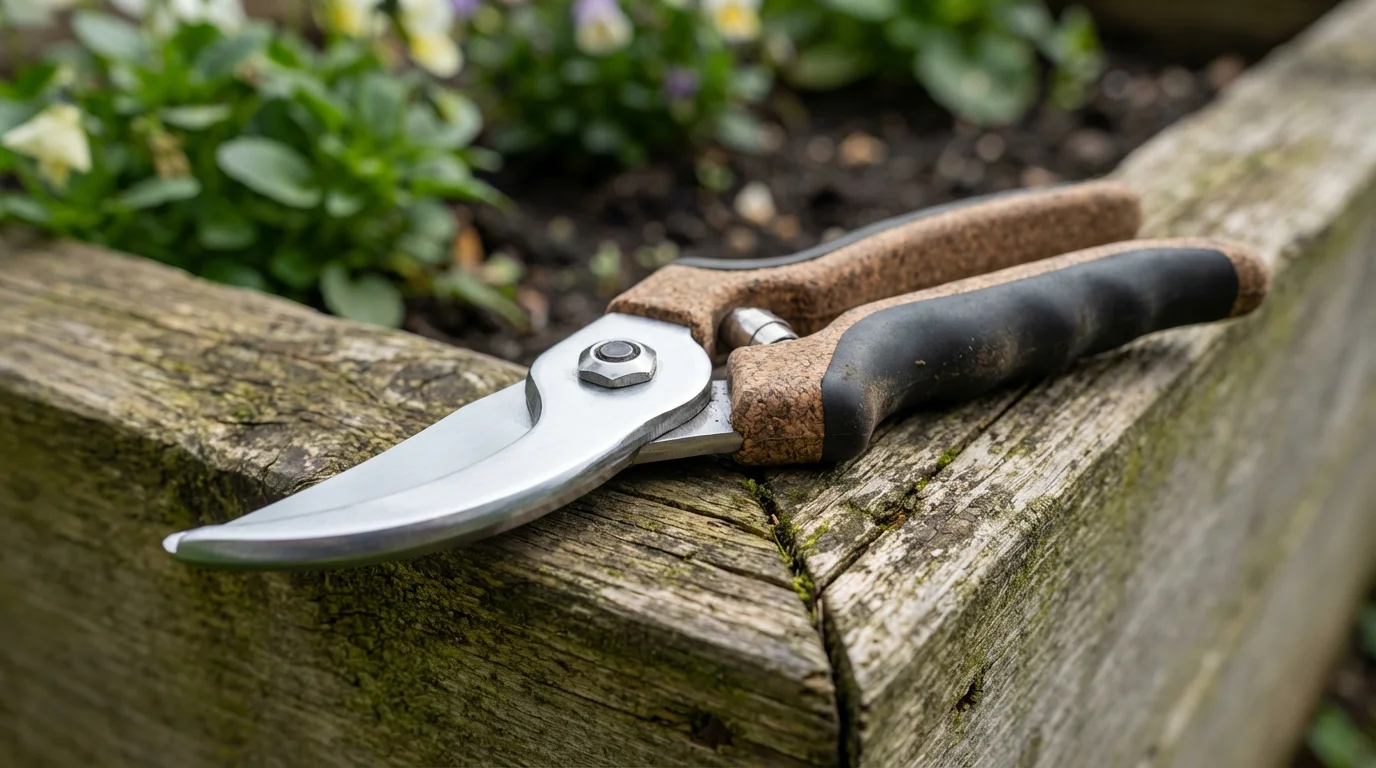
- Bypass Pruning Shears: Essential for deadheading flowers, trimming herbs, and light pruning. Keep them sharp for clean cuts that promote plant health.
- Watering Can or Lightweight Hose with Wand: Choose a watering method that is easy to handle. A watering wand extends your reach, reducing bending, and provides a gentle shower for plants.
- Kneeling Pad or Garden Stool: Protect your knees and back with a comfortable kneeling pad. A garden stool with handles offers support when getting up or down, making tasks more accessible.
- Gardening Gloves: Protect your hands from thorns, dirt, and blisters. Opt for breathable, durable gloves that offer a good grip.
Implement these smart gardening techniques for a low-maintenance, thriving garden:
- Mulching: Apply a layer of organic mulch, such as wood chips or straw, around your plants. Mulch suppresses weeds, retains soil moisture, and regulates soil temperature. This significantly reduces watering frequency and weeding effort.
- Drip Irrigation or Soaker Hoses: Consider these systems for efficient watering. They deliver water directly to the plant roots, minimizing waste and ensuring consistent moisture without manual effort.
- Composting: Start a compost pile with kitchen scraps and yard waste. This creates nutrient-rich soil amendments that feed your plants naturally, reducing the need for chemical fertilizers.
- Succession Planting: For vegetables and leafy greens, plant small batches every few weeks. This ensures a continuous harvest rather than a single large yield, maximizing your enjoyment throughout the season.
- Companion Planting: Pair certain plants together to deter pests or enhance growth. Marigolds, for example, can protect vegetable plants from nematodes.
These tools and techniques empower you to maintain a beautiful garden with ease. You spend more time admiring your efforts and less time on arduous tasks.
Cultivating Community and Connection Through Your Garden
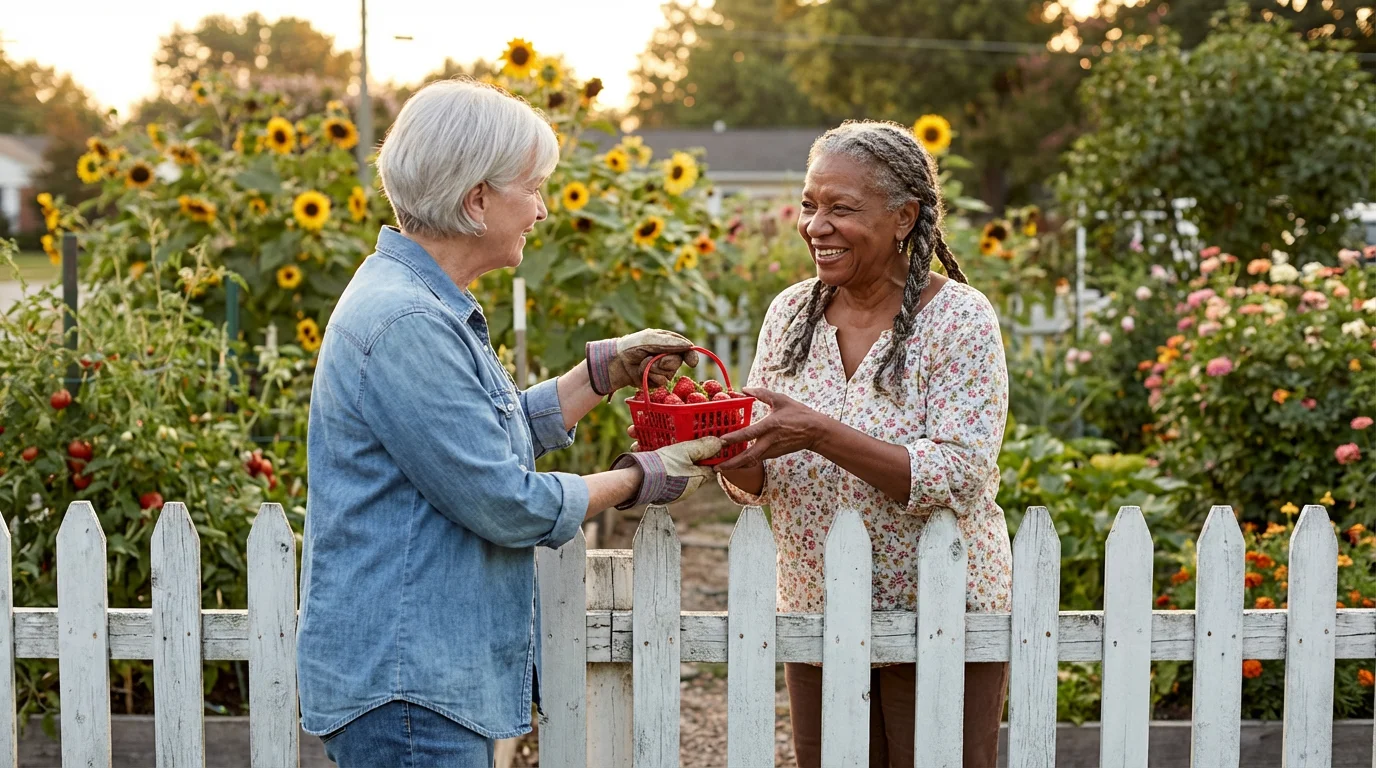
Gardening is often a deeply personal endeavor, yet it also holds incredible potential for fostering community and connection. Your garden can become a bridge to new friendships, shared learning, and collective joy, enriching your retirement experience in unexpected ways.
Explore opportunities to connect with others through your passion:
- Join a Garden Club: Many local communities have garden clubs where you can share knowledge, attend workshops, and participate in garden tours. This is an excellent way to meet like-minded individuals and expand your expertise.
- Participate in a Community Garden: If you desire a larger plot or enjoy collaborative work, a community garden offers shared space and resources. You work alongside neighbors, learn from experienced gardeners, and contribute to a vibrant local food system.
- Share Your Bounty: Donate excess produce to local food banks or share it with friends and family. The act of giving brings immense satisfaction and strengthens your community ties.
- Mentor New Gardeners: If you gain experience, consider sharing your wisdom with others. Mentoring a beginner gardener, perhaps a grandchild or a neighbor, allows you to impart valuable knowledge and connect across generations.
- Open Your Garden: Consider hosting an open garden day for friends and neighbors. This allows you to showcase your hard work, inspire others, and build a sense of shared beauty within your community.
Your garden can grow beyond your fence line, becoming a source of inspiration and connection for others. This extends the personal peace and beauty you cultivate into a wider circle of influence.

Troubleshooting Common Garden Challenges
Every gardener, from novice to expert, encounters challenges. Do not view setbacks as failures, but rather as opportunities for learning and growth. Approaching problems with a curious and proactive mindset ensures your gardening journey remains enjoyable and successful. You gain resilience by understanding and addressing issues as they arise.
Here are common gardening challenges and straightforward solutions:
- Yellowing Leaves: This often indicates either overwatering or underwatering. Check the soil moisture by sticking your finger an inch or two deep. Adjust your watering schedule accordingly, ensuring proper drainage.
- Pest Infestations: Early detection is key. Regularly inspect your plants for signs of pests. For minor infestations, a strong spray of water or an insecticidal soap can often resolve the issue without harsh chemicals. Encourage beneficial insects like ladybugs.
- Lack of Blooms/Fruit: This can stem from insufficient sunlight, poor pollination, or imbalanced nutrients. Ensure your plants receive adequate sun. Consider hand-pollinating if natural pollinators are scarce. A balanced organic fertilizer might boost flowering and fruiting.
- Weed Competition: Weeds compete with your plants for water and nutrients. Consistent mulching significantly reduces weed growth. Hand-pulling weeds when they are small is far easier than tackling overgrown patches.
- Disease Symptoms: Fungal diseases, for example, often appear as spots or powdery mildew on leaves. Ensure good air circulation around your plants, avoid overhead watering, and remove affected leaves promptly to prevent spread.
By learning to identify and address these common issues, you empower yourself to maintain a healthy and vibrant garden. You discover that resilience, much like a thriving plant, strengthens through careful cultivation and attention.
Frequently Asked Questions
Is gardening a good form of exercise for seniors?
Yes, gardening is an excellent form of exercise for seniors. It provides a full range of gentle movements, including bending, stretching, walking, and lifting light objects, which contribute to improved flexibility, strength, and cardiovascular health. It is also an enjoyable way to stay active outdoors.
How can I make my garden more accessible as I age?
You can significantly increase garden accessibility by installing raised garden beds or using containers at comfortable heights. Utilize gardening stools or kneeling pads to reduce strain. Design wider pathways and choose ergonomic tools that are lightweight and easy to grip. Consider a vertical garden to bring plants closer to eye level.
What are the benefits of a flower garden versus a vegetable garden?
A flower garden primarily offers aesthetic beauty, stress reduction, and attracts pollinators, enhancing your outdoor space and mood. A vegetable garden provides the practical benefits of fresh, healthy produce, contributing to your diet and self-sufficiency. Many gardeners enjoy a combination of both, balancing beauty with bounty.
How often should I water my plants?
Watering frequency depends on various factors, including plant type, soil, weather, and whether plants are in containers or in the ground. A good rule of thumb is to check the soil moisture regularly. Stick your finger about an inch or two into the soil; if it feels dry, it is time to water. Adjust as needed for specific plant requirements and weather conditions.
Can I start a garden if I have limited space or no yard?
Absolutely. Limited space or no yard is no barrier to gardening. Container gardening is perfect for patios, balconies, or even windowsills. Vertical gardens can maximize small areas. You can successfully grow a wide array of herbs, vegetables, and flowers in pots and tiered planters, creating a lush green space no matter your living situation.
The journey of gardening in retirement is a profound testament to your ability to embrace new beginnings and create beauty with your own hands. It offers peace, purpose, and a vibrant connection to the world around you. You are not just planting seeds; you are cultivating a legacy of joy and inspiration.
Your extraordinary retirement is a canvas waiting for your unique brushstrokes. Let gardening be one of the vivid colors you add, transforming your days into a masterpiece of living. Start small, dream big, and watch as your efforts blossom into a fulfilling adventure.
Disclaimer: This article is for informational and inspirational purposes. Life decisions are deeply personal, and we encourage readers to pursue their dreams while considering their unique circumstances, health, and financial situation.







Leave a Reply