
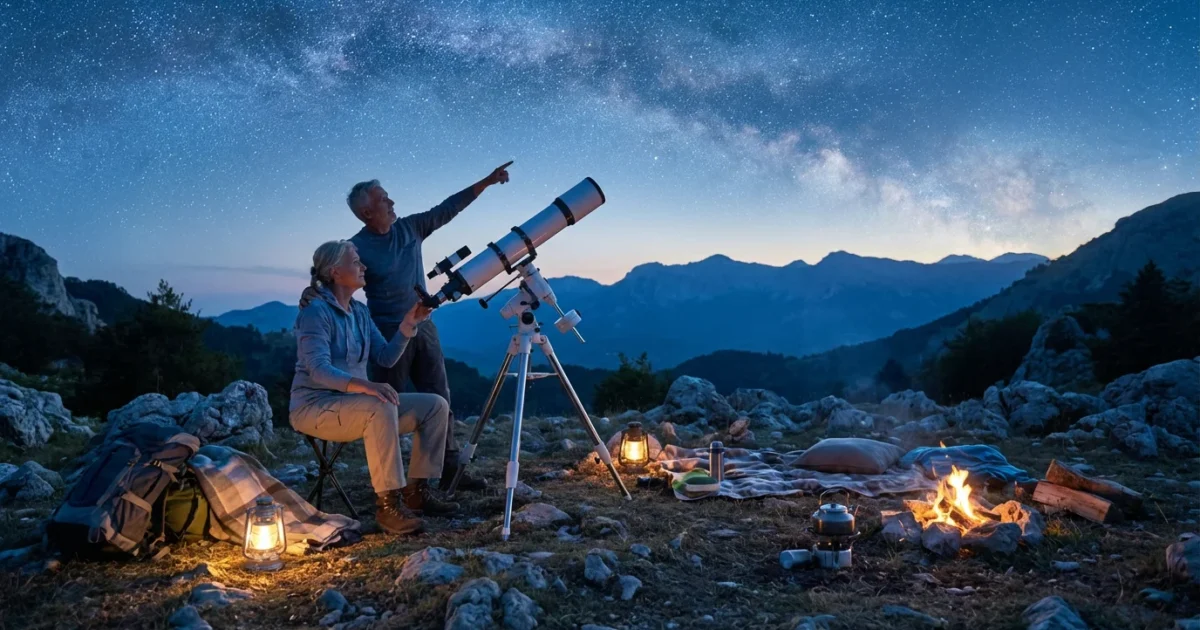
Retirement unfolds as a magnificent new chapter, an opportunity to rewrite your story with boldness and boundless curiosity. This isn’t a time for slowing down; it’s a launchpad for dreams you might have deferred. Imagine turning your gaze upwards, transforming your backyard or a distant national park into a personal observatory. Stargazing offers a profound adventure, connecting you to the universe’s grand narrative, proving that your best years truly lie ahead.
Unveiling the Universe: Your Cosmic Invitation
Stepping into retirement means gaining the gift of time, a precious resource you can now devote to passions that ignite your spirit. Stargazing, with its blend of tranquility and awe, serves as an ideal pursuit. You don’t need prior expertise; you only need a curious mind and a willingness to look up.
This pursuit provides incredible mental and emotional benefits. Focusing on the vastness above offers perspective, reducing daily stresses and fostering a sense of wonder. Engaging with the night sky sparks intellectual curiosity, keeping your mind sharp and continuously learning.
As you explore the constellations, planets, and distant galaxies, you embark on a journey of discovery. This adventure is accessible, affordable, and endlessly rewarding. You’ll find a quiet joy in understanding your place within the grand cosmic tapestry.

Essential Gear for Aspiring Stargazers
Starting your stargazing journey doesn’t require a significant investment. Begin with simple tools, then gradually upgrade as your interest grows. The right equipment enhances your experience without overwhelming you.
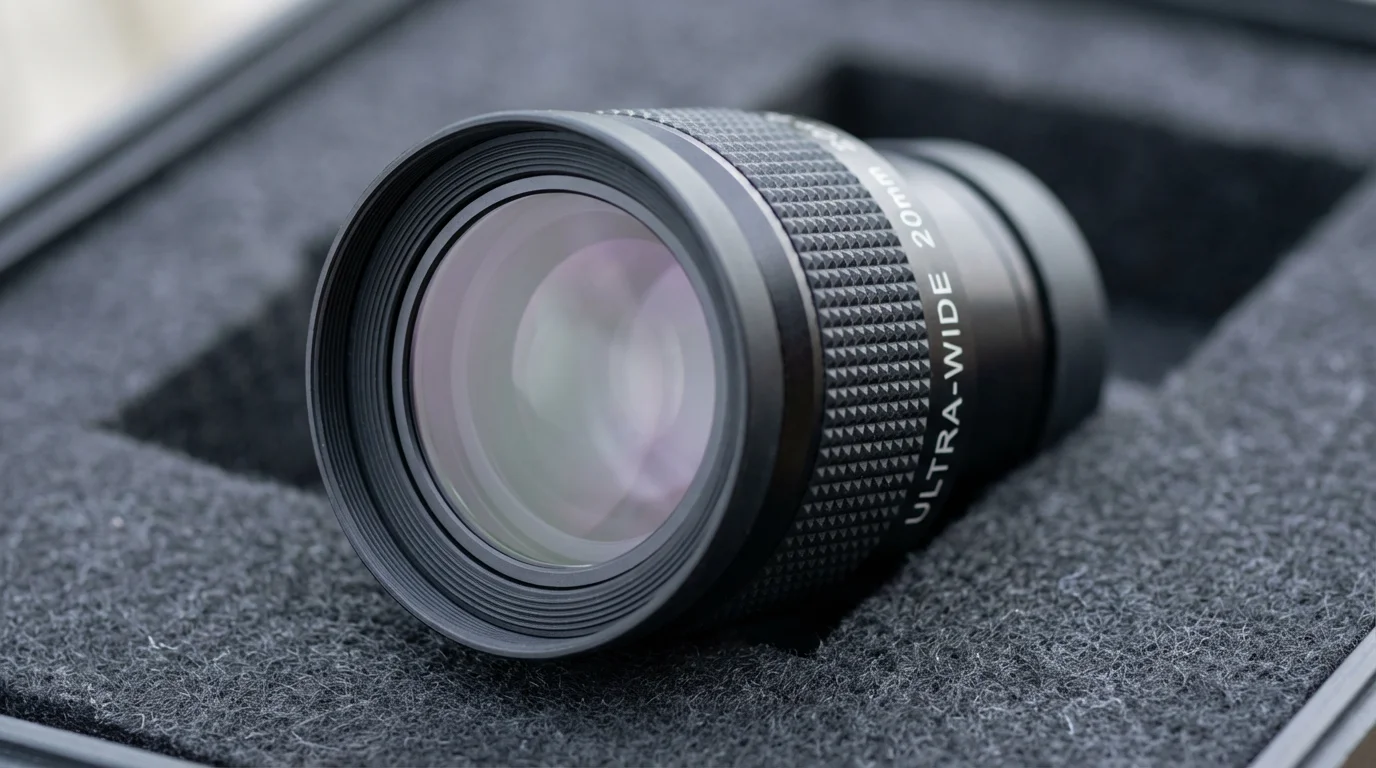
Embracing new optical technology is a wonderful way of stepping outside your comfort zone and proving that age is no barrier to technical mastery.
Adding astronomy to your retirement bucket list transforms a casual hobby into an intentional pursuit of wonder.
Your First Gaze: Binoculars
Before you consider what are the best telescopes for beginners, try a pair of binoculars. They offer an excellent entry point, revealing lunar craters, Jupiter’s moons, and star clusters with surprising clarity. Binoculars are portable, easy to use, and an invaluable tool for any stargazing enthusiast.
- 7×50 or 10×50 Binoculars: The first number indicates magnification, the second is the objective lens diameter in millimeters. These sizes strike a great balance between power and light-gathering capability.
- Image-Stabilized Binoculars: For those who desire steadier views without a tripod, image-stabilized models significantly reduce handshake.
- Tripod Adapter: Even standard binoculars benefit from a tripod, especially for extended viewing sessions. A simple adapter connects them to any photographic tripod.
Stepping Up: Beginner Telescopes
When you feel ready to see more detail, a beginner telescope opens up new vistas. Focus on ease of use, portability, and aperture. A larger aperture gathers more light, revealing fainter objects.
- Dobsonian Telescopes: These “light buckets” offer excellent aperture for their price. They are simple to set up and use, perfect for observing deep-sky objects like nebulae and galaxies.
- Refractor Telescopes: Known for crisp, high-contrast images, refractors excel at planetary and lunar observation. They are generally low maintenance.
- Computerized (Go-To) Telescopes: For effortless object finding, Go-To telescopes automatically point to celestial targets after a simple alignment. This feature removes much of the initial frustration for newcomers.
- Reflector Telescopes: These telescopes use mirrors to gather light, offering good performance at various price points. They require occasional collimation, or mirror alignment.
Remember, the best telescope is the one you will use regularly. Start small, learn your way around, and let your passion guide your upgrades.
Navigating the Night Sky: Your First Steps
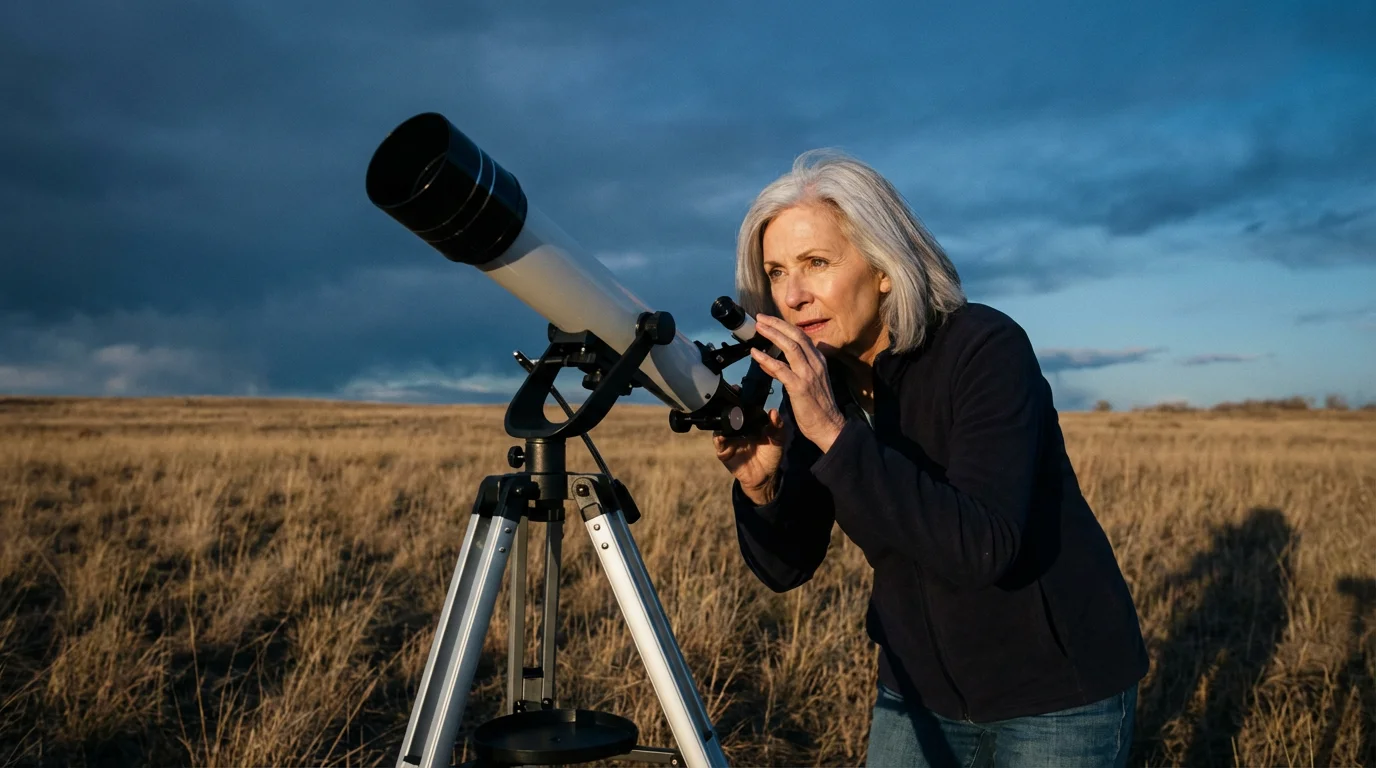
Understanding the night sky might seem daunting, but countless resources exist to guide your exploration. Learning the basic constellations and how to locate celestial objects enhances your experience significantly.
- Star Charts and Planispheres: These analog tools show you what’s visible in the night sky for any date and time. They are invaluable for learning the celestial sphere without relying on electronics.
- Stargazing Apps: Modern smartphone applications like SkyView Lite, Star Walk 2, or Google Sky Map transform your phone into a portable planetarium. Point your phone at the sky, and the app identifies stars, planets, and constellations.
- Online Resources and Forums: Websites dedicated to astronomy offer articles, guides, and community forums where you can ask questions and share discoveries. Joining these communities connects you with experienced stargazers.
- Local Astronomy Clubs: Many cities have astronomy clubs that host public viewing nights. This provides an excellent opportunity to look through different telescopes and learn from seasoned enthusiasts.
Start by identifying prominent constellations like Ursa Major (the Big Dipper) or Orion. Use these as guideposts to find other objects. Patience and practice are your best tools in learning to navigate the cosmos.

Finding Your Celestial Sanctuary: Dark Sky Locations
Light pollution poses a significant challenge for stargazers in populated areas. Escaping city lights dramatically improves your viewing experience, allowing you to see countless more stars and fainter deep-sky objects. Learning how to find dark sky locations near me becomes crucial for serious astronomy.
For those who want to wake up directly under the Milky Way, living in an RV provides the ultimate freedom to chase the clearest skies across the country.
Here are practical steps to locate optimal viewing spots:
- Consult Light Pollution Maps: Websites like LightPollutionMap.info or the International Dark-Sky Association (IDA) provide global maps showing light pollution levels. Look for areas designated as Bortle Scale Class 1-4, indicating excellent to good dark skies.
- Explore State and National Parks: Many parks actively work to preserve their dark skies, offering ranger-led stargazing programs and designated viewing areas. These locations often provide facilities like campgrounds, making them perfect for overnight trips.
- Visit Designated Dark Sky Parks and Sanctuaries: The IDA certifies specific locations around the world for their exceptional night sky quality and commitment to light conservation. These are prime destinations for unparalleled stargazing.
- Look for Rural Areas and Open Fields: Even relatively rural areas, away from direct city glow, can offer decent dark skies. Scout for open fields or hilltops that provide an unobstructed view of the horizon.
- Check Local Observatories: Public observatories are usually situated in darker locations, and they often host events. Attend one to experience truly dark skies and use professional equipment.
Always prioritize safety when traveling to remote locations. Inform someone of your plans, bring appropriate gear, and be aware of your surroundings.
Deepening Your Cosmic Connection: Advanced Pursuits
As your passion for stargazing grows, you might find yourself drawn to more advanced aspects of astronomy. Retirement offers the flexibility to dive deep into these enriching activities, expanding your skills and knowledge.
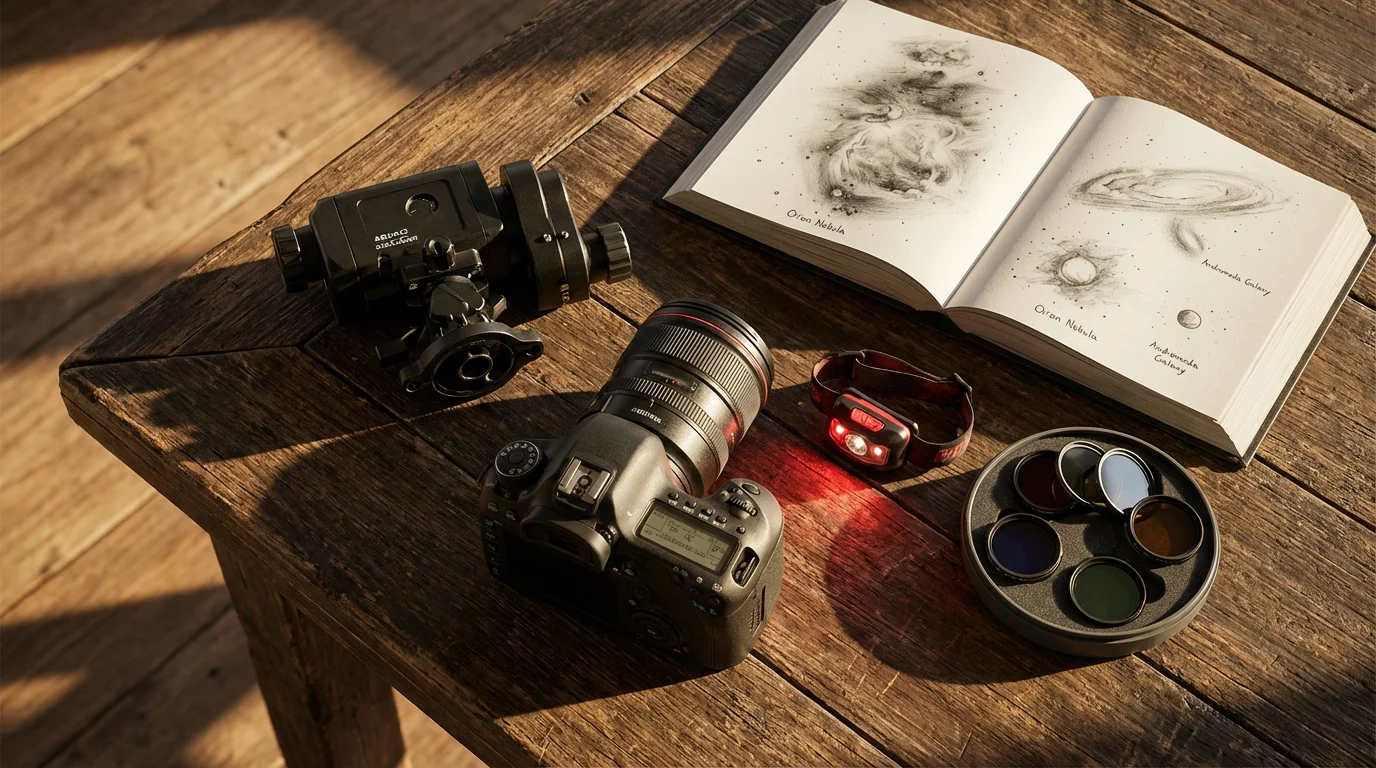
- Astrophotography: Capture the breathtaking beauty of the cosmos. Start with a smartphone adapter on your telescope or a DSLR camera on a tripod for wide-field shots. Progress to dedicated astronomy cameras and equatorial mounts for stunning images of nebulae and galaxies.
- Citizen Science Projects: Contribute to real scientific research. Projects like Globe at Night allow you to measure local light pollution, while others involve classifying galaxies or searching for exoplanets. Your observations can genuinely impact our understanding of the universe.
- Join an Astronomy Club: Beyond casual viewing, local astronomy clubs offer a wealth of knowledge, shared equipment, and camaraderie. Members often hold workshops, group observations, and help newcomers troubleshoot technical issues.
- Specialized Observation: Focus on a particular area of interest. You might dedicate yourself to observing variable stars, tracking asteroids, or sketching lunar features. This specialization offers a profound sense of accomplishment and expertise.
These advanced pursuits not only deepen your personal enjoyment but also connect you to a global community of enthusiasts and scientists. The universe waits for your unique contribution.

Lifelong Learning Under the Stars
One of retirement’s greatest advantages is the freedom to become a lifelong learner. Stargazing naturally encourages this, offering endless opportunities to expand your intellect and understanding of the universe. Embracing curiosity keeps your mind vibrant and engaged.
Consider these avenues for enhancing your astronomical knowledge:
- Online Astronomy Courses: Platforms like Coursera, edX, or even university extension programs offer courses ranging from introductory astronomy to astrophysics. Learn at your own pace from world-renowned educators.
- Specialized Books and Magazines: Delve into in-depth topics with astronomy books covering cosmology, planetary science, or the history of space exploration. Subscriptions to astronomy magazines keep you updated on current discoveries and events.
- Public Lectures and Workshops: Many universities, science museums, and observatories host public lectures by astronomers. These events offer accessible insights into cutting-edge research and provide opportunities to ask questions directly.
- Educational Travel Programs: Organizations like Road Scholar offer immersive learning experiences focused on astronomy. Imagine studying under expert guides at a premier observatory or while on a dark-sky adventure. Such trips combine your love for travel with deep educational enrichment.
Your brain thrives on new challenges and information. Astronomy offers an inexhaustible wellspring of knowledge, fostering a profound appreciation for the cosmos and your place within it. As Psychology Today highlights, pursuing a purpose or passion contributes significantly to overall well-being and life satisfaction.

Planning Your Stargazing Getaways
Combining your passion for stargazing with travel transforms retirement into an extraordinary adventure. Imagine journeying to remote, pristine locations specifically designed for celestial observation. This allows you to witness the night sky in its full, unadulterated glory.
Careful retirement travel planning ensures your celestial expeditions are as comfortable as they are awe-inspiring.
Here are ideas for planning your cosmic excursions:
- National Parks with Dark Sky Designations: Many U.S. National Parks, such as Zion, Bryce Canyon, or Big Bend, boast International Dark-Sky Association certifications. They host annual star parties and have facilities catering to astronomers.
- International Dark Sky Reserves: Look beyond national borders to places like the Atacama Desert in Chile or the Canary Islands. These locations offer some of the clearest, darkest skies on Earth, home to world-class observatories.
- Astronomical Observatories with Public Access: Plan a visit to renowned observatories like Kitt Peak in Arizona or Mauna Kea in Hawaii. Many offer guided tours, night viewing programs, and powerful telescopes for public use.
- Stargazing Cruises and Tours: Several travel companies offer specialized cruises or land tours focused on astronomy. These curated experiences often include expert lecturers, onboard telescopes, and visits to prime viewing locations.
- RV Travel for Mobile Stargazing: If you own an RV, you possess the ultimate mobile observatory. You can chase clear skies and move from one dark-sky location to another with ease, maximizing your viewing opportunities. Organizations like AARP provide valuable resources and discounts for travel planning, including tips for road trips and adventurous getaways.
These stargazing getaways offer not just spectacular views, but also opportunities to connect with fellow enthusiasts, learn from experts, and create unforgettable memories. Your retirement truly empowers you to explore new frontiers, even those billions of light-years away.
Frequently Asked Questions
What is the best time of year to go stargazing?
The best time often depends on your location and what you want to see. Generally, winter nights offer clearer, crisper views due to lower humidity. However, summer offers warmer temperatures, making it more comfortable for extended outdoor sessions. Check lunar phases; a new moon provides the darkest skies, regardless of the season.
Do I need a telescope to enjoy stargazing?
Absolutely not. You can enjoy incredible stargazing with just your eyes, especially from a dark-sky location. Binoculars significantly enhance the experience, revealing more detail on the Moon, brighter planets, and numerous star clusters. A telescope becomes valuable when you want to observe fainter deep-sky objects or resolve finer details on planets.
How do I protect my night vision while stargazing?
Your eyes need about 20-30 minutes to fully adapt to the dark. Avoid looking at bright white lights, including phone screens, during this time. Use a red-light flashlight for any necessary illumination, as red light preserves night vision much better than white light.
Can stargazing improve my mental well-being?
Yes, many people find stargazing to be a profoundly calming and meditative experience. It offers a unique perspective on our place in the universe, which can reduce stress and promote a sense of wonder and connection. The quiet contemplation under the vast night sky provides a powerful antidote to daily anxieties.
Are there any safety tips for stargazing in remote locations?
Always prioritize safety. Inform someone of your stargazing plans and your expected return time. Bring a fully charged phone, extra layers of clothing, water, snacks, and a first-aid kit. Be aware of local wildlife and environmental conditions. If possible, stargaze with a companion in unfamiliar or remote areas.
Disclaimer: This article is for informational and inspirational purposes. Life decisions are deeply personal, and we encourage readers to pursue their dreams while considering their unique circumstances, health, and financial situation.









Leave a Reply