
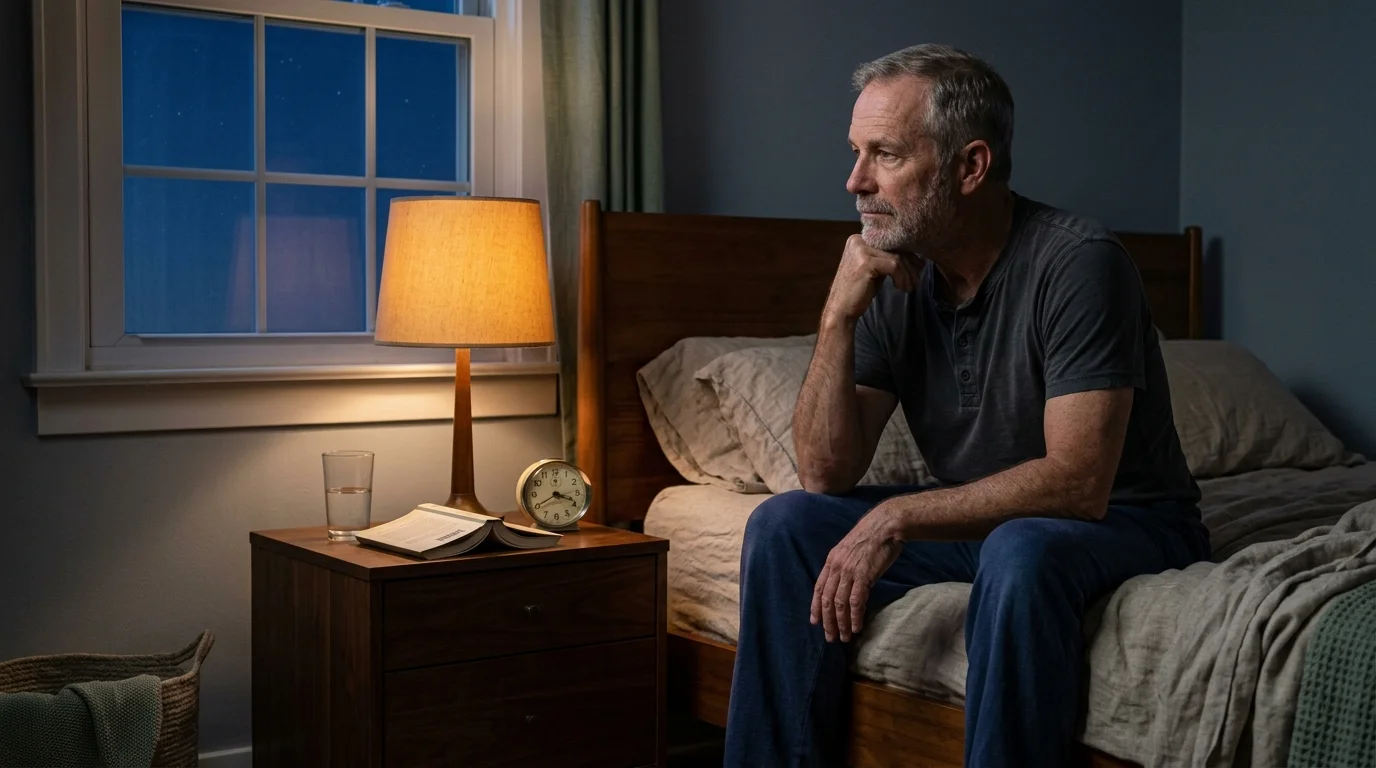
You stepped away from a 35-year career to claim your schedule, yet your body jolts awake at 3:30 AM every morning. You can eliminate these phantom work alarms and reclaim restorative rest by recalibrating your biological clock.
Standard sleep hygiene advice fails because early awakenings are rarely classical insomnia. Instead, your internal circadian pacemaker has phase-advanced due to the abrupt loss of workforce-driven time anchors.
By applying evening 10,000-lux phototherapy and behavioral sleep restriction therapy, you will shift your sleep drive and wake up fully energized when you choose.
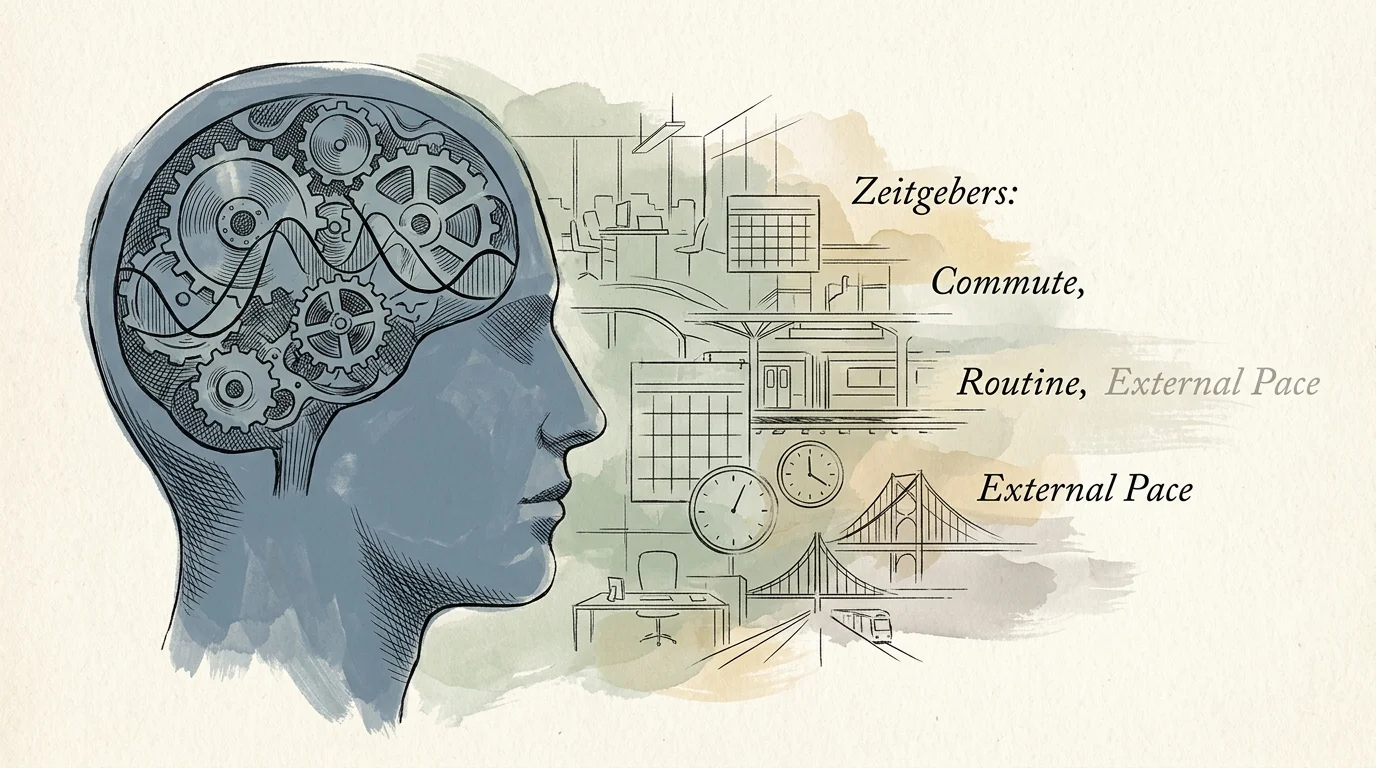
The 35-Year Workforce Clock: Why Retirement Triggers Early Waking
For more than three decades, your career imposed an unyielding framework on your central nervous system. Morning commutes, scheduled meetings, shared meal hours, and evening wind-downs acted as primary biological markers.
Some retirees find that exploring fulfilling second careers naturally reintroduces the productive rhythm their nervous systems crave.
Implementing a post-career calendar reset helps replace lost corporate structure with intentional daily anchors.
Chronobiologists call these external time cues zeitgebers, the German term for time givers. When you retire, those structural guardrails disappear overnight.
Without explicit external schedules, your master circadian clock—the suprachiasmatic nucleus located in the hypothalamus—defaults to an unanchored state. This drift frequently triggers early morning waking retirement patterns that leave you exhausted before dawn.
Data from the National Institute on Aging reveals that between 40% and 50% of older adults experience chronic sleep disruption. Advanced sleep phase syndrome represents one of the most widespread variants.
Many retirees believe they developed acute insomnia after retiring, but their sleep duration is often structurally sound yet misplaced. Your internal biological day has simply drifted forward by two to three hours.
When you spent decades waking at 5:30 AM for a morning commute, your neural pathways reinforced that early arousal threshold. Retirement removes the morning demand, but your nervous system continues executing the motor sequence.
- The sudden departure from daily commute routines removes the primary morning photic trigger.
- Unstructured evening hours lead to reduced cognitive demand and premature drowsiness.
- Unregulated daytime nap periods dissolve the nocturnal homeostatic sleep pressure required for continuous rest.
- Irregular meal timing destabilizes peripheral circadian clocks within your metabolic tissues.
You can reclaim control of your sleep window. Your retirement should empower ambitious adventures and creative pursuits, not pre-dawn fatigue.
“It is never too late to be what you might have been.” — George Eliot
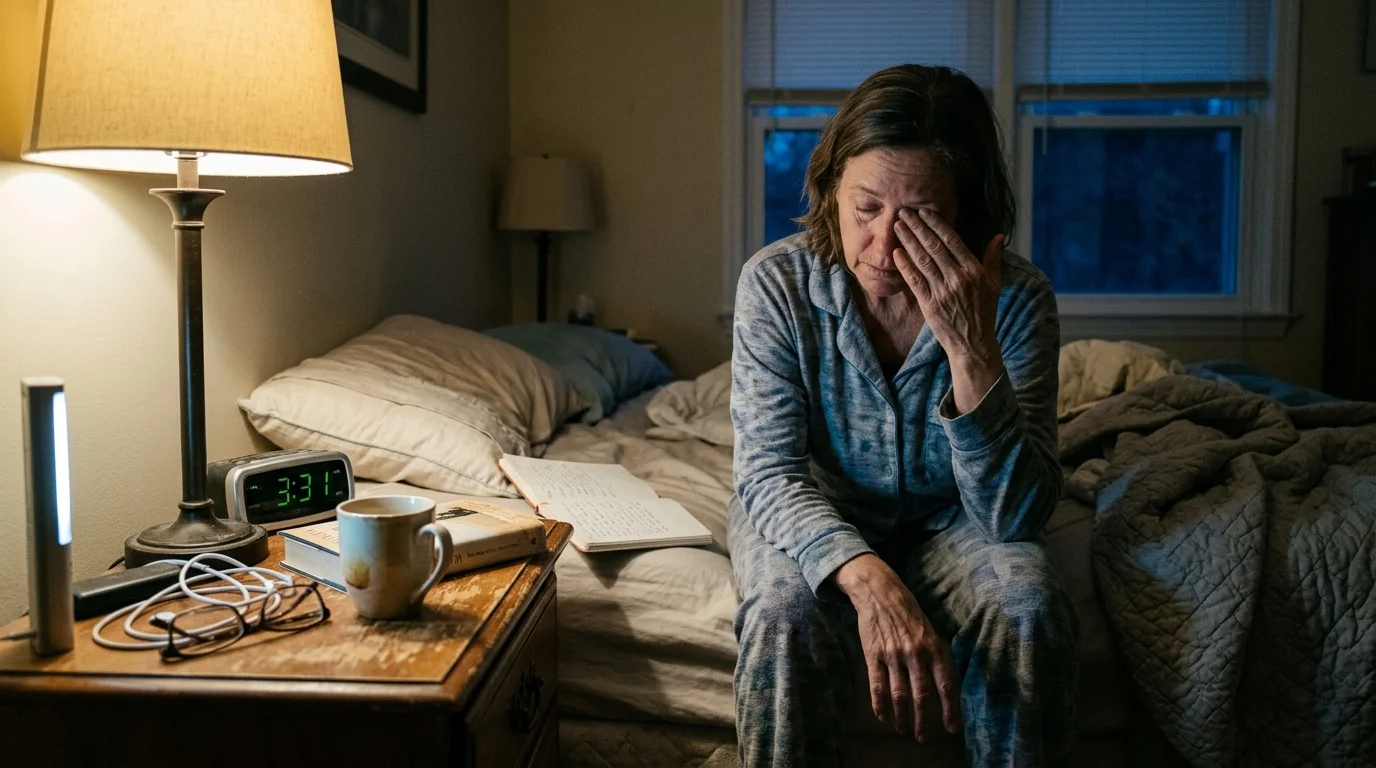
Core Body Temperature and the Mechanics of Terminal Insomnia
Your sleep cycle is governed by a precise biological rhythm known as your core body temperature curve. Sleep initiates when your core temperature drops rapidly and terminates when that temperature begins its diurnal climb.
Incorporating afternoon resistance workouts like structured barbell strength training can also elevate your late-day core temperature naturally.
The lowest point of this thermal cycle is called the temperature minimum, or T-min. In a balanced circadian cycle, T-min occurs approximately 90 to 120 minutes before your planned awakening.
In older adults experiencing an advanced circadian phase, T-min shifts drastically toward the middle of the night. Your temperature floor may land between 2:30 AM and 3:30 AM instead of 5:00 AM.
As your internal temperature begins rising from that early minimum, your endocrine system releases cortisol and adrenocorticotropic hormone. This biological alarm wakes your brain, regardless of how tired you feel.
Conventional sleep hygiene for older adults advocates going to bed earlier when feeling tired. Doing so exacerbates the cycle by aligning your bedtime with an already advanced thermal minimum.
When you crawl into bed at 9:00 PM, you ensure an awakening at 3:30 AM. Six and a half hours of consolidated sleep is normal, but the placement steals your active evening life.
To shift your awakening toward 6:30 AM, you must mechanically delay both your T-min and your evening melatonin onset. This requires direct physical interventions targeting your optical receptors and vascular system.
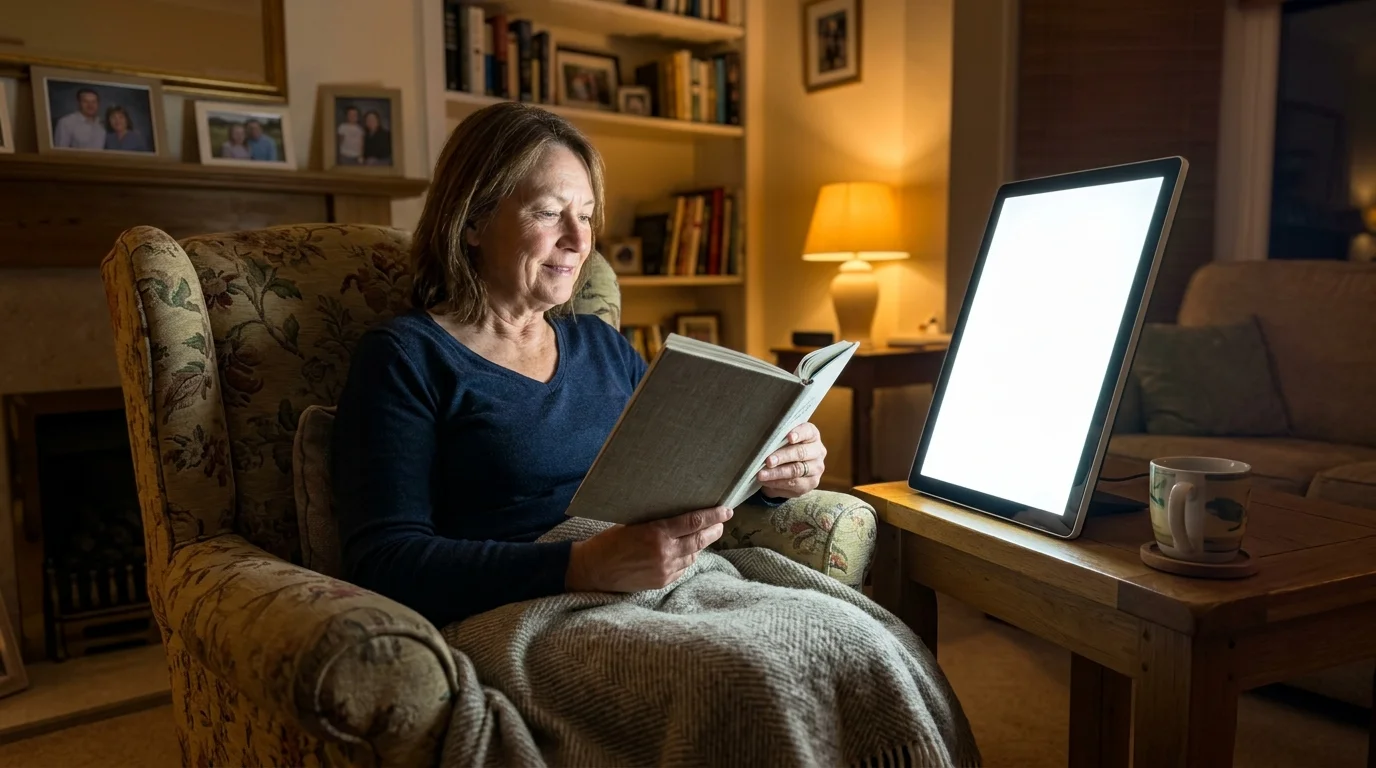
The Evening Light Protocol: Pushing Your Phase Delay with 10,000 Lux
Most commercial sleep articles urge you to seek bright sunlight first thing in the morning. For an advanced circadian phase, that advice is completely counterproductive.
Pairing evening phototherapy with regular retirement fitness activities helps expend daytime energy and stabilize biological rhythms.
Exposing your eyes to bright light shortly after a 3:30 AM awakening tells your brain that morning has already arrived. This locks the phase advance in place, ensuring you wake early again tomorrow.
To delay your master clock, you must deliver photic stimulation during the biological evening. Photons absorbed by intrinsically photosensitive retinal ganglion cells suppress melatonin and reset the phase response curve.
- Position a certified, UV-filtered 10,000-lux broad-spectrum light box between 16 and 24 inches from your face.
- Begin your light session promptly at 5:30 PM and conclude no later than 6:45 PM.
- Maintain the light box at a 45-degree angle from your line of sight so the light reaches your eyes indirectly while reading or planning projects.
- Repeat this exposure daily for 14 consecutive days to push your master circadian rhythm backward by two hours.
Never look directly into the phototherapy panel, as indirect retinal saturation provides the necessary biological signal. You can comfortably read, sketch, or organize travel plans during your therapeutic session.
This single protocol systematically suppresses the premature evening melatonin surge. As a result, your core temperature remains elevated later into the evening, pushing your T-min into the dawn hours.
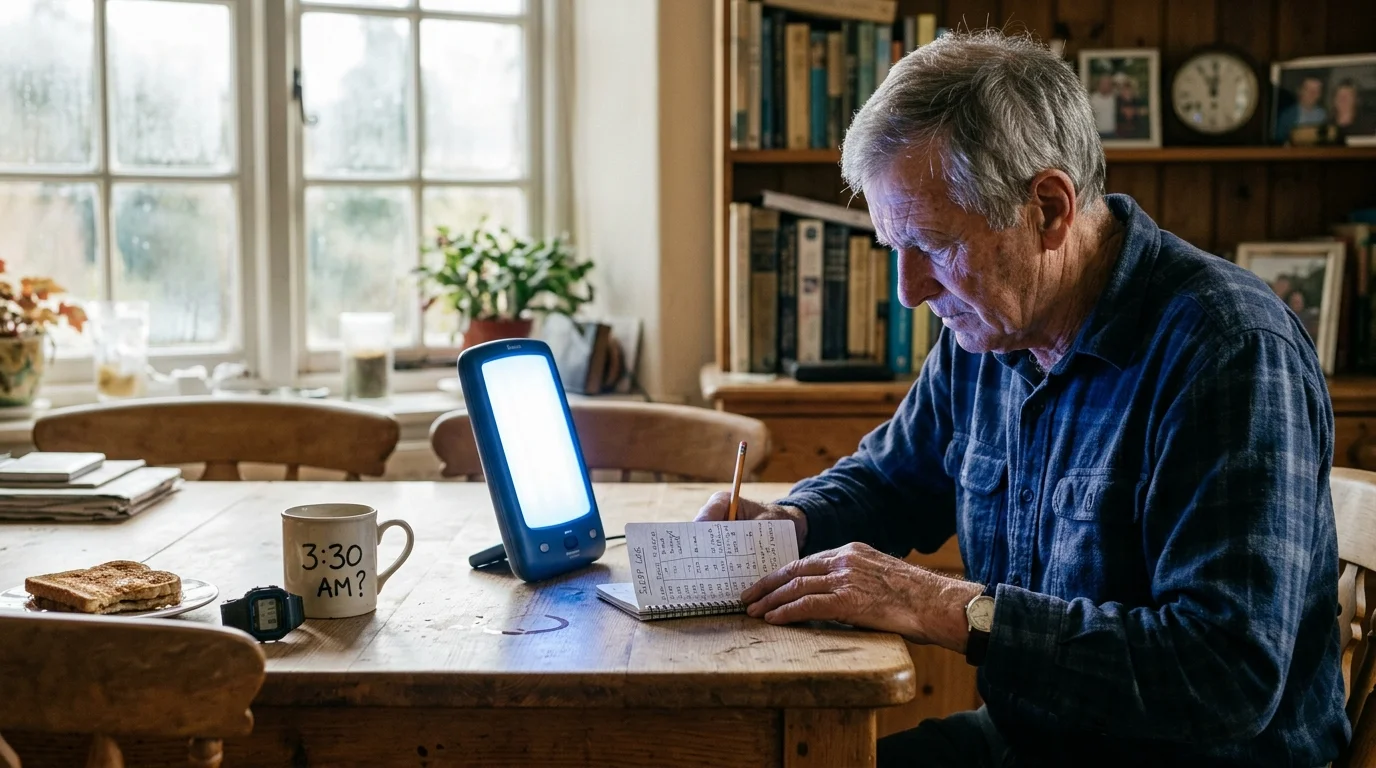
Sleep Restriction Protocols: Consolidating Fragmented Sleep Architecture
Sleep restriction therapy is a cornerstone of clinical behavioral sleep medicine. It does not deprive you of actual sleep; instead, it eliminates unproductive time spent lying awake in bed.
Practicing mindful meditation before bed can quiet hyper-vigilant thoughts and ease bedtime performance anxiety.
Retirees often spend eight to nine hours in bed while obtaining only five or six hours of actual sleep. This mismatch breeds performance anxiety, chronic vigilance, and fragmented sleep architecture.
The protocol begins by calculating your baseline Sleep Efficiency percentage. Divide your total nightly sleep duration by your total time in bed, then multiply by 100.
If you spend eight hours in bed but sleep for only five hours, your efficiency sits at an abysmal 62.5%. You must shrink your allotted time in bed to match your true physiological sleep capacity.
Under clinical standards from behavioral sleep medicine, never reduce an older adult’s nightly sleep window below a strict floor of 5.0 to 5.5 hours. Compressing the window creates intense homeostatic sleep pressure that welds sleep fragments together.
- Efficiency above 85%: Expand your prescribed sleep window by 15 to 30 minutes for the upcoming week.
- Efficiency between 80% and 85%: Maintain your existing sleep window without adjustments.
- Efficiency below 80%: Reduce your time in bed by 15 minutes, respecting the 5.0-hour safety floor.
Consolidating your sleep eliminates intermittent nighttime wakefulness. When you enter bed under high homeostatic pressure, you sleep soundly through your previous 3:30 AM arousal zone.
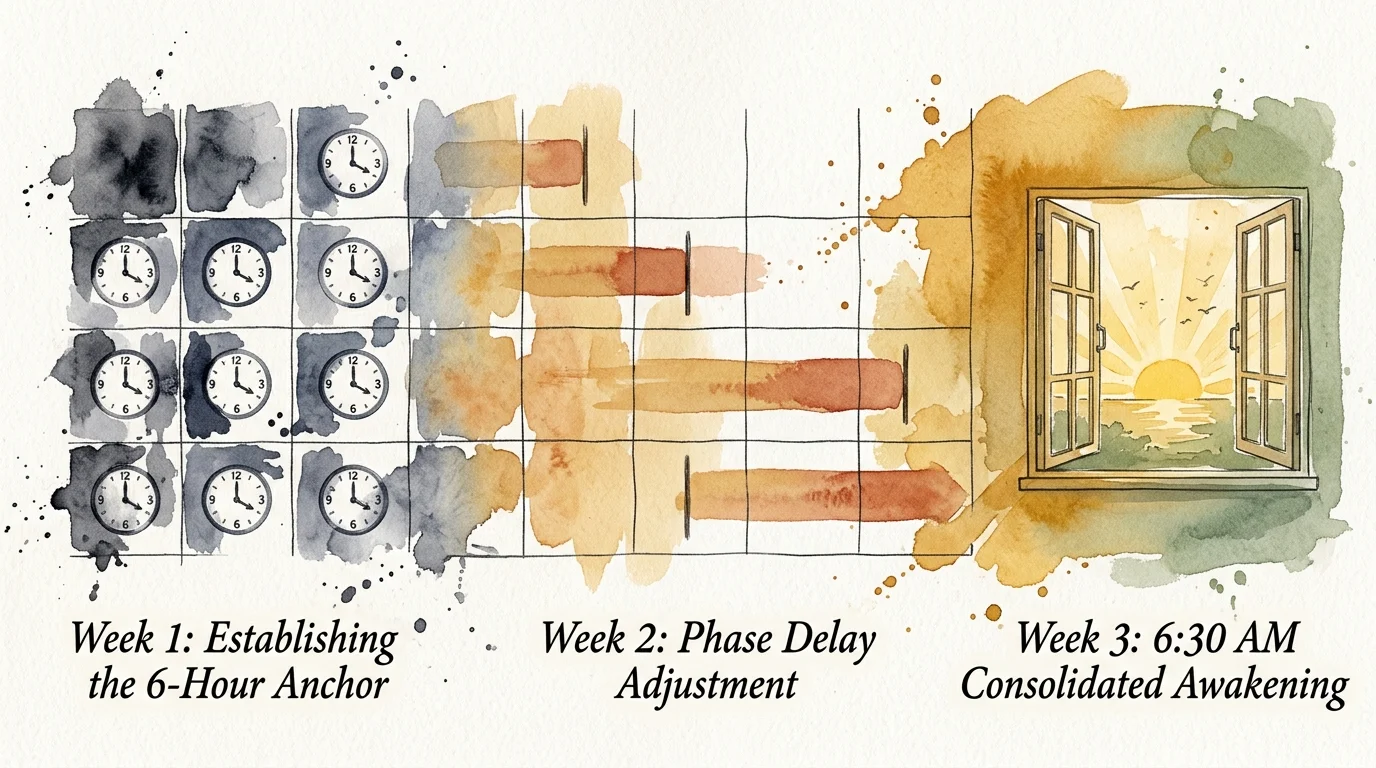
Worked Protocol: Harold’s 21-Day Sleep Window Reset
Harold, a 63-year-old retired civil engineer, stepped away from a 35-year daily routine. Within three months, he developed persistent awakenings at 3:30 AM despite having no workplace obligations.
Harold went to bed at 9:30 PM hoping to catch up on rest. He fell asleep by 9:45 PM, awoke abruptly at 3:30 AM, and tossed restlessly until getting up at 6:00 AM.
His baseline time in bed was 8.5 hours (510 minutes), while his total sleep time was 5.75 hours (345 minutes). His baseline Sleep Efficiency stood at 67.6%, driving persistent morning brain fog.
Harold implemented an aggressive, measurable three-week circadian reset protocol to consolidate his rest and support his dream of writing historical fiction.
- Week 1 (Compression Phase): Set a strict bedtime of 11:30 PM and an unbending wake time of 5:30 AM (6.0-hour window). Added 10,000-lux phototherapy from 5:45 PM to 6:30 PM daily.
- Week 1 Outcome: Total sleep time reached 5.3 hours with zero awakenings before 5:15 AM; Sleep Efficiency jumped to 88.3%.
- Week 2 (Expansion Phase 1): Because efficiency exceeded 85%, Harold expanded his window by 15 minutes, shifting bedtime to 11:15 PM while holding wake time at 5:30 AM (6.25-hour window).
- Week 2 Outcome: Slept an average of 5.6 hours nightly; Sleep Efficiency settled at 89.6%.
- Week 3 (Stabilization Phase): Advanced bedtime to 11:00 PM while locking wake time at 5:30 AM (6.5-hour window), paired with continued phototherapy.
- Week 3 Outcome: Total sleep time stabilized at 6.1 hours; Sleep Efficiency reached 93.8% with zero awakenings at 3:30 AM.
Harold eliminated his chronic early morning waking retirement pattern in three weeks. He redirected his new evening energy into active writing sessions and felt revitalized for daytime pursuits.

Thermoregulation Protocols: Managing Your Pre-Dawn Thermal Minimum
You can mechanically control your core body temperature curve by manipulating your cutaneous blood flow. Warming your peripheral extremities forces your body to dump heat from its central core.
Integrating these temperature techniques into a comprehensive retirement wellness routine provides a solid foundation for uninterrupted rest.
Immerse yourself in a warm bath or shower at 104°F (40°C) approximately 90 minutes before your scheduled bedtime. Soak for 15 to 20 minutes to stimulate rapid peripheral vasodilation.
When you exit the water, your dilated blood vessels radiate internal heat outward into the room. This process creates a rapid drop in core body temperature, triggering the neurochemical cascades that govern deep slow-wave sleep.
Maintain your bedroom ambient temperature between 65°F and 68°F (18°C to 20°C) throughout the entire night. A warm room prevents your body from dumping internal heat, triggering early awakenings as your system struggles to regulate.
Wear loose-fitting merino wool or thermal socks to bed if your feet run cold during late hours. Keeping your distal extremities warm sustains peripheral vasodilation and prevents the compensatory internal heat spikes that cause early awakenings.
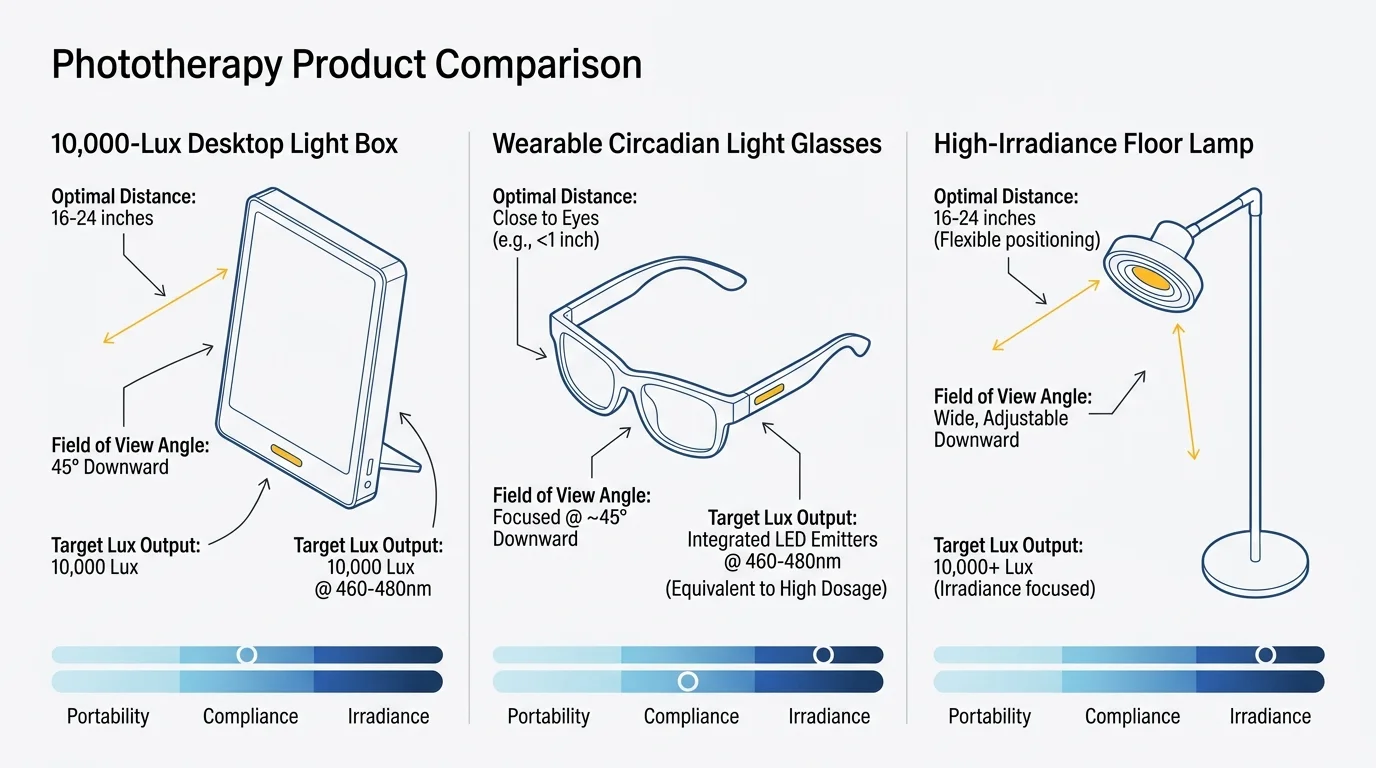
Clinical Hardware: Comparing Evidence-Based Phototherapy Tools
Not all light fixtures generate the optical frequency or luminance necessary to trigger a circadian phase delay. You need broad-spectrum, UV-filtered equipment engineered specifically for chronobiological interventions.
The following table outlines measurable performance specifications for leading circadian phototherapy instruments used in behavioral sleep medicine protocols.
| Device Model & Spec | Luminance Output | Optimal Working Distance | Protocol Timing | Target Mechanism |
|---|---|---|---|---|
| Northern Light Technologies Box | 10,000 lux (broad-spectrum) | 18 inches | 5:30 PM – 6:15 PM | Phase-delays master suprachiasmatic clock |
| Luminette 3 Wearable Visor | 1,500 lux (blue-enriched 468 nm) | Eye-level wearable | 6:00 PM – 6:45 PM | Direct retinal ganglion cell stimulation |
| Carex Day-Light Classic Plus | 10,000 lux (UV-filtered white) | 12 to 14 inches | 5:00 PM – 5:45 PM | Suppresses premature evening melatonin |
| Verilux HappyLight Lucent | 10,000 lux (full-spectrum LED) | 6 inches | 5:30 PM – 6:15 PM | Extends subjective biological evening |
Select hardware that seamlessly integrates into your post-work lifestyle. Wearable visors permit cooking or light woodworking, while stationary light boxes pair well with evening reading or travel research.
Always verify that your equipment eliminates ultraviolet wavelengths below 400 nanometers. Shielding your eyes from UV radiation ensures safe retinal phototherapy across long-term protocols.

Replacing Workplace Zeitgebers with High-Purpose Anchors
Fixing biological timing requires more than light boxes and temperature hacks; it requires building an exciting daily life. You spent decades operating on corporate autopilot, and your nervous system craves fresh, structured stimulation.
Groundbreaking research from the Stanford Center on Longevity demonstrates that establishing purposeful daily routines anchors physical vitality and sharpens cognitive performance in older adults.
Do not allow your days to dissolve into formless drift. Build intentional, immovable milestones into your morning, afternoon, and evening schedules.
Many dynamic older adults combine their circadian resets with immersive lifelong learning and cultural expeditions through Road Scholar, replacing corporate pressure with intellectual wonder.
Enrolling in demanding educational pursuits or community leadership positions creates natural social zeitgebers. When your mind anticipates an engaging morning project, your sleep cycle naturally stabilizes.
- Schedule intense cardiovascular exercise or outdoor hiking strictly between 8:30 AM and 10:30 AM.
- Anchor lunch at exactly 12:30 PM and dinner at 6:30 PM to stabilize peripheral metabolic clocks.
- Dedicate your afternoons to creative endeavors, mentoring younger professionals, or community engagement.
- Reserve 7:00 PM to 9:00 PM for rich social interactions, live performances, or purposeful reading.
- Ban all daytime napping longer than 20 minutes to safeguard evening homeostatic sleep pressure.
When you fill your daytime hours with audacity, purpose, and vibrant projects, nocturnal anxiety disappears. You will retire to bed with healthy exhaustion and awake when your alarm signals a brand-new day of exploration.
Frequently Asked Questions
Why am I waking up at 3:30 AM if I do not feel anxious about anything?
Early awakenings in healthy retirees are driven primarily by a phase-advanced circadian pacemaker rather than emotional worry. The abrupt loss of structured workplace schedules shifts your core temperature minimum and cortisol pulse into the pre-dawn hours.
Can I just take melatonin supplements at 3:30 AM to fall back asleep?
Taking melatonin at 3:30 AM worsens your problem by binding to receptors during your circadian vulnerability window. Doing so advances your internal clock further, guaranteeing an early arousal the following morning.
How long does it take for evening phototherapy to reset my sleep cycle?
Most individuals experience measurable phase delays within seven to ten days of consistent 10,000-lux exposure. Full realignment of your core temperature curve generally stabilizes within three weeks of disciplined adherence.
Is it dangerous to restrict my time in bed to five or six hours?
Temporary sleep restriction under clinical CBT-I guidelines is safe and highly effective for consolidating fragmented sleep. The protocol maintains a strict safety floor of 5.0 hours, ensuring older adults avoid clinical sleep deprivation while building robust sleep drive.
Disclaimer: This article is for informational and inspirational purposes. Life decisions are deeply personal, and we encourage readers to pursue their dreams while considering their unique circumstances, health, and financial situation.






3 Comments