
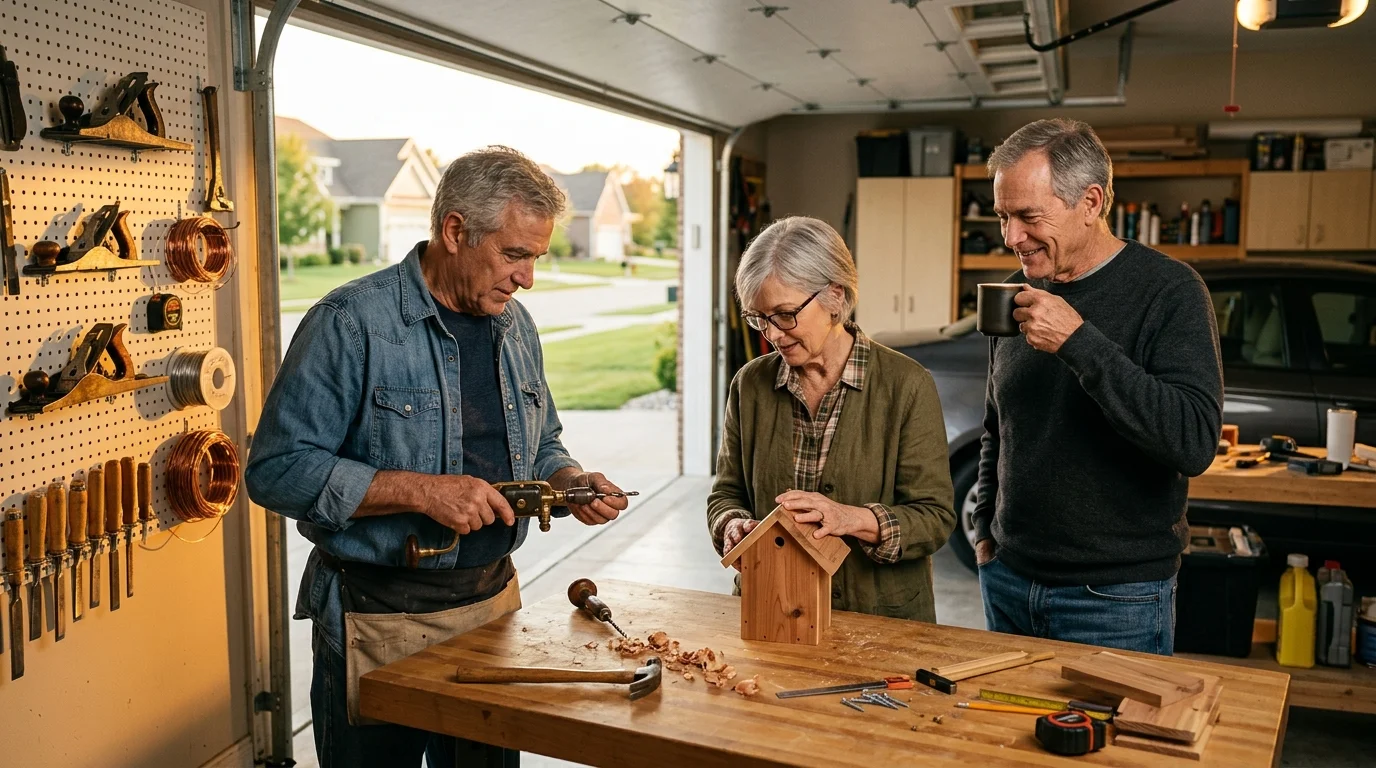
Moving into an active adult village at 66 does not mean you must purchase a paddle or master a fairway swing. Real camaraderie thrives on intellectual curiosity and shared purpose, not mandatory sport.
You build lasting alliances through utility and honest conversation rather than competitive sports or repetitive clubhouse card games. Small, focused interest hubs bypass forced small talk entirely.
By creating alternative spaces within your neighborhood, you attract the fellow thinkers who feel equally out of place. Here is your blueprint for commanding a vibrant social life after 60 on your own terms.
The Hidden Isolation Behind the Clubhouse Marquee
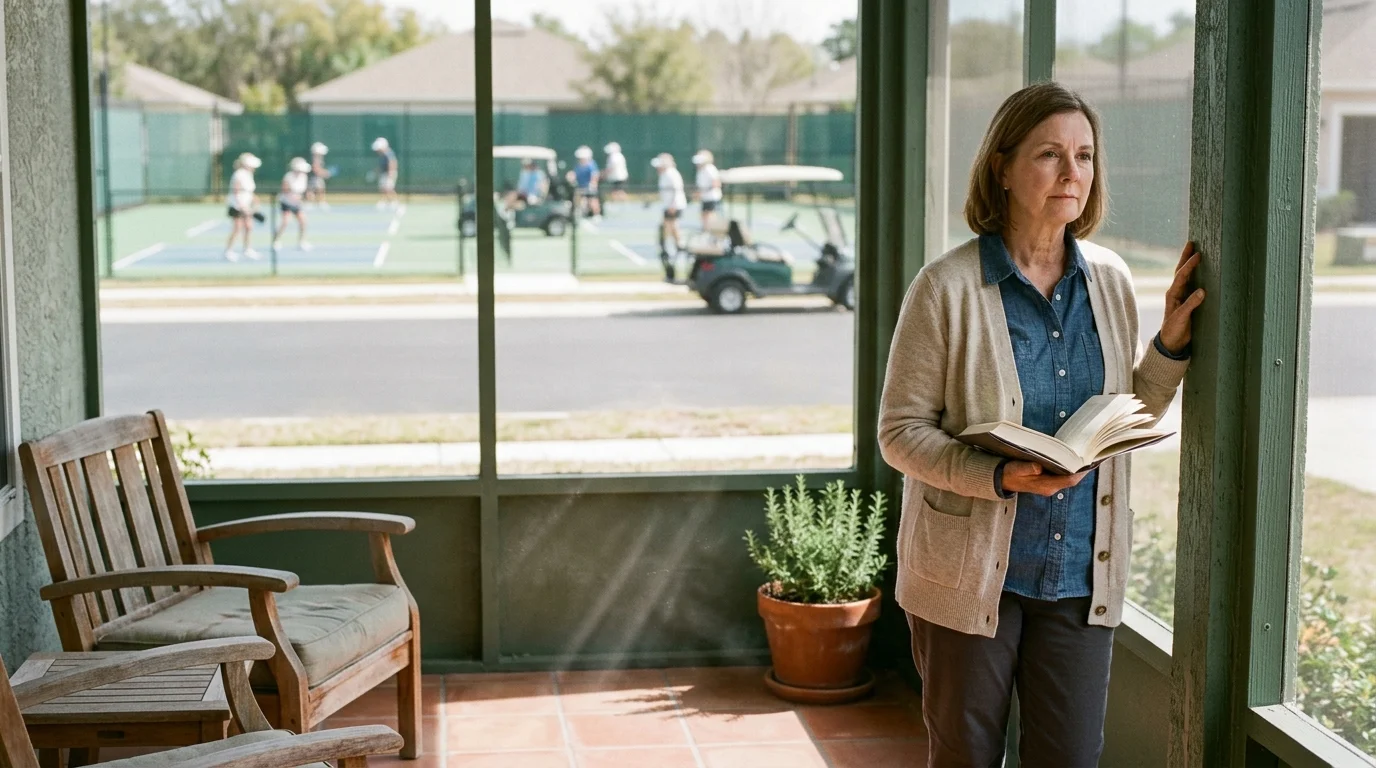
Retirement brochures promise non-stop connection, yet active adult developments can feel profoundly lonely if you skip athletics. Driving past crowded courts every morning often amplifies that isolation.
Establishing an intentional daily routine in early retirement helps ground your schedule before you begin seeking out new social circles.
Federal law under the Housing for Older Persons Act requires 80 percent of occupied units to house at least one person aged 55 or older. That concentration creates dense neighborhoods, but density alone does not generate friendship.
According to the landmark 2023 advisory from the U.S. Surgeon General, social disconnection carries a health risk comparable to smoking up to 15 cigarettes daily. It also increases your dementia risk by 50 percent.
Furthermore, research from the University of Michigan National Poll on Healthy Aging reveals that roughly one in three older adults experiences persistent loneliness. Making friends in retirement community environments requires deliberate architecture.
Card games like bridge or canasta suit some, yet many retirees crave substantive, forward-looking discussions. When you create functional alternatives, you liberate other quiet residents who crave the exact same connection.
6 Alternative Social Hubs for Intellectuals and Makers
To cultivate meaningful bonds, replace high-impact sports with purposeful gatherings. The following non athletic retirement hobbies provide immediate structure, eliminating awkward small talk.
Stepping away from traditional sports creates an ideal opportunity for rekindling old passions and exploring pursuits you may have set aside decades ago.
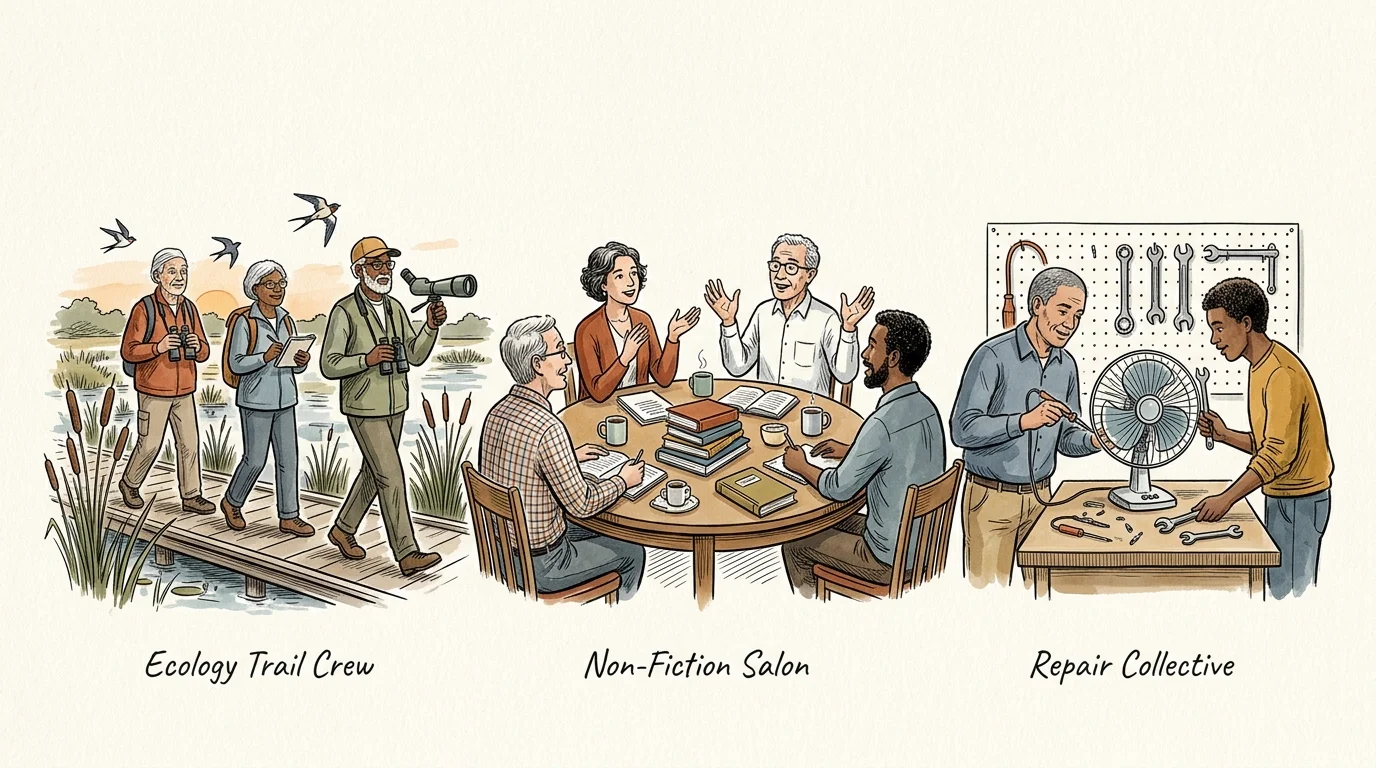
- The Neighborhood Tool and Repair Collective: A collaborative garage network where neighbors pool maintenance gear, fix household items, and teach practical mechanical skills.
- The Bi-Weekly Non-Fiction Salon: A discussion forum dissecting history, science, philosophy, and economics without the trivial social chatter of traditional social clubs.
- The Dawn Trail-Walking and Ecology Crew: Low-impact, brisk morning walks focused on birding, native flora identification, and regional geography rather than athletic competition.
- The Global Documentary Circle: Monthly screenings of investigative documentaries followed by structured debates regarding international affairs and modern ethical dilemmas.
- The Pro Bono Mentorship Guild: Retired professionals meeting to assist local high school entrepreneurs, community colleges, or emerging non-profit organizations.
- The Culinary and Fermentation Guild: An artisanal collective focused on sourdough cultivation, fermenting, coffee roasting, and heritage cooking techniques.
Programs modeled after the Osher Lifelong Learning network demonstrate that older adults flourish when challenged intellectually. Your neighborhood can replicate that rigor informally.
These hubs succeed because they organize participants around a clear task. Mutual respect develops naturally when you solve a problem or debate an idea together.
“It is never too late to be what you might have been.” — George Eliot
Choose an initiative that excites your curiosity. Passion acts as a social magnet for peers who share your standards.
Tactical Blueprint: Launching a Neighborhood Tool Collective
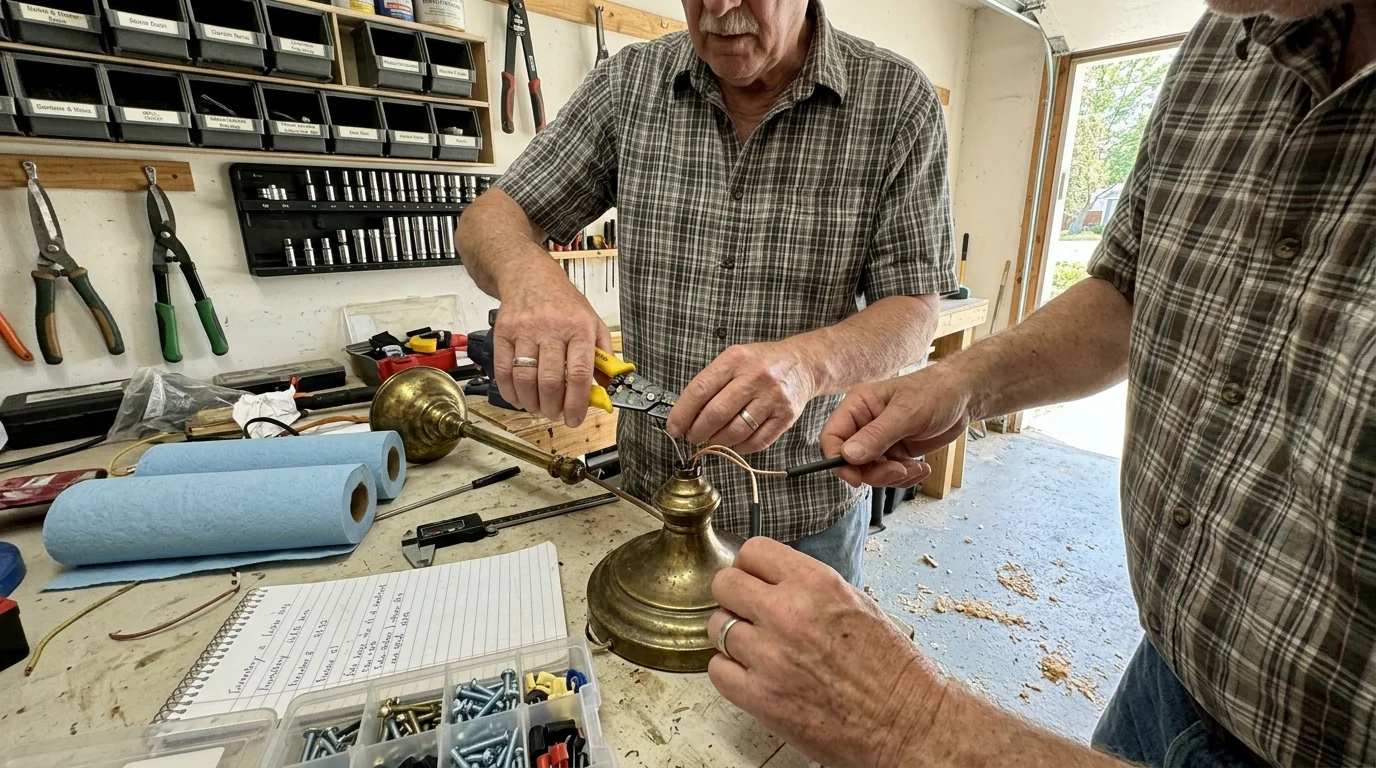
A tool library serves as an exceptional social catalyst because it provides immediate neighborhood utility. It establishes your garage as a welcoming workshop rather than a closed storage unit.
Collaborative DIY initiatives are an inspiring way to engage in fulfilling retirement craft projects while forming deep neighborhood alliances.
Consider this real-world operational scenario. You clear a designated 120-square-foot corner in a standard two-car garage to house shared equipment safely.
You print 45 black-and-white informational flyers at your local print shop for $0.18 each, spending $8.10 total. You distribute these flyers exclusively along your immediate cul-de-sac and adjacent streets.
The flyer invites neighbors to an introductory 45-minute inventory coffee on Saturday at 9:30 AM. You offer clear terms: participants share tools to avoid redundant personal purchases.
At the launch meeting, five neighbors arrive. Together, you catalog existing assets on a shared spreadsheet using clear columns for ownership and check-out dates.
Your founding inventory requires no club purchase fees. It simply documents tools members already own and agree to lend responsibly:
- One DeWalt DWE575 7-1/4-inch circular saw.
- One Werner 8-foot fiberglass stepladder.
- One Milwaukee M18 cordless brushless drill set.
- One Ames steel post-hole digger with fiberglass handles.
- Two torque wrenches and an automotive socket set.
Within three weeks, three members repair a warped backyard garden gate together over 90 minutes. That project saves the homeowner a $180 handyman fee and establishes genuine camaraderie.
Shared labor removes the performance anxiety common in traditional social gatherings. You build durable trust with your hands while improving your immediate community.
The 4-Week Action Plan to Mobilize Your First Salon
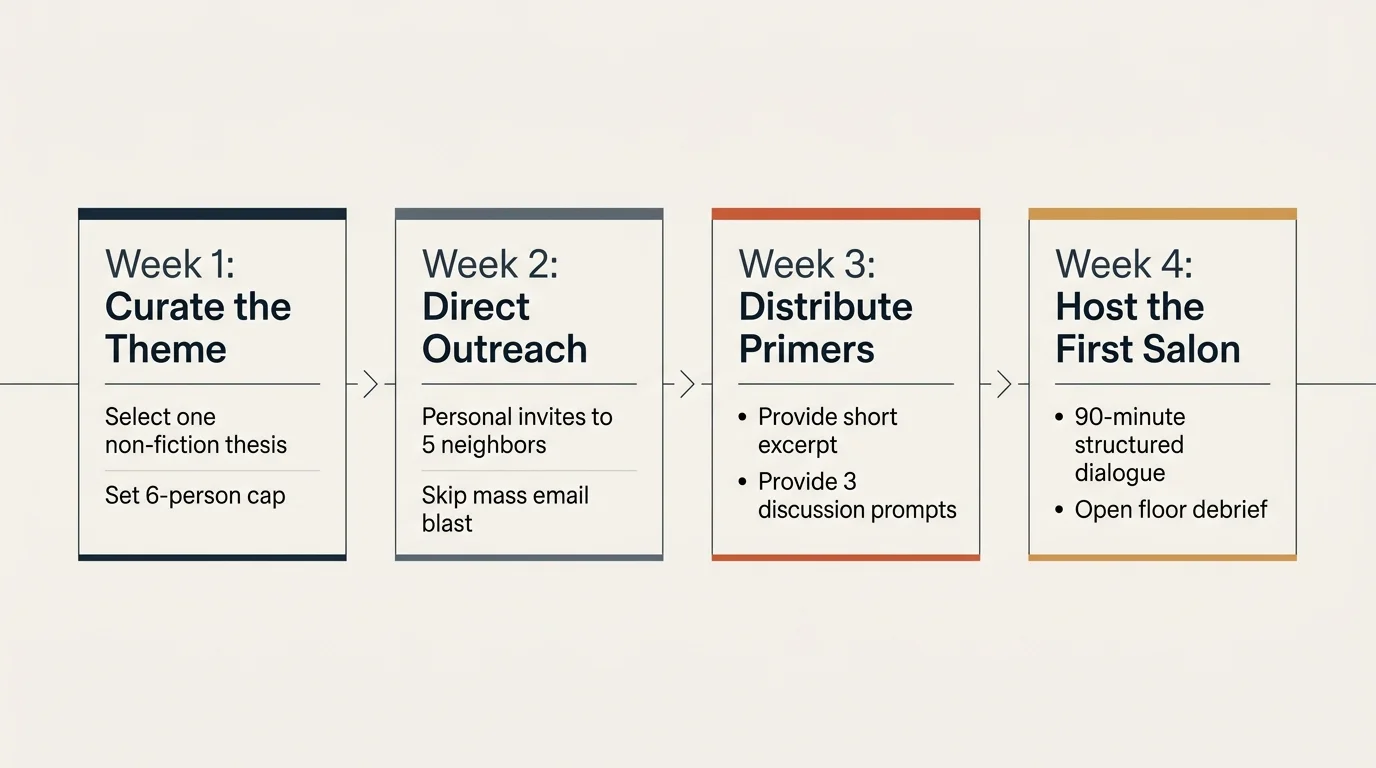
If you prefer literature and political discourse to woodworking, initiate a non-fiction salon. Follow this four-week timeline to build an enduring group from scratch.
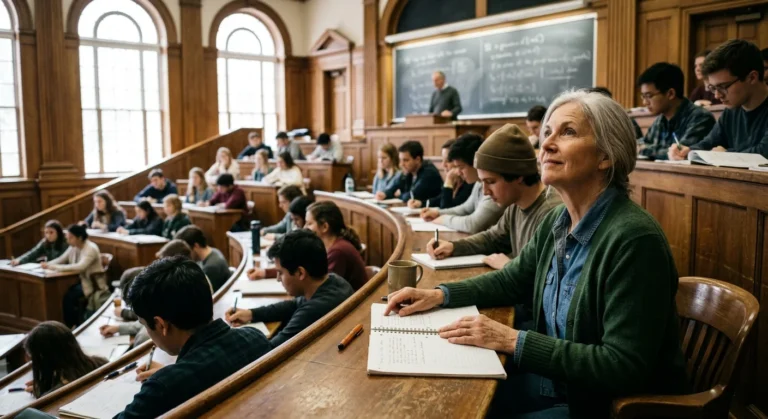
Participating in shared reading groups allows residents to discover the joy of lifelong learning while exercising their analytical minds.
- Week 1: Curate the Concept. Select one compelling, accessible non-fiction title under 300 pages. Draft a one-page charter outlining meeting expectations and zero-gossip principles.
- Week 2: Direct Outreach. Post a clean invitation on the community bulletin board. Personally invite three neighbors who have expressed thoughtful views during neighborhood gatherings.
- Week 3: Distribute the Material. Confirm an initial cohort of six attendees. Send three core discussion questions via email alongside reminders for the upcoming gathering.
- Week 4: Host the First Session. Convene on Thursday evening from 7:00 PM to 8:15 PM sharp. Provide hot tea, spark conversation with the first question, and enforce strict speaking limits.
Establish firm boundaries immediately. Salons fail when they degenerate into medical complaint sessions or unrestrained partisan venting.
Maintain intellectual momentum by appointing a different discussion leader for each book. Shared ownership turns casual guests into invested stakeholders.
Researchers at the Stanford Center on Longevity emphasize that intentional social roles preserve mental acuity throughout retirement. Leading a salon supplies exactly that cognitive stimulus.
Keep your group compact. A roster of six to eight dedicated thinkers produces far better debate than an unwieldy crowd of twenty.
Comparing Alternative Social Hubs: Effort, Cost, and Engagement
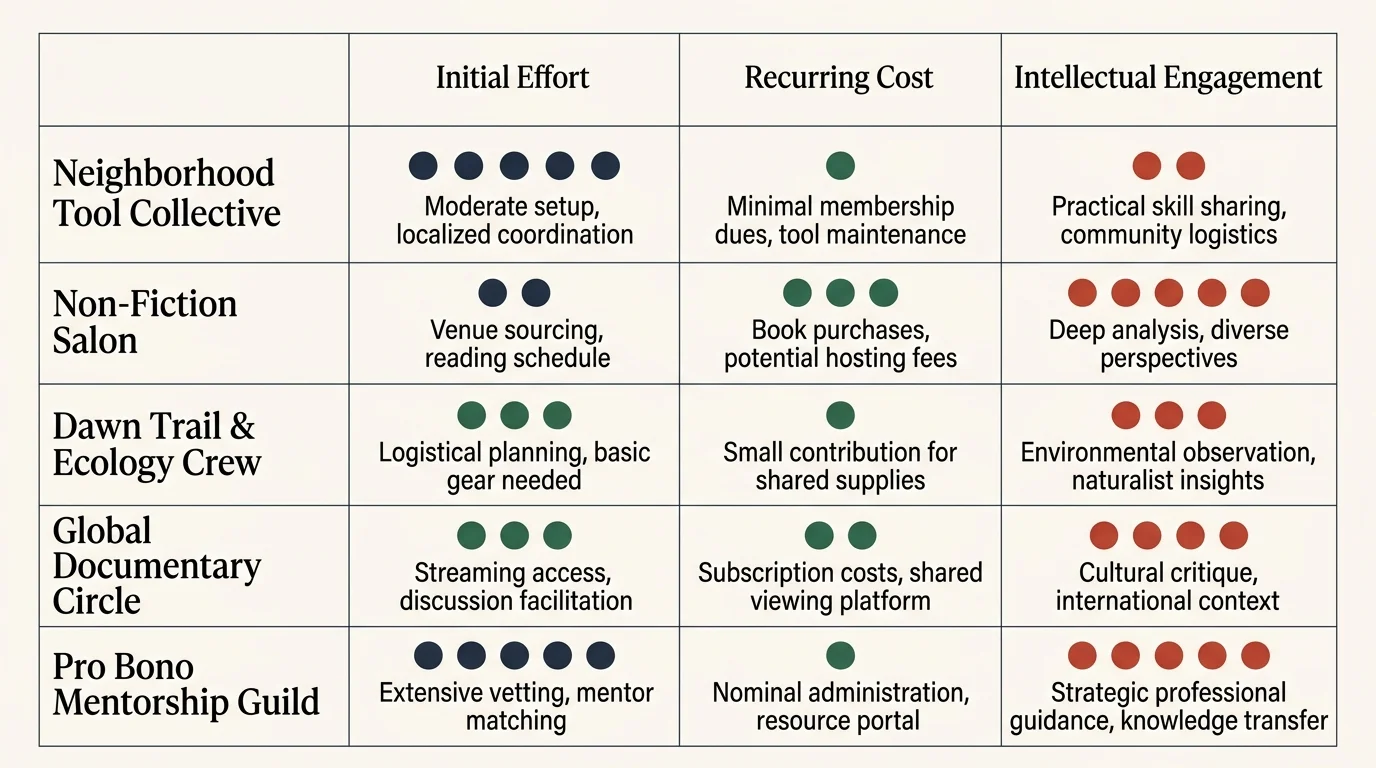
Selecting the right social hub depends on your available space, budget, and desired commitment. Review this breakdown to determine the best fit for your home.
| Hub Concept | Startup Budget | Weekly Time Commitment | Minimum Space Required | Primary Interaction Dynamic |
|---|---|---|---|---|
| Tool & Repair Collective | $25 – $50 (Signage & Hardware) | 2 to 3 Hours | 120 sq ft (Garage Bay) | Collaborative Task Problem-Solving |
| Non-Fiction Salon | $15 – $30 (Tea & Handouts) | 1.5 Hours | 150 sq ft (Living Room) | Intellectual Discourse & Debate |
| Dawn Trail Walkers | $0 | 3 to 4 Hours | Outdoor Public Trails | Side-by-Side Casual Dialogue |
| Documentary Circle | $20 – $40 (Streaming & Snacks) | 2.5 Hours | 180 sq ft (Media Room) | Visual Consumption & Analysis |
A tool collective demands workshop space but generates rapid goodwill through tangible household repairs. In contrast, walking crews require zero financial investment and zero square footage.
Assess your domestic environment honestly before inviting neighbors. If entertaining inside feels exhausting, launch an outdoor walking or ecology club instead.
Consistency matters far more than elaborate hospitality. Neighbors return for stimulating conversation and dependable schedules, not fancy refreshments.
Navigating HOA Rules and Securing Community Common Spaces
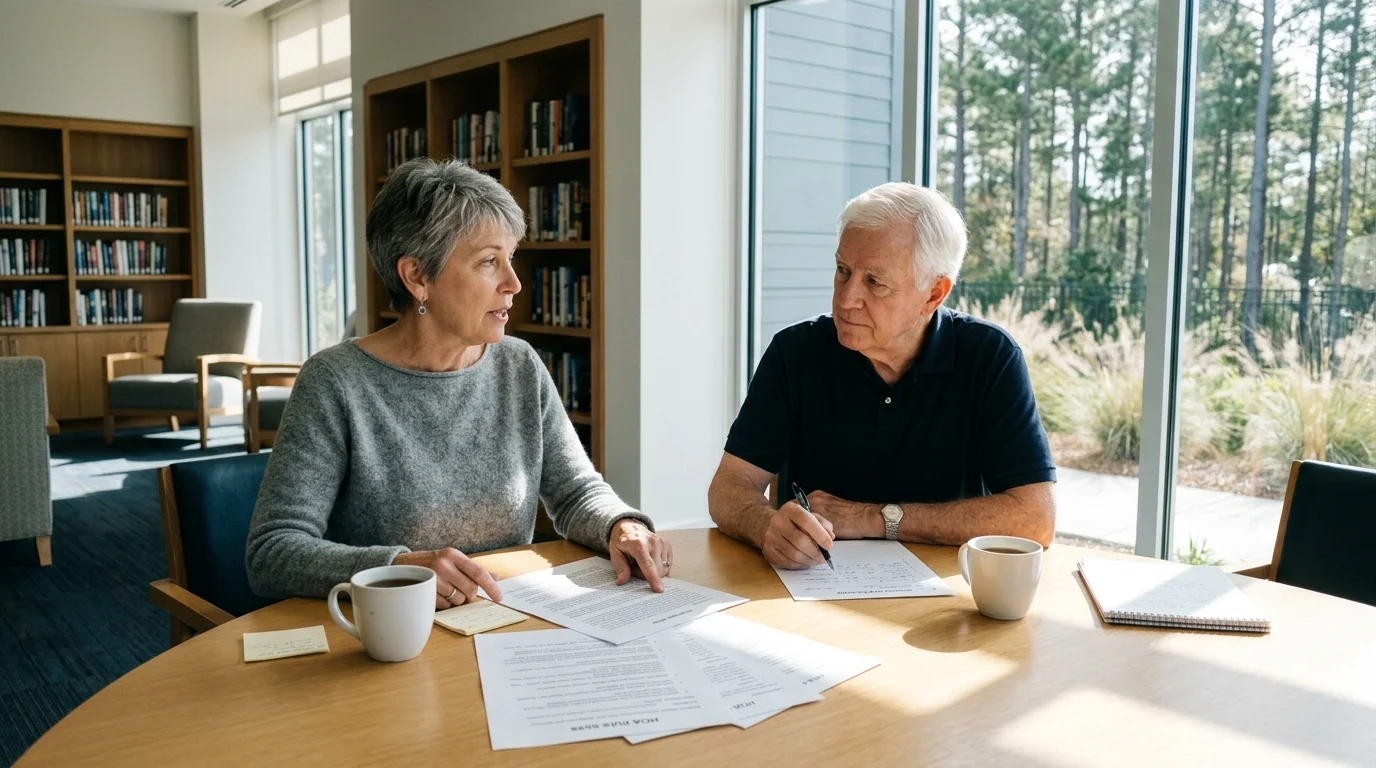
Active adult associations enforce strict regulations regarding common properties. Understanding your governing covenants prevents unnecessary conflict with property managers.
Organizing an independent group often means stepping outside your comfort zone in retirement, but the payoff is an authentic peer community.
Most community bylaws distinguish between private social gatherings and commercial operations. Because your interest group charges no dues, it qualifies as an authorized residential activity.
To reserve clubhouse facilities or community pavilions without friction, employ these specific steps:
- Review your Homeowners Association handbook sections concerning resident club charter requirements and insurance liability rules.
- Submit a formal charter application signed by five resident homeowners to the social committee or lifestyle director.
- Define your club mission as an educational or service-oriented amenity available to all dues-paying association members.
- Reserve underutilized meeting windows, such as Tuesday afternoons or Thursday evenings, to avoid competing with large social committees.
If the association board delays approval, host meetings in your private home or patio. Board jurisdiction rarely restricts quiet personal gatherings of fewer than ten residents.
Keep public communications professional and polite. Clear notices on bulletin boards establish your group as an asset to community life.

Cultivating Durable Bonds Beyond Surface Pleasantries
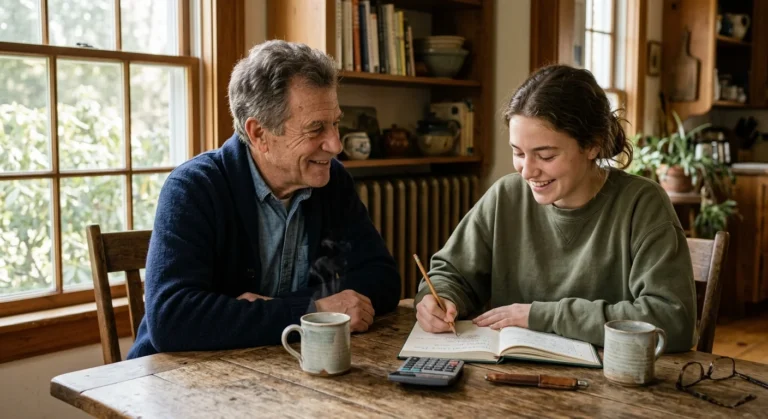
Meeting every week is merely the first step toward genuine friendship. You must transform casual acquaintances into trustworthy confidants who support your life.
The National Institute on Aging documents that deep emotional bonds protect against cognitive decline and stress-related illnesses. Surface-level pleasantries do not confer these vital health benefits.
Deepen interactions by asking open-ended questions about earlier career challenges, family histories, and personal creative pursuits. Move conversations beyond weather updates and neighborhood gossip.
Use these reliable conversation starters to elevate your interactions:
- “What historical event or personal mentor shaped your perspective on the world most dramatically?”
- “What skills or disciplines are you actively trying to master during this chapter of your life?”
- “Which books or experiences completely overturned your view on an important topic?”
Listen attentively without interrupting with your own achievements. Active listening demonstrates maturity and fosters mutual vulnerability among intelligent peers.
When a member encounters a health or family obstacle, coordinate practical support quickly. Delivering a meal or running an errand converts an intellectual acquaintance into a lifelong friend.
Building a fulfilling social network takes deliberate patience. By offering substance over spectacle, you will construct a rich, stimulating community that enriches your retirement.
Frequently Asked Questions
How can I find fellow non-athletic neighbors without offending the clubhouse crowd?
Frame your group around intellectual or utilitarian interests rather than expressing dislike for sports. Place neutral, specific notices on community bulletin boards seeking peers for targeted topics like history readings or home repair exchanges.
What should I do if our HOA prohibits running clubs out of private residences?
Consult the governing documents regarding resident assembly rights. Most associations permit informal gatherings under 10 people in homes, or you can reserve common rooms designated for resident-chartered clubs.
How do I handle dominant personalities who derail salon discussions?
Establish clear ground rules during week one. Use a structured speaking format such as a five-minute round-robin timer to ensure equal participation before opening the floor to general dialogue.
What is the best group size for sustaining meaningful dialogue after 60?
Aim for six to eight consistent members. This size allows genuine conversation without splintering into separate side chats while surviving occasional absences without cancellation.
Disclaimer: This article is for informational and inspirational purposes. Life decisions are deeply personal, and we encourage readers to pursue their dreams while considering their unique circumstances, health, and financial situation.


2 Comments