
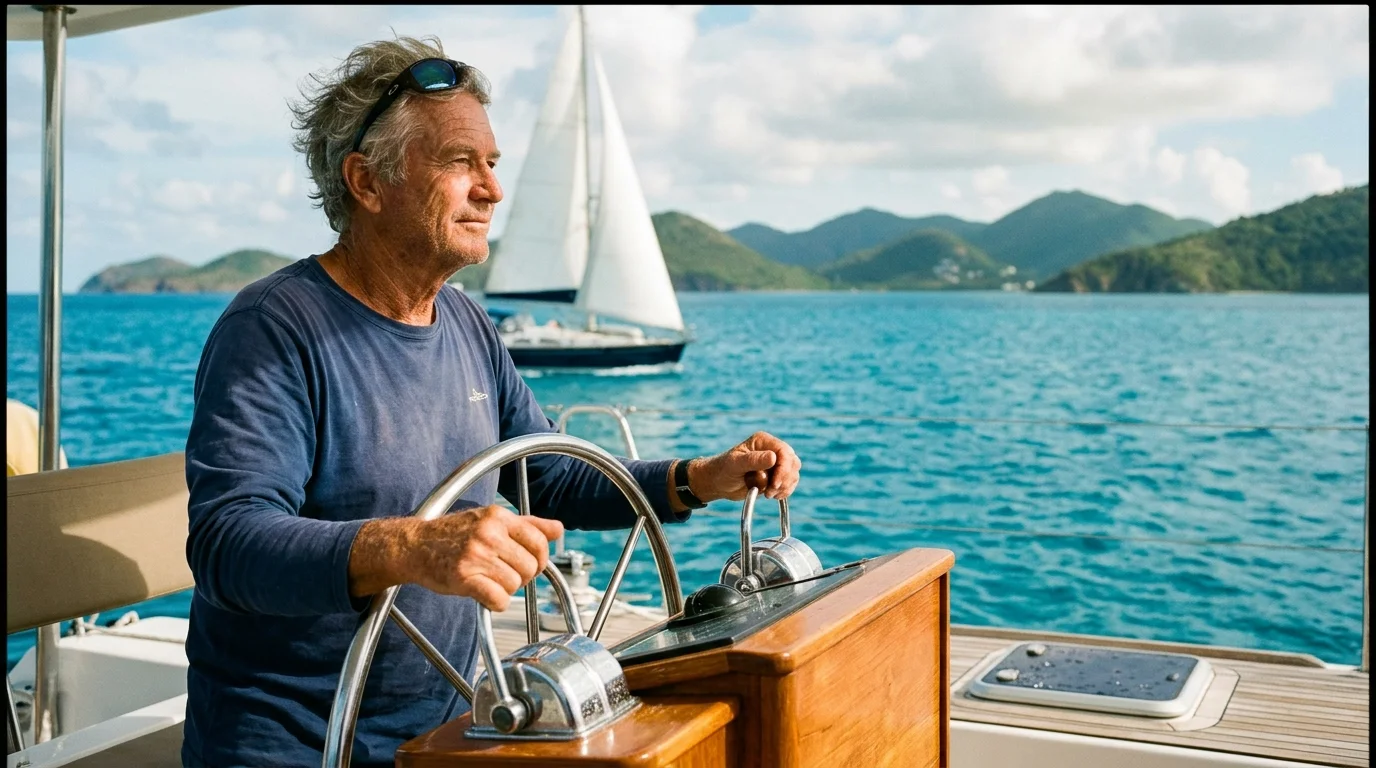
You can step back onto a cruising yacht in the British Virgin Islands at 70 with absolute confidence, even if your last command was 15 years ago. The secret lies in bypassing the financial exposure of a full bareboat contract and choosing a targeted flotilla cabin share.
While standard charter companies reject dated resumes or mandate costly full-week captains, flotilla shares and ASA 111 refreshers let you crew actively without risking large deposits or straining physical limits.
This guide outlines the exact pricing, boat-handling certifications, and dinghy mobility strategies you need to navigate the Sir Francis Drake Channel with pride.
The 15-Year Hiatus: Reclaiming the Helm Without Bareboat Burden
Stepping away from sailing during your peak career years is common. Returning to the helm at 70 requires acknowledging how the charter industry has evolved over the past decade.
Charter companies in Tortola once handed keys to anyone with an assertive smile and a casual logbook. Today, major fleet underwriters require verified skippering experience on comparable vessels within the past three to five years.
If your last bareboat charter was in 2010, companies will not approve you as the sole captain for a 45-foot catamaran. That rejection often feels like an insult to your decades of hard-won seamanship.
Do not view underwriting requirements as a barrier to your nautical passion. Instead, treat this shift as an opportunity to sail without administrative pressure or legal liability.
Research published by the National Institute on Aging emphasizes that challenging physical activities combined with complex mental decision-making promote sustained cognitive vitality in older adults.
Navigating coastal passages, balancing against heel angles, and adjusting sheets offer extraordinary neurological and physical rewards. You do not need to assume total legal liability for a half-million-dollar hull to enjoy those benefits.
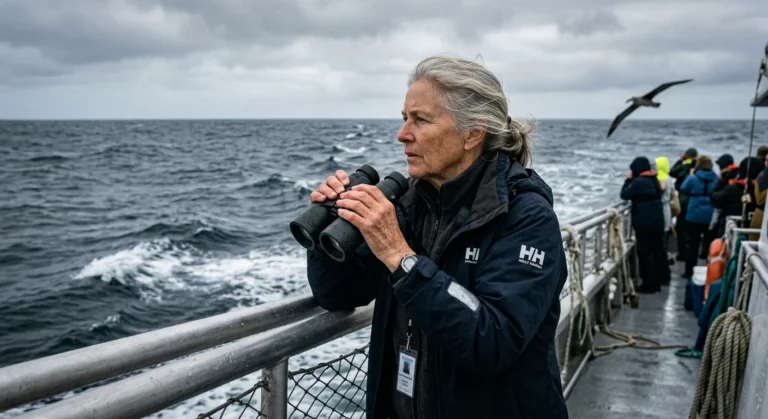
Flotilla sailing places you aboard a fully outfitted vessel accompanied by a professional lead yacht. You take active helm watches, trim sails, and anchor in turquoise bays while shedding the solo financial burden.
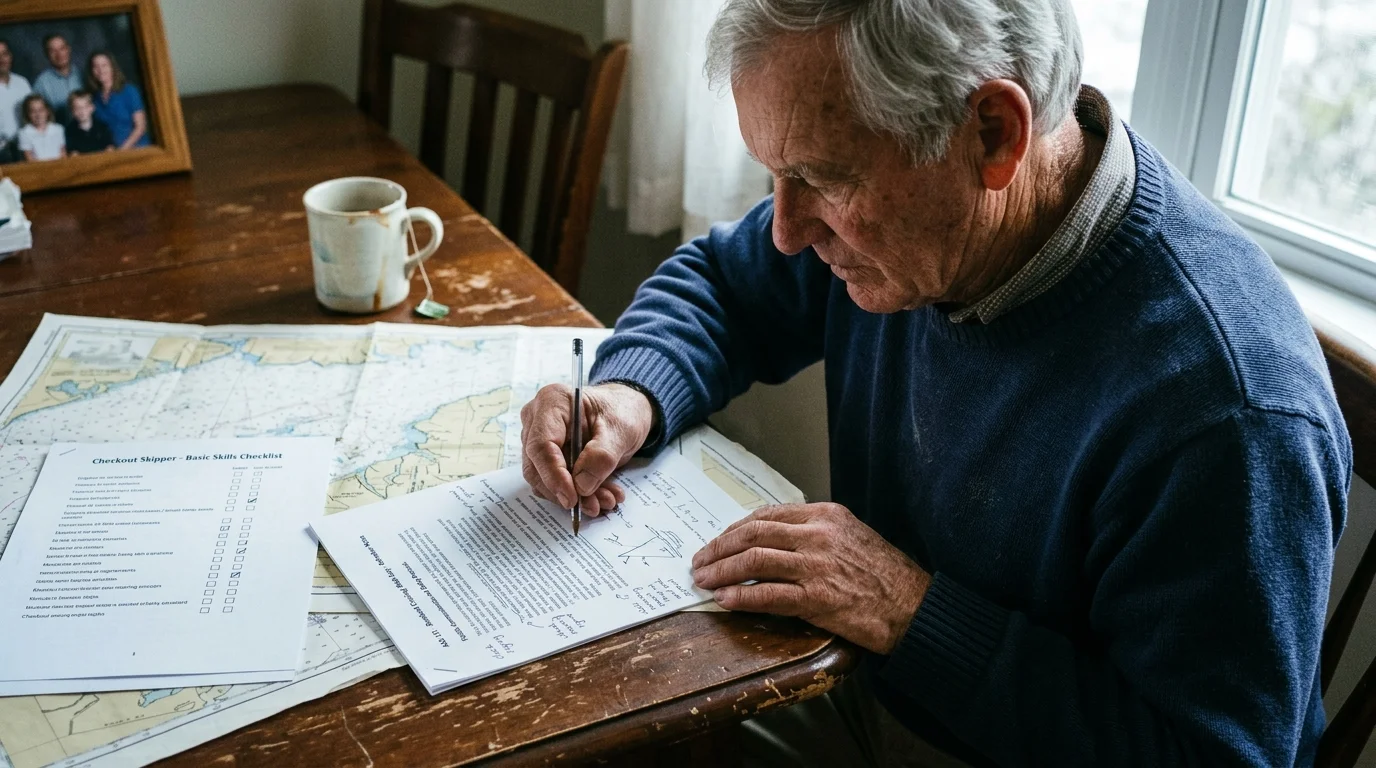
ASA 111 vs. Checkout Skippers: Bridging the Experience Gap
Before you cast off lines in Road Harbour, you must decide how to update your credentials. You have two primary pathways: an audited refresher course or a local checkout skipper.
The American Sailing Association established the ASA 111 Sailing Review specifically for returning sailors. This course is not a remedial class for novices; it is an intensive review for sailors whose certifications have lapsed.
ASA 111 lets you refresh boat-handling fundamentals without repeating beginner coursework like ASA 101 or ASA 103. You spend a focused weekend reviewing modern docking, close-quarters maneuvering, and emergency recovery drills.
An ASA 111 endorsement on your certification record proves to charter operators that your muscle memory and safety protocols meet modern standards.
- Engine room inspections, including raw-water impeller checks and fuel-water separator monitoring
- Close-quarters maneuvering under twin diesel power in crosswinds and strong currents
- Spring-line docking techniques for Med-mooring and alongside fuel piers
- Reefing mainsails at sea using single-line reefing systems and lazy-jack stacks
- Man-overboard recovery under both sail power and auxiliary auxiliary engine power
- Modern electronic chartplotter navigation, radar interpretation, and digital VHF radio distress operations
Alternatively, BVI charter operators offer day checkout skippers directly at their charter bases. These licensed captains join your yacht for the first four to eight hours of your voyage.
A checkout skipper costs between $175 and $250 per day, plus their lunch and a customary gratuity of $50 to $100. They observe your docking, anchor deployment, and reefing procedures before signing off on your bareboat clearance.
If the checkout skipper feels you need more support, the base converts your charter into a skippered vacation at $300 to $330 per day. Choosing an ASA 111 clinic beforehand eliminates that expensive risk entirely.
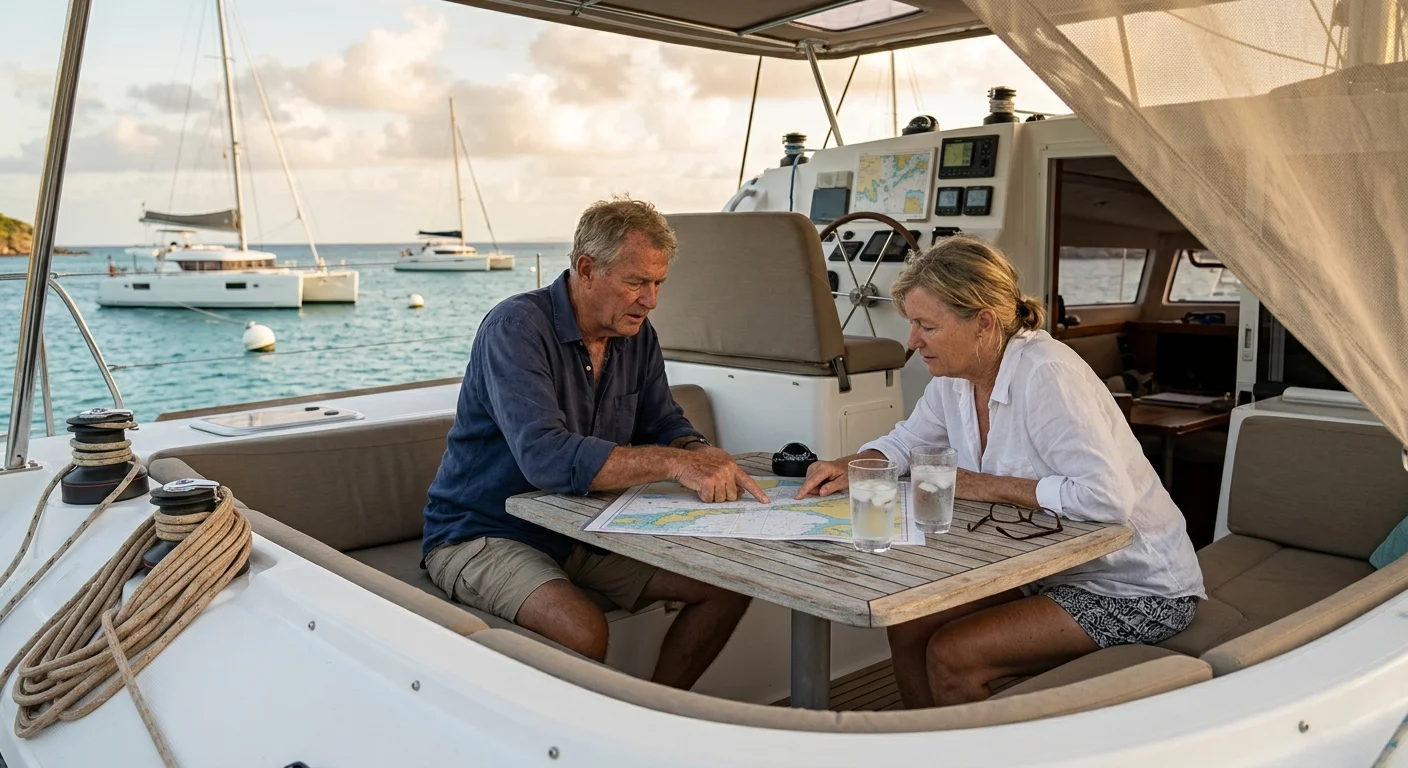
Evaluating Flotilla Cabin Shares: Costs, Vessels, and Independence
Flotilla cabin shares offer the ideal balance between active crewing and relaxed cruising. Instead of chartering an entire yacht, you reserve a private en-suite double stateroom on a 42- to 50-foot catamaran.
A professional lead skipper guides the route, oversees vessel safety, and manages mechanical systems. Meanwhile, you and your fellow cabin guests share daily sailing duties according to your physical comfort.
Educational travel organizations like Road Scholar highlight the social and educational value of group-based adventure travel for older adults seeking meaningful engagement.
By-the-cabin flotilla shares typically range from $2,500 to $3,500 per person based on double occupancy. That total yields $5,000 to $7,000 for a private queen cabin with a dedicated head and shower.
This structure shields your personal finances from huge hull damage waivers and refundable security deposits that frequently exceed $4,000 on private bareboats.
| Charter Option | Weekly Base Cost | Operational Responsibility | Physical Demands | Resume Requirement |
|---|---|---|---|---|
| Flotilla Cabin Share (45ft Catamaran) | $5,000 – $7,000 per cabin | Shared helm watches; lead boat directs navigation | Moderate; helm time, line handling, swimming | None required; basic sailing experience welcomed |
| Monohull Bareboat + Day Checkout (41ft) | $4,800 – $6,500 yacht base | Sole legal command once skipper signs off | High; heavy ground tackle, manual winch grinding | Logged command within past 3–5 years |
| Full-Week Skippered Catamaran (45ft) | $9,500 – $14,000 total yacht | Hired captain handles all legal liability | Low to moderate; sail entirely at your leisure | None; captain holds absolute operational control |
A cabin share eliminates the psychological fatigue that often hits older skippers during multi-day charters. You never have to wake up at 2:00 AM to check anchor drag during tropical rain squalls.
The lead flotilla crew monitors weather radar, coordinates fleet movements, and assists with docking lines at every stop. You savor the helm while sailing across the channel, then hand over maintenance chores upon arrival.
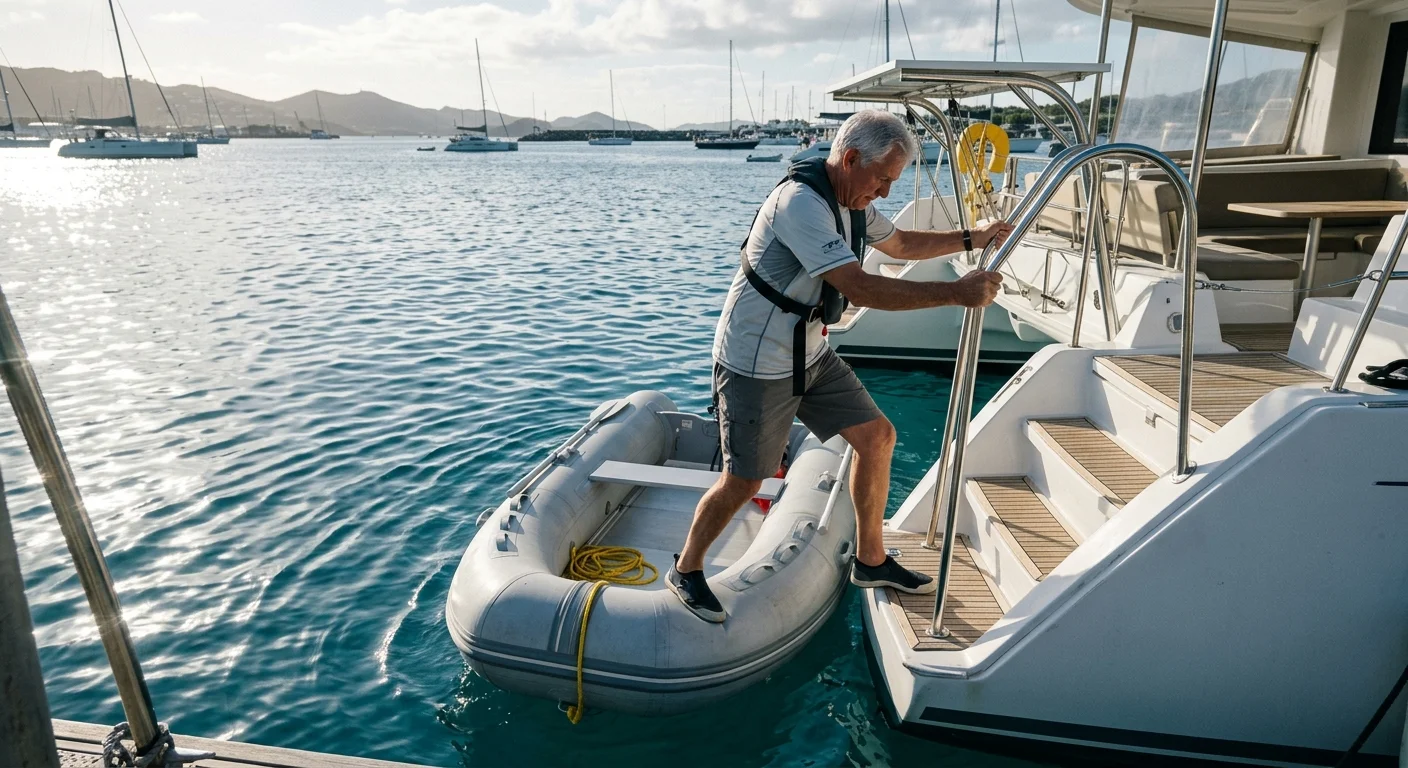
Physical Demands: Mastering High-Stress Dinghy Boarding and Line Work
Returning to sailing at 70 requires respect for changes in joint mobility, balance, and physical reaction times. A lack of agility rarely spoils a trip; poor biomechanics and carelessness do.
Boarding an inflatable dinghy in a rolling swell presents the single highest injury risk on any Caribbean charter. Stepping onto the pontoon of a bobbing tender can quickly wrench knees or throw you off balance.
Modern cruising catamarans make boarding safer than older monohulls because their wide sugar-scoop transoms feature wide teak steps and secure stainless-steel handrails.
Never rush your dinghy transfers. Master this physical protocol to board tenders safely in exposed anchorages like Cooper Island or Trellis Bay.
- Clear your hands completely by placing all dry bags, water bottles, and gear into a shoulder backpack.
- Stand on the bottom sugar-scoop step and wait for the dinghy to reach the crest of the wave.
- Grip the yacht transom rail firmly with both hands, maintaining a low center of gravity.
- Step decisively into the center of the dinghy floorboard rather than stepping on the slippery inflatable tube.
- Sit down immediately on the bench or pontoon before reaching back to receive gear passed down by crew.
- Reverse the sequence upon arrival at dinghy docks by securing painter lines before standing up.
Taking your time protects your joints and maintains crew stability. A disciplined boarding routine transforms an intimidating transition into a calm, repeatable action.
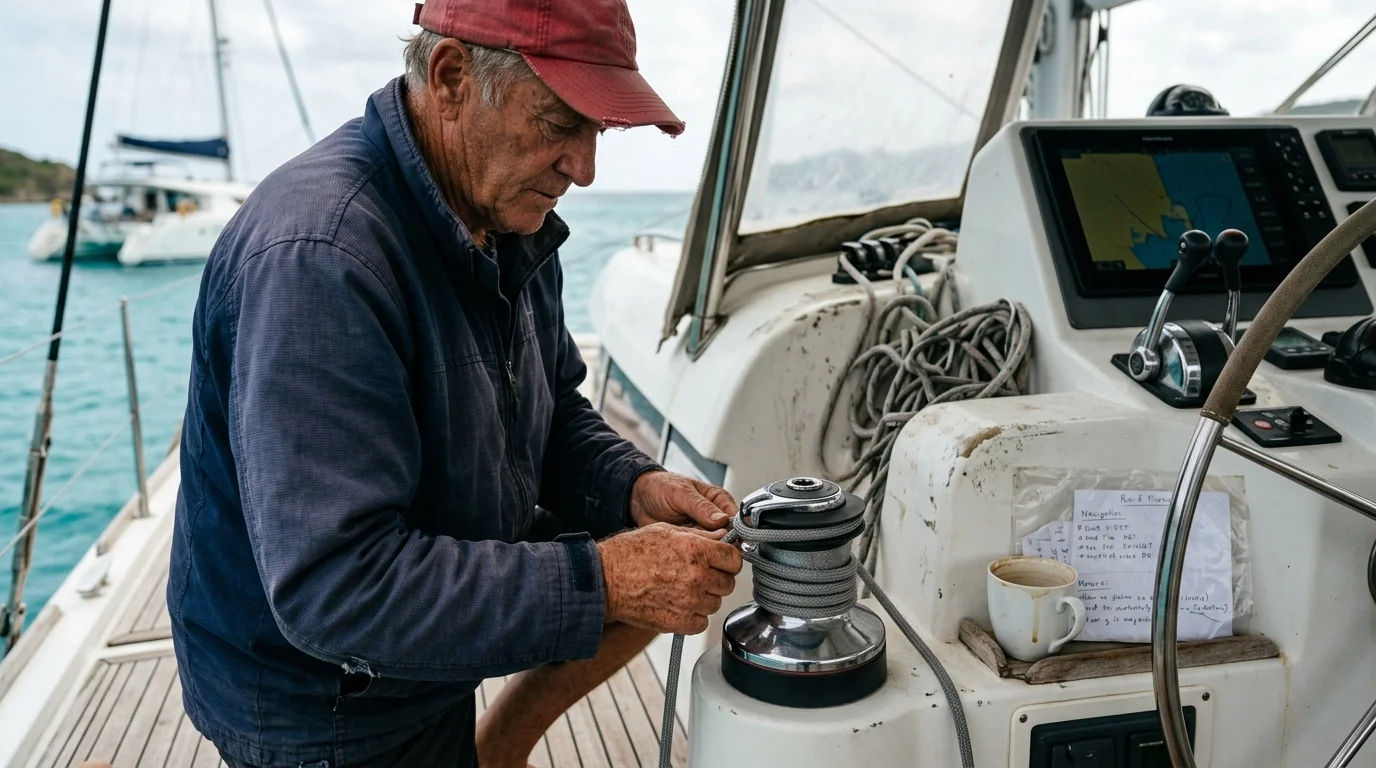
Modern Deck Gear: Adapting to Modern Catamarans
If you have not chartered since the mid-2000s, modern yacht systems will surprise you. Winch grinding and sail handling are vastly different today compared to older monohull cruising rigs.
Most modern charter catamarans route all halyards, reefing lines, and sheets back to a centralized helm station. You will encounter push-button electric winches that manage thousands of pounds of line tension effortlessly.
Electric winches eliminate the heavy aerobic strain of hoisting fully battened mainsails. However, they also eliminate tactile feedback, meaning you can part expensive halyards in seconds if you override deck jams.
- Always visually confirm that the main halyard runs free of the lazy-jack lines before engaging an electric winch button.
- Use the slow winch speed setting when trimming sheets near dock pilings or high-load hardware.
- Wear sailing gloves with padded palms to protect thin skin from friction burns during high-load rope handling.
- Wear deck shoes featuring razor-siped non-marking rubber outsoles to prevent slips on wet fiberglass decks.
- Avoid straddling lines coiled on cockpit floors to prevent trip hazards during docking maneuvers.
By leveraging mechanical advantages and electric switches, a 70-year-old crew member operates with far greater efficiency than a younger sailor relying on brute force.
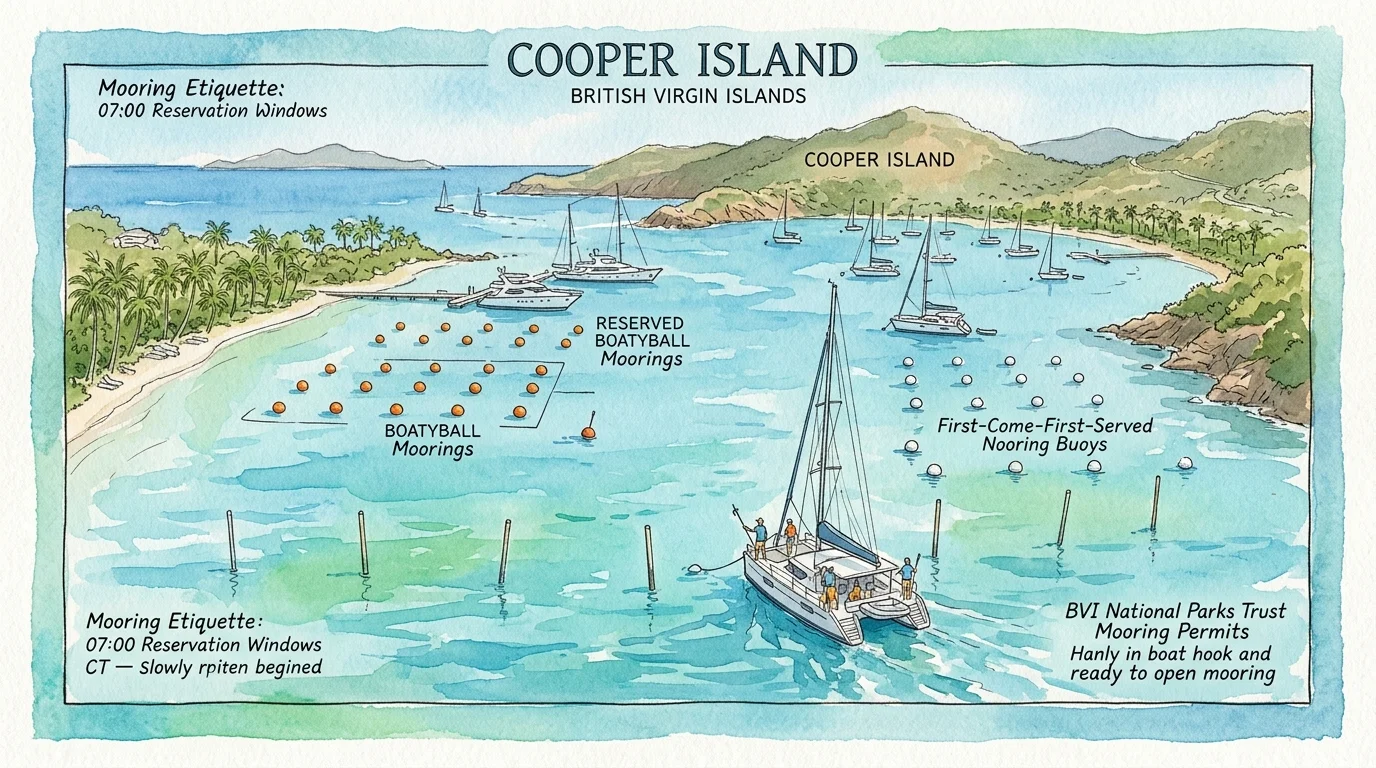
BVI Operational Realities: Moorings, BoatyBall, and Park Permits
Cruising the British Virgin Islands is straightforward, but bureaucratic rules and harbor fees have expanded. Understanding local regulations ensures an uninterrupted sailing itinerary.
Every visitor arriving in the BVI pays a mandatory $10 environmental and tourism levy at customs ports of entry. Commercial charter vessels based in the territory also incur a government cruising tax of $4 per person per day.
If you plan to snorkel the coral reefs at The Indians or explore the granite boulders at The Baths, your vessel must hold a National Parks Trust permit. These permits cost between $25 and $55 per week, scaled to the vessel passenger capacity.
Mooring ball management has also changed completely across popular anchorages like Great Harbour, Norman Island, and Cane Garden Bay. Traditional white mooring balls operate on a first-come, first-served basis for $30 to $40 per night.
The introduction of the BoatyBall reservation system has altered how sailors plan their cruising days. BoatyBall moorings are painted bright orange and cost $55 per night.
Reservations open daily at exactly 7:00 AM AST via the BoatyBall mobile app. Moorings in high-demand bays like Cooper Island Beach Club routinely sell out within three minutes of release.
For an older sailor, BoatyBall is a major convenience. In previous years, bareboat skippers had to drop anchor by 11:00 AM to secure a spot, cutting their daily sailing short.
Reserving an orange ball allows you to enjoy steady afternoon trades in the Sir Francis Drake Channel until 4:00 PM. You sail into your destination knowing a secure mooring awaits your arrival.

Worked Financial Scenario: 7-Day BVI Cabin Share Budget Breakdown
Financial clarity prevents unwanted surprises at the dock. Here is a fully worked budget scenario for a 70-year-old sailor traveling with a spouse on a 7-day BVI flotilla cabin share.
This scenario assumes double occupancy in a private en-suite queen cabin aboard a 45-foot Leopard catamaran departing from Tortola.
Your base cabin fare is $5,800 for the week. This fee includes your stateroom, lead captain guidance, onboard safety gear, daily breakfast, and light lunch provisions.
Before departure, you enroll in a local weekend ASA 111 skills refresher at your regional sailing club for $350. That brings your pre-trip preparation total to $350.
Upon arrival in Tortola, government and park fees begin. The environmental and tourism levy costs $20 for two travelers ($10 per person).
The BVI cruising tax adds $56 ($4 per person per day across seven days). Your share of the yacht National Parks Trust marine permit totals $15.
Overnight mooring fees average $45 per night across seven nights, totaling $315 for the vessel. Split equally among the three guest cabins, your share is $105.
Evening dinners ashore, bar tabs at iconic spots like Foxy’s, and extra provisioning kitty contributions average $900 for two adults. Lead skipper gratuity averages 18% of the cabin base fare, totaling $1,044.
Round-trip flights into Beef Island (EIS) via San Juan or Miami cost approximately $1,600 for two tickets. Ferry transfers and ground taxis add roughly $140.
The complete investment for this 7-day voyage totals $10,030 for two people, or $5,015 per person. In contrast, chartering an entire bareboat catamaran with a private captain easily exceeds $16,000 for the same route.
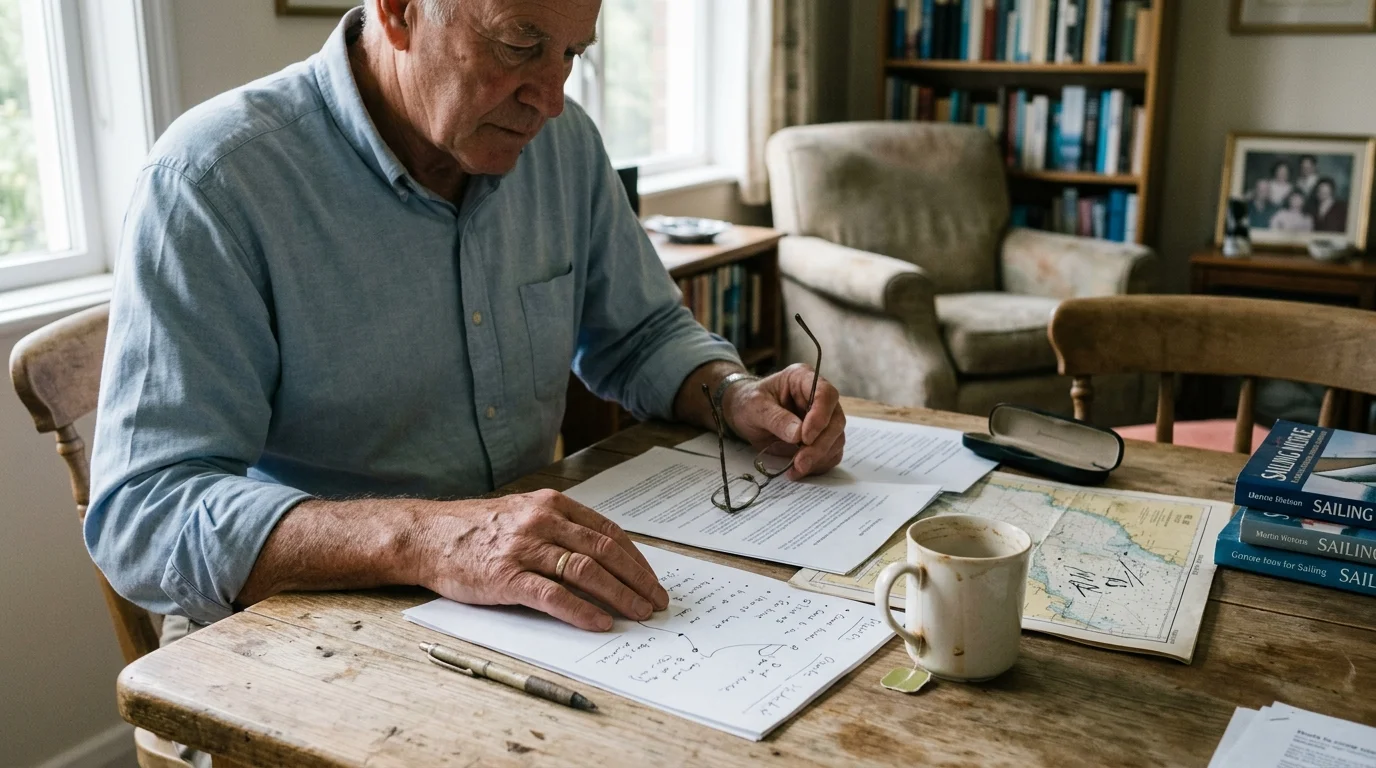
Step-by-Step Action Plan to Prep Your Return at 70
Returning to the water after a long hiatus is an exciting milestone. Follow this chronological roadmap to ensure a smooth transition back to the helm.
- Audit your balance and core stability four months out by incorporating single-leg balance stands and resistance band routines into your morning routine.
- Locate an accredited sailing facility near your home and register for an ASA 111 Sailing Review clinic 90 days before your travel date.
- Download the BoatyBall mobile app, create your verified user profile, and input your payment details well before you arrive in the Caribbean.
- Book your flotilla double cabin with a specialized organizer that offers modern 42- to 50-foot catamarans with generous shaded cockpit layouts.
- Purchase high-traction footwear with razor-siped non-marking soles and pack a lightweight 50+ UPF long-sleeve sun shirt to protect aging skin.
- Review digital navigation and modern chartplotter operations using tablet-based marine navigation apps to refresh your situational awareness.
- Arrive in Tortola one day early to adjust to Caribbean humidity, walk the docks, and meet your flotilla leaders before the opening safety briefing.
This deliberate preparation turns uncertainty into quiet confidence. You will step onto the dock not as an aging passenger, but as a capable mariner ready for adventure.
Frequently Asked Questions
Can I charter a bareboat in the BVI if I have not skippered in 15 years?
Most charter companies reject resumes showing a multi-year gap without recent coastal skipper experience. However, operators will let you charter if you hire a checkout skipper for the first day or complete a certified refresher course.
What is the difference between ASA 104 and ASA 111?
ASA 104 is a full bareboat cruising certification that qualifies sailors to charter yachts up to 45 feet. ASA 111 is an audited skills clinic designed to refresh boat-handling and safety skills for sailors who already hold certifications.
How does BoatyBall work for overnight moorings in the British Virgin Islands?
BoatyBall lets sailors reserve specific orange mooring balls online starting at 7:00 AM AST for $55 per night. The platform eliminates the need to rush into anchorages before midday to secure first-come, first-served white balls.
How physically demanding is a flotilla cabin share for older adults?
Flotilla cabin shares significantly reduce physical strain by distributing anchor handling and navigation to the lead crew. You participate in helm time and line handling at your comfort level while avoiding heavy maintenance duties.
Disclaimer: This article is for informational and inspirational purposes. Life decisions are deeply personal, and we encourage readers to pursue their dreams while considering their unique circumstances, health, and financial situation.




1 Comment