
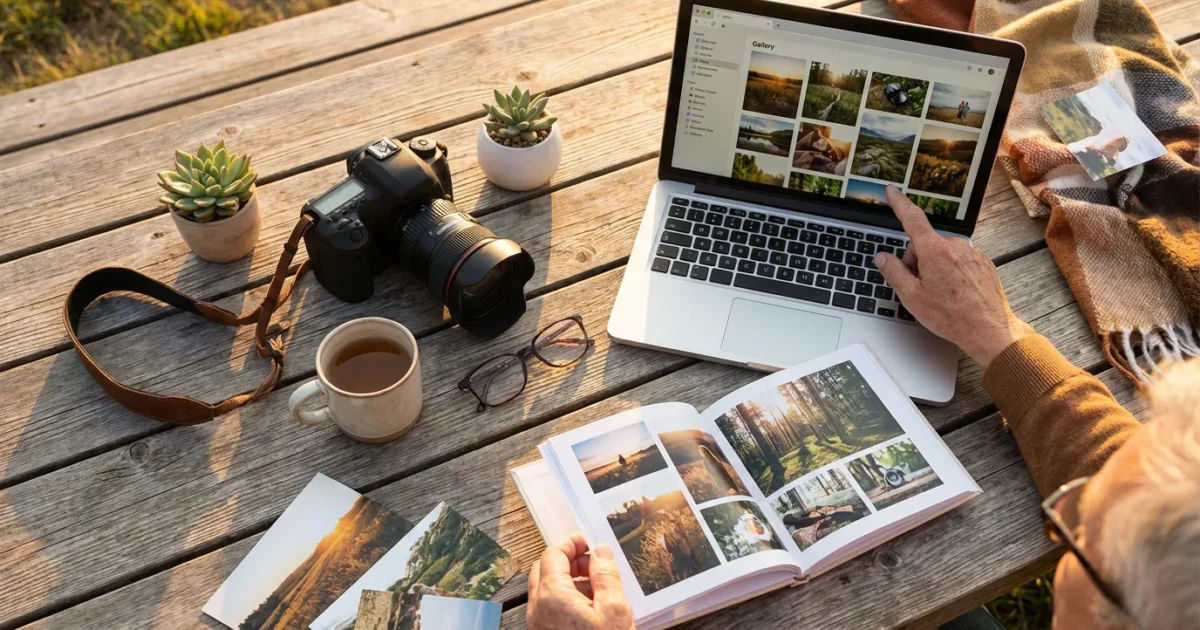
Retirement opens a magnificent chapter, inviting you to explore dormant passions and embark on new adventures. You possess a unique perspective, a lifetime of stories, and an invaluable wisdom waiting to be shared. Digital photography offers a vibrant avenue to express this richness, transforming everyday moments into timeless art and giving powerful purpose to your days. It is not about slowing down; it is about seeing the world with fresh eyes, capturing its beauty, and creating a legacy of visual memories.
This guide empowers you to master digital photography, from choosing your first camera to editing your masterpieces, ensuring your retirement is filled with creative exploration and stunning imagery. You will discover how to take better photos in retirement, turning fleeting instances into lasting treasures.

Rediscover Your World Through the Lens
Retirement presents an unparalleled opportunity for reinvention, and digital photography fits perfectly into this narrative of boundless potential. You trade the rigid schedule of work for the spontaneous joy of discovery, finding beauty in the familiar and excitement in the new. Photography becomes a powerful tool for mindfulness, encouraging you to observe details you previously overlooked.
Many photographers find their first subjects in nature, often combining their hobby with Gardening for the Soul to capture the beauty of their own backyard.
Engaging with digital photography offers numerous benefits that enrich your retirement years. It stimulates your mind, fostering problem-solving and creativity. It provides a fulfilling activity that can be pursued solo or with new communities. Many retirees report increased social interaction and a renewed sense of purpose through their photographic endeavors.
Research from institutions like the National Institute on Aging highlights the importance of engaging in mentally stimulating activities
This visual exploration often goes hand-in-hand with exploring philosophy, as both allow you to seek deeper meaning and wisdom in your daily life.
as you age. Photography directly contributes to cognitive agility, memory retention, and fine motor skills. It keeps your mind sharp and your spirit engaged, proving that your best years for learning and creating are always ahead.
This creative pursuit takes you to new places, both physically and intellectually. You might explore local parks, embark on grand travels, or even find captivating subjects within your own home. Each click of the shutter captures a moment, a feeling, a piece of your evolving story. You become the historian of your own extraordinary life, documenting the journey with intention and artistry.
“You don’t take a photograph, you make it.” — Ansel Adams
This profound quote reminds us that photography is an active, creative process. It is about your vision, your interpretation, and your unique way of seeing the world. Embrace this creative power in your retirement.
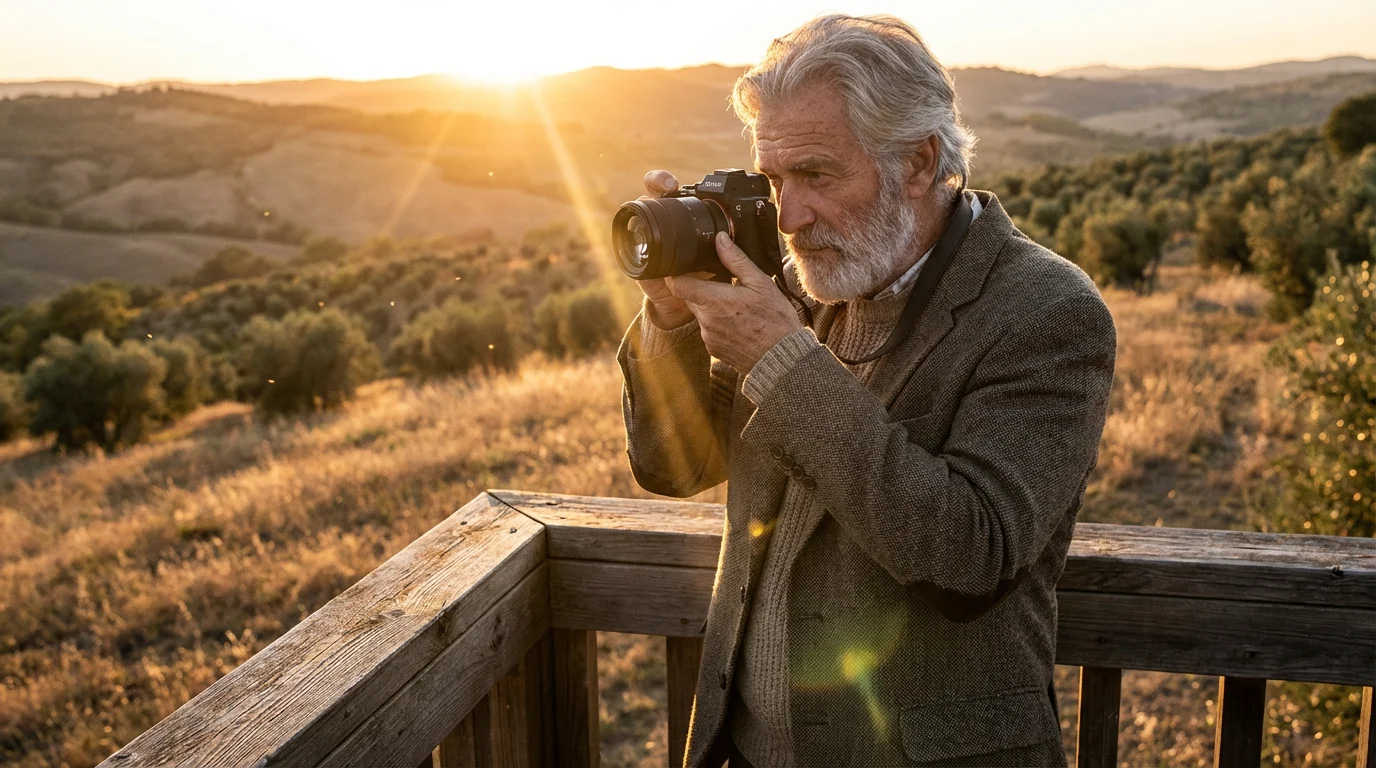
Selecting Your Digital Companion: Cameras for Every Vision
Choosing the right digital camera serves as your first step into this exciting world. Do not feel intimidated by the vast array of options. The best cameras for senior citizen photographers prioritize ease of use, comfort, and image quality. Your ideal camera supports your creative aspirations without overwhelming you with complexity.
Consider what you want to photograph. Are you capturing family moments, exploring landscapes, or delving into macro photography? Your interests guide your choice. The good news is, modern digital cameras are more accessible and powerful than ever before, offering superb quality for every budget
Just as you might master home repair to maintain your surroundings, selecting the right camera ensures you have the proper tools for your creative vision.
and skill level.
Here are popular types of digital cameras to consider:
- Smartphones: You likely already own one. Modern smartphones offer incredible convenience and surprising image quality, perfect for everyday moments and spontaneous shots. They come with powerful computational photography features.
- Point-and-Shoot Cameras: These compact cameras are user-friendly, lightweight, and produce excellent results without complex settings. They bridge the gap between smartphones and more advanced options, providing optical zoom.
- Mirrorless Cameras: Offering a balance of portability and professional features, mirrorless cameras provide interchangeable lenses and advanced controls. Many models are lighter than traditional DSLRs, making them comfortable for extended use.
- DSLR Cameras: Digital Single Lens Reflex cameras remain a favorite for serious enthusiasts due to their optical viewfinders, robust build, and vast lens ecosystems. While often heavier, they deliver exceptional image quality and control.
When evaluating digital cameras, focus on features that enhance your experience. Look for good ergonomics, such as a comfortable grip and easily accessible controls. A clear, articulated LCD screen helps you compose shots from various angles. Prioritize excellent image stabilization, particularly beneficial for handheld shooting. Finally, consider battery life; a longer-lasting battery means more uninterrupted shooting time.
For beginners, a high-quality point-and-shoot or an entry-level mirrorless camera often provides the ideal starting point. You gain superior image quality compared to a smartphone, without the steep learning curve of professional-grade equipment. As your photography skills develop, you can upgrade your gear.
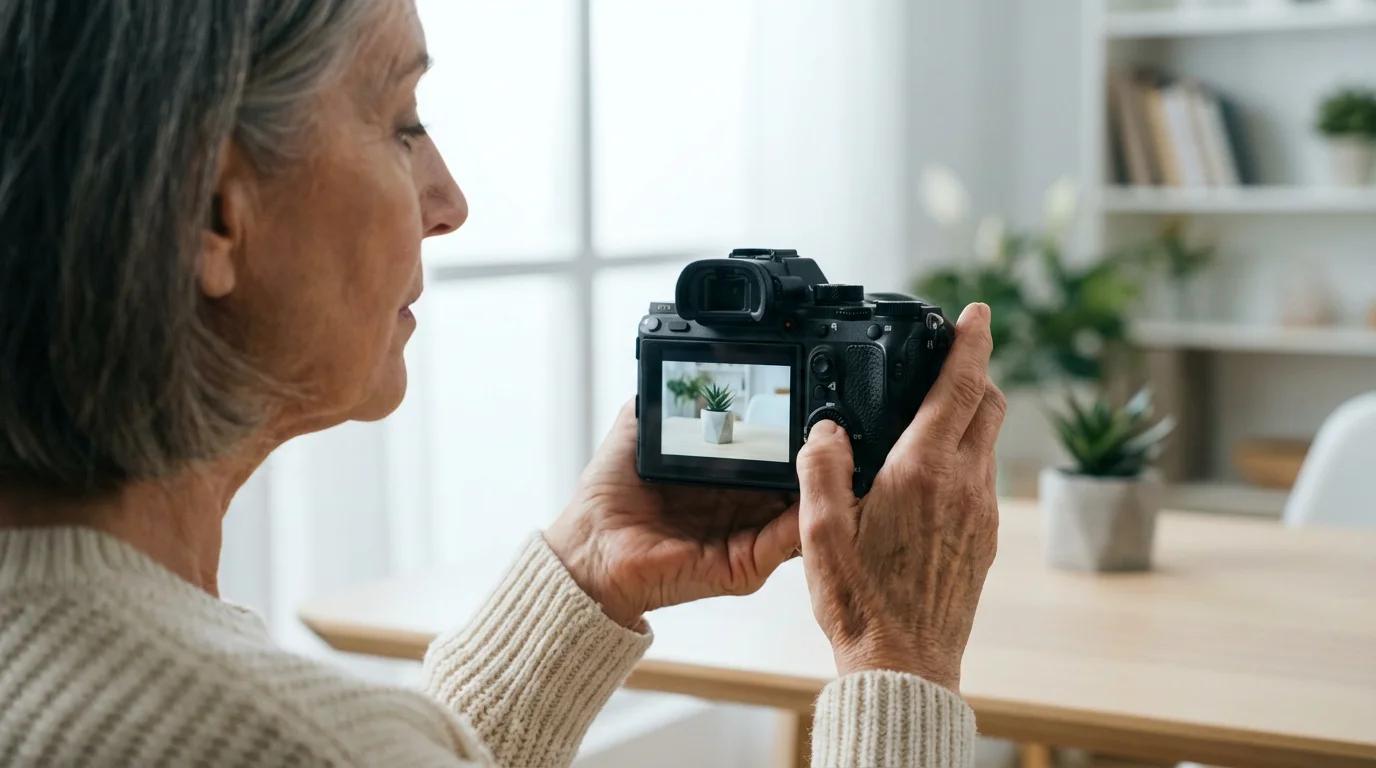
Mastering the Fundamentals: Elevate Your Photography Skills
Becoming proficient in digital photography involves understanding a few core concepts. You do not need a degree in art; simply an eagerness to learn and experiment. These foundational photography skills unlock your camera’s full potential and significantly improve your image quality.
Let us explore key techniques that transform snapshots into stunning photographs.
Composition: Framing Your Story
Composition refers to how you arrange elements within your frame. Strong composition guides the viewer’s eye and creates visual harmony. It is one of the most impactful ways to take better photos in retirement.
Consider these compositional guidelines:
- Rule of Thirds: Imagine dividing your image into nine equal sections with two horizontal and two vertical lines. Place your subject or points of interest along these lines or at their intersections for a more balanced and engaging composition.
- Leading Lines: Use natural lines in your scene (roads, fences, rivers) to draw the viewer’s eye towards your main subject. These lines create depth and direction.
- Framing: Look for natural frames like archways, tree branches, or windows to create a border around your subject. This adds context and draws attention inward.
- Symmetry and Patterns: Capture repeating elements or perfectly symmetrical scenes for a pleasing visual effect. Break a pattern intentionally to create a focal point.
- Negative Space: Sometimes, less is more. Utilize empty space around your subject to make it stand out and create a sense of calm or drama.
Lighting: Painting with Light
Light is the essence of photography. Understanding how light works helps you create mood, reveal texture, and shape your subjects. You can transform an ordinary scene into an extraordinary one simply by understanding the light.
Think about these lighting principles:
- Golden Hour: The hour after sunrise and before sunset offers soft, warm, diffused light that makes everything look beautiful. This light is ideal for portraits and landscapes.
- Blue Hour: The period just after sunset or before sunrise, when the sky takes on deep blue tones, provides a dramatic, cool light perfect for cityscapes and silhouettes.
- Direction of Light: Front lighting (light coming from behind you) illuminates your subject evenly but can flatten it. Side lighting creates shadows and highlights, adding dimension and texture. Backlighting (light behind your subject) can create stunning silhouettes or rim lighting.
- Overcast Days: A cloudy sky acts as a giant softbox, providing soft, even, diffused light. This is excellent for portraits and detailed close-ups, reducing harsh shadows.
Experiment with different times of day and weather conditions. Observe how light changes and impacts your scene. Your ability to see and utilize light will significantly enhance your photography skills.
Focus: Sharpening Your Vision
Sharp focus directs the viewer’s attention to your intended subject. Knowing how to achieve precise focus ensures your key elements stand out. Most digital cameras offer various autofocus modes.
Practice these focusing techniques:
- Single-Point Autofocus: This allows you to select a specific point in your frame for the camera to focus on. It is excellent for precision when your subject is stationary.
- Continuous Autofocus: Ideal for moving subjects, this mode constantly adjusts focus as your subject changes position. Use it for capturing active grandchildren or wildlife.
- Manual Focus: For complete control, manual focus lets you fine-tune sharpness. This is particularly useful in challenging light conditions or for specific creative effects.
Ensure your camera’s focus point aligns with your subject’s most important part, often the eyes in a portrait. A sharp subject immediately elevates the quality of your image.
Exposure: Balancing Brightness
Exposure controls the overall brightness of your photograph. Correct exposure ensures details are visible in both bright and dark areas. Your camera’s automatic modes typically handle this well, but understanding the basics gives you control.
The “exposure triangle” consists of three interconnected settings:
- Aperture (f-stop): Controls the amount of light entering the lens and the depth of field (how much of the scene is in focus). A low f-number (e.g., f/2.8) creates a shallow depth of field, blurring the background for portraits. A high f-number (e.g., f/16) keeps more of the scene in focus for landscapes.
- Shutter Speed: Determines how long the camera’s sensor is exposed to light. Fast shutter speeds (e.g., 1/1000 sec) freeze motion, while slow shutter speeds (e.g., 1/30 sec or slower) create motion blur for artistic effects, like smooth water.
- ISO: Measures the camera sensor’s sensitivity to light. Low ISO (e.g., 100-200) produces cleaner images with less noise, ideal in bright light. Higher ISO settings (e.g., 800-3200) allow you to shoot in dimmer conditions but can introduce graininess.
Start by using your camera’s aperture priority (Av or A) or shutter priority (Tv or S) modes. These allow you to control one setting while the camera intelligently adjusts the others, offering a great learning balance.

The Art of Refinement: Photo Editing Unlocked
Digital photography truly shines when you embrace the power of photo editing. Just as a painter refines their canvas, you can enhance your images to perfectly match your creative vision. Photo editing is not about altering reality; it is about bringing out the best in your captures, often correcting minor imperfections or enhancing colors to make your photos pop.
Once your images are polished, using Creative Writing Prompts can help you pair your photos with stories to create a lasting legacy.
You do not need to be a technology wizard to begin photo editing. User-friendly software makes the process accessible and enjoyable. Many free and low-cost options provide robust capabilities for beginners.
Here are essential photo editing steps:
- Crop and Straighten: Correct skewed horizons and remove distracting elements by cropping your image. This refines composition and improves balance.
- Adjust Exposure and Contrast: Lighten or darken your image and enhance the difference between light and dark areas. This makes your photos more dynamic and impactful.
- Color Correction: Adjust white balance to ensure colors appear natural and accurate. You can also boost vibrancy or saturation to make colors richer, or desaturate for a muted, artistic feel.
- Sharpening: Enhance the crispness and detail of your subjects. Use this subtly to avoid an artificial look.
- Highlight and Shadow Recovery: Recover details in overexposed (too bright) areas or underexposed (too dark) areas. This preserves information lost in extreme lighting.
Popular photo editing software options include:
- Google Photos: A free, cloud-based solution offering basic editing tools. It is ideal for quick adjustments on your phone or computer.
- Apple Photos: Built into macOS and iOS, this free program provides intuitive editing features for organizing and enhancing your images.
- Adobe Lightroom: A professional-grade tool widely used by photographers. It offers powerful organization and editing capabilities, available via subscription. Lightroom Mobile is a robust free app.
- GIMP: A free, open-source alternative to Photoshop, offering advanced editing functionalities for those who enjoy a deeper dive.
- Canva: While known for design, Canva also provides excellent, easy-to-use photo editing features within its free and paid plans.
Start with basic adjustments and gradually explore more advanced techniques. Online tutorials and community forums offer endless resources to expand your photo editing skills. This process adds another layer of creative control, allowing your vision to truly shine.
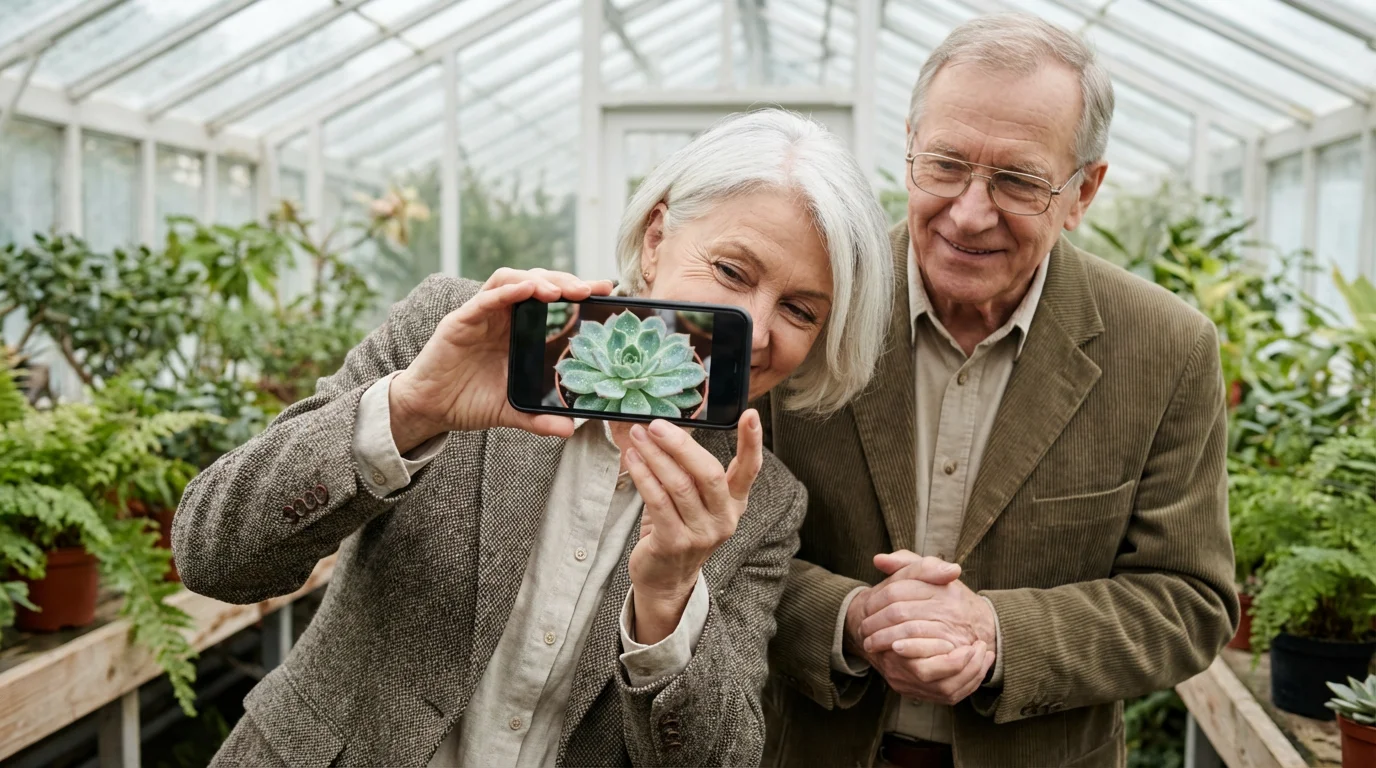
Beyond the Snapshot: Creative Exploration and Storytelling
Once you grasp the fundamentals, your photographic journey expands into limitless creative possibilities. Retirement allows you the freedom to explore various genres and develop a unique storytelling style. Do not hesitate to experiment and find what truly ignites your passion.
Consider these exciting avenues for creative exploration:
- Travel Photography: Document your adventures, capturing the essence of new cultures, landscapes, and experiences. Travel provides endless inspiration and unique subjects.
- Portrait Photography: Capture the personality and emotion of people, whether it is your grandchildren, friends, or local community members. Learn to work with expressions and poses.
- Nature and Landscape Photography: Immerse yourself in the beauty of the natural world. Photograph majestic mountains, tranquil lakes, vibrant flora, or captivating wildlife.
- Street Photography: Capture candid moments of everyday life in urban environments. This genre often reveals compelling human stories and unique perspectives.
- Macro Photography: Explore the miniature world, revealing intricate details of insects, flowers, or everyday objects up close. This requires specialized lenses but opens up a new realm of vision.
- Documentary Photography: Tell a story or explore a theme through a series of images. Document your family history, a community project, or a personal journey.
You can also turn your lens toward your kitchen, documenting your culinary adventures and turning vibrant meals into beautiful still-life compositions.
Your unique life experiences and perspective enrich every photograph you take. Embrace your personal style and let your photos reflect your individuality. Each image becomes a piece of your personal narrative, a visual diary of your extraordinary retirement.
Sharing Your Masterpieces: Connect and Inspire
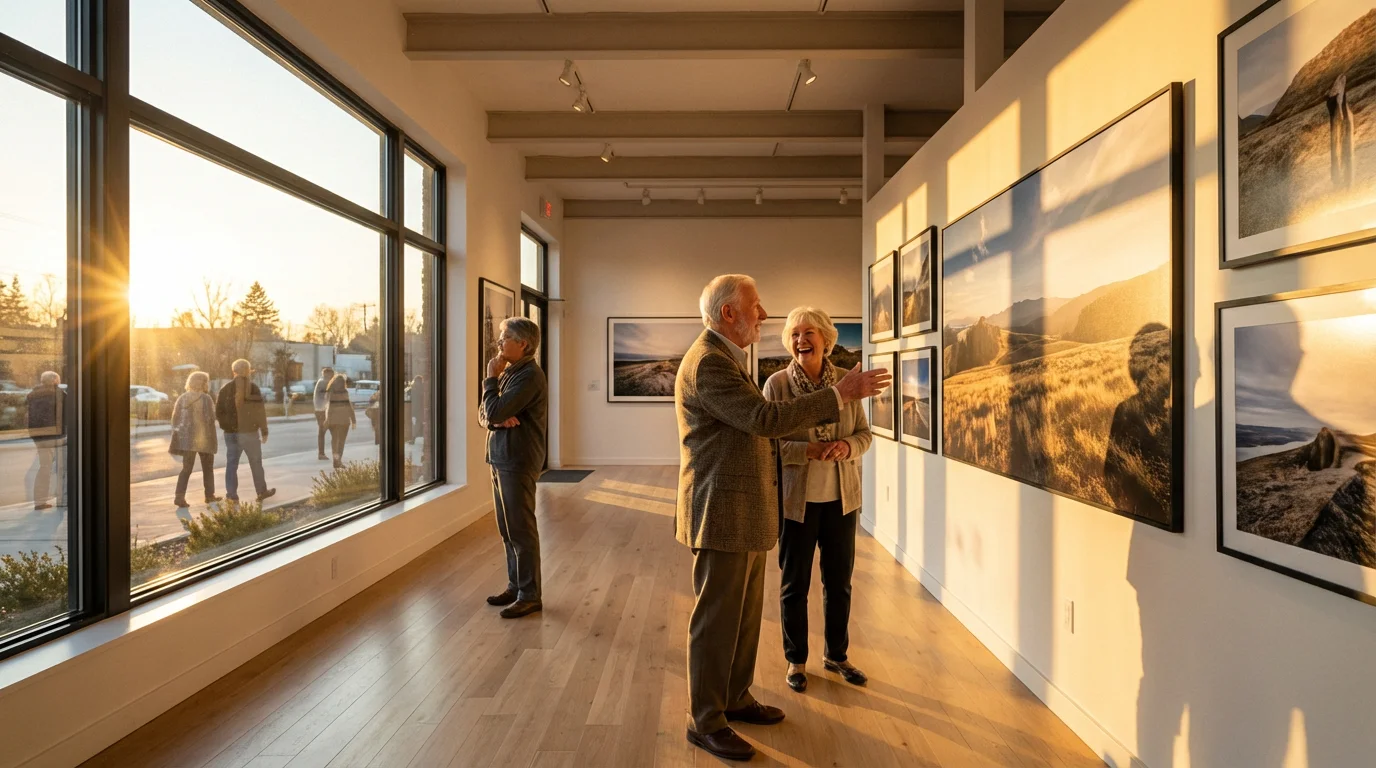
Photography connects you with others and celebrates your achievements. Sharing your work brings joy, feedback, and opportunities for growth. Your images inspire others, offering glimpses into your adventures and perspectives. You have spent time honing your photography skills; now is the time to share your vision.
Explore various ways to share your photographic creations:
- Online Galleries and Social Media: Platforms like Flickr, Instagram, or even a personal website offer easy ways to showcase your work to a global audience. Engage with other photographers and receive valuable feedback.
- Prints and Photo Albums: Experience the tangible beauty of your photographs. Print your favorite images to adorn your home, create personalized photo books for loved ones, or assemble a portfolio.
- Local Photography Clubs: Join a local club to share your work, learn from peers, and participate in critiques. This fosters community and provides ongoing inspiration.
- Exhibitions and Competitions: For the adventurous, submit your work to local or online competitions and exhibitions. This can be a rewarding way to gain recognition and challenge yourself.
- Gift Giving: Turn your photographs into unique, heartfelt gifts like custom calendars, mugs, or canvases for friends and family. These personalized items carry immense sentimental value.
Remember, sharing your work is an act of generosity. It allows others to see the world through your eyes and appreciate the beauty you have captured.
Cultivating Your Craft: Continuous Learning for Lifelong Photographers
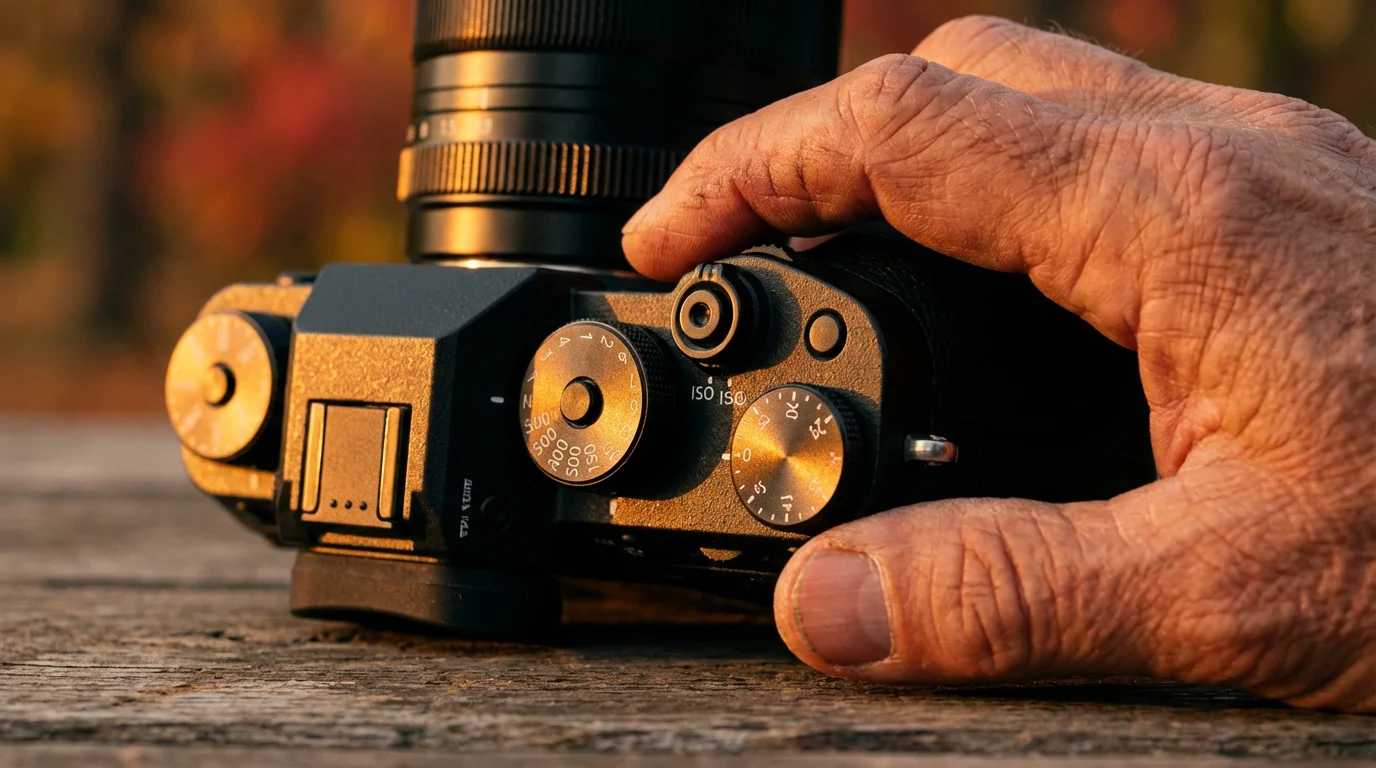
The journey of a photographer never truly ends. Retirement provides ample time to deepen your understanding and refine your photography skills. Embrace the role of a lifelong learner, consistently seeking new knowledge and inspiration. The photographic world constantly evolves, offering endless avenues for growth.
Consider these resources for continuous learning:
- Online Tutorials and Courses: Websites like YouTube, Udemy, and Skillshare offer thousands of free and paid tutorials covering every aspect of photography and photo editing. You can learn at your own pace from experts.
- Photography Books and Magazines: Delve into classic and contemporary photography literature. Books on composition, lighting, and the history of photography provide profound insights. Magazines offer inspiration and review the latest gear.
- Workshops and Retreats: Participate in local or travel workshops. Organizations like Road Scholar offer educational adventures tailored for mature learners, often including photography-focused trips. These immersive experiences provide hands-on learning and unique shooting opportunities.
- Community Colleges and Lifelong Learning Programs: Many community colleges and universities offer non-credit photography courses. Programs like Osher Lifelong Learning Institutes (OLLI) at Northwestern University provide engaging educational opportunities specifically for adults 50+, often including photography classes. These programs foster a vibrant learning environment.
- Mentorship and Peer Groups: Connect with experienced photographers or join a local group for mentorship. Learning from others and sharing experiences is invaluable for growth.
Your retirement is a canvas for new experiences, and digital photography is a powerful brush. By continuously learning, experimenting, and embracing new challenges, you ensure your artistic journey remains vibrant and fulfilling. Keep clicking, keep exploring, and keep capturing the magnificent moments that define your extraordinary life.
Frequently Asked Questions
What is the best camera for senior citizen photographers?
The “best” camera depends on your priorities. For simplicity and portability, a high-quality smartphone or a point-and-shoot camera excels. If you desire more creative control and superior image quality, consider an entry-level mirrorless camera. Focus on comfort, ease of use, and features like image stabilization.
How can I improve my photography skills quickly?
Practice consistently. Focus on mastering core concepts like composition, lighting, and understanding your camera’s exposure settings (aperture, shutter speed, ISO). Watch online tutorials, experiment with different subjects, and seek constructive feedback on your work. The more you shoot, the faster you improve.
Is photo editing necessary for digital photography?
While not strictly “necessary” for every single photo, photo editing is an integral part of digital photography. It allows you to refine your images, correct imperfections, and enhance colors and contrast to match your creative vision. Even basic adjustments can significantly improve a photograph’s impact.
Where can I learn how to take better photos in retirement?
Numerous resources are available. Online platforms like YouTube and dedicated photography websites offer free tutorials. Community colleges, local photography clubs, and programs like Osher Lifelong Learning Institutes provide structured courses and workshops tailored for older adults. Consider travel photography trips with organizations such as Road Scholar for immersive learning experiences.
Can I make money with my photography in retirement?
Absolutely. While many pursue photography for passion, opportunities exist for income. You could sell prints at local markets, offer portrait or event photography services, contribute to stock photography sites, or even teach basic photography skills. It provides a fulfilling way to monetize your passion.
Disclaimer: This article is for informational and inspirational purposes. Life decisions are deeply personal, and we encourage readers to pursue their dreams while considering their unique circumstances, health, and financial situation.









Leave a Reply