
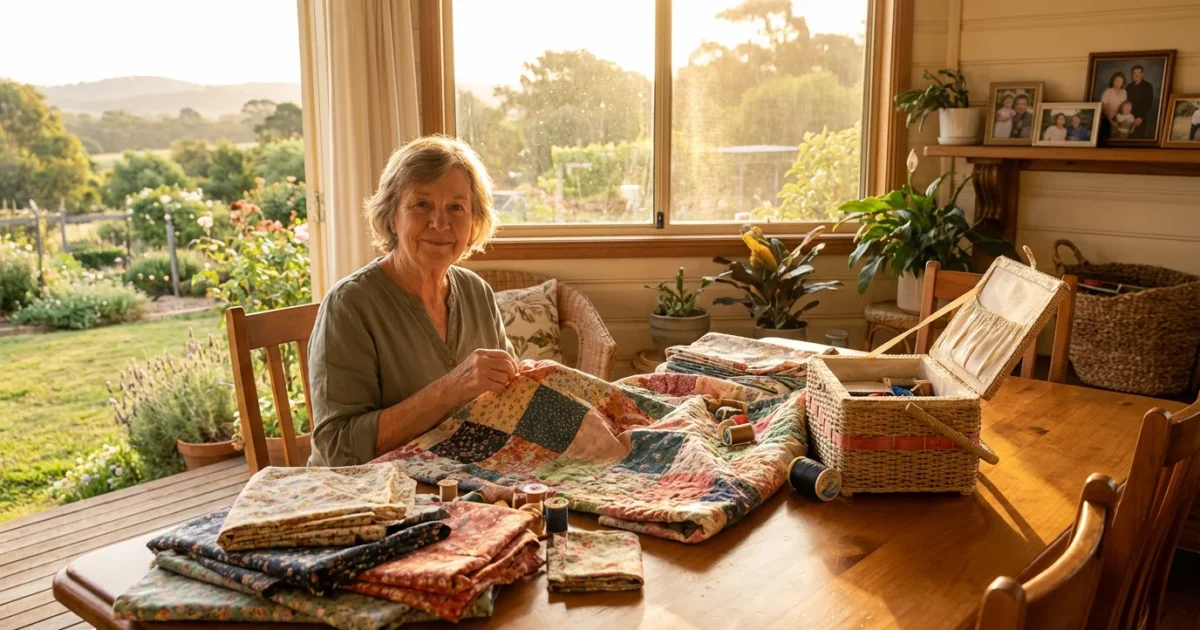
Retirement unfolds as a vibrant canvas, waiting for your unique touch. It is a chapter for bold new beginnings, for exploring dormant passions, and for crafting a legacy that truly reflects your spirit. Imagine a pursuit where every stitch tells a story, where scraps of fabric transform into treasured heirlooms, and where community thrives around shared creativity. This is the world of quilting, a remarkable journey perfect for your extraordinary retirement.
You possess a lifetime of experiences, wisdom, and untapped creative energy. Quilting provides a powerful outlet to channel these qualities, allowing you to design beautiful works of art that also warm hearts and homes. It offers far more than just a craft; it presents an opportunity for connection, mindfulness, and continuous learning. Discover how this enriching art form can become a cornerstone of your most fulfilling years yet.
The Transformative Power of Retirement Quilting
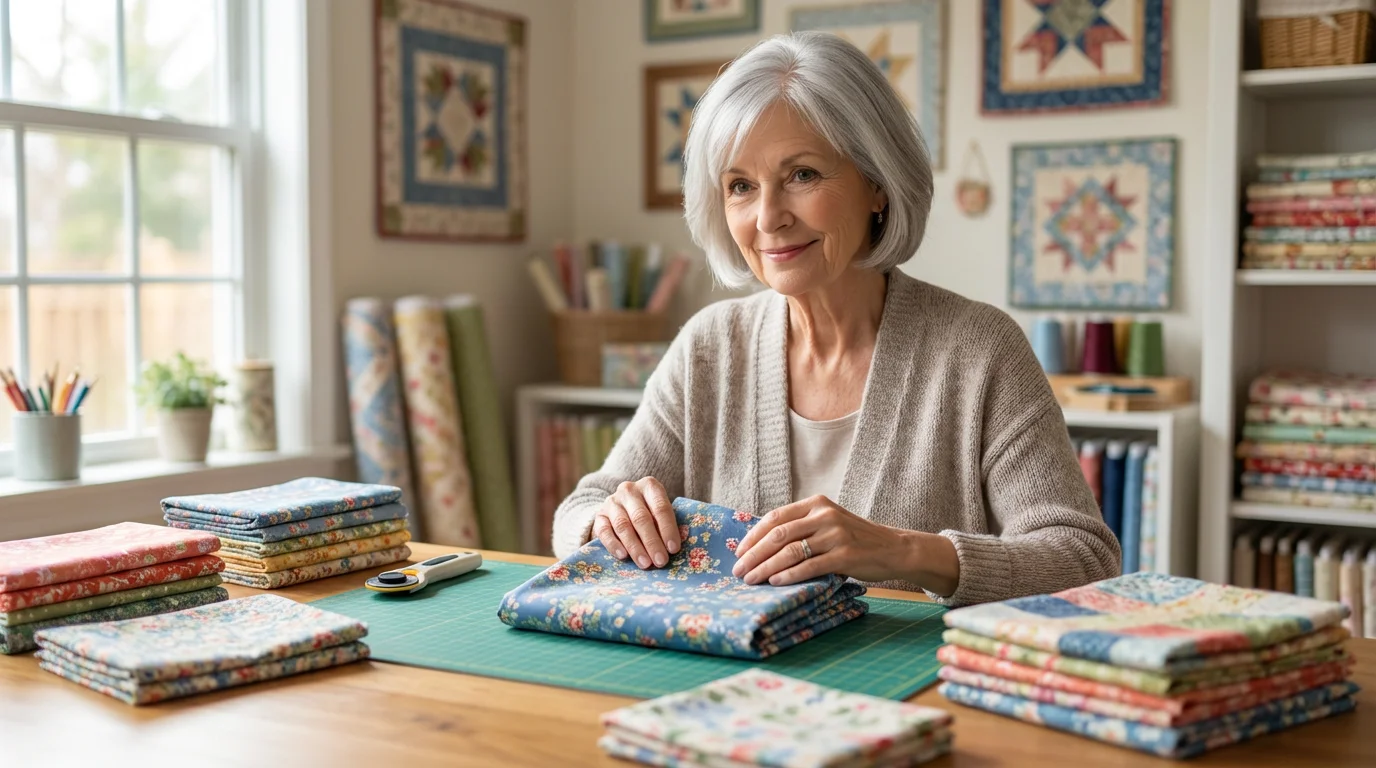
Retirement is your invitation to cultivate new skills and explore meaningful activities. Quilting stands out as an exceptionally rewarding pursuit, offering a blend of artistic expression, mental stimulation, and social engagement. You do not just create textiles; you weave together memories, aspirations, and a profound sense of accomplishment.
Engaging in intricate tasks like selecting fabrics, cutting pieces, and joining them together activates various parts of your brain. Research consistently shows that creative hobbies promote cognitive health, improving memory, problem-solving skills, and fine motor coordination. Your mind remains sharp and agile as you navigate complex patterns and design choices.
It is never too late to be what you might have been. — George Eliot
The act of quilting also provides a profound sense of purpose and fulfillment. Each finished quilt represents hours of dedication and artistic vision, culminating in a tangible piece of art. This sense of achievement boosts self-esteem and provides a powerful antidote to any feelings of stagnancy. You prove to yourself daily that your capacity for creation and growth remains boundless.
Furthermore, the meditative rhythm of stitching offers a unique pathway to mindfulness and stress reduction. Focusing on the needle, fabric, and thread allows you to quiet external distractions and center your thoughts. Many quilters describe the process as deeply calming, providing a welcome respite from the demands of daily life. This mindful engagement contributes significantly to overall well-being.
Embarking on Your Quilting Journey: First Stitches
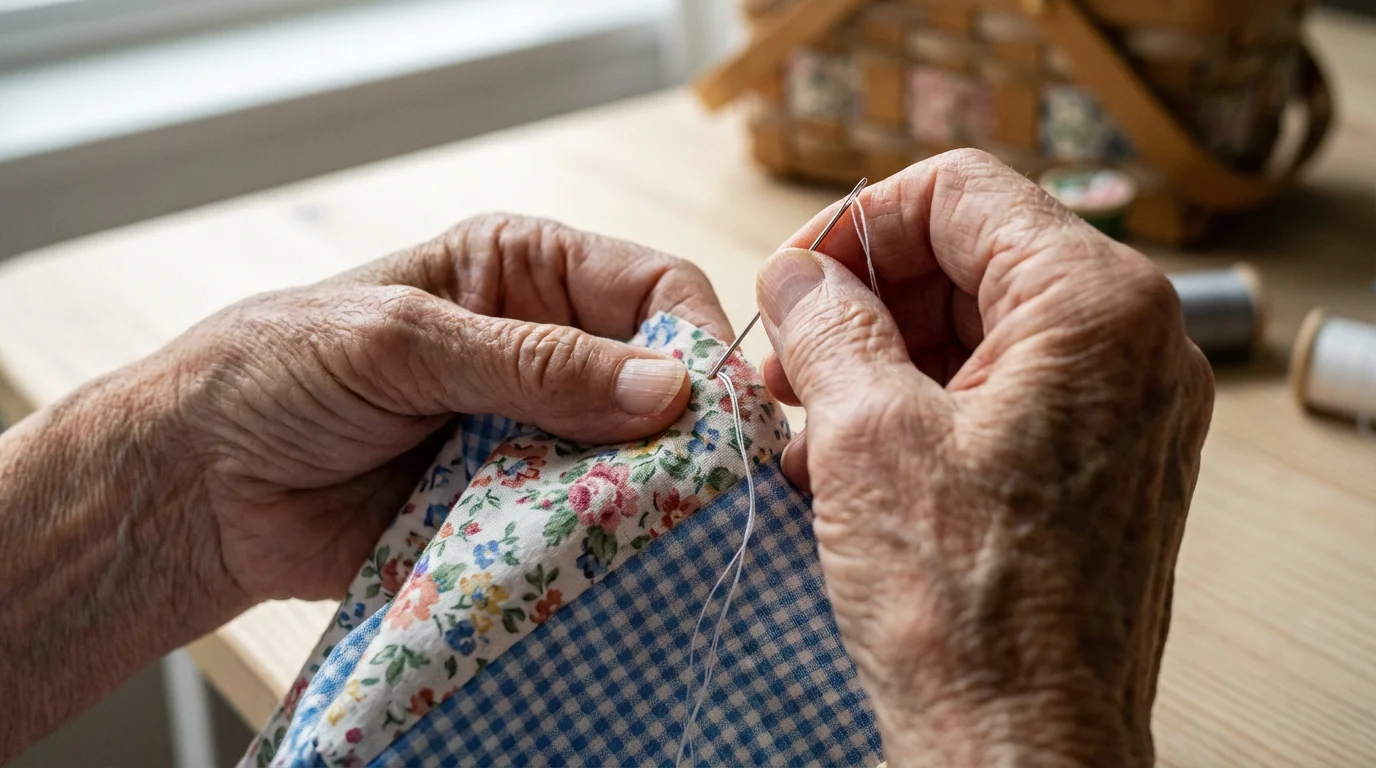
Starting a new hobby can feel daunting, but quilting is accessible to everyone, regardless of prior experience. Your journey begins with a few basic tools and an open mind. Approach it with curiosity and the understanding that every master quilter started with a single stitch.
You do not need an entire workshop to begin; a designated space with good lighting works perfectly. Gather your initial supplies, focusing on quality basics that will serve you well. Think of this as investing in your new creative adventure, setting yourself up for success from the very first cut.
Here are essential items for your beginner’s quilting toolkit:
- Rotary Cutter: A sharp blade makes precise cuts through multiple fabric layers.
- Self-Healing Mat: Protects your surfaces and provides measurement grids.
- Quilting Rulers: Clear acrylic rulers with markings guide accurate cutting.
- Fabric Scissors: Dedicate a pair exclusively for fabric to keep them sharp.
- Pins: Fine, sharp pins secure fabric pieces before stitching.
- Seam Ripper: Every quilter occasionally makes a mistake; this tool helps correct them gracefully.
- Basic Sewing Machine: While hand quilting is an option, a machine significantly speeds up piecing.
- Cotton Fabric: Start with high-quality quilting cotton in various colors and patterns.
- Thread: All-purpose cotton or polyester thread matches your fabric choices.
Once you have your tools, familiarize yourself with basic techniques. Practice straight seams on scrap fabric before moving onto your first project. Confidence grows with repetition, and soon you will handle your tools with ease and precision. Remember, every stitch is a step forward in your artistic evolution.
Unleashing Creativity: Exploring Quilting Patterns and Styles
The world of quilting patterns is incredibly vast and inviting, offering endless opportunities for self-expression. You can explore traditional designs steeped in history or venture into modern, abstract creations. Your personal taste and the story you wish to tell will guide your choices.
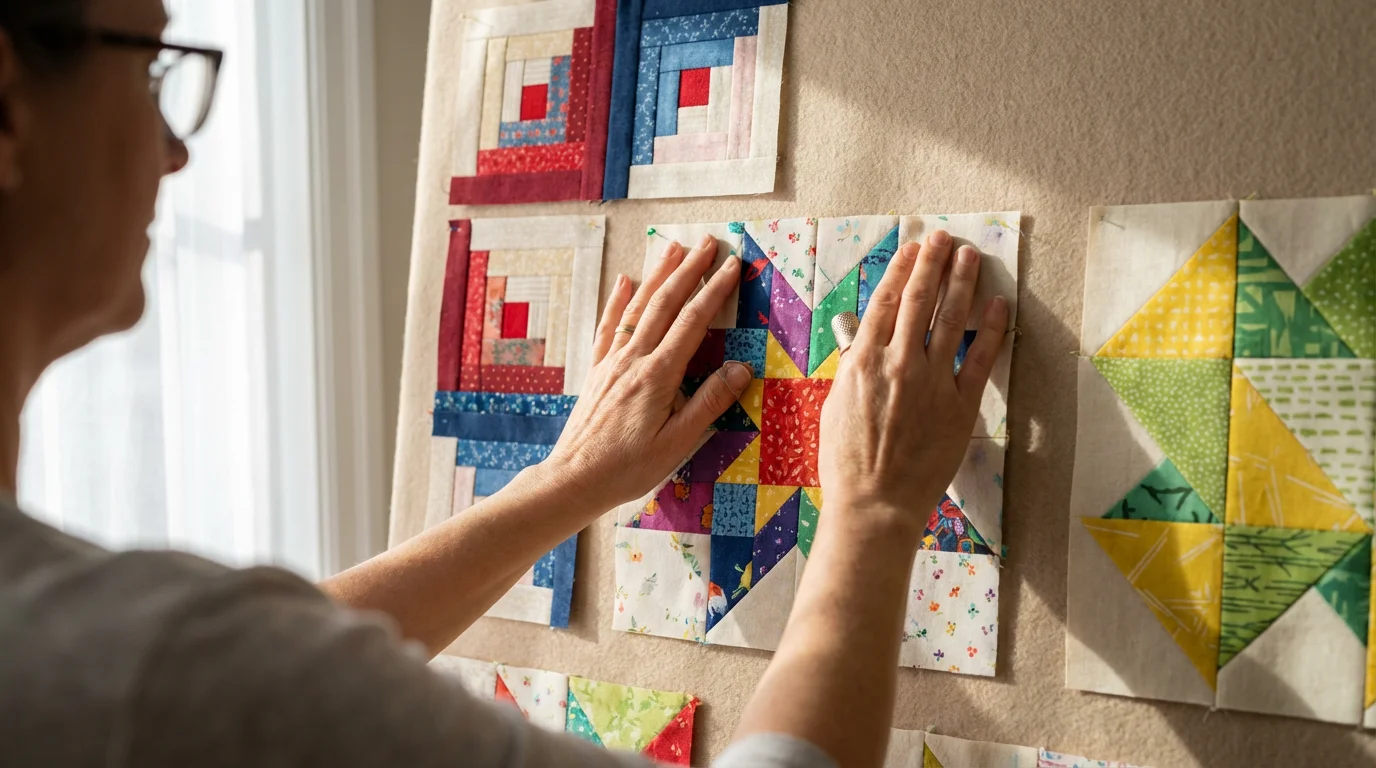
Traditional quilting patterns often feature classic blocks like the Log Cabin, Nine Patch, or Star variations. These timeless designs offer a beautiful way to connect with quilting heritage. They provide excellent practice for foundational skills and result in quilts with enduring appeal. Many senior quilting groups enjoy creating these classic pieces, sharing techniques passed down through generations.
For those who prefer a contemporary aesthetic, modern quilting embraces asymmetry, negative space, and bold color palettes. You can experiment with improvisational piecing, where intuition guides your fabric choices and cuts. This approach liberates you from rigid rules, encouraging a more spontaneous and personal design process. Art quilts push boundaries further, often incorporating mixed media and unconventional techniques to create wall hangings that are purely sculptural or pictorial.
Choosing your first quilting patterns involves considering both complexity and your interest level. Start with simpler block designs to build confidence, then gradually tackle more intricate projects. Magazines, books, and online resources provide thousands of free and purchasable patterns. You will discover inspiration everywhere, from geometric shapes to pictorial scenes. Allow your imagination to lead the way as you discover the incredible diversity of quilt making.
Easy Quilting Projects for Seniors: Build Confidence
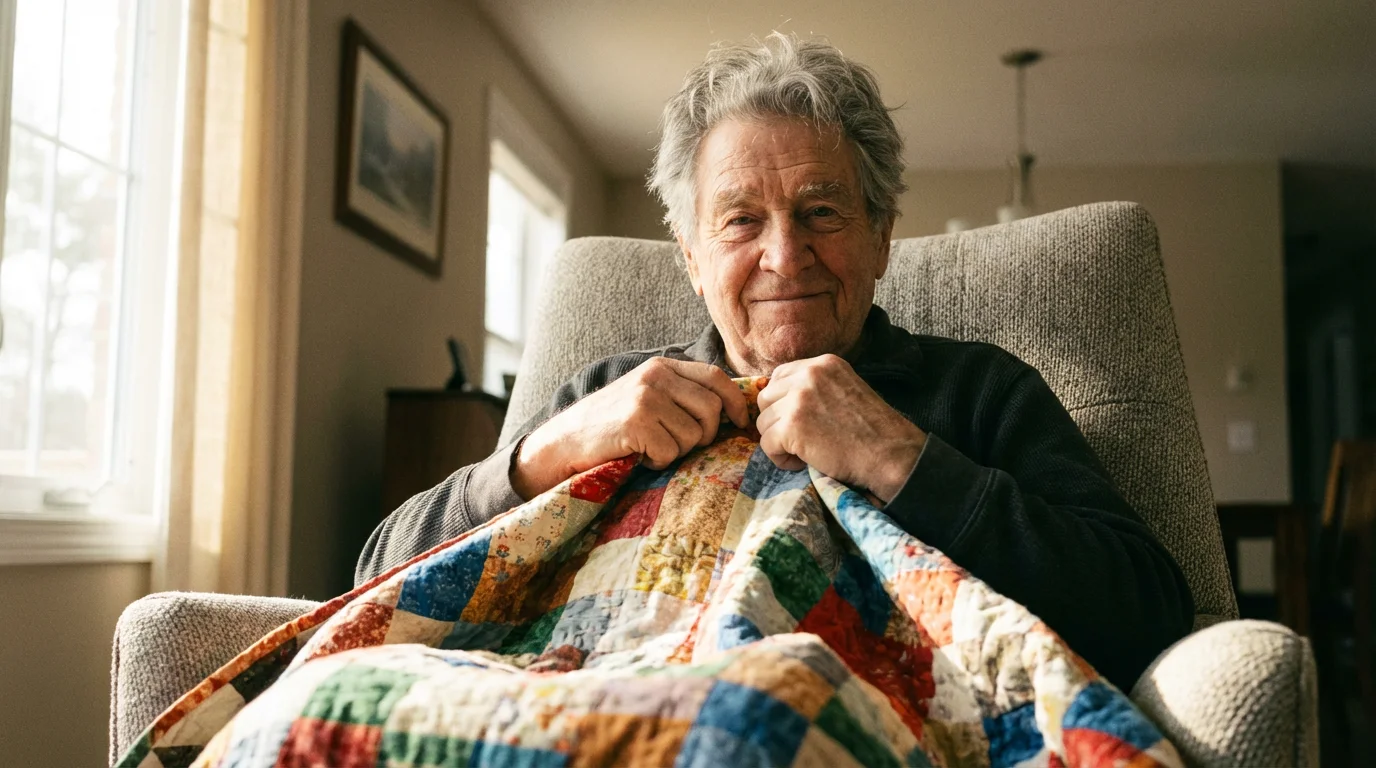
Building confidence is key when you start any new skill. You want projects that are achievable, rewarding, and teach fundamental techniques without overwhelming you. Many satisfying and beautiful what are easy quilting projects for seniors provide exactly this balance, ensuring you enjoy the process from start to finish.
Consider these beginner-friendly projects to hone your skills:
- Patchwork Pillow Cover: This small project allows you to practice cutting and piecing squares or rectangles. It finishes quickly, giving you an immediate sense of accomplishment.
- Simple Table Runner: A longer, narrower piece, a table runner introduces the concept of borders and quilting layers without the scale of a full quilt.
- Baby Quilt or Pet Bed: These smaller quilts use fewer fabric pieces and are manageable for beginners. They make wonderful gifts and provide a chance to practice quilting layers and binding.
- Mug Rugs/Coasters: Tiny and quick, mug rugs are perfect for experimenting with new blocks or fabric combinations. They also make excellent stash-busters.
- Strip Quilt: Utilizing pre-cut fabric strips, this project minimizes cutting and focuses on straight-line sewing. It builds a full-size quilt with relative ease.
Each of these projects helps you master essential techniques like accurate cutting, consistent seam allowances, and pressing. Do not hesitate to use larger fabric pieces for your first projects; they are easier to handle. Focus on enjoying the creative process and the satisfaction of seeing your fabric pieces transform into something functional and beautiful. Your skills will grow with every finished piece, preparing you for more ambitious quilt making.
Connecting Through Fabric: Senior Quilting Communities and Classes
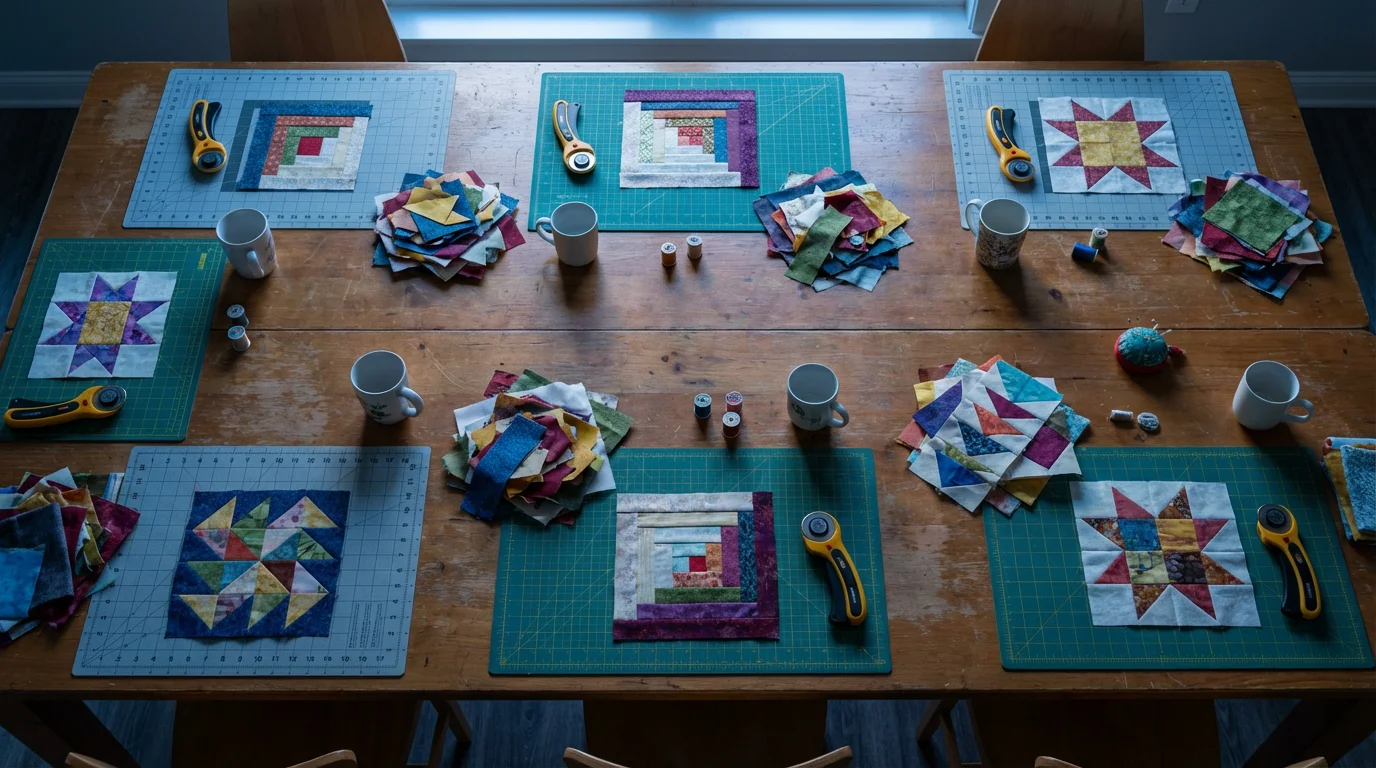
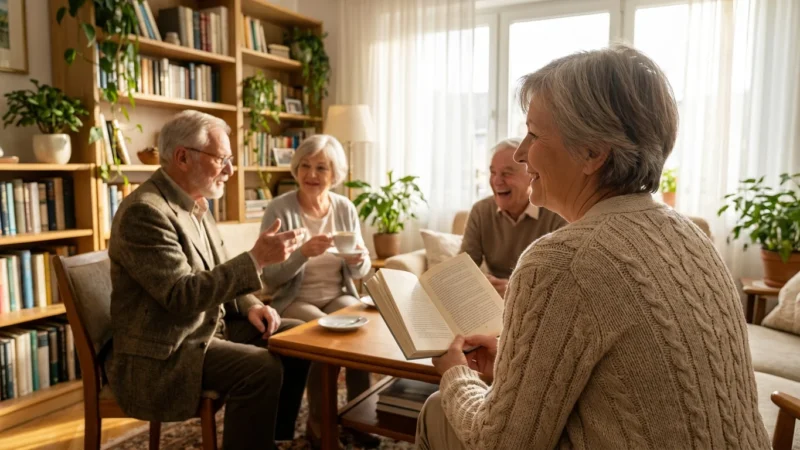
Quilting is often a solitary art, but it also fosters incredible community. Connecting with other quilters enriches your experience, provides support, and opens doors to new techniques and friendships. This social aspect is particularly beneficial in retirement, offering opportunities for engagement and shared passion.
You have numerous avenues available to find your quilting tribe. Local quilt guilds often welcome new members with open arms, offering regular meetings, workshops, and show-and-tell sessions. These groups are treasure troves of knowledge and camaraderie. They provide a space to showcase your work, learn from experienced quilters, and find inspiration from diverse styles and projects.
Consider exploring how to find quilting classes nearby at community centers, fabric stores, or adult education programs. These classes provide structured learning environments where you can master techniques from experienced instructors. They offer hands-on guidance and the chance to ask questions in a supportive setting. Organizations like Osher Lifelong Learning Institutes, often affiliated with universities, frequently offer arts and crafts courses, including quilting, specifically tailored for adults 50+.
Online communities also offer vibrant spaces for senior quilting enthusiasts. Forums, social media groups, and YouTube channels connect quilters globally, providing tutorials, advice, and a platform for sharing projects. While not a substitute for in-person interaction, these digital spaces offer supplementary learning and inspiration anytime, anywhere. Embrace these communities; they become vital resources and sources of encouragement on your quilt making journey.
Beyond the Needle: The Legacy of Quilt Making
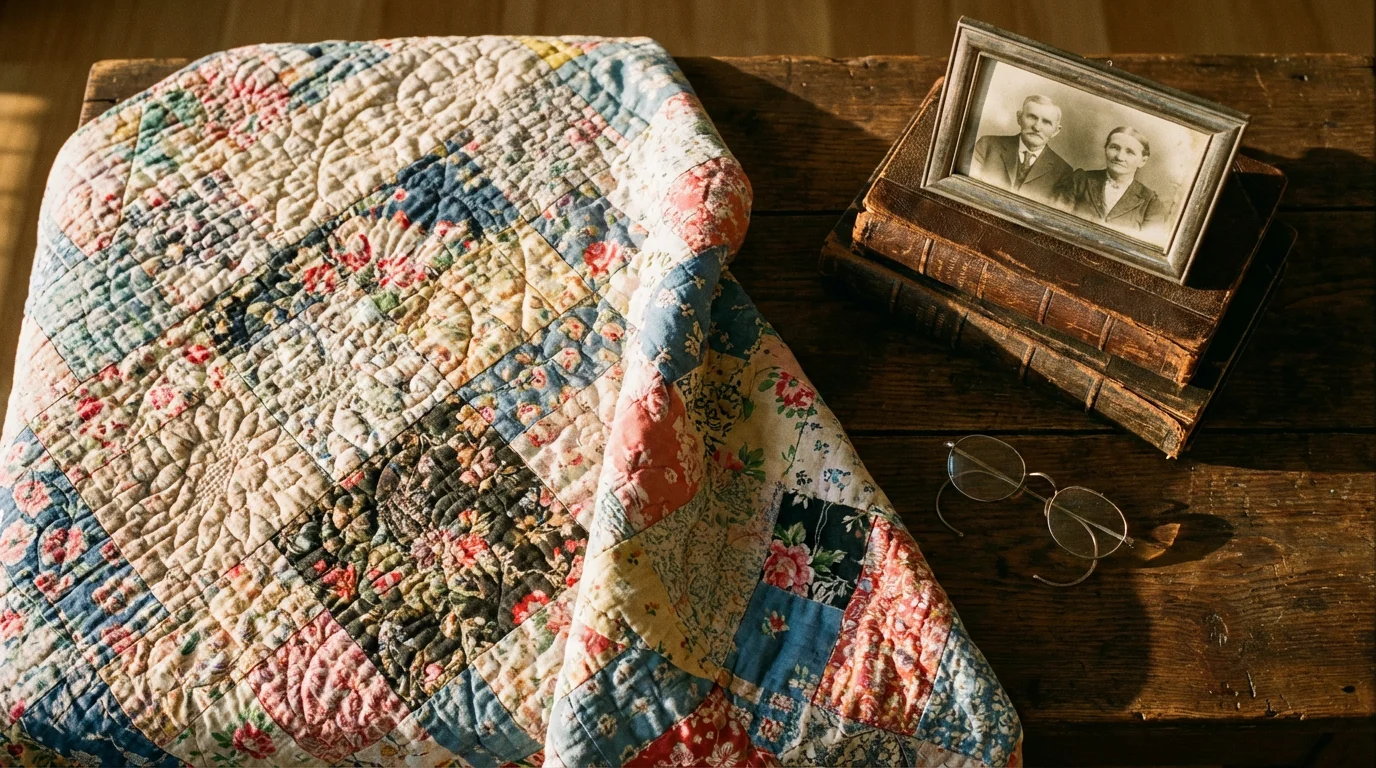
Quilting extends far beyond the physical act of stitching; it embodies storytelling, warmth, and legacy. The quilts you create become more than just blankets; they are tangible expressions of your love, creativity, and personal history. They speak volumes without uttering a single word, becoming cherished artifacts for generations.
Imagine gifting a quilt to a grandchild, a piece crafted with fabrics that evoke shared memories or colors reflecting their personality. These handmade treasures carry immense sentimental value, becoming family heirlooms. Each patch, each carefully chosen color, tells a story of the maker and the recipient, strengthening bonds and preserving family narratives. This act of giving imbues your creations with enduring purpose.
Your unique style, choice of quilting patterns, and fabric selections reflect your individual journey and artistic voice. As you delve deeper into quilt making, you might experiment with art quilts, creating pieces that are purely decorative and expressive. These works can adorn your walls, transforming your living space into a gallery of your own making, showcasing your evolving talents and bold creativity.
Furthermore, quilting often serves as a powerful means of charitable giving. Many senior quilting groups create quilts for hospitals, shelters, or disaster relief efforts. Contributing your skills to these causes provides immense satisfaction, knowing your art brings comfort and warmth to those in need. This selfless act transforms your hobby into a meaningful contribution, extending your legacy of kindness beyond your immediate family.
Frequently Asked Questions
What are easy quilting projects for seniors?
Easy quilting projects for seniors include patchwork pillow covers, simple table runners, baby quilts, mug rugs, and strip quilts. These projects build confidence by focusing on basic techniques like cutting squares, sewing straight seams, and basic binding, providing satisfying results without overwhelming complexity.
How do I find quilting classes nearby?
You can find quilting classes nearby by checking your local community centers, fabric stores, and adult education programs. Additionally, explore institutions like Osher Lifelong Learning Institutes, which often offer arts and crafts courses specifically for seniors. Online searches for “quilting classes near me” or contacting local quilt guilds also yield excellent results.
What are the health benefits of senior quilting?
Senior quilting offers numerous health benefits, including enhanced cognitive function, improved fine motor skills, and reduced stress. The concentration required for piecing and pattern work stimulates the brain, while the repetitive motion of stitching provides a meditative, calming effect, contributing to overall mental and emotional well-being.
Do I need a sewing machine for quilt making?
While a sewing machine significantly speeds up the piecing process for most quilt making, it is not strictly necessary. Many quilters enjoy the traditional art of hand quilting, which involves stitching everything by hand. You can start with hand sewing for smaller projects to gauge your interest before investing in a machine.
What types of quilting patterns are best for beginners?
Beginners benefit from simple quilting patterns that use basic geometric shapes like squares and rectangles. Patterns such as the Nine Patch, Four Patch, or easy strip piecing designs are ideal. These patterns help you master foundational skills like accurate cutting and consistent seam allowances, leading to successful and enjoyable first projects.
Embrace Your Quilting Adventure
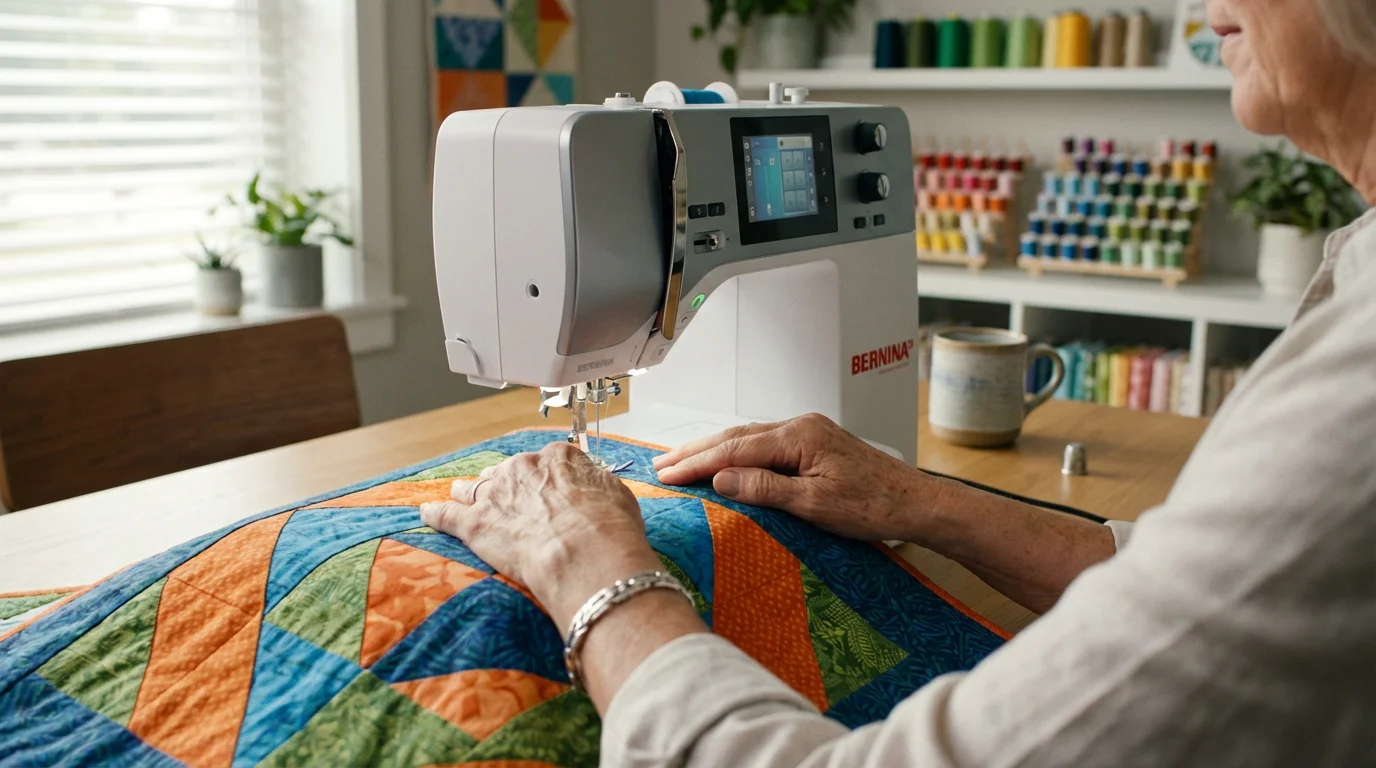
Your retirement is a powerful opportunity to design a life filled with meaning, creativity, and joy. Quilting offers a perfect canvas for this exploration, inviting you to stitch together memories, express your unique artistic vision, and connect with a vibrant community. You do not just make quilts; you craft a richer, more engaged retirement.
Embrace the challenge, delight in the process, and celebrate every finished piece. Each quilt represents not only your skill but also your willingness to try something new, to grow, and to create beauty in the world. Begin your quilting adventure today, and discover the extraordinary chapters waiting for your touch. Your best years are still ahead, filled with countless stitches and boundless potential.
Disclaimer: This article is for informational and inspirational purposes. Life decisions are deeply personal, and we encourage readers to pursue their dreams while considering their unique circumstances, health, and financial situation.

Leave a Reply