
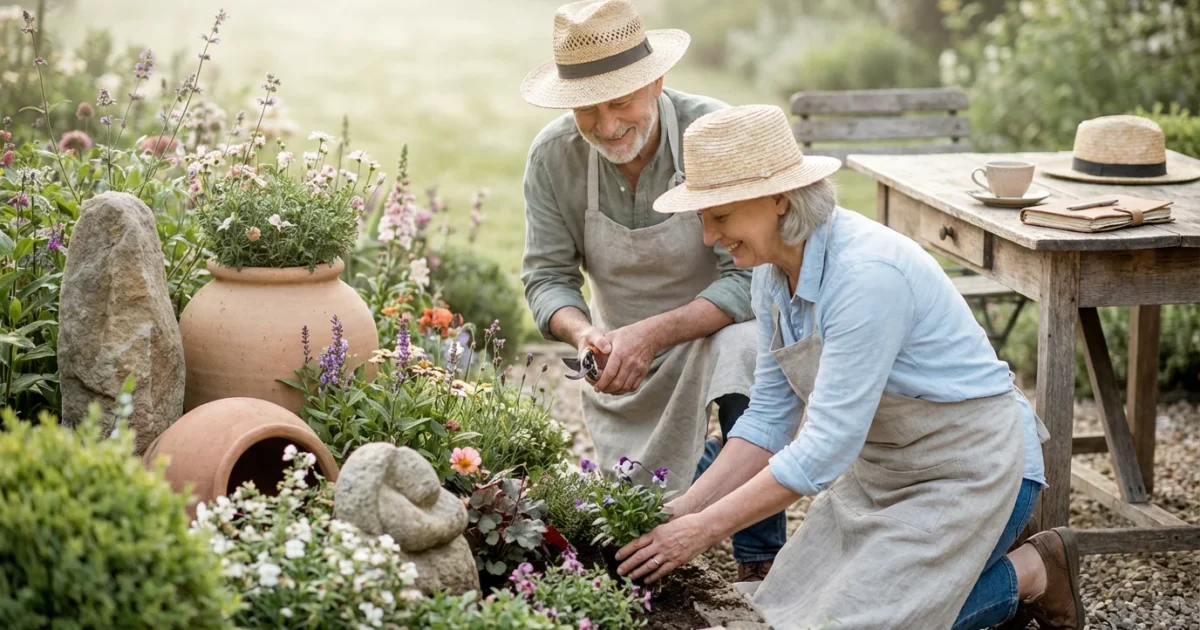
Retirement offers a remarkable opportunity to redefine your days, explore dormant passions, and embrace new forms of self-expression. Many envision this chapter as a time for grand adventures, and while world travel or new careers certainly fit the bill, some of the most profound journeys unfold right in your own backyard. Imagine your garden not merely as a plot of land, but as a living, breathing canvas, waiting for your artistic touch.
This is where the transformative power of gardening as art comes into full bloom. You cultivate beauty, nurture life, and design a personal sanctuary that reflects your unique vision and spirit. This pursuit delivers not only stunning visual rewards, but also a wealth of physical and mental wellness benefits, making your retirement vibrant and purposeful.
Embrace Your Living Canvas
Retirement invites you to view your daily life through a new lens, one focused on personal fulfillment and joy. Think of your garden space as an empty canvas, brimming with potential. You hold the brush, deciding which colors, textures, and forms will bring your vision to life. This artistic process extends far beyond planting, it encompasses dreaming, planning, and hands-on creation.
Gardening becomes an act of deliberate self-expression. You select plants that speak to you, arrange them in patterns that delight your eye, and watch your design evolve with the seasons. This dynamic relationship with nature fosters a deep sense of accomplishment and connection. You do not just grow plants, you sculpt an experience.
Designing Your Masterpiece: A Senior-Friendly Approach
Creating a garden that both inspires and supports you requires thoughtful design. Prioritize accessibility and ease of maintenance as you plan your space. A well-designed garden ensures your passion for `senior gardening` remains a joy, not a chore. Smart choices make all the difference.
Consider these key elements for `how to design a senior-friendly garden`:
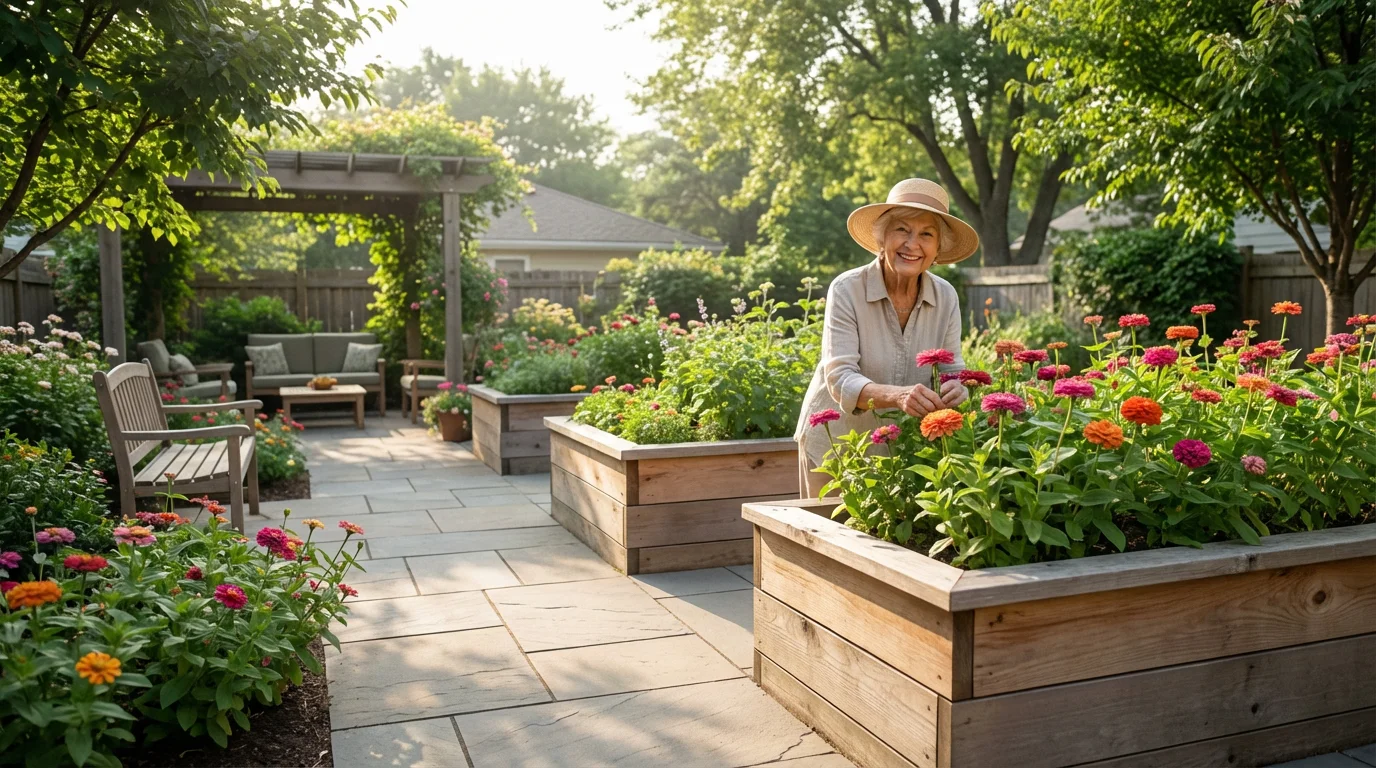
- Raised Beds: These reduce bending and kneeling significantly. Construct them at comfortable heights, allowing you to work from a seated or standing position. They also improve drainage and soil quality.
- Wider Paths: Ensure pathways offer ample space, approximately 36-48 inches wide, for easy navigation with or without a cane, walker, or garden cart. Choose non-slip materials like compacted gravel or wide pavers.
- Strategic Seating: Incorporate benches or chairs in shaded areas throughout your garden. These provide spots to rest, observe, and simply enjoy your surroundings.
- Easy-Reach Water Sources: Install multiple spigots or an efficient irrigation system to minimize the need for carrying heavy watering cans or dragging long hoses.
- Container Gardening: Pots and planters offer flexibility. You can bring them closer to your home, move them for optimal sunlight, or even grow plants on a patio or balcony.
- Ergonomic Tools: Invest in lightweight tools with comfortable grips and extended handles. These reduce strain and make gardening more enjoyable.
Effective `garden design` blends aesthetics with practicality. You create a space that is both beautiful and functional, perfectly tailored to your needs and preferences.
Cultivating Your Palette: Easy-to-Grow Blooms for Stunning Results
You do not need a green thumb to create a spectacular display of color and texture. Many resilient and beautiful plants thrive with minimal fuss, making `flower gardening` accessible and rewarding. Focus on varieties known for their hardiness and generous blooms.
To start building your living masterpiece, consider `what are easy flowers to grow`:
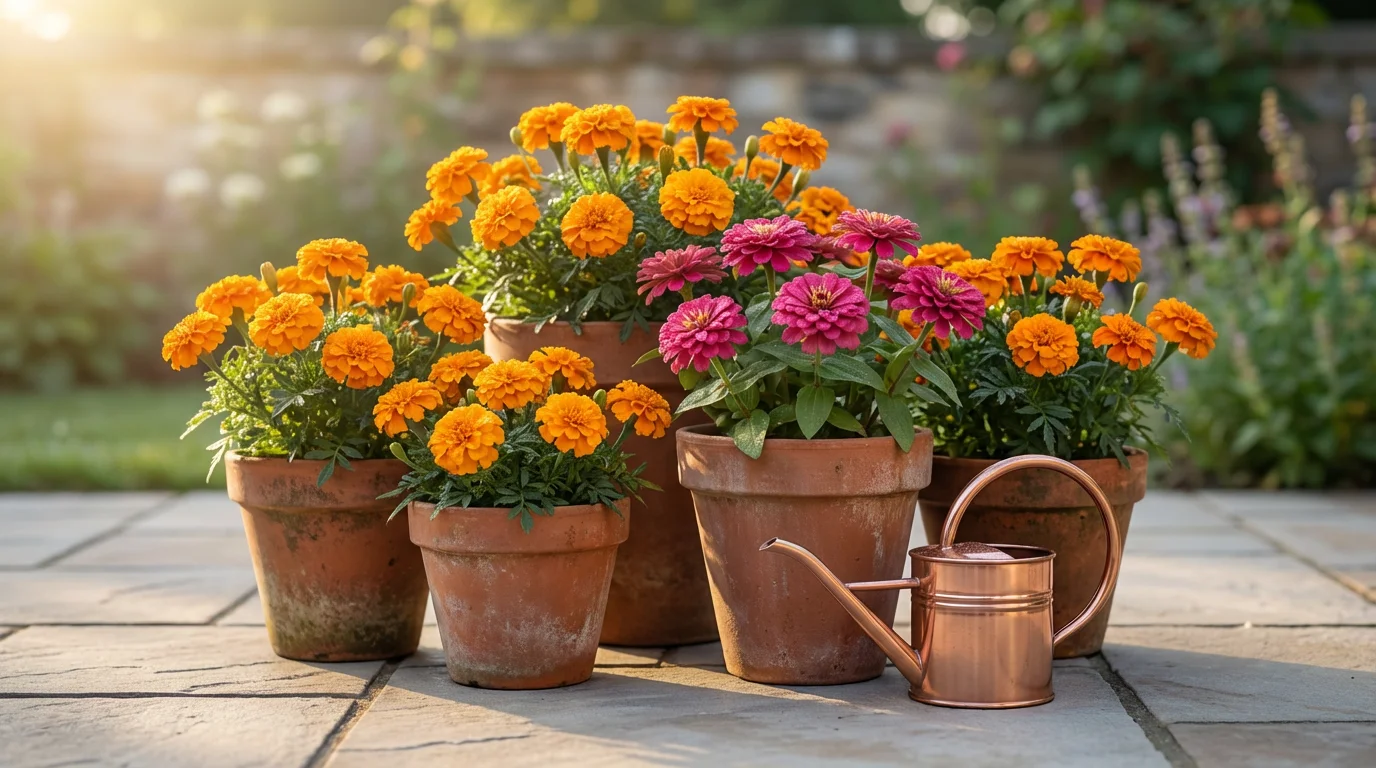
- Marigolds: These cheerful annuals come in warm shades of yellow, orange, and red. They tolerate heat, repel some pests, and bloom continuously from spring to frost.
- Zinnias: Offering a vast array of colors and shapes, zinnias are incredibly easy to grow from seed. They attract pollinators and make excellent cut flowers.
- Cosmos: Delicate and airy, cosmos produce abundant daisy-like flowers. They self-seed readily and add a touch of grace to any garden bed.
- Petunias: With their cascading growth and vibrant colors, petunias are perfect for hanging baskets, containers, and borders. Many modern varieties require little deadheading.
- Sunflowers: Iconic and uplifting, sunflowers are surprisingly easy to grow from large seeds. They bring height and drama to your garden.
- Hostas: For shaded areas, hostas provide stunning foliage in various shades of green, blue, and variegated patterns. They are incredibly low maintenance.
- Daylilies: These robust perennials boast a succession of trumpet-shaped flowers, often in fiery hues. They are drought-tolerant and return year after year.
By selecting these reliable performers, you guarantee a vibrant, ever-changing display that requires less effort and delivers maximum visual impact. Your artistic vision comes to life with ease.
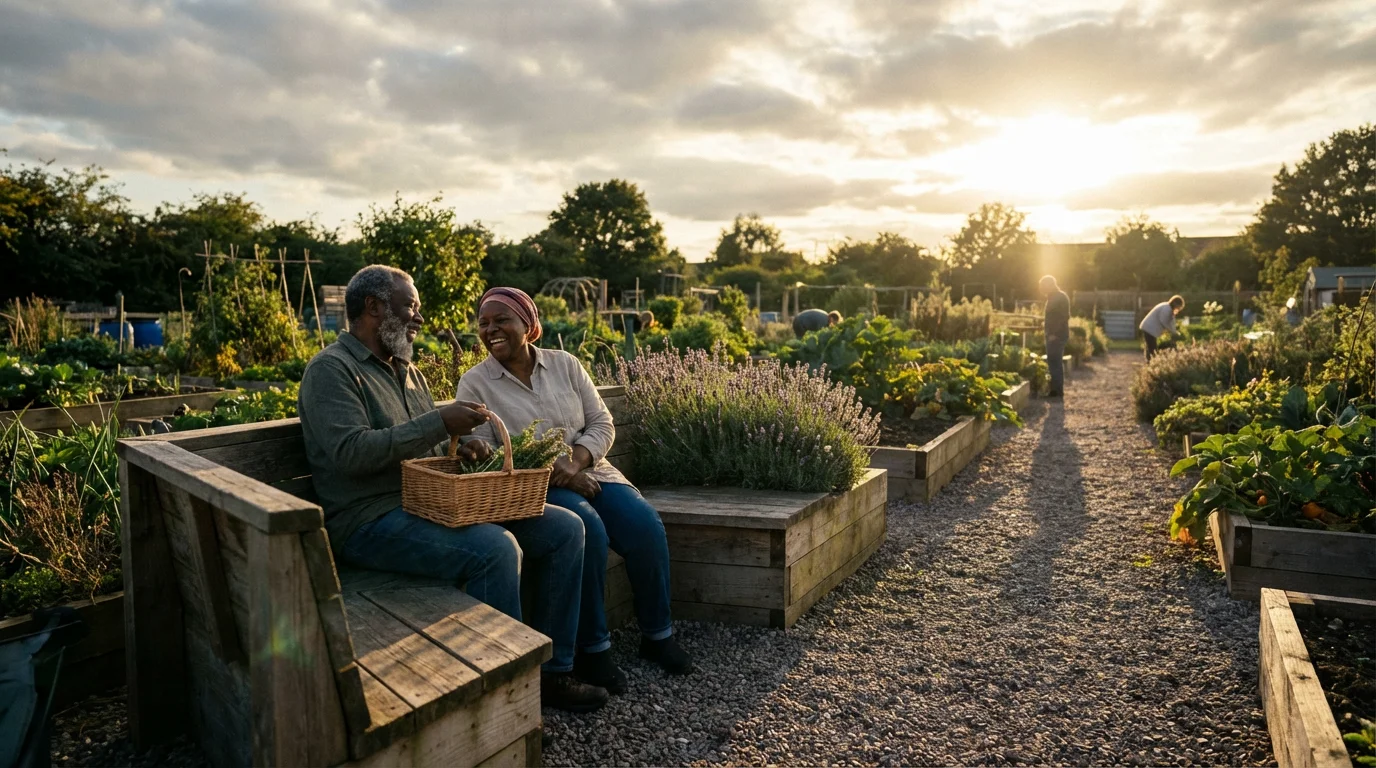
Beyond Beauty: The Wellness Harvest of Senior Gardening
Gardening offers far more than aesthetic pleasure. It serves as a powerful conduit for physical and mental well-being, especially during retirement. Engaging in `senior gardening` provides a holistic approach to health, invigorating both body and mind. It combats the sedentary lifestyle and sharpens cognitive functions.
The physical benefits are substantial:
- Moderate Exercise: Activities like digging, planting, weeding, and watering provide low-impact exercise that strengthens muscles, improves flexibility, and enhances cardiovascular health. A 2017 study in the journal *HortTechnology* found that gardening provides moderate-intensity physical activity, comparable to brisk walking.
- Vitamin D Boost: Spending time outdoors exposes you to sunlight, essential for Vitamin D production. Vitamin D supports bone health, immune function, and mood regulation.
- Improved Dexterity: Fine motor skills benefit from the intricate tasks involved in planting seeds, pruning, and tending delicate blooms.
- Better Sleep: Physical activity and exposure to natural light during the day help regulate your sleep patterns, leading to more restful nights.
The mental and emotional rewards are equally profound:
- Stress Reduction: The rhythmic, repetitive nature of gardening can be meditative, reducing stress and anxiety. The presence of nature itself has a calming effect, lowering cortisol levels.
- Enhanced Mood: Interacting with soil releases *Mycobacterium vaccae*, a beneficial soil bacterium that acts as a natural antidepressant, boosting serotonin levels.
- Purpose and Accomplishment: Nurturing plants from seed to bloom provides a deep sense of purpose and visible results, fostering self-esteem and satisfaction.
- Cognitive Stimulation: Planning your garden, problem-solving pest issues, and remembering plant care requirements keep your mind sharp and engaged.
Gardening represents an accessible, enjoyable way to maintain and even improve your overall health in retirement. It empowers you to proactively invest in your well-being.
“The greatest adventure you can take is to live the life of your dreams.”
— Oprah Winfrey
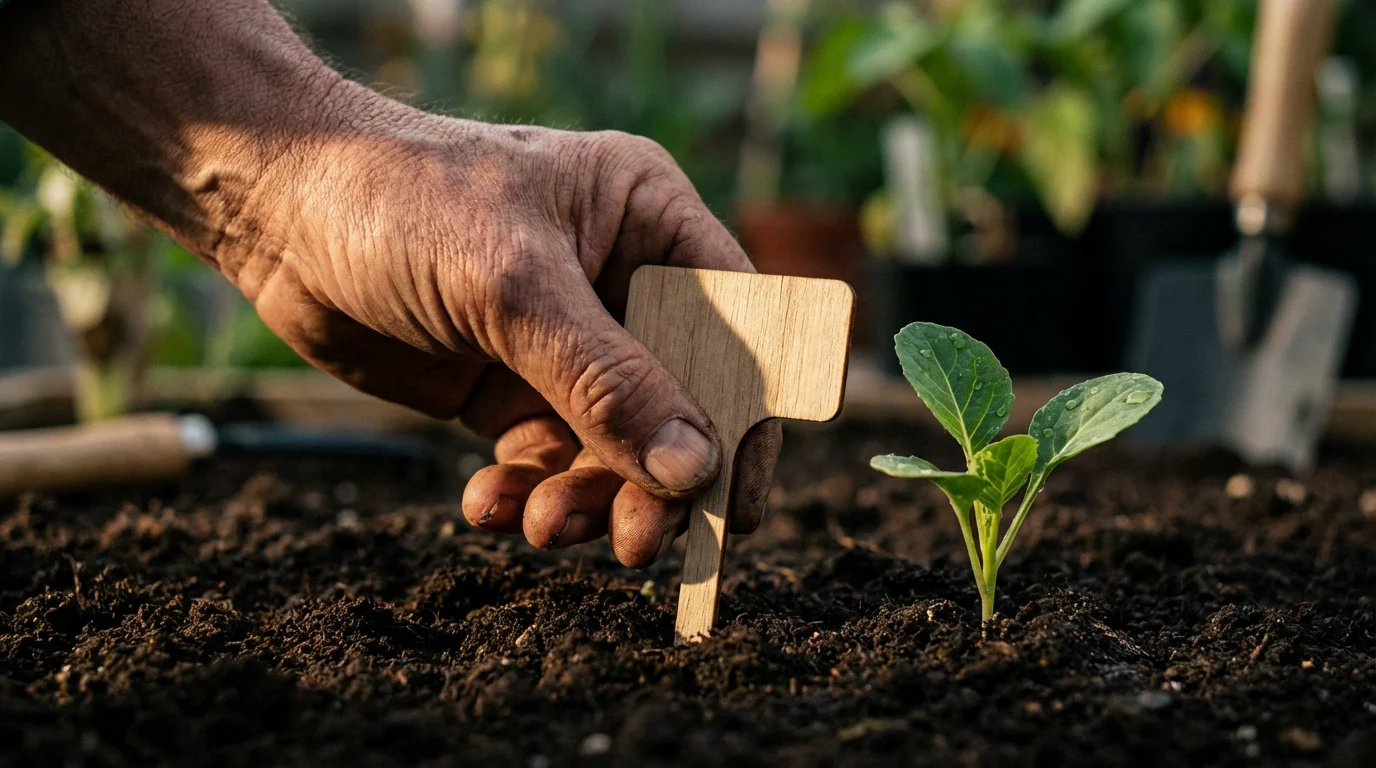
The Art of Continuous Growth: Learning and Community
Retirement is a prime time for lifelong learning and connection, and gardening offers rich avenues for both. Your garden is an ever-evolving project, providing endless opportunities to expand your knowledge and skills. You are not just planting, you are growing as an individual.
Consider these ways to deepen your gardening journey:
- Join Local Garden Clubs: Connect with fellow enthusiasts, share tips, attend workshops, and participate in plant swaps. Many communities have vibrant garden club scenes eager to welcome new members.
- Take Online Courses: Websites and local extension offices offer numerous courses on specific gardening techniques, plant identification, or sustainable practices.
- Experiment with New Plants: Challenge yourself by trying a new vegetable, a unique perennial, or an exotic annual each season. This keeps your interest piqued and your garden dynamic.
- Volunteer at Botanical Gardens: Contribute your time and learn from experienced horticulturists. This provides hands-on experience and valuable insights.
- Visit Public Gardens: Draw inspiration from professionally designed landscapes. Observe plant combinations, structural elements, and innovative uses of space.
This continuous learning fuels your passion and connects you with a supportive community. Organizations like AARP often highlight the social benefits of shared hobbies, reinforcing the value of these connections. You find not only beauty in your garden, but also camaraderie and intellectual growth.
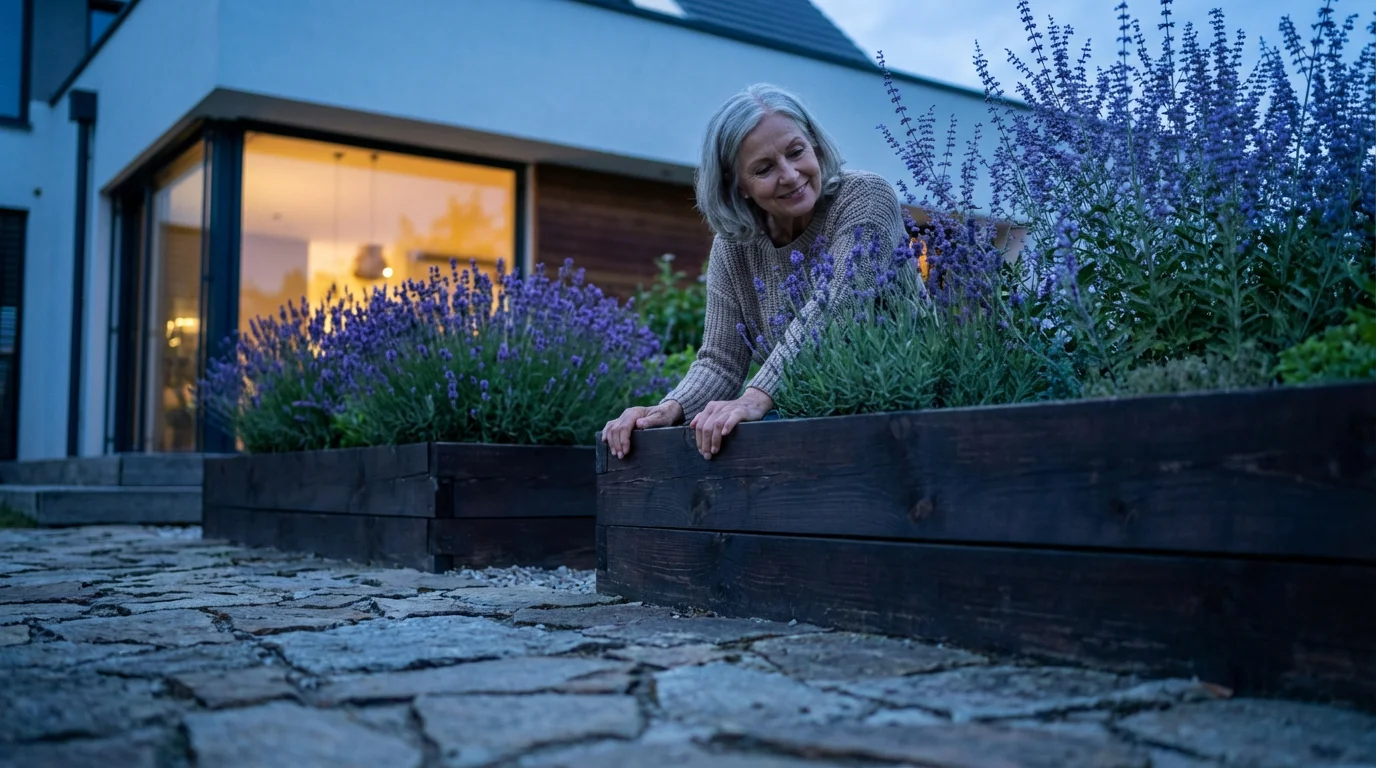
Your Garden, Your Legacy: An Extraordinary Retirement
Your garden becomes a living legacy, a testament to your creativity, patience, and dedication. It provides a beautiful space for family and friends to gather, a source of fresh produce, and a constant reminder of the vibrant life you cultivate. This personal oasis enriches your retirement experience immeasurably.
Embrace the unlimited potential of your garden as art. Let it be a place where you dream big, pursue your passions, and create something truly extraordinary. You are designing more than a landscape, you are sculpting a fulfilling, beautiful, and purposeful retirement chapter. Your hands shape not just soil and plants, but also your joy and well-being.
Frequently Asked Questions
I have never gardened before, how should I start?
Begin small and simple. Choose a few easy-to-grow annuals in a container or a small raised bed. Focus on one or two types of plants you love, like marigolds or zinnias, and gradually expand as your confidence grows. Consider joining a local gardening group for guidance and camaraderie.
How can I make my garden easier to maintain as I get older?
Implement smart design choices. Raised beds significantly reduce bending. Wide, accessible paths prevent tripping hazards. Focus on drought-tolerant and low-maintenance plants. Mulching heavily around plants suppresses weeds and retains soil moisture, reducing watering frequency. Invest in good ergonomic tools designed to minimize strain.
What are the best flowers for attracting pollinators to my garden?
Many easy-to-grow flowers attract vital pollinators like bees and butterflies. Consider planting single-petal varieties of zinnias, cosmos, coneflowers, and sunflowers. Herbs like lavender and borage also draw pollinators. Provide a shallow water source, like a bird bath, to further support these beneficial insects.
Can I garden year-round, even in colder climates?
Yes, with some adjustments. In colder climates, extend your gardening season with cold-hardy plants, succession planting, and protective measures like cold frames, hoop houses, or even a small greenhouse. You can also shift to indoor gardening with houseplants or by growing herbs and small vegetables under grow lights during winter months.
Disclaimer: This article is for informational and inspirational purposes. Life decisions are deeply personal, and we encourage readers to pursue their dreams while considering their unique circumstances, health, and financial situation.



Leave a Reply