
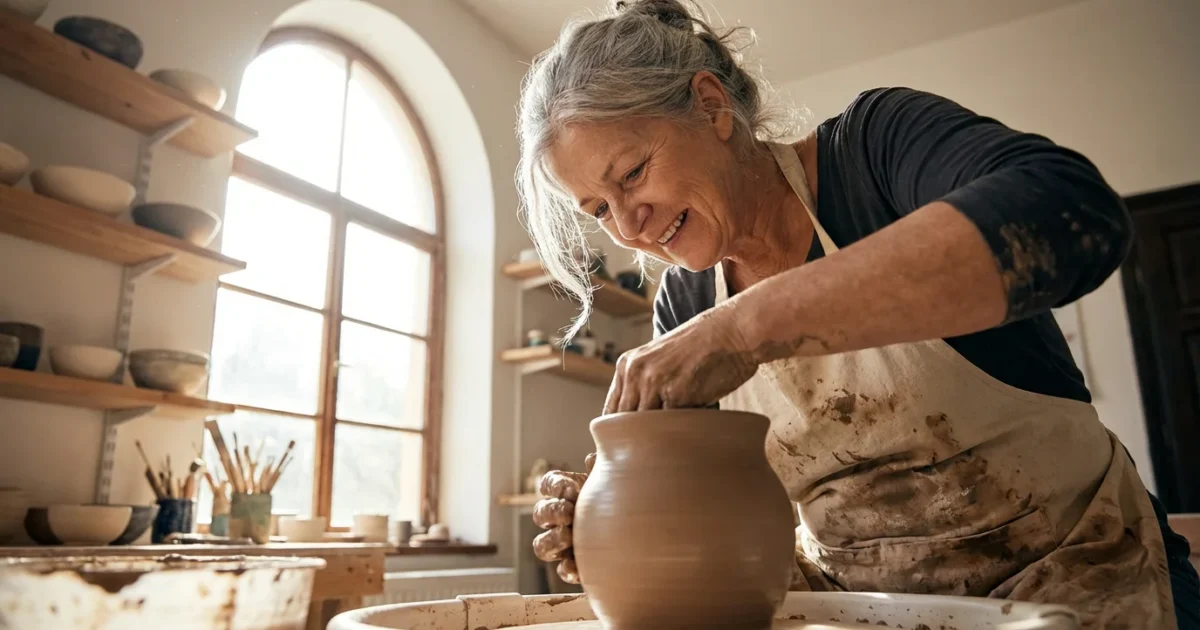
Retirement unfolds as a grand canvas, ready for you to paint your next masterpiece. Many people envision this stage of life as a time for relaxation, yet for you, it is a vibrant invitation to rediscover, reignite, and reinvent. It is an opportunity to pursue passions you once deferred, to explore new horizons, and to challenge yourself in exciting ways. Imagine diving into a world where creativity flows freely, where your hands shape raw material into something beautiful and lasting. This is the promise of ceramics, a truly rewarding journey for your extraordinary retirement chapter.
Embracing a ceramics hobby offers more than just a creative outlet; it provides a tangible connection to the earth, a meditative practice, and a fulfilling sense of accomplishment. You are not slowing down; you are retooling your energy and directing it towards endeavors that bring deep joy and purpose. Getting your hands dirty in clay is an invitation to engage all your senses, to learn a timeless craft, and to create art that reflects your unique spirit. It is a bold step into a world of endless artistic possibilities.
The Allure of Clay: Why Ceramics in Retirement?
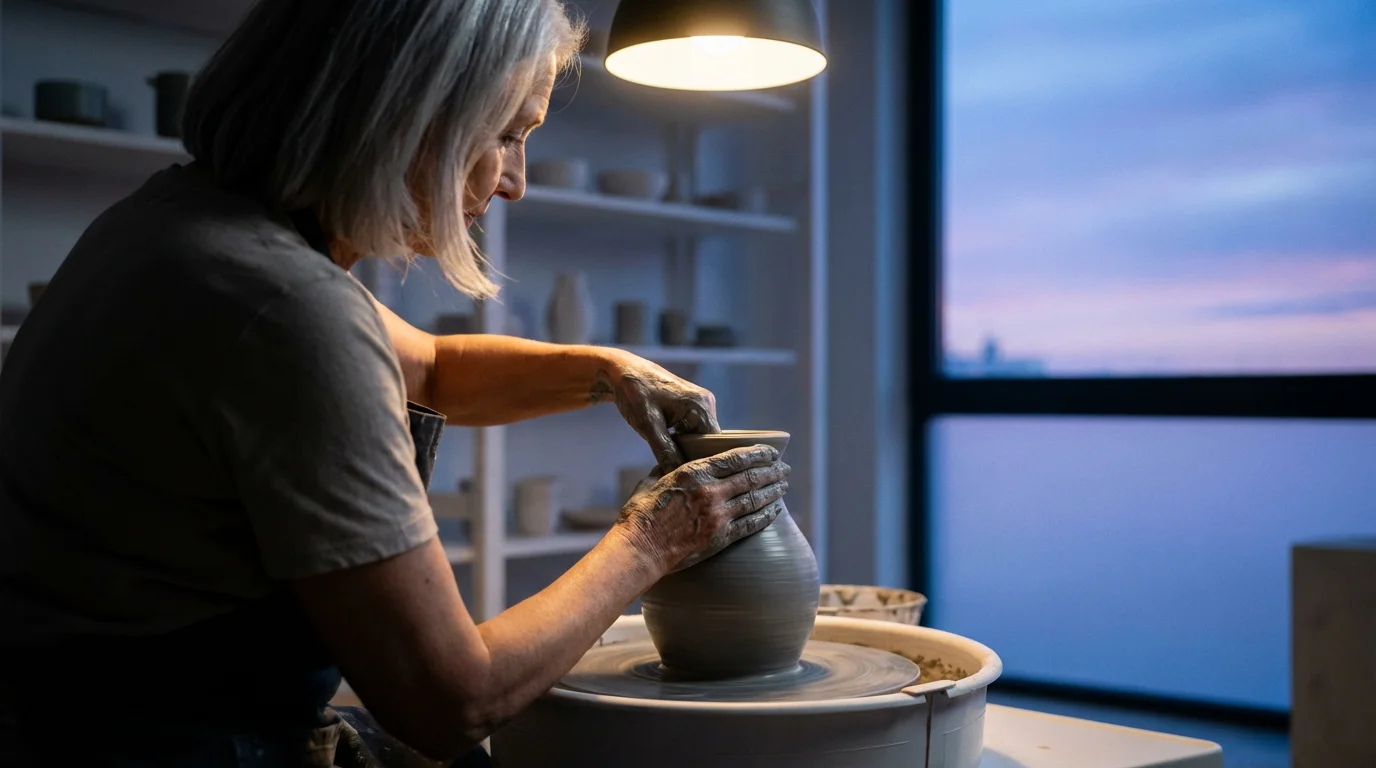
The transition to retirement often brings a desire for meaningful engagement and personal growth. A ceramics hobby satisfies both, offering a tactile experience that grounds you while allowing your imagination to soar. It is a departure from screen time, engaging your hands and mind in a truly authentic way. The process itself becomes a journey, from a lump of clay to a finished, fired piece.
Pursuing a creative endeavor like pottery enriches your life in profound ways. It provides a sense of purpose and a fresh challenge, stimulating cognitive functions and fostering continuous learning. You gain new skills, overcome artistic hurdles, and celebrate small victories with each successful creation. This ongoing engagement contributes significantly to overall well-being and life satisfaction.
“It is never too late to be what you might have been.” — George Eliot
Unleashing Your Inner Artist: Finding Your Pottery Path
Ceramics encompasses a vast world of techniques and styles. Your initial exploration might involve discovering which method resonates most with your artistic inclinations. Are you drawn to the rhythmic spin of the pottery wheel, or do you prefer the direct, sculptural approach of hand-building? There is no single “right” way to create with clay; only your way.
Consider the types of forms you admire: functional dinnerware, intricate sculptures, decorative vases, or whimsical garden art. Each choice opens a different door to learning and expression. Researching different styles and artists can provide valuable inspiration, helping you visualize your own potential creations. This exploration is part of the adventure of starting a ceramics hobby.
Getting Started: Your First Steps into the Studio
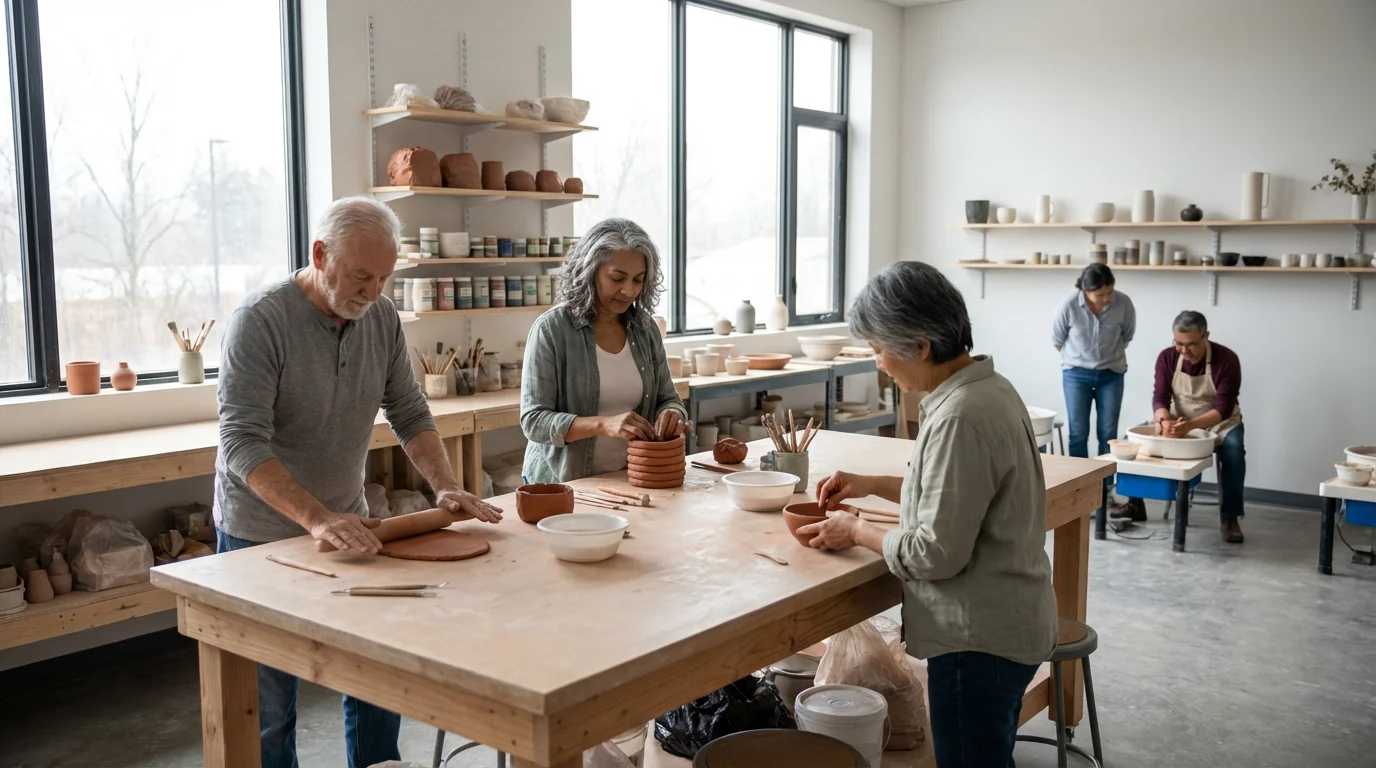
Embarking on your ceramics journey is more accessible than you might think. You do not need expensive equipment or a dedicated studio space to begin. The most effective way to start is by enrolling in local pottery classes. These structured environments offer expert guidance, necessary tools, and a supportive community of fellow learners.
Look for programs specifically tailored for beginners or senior pottery groups, which often foster a welcoming and patient learning pace. Many community centers, art schools, and independent studios offer introductory courses. You will receive hands-on instruction in fundamental techniques, safety protocols, and the firing process, all crucial for a successful start.
Here is a practical guide to finding your first pottery classes:
- Research Local Options: Search online for “pottery classes near me,” “ceramics studios,” or “community art workshops.” Include keywords like “senior pottery” to find age-friendly programs.
- Visit Studios: Drop by potential studios during open hours or scheduled tours. Observe the atmosphere, look at student work, and ask about class structures.
- Inquire About Beginner Classes: Specifically ask about introductory courses designed for those with no prior experience. Confirm what materials and tools are included in the class fee.
- Consider Class Schedules: Find a schedule that fits your retirement lifestyle. Many studios offer daytime classes that are perfect for retirees.
- Read Reviews: Check online reviews for insights into instructor quality, studio environment, and overall student satisfaction.
Essential Tools and Techniques: What You Will Learn
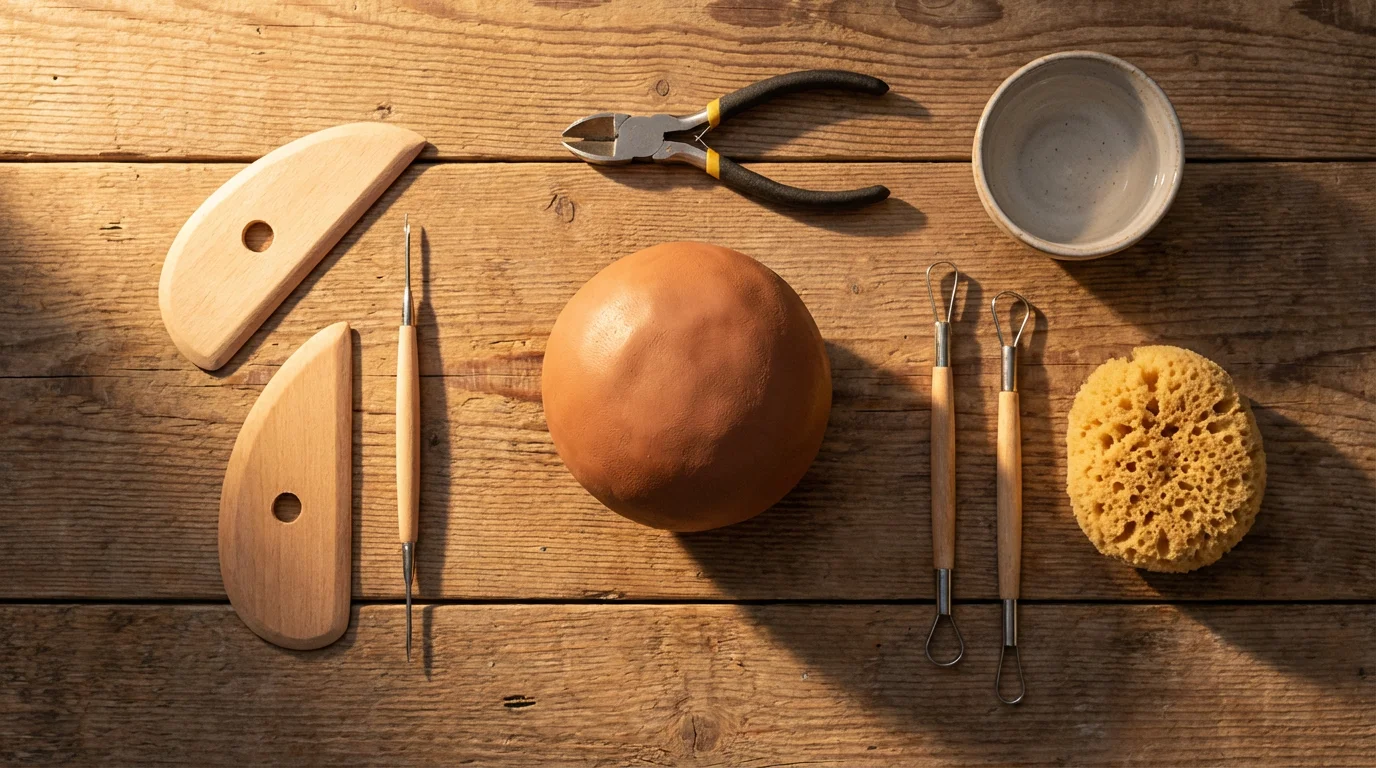
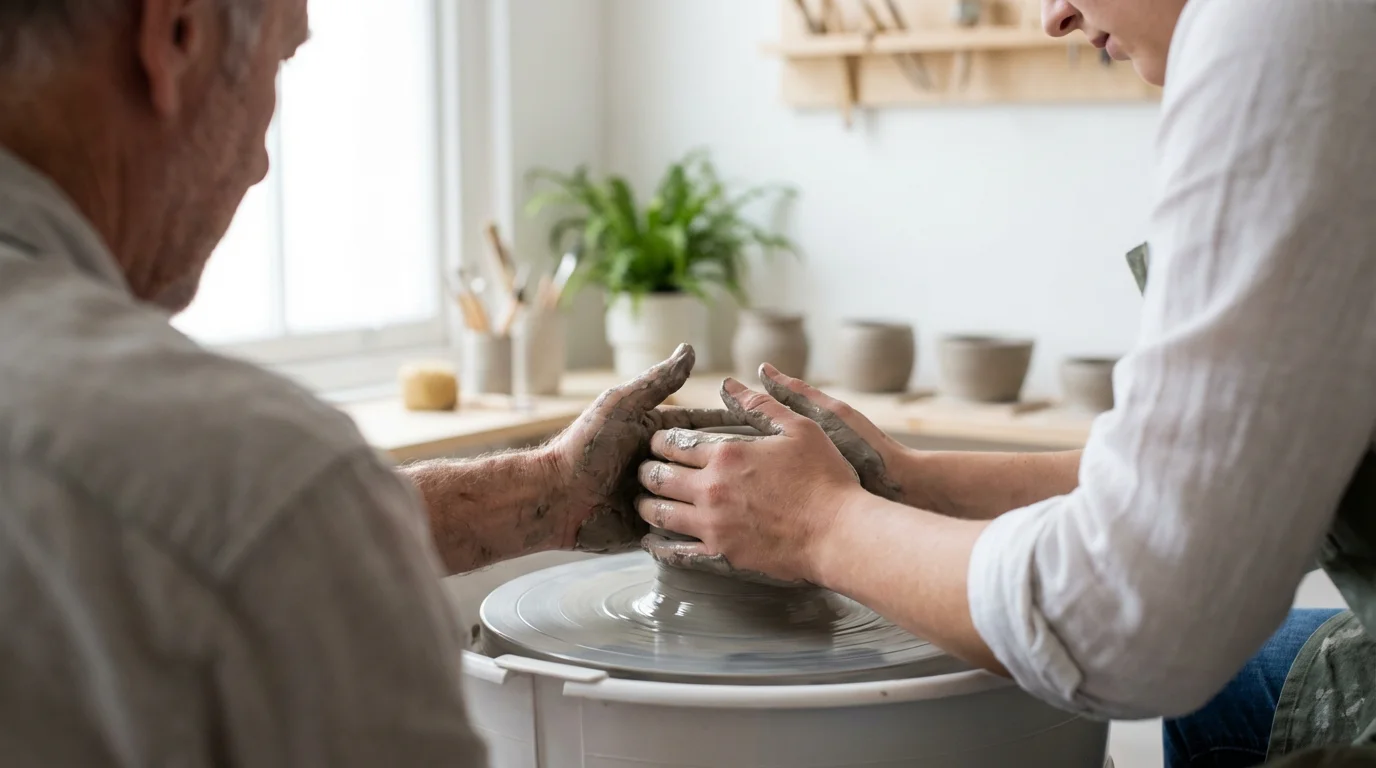
When you sign up for pottery classes, most studios provide the basic tools you need. This eliminates the initial expense and guesswork of purchasing equipment. You will quickly become familiar with a core set of implements that become extensions of your creative will.
Learning the proper techniques is fundamental to your success. Instructors guide you through stages like wedging clay to remove air bubbles, centering clay on the wheel, forming various shapes, trimming, and applying glazes. Each step is a skill to master, building confidence as you progress from simple forms to more complex designs.
Key tools and techniques you will encounter:
- Wedging Table: Preparing clay for use by kneading it to achieve uniform consistency and remove air pockets.
- Pottery Wheel: A rotating disc used to create symmetrical forms from clay, a process known as “throwing.”
- Hand Tools: Wire cutters, ribs, sponges, loop tools, wooden modeling tools, and needles for shaping, smoothing, and detailing.
- Kiln: A special oven used to fire clay at high temperatures, transforming it into durable ceramic.
- Glazing: Applying a liquid coating that, when fired, creates a colored, glass-like surface, making the piece food-safe and decorative.
Beyond the Wheel: Hand-Building and Sculpting
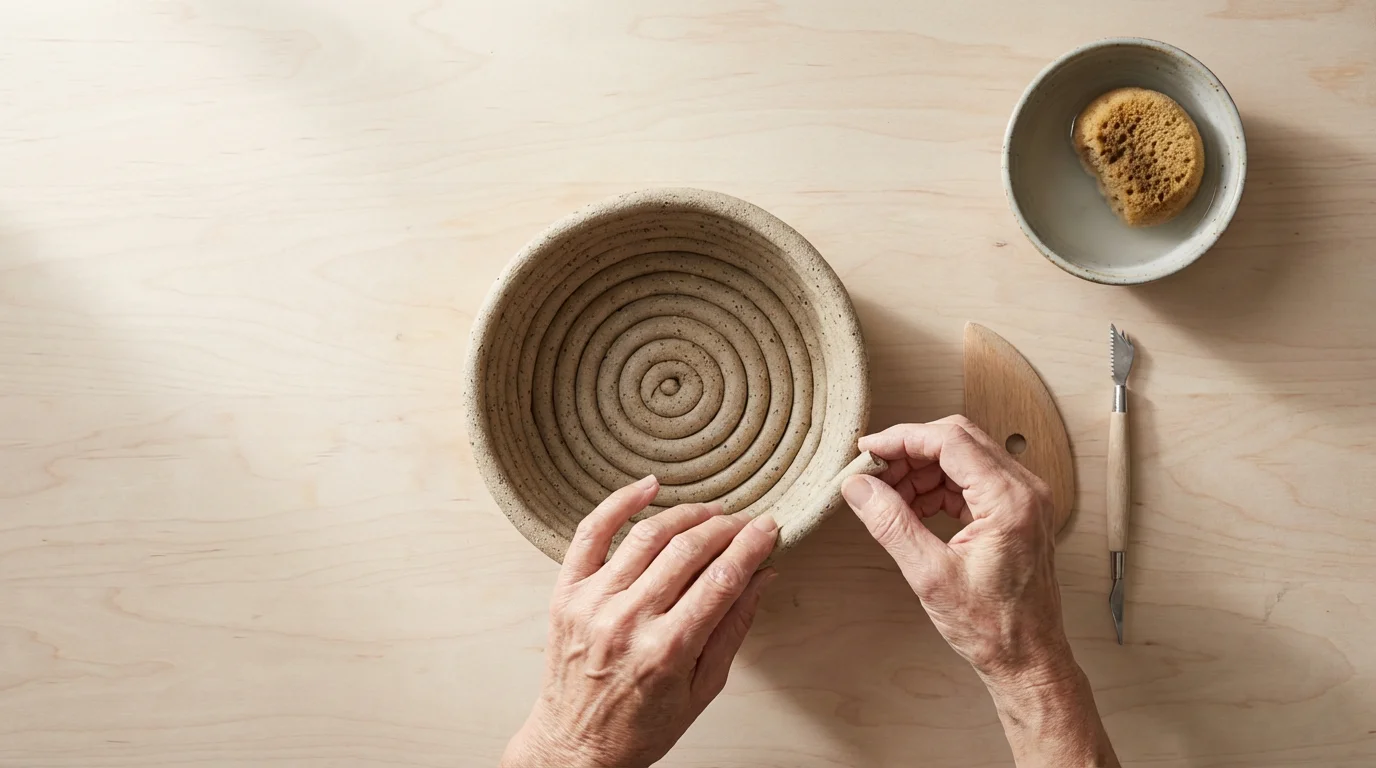
While the pottery wheel often captures the imagination, hand-building offers an equally rich and perhaps more intuitive entry point into ceramics. Hand-building techniques allow you to create forms without a wheel, giving you direct control over the clay’s shape and texture. This method is incredibly versatile, perfect for sculptural pieces, functional ware, and anything your imagination can conjure.
Coil building involves rolling clay into ropes and stacking them to build up walls. Slab construction uses flattened sheets of clay cut and joined together. Pinch pots are the simplest form, creating a vessel by pinching and shaping a ball of clay. These techniques are often taught in introductory pottery classes and can be less intimidating for beginners, offering immediate gratification.
The Therapeutic Power of Pottery: Mind, Body, and Soul
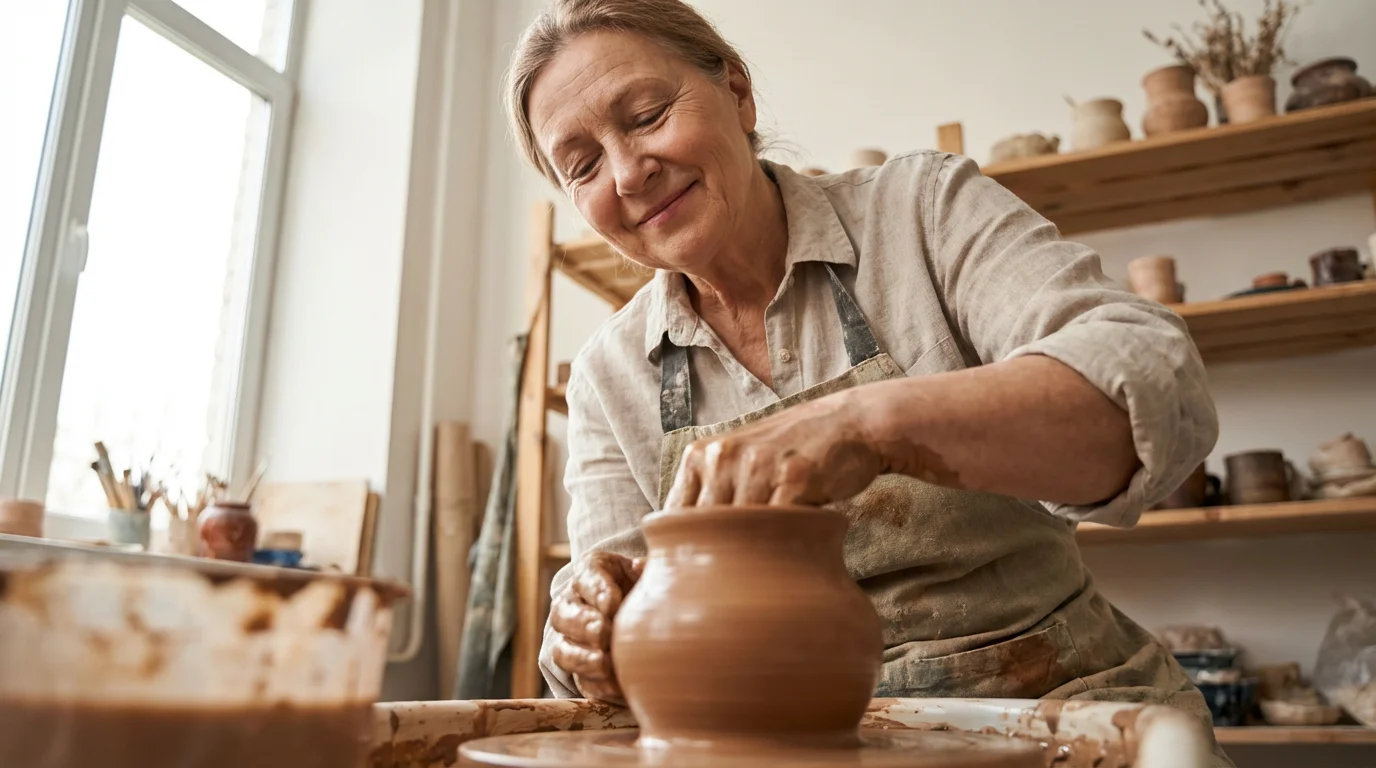
The benefits of pottery extend far beyond creating beautiful objects. Engaging in a ceramics hobby offers significant advantages for your mental and physical well-being in retirement. It is a mindful practice, demanding focus and presence, which can reduce stress and quiet a busy mind. The rhythmic actions of wedging, centering, and shaping act as a form of meditation.
The tactile nature of clay stimulates sensory receptors, providing a grounding experience. Many studies highlight the positive impact of creative activities on cognitive function, fine motor skills, and emotional regulation. Pottery encourages problem-solving, patience, and resilience as you work through challenges and learn from imperfections. These are some of the powerful advantages of pottery:
- Stress Reduction: The meditative process of working with clay calms the nervous system and lowers stress levels.
- Improved Dexterity: Manipulating clay enhances fine motor skills and hand-eye coordination.
- Cognitive Stimulation: Learning new techniques and solving creative problems keeps your brain active and engaged.
- Emotional Expression: Art offers a healthy outlet for expressing feelings and thoughts.
- Increased Self-Esteem: Successfully creating a piece of art provides a tangible sense of accomplishment and pride.
- Mindfulness: The focus required by pottery brings you into the present moment, fostering a state of mindfulness.
Building a Community: Connecting Through Clay
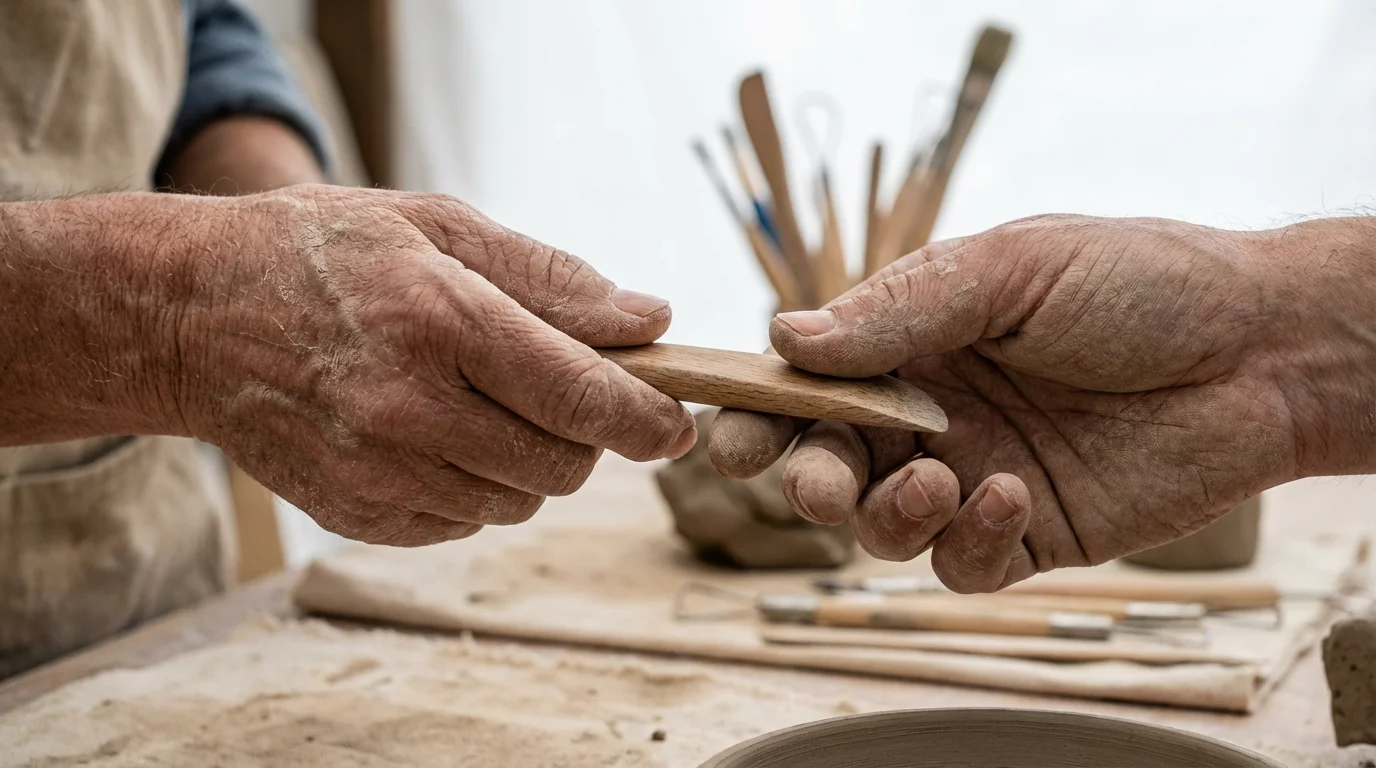
One of the most enriching aspects of joining pottery classes is the instant community it provides. You will meet like-minded individuals who share your passion for creativity and exploration. These connections often grow into lasting friendships, offering a new social circle in retirement. Sharing ideas, troubleshooting challenges, and celebrating successes with fellow artists enriches the entire experience.
Studios often host open studio hours, workshops, and communal events, fostering a vibrant social environment. This sense of belonging is invaluable, combating isolation and promoting overall happiness. You are not only learning a craft; you are becoming part of a supportive and inspiring artistic family.
Displaying Your Masterpieces: Sharing Your Art
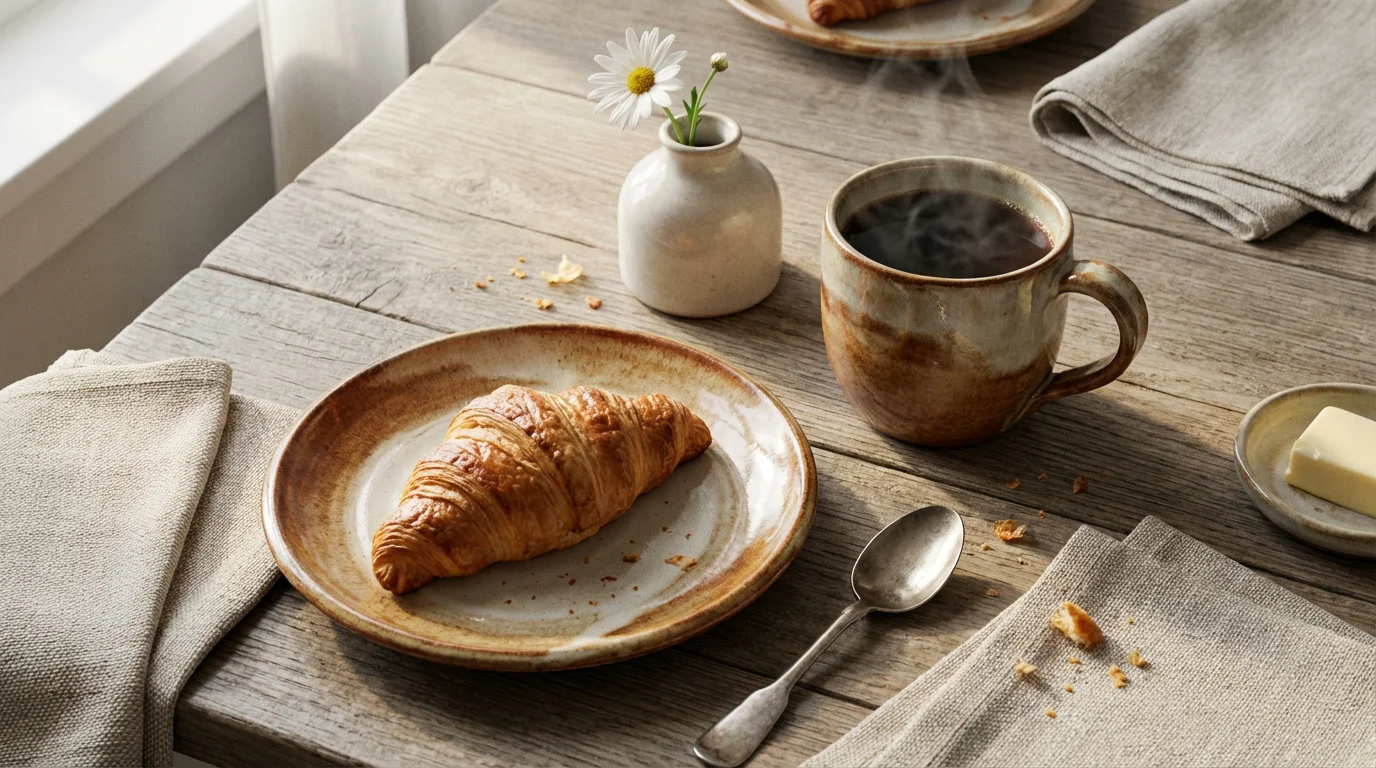
Once your creations emerge from the kiln, beautifully glazed and fired, the next joy comes from seeing them in your home or sharing them with others. Imagine sipping your morning coffee from a mug you crafted yourself, serving a meal on a plate you designed, or adorning your garden with a unique ceramic sculpture. These pieces are not just objects; they are reflections of your effort, creativity, and new skills.
Consider gifting your handcrafted items to friends and family, offering truly personal and meaningful presents. Some enthusiasts even participate in local art shows or craft fairs, a fantastic way to share their work with a wider audience and connect with other artists and patrons. Displaying your art is a testament to your journey and an invitation for others to admire your talent.
Frequently Asked Questions
Is pottery difficult to learn for older adults?
No, pottery is very accessible for older adults. Instructors are experienced in teaching various skill levels, and the pace of learning is often self-directed within a class structure. Many find the tactile nature of clay and the meditative process to be calming and enjoyable, rather than difficult. Your hands may get dirty, but your spirit will feel clean.
What are the initial costs associated with a ceramics hobby?
The initial costs are typically minimal if you start with pottery classes. Class fees usually include instruction, clay, glazes, and firing costs. Once you decide to pursue the hobby more seriously, you might invest in your own basic tool kit, which is relatively inexpensive. Advanced equipment like a personal pottery wheel or kiln is a significant investment for later stages, but not necessary for beginning.
How long does it take to create a piece of pottery?
Creating a piece of pottery involves several stages over a few days or weeks, depending on the drying and firing schedule of the studio. You might spend one class period throwing a piece on the wheel, another trimming and refining it, and a third glazing it. The actual firing process in a kiln takes several hours, followed by cooling time. The journey is part of the art.
Are there health benefits to doing pottery?
Absolutely. Pottery offers numerous health benefits. It improves fine motor skills, hand-eye coordination, and strength in your hands and arms. The focused, repetitive motions can be deeply meditative, reducing stress and anxiety. It also stimulates cognitive function through problem-solving and creative thinking. You engage your body and mind in a harmonious way.
Can I sell the pottery I make?
Yes, many people eventually sell their pottery. As your skills develop and your unique style emerges, you might find demand for your creations. This can happen through local craft fairs, online marketplaces, or direct sales to friends and family. Selling your art offers a wonderful way to share your passion and potentially earn a little income, turning your hobby into a small venture.
Retirement is your time to sculpt a life rich with meaning, creativity, and connection. Embracing a ceramics hobby is a tangible way to manifest that vision, one beautiful piece at a time. Roll up your sleeves, get your hands dirty, and discover the boundless artist within you.
Disclaimer: This article is for informational and inspirational purposes. Life decisions are deeply personal, and we encourage readers to pursue their dreams while considering their unique circumstances, health, and financial situation.




Leave a Reply