
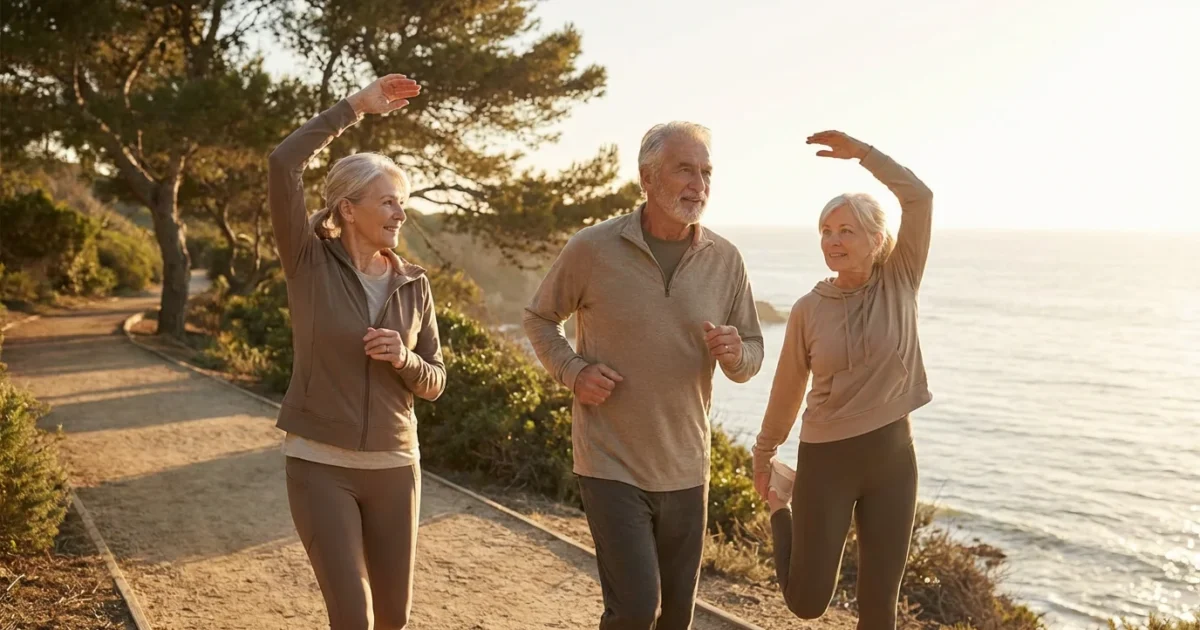
Retirement unfolds as a vibrant, exhilarating chapter, offering you unparalleled freedom to redefine your life. This is not a time for slowing down. Instead, consider this period a profound invitation to accelerate your passions, discover new strengths, and embrace a healthy lifestyle that fuels every adventure. Staying active and healthy after 65 empowers you to live boldly, ensuring your best years truly lie ahead.
You hold the power to shape an extraordinary retirement, one marked by vitality, robust health, and boundless energy. Physical fitness for retirees transcends mere exercise. It becomes a cornerstone of your overall wellbeing, directly impacting your cognitive function, emotional resilience, and ability to pursue every dream with confidence and joy. Let’s explore how you can unlock this potential and make active aging your proud reality.
The Power of Movement: Redefining Active Aging
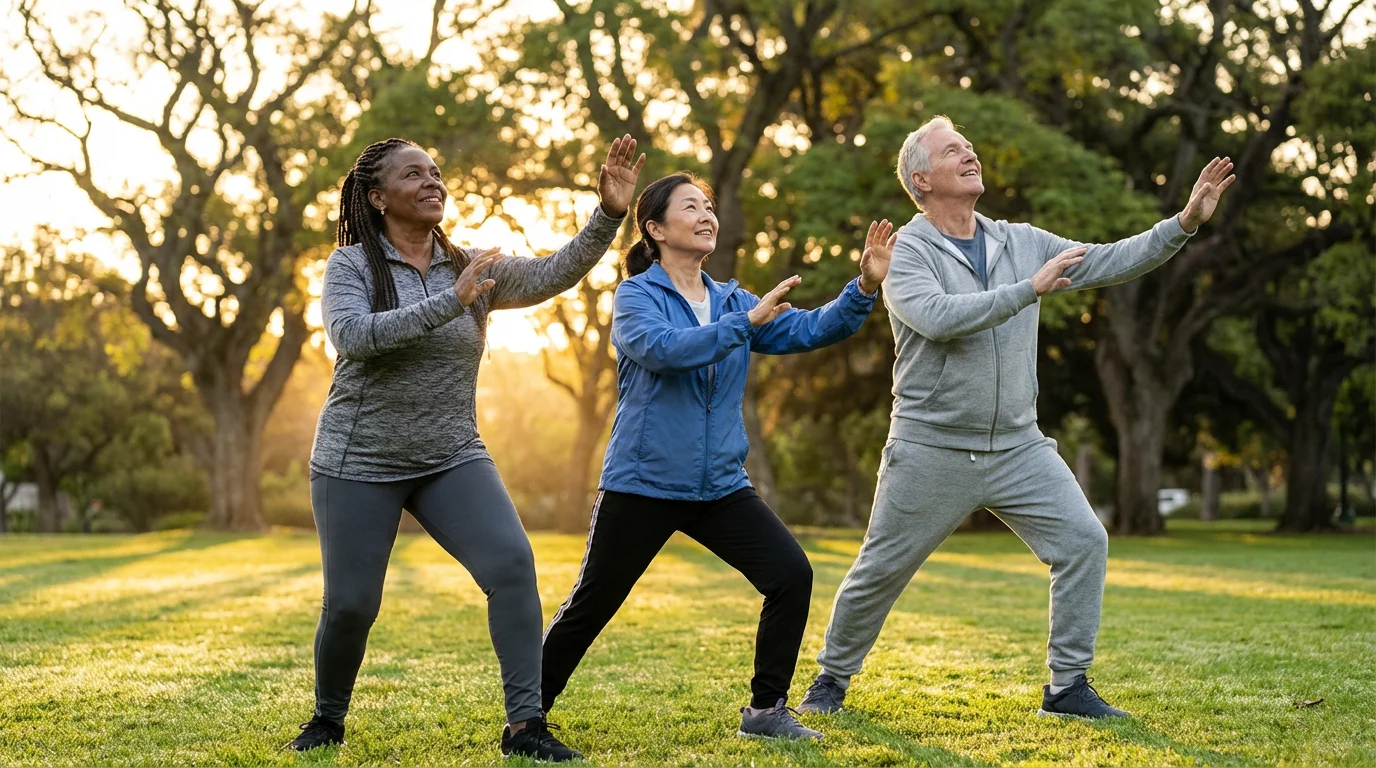
Movement stands as your ultimate ally in crafting a vibrant, fulfilling retirement. Forget outdated notions of slowing down, instead embrace the incredible potential of active aging. Regular physical activity profoundly impacts your physical and mental health, opening doors to new experiences and sustained independence.
Research consistently demonstrates the transformative benefits. Engaging in senior fitness helps maintain cognitive function, reduces the risk of chronic diseases, and improves your mood. You gain more than just physical strength, you cultivate mental resilience and a joyful outlook on life. This active approach empowers you to participate fully in every aspect of your extraordinary retirement.
Understanding Your Body: Safety First, Always
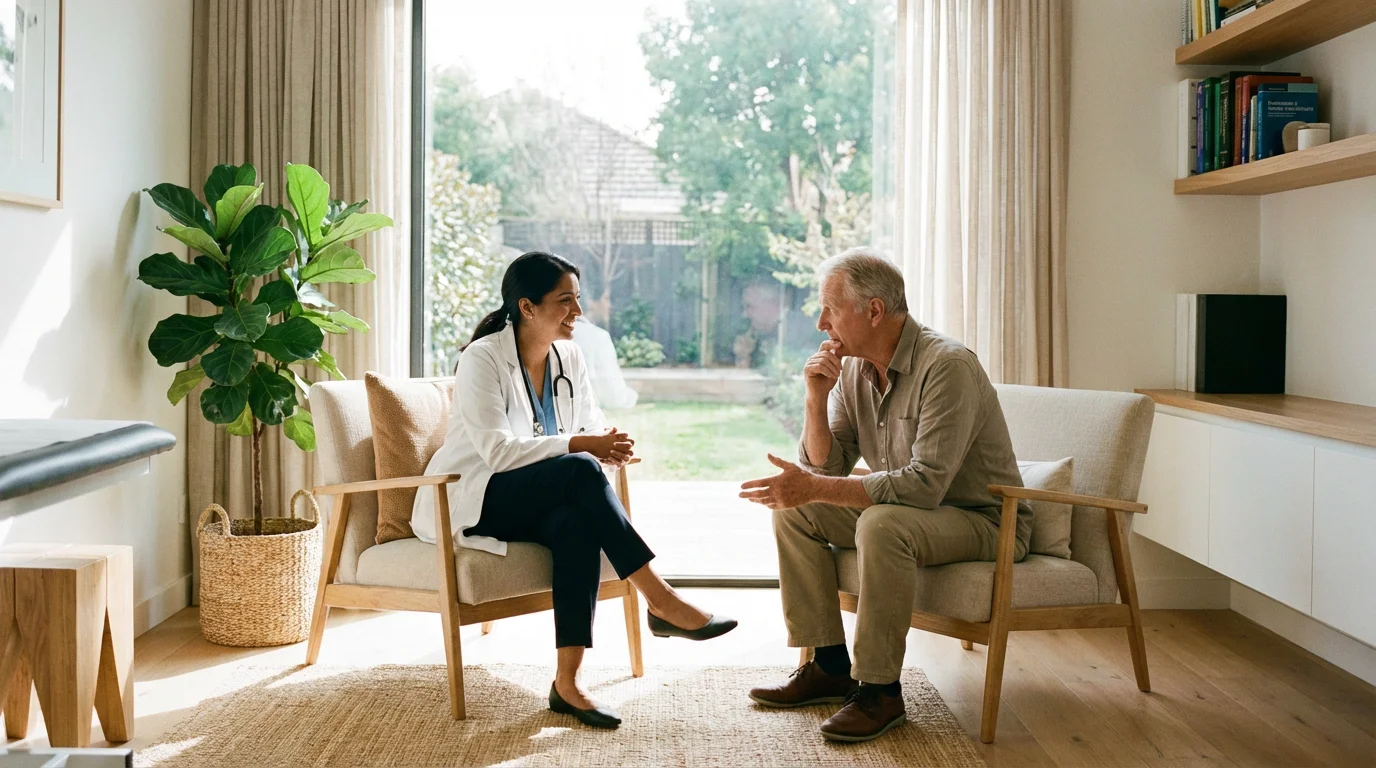
Embarking on any new fitness journey requires a foundational step: listening to your body. Prioritizing safety ensures a sustainable and injury-free path to improved health. Always consult your doctor before starting any new exercise regimen, especially if you have pre-existing health conditions or haven’t been active in a while.
Your doctor provides personalized guidance, helping you understand any limitations and recommending appropriate exercises. This proactive approach prevents injury and optimizes your fitness plan. Remember to warm up before each session and cool down afterwards, preparing your muscles and gradually returning your heart rate to normal. Proper form outweighs intensity, protecting your joints and maximizing exercise effectiveness.
Building Your Personalized Fitness Plan: A Holistic Approach
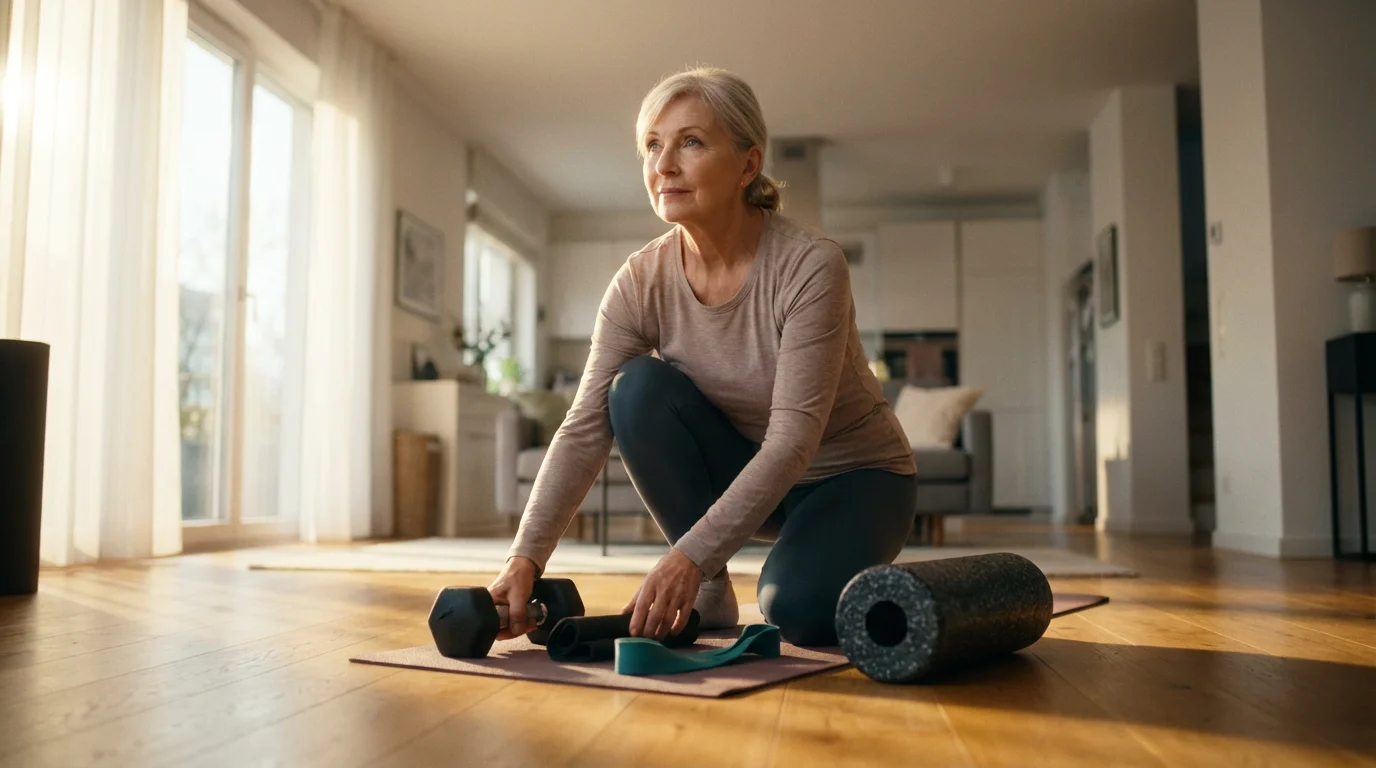
Your journey to physical fitness for retirees thrives on personalization. What works for one person might not suit another, making a tailored approach essential. Consider your current fitness level, personal preferences, and health goals when designing your plan. A holistic strategy incorporates four key components: strength, cardiovascular, flexibility, and balance training.
Start by assessing your current activity levels and identifying areas for improvement. Set realistic, achievable goals that motivate you. Begin slowly, gradually increasing intensity and duration as your body adapts. Consistency proves more valuable than sporadic, intense workouts.
- Assess Your Baseline: Note your current endurance, strength, and flexibility.
- Define Your Goals: Do you want to walk a 5K, play with grandchildren without fatigue, or simply feel more energetic?
- Choose Enjoyable Activities: You are more likely to stick with activities you love.
- Schedule Your Workouts: Treat your fitness appointments as non-negotiable commitments.
- Track Your Progress: Seeing improvements motivates you to continue.
Strength Training: Building Resilience and Power
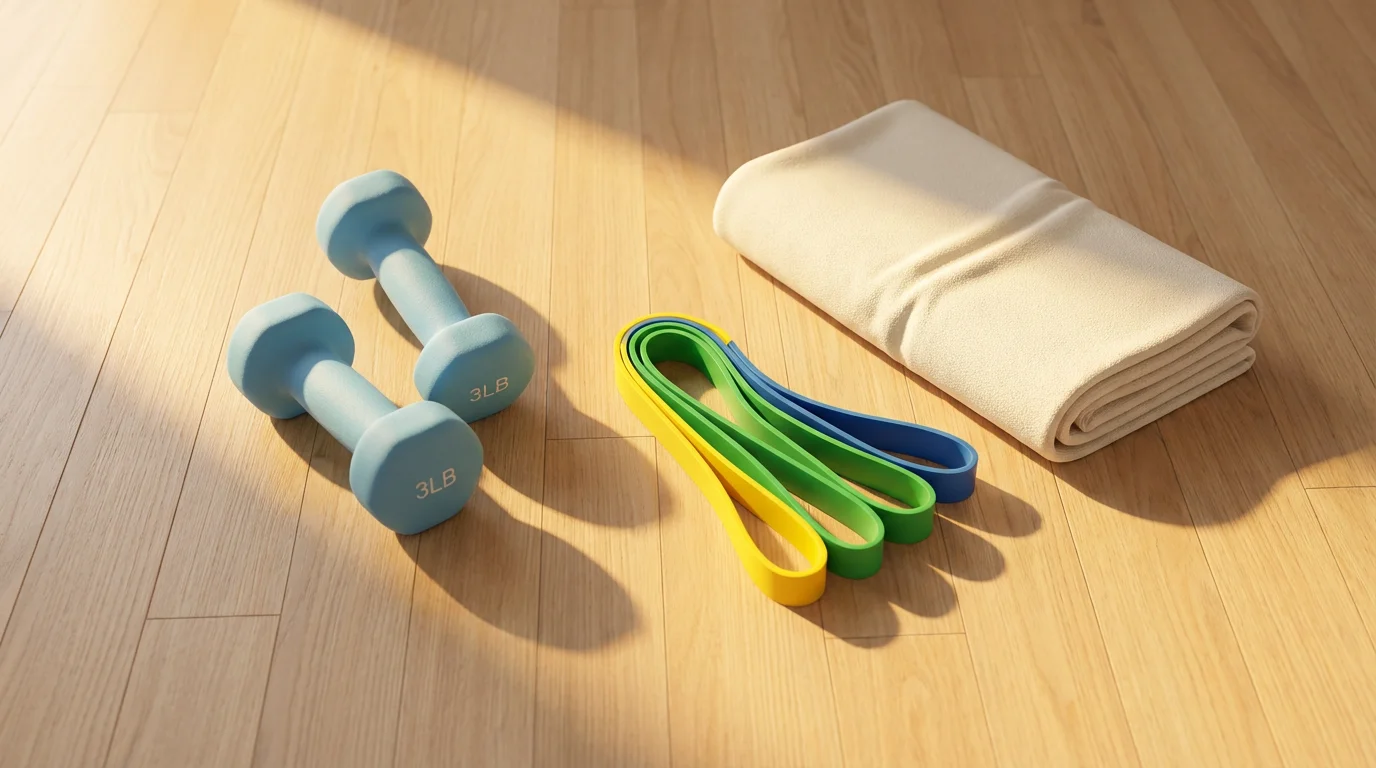
Strength training becomes paramount as you age, directly combating muscle loss, also known as sarcopenia. This critical component of senior fitness helps maintain bone density, improves metabolism, and enhances your ability to perform daily tasks with ease. Stronger muscles mean greater independence and a reduced risk of falls.
You do not need heavy weights or a gym membership to build strength. Many effective exercises use your own body weight or simple resistance tools. Focus on compound movements that work multiple muscle groups simultaneously, like squats, lunges, and push-ups (even against a wall). You gain functional strength, which translates directly to real-world tasks.
Here is a sample circuit demonstrating what exercises are safe for seniors to build strength:
- Chair Squats: Stand in front of a sturdy chair, lower yourself as if to sit, then stand back up. Repeat 10-15 times.
- Wall Push-ups: Stand facing a wall, place hands shoulder-width apart on the wall, lean in, and push back. Repeat 10-15 times.
- Bicep Curls with Resistance Bands or Light Weights: Hold a light dumbbell or resistance band, curl your arm upwards, then lower slowly. Repeat 10-12 times per arm.
- Calf Raises: Hold onto a chair for balance, lift onto the balls of your feet, then slowly lower. Repeat 10-15 times.
- Step-ups onto a Low Step: Use a low, sturdy step, step up with one foot, then bring the other foot up. Step down one foot at a time. Repeat 8-10 times per leg.
Perform these exercises 2-3 times per week, allowing a day of rest between sessions. Gradually increase repetitions or sets as you become stronger. The National Institute on Aging emphasizes the importance of strength training for healthy aging, providing detailed guides and videos on safe practices. You can find comprehensive resources on their website at nia.nih.gov.
Cardiovascular Health: Fueling Your Adventures
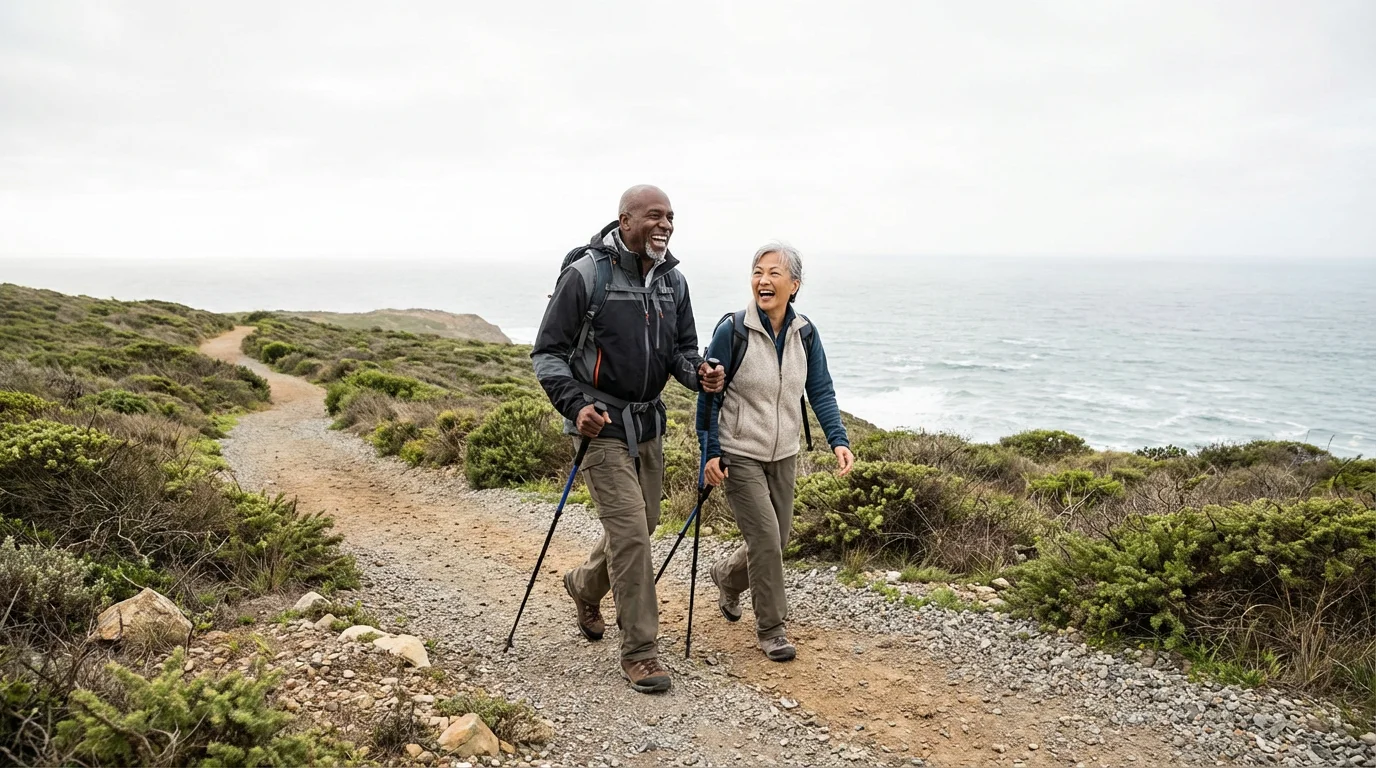
Cardiovascular, or aerobic, exercise forms the bedrock of a healthy lifestyle. This type of activity strengthens your heart and lungs, improves circulation, and boosts your endurance, ensuring you possess the energy for all your retirement dreams. Regular cardio also plays a crucial role in managing weight, reducing stress, and enhancing sleep quality.
The beauty of cardiovascular exercise lies in its variety. You can choose activities you genuinely enjoy, making consistency much easier. Aim for at least 150 minutes of moderate-intensity aerobic activity per week, spread across most days. Break it into shorter, manageable chunks if needed, even 10-minute sessions add up and deliver benefits.
Consider these engaging options for fueling your adventures:
- Brisk Walking: The simplest and often most accessible form of cardio. Explore local parks, walking trails, or even your neighborhood.
- Swimming or Water Aerobics: Excellent for joint support and full-body conditioning, reducing impact on your body.
- Cycling: Whether outdoors or on a stationary bike, cycling builds leg strength and cardiovascular endurance.
- Dancing: A joyful way to elevate your heart rate, improve coordination, and engage socially.
- Hiking: Explore nature while boosting your heart health, choosing trails appropriate for your fitness level.
- Active Sports: Try tennis, pickleball, or golf with walking for those seeking more competitive engagement.
AARP provides valuable insights into maintaining an active aging lifestyle, including suggestions for enjoyable cardiovascular activities suitable for older adults. Their resources can help you discover new ways to keep your heart healthy and strong.
Flexibility and Balance: Moving with Grace and Confidence
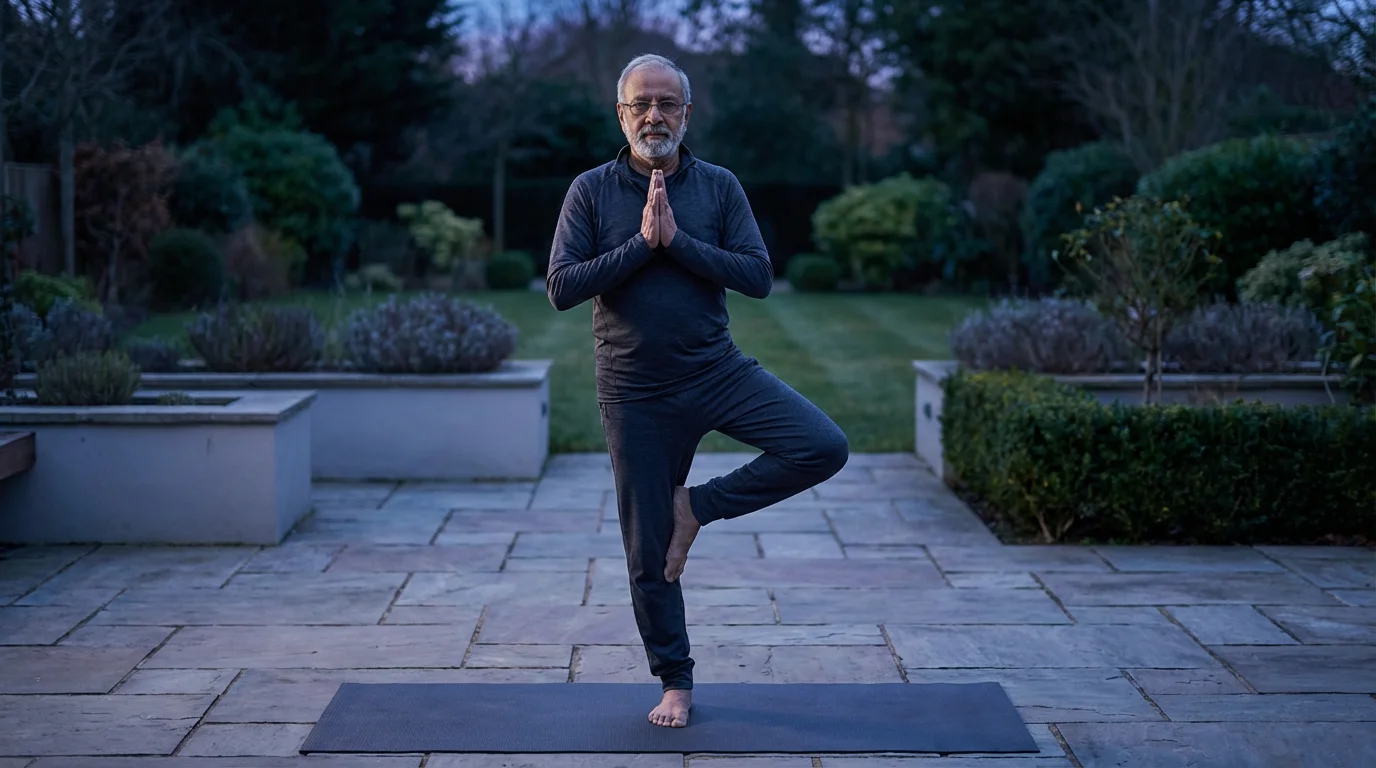
Maintaining flexibility and balance becomes increasingly important for active aging. These aspects of physical fitness for retirees prevent injuries, improve posture, enhance mobility, and significantly reduce your risk of falls. Imagine bending down to play with grandchildren or navigating uneven terrain with unwavering confidence.
Incorporating flexibility and balance exercises into your daily routine offers profound benefits. You improve your range of motion, alleviating stiffness and making everyday movements more comfortable. Enhanced balance provides stability, granting you the freedom to move gracefully and securely in all environments. This proactive approach supports your independence and enjoyment of life.
Discover activities that enhance your grace and confidence:
- Stretching: Perform gentle stretches for all major muscle groups daily, holding each stretch for 20-30 seconds. Never bounce.
- Yoga: Offers a holistic approach, combining strength, flexibility, and balance with mindfulness. Many senior-friendly classes adapt poses.
- Tai Chi: An ancient Chinese practice known for its slow, flowing movements. Tai Chi significantly improves balance, coordination, and mental focus, making it an excellent choice for what exercises are safe for seniors.
- Balance Exercises: Practice standing on one foot (holding onto support initially), heel-to-toe walking, or standing up from a seated position without using your hands.
Consistent practice in these areas builds resilience and ensures you move through your extraordinary retirement with poise. You enhance your physical capabilities and cultivate a greater sense of bodily awareness and control.
Beyond the Gym: Integrating Movement into Daily Life
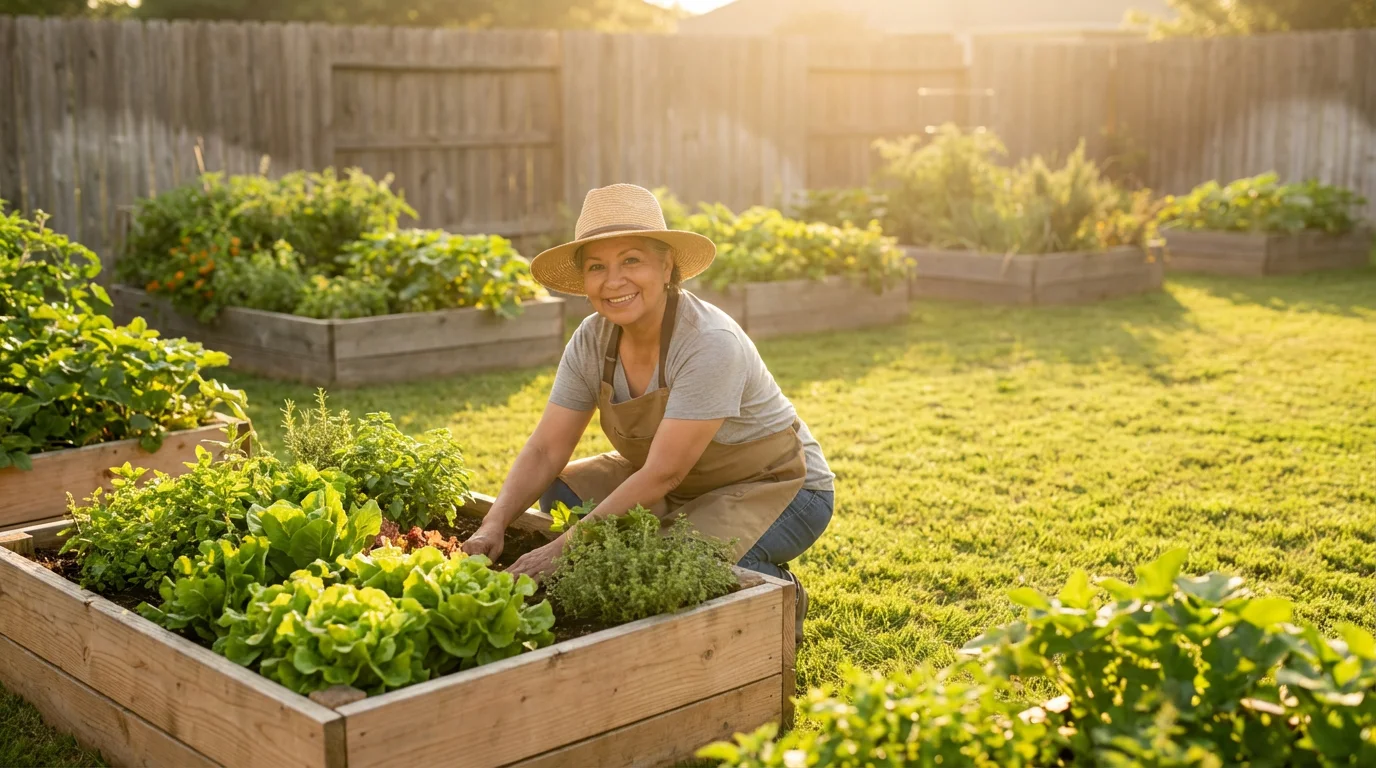
Physical fitness for retirees extends far beyond formal gym sessions. You possess countless opportunities to integrate movement into your daily life, making an active lifestyle a natural part of your retirement. Think creatively about how you can infuse more activity into your routine, turning everyday tasks into mini-workouts.
This approach transforms your perception of exercise from a chore to an intrinsic part of your dynamic life. You experience consistent benefits without feeling confined to a rigid schedule. Every active choice contributes to your senior fitness goals, fostering a healthy lifestyle that feels effortless and enjoyable. Embrace movement in all its forms.
Consider these practical ways to boost your daily activity:
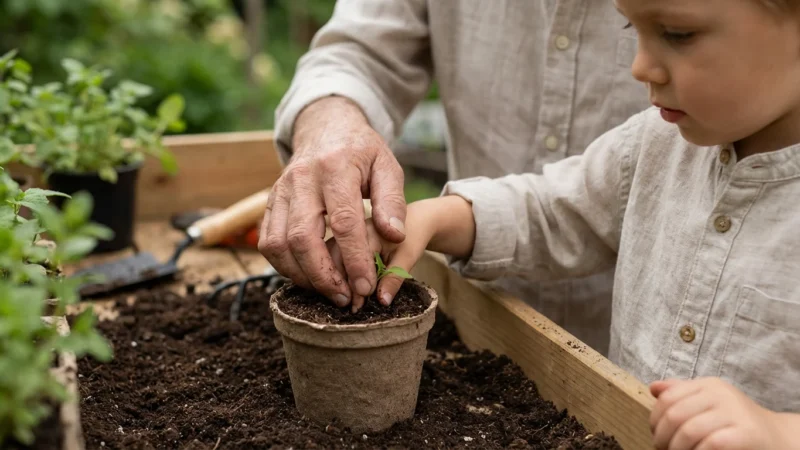
- Gardening: Digging, planting, weeding, and raking provide excellent full-body exercise.
- Active Hobbies: Take up birdwatching with long walks, photography expeditions, or geocaching.
- Housework: Cleaning, vacuuming, and organizing burn calories and engage various muscle groups.
- Walk or Bike for Errands: Choose active transportation when practical, reducing reliance on your car.
- Take the Stairs: Opt for stairs over elevators whenever possible, building leg strength and cardiovascular endurance.
- Stand More: Reduce sedentary time by standing while talking on the phone or watching television during commercials.
- Volunteer Actively: Engage in volunteer work that involves movement, such as assisting at a local park or animal shelter. VolunteerMatch offers many opportunities at volunteermatch.org.
Each small decision to move contributes significantly to your overall well-being. You are not simply exercising, you are living an active, engaged life that supports your health and happiness.
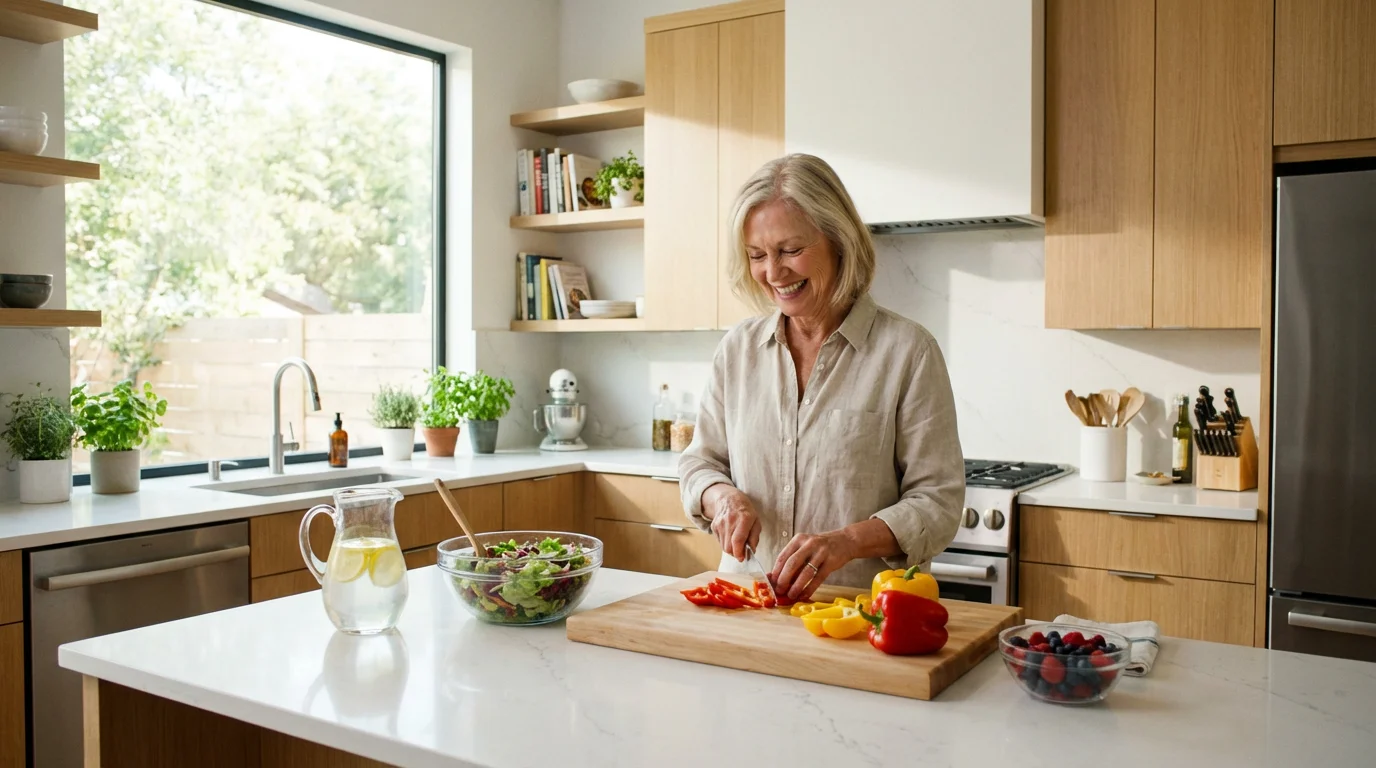
Nutrition and Hydration: Your Partners in Peak Performance
Optimal physical fitness for retirees thrives on the synergy of movement and proper fueling. Nutrition and hydration are not mere footnotes to your exercise regimen, they stand as indispensable partners in achieving peak performance and sustaining a healthy lifestyle. Your body requires the right nutrients to repair, rebuild, and energize itself for every adventure.
Focus on a balanced diet rich in whole, unprocessed foods. Prioritize lean proteins to support muscle maintenance and growth, essential for senior fitness. Incorporate plenty of fruits, vegetables, and whole grains for vital vitamins, minerals, and fiber. These foods provide sustained energy and support overall bodily function, reducing inflammation and bolstering your immune system.
Key nutritional strategies for active aging:
- Prioritize Protein: Include lean meats, fish, eggs, dairy, beans, or tofu in every meal to support muscle health.
- Embrace Whole Foods: Choose whole grains over refined, and aim for a colorful array of fruits and vegetables daily.
- Healthy Fats: Integrate avocados, nuts, seeds, and olive oil for heart health and anti-inflammatory benefits.
- Stay Hydrated: Drink water consistently throughout the day, even if you do not feel thirsty. Dehydration impairs performance and recovery.
- Limit Processed Foods: Reduce intake of sugary drinks, excessive sodium, and unhealthy fats that contribute to inflammation and fatigue.
Proper fueling directly impacts your energy levels, recovery time, and mental clarity. By nourishing your body thoughtfully, you empower it to perform at its best, ensuring you enjoy every moment of your active retirement.

Overcoming Challenges and Staying Motivated
Every journey encounters obstacles, and your path to consistent senior fitness is no exception. You may face plateaus, minor injuries, or periods of decreased motivation. Recognize these as normal parts of the process, not reasons to give up. Your ability to navigate challenges defines your commitment to a healthy lifestyle and your extraordinary retirement.
Staying motivated requires a dynamic approach. Celebrate small victories, knowing that every step forward builds momentum. Find an accountability partner or join a fitness group to foster camaraderie and mutual support. Remind yourself of your initial “why” – your desire for energy, independence, and the capacity to live your dreams.
It is never too late to be what you might have been. — George Eliot
Here are actionable strategies to maintain your drive:
- Reframe Setbacks: View a missed workout as a single event, not a failure, and simply get back on track the next day.
- Vary Your Routine: Introduce new activities to prevent boredom and challenge different muscle groups.
- Focus on How You Feel: Pay attention to increased energy, better sleep, and improved mood. These intrinsic rewards often outweigh external goals.
- Set New Goals: Once you achieve an objective, establish a new, inspiring one to keep your journey exciting.
- Seek Professional Guidance: Consider a personal trainer specializing in older adults for tailored advice and motivation.
- Prioritize Rest and Recovery: Allow your body adequate time to heal and strengthen. Rest days are productive days.
Your commitment to active aging creates a legacy of vitality. You demonstrate that age is merely a number, and the pursuit of dreams knows no limits. Embrace the journey with courage, curiosity, and an unwavering belief in your unlimited potential.
Frequently Asked Questions
What are the most effective types of exercise for seniors?
For comprehensive senior fitness, integrate a balanced routine. Focus on aerobic exercises like walking, swimming, or cycling for heart health. Include strength training using bodyweight, resistance bands, or light weights to build muscle and bone density. Prioritize flexibility and balance through activities such as yoga or Tai Chi to improve mobility and prevent falls. The National Institute on Aging offers excellent guidance on developing a well-rounded program.
How much exercise do I really need as a retiree?
Aim for at least 150 minutes of moderate-intensity aerobic activity per week. Distribute this across multiple days. Incorporate strength training for all major muscle groups at least twice a week. Additionally, dedicate time to flexibility and balance exercises daily or several times a week. Even short bursts of activity accumulate, contributing significantly to your healthy lifestyle.
Is it ever too late to start a fitness routine?
It is absolutely never too late to begin a fitness journey. Your body responds to exercise at any age, yielding significant health benefits. Starting a new routine improves cardiovascular health, strengthens muscles, enhances balance, and boosts mood. Begin gradually, listen to your body, and consult your doctor before making significant changes to your physical activity levels. Consistency proves more valuable than intensity when starting.
What are common obstacles to staying active in retirement and how can I overcome them?
Common obstacles include fear of injury, lack of motivation, or chronic pain. Overcome these by seeking professional guidance from a doctor or physical therapist to address pain and ensure safety. Find an exercise buddy or join a group for accountability and social engagement. Choose activities you genuinely enjoy. Celebrate small victories and focus on how movement improves your daily quality of life, not just on reaching specific fitness benchmarks.
Disclaimer: This article is for informational and inspirational purposes. Life decisions are deeply personal, and we encourage readers to pursue their dreams while considering their unique circumstances, health, and financial situation.





Leave a Reply