
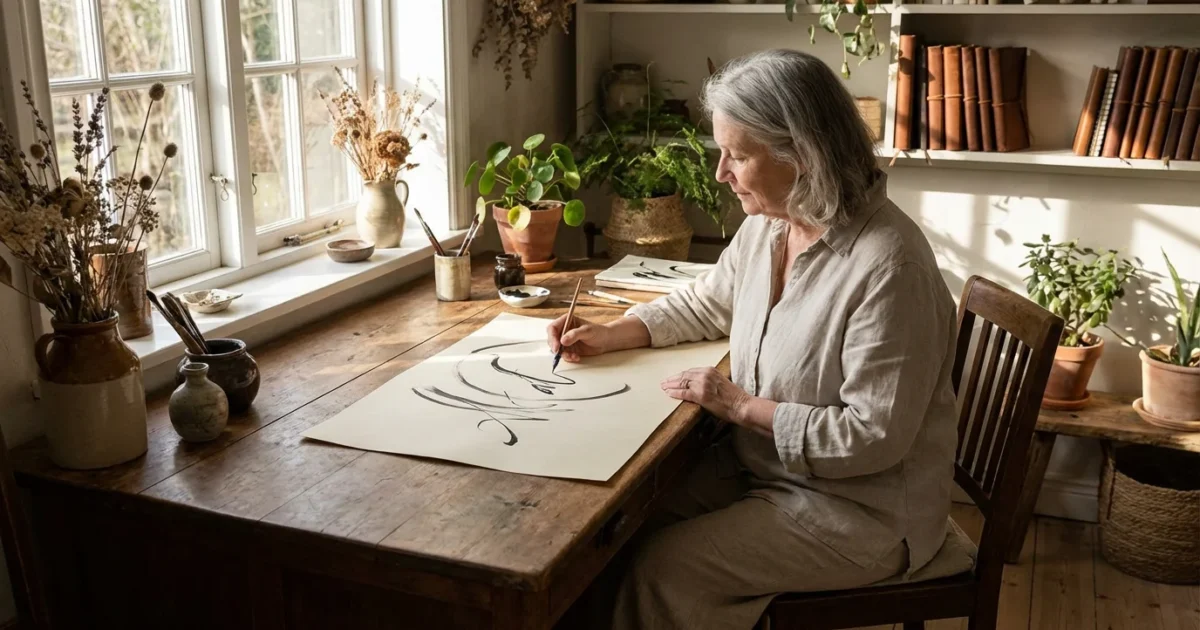
Retirement presents you with a magnificent blank canvas, an expansive space to paint new passions and revisit cherished dreams. For many, this chapter is not an ending but a powerful new beginning, an invitation to explore possibilities previously sidelined by career demands. You possess a unique opportunity to cultivate skills, pursue adventures, and engage in activities that nourish your soul. Imagine transforming simple letters into works of art, finding rhythm and beauty in every stroke. Calligraphy offers this profound engagement, turning the act of writing into a meditative journey and a tangible expression of elegance.
This ancient art form, the practice of beautiful handwriting, extends far beyond pen and paper. It cultivates patience, sharpens focus, and opens a pathway to creative self-expression. As you explore the nuances of ink, nib, and pressure, you do more than just form letters; you develop a deeper connection with your inner artist. This article guides you through the captivating world of calligraphy, demonstrating how retirement provides the perfect backdrop for mastering this beautiful craft.

Why Calligraphy: Igniting Your Creative Spark in Retirement
Retirement often brings a welcome shift in pace, freeing you from the relentless clock of daily work. This newfound freedom becomes fertile ground for activities that require focus and calm. Calligraphy, with its deliberate movements and emphasis on precision, perfectly aligns with this rhythm. It provides a unique avenue for mental engagement and artistic fulfillment.
Engaging in creative pursuits like calligraphy offers significant benefits for your well-being. Studies, such as those highlighted by Psychology Today, reveal that activities providing a sense of purpose and flow contribute immensely to overall happiness and mental health. Calligraphy offers this immersive ‘flow state,’ where time seems to dissolve as you concentrate on each stroke.
Consider the profound impact on your daily life. Calligraphy reduces stress, acting as a meditative practice that calms the mind. It enhances fine motor skills and hand-eye coordination, offering a gentle yet effective mental workout. You experience the satisfaction of creating something beautiful with your own hands, fostering a sense of accomplishment and pride. This pursuit also connects you to a rich history of art and craftsmanship, adding depth to your learning experience.

The Essence of Elegance: Understanding Calligraphy and Hand Lettering
Before you dive into the practical aspects, it helps to understand what calligraphy truly entails and how it differs from similar arts like hand lettering. Calligraphy, derived from Greek words meaning “beautiful writing,” focuses on forming elegant letterforms using specialized tools. You create letters in a structured, often traditional manner, emphasizing consistency and aesthetic balance.
Hand lettering, on the other hand, involves drawing letters. While it shares the goal of beautiful letterforms, it allows for more artistic freedom and often involves building up letters stroke by stroke, rather than in one continuous motion. Many people begin with hand lettering techniques before transitioning to traditional calligraphy, finding it a gentle introduction to the principles of letter design.
Both disciplines offer immense creative potential. Calligraphy often adheres to specific historical scripts, such as Copperplate, Spencerian, or Italic. Each script carries its own set of rules for stroke order, pressure, and letter spacing. Learning these provides a solid foundation, allowing you to appreciate the heritage and discipline behind this beautiful art. You choose your path based on your artistic inclinations and desired level of structure.
Building Your Arsenal: Choosing the Best Calligraphy Set for Beginners
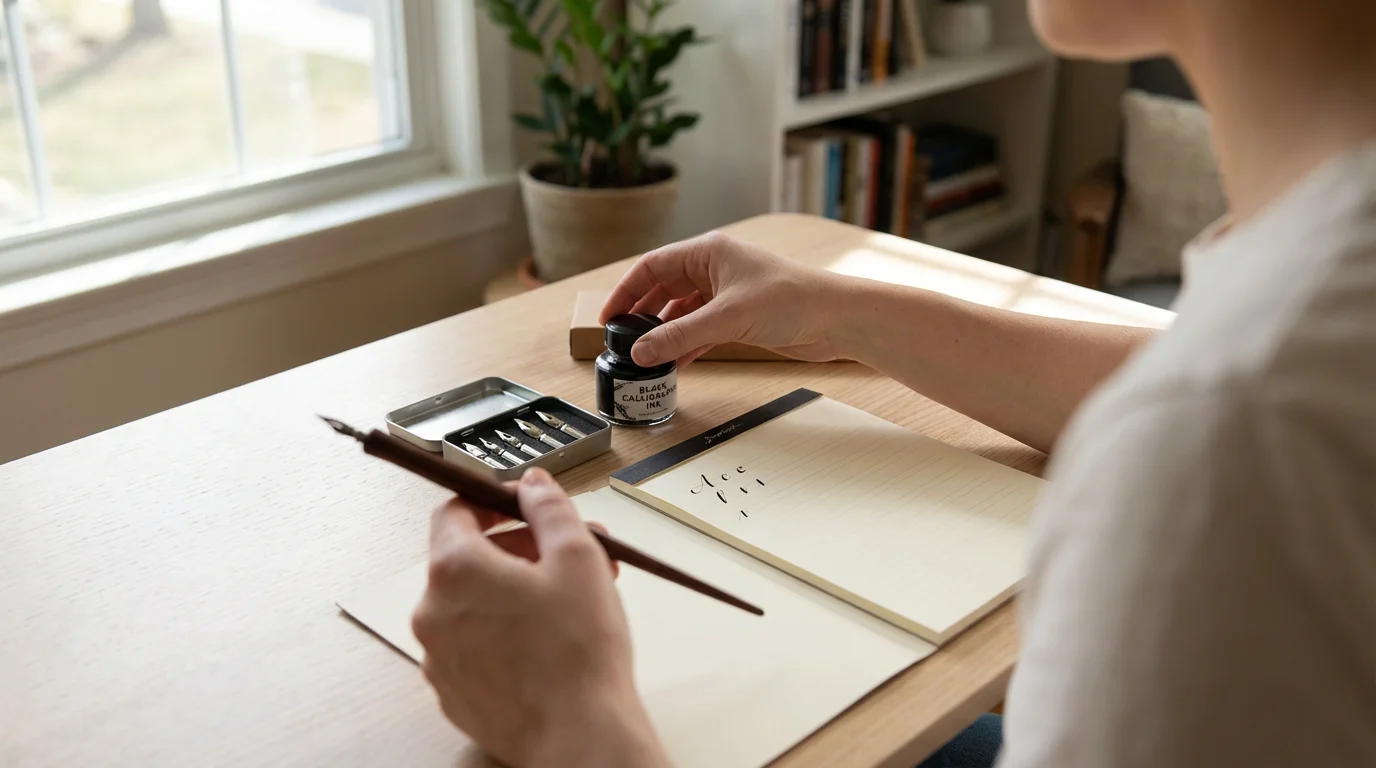
Embarking on your calligraphy journey begins with acquiring the right tools. You do not need an expensive setup; a modest investment in quality basics provides a fantastic starting point. The market offers a wide range of options, and selecting the best calligraphy set for beginners involves understanding a few key components. Focus on items that offer ease of use and good performance to avoid early frustration.
Here are the essential items you need to start:
- Pen Holders: Choose a straight pen holder for broad-edged scripts or a flange pen holder for pointed pen scripts. Beginners often find straight holders easier to manage initially.
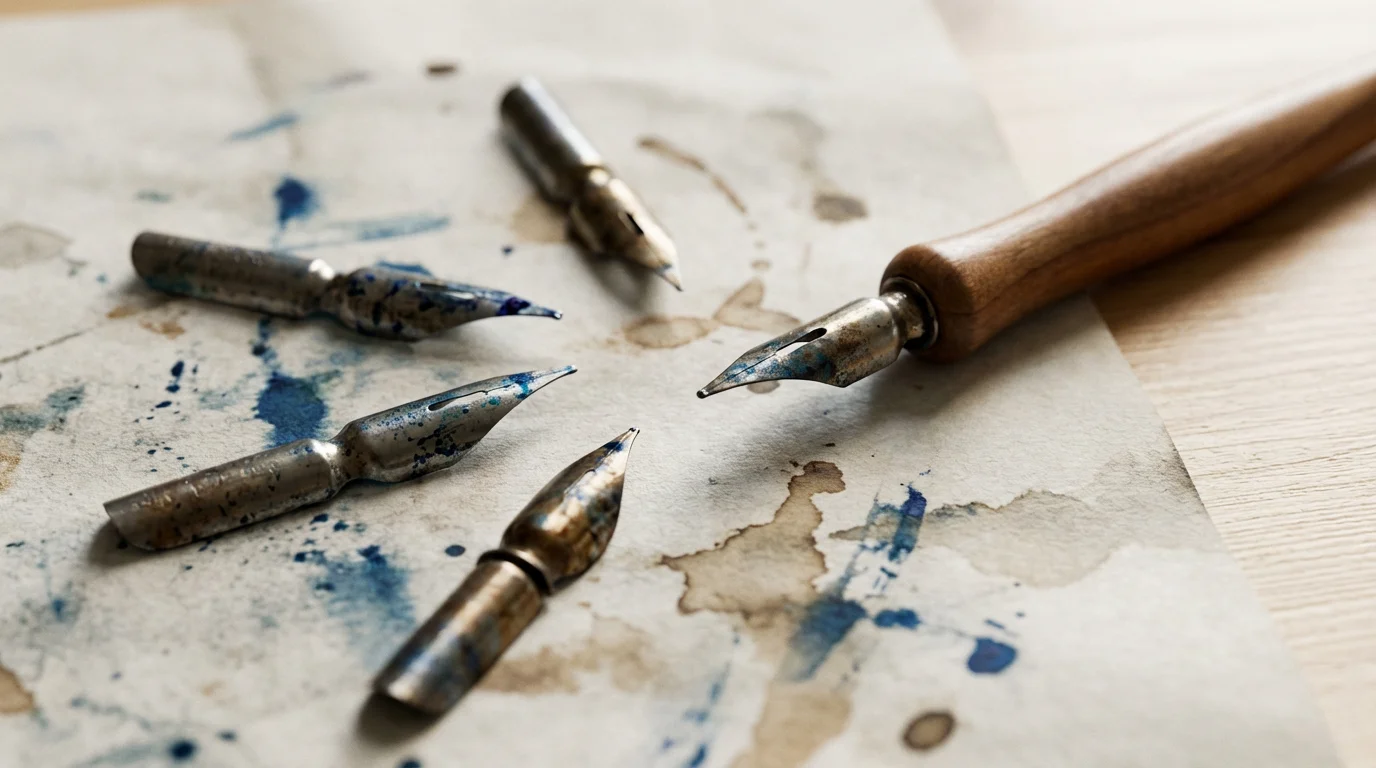
- Nibs: These are the metal tips that hold and dispense ink. Start with a few different sizes of broad-edged nibs (e.g., 1.5mm, 2.4mm) or a few flexible pointed nibs (e.g., Nikko G, Zebra G) for fine lines.
- Ink: Good quality black sumi ink or walnut ink provides excellent flow and rich color. Avoid India ink initially, as it can be difficult to clean from nibs.
- Paper: Smooth paper is crucial. Avoid textured or highly absorbent paper, which can cause ink bleeding or feathering. Practice pads specifically designed for calligraphy work wonderfully.
- Practice Sheets: Printed guidelines help you maintain consistent letter height, slant, and spacing. Many free resources offer printable practice sheets online.
When selecting calligraphy pens, consider starting with a dip pen set. These give you direct control over ink flow and pressure, offering a truly authentic calligraphy experience. Fountain pens designed for calligraphy are also an option, providing convenience but sometimes less flexibility than dip pens. Remember, the quality of your tools significantly influences your learning curve and enjoyment.

Your First Steps: How to Learn Basic Calligraphy
Learning basic calligraphy involves a methodical approach, building from fundamental strokes to complete letterforms. You develop muscle memory and a keen eye for detail with consistent practice. Do not rush this process; each stage contributes to your overall mastery and artistic confidence. The beauty of calligraphy lies in its precision and control.
Follow these steps to begin your journey into beautiful handwriting:
- Master Basic Strokes: Every letter in calligraphy is built from a few fundamental strokes: upstrokes, downstrokes, ovals, and curves. Practice these repeatedly on your guideline paper until they feel natural. Focus on consistent pressure and angle.
- Understand Pressure: With pointed pens, apply light pressure on upstrokes for thin lines and firm pressure on downstrokes for thick lines. This variation creates the characteristic elegance of calligraphy. For broad-edged pens, the angle of the nib, not pressure, dictates line thickness.
- Form Individual Letters: Once comfortable with basic strokes, combine them to form individual lowercase and uppercase letters. Work through the alphabet systematically, paying close attention to proportions and spacing. Use exemplars or instructional books as your guide.
- Practice Connecting Letters: After mastering individual letters, practice connecting them to form words. This introduces the challenge of consistent spacing and smooth transitions. Think of each word as a cohesive unit.
- Maintain Proper Posture and Grip: Sit comfortably with your paper at a slight angle. Hold your calligraphy pen loosely but firmly, allowing for fluid movement from your arm, not just your wrist. A relaxed grip prevents fatigue and ensures smoother strokes.
Many resources exist for learning how to learn basic calligraphy. Online tutorials, dedicated calligraphy books, and local workshops provide excellent instruction. Remember that patience is your greatest ally. Celebrate every small improvement and enjoy the journey of discovery.

A Personalized Approach: Calligraphy for Seniors
Calligraphy for seniors offers a particularly enriching experience, adapting beautifully to individual needs and preferences. You can tailor your practice to maximize comfort and enjoyment, making it an accessible and rewarding hobby. Embrace the flexibility this art form offers, ensuring your creative journey remains joyful and sustainable.
Consider these practical adjustments and benefits:
- Ergonomic Tools: Explore thicker pen holders or specialized grips if you experience hand discomfort. Some calligraphy pens feature ergonomic designs that reduce strain. Your comfort is paramount for sustained practice.
- Larger Scale Practice: Start with larger letterforms and broader nibs. This reduces the demand for minute precision initially, allowing you to focus on stroke fundamentals and movement. You can gradually move to smaller sizes as your control improves.
- Gentle Pacing: Retirement means you set your own schedule. Practice in shorter, focused sessions, taking breaks as needed. This prevents fatigue and keeps the experience enjoyable.
- Focus on Mindfulness: The repetitive, rhythmic nature of calligraphy promotes mindfulness and relaxation. It acts as a delightful escape from daily worries, bringing you into the present moment.
- Community and Connection: Many senior centers, libraries, and art groups offer classes in calligraphy or hand lettering. Joining these provides social interaction, shared learning, and opportunities to connect with fellow enthusiasts. The Osher Lifelong Learning Institutes, for example, often feature such enriching courses.
- Cognitive Benefits: The concentration and fine motor control required for calligraphy provide excellent mental exercise. It stimulates neural pathways, helping to maintain cognitive sharpness and dexterity.
Your journey with calligraphy is personal. Adapt the techniques and tools to suit your body and pace, allowing this art to become a source of peace, accomplishment, and continuous learning.
Beyond the Lines: Creative Projects and Community Connections
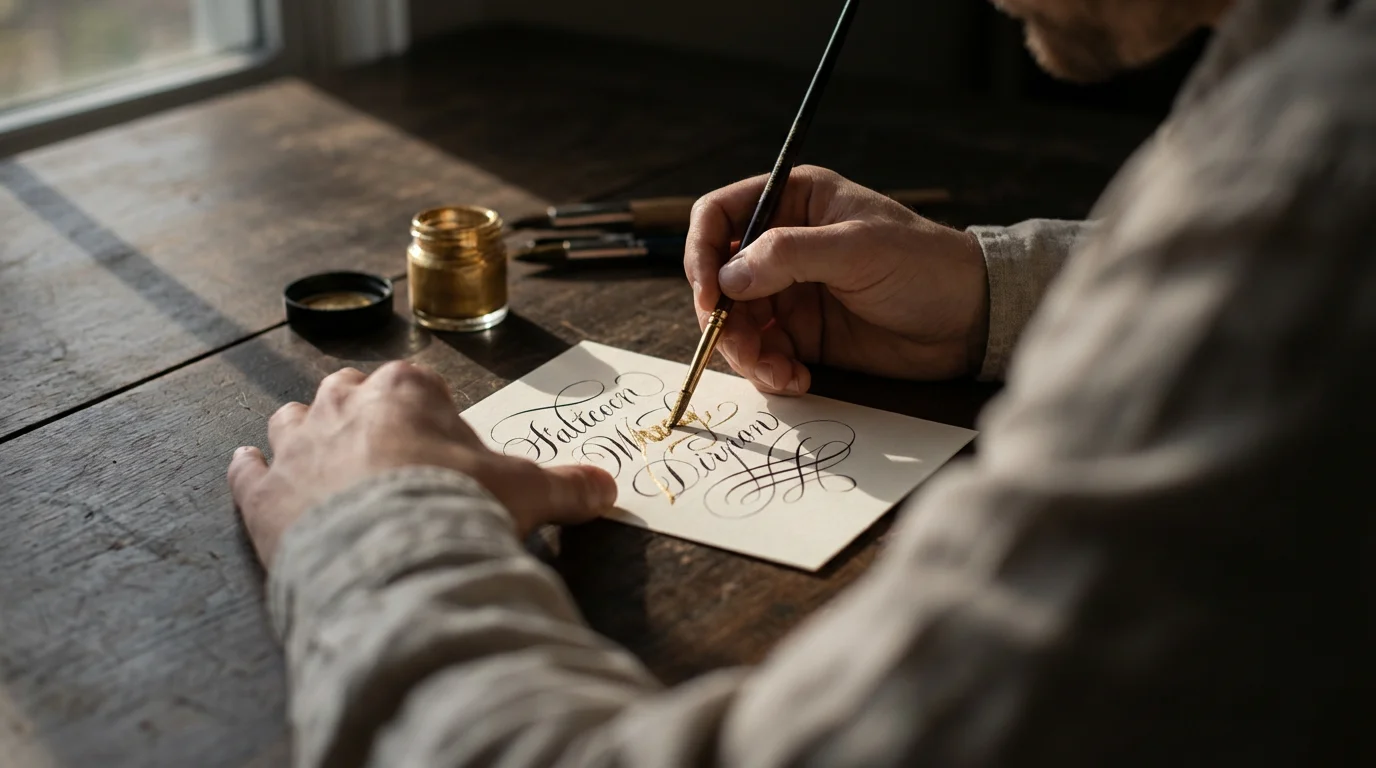
Once you grasp the fundamentals of calligraphy, an entire world of creative projects opens up to you. Your beautiful handwriting transforms everyday items into personalized treasures and thoughtful gifts. The skills you develop become tools for self-expression and connection, making your retirement even more vibrant. You move from practice sheets to tangible creations.
Here are inspiring ideas for applying your calligraphy skills:
- Personalized Greeting Cards: Elevate holiday cards, birthday wishes, and thank you notes with hand-calligraphed messages. Your recipients will cherish the personal touch.
- Art Prints and Wall Decor: Create stunning quotes, poems, or song lyrics as decorative art pieces for your home or as gifts. Frame your favorite works for lasting enjoyment.
- Journaling and Scrapbooking: Enhance your personal journals, travel diaries, or scrapbooks with elegant titles, dates, and decorative elements. Document your memories with artistic flair.
- Special Event Invitations: Offer your skills to family and friends for wedding invitations, anniversary celebrations, or other significant events. Your elegant script adds a touch of sophistication.
- Handmade Gifts: Personalize gift tags, bookmarks, recipe cards, or small decorative items. Your unique touch makes any present more meaningful.
- Community Engagement: Volunteer your calligraphy skills for local non-profits, school events, or church bulletins. Share your talent and connect with your community.
Beyond individual projects, consider joining local calligraphy guilds or online communities. These groups offer workshops, critiques, and camaraderie, fostering your growth and connecting you with a supportive network of artists. Sharing your passion enriches your experience and inspires others.
Sustaining Your Artistic Journey
The beauty of calligraphy lies not only in the final product but also in the continuous journey of learning and improvement. To sustain your artistic spirit, cultivate a mindset of curiosity and persistence. You possess the time and wisdom to truly immerse yourself in this art, allowing it to evolve with you throughout your retirement years.
Keep your passion alive with these strategies:
- Consistent Practice: Even short, regular practice sessions (15-30 minutes a few times a week) yield remarkable results over time. Consistency builds muscle memory and refines your technique.
- Explore New Scripts and Styles: Do not limit yourself to one script. Experiment with different historical styles or modern calligraphy approaches. Each new challenge expands your artistic vocabulary.
- Seek Inspiration: Look to historical manuscripts, contemporary calligraphers, and even nature for inspiration. Observe letterforms in your environment and appreciate the art of visual communication.
- Attend Workshops and Classes: Continuous learning through advanced workshops or online courses keeps your skills sharp and introduces you to new techniques and ideas. Road Scholar, for instance, offers educational travel experiences that sometimes include art programs.
- Document Your Progress: Keep a portfolio of your work. Seeing how far you have come provides motivation and a tangible record of your growth. Celebrate your milestones.
- Share Your Art: Display your pieces, give them as gifts, or share them with online communities. Positive feedback and the act of sharing fuel your motivation and connect you with others.
Calligraphy is more than a hobby; it is a companion for your retirement, a source of endless creativity, and a testament to your ability to master new challenges. Embrace the quiet joy it brings, allowing your unique hand to write a beautiful new chapter.
Frequently Asked Questions
Is calligraphy difficult to learn in retirement?
Learning calligraphy at any age, including retirement, is entirely achievable and immensely rewarding. It requires patience and consistent practice, but the process itself offers significant mindfulness benefits. Many find that retirement provides the dedicated time and relaxed mindset ideal for mastering this art. Focus on fundamental strokes and letterforms, celebrating small improvements rather than striving for instant perfection.
What is the real difference between calligraphy and hand lettering?
Calligraphy means ‘beautiful writing’ and involves creating letterforms with specific tools like broad-edged or pointed calligraphy pens, typically in a single, fluid stroke. You write the letters. Hand lettering, in contrast, involves drawing letters. While it also aims for beautiful letterforms, you can build up letters with multiple strokes, often using fine-tipped pens or even pencils. Both are wonderful creative pursuits, but calligraphy follows more traditional rules for letter construction.
How much does a good beginner calligraphy set cost?
You can start your calligraphy journey without a significant investment. A basic beginner calligraphy set, often including a pen holder, a few nibs, and a small bottle of ink, typically ranges from $20 to $50. Alternatively, you can purchase individual items: a simple pen holder for $5-$10, a few starter nibs for $3-$5 each, and a small bottle of black ink for $10-$20. You only need good quality paper suitable for ink to complete your initial setup. Remember, quality over quantity provides a better learning experience.
Can calligraphy improve hand dexterity and fine motor skills?
Absolutely. The precise movements required for forming elegant letterforms in calligraphy directly engage and enhance fine motor skills. You develop greater control over your hand and fingers, improving dexterity and coordination. This engagement offers cognitive benefits, sharpening focus and concentration. Regular practice contributes to maintaining and even improving the agility of your hands, making it a valuable activity for mental and physical well-being.
Where can I find local calligraphy classes or workshops?
Discovering local calligraphy classes is easier than you might think. Check your community centers, local art schools, or craft stores. Many libraries also offer workshops or can point you toward local instructors. Online search engines are useful; simply type ‘calligraphy classes near me’ or ‘hand lettering workshops [your city]’. Additionally, consider lifelong learning programs at universities, such as those offered by Osher Lifelong Learning Institutes, which often include art and craft courses tailored for adults in retirement.
Disclaimer: This article is for informational and inspirational purposes. Life decisions are deeply personal, and we encourage readers to pursue their dreams while considering their unique circumstances, health, and financial situation.








Leave a Reply