
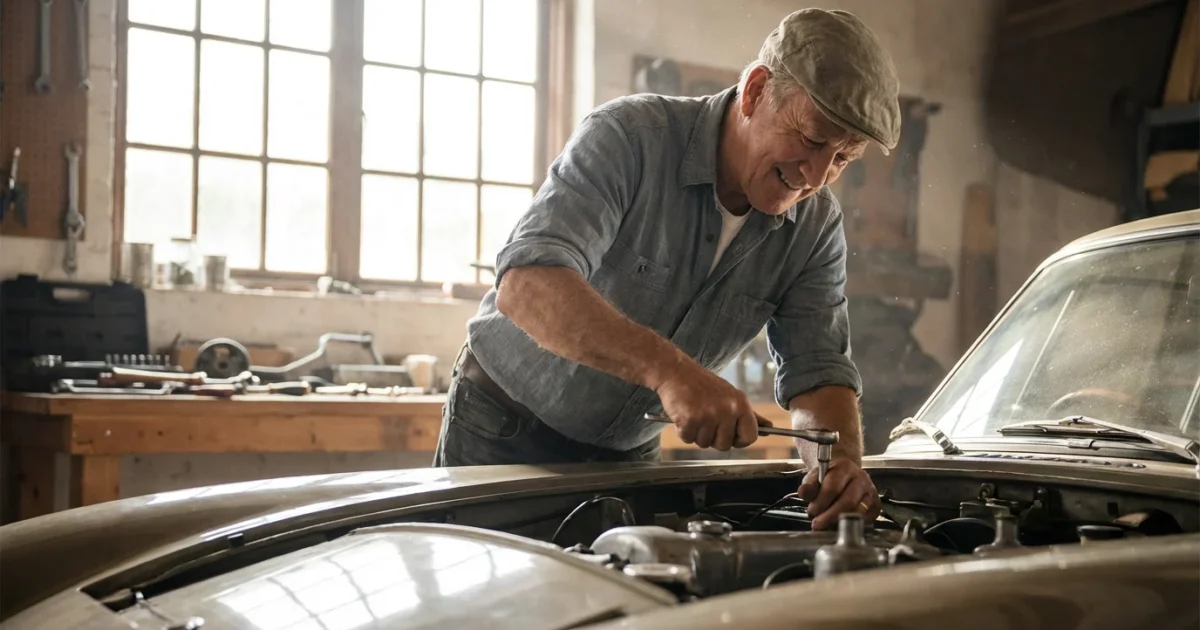
Retirement opens a vast landscape of opportunity, inviting you to rediscover dormant dreams and embark on exhilarating new adventures. Imagine the roar of an engine, the gleam of polished chrome, and the undeniable satisfaction of bringing a piece of automotive history back to life with your own hands. Restoring a classic car offers more than just a hobby; it provides a fulfilling, hands-on project that challenges your mind, hones your skills, and delivers immense personal reward. This is your chance to embrace a project that embodies ingenuity, patience, and the joy of creation.
Reignite Your Passion: The Call of the Classic Car
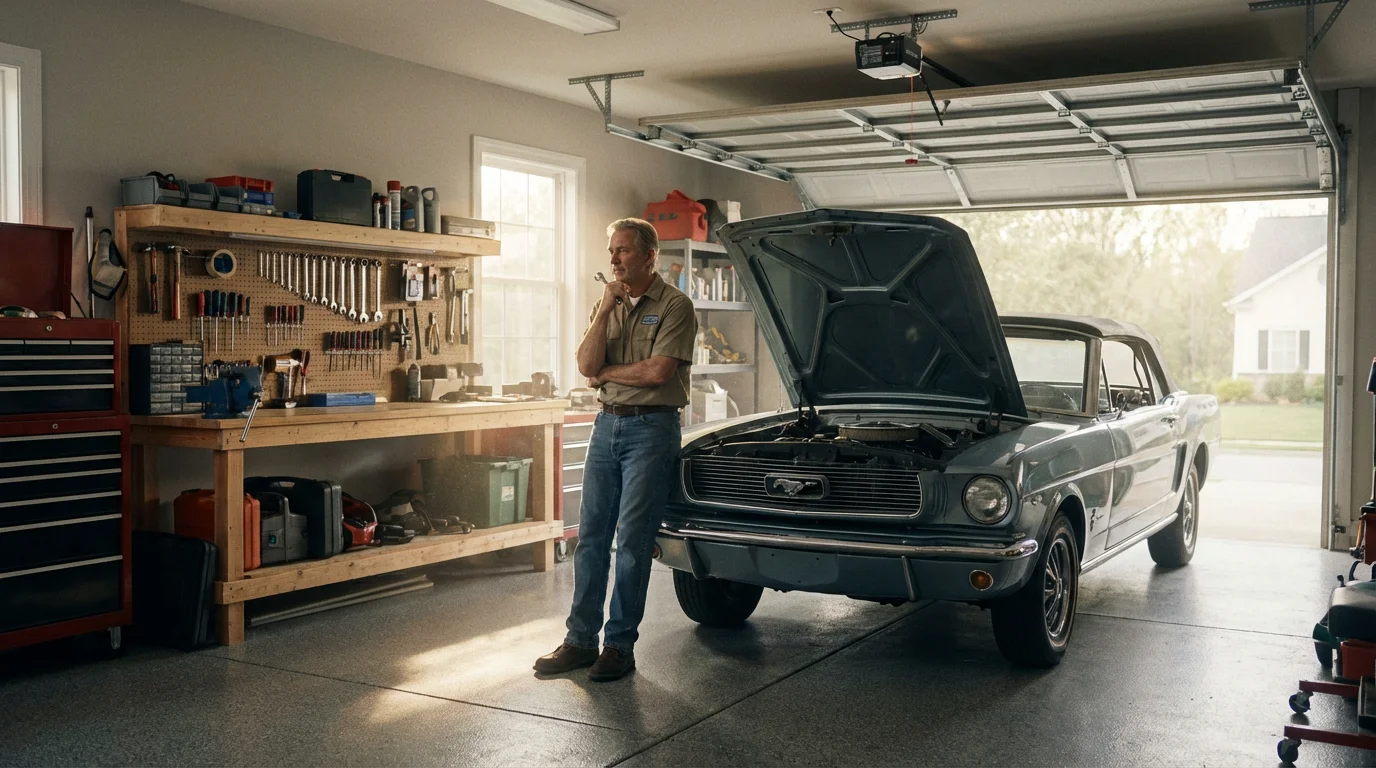
The allure of a classic car transcends simple transportation. These magnificent machines represent eras of groundbreaking design, engineering prowess, and cultural significance. For many, a particular classic car evokes cherished memories, perhaps a vehicle from their youth or a model they always admired. Your retirement years provide the perfect window to transform that nostalgic admiration into an active, tangible pursuit.
Embarking on a car restoration project fuels your curiosity and provides a powerful sense of purpose. It offers a continuous learning experience, where every bolt tightened and every panel polished adds to your growing expertise. The journey from a rust-bitten relic to a gleaming showpiece is a testament to your dedication and vision. You gain practical skills, problem-solving abilities, and a deep understanding of automotive mechanics and history.
It is never too late to be what you might have been.
Choosing Your Dream Project: What Classic Car Suits You?
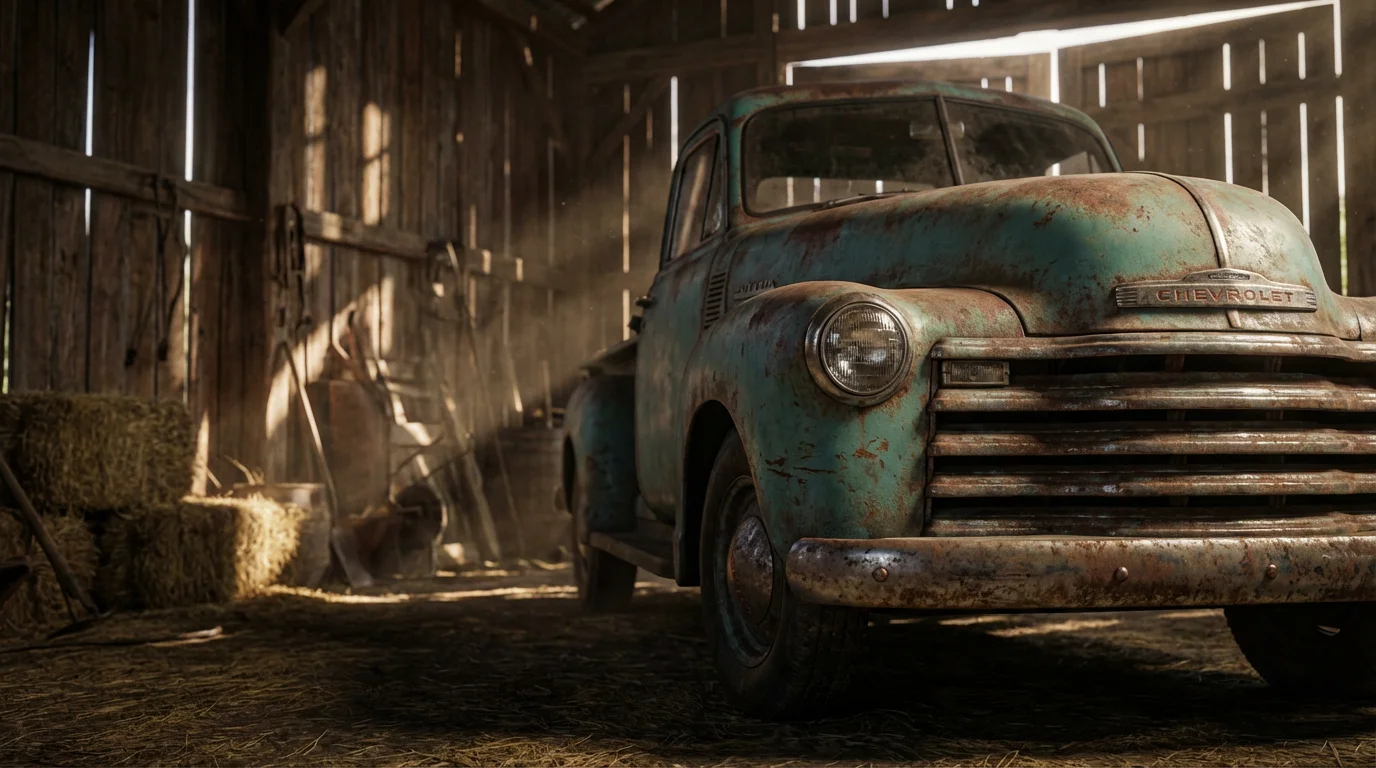
Selecting the right classic car for your restoration is a crucial first step. Consider your mechanical aptitude, budget, available space, and desired time commitment. Some vehicles offer a more straightforward entry point into the world of car restoration than others. Starting with a manageable project ensures you build confidence and enjoy the process.
To identify what are the easiest classic cars to restore, consider models with widespread parts availability, strong community support, and relatively simple mechanical designs. These factors significantly reduce frustration and expense.
Here are some popular and accessible choices for your first classic car restoration:
- First-Generation Ford Mustang (1964-1968): An iconic choice with abundant parts, a large enthusiast community, and straightforward mechanicals.
- Volkswagen Beetle (pre-1970s): Known for its simple air-cooled engine and modular design, making parts identification and replacement relatively easy.
- Chevrolet C10 Pickup (1967-1972): A robust truck with easy access to parts and ample space to work under the hood. Its popularity means many online resources exist.
- MGB Roadster (1962-1980): A classic British roadster offering a rewarding restoration experience with good parts availability and an active owner’s club.
- Pontiac Firebird/Chevrolet Camaro (late 1960s-early 1970s): Another American muscle car with a strong following and accessible parts network, though bodywork can be extensive.
Always perform thorough research on a potential vehicle. Investigate common rust spots, mechanical issues, and the cost of key replacement parts. A pre-purchase inspection by a knowledgeable mechanic specializing in classic cars can save you significant headaches down the road.
Setting Up Your Workshop: Tools, Space, and Safety
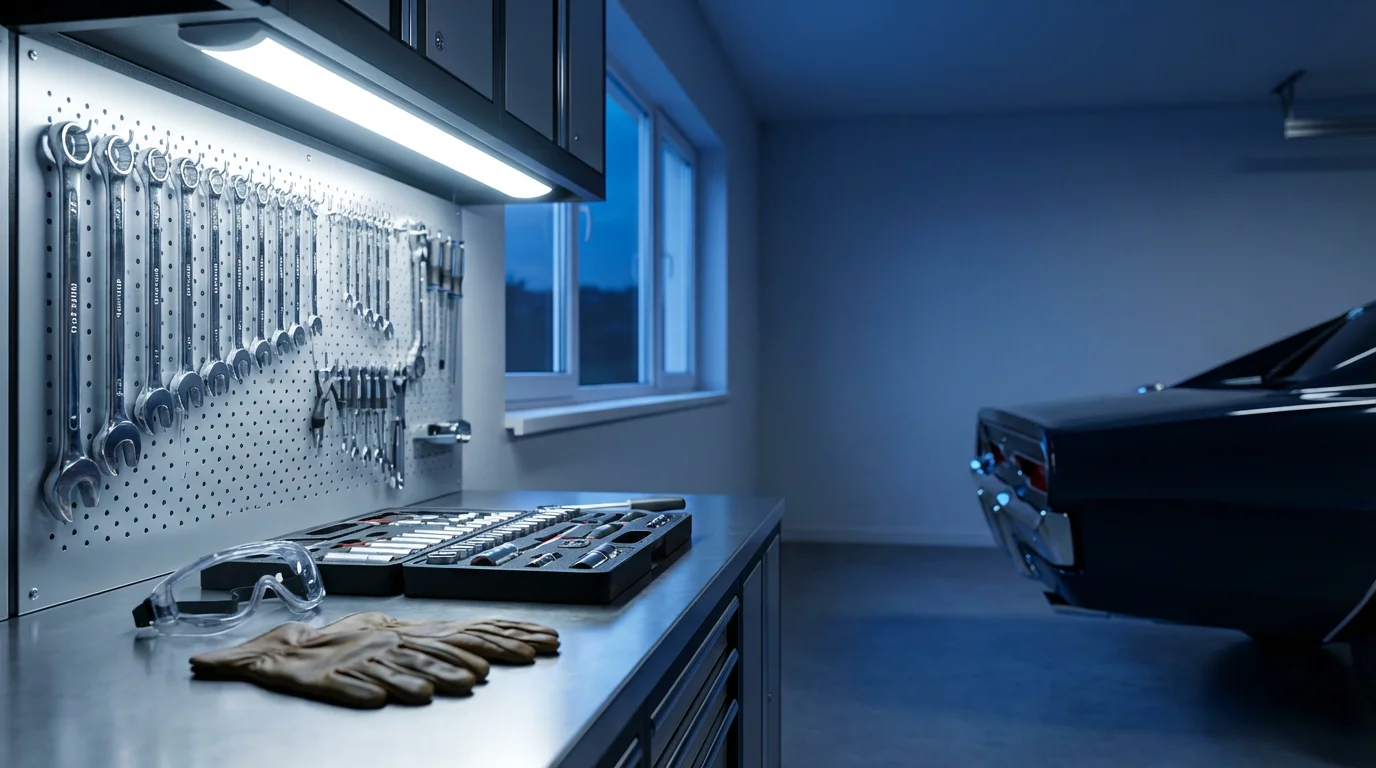
A dedicated workspace transforms your garage or shed into a hub of creativity and productivity. Your workshop does not need to be immense, but it must be organized, well-lit, and equipped with essential tools. Prioritize safety from day one; it is paramount throughout your car restoration journey.
Essential items for your classic car workshop include:
- Ample Lighting: Overhead lighting combined with portable work lights illuminates every detail.
- Sturdy Workbenches and Vises: Provide stable surfaces for intricate work and component handling.
- Tool Storage: Keep your tools organized and easily accessible with toolboxes, pegboards, and shelving.
- Air Compressor and Air Tools: An air compressor powers impact wrenches, grinders, and sanders, making many tasks more efficient.
- Jack Stands and Floor Jack: Safely lift and support the vehicle for undercarriage work. Never rely solely on a floor jack for support.
- Welder (optional): If your project involves significant bodywork or frame repair, a MIG welder proves invaluable. Start with simple projects to build your welding skills.
- Personal Protective Equipment (PPE): Always wear safety glasses, gloves, ear protection, and a respirator when performing tasks that generate dust, fumes, or loud noise.
Ensure proper ventilation in your workspace, especially when painting, welding, or working with solvents. A clean and organized environment prevents accidents and helps you locate tools quickly. Remember, a well-prepared artisan achieves better results.
The Restoration Journey Begins: Disassembly and Assessment
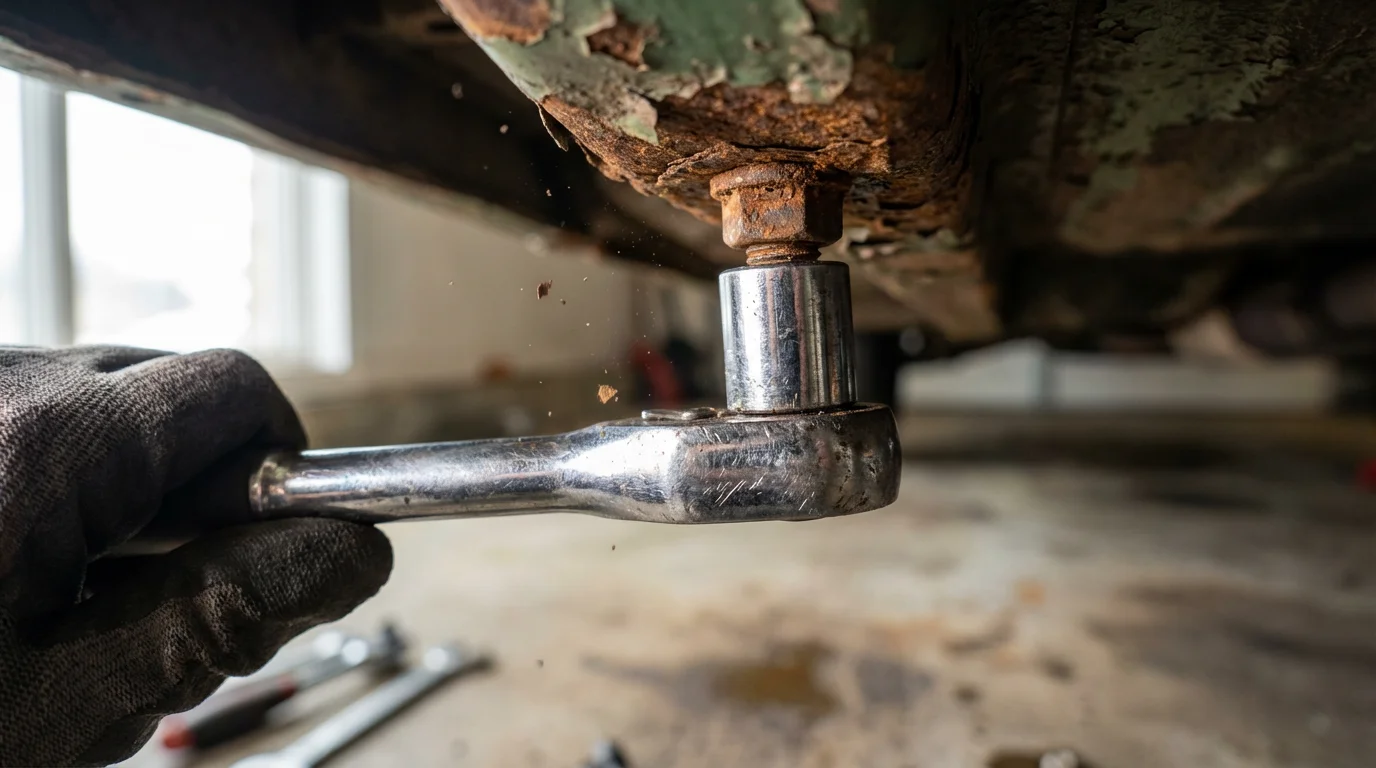
Once you select your classic car and set up your workshop, the real adventure of how to restore a classic car begins. This initial phase involves methodical disassembly, detailed documentation, and a thorough assessment of the vehicle’s condition. Patience and meticulous organization are your most valuable assets here.
Follow these key steps for successful disassembly:
- Document Everything: Take countless photos and videos before and during disassembly. Label every part you remove. Use resealable bags or containers for bolts, nuts, and small components, labeling them clearly with their location.
- Create a System: Develop an organizational system for parts, whether it is using labeled bins, shelves, or even a parts tree. This meticulous approach prevents confusion during reassembly.
- Inspect and Assess: As you dismantle the car, inspect each component for wear, damage, and corrosion. Categorize parts for repair, replacement, or reconditioning. This assessment informs your parts acquisition strategy.
- Safely Store Major Components: Once removed, carefully store the engine, transmission, body panels, and interior components to prevent further damage.
This systematic approach to disassembly not only helps you understand the car’s construction but also forms the blueprint for your entire restoration. You will find that understanding the individual pieces makes the grand puzzle of car restoration much more approachable.
Mastering Mechanicals: Engine, Transmission, and Brakes
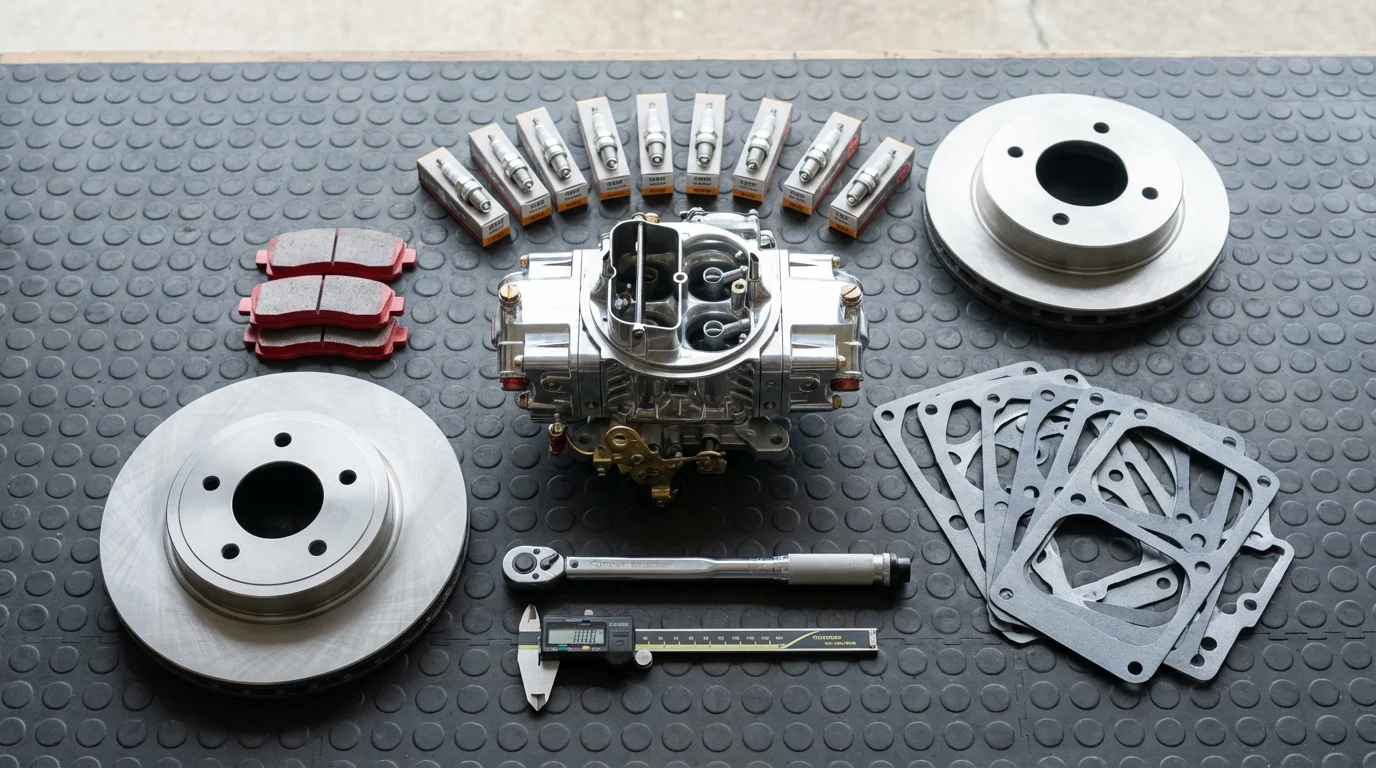
The heart of any classic car beats within its mechanical systems. Addressing the engine, transmission, and braking components is often one of the most rewarding aspects of car restoration. This is where you truly engage in auto repair, bringing dormant power and reliability back to life. Do not let initial intimidation deter you; knowledge and careful work conquer complex systems.
Key areas to focus on in mechanical restoration:
- Engine Overhaul: This can range from a simple tune-up to a complete rebuild. Disassemble, clean, inspect, and replace worn components like pistons, rings, bearings, and gaskets. Many online guides and repair manuals provide step-by-step instructions specific to your engine.
- Transmission and Drivetrain: Inspect for leaks, worn gears, and tired seals. You might perform a fluid and filter change, or a complete rebuild if shifting is problematic. Check universal joints and axle bearings.
- Braking System: This is critical for safety. Replace all brake lines, hoses, master cylinder, wheel cylinders or calipers, and brake pads/shoes. Bleed the system thoroughly to ensure firm pedal pressure. Upgrading to disc brakes, if appropriate for your model, significantly enhances safety.
- Suspension and Steering: Replace worn bushings, ball joints, tie rod ends, and shock absorbers. This restores handling, ride comfort, and safety. Proper alignment after reassembly is essential.
- Fuel System: Clean or replace the fuel tank, fuel lines, fuel pump, and carburetor (or fuel injectors). Ensure a clean fuel supply to prevent future performance issues.
Utilize service manuals, online forums, and video tutorials specific to your classic car. The process of understanding and revitalizing these systems offers profound satisfaction. You are not just fixing parts; you are understanding engineering principles and restoring the very soul of the machine.
Bodywork and Paint: Bringing Back the Shine
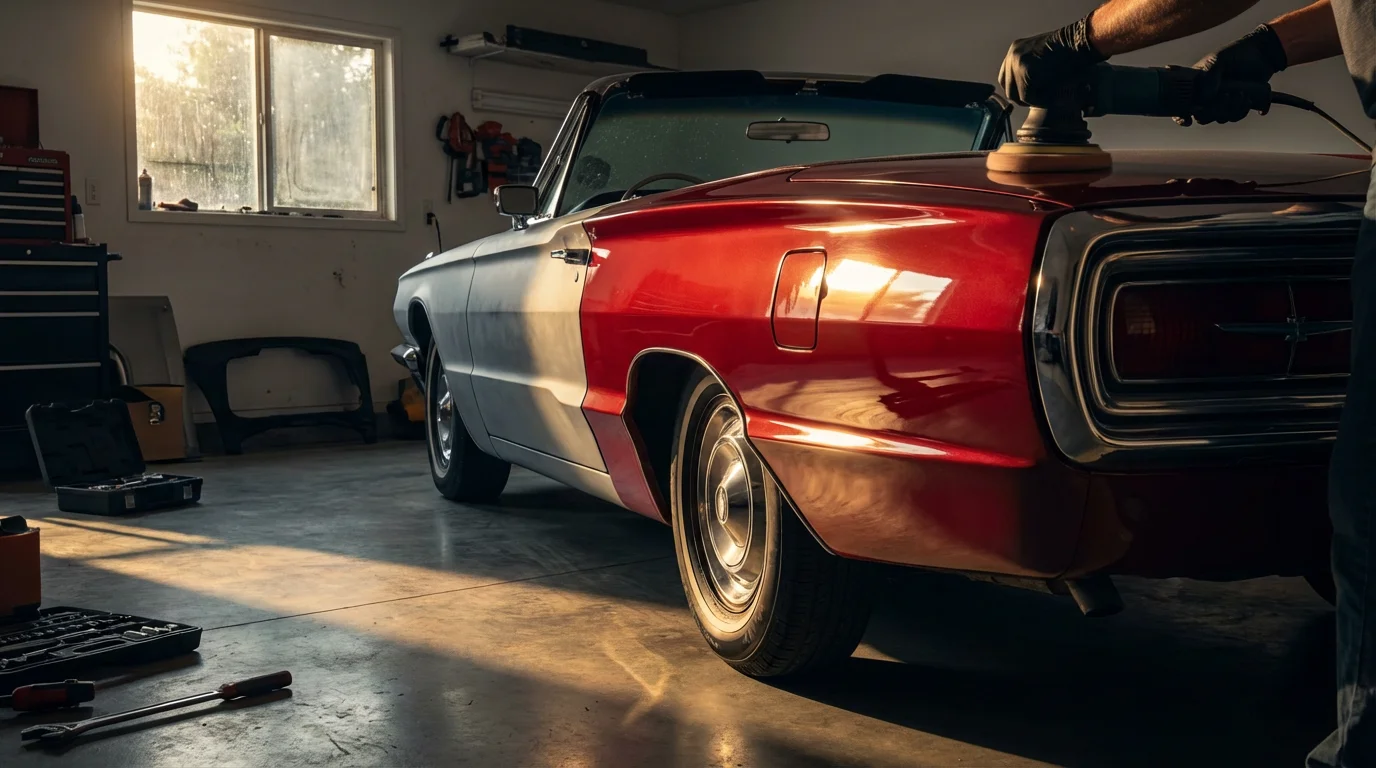
The bodywork and paint transform a weathered shell into a gleaming masterpiece. This stage requires patience, precision, and an eye for detail. Do not rush the preparation, as it dictates the quality of your final finish. You are sculpting a new skin for your classic car.
Steps for achieving a professional finish:
- Rust Removal and Metal Repair: Address all rust. This may involve sanding, grinding, treating with rust converters, or cutting out rusted sections and welding in new metal. Ensure a clean, stable surface.
- Dents and Dings: Use body hammers and dollies to remove dents, or apply body filler (Bondo) for minor imperfections. Sand the filler smooth to blend seamlessly with the surrounding metal.
- Primer Application: Apply several coats of automotive primer. This creates a uniform surface for the paint and helps prevent rust. Sand each primer coat smooth with progressively finer grit sandpaper.
- Paint Application: This is where your classic car begins to truly shine. Whether you choose to spray the paint yourself or hire a professional, ensure a dust-free environment. Apply multiple thin coats, allowing proper flash-off time between coats.
- Clear Coat: If using a basecoat/clearcoat system, apply several layers of clear coat to protect the paint and provide depth and gloss.
- Wet Sanding and Polishing: After the clear coat cures, wet sand with ultra-fine sandpaper to remove any imperfections or orange peel. Follow with polishing compounds to achieve a mirror-like finish.
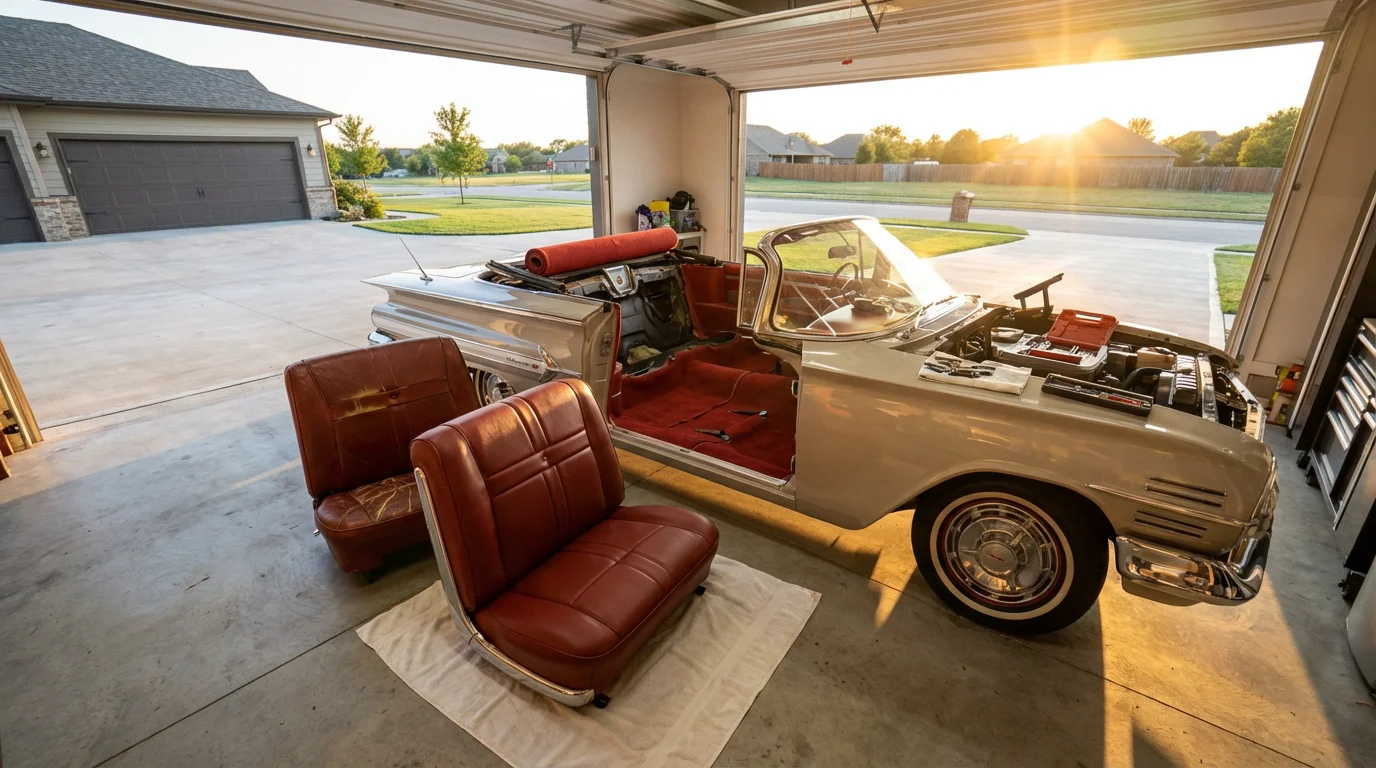
- Upholstery: Replace worn or torn seat covers, door panels, and headliners. You can purchase pre-made kits or hire a professional upholsterer for custom work. Choose materials that match the original or reflect a period-correct aesthetic.
- Carpeting: Install new carpet. Many suppliers offer molded carpet sets specific to your classic car’s make and model, making installation relatively straightforward.
- Dash and Gauges: Repair cracks in the dashboard and ensure all gauges and lights function correctly. Restore original gauges or replace them with period-correct reproductions.
- Steering Wheel and Controls: Clean, repair, or replace the steering wheel. Ensure all switches, knobs, and levers operate smoothly.
- Weatherstripping: Replace all old weatherstripping around doors, windows, and the trunk. This prevents leaks, reduces road noise, and protects the interior from the elements.
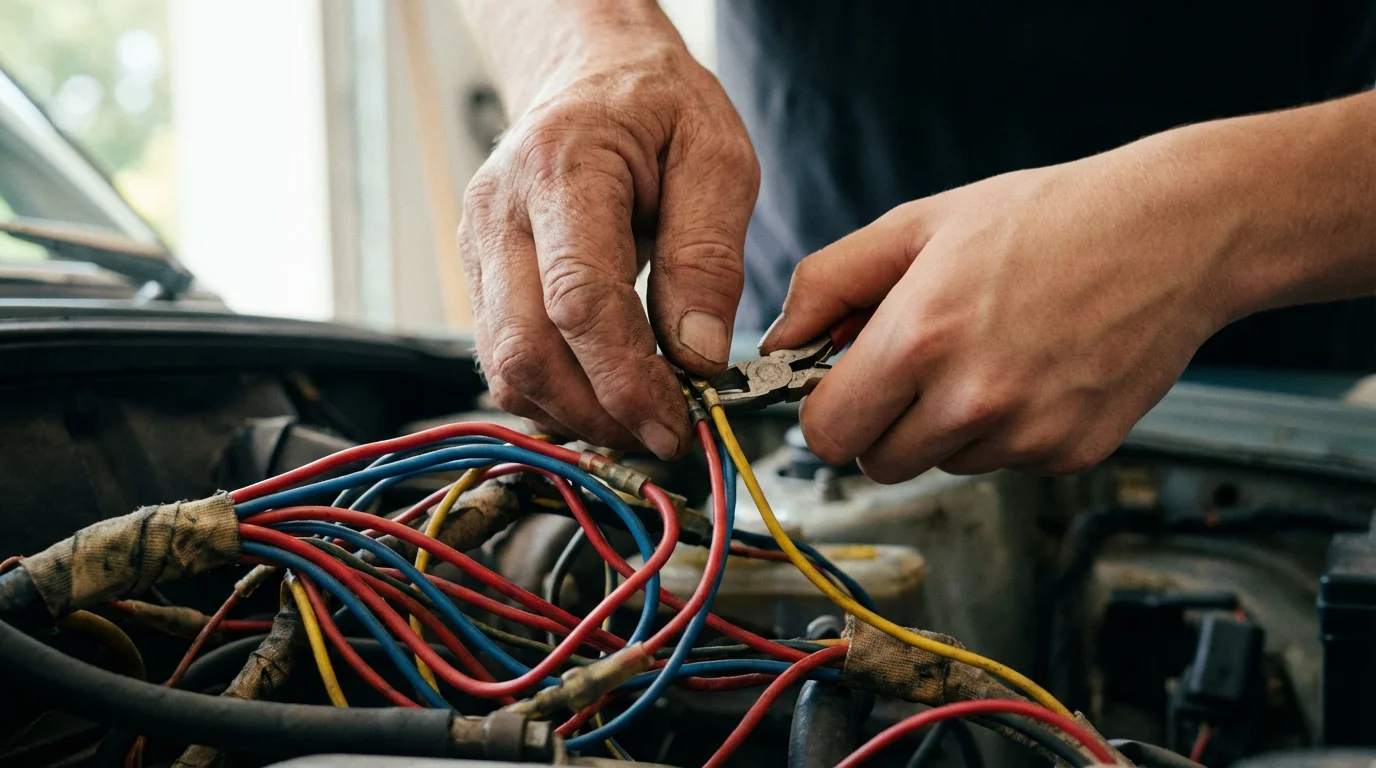
- Systematic Reassembly: Work methodically, referring to your photos and labels. Reconnect electrical wiring, fuel lines, brake lines, and vacuum hoses correctly.
- Fluid Checks: Before starting the engine, fill all fluids: oil, coolant, transmission fluid, power steering fluid, and brake fluid. Double-check all levels.
- Initial Engine Start: Prepare for the first start. Ensure a fully charged battery and fresh fuel. Prime the oil system if the engine underwent a full rebuild. Listen carefully for unusual noises.
- Shakedown Drives: Once the car starts and runs, begin with short drives in a safe, controlled environment. Listen for any strange noises, check for leaks, and test all functions, including brakes, steering, and lights.
- Fine-Tuning: Adjust timing, carburetor settings, and suspension as needed. Address any minor issues that arise during initial drives.
- Final Details: Install trim, emblems, and any remaining cosmetic elements. Give your classic car a thorough cleaning and waxing.
- Online Forums and Social Media Groups: These platforms connect you with experienced restorers who offer advice, troubleshooting tips, and parts sourcing information. Search for forums specific to your car’s make and model.
- Local Car Clubs: Join a local classic car club. These groups often organize meetups, workshops, and cruises, providing a supportive network and opportunities to showcase your work.
- Specialized Parts Suppliers: Many companies specialize in reproduction or New Old Stock (NOS) parts for specific classic car models. Building relationships with these suppliers ensures you get quality components.
- Automotive Libraries and Manuals: Invest in the factory service manual and a Haynes or Chilton manual for your vehicle. These provide detailed diagrams, specifications, and repair procedures.
- Restoration Videos and Books: Numerous YouTube channels and books offer visual guides and expert tips on various aspects of car restoration.
Remember that the quality of your finish directly reflects the effort put into preparation. Investing time in sanding and smoothing ensures a stunning result that makes your classic car truly stand out.
Interior Revival: Comfort and Authenticity
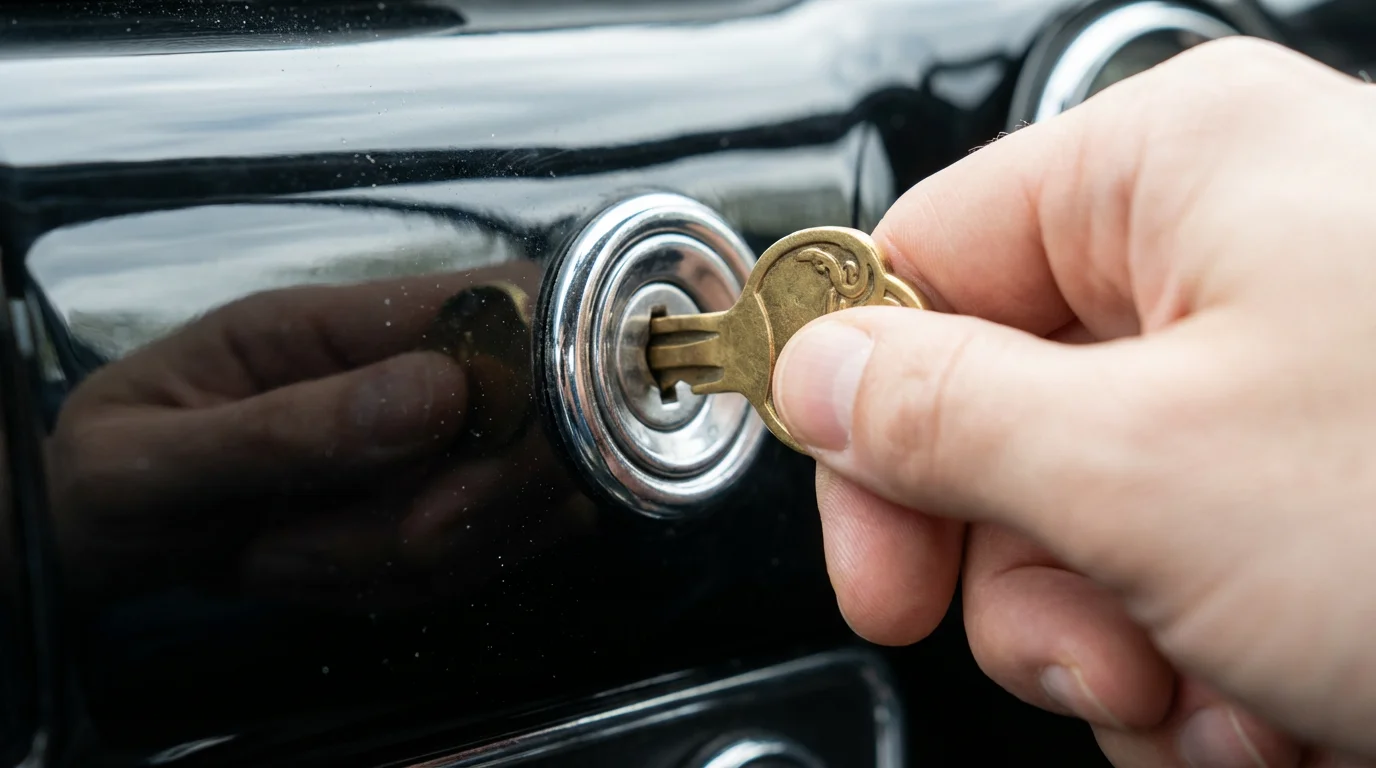
The interior of your classic car is where you will spend your time, experiencing the fruits of your labor. Restoring the interior creates a comfortable, authentic space that transports you back to the car’s original era. Focus on both aesthetics and functionality, ensuring every detail contributes to the overall experience.
Key aspects of interior restoration:
The interior should feel inviting and true to the classic car’s character. Every touchpoint, from the steering wheel to the shift knob, contributes to the driving experience.
Reassembly and The First Drive: Your Triumph Awaits
The reassembly phase brings all your hard work together. This is where your meticulous documentation from the disassembly stage becomes invaluable. Connect electrical systems, install glass, and meticulously reattach every component. The anticipation builds with each piece you fit into place.
Key steps for reassembly and final checks:
The moment you take your fully restored classic car for its first drive is truly exhilarating. It represents the culmination of countless hours of effort, learning, and dedication. This achievement is a profound reminder that your passions know no age limits. You have not just restored a vehicle; you have crafted a legacy.
Resources and Community: Connecting with Fellow Enthusiasts
You are not alone on this journey. The classic car community is vibrant and supportive, offering a wealth of knowledge and camaraderie. Connecting with others who share your passion enhances the restoration experience and provides invaluable resources. Organizations like the AARP also offer resources that support active and purposeful living in retirement, emphasizing the benefits of engaging in meaningful activities such as car restoration.
Leverage these resources to aid your project:
Engaging with the classic car community enriches your experience beyond the garage. You find mentors, friends, and a shared passion that fuels your enthusiasm.
Frequently Asked Questions
What is the typical timeframe for a classic car restoration?
The timeframe for a classic car restoration varies greatly, depending on the car’s initial condition, your skill level, available time, and budget. A partial restoration might take several months, while a full, body-off restoration can easily span several years. Patience and consistency are more important than speed.
Do I need specialized training for auto repair and car restoration?
You do not necessarily need formal training to begin a car restoration project. Many enthusiasts learn through hands-on experience, reading repair manuals, watching online tutorials, and seeking advice from experienced mentors in car clubs. Starting with a simpler classic car and gradually tackling more complex tasks builds your skills progressively.
How much does it cost to restore a classic car?
The cost of restoring a classic car varies significantly based on the car’s rarity, condition, the extent of the restoration, and whether you do the work yourself or hire professionals. Basic restorations for common models might range from $10,000 to $30,000, while concourse-level restorations of rare vehicles can exceed $100,000. Always budget more than your initial estimate for unexpected expenses.
Can I make money by restoring classic cars in retirement?
While some skilled restorers do turn a profit, most classic car restoration projects for personal enjoyment are not primarily profit-driven. The joy comes from the process and the satisfaction of owning a unique, hand-restored vehicle. If you are exceptionally talented and efficient, you might recoup your costs or even make a small profit on a well-chosen project, but it is best approached as a passionate hobby rather than a guaranteed income stream.
Disclaimer: This article is for informational and inspirational purposes. Life decisions are deeply personal, and we encourage readers to pursue their dreams while considering their unique circumstances, health, and financial situation.







Leave a Reply