
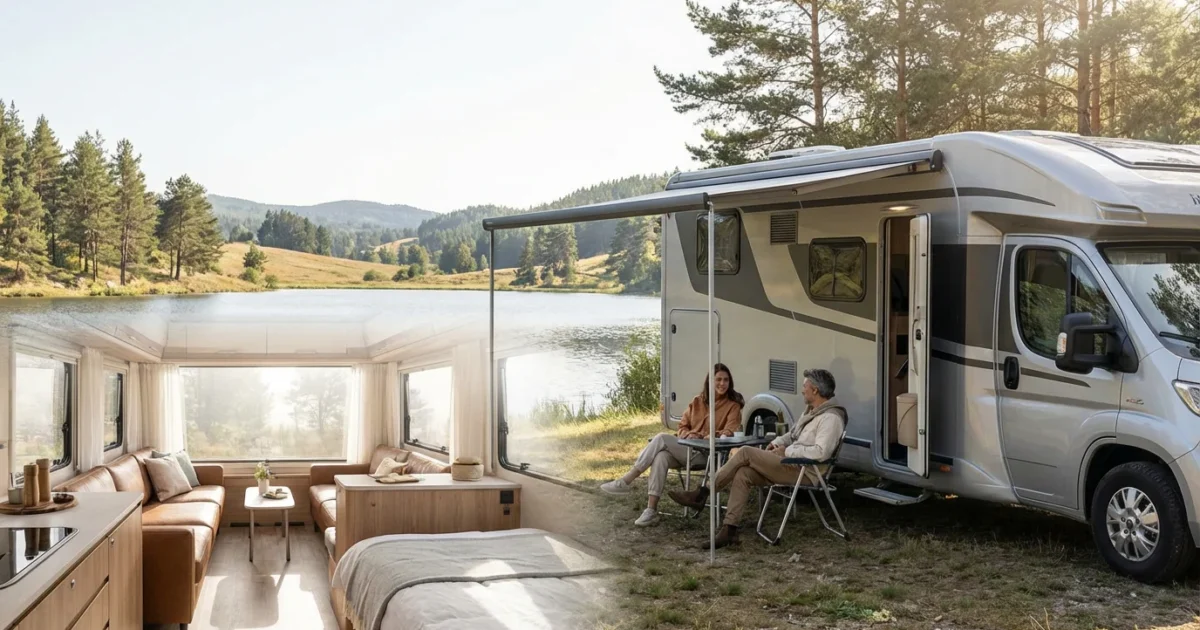
Your retirement years beckon with the promise of newfound freedom, a chance to rewrite your story, and an invitation to live on your terms. For many, this dream takes a thrilling turn: RV living. Imagine waking up to a new vista every week, the crisp mountain air filling your lungs, or the soothing rhythm of ocean waves as your morning soundtrack. This isn’t just a fantasy, it is a vibrant reality for a growing community of active retirees.
Embracing life on the road means more than just travel. It represents an opportunity for reinvention, continuous adventure, and forging deeper connections with the world around you. You exchange the routines of a fixed address for the boundless possibilities of the open road, creating a retirement chapter defined by discovery and exhilaration. This guide provides you with the foundational knowledge to navigate this exciting journey, inspiring you to dream big and confidently pursue your passion for mobile retirement.

Embracing the Open Road: Why RV Living Beckons in Retirement
Retirement signals a powerful shift, a liberation from the daily grind, and a chance to truly live. For many, this freedom translates into a desire for exploration, pushing past conventional boundaries. RV living embodies this spirit, offering an unparalleled blend of adventure and comfort.
Consider the freedom of deciding your next destination on a whim, unburdened by hotel reservations or flight schedules. You carry your home with you, ensuring familiarity and personal space wherever your wanderlust takes you. This lifestyle fuels curiosity, constantly introducing you to new landscapes, cultures, and experiences.
RV living also fosters an incredible sense of community. Fellow RVers share a unique bond, offering camaraderie, advice, and often, lifelong friendships. This is a lifestyle that celebrates flexibility, self-reliance, and the sheer joy of discovery at every turn. It proves your best years are always ahead, full of unexplored paths.
The biggest adventure you can take is to live the life of your dreams. — Oprah Winfrey
Imagine the joy of waking up to a different scenic overlook each week, savoring coffee with a mountain view one morning and ocean waves the next. This continuous change of scenery rejuvenates your spirit and expands your horizons. Your mobile home becomes a portal to endless possibilities, a testament to living boldly.
Choosing Your Mobile Sanctuary: RV Types and Features
Selecting the right RV is a pivotal decision, shaping your comfort, travel style, and overall experience on the road. The market offers a diverse range of `mobile home` options, each with distinct advantages. Understanding these differences helps you make an informed choice that aligns with your retirement dreams.
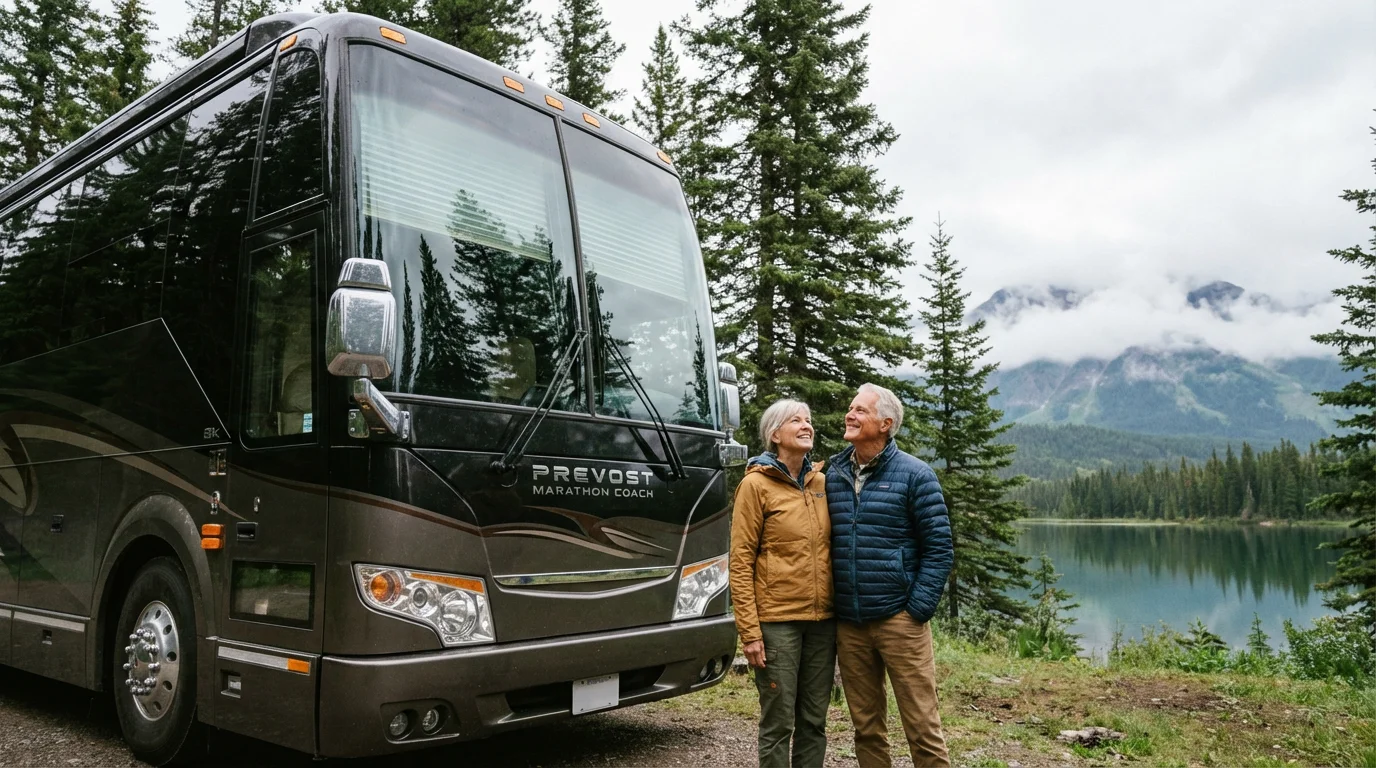
Class A Motorhomes: The Luxury Liner
These resemble buses, offering expansive living spaces, large kitchens, and often multiple slide-outs for even more room. They provide a comfortable, home-like experience, ideal for long-term `retirement travel`. Driving them requires confidence due to their size, but the amenities often mirror those of a small apartment.
Class B Motorhomes: The Agile Adventurer
Also known as campervans, Class B RVs are built on a van chassis, making them compact and easy to maneuver. They offer basic amenities, perfect for solo travelers or couples who prioritize flexibility and accessibility to urban or remote areas. While smaller, their efficiency and ease of parking are significant draws for many.
Class C Motorhomes: The Family Favorite
Recognizable by their over-cab sleeping area, Class C RVs offer a good balance of space and drivability. They are typically built on a truck or van chassis, providing comfortable living quarters without the imposing size of a Class A. They suit those seeking a blend of convenience and amenities.
Fifth Wheels: The Spacious Towable
Fifth wheels connect to a special hitch in the bed of a heavy-duty pickup truck. They feature multi-level interiors, high ceilings, and often more living and storage space than many motorhomes. This option suits those who already own a capable tow vehicle and desire a fixed basecamp experience once they reach their destination.
Travel Trailers: The Versatile Voyager
Travel trailers attach to a hitch on the rear of a vehicle. They come in a vast array of sizes and floor plans, from small tear-drops to large units with multiple slide-outs. Travel trailers offer the flexibility to unhitch your `mobile home` and use your tow vehicle for sightseeing, a significant advantage for many `rv living` enthusiasts.
Consider these factors when choosing your RV:
- Budget: Determine your upfront investment and ongoing maintenance capacity.
- Size: Consider how much living space you need and where you plan to travel.
- Amenities: Prioritize features like kitchen size, bathroom facilities, and entertainment options.
- Travel Style: Do you prefer frequent moves or longer stays in one spot?
- Towing Capacity: If opting for a towable, ensure your vehicle can handle the weight safely.
- New vs. Used: Used RVs often offer excellent value and opportunities for customization.

How to Prepare for RV Life: Practical Steps to Hit the Road
Transitioning to `rv living` requires careful planning and preparation. This isn’t just about buying a vehicle, it is about embracing a new lifestyle. Taking the time to prepare thoroughly ensures a smooth and enjoyable start to your `retirement travel` adventures.
Essential Preparation Steps:
- Downsize Your Possessions: This is perhaps the most challenging step. RVs offer limited storage, so you must critically evaluate what you truly need. Donate, sell, or store items that do not serve your mobile lifestyle. Many retirees find this process incredibly liberating, shedding material burdens.
- Learn RV Systems: Familiarize yourself with your RV’s plumbing, electrical, and waste systems. Understanding how everything works empowers you to handle minor issues on the road and ensures comfortable living. Manufacturers often provide detailed manuals and online tutorials.
- Practice Driving or Towing: Operating an RV, especially a large motorhome or a fifth wheel, differs significantly from driving a car. Practice in various conditions, including tight turns, backing up, and highway driving. Consider taking an RV driving course to build confidence.
- Secure Insurance: Obtain comprehensive RV insurance that covers liability, collision, and personal belongings. Ensure your policy provides adequate coverage for full-time living, as this differs from part-time recreational use.
- Establish a Domicile: Even when living on the road, you need a legal address for mail, vehicle registration, and voting. Many full-time RVers choose states like South Dakota, Florida, or Texas, which offer favorable residency laws and mail forwarding services.
- Address Healthcare Needs: Research health insurance plans that offer broad, nationwide coverage. Discuss your `retirement travel` plans with your doctors to ensure continuity of care and understand how to access medical services while away from your primary care providers. AARP provides valuable resources on navigating healthcare in retirement, including options for those with a mobile lifestyle. Visit AARP for more information.
- Financial Planning: Create a detailed budget. Understand not just the purchase price, but `what are the expenses for RV living` on an ongoing basis. This includes fuel, maintenance, campground fees, food, and emergency funds.
Successful `how to prepare for rv life` relies on a proactive approach. Each step you complete builds a foundation for an extraordinary journey. You gain confidence and peace of mind, knowing you have considered the practicalities alongside the aspirations.

What Are the Expenses for RV Living? Budgeting for Your Adventure
Understanding `what are the expenses for RV living` is crucial for a sustainable and enjoyable `retirement travel` experience. While RV life offers potential cost savings compared to traditional homeownership, it also comes with its unique set of expenditures. A clear budget empowers you to manage your finances effectively and maximize your adventures.
Key Expense Categories:
Budgeting for RV life involves considering both initial investments and ongoing operational costs. Here is a breakdown:
- RV Purchase: New RVs range from approximately $15,000 for small travel trailers to over $300,000 for luxury Class A motorhomes. Used RVs offer significant savings and a chance to find well-maintained vehicles at lower price points.
- Maintenance and Repairs: Just like a traditional home or car, RVs require regular maintenance. Budget for routine service, tire replacements, appliance repairs, and unforeseen mechanical issues. This can average $500 to $1,500 annually, depending on your RV’s age and usage.
- Fuel: This is often the largest variable expense for `rv living`. Your fuel costs depend on your RV’s mileage, the price of fuel, and how frequently you travel. Diesel RVs generally offer better fuel economy than gasoline models, but diesel fuel often costs more.
- Campground Fees: These vary widely. Primitive campsites or boondocking (camping without hookups) can be free or very inexpensive. Full-hookup RV resorts can cost $50 to $100 per night or more. Membership programs like Passport America or Thousand Trails offer discounts.
- Insurance: Full-time RV insurance is typically more comprehensive than recreational RV insurance. Expect to pay anywhere from $1,000 to $3,000+ per year, depending on your RV’s value, your driving record, and the chosen coverage.
- Propane: Used for heating, cooking, and sometimes refrigeration, propane is a recurring cost. Prices fluctuate, but a typical full-time RVer might spend $50 to $150 per month on propane.
- Food: Your food budget will be similar to your stationary life, but you might save by cooking more meals in your RV kitchen and dining out less frequently.
- Connectivity: Reliable internet is essential for many. This might include cellular data plans, mobile hotspots, or satellite internet, adding $50 to $200 per month.
- Emergency Fund: Always maintain an emergency fund for unexpected expenses, such as major RV repairs, medical emergencies, or unforeseen travel changes.
Many full-time RVers report monthly expenses ranging from $2,000 to $5,000, depending on their comfort level, travel speed, and specific choices. Your `rv living` budget is a living document, evolving as you learn your preferences and travel patterns. Track your spending carefully, adjusting as needed, to ensure financial peace of mind as you explore the world.
Life on Wheels: Daily Realities and Grand Adventures
The transition to `rv living` is more than a change of address, it is a complete lifestyle transformation. You swap predictable routines for spontaneous exploration, fixed communities for a global network of fellow travelers. This section explores the daily realities and the grand adventures that define life on wheels.
Daily Realities of RV Life:
- Managing Utilities: You become acutely aware of your water, electricity, and waste tank levels. Conservation becomes second nature, transforming mundane tasks into mindful practices.
- Setup and Teardown: Each move involves a routine of setting up camp upon arrival and packing everything away before departure. This ritual becomes efficient with practice, ensuring your `mobile home` is always ready for the road.
- Mail and Deliveries: Receiving mail requires planning, often utilizing mail forwarding services or general delivery at post offices. Online shopping is still possible, with many businesses delivering to RV parks or Amazon lockers.
- Health and Wellness: Maintaining your health is paramount. Accessing healthcare means researching facilities in new towns or using tele-health services. Many RVers prioritize outdoor activities, finding that the active lifestyle promotes well-being.
- Cleaning and Organization: With limited space, staying organized is key. Regular, quick cleaning prevents clutter and keeps your living area comfortable. Every item has a designated place.
Grand Adventures Awaiting You:
- Unrestricted Exploration: Your RV is a passport to every corner of the country. Explore National Parks, discover charming small towns, or linger in a coastal paradise for weeks. The freedom of `retirement travel` knows no bounds.
- Connecting with Nature: RV living immerses you in the natural world. Wake up to bird song, hike scenic trails daily, and experience sunsets from breathtaking viewpoints. This deep connection recharges your spirit and fosters profound appreciation.
- Pursuing Passions: Whether it is photography, painting, birdwatching, or writing, `rv living` provides ample time and diverse backdrops for your hobbies. Many retirees find new passions on the road, embracing lifelong learning.
- Volunteering and Giving Back: Opportunities abound for volunteering in state parks, national forests, or local communities. Contributing your time and skills enriches your journey and benefits the places you visit. Organizations like VolunteerMatch offer numerous ways to get involved, allowing you to make a meaningful impact anywhere you roam. Visit VolunteerMatch to find opportunities.
- Flexibility and Spontaneity: If a place captivates you, stay longer. If a forecast looks grim, move on. The inherent flexibility of `mobile home` life allows you to adapt your plans instantly, ensuring your journey always aligns with your desires.
Life on wheels offers a dynamic balance of practicalities and unparalleled adventures. You develop resilience, adaptability, and a deep appreciation for the simple joys of movement and discovery. This is a lifestyle that truly embraces the limitless potential of your retirement years.

Navigating the Map: Routes, Destinations, and Unexpected Discoveries
The allure of `rv living` lies in the promise of endless horizons and the thrill of discovery. Navigating the map involves more than just plotting a course, it is about embracing spontaneity, finding hidden gems, and designing your ideal `retirement travel` experience. Strategic planning tools and a flexible mindset empower you to make the most of every mile.
Tools for Seamless Navigation:
- RV-Specific GPS: Unlike standard GPS systems, RV-specific devices consider your vehicle’s height, weight, and length, guiding you along safe, appropriate routes. This avoids low bridges, restricted roads, and challenging terrain, ensuring a smoother journey.
- Camping Apps: Apps like Campendium, AllStays, and iOverlander provide invaluable information on campgrounds, RV parks, boondocking spots, amenities, and user reviews. They help you find the perfect overnight spot, whether you seek full hookups or solitude.
- Membership Programs: Organizations like Thousand Trails, Passport America, and Good Sam Club offer discounts on campground fees, making `rv living` more affordable. These memberships also provide access to a network of vetted locations.
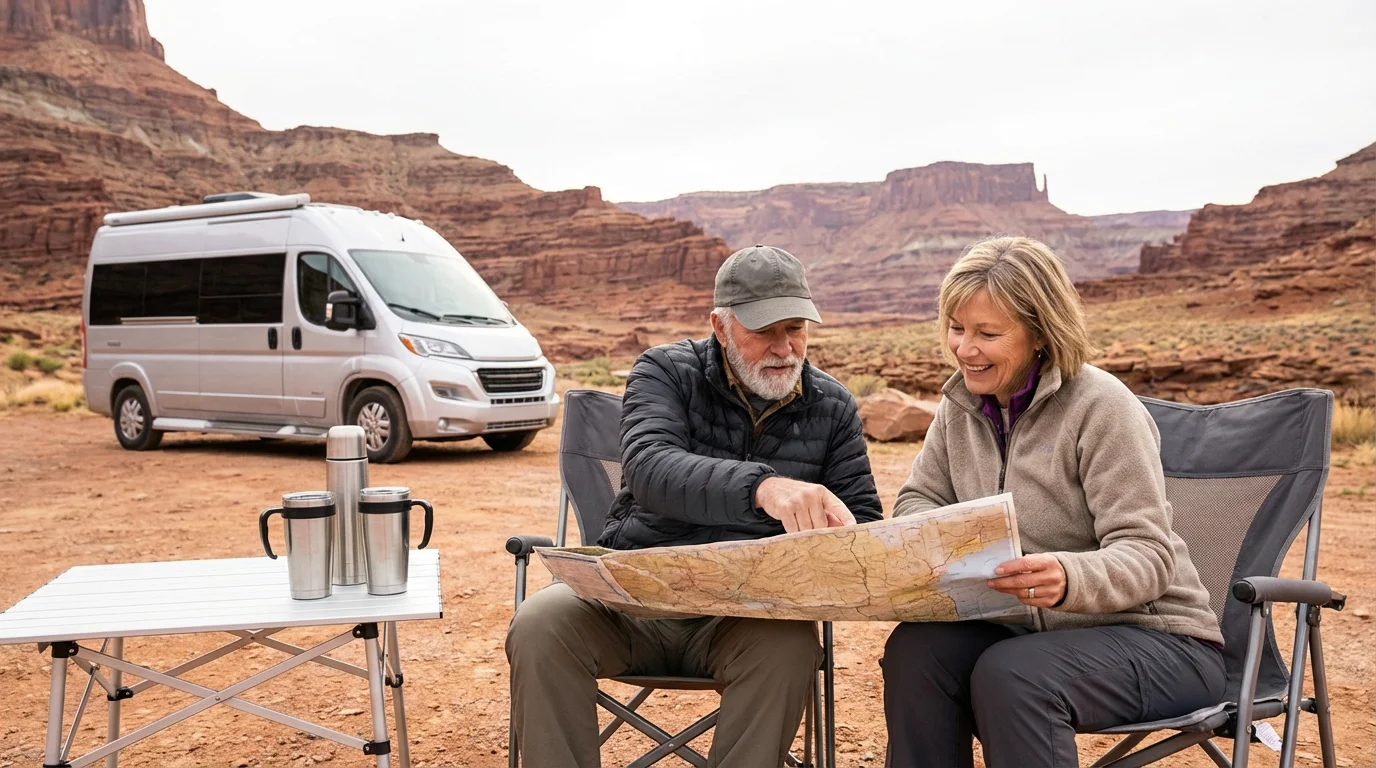
- Road Atlases: A physical road atlas serves as an excellent backup and provides a broader overview of regions. Marking routes and points of interest on a physical map often sparks new ideas for exploration.
Crafting Your Itinerary:
- Start with a Wishlist: List all the places you have always dreamed of visiting. National Parks, historic sites, bustling cities, or quiet beaches, let your imagination roam free.
- Consider the Seasons: Plan your routes to follow pleasant weather. Many RVers chase the sun, heading south for winter and north for summer, maximizing outdoor enjoyment.
- Balance Travel Days with Stay Days: Avoid burnout by planning shorter travel days and longer stays in appealing locations. This allows for deeper exploration and relaxation.
- Embrace Flexibility: The beauty of `rv living` is the ability to change plans. If you hear about an interesting festival or discover a captivating side road, adjust your itinerary. Some of the best memories come from unexpected detours.
- Factor in Maintenance: Schedule periodic stops near RV service centers for routine checks or repairs. Being proactive ensures your `mobile home` remains in top condition for extended `retirement travel`.
Your journey is a blank canvas, ready for you to paint with unique experiences. Whether you meticulously plan every stop or navigate by intuition, the road offers a constant stream of new sights, sounds, and connections. This deliberate choice to explore empowers you to live a life rich in experiences, continually discovering more about the world and yourself.

Staying Connected: Community and Support on the Road
One of the most enriching aspects of `rv living` is the vibrant community you discover along the way. Far from being isolating, life on the road often fosters deeper connections than traditional living. Staying connected, both digitally and personally, enhances your `retirement travel` experience and provides a crucial support network.
Building Your On-Road Community:
- RV Clubs and Groups: Join national organizations like the Escapees RV Club, which offers a wide array of services, including mail forwarding, insurance, and organized rallies. These clubs connect you with like-minded individuals, offering mentorship and friendship.
- Campground Camaraderie: Engage with your neighbors at RV parks and campgrounds. A friendly wave, a shared meal, or an offer of help can quickly turn strangers into temporary companions. RVers are known for their helpful and welcoming nature.
- Online Forums and Social Media: Platforms like Facebook groups for RVers, specific RV models, or regions provide a wealth of information, advice, and opportunities to connect. These digital communities offer support for everything from troubleshooting technical issues to finding local recommendations.
- Workamping: Some retirees engage in workamping, exchanging labor for a campsite and sometimes a stipend. This offers a unique way to immerse yourself in a community, save money, and gain new skills, often in beautiful natural settings.
Maintaining Connections with Home:
- Reliable Internet: Invest in dependable internet solutions, such as a cellular hotspot or a dedicated RV internet plan. This allows you to video chat with family and friends, manage finances, and stay informed, ensuring you never feel truly disconnected.
- Scheduled Visits: Plan trips back to your previous home base or arrange for family and friends to visit you at picturesque RV destinations. These reunions strengthen bonds and allow loved ones to experience a slice of your new life.
- Digital Communication: Regular calls, texts, and emails keep you in touch with your social circle. Sharing your travel photos and stories through social media or personal blogs keeps everyone updated on your adventures.
The notion that `rv living` means solitude is a misconception. You actively build a dynamic network of relationships, both old and new. This constant interaction enriches your journey, providing both practical support and profound social fulfillment. You discover a sense of belonging in a community that shares your adventurous spirit, proving that retirement on wheels is a journey best shared.
Frequently Asked Questions
How much does an RV cost, and what are the ongoing expenses?
RV prices vary widely. New travel trailers can start around $15,000, while new motorhomes range from $50,000 to over $300,000. Used RVs offer more budget-friendly options. Ongoing expenses include fuel, campground fees, maintenance, insurance, and propane. A budget for full-time RV living can range from $2,000 to $5,000 per month, depending on your travel style, chosen campgrounds, and personal spending habits. Research specific models and factor in potential repairs.
What type of RV is best for full-time retirement living?
The “best” RV depends entirely on your preferences and lifestyle. Class A motorhomes offer spacious, home-like comfort with many amenities. Fifth wheels provide ample living space, often at a lower cost than Class As, but require a heavy-duty truck for towing. Class C motorhomes strike a balance between space and maneuverability, while Class B campervans offer extreme flexibility and ease of driving for minimalist adventurers. Consider your comfort needs, desired amenities, travel style, and towing capabilities when making your choice.
How do I manage mail, healthcare, and domicile while living on the road?
Many full-time RVers establish a mail forwarding service in a state with favorable residency laws, like South Dakota, Florida, or Texas. These services provide a physical address and forward your mail to you on a schedule. For healthcare, research health insurance plans that offer nationwide coverage, or consider plans with broad network access. Maintaining a domicile in one of these states also helps with vehicle registration and voting. Consult with financial and legal advisors to ensure you make the best choices for your specific situation.
Is RV living safe, especially for solo travelers or older adults?
RV living is generally very safe, and many retirees, including solo travelers, enjoy it for years. Take standard precautions like locking your doors, securing valuables, and being aware of your surroundings, especially in unfamiliar areas. Joining RV clubs and communities provides a strong support network and opportunities for camaraderie. Many campgrounds have staff and and other RVers nearby. Always trust your instincts and choose well-lit, reputable camping spots when possible. Utilize apps and online forums for current safety information about specific locations.
Your retirement is not an ending, it is an exhilarating beginning, a vast expanse of open road waiting for your tire tracks. RV living offers a tangible way to seize this new chapter, turning dreams of `retirement travel` into a daily reality. You gain more than just movement, you gain a renewed sense of purpose, an expanded worldview, and a profound connection to the beauty and diversity of this country.
Embrace the challenge of `how to prepare for rv life`, understand `what are the expenses for RV living`, and then launch yourself into an adventure that defies expectations. The freedom of the open road empowers you to craft a retirement filled with continuous learning, vibrant communities, and unforgettable moments. This is your time to live boldly, to explore without limits, and to create an extraordinary legacy of adventure. Your ultimate guide to retirement on wheels begins now.
Disclaimer: This article is for informational and inspirational purposes. Life decisions are deeply personal, and we encourage readers to pursue their dreams while considering their unique circumstances, health, and financial situation.









Leave a Reply