
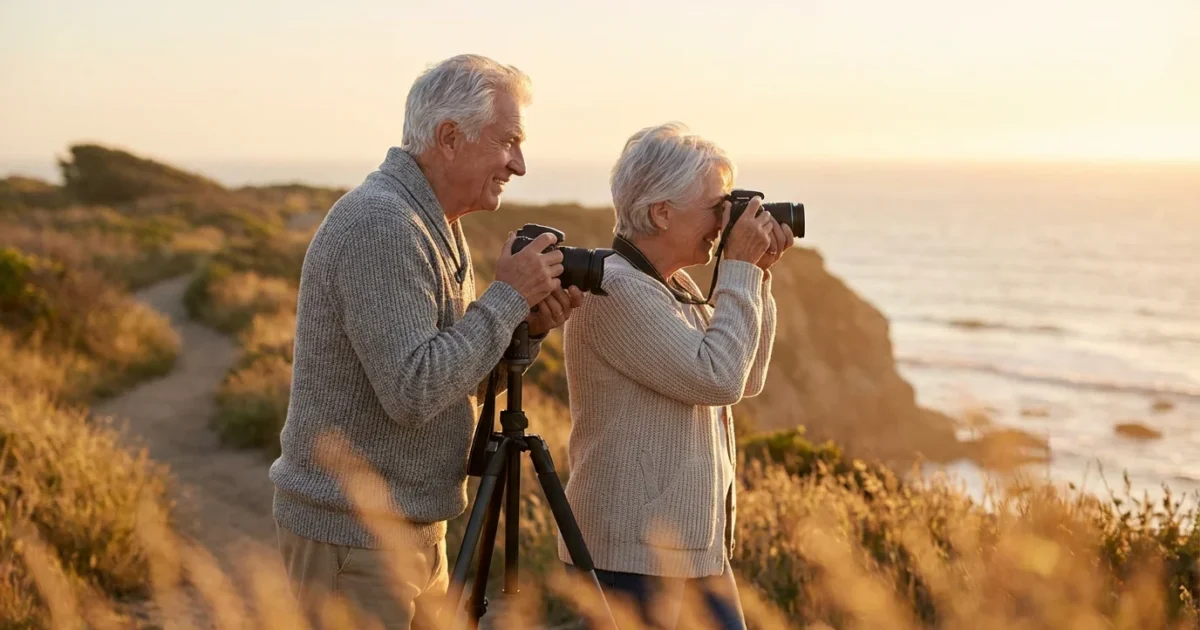
Your retirement years beckon with boundless possibilities, a wide-open landscape where dreams take flight and passions ignite. This is not a time for slowing down; it is an invitation to accelerate your personal growth, explore new horizons, and embrace adventures you once only imagined. Photography offers a powerful lens through which to experience this vibrant chapter, transforming everyday moments into extraordinary memories.
Imagine yourself traversing breathtaking landscapes, connecting with diverse communities, or rediscovering the beauty in your own backyard, all while honing a skill that enriches your perception of the world. Photography provides a fulfilling pursuit, an artistic outlet, and a compelling reason to step out and engage with life. You hold the power to capture your unfolding story, one magnificent image at a time.
Discovering Your Vision: Photography as a Retirement Passion
Retirement presents a unique opportunity to dedicate time to pursuits that truly resonate with your soul. Photography stands out as an ideal passion, offering a blend of creativity, exploration, and lifelong learning. You gain a new way of seeing the world, noticing details and beauty that previously escaped your attention.
Consider the freedom of your schedule. You can now chase the golden hour light, embark on spontaneous day trips to capture local events, or spend hours perfecting a macro shot in your garden. This focused attention cultivates mindfulness and presence, enriching your daily life in profound ways. Photography becomes a journey of self-discovery, revealing your unique perspective and artistic voice.
It’s never too late to cultivate a new skill. Research from the National Institute on Aging highlights how engaging in mentally stimulating activities, like learning photography, contributes to cognitive vitality. You are not just taking pictures; you are actively strengthening your mind and expanding your creative horizons.
It is never too late to be what you might have been. — George Eliot
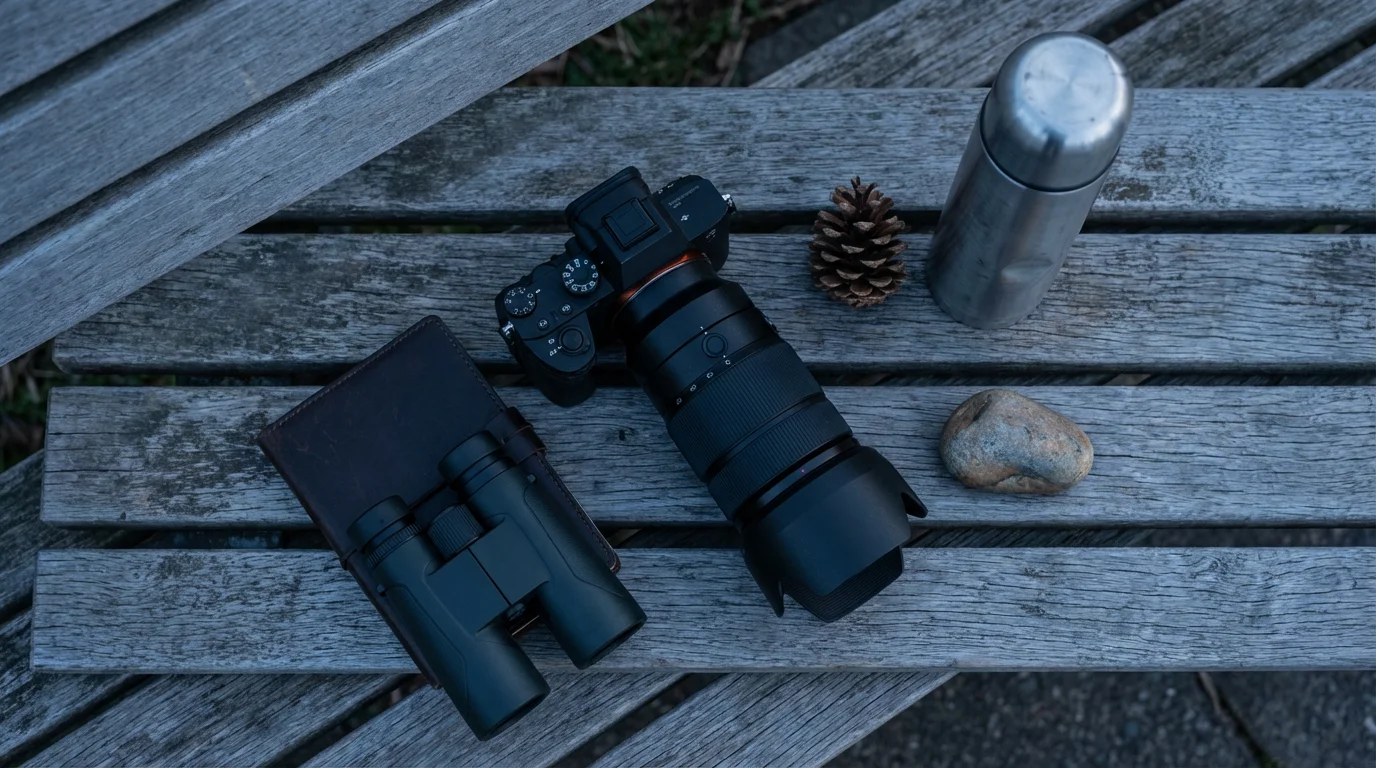
Why Photography Thrives in Your Retirement Years
Retirement aligns perfectly with the demands and rewards of photography. You possess the gift of time, allowing for deeper engagement and mastery. Your life experiences lend a depth and wisdom to your images, creating photographs imbued with unique narrative power. You see stories where others might see only scenes.
Photography encourages an active lifestyle. Whether you are exploring national parks, documenting local festivals, or simply walking your neighborhood, your camera becomes a catalyst for movement and adventure. This physical engagement benefits your health and keeps you connected to the world around you.
Moreover, the photographic journey connects you with a vibrant community. You will find fellow enthusiasts in local clubs, online forums, and workshops, all eager to share knowledge and experiences. This social interaction combats isolation and fosters new friendships, enriching your retirement years with shared passions.
Getting Started: Your First Steps into Senior Photography
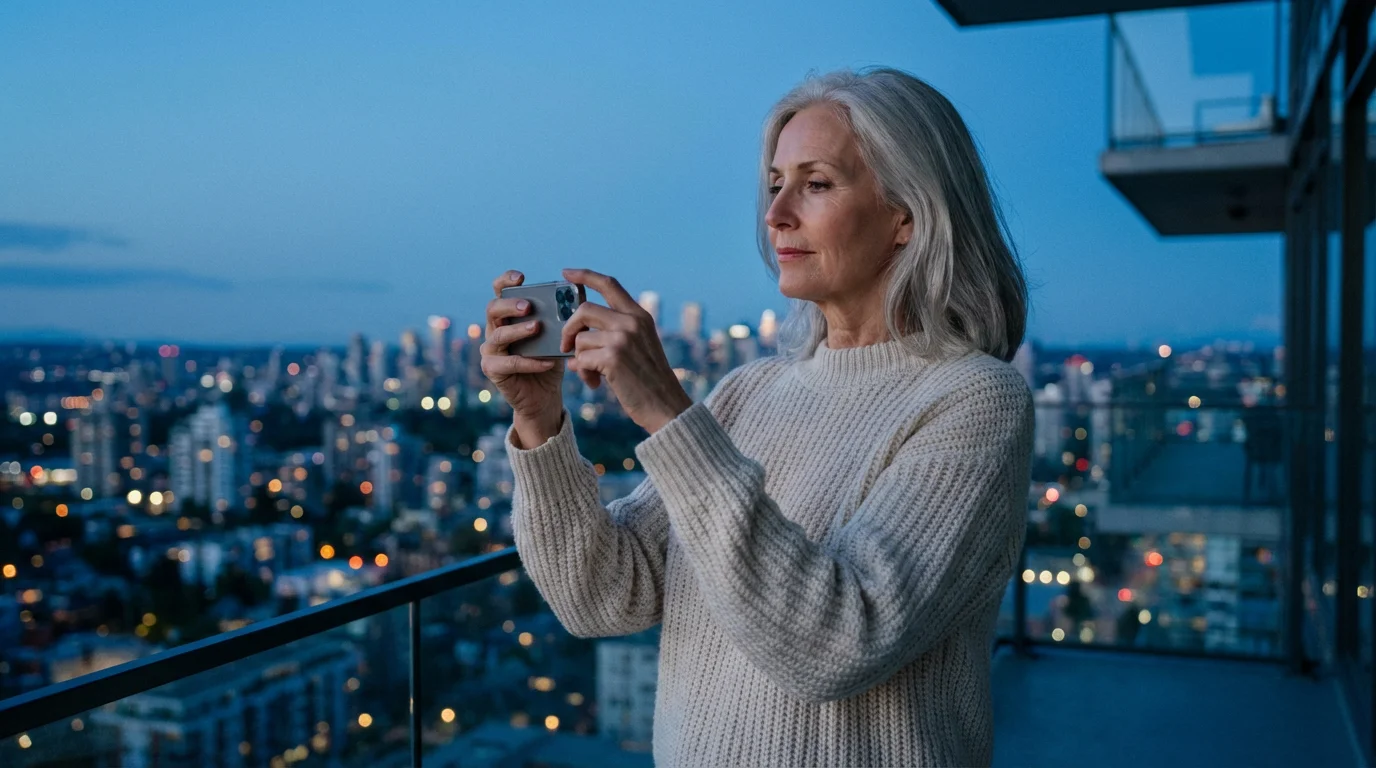
Embarking on your senior photography adventure requires no elaborate preparation, only a willingness to explore. Begin by understanding the basics, using the equipment you already possess. Many find their smartphones are powerful tools for learning foundational concepts.
Consider these initial steps to launch your photographic journey:
- Embrace Your Smartphone: Start by using your phone’s camera. Learn its features, experiment with different angles, and practice composition. This familiar device removes the intimidation factor of new gear.
- Observe Your Surroundings: Pay close attention to light, shadow, and shapes in your daily environment. Photography begins with seeing, long before you press the shutter.
- Learn the Basics of Composition: Understand principles like the rule of thirds, leading lines, and framing. These simple guidelines instantly elevate your images from snapshots to thoughtful photographs.
- Take Advantage of Online Resources: Numerous free tutorials on platforms like YouTube offer step-by-step guides for beginners. Search for “photography tips for beginners” or “smartphone photography tutorials.”
- Join a Local Photography Group: Connect with other enthusiasts. Many communities offer clubs or meetups that provide support, learning opportunities, and photo excursions.
Remember, the goal is to enjoy the process and express your unique vision. Do not feel overwhelmed by technical jargon. Focus on what inspires you and simply start capturing it.
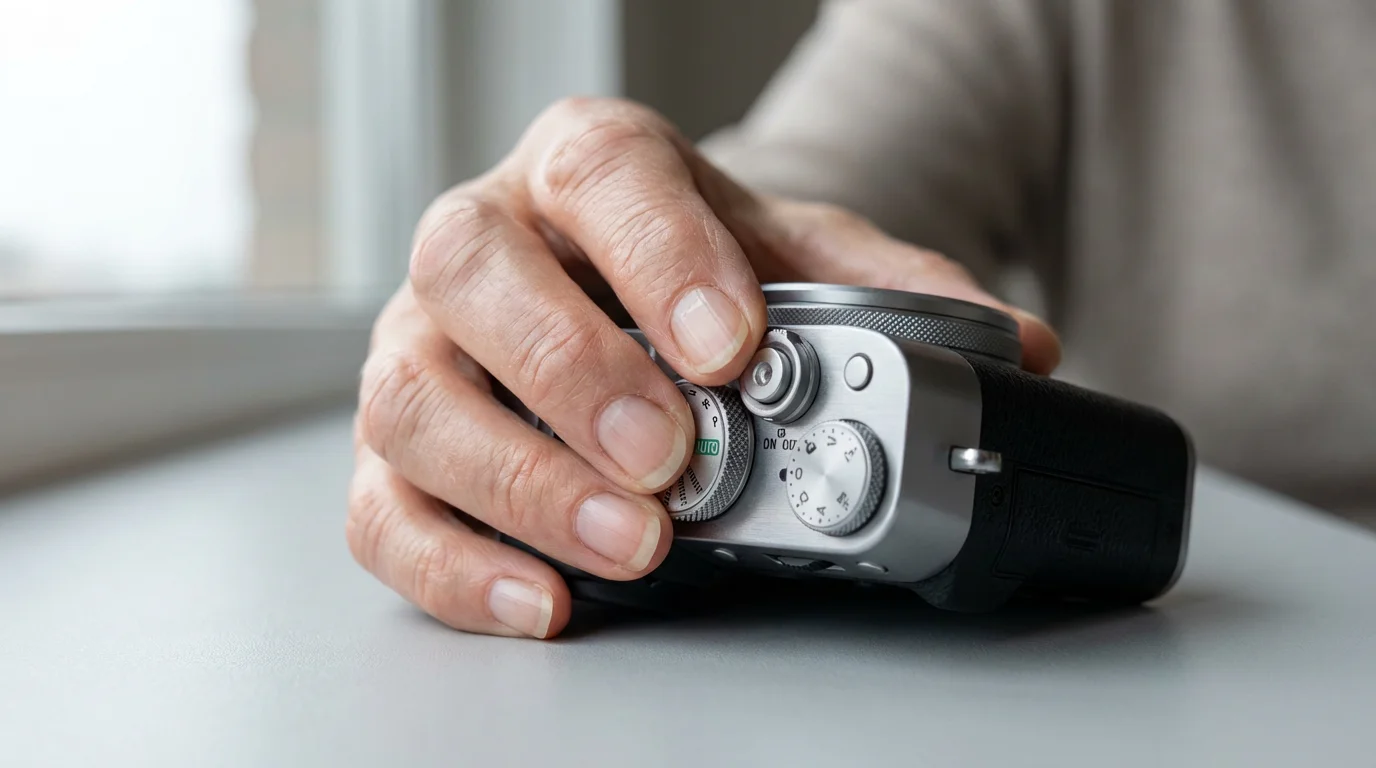
Choosing Your Companion: What’s the Best Camera for Seniors?
Selecting the right camera does not require chasing the latest, most expensive model. The best camera for seniors prioritizes ease of use, portability, and image quality. Your ideal companion empowers you without overwhelming you.
Here are popular choices, considering different needs and experience levels:
- Smartphones: For many, the smartphone is the perfect starting point. Modern smartphones boast incredible camera technology, offering excellent image quality and a suite of editing tools. They are always with you, making it easy to capture spontaneous moments.
- Compact Digital Cameras (Point-and-Shoot): These cameras offer a step up from smartphones in terms of zoom capability and low-light performance, while remaining incredibly user-friendly. Some advanced compacts provide manual controls for those ready to experiment.
- Mirrorless Cameras: A popular choice for their balance of quality, size, and versatility. Mirrorless cameras offer interchangeable lenses, allowing you to adapt to different photographic situations. They provide excellent image quality in a relatively lightweight body, making them a strong contender for those asking “what’s the best camera for seniors” who want to grow their skills.
- DSLR Cameras: While offering top-tier image quality and extensive control, DSLRs tend to be larger and heavier. They suit those committed to serious photography who do not mind the extra bulk. Modern DSLRs also have excellent auto modes for easier use.
Visit a local electronics store to hold different models. Feel the weight, test the buttons, and explore the menu systems. The camera that feels most comfortable in your hands and intuitive to operate will be your best choice.
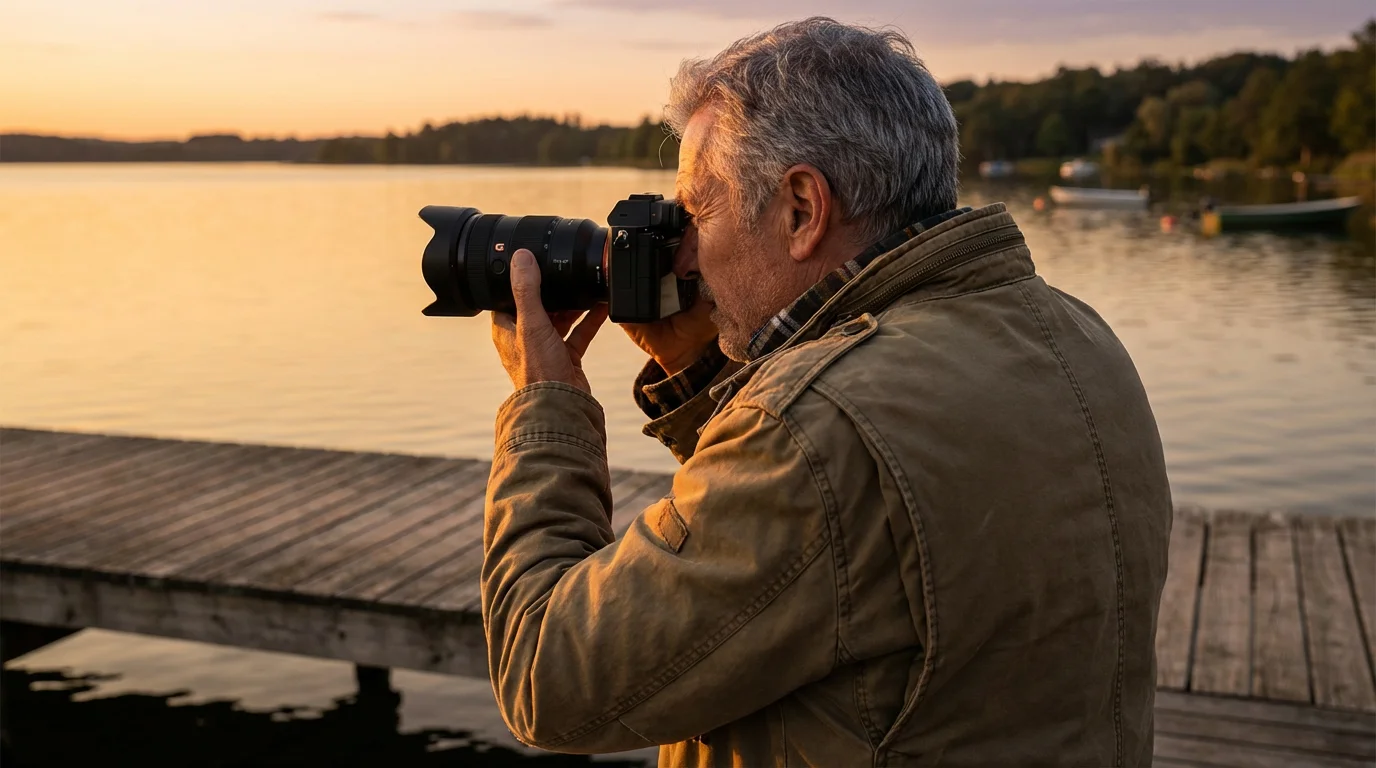
Mastering the Craft: Photography Tips for Better Photos
Once you have your camera, the real fun begins: learning how to take better photos. It involves more than just pointing and clicking; it requires developing your eye and understanding a few key principles. These photography tips will significantly improve your results.
- Understand Lighting: Light is the essence of photography. Pay attention to its direction, quality (hard or soft), and color. Early morning and late afternoon (the “golden hour”) offer beautiful, warm light, while midday sun creates harsh shadows.
- Focus on Composition:
- Rule of Thirds: Imagine a grid dividing your image into nine equal sections. Place your subject along these lines or at their intersections for a more balanced and engaging composition.
- Leading Lines: Use natural or artificial lines in your scene (roads, fences, rivers) to guide the viewer’s eye towards your subject.
- Framing: Use elements within your scene, like doorways, tree branches, or windows, to create a natural frame around your subject.
- Simplify Your Scene: Avoid clutter. A strong photograph often focuses on one clear subject. Eliminate distractions from the background to make your main subject stand out.
- Experiment with Angles: Do not always shoot from eye level. Get down low, climb higher, or try a unique perspective. Changing your viewpoint dramatically alters the impact of your photograph.
- Practice Regularly: The more you shoot, the better you become. Review your photos, identify what works and what does not, and learn from each session. Consistent practice is the most powerful of all photography tips.
Remember, the technical aspects serve your creative vision. Master the rules, then confidently break them to develop your unique artistic style.

Exploring Digital Photography: Tools and Techniques
The advent of digital photography revolutionized the art, making it more accessible and forgiving than ever before. You can take countless photos without incurring film costs and immediately see your results. This instant feedback loop accelerates your learning curve significantly.
Beyond capturing images, digital photography includes the powerful world of post-processing. Simple editing software, often available free on your phone or computer, allows you to:
- Adjust Exposure: Brighten underexposed areas or recover detail in overexposed ones.
- Enhance Colors: Boost vibrancy, adjust saturation, or correct white balance for more accurate hues.
- Crop and Straighten: Improve composition by removing distracting elements or correcting skewed horizons.
- Add Creative Effects: Experiment with black and white conversions, vignettes, or subtle filters to give your photos a unique mood.
Learning basic digital editing empowers you to refine your vision and bring out the best in your images. Many online courses and community workshops offer instruction specifically in digital photography editing, ensuring you can confidently navigate these tools.
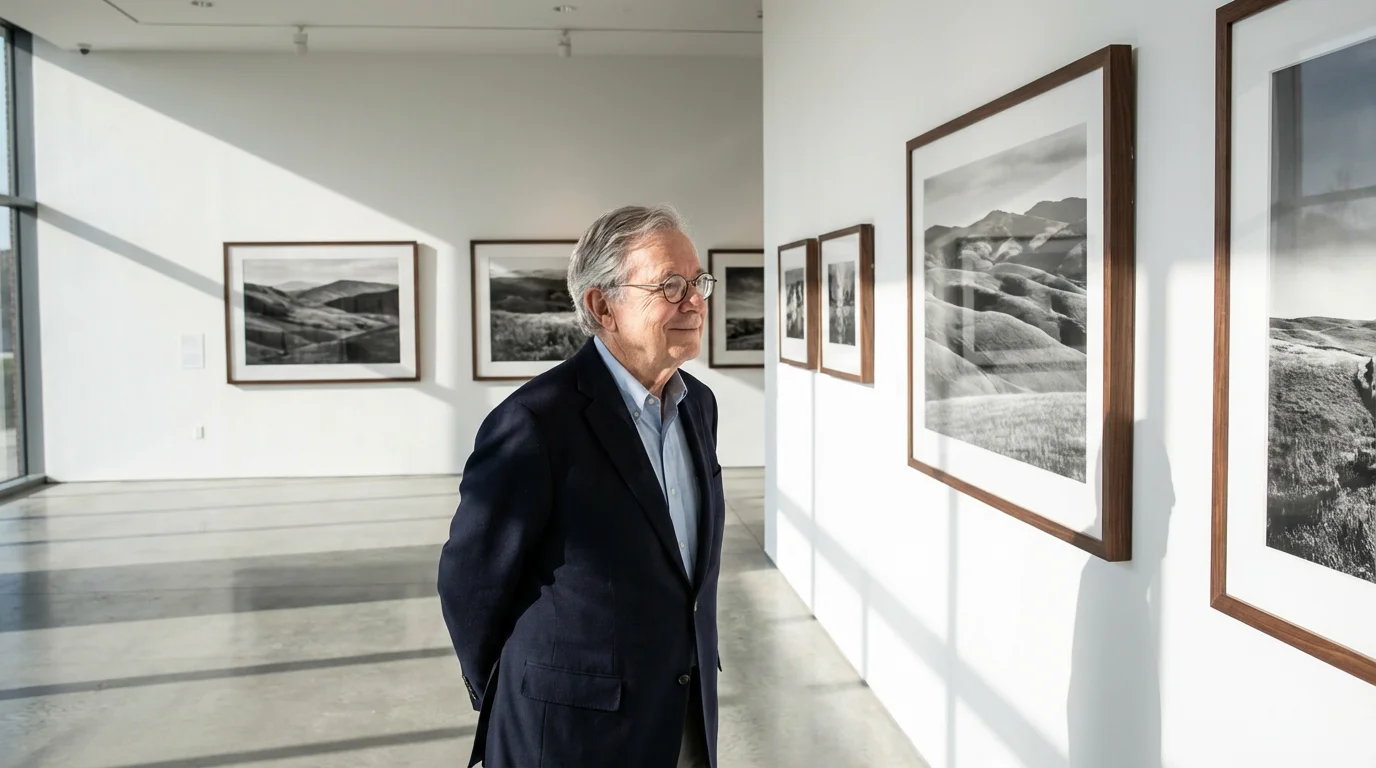
Sharing Your World: From Prints to Online Galleries
Photography truly comes alive when you share your creations. Sharing allows you to celebrate your achievements, receive feedback, and inspire others. Your photographs become a legacy, a visual diary of your retirement adventures.
Consider these avenues for sharing your photographic journey:
- Create Photo Albums: Nothing compares to holding a physical print. Compile your best work into beautiful photo albums, perhaps organized by theme or travel destination.
- Print for Your Home: Adorn your living space with your own art. Framed prints of your favorite landscapes or portraits personalize your home and serve as a constant source of inspiration.
- Online Galleries and Social Media: Platforms like Flickr, Instagram, or personal websites offer easy ways to showcase your digital photography to a wider audience. You can connect with fellow photographers and receive valuable feedback.
- Local Art Shows or Community Exhibits: Many towns and senior centers host amateur art exhibitions. Participating provides a wonderful opportunity to display your work and engage with your community.
- Gift Your Art: Beautifully printed and framed photographs make incredibly personal and cherished gifts for friends and family.
Sharing your work validates your efforts and motivates you to continue growing. It transforms a personal passion into a shared experience, strengthening your connections and purpose.
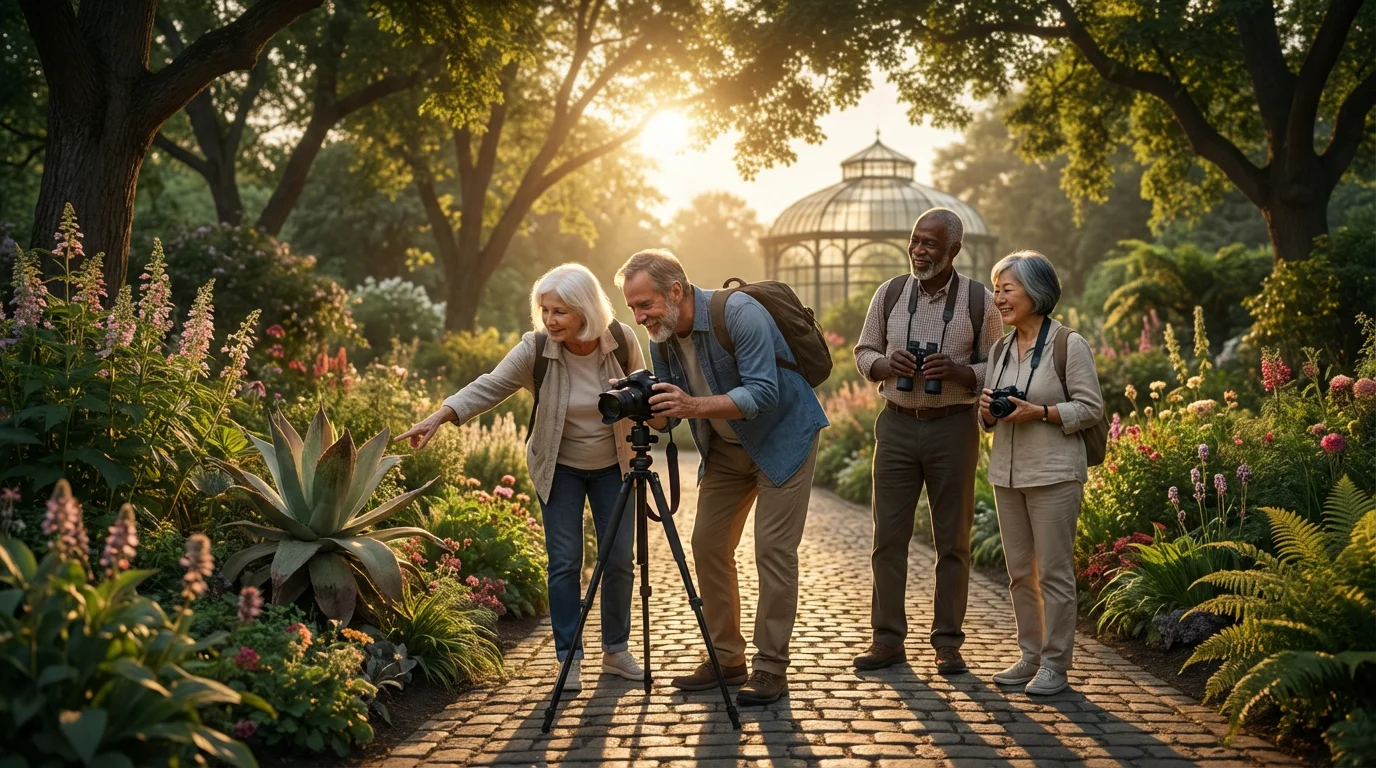
Beyond the Lens: Community and Connection
The journey of photography extends far beyond the technical aspects of capturing images; it enriches your life by fostering connection. As a senior photographer, you become part of a vibrant global community, united by a shared appreciation for visual storytelling.
Consider joining a local camera club. These groups often organize photo walks, workshops, and critiques, providing invaluable opportunities for learning and camaraderie. Online forums and social media groups dedicated to senior photography also offer platforms for sharing work, asking questions, and drawing inspiration from others. Road Scholar, for instance, offers educational travel programs that often include photography workshops, combining learning with adventure.
Photography can also serve a greater purpose. Volunteer your skills to local charities, community events, or family gatherings. Documenting significant moments for others not only hones your craft but also provides immense satisfaction and a profound sense of contribution. Your camera becomes a tool for building bridges and creating lasting memories for your community, cementing your role as an active, engaged retiree.
Frequently Asked Questions
What is the best camera for seniors who are just starting out?
For beginners in senior photography, mirrorless cameras or advanced compact cameras often present an excellent starting point. They offer a blend of user-friendliness, portability, and image quality. These cameras provide more manual control than a smartphone but remain less intimidating than a full DSLR, making them ideal for exploring various photography tips and techniques.
Can I really learn digital photography in retirement without prior experience?
Absolutely. Retirement provides the perfect canvas for new learning experiences, and digital photography is incredibly accessible. Many online tutorials, local workshops, and community college courses cater specifically to beginners. Your life experience and unique perspective will enrich your photographic journey, allowing you to capture moments with profound insight.
How can I improve my photos beyond just pointing and shooting?
To take better photos, focus on understanding fundamental photography tips such as composition rules like the rule of thirds, experimenting with lighting, and learning about aperture and shutter speed. Regularly practice, review your work, and seek constructive feedback. Many resources teach the principles behind compelling images, elevating your visual storytelling.
Is photography an expensive hobby to pursue in retirement?
Photography can be as affordable or as elaborate as you choose. You can begin with the camera you already own, like your smartphone, and gradually upgrade as your interest and skills grow. Many free or low-cost resources exist for learning digital photography, and second-hand equipment markets offer excellent value. Focus on learning and enjoying the process, not on acquiring the most expensive gear.
How does photography contribute to well-being in retirement?
Engaging in senior photography offers numerous benefits for your well-being. It encourages you to stay active, explore new environments, and connect with nature or your community. The creative process provides mental stimulation, reduces stress, and fosters a sense of purpose. Documenting your experiences creates a lasting legacy of your adventures and observations, enhancing your sense of accomplishment and joy.
Photography in retirement is more than a hobby; it is a passport to adventure, a catalyst for creativity, and a powerful tool for connection. You hold the unique perspective of a lifetime of experiences, ready to infuse every image with depth and meaning. Pick up your camera, embrace the light, and begin capturing the magnificent new chapter of your life. Your extraordinary visual journey starts now.
Disclaimer: This article is for informational and inspirational purposes. Life decisions are deeply personal, and we encourage readers to pursue their dreams while considering their unique circumstances, health, and financial situation.




Leave a Reply