

Retirement unveils a magnificent canvas of time and possibility. This new chapter is not a signal to slow down, but an invitation to accelerate your dreams, ignite dormant passions, and perhaps, even create a new stream of `hobby income`. You have a wealth of experience, unique skills, and an abundance of time to invest in what truly excites you. Imagine transforming a beloved pastime into a fulfilling endeavor that not only enriches your life but also provides financial flexibility.
Many individuals in retirement discover that their most cherished hobbies hold surprising commercial potential. This article provides a step-by-step guide to help you unlock that potential, transforming your passion into a profitable venture. Prepare to redefine what retirement means for you, embracing a future filled with purpose, creativity, and the satisfaction of a thriving `senior entrepreneur` spirit.

Why Your Hobbies Hold Hidden Gold
Your retirement years present a unique confluence of time, wisdom, and often, resources. This combination makes it the perfect moment to explore the financial potential of your hobbies. Beyond the monetary gain, converting a passion into an income stream offers profound personal rewards. It keeps your mind sharp, your spirit engaged, and your social connections vibrant.
Consider the intrinsic value you derive from your hobbies. They bring you joy, challenge, and a sense of accomplishment. When you turn that passion into a business, you magnify these benefits, creating a deeply satisfying chapter where your work truly aligns with your heart. This is about building a legacy, sharing your gifts, and proving that your most dynamic years are happening right now. You possess decades of experience and unique perspectives, assets that younger entrepreneurs often lack.
“It is never too late to be what you might have been.” — George Eliot
You have cultivated skills, honed techniques, and amassed knowledge through your leisure activities. These are not merely pastimes, but foundations for a fulfilling new venture. Perhaps you bake exquisite pastries, craft intricate jewelry, possess deep knowledge of local history, or excel at gardening. Each of these passions harbors the potential for significant `hobby income`, offering a path to continued purpose and financial independence. The idea that `can I profit from my hobby` moves from a question to an exciting declaration of intent.

Identifying Your Monetizable Passions
The first step in transforming your hobby into an income generator involves a clear-eyed assessment of your interests. Not every hobby lends itself to commercialization, but many do, often in surprising ways. Begin by listing every activity you genuinely enjoy, especially those where others compliment your skill or expertise. This process reveals your natural talents and the areas where you already possess a competitive edge.
Finding the right market for your skills often starts with identifying profitable second career ideas that match your long-term goals and personal interests.
Next, consider the market. Who might benefit from your creations or knowledge? Is there a demand for your unique style of woodworking, your hand-knitted scarves, or your ability to teach a specific skill? Research current trends, look at what others are selling, and identify gaps you can fill. Your existing network, including friends, family, and community groups, can offer valuable early feedback.
To identify your monetizable passions, follow these steps:
- Brainstorm Your Hobbies: List every activity you love, from gardening and baking to photography and historical research. Include skills you’ve developed over years, even if not traditionally seen as “hobbies,” such as organizing or mentoring.
- Assess Your Expertise: For each hobby, honestly evaluate your skill level. Are you an amateur, proficient, or an expert? Can you teach this skill, create products, or offer services?
- Gauge Your Passion Level: Which hobbies truly energize you? Sustaining a business requires dedication, so choose something you genuinely enjoy doing for extended periods without losing enthusiasm.
- Identify Potential Products or Services: How can you package your hobby? If you love to knit, can you sell finished items, patterns, or offer knitting classes? If you are a gifted storyteller, can you write local histories or offer personalized memoirs?
- Conduct Preliminary Market Research: Look online and within your local community. Do similar products or services exist? Who are the potential customers? What needs are currently unmet?
By systematically exploring these questions, you will uncover the passions most ripe for monetization. This focused approach saves you time and energy, directing you toward ventures with genuine market potential.
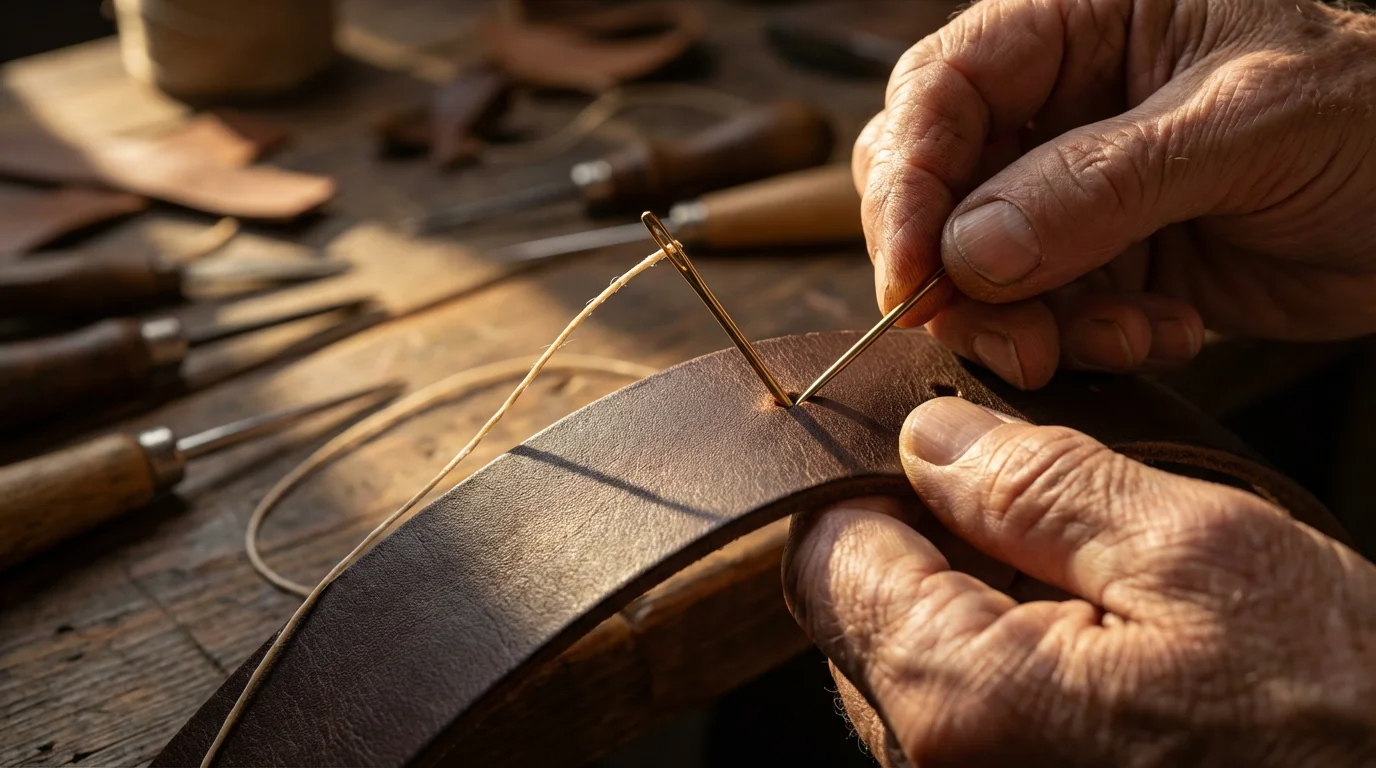
Transforming Your Hobby Into a Product or Service
Once you identify a promising hobby, the next crucial step involves shaping it into a tangible product or service. This requires thinking like a business owner, translating your creative impulse into something marketable. Consider how you can package your unique skills and creations to deliver value to customers. Your personal touch, honed over years of passionate engagement, becomes your distinct selling point.
For crafters, this might mean refining production methods, standardizing quality, and developing a consistent brand aesthetic. If your hobby is knowledge-based, such as gardening or cooking, you might develop workshops, write e-books, or offer consulting services. Think broadly about the different ways your expertise can serve others. Many `senior entrepreneur`s find success by focusing on niche markets that appreciate handcrafted quality or specialized knowledge.
Consider these common paths for hobby monetization:
- Handmade Goods: Jewelry, pottery, textiles, woodworking, custom artwork, artisanal foods. These items often command premium prices due to their unique quality and craftsmanship.
- Teaching and Workshops: Offer classes in person or online. Share your expertise in painting, knitting, cooking, music, or a specialized craft. Platforms like Zoom make remote instruction accessible.
- Consulting and Coaching: If your hobby involves deep knowledge, such as gardening, organizing, or a specific software, offer your insights as a consultant. You provide valuable, personalized advice.
- Digital Products: Create and sell patterns for knitting or sewing, e-books on your specialized topic, printable artwork, or online courses. These offer excellent `passive income` potential once created.
- Services: Photography, pet sitting, custom baking, specialized repair work, home organization, personal chef services. You use your hobby skill to provide direct assistance.
- Content Creation: Start a blog, a YouTube channel, or a podcast around your hobby. You can monetize through advertising, sponsorships, or selling related products. This builds community and influence.
Each of these avenues requires thoughtful planning and execution, but they all start with your genuine love for your chosen activity. The more you enjoy the process, the more authentic and successful your venture will become.

Building Your Brand and Online Presence
In today’s interconnected world, establishing a strong online presence is vital for almost any business, including your hobby-based venture. Your brand is more than just a logo; it embodies your values, your story, and the unique quality you bring to your products or services. A compelling brand story resonates with customers and helps them connect with your passion. You become a recognizable `senior entrepreneur` with a distinct identity.
Begin by crafting a memorable name for your venture and developing a simple, clear brand message. What makes your creations special? What problem do you solve, or what joy do you bring? Then, choose the right platforms to showcase your work. For crafters asking `how to sell crafts online`, options like Etsy provide a ready-made marketplace, while a dedicated website offers greater control and professionalism.
Steps to build your brand and online presence:
- Develop Your Brand Identity: Choose a name, create a simple logo, and define your unique selling proposition. What is your style, your promise to customers, your story?
- Choose Your Online Platform:
- Etsy: Ideal for handmade goods, offering an established customer base.
- Shopify/WooCommerce: For those seeking more control, scalability, and branding options with a dedicated e-commerce site.
- Personal Website/Blog: Essential for consultants, teachers, or content creators to showcase expertise and services.
- Social Media: Platforms like Instagram, Facebook, and Pinterest are excellent for visual products and building community.
- Create Engaging Content: Use high-quality photos and videos of your products. Write compelling descriptions that tell your story and highlight the value. Share insights, tips, and behind-the-scenes glimpses of your creative process.
- Optimize for Search Engines: Use relevant keywords in your product titles, descriptions, and website content so potential customers can find you. For example, if you make handmade quilts, use phrases like “heirloom quilts,” “custom fabric art,” or “quilting for sale.”
- Engage with Your Audience: Respond to comments, answer questions, and build relationships. Community engagement fosters trust and loyalty.
Building an online presence takes time and consistent effort, but it extends your reach far beyond your local community. It allows you to connect with customers who truly appreciate your specific passion and talent.

Pricing Your Passion and Profiting Smartly
Determining the right price for your products or services is a delicate balance. You want to reflect the quality, time, and unique value you offer, while also remaining competitive and attractive to your target audience. Underpricing undervalues your work and can lead to burnout, while overpricing might deter potential customers. This crucial step directly impacts your `hobby income` and the sustainability of your venture.
Start by calculating your costs accurately. This includes not just materials, but also your time, overhead expenses like website fees, and marketing efforts. Many `senior entrepreneur`s initially underestimate the value of their time and expertise. Remember, your decades of experience and refined skills are significant assets that deserve fair compensation.
Consider these pricing strategies:
- Cost-Plus Pricing: Calculate the cost of materials and labor, then add a reasonable markup for profit.
- Example: If materials for a handmade item cost $20, your time takes 3 hours at $25/hour ($75), total cost is $95. A 50% markup makes the selling price $142.50.
- Value-Based Pricing: Price your product or service based on the perceived value it offers to the customer, rather than just your costs.
- Example: A custom-designed garden plan might cost you 10 hours of work. But if it saves the client countless hours and ensures a beautiful, thriving garden for years, its value is much higher than your hourly rate.
- Competitive Pricing: Research what similar products or services sell for in the market. You can price slightly below, at, or above competitors depending on your unique selling points and brand positioning.
- Tiered Pricing: Offer different levels of products or services at various price points.
- Example: For a photography hobby, offer basic photo shoots, premium packages with albums, and exclusive prints.
- Subscription or Membership Models: For content creators or teachers, consider a monthly fee for exclusive access to content, patterns, or community. This generates consistent `passive income`.
Don’t be afraid to experiment with your pricing. Start with a carefully considered price, gather feedback from customers, and adjust as you gain more experience and confidence. Regularly review your financial performance to ensure your hobby is indeed turning a healthy profit.

Navigating the Legal and Financial Landscape
Transitioning from a hobby to a legitimate business, even a small one, involves certain legal and financial considerations. While these might seem daunting, they are essential steps for protecting your venture and ensuring compliance. Understanding these aspects allows you to operate confidently as a `senior entrepreneur`, avoiding potential pitfalls and optimizing your `hobby income`. You can navigate these waters successfully with a bit of research and guidance.
Start by researching the specific requirements for home-based businesses in your locality. These often involve simple registrations and may vary by city or state. For financial matters, maintaining clear records from the outset simplifies tax season and provides a real-time picture of your business’s health. You will want to keep personal and business finances separate, which brings clarity and professionalism to your efforts.
Key legal and financial considerations:
- Business Structure:
- Sole Proprietorship: The simplest structure, integrating your business and personal liabilities. Easy to set up.
- LLC (Limited Liability Company): Offers personal liability protection, separating your assets from business debts. More complex but provides greater security.
Consult with a small business advisor or legal professional to choose the best structure for your specific needs.
- Business Registration: Depending on your chosen structure and location, you might need to register your business name, obtain a Federal Employer Identification Number (EIN) if hiring employees (or for certain tax purposes), and acquire local business licenses or permits.
- Taxes: Income generated from your hobby is taxable.
- Keep meticulous records of all income and expenses.
- Understand deductible expenses related to your business, such as materials, marketing costs, and home office deductions.
- Consider setting aside a portion of your earnings for taxes throughout the year.
- Separate Finances: Open a separate bank account for your business. This simplifies record-keeping, makes tax preparation easier, and provides a clear view of your business’s financial performance.
- Insurance: Depending on the nature of your products or services, you might need liability insurance to protect against potential claims. Discuss this with an insurance professional.
Do not let these practicalities deter you. Many resources exist to help small business owners, including free mentoring services from organizations like SCORE. You can find invaluable support to guide you through these administrative necessities.

Finding Your First Customers and Growing Your Reach
With your products or services ready and your business foundation laid, the exciting challenge of attracting customers begins. Your first sales are not just about revenue; they are powerful affirmations that your vision has value. Word-of-mouth remains one of the most potent marketing tools, especially when combined with a strategic online and local presence. You build credibility and momentum with every satisfied customer.
Think about where your ideal customers spend their time, both online and offline. If you sell physical goods, local craft fairs, farmers’ markets, and community events offer direct interaction and immediate feedback. For services or digital products, online forums, social media groups, and targeted advertisements can be highly effective. The key is to be visible where your audience is already looking for what you offer.
Strategies to find customers and grow your reach:
- Leverage Your Network: Inform friends, family, and acquaintances about your new venture. They are often your first customers and your most enthusiastic evangelists. Offer an introductory discount or special offer.
- Participate in Local Markets and Fairs: Set up a booth at local craft shows, farmers’ markets, or community festivals. These events provide direct sales opportunities and valuable face-to-face interaction with potential buyers.
- Utilize Online Marketplaces: Platforms like Etsy, Amazon Handmade, or specific niche forums are excellent for reaching a broader audience, especially when considering `how to sell crafts online`.
- Engage on Social Media: Share your story, process, and products on platforms where your audience is active. Use compelling visuals and engage with comments and messages. Build a community around your passion.
- Collaborate with Other Entrepreneurs: Partner with complementary businesses for cross-promotion. If you make unique jewelry, collaborate with a local boutique that sells clothing.
- Offer Workshops or Demonstrations: Host free introductory workshops or live demonstrations, either in person or online. This showcases your expertise and attracts interested individuals who might become customers.
- Seek Testimonials and Reviews: Positive feedback builds trust and encourages new customers. Actively ask satisfied customers for reviews on your website or social media.
- Continuous Learning and Mentorship: Engage with resources like SCORE Mentoring for free, expert business advice. Their experienced volunteers can guide you through marketing strategies and growth.
Remember, every interaction is an opportunity to build a relationship and share your passion. Growing your reach is a continuous process of learning, adapting, and connecting with people who appreciate your unique talents.

Embracing the Journey: Lifelong Learning and Adaptation
Starting a business in retirement, even a small, passion-driven one, is an act of courage and an affirmation of your boundless potential. This journey is not without its challenges, but it is also profoundly rewarding. The true essence of being a `senior entrepreneur` lies in the continuous learning, the problem-solving, and the sheer joy of bringing your unique vision to life. You continue to grow, adapt, and innovate, proving that age is truly just a number when it comes to pursuing dreams.
Embrace every success, learn from every setback, and remain open to evolving your products, services, and business model. The market constantly changes, and your ability to adapt will be a key factor in long-term success. Many successful entrepreneurs find that their greatest joy comes not just from the income, but from the sense of accomplishment and the positive impact they make. The question `can I profit from my hobby` transforms into a resounding “yes, and so much more.”
To sustain and enjoy your entrepreneurial journey:
- Cultivate a Growth Mindset: View challenges as opportunities for learning and improvement. Stay curious about new tools, techniques, and market trends. Lifelong learning keeps your venture fresh and relevant.
- Prioritize Self-Care: Remember why you started this journey – for enjoyment and fulfillment. Do not let your business overshadow your well-being. Balance work with leisure, and cherish your retirement freedom.
- Stay Connected: Network with other `senior entrepreneur`s, join business communities, and seek advice from mentors. Sharing experiences and insights can be incredibly valuable and motivating.
- Celebrate Milestones: Acknowledge your achievements, big or small. Each sale, positive review, or new skill learned is a testament to your hard work and dedication.
- Be Patient and Persistent: Building a successful business takes time. There will be slow periods and moments of doubt. Trust in your passion and persist through the challenges.
- Revisit Your “Why”: Regularly remind yourself of the core reasons you embarked on this path. Whether it’s for financial independence, creative expression, or community engagement, your “why” will fuel your motivation.
Your retirement years offer an extraordinary opportunity for reinvention, adventure, and meaningful contribution. Monetizing your passions allows you to combine your love for a hobby with a sense of purpose and financial reward. Step boldly into this exciting chapter, knowing your best creations are yet to come.
Frequently Asked Questions
Can I really make significant income from a hobby in retirement?
Yes, absolutely. While it requires dedication and strategic planning, many retirees successfully generate significant `hobby income` from their passions. Success depends on factors like market demand for your product or service, your pricing strategy, and your marketing efforts. Consistent effort and a willingness to learn are crucial.
What are some common challenges for senior entrepreneurs turning hobbies into profit?
Common challenges include learning new technologies for online sales, understanding marketing strategies, managing time effectively, and navigating the legal and financial aspects of running a business. However, resources like SCORE Mentoring and online tutorials make these challenges highly surmountable. Your life experience also provides a strong foundation for problem-solving.
How do I know if my hobby has market potential?
Start by talking to people in your network and asking for honest feedback. Research online marketplaces like Etsy or local craft fairs to see if similar items are selling. Pay attention to what people are buying and what trends are emerging. Your unique perspective and handcrafted quality can often create its own demand.
Is it possible to generate passive income from a hobby?
Yes, `passive income` is definitely achievable. If your hobby involves knowledge or creative output, you can create digital products like e-books, online courses, knitting patterns, or stock photography. Once created, these assets can generate income repeatedly with minimal ongoing effort, offering a rewarding stream of `hobby income`.
What if I don’t want to turn my hobby into a full-time business?
That is perfectly fine. Many `senior entrepreneur`s choose to keep their hobby businesses part-time, allowing them to balance income generation with other retirement pursuits. You set your own hours and production goals. The goal is to enhance your retirement, not to create another demanding job.
Disclaimer: This article is for informational and inspirational purposes. Life decisions are deeply personal, and we encourage readers to pursue their dreams while considering their unique circumstances, health, and financial situation.








Leave a Reply