

Retirement presents a magnificent chapter, a wide-open canvas awaiting your unique brushstrokes. You have built a life, nurtured careers, and raised families. Now, the opportunity arrives to deepen your connection with yourself, cultivate inner peace, and embark on a journey of profound discovery. This is not a time for slowing down; it is an invitation to explore new dimensions of well-being, beginning with the transformative power of mindfulness meditation.
You possess an incredible capacity for growth and self-discovery at any age. Embracing a daily meditation practice empowers you to navigate this vibrant stage of life with enhanced clarity, calm, and joy. You gain invaluable tools for emotional resilience, sharper focus, and a profound sense of presence, enriching every experience retirement offers.

Retirement: A Gateway to Mindfulness
You have earned this time, a period free from the relentless demands of a career. This freedom opens doors to pursuits you perhaps deferred, including deep personal growth. Many envision retirement as a chance for travel, new hobbies, or quality time with loved ones. It also stands as an unparalleled opportunity for inward exploration, cultivating the serene mental landscape you always desired.
Life’s rhythm often quickens during working years, leaving little room for introspection. Retirement reverses this trend. You now have the gift of time, a precious commodity for nurturing your inner world. Embracing mindfulness meditation allows you to savor moments, reduce mental clutter, and truly live in the present. This practice becomes a cornerstone for an extraordinary retirement.

Understanding Mindfulness Meditation: More Than Just Sitting Still
Mindfulness meditation involves focusing your attention on the present moment. You observe your thoughts, feelings, and bodily sensations without judgment. This practice is not about emptying your mind or achieving a blissful state. Instead, it is about developing an awareness of what happens within you and around you, right now.
Gaining this mental clarity is often the first step toward conquering your fears and exploring horizons you never thought possible.
Think of mindfulness as a mental muscle you strengthen with consistent practice. You train your mind to stay grounded, preventing it from constantly dwelling on the past or worrying about the future. This brings a profound sense of peace and stability to your everyday life. You develop a clearer perception of your experiences, responding thoughtfully rather than reacting impulsively.
The Profound Benefits of Meditation for Senior Health
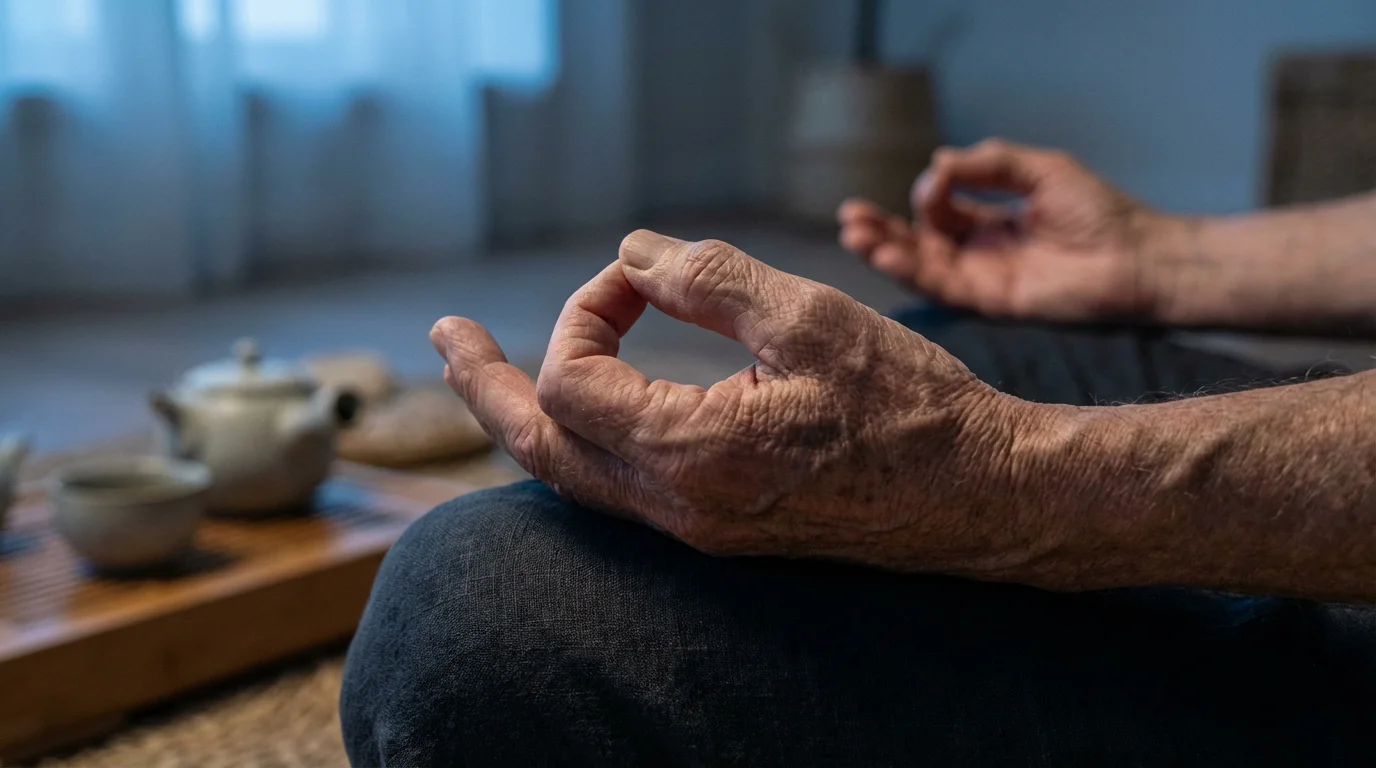
The advantages of a regular mindfulness practice extend far beyond feeling calm; they significantly enhance your physical and mental well-being in retirement. Studies consistently show positive impacts across various health markers. For instance, the National Institute on Aging highlights how engaging in mentally stimulating activities, like meditation, can support cognitive health.
Beyond meditation, mastering a new language provides significant cognitive benefits and complements your mental fitness routine.
Consider the remarkable shift you can create by integrating `mindfulness meditation` into your daily routine. You are actively investing in a healthier, more vibrant you. This practice empowers you to embrace your best years with vitality and grace.
Here are some key benefits of meditation for senior health:
- Enhanced Mental Clarity: You improve focus and attention, making it easier to learn new skills or engage in complex activities. This supports overall cognitive function.
- Significant Stress Reduction: Meditation activates your body’s relaxation response, lowering cortisol levels and promoting a sense of calm. This helps you manage the daily pressures that can still arise in retirement.
- Improved Emotional Regulation: You learn to observe emotions without becoming overwhelmed by them, leading to greater emotional balance. This fosters a more resilient and positive outlook.
- Better Sleep Quality: Many practitioners report deeper, more restorative sleep as their minds quiet down. This directly impacts energy levels and overall well-being.
- Lowered Blood Pressure: Consistent `relaxation techniques` through meditation can contribute to healthier cardiovascular function. This provides a tangible physical benefit for your long-term health.
- Reduced Chronic Pain: While not a cure, mindfulness helps you change your relationship with pain, reducing its perceived intensity and impact. You learn to observe sensations without adding mental distress.
- Increased Sense of Purpose and Connection: By becoming more present, you engage more fully with your passions, relationships, and surroundings. This cultivates a richer, more meaningful retirement experience.
How to Start a Daily Meditation Practice in Retirement: Your Step-by-Step Guide
Beginning a new habit feels daunting sometimes, but starting a daily meditation practice is simpler than you might imagine. You do not need special equipment or extensive training to experience its profound benefits. The key lies in consistency, not perfection. You are building a foundation for lasting peace, one breath at a time.
While you focus on inner peace, ensuring your external world is stable through financial literacy can further reduce unnecessary anxiety.
Here is `how to start a daily meditation practice in retirement`:
- Start Small, Be Realistic: Begin with just 5-10 minutes each day. Committing to a short, manageable period makes the practice sustainable. You can gradually increase the duration as you feel more comfortable and confident.
- Choose Your Time Wisely: Identify a time when you are least likely to be interrupted. Many find morning meditations beneficial, setting a calm tone for the day. Others prefer an afternoon break or an evening wind-down. Experiment to find what works best for your retirement schedule.
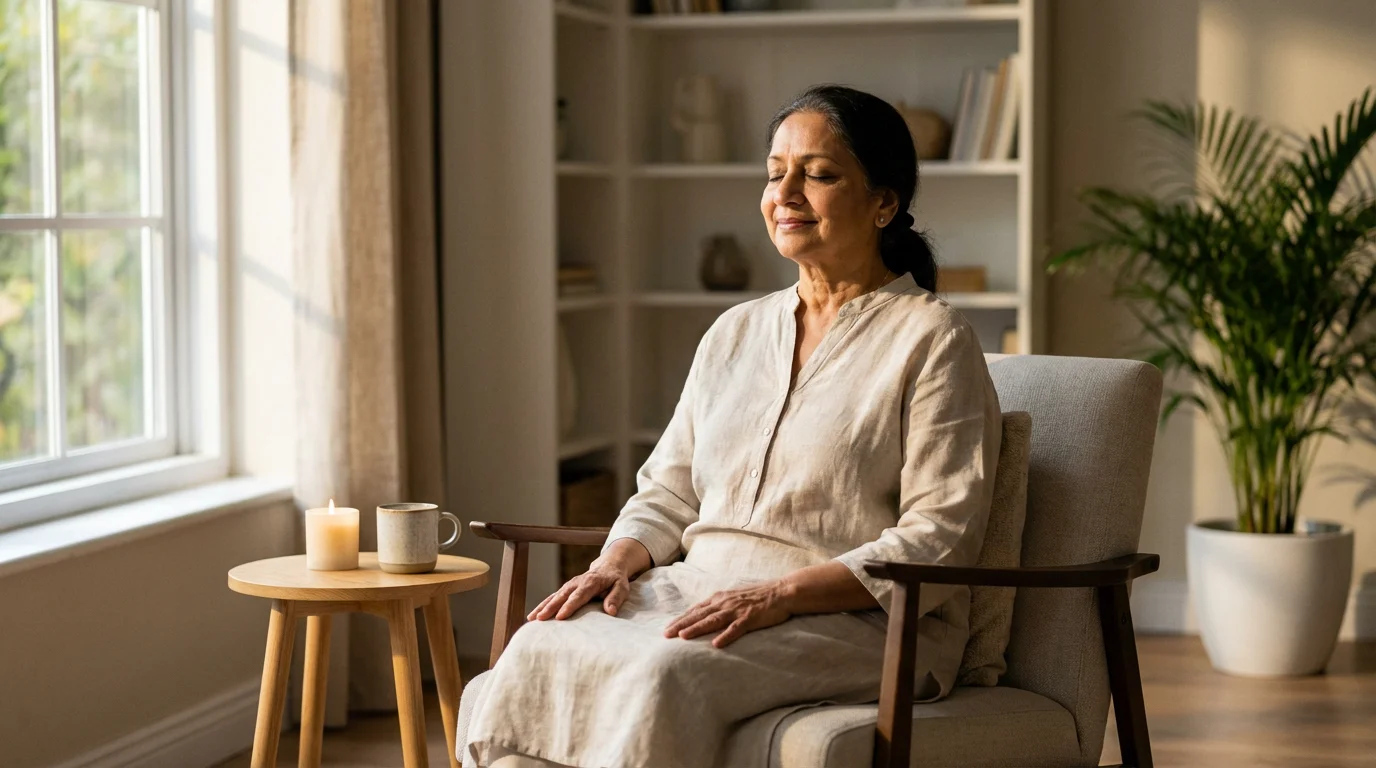
- Find a Quiet Space: Locate a peaceful corner in your home where you can sit undisturbed. This does not need to be elaborate; a comfortable chair or cushion in a quiet room is perfectly adequate. Minimizing external distractions helps you focus inward.
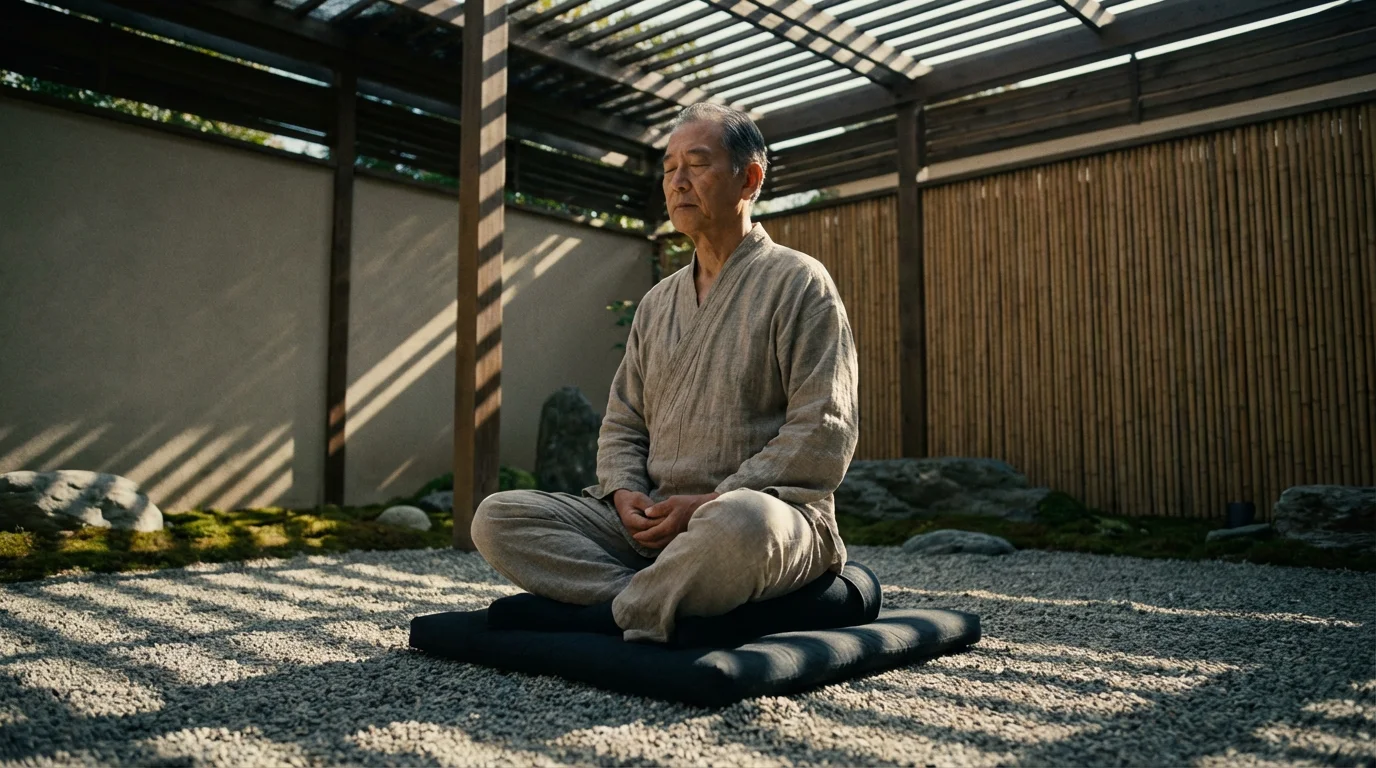
- Adopt a Comfortable Posture: Sit upright but relaxed, either on a cushion on the floor or in a chair with your feet flat on the ground. Your spine should be straight, allowing for easy breathing, but avoid tension. Your hands can rest gently on your lap.
- Focus on Your Breath: Close your eyes gently or keep them softly gazing downwards. Bring your attention to the sensation of your breath. Feel the air entering and leaving your body. Notice the rise and fall of your abdomen or the air flowing through your nostrils.
- Acknowledge Distractions, Then Gently Return: Your mind will wander; this is entirely normal. Thoughts, sounds, or sensations will arise. When you notice your mind has strayed, simply acknowledge the distraction without judgment. Then, gently guide your attention back to your breath.
- Use Guided Meditations: Many free resources exist online and through apps. Guided meditations provide instructions and support, making the process easier for beginners. They lead you through the steps, helping you stay focused.
- Be Patient and Kind to Yourself: Do not expect instant enlightenment. Meditation is a practice, a journey. There will be days when your mind feels restless, and that is okay. Treat yourself with compassion, celebrating your commitment to yourself.
Cultivating Your Sacred Space and Routine
Your meditation practice flourishes within a consistent routine and a dedicated environment. You create an anchor for your well-being when you intentionally set aside time and space. This commitment signals to yourself that your inner peace is a priority, a worthy investment in your extraordinary retirement.
Consider these elements for enhancing your practice:
- Designate Your Spot: Make your chosen meditation spot appealing and inviting. You might add a small plant, a calming image, or simply ensure it is tidy. This physical space becomes a cue for your mind to transition into a meditative state.
- Set an Intention: Before you begin, take a moment to set a simple intention for your practice. This could be to cultivate peace, develop focus, or simply be present. An intention helps anchor your mind.
- Utilize Technology Wisely: Explore meditation apps like Headspace or Calm, which offer structured programs and guided sessions. Podcasts dedicated to mindfulness also provide excellent resources. Use a timer if you prefer unguided sessions, ensuring you stay within your chosen duration.
- Journal Your Experiences: After your meditation, take a minute to jot down any insights, feelings, or challenges you encountered. This reflection helps you track your progress and understand your inner landscape better.
- Consistency Over Length: A short, daily practice yields more profound results than infrequent, long sessions. Prioritize showing up for yourself every day, even if it is just for five minutes.
Navigating Common Hurdles and Finding Your Rhythm
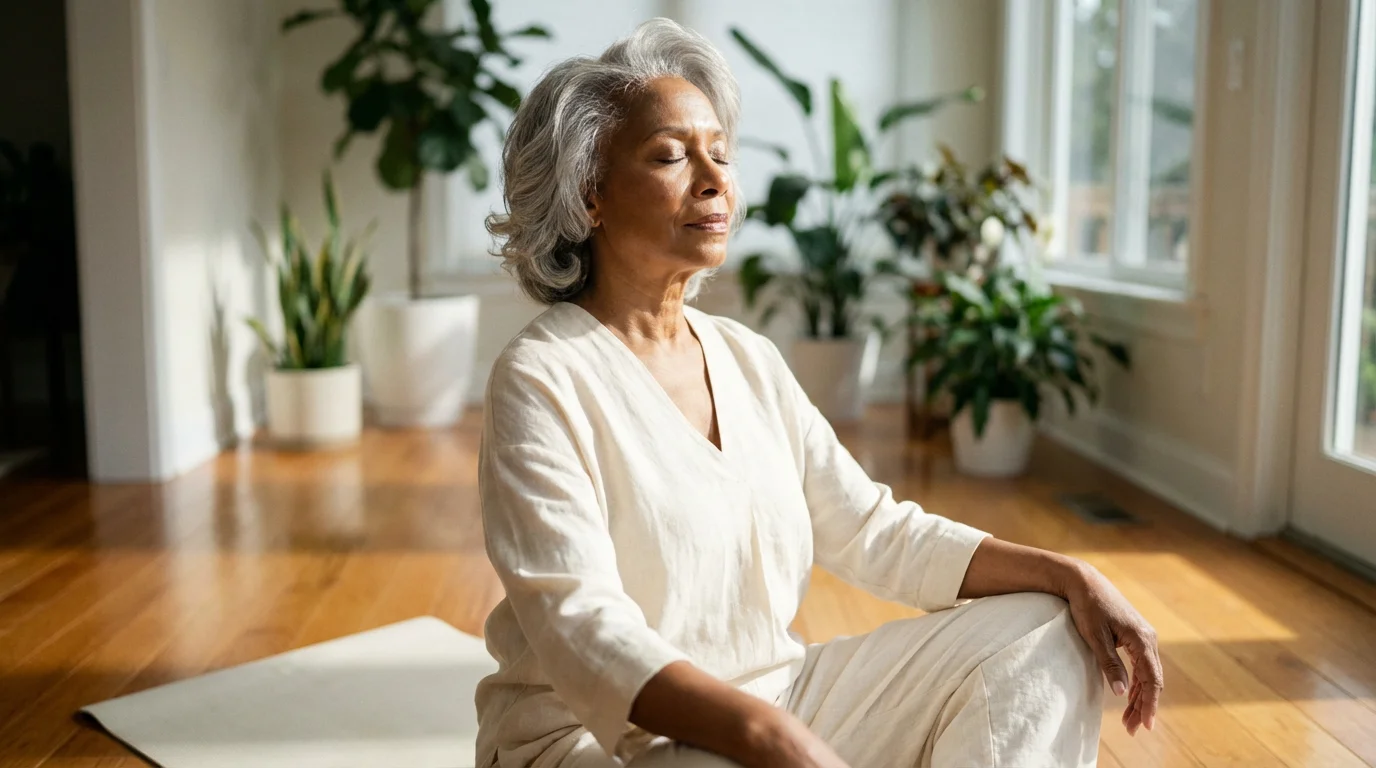
Every meditator, regardless of experience, encounters challenges. You might find your mind racing, your body feeling restless, or boredom creeping in. These are not signs of failure; they are simply part of the human experience. Your ability to navigate these hurdles defines the depth of your practice.
If you find joy in sharing your meditation journey, you might explore giving back through mentorship to guide others toward their own peace.
Remember, you are cultivating awareness, not perfection. Embrace the journey with curiosity and persistence.
Here are strategies to overcome common obstacles:
- The Restless Mind: When thoughts flood your awareness, acknowledge them without judgment. Imagine them as clouds passing in the sky. Gently redirect your attention back to your anchor, usually your breath. Do this again and again, patiently.
- Physical Discomfort: If you feel discomfort, first adjust your posture. If it persists, acknowledge the sensation without labeling it as “good” or “bad.” Breathe into it. Sometimes, simply observing the sensation causes it to shift or diminish. You are building resilience.
- Drowsiness: If you feel sleepy, open your eyes slightly or adjust your posture to be more upright. You can also focus on a specific sensation, like the cool air entering your nostrils, to heighten alertness. Consider meditating at a different time of day.
- Boredom or Lack of Motivation: Remind yourself of your reasons for practicing: `stress reduction`, increased clarity, better sleep. Try a different type of guided meditation or incorporate walking meditation to renew your interest. Reconnecting with your intention rejuvenates your commitment.
- Self-Criticism: It is easy to judge your practice, thinking you are “doing it wrong.” Release this expectation. There is no right or wrong way to meditate. Every moment you sit with intention contributes to your growth. Be your own kindest teacher.
“The quiet mind is all you need. All else will come of its own accord. As you become more mindful, you realize that there is a vast reservoir of peace within you.” — Nisargadatta Maharaj
Integrating Mindfulness into Your Daily Life Beyond Formal Practice
`Mindfulness meditation` extends beyond your dedicated sitting sessions. You can infuse mindful awareness into every aspect of your retirement life, transforming routine activities into opportunities for deeper engagement. This integration amplifies the peace and clarity you cultivate during formal practice. You begin to experience life more fully, moment by moment.
Consider these practical ways to weave mindfulness into your day:
- Mindful Eating: Pay full attention to your meals. Notice the colors, textures, smells, and tastes of your food. Chew slowly, savoring each bite. You will enjoy your food more and perhaps even improve digestion.
- Mindful Walking: As you walk, feel your feet on the ground. Notice the sensation of air on your skin. Observe the sights and sounds around you without judgment. You transform a simple stroll into a grounding experience.
- Mindful Listening: When conversing with friends or family, truly listen. Put away distractions and focus entirely on what the other person says, both verbally and nonverbally. You deepen your connections.
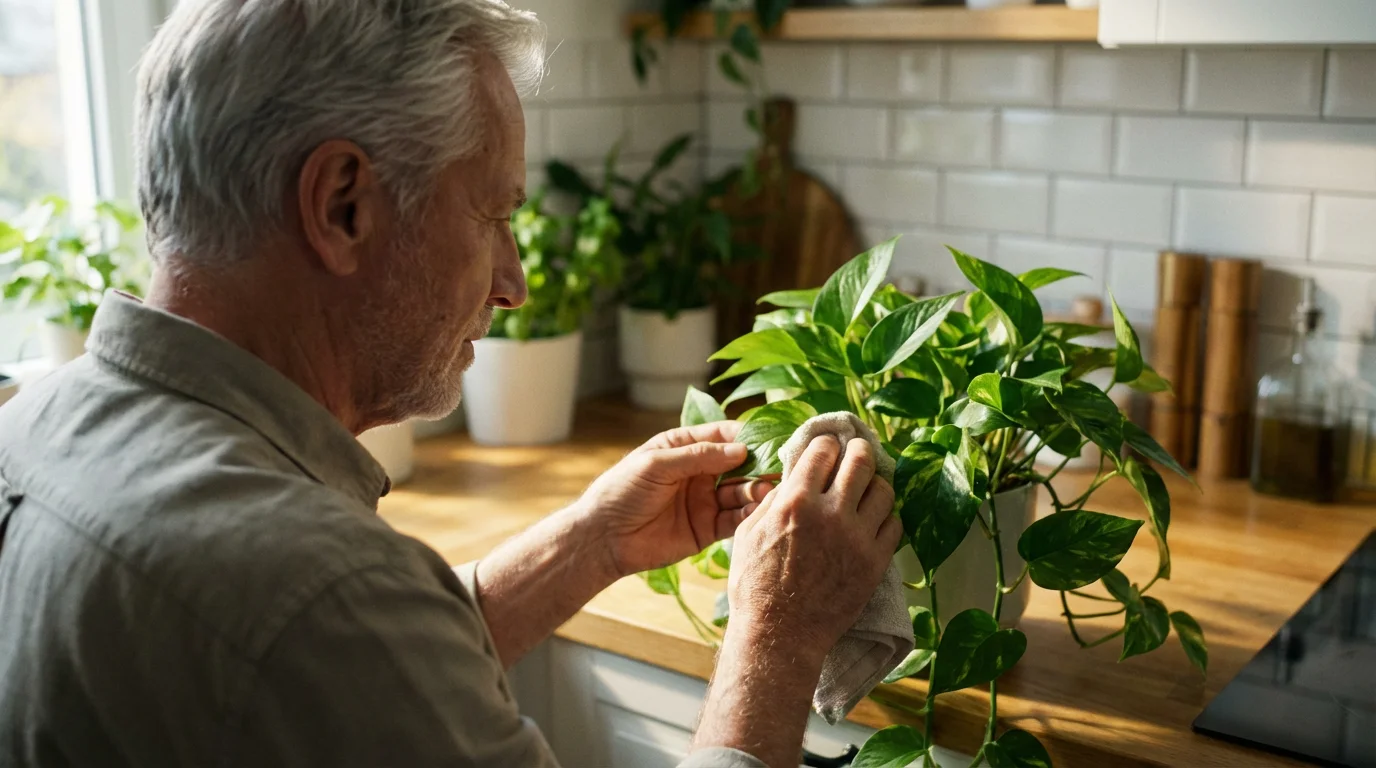
- Mindful Chores: Even tasks like washing dishes or gardening become opportunities for mindfulness. Focus on the sensations: the water’s warmth, the earth’s smell, the rhythm of your movements. You bring intention to every action.
- Mindful Breathing Breaks: Throughout your day, pause for a few intentional breaths. Take three slow, deep breaths, noticing your inhale and exhale. This simple `relaxation technique` takes mere seconds but significantly resets your mental state.
Integrating mindfulness allows you to experience your extraordinary retirement with a heightened sense of presence and appreciation. You discover joy in the simplest moments, making every day richer and more meaningful.
Expanding Your Mindfulness Journey
Once you establish a consistent daily practice, you might feel ready to explore new dimensions of mindfulness. Retirement provides the perfect freedom for such growth. Your journey with `mindfulness meditation` is deeply personal, and numerous paths await your exploration.
You might consider these avenues for deepening your practice:
- Silent Retreats: Attending a silent meditation retreat offers an immersive experience, free from daily distractions. These retreats range from a weekend to several weeks, providing a profound opportunity for self-discovery and advanced practice.
- Community Meditation Groups: Many communities offer local meditation groups or centers. Practicing with others provides support, shared experience, and guidance from experienced teachers. Check local community centers or spiritual organizations.
- Advanced Readings and Workshops: Delve deeper into the philosophy and science of mindfulness through books, online courses, or workshops. Websites like AARP often feature articles on mental wellness that can point to further resources.
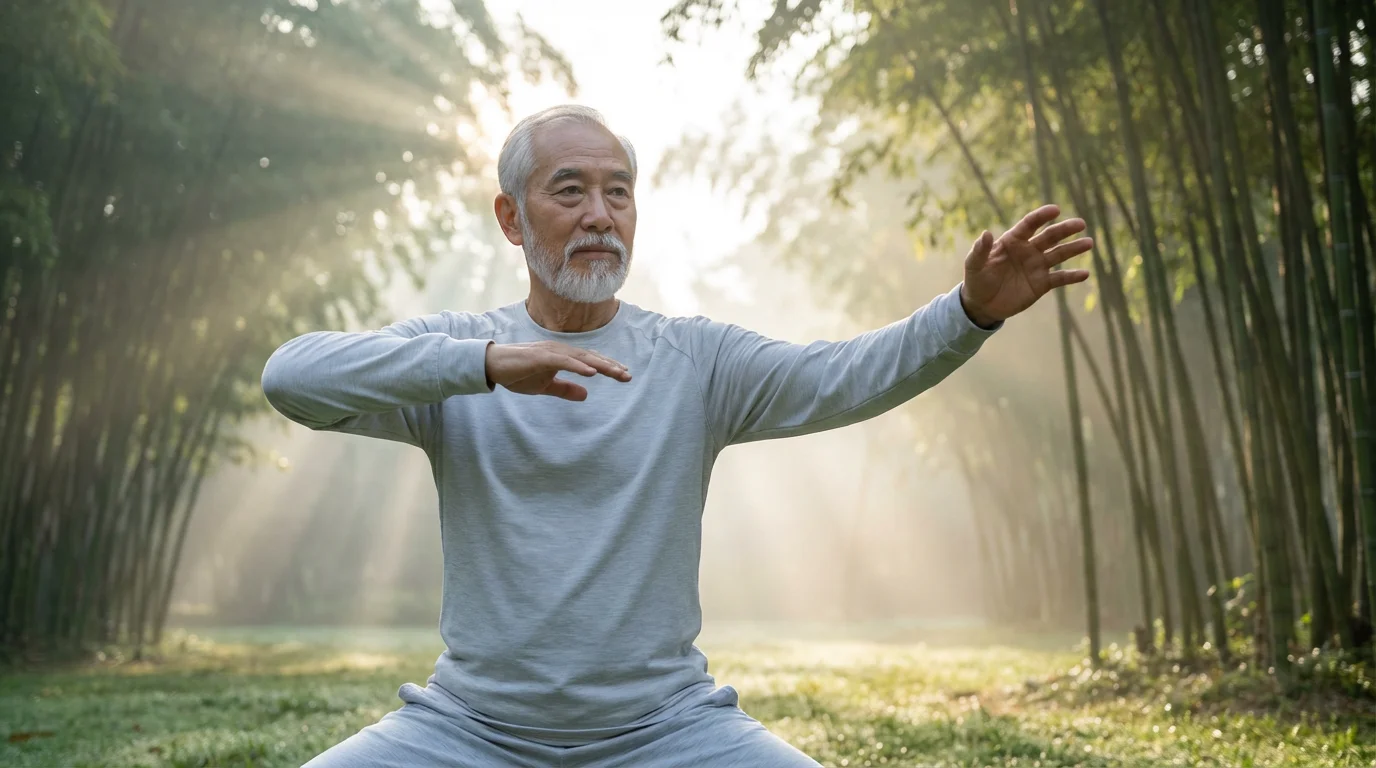
- Yoga or Tai Chi: These practices combine mindful movement with breath awareness, offering a synergistic approach to physical and mental well-being. They enhance body awareness and flexibility, complementing your sitting meditation.
- Loving-Kindness (Metta) Meditation: This practice cultivates feelings of compassion and goodwill towards yourself and others. It is a powerful way to expand your emotional awareness and connection.
Your retirement is a time for boundless personal growth. Embrace these opportunities to enrich your inner life, bringing even greater peace, clarity, and joy to your golden years.
Frequently Asked Questions
Is it too late to start meditation in retirement?
Absolutely not. Many people discover meditation later in life and experience profound benefits. Your mind retains its capacity for growth and adaptation regardless of age. Starting now provides you with powerful tools for navigating the unique joys and challenges of retirement.
How long does it take to see results from meditation?
You can often experience subtle shifts in calmness and focus within a few weeks of consistent daily practice. Significant, lasting benefits like improved `stress reduction` and emotional regulation typically develop over several months. Patience and consistency are your greatest allies.
Do I need to sit in a specific posture to meditate?
While traditional meditation often involves sitting cross-legged, you do not need to. The most important aspect is finding a posture that allows you to sit comfortably and alertly, with a straight spine, without excessive strain. A chair works perfectly well; just ensure your feet are flat on the floor.
What if my mind never stops thinking during meditation?
A “busy mind” is a common experience for everyone, especially when beginning. Meditation is not about stopping thoughts; it is about changing your relationship with them. You observe thoughts without engaging them, gently bringing your attention back to your breath whenever your mind wanders. This practice strengthens your ability to focus and find inner stillness.
Can meditation help with specific health conditions common in retirement?
While meditation is not a replacement for medical treatment, its `benefits of meditation for senior health` are well-documented. It can significantly aid in managing symptoms related to chronic pain, anxiety, depression, and high blood pressure. Many find it improves sleep and overall emotional resilience, complementing conventional medical care.
The journey into `mindfulness meditation` offers an incredible path to deeper peace, enhanced clarity, and profound well-being during your retirement years. You hold the power to shape this chapter into your most vibrant and fulfilling yet. Embrace this opportunity for self-discovery; commit to a daily practice, and watch your world transform from the inside out. Your extraordinary retirement awaits, rich with presence, purpose, and unparalleled calm.
Disclaimer: This article is for informational and inspirational purposes. Life decisions are deeply personal, and we encourage readers to pursue their dreams while considering their unique circumstances, health, and financial situation.








Leave a Reply