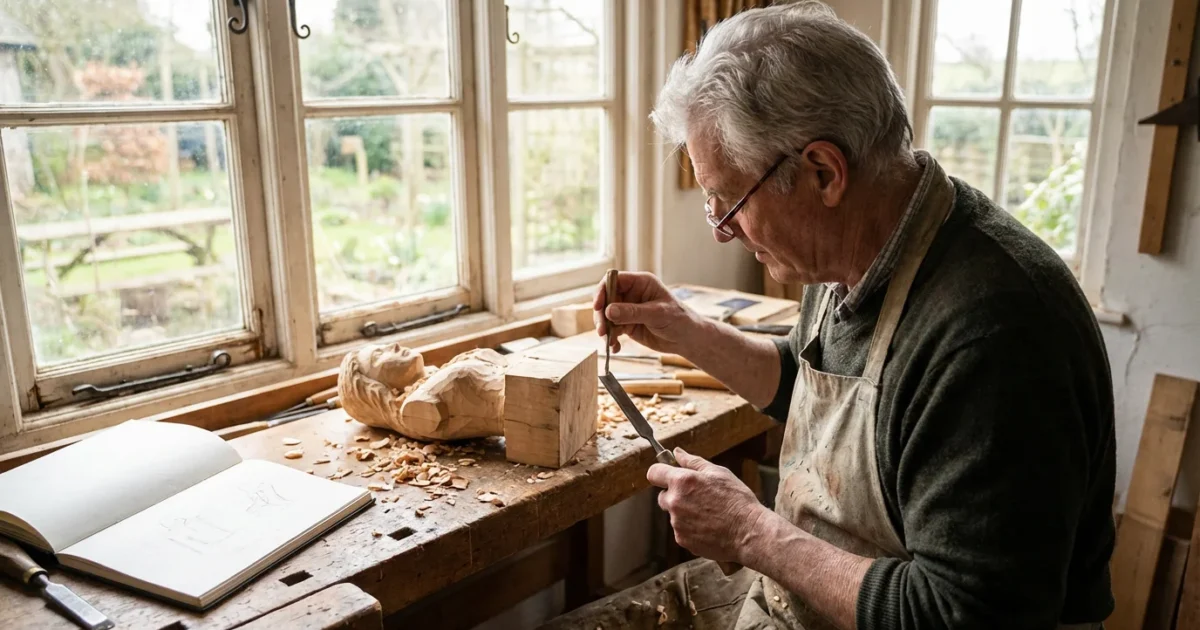
Retirement unveils a canvas of unparalleled possibility. You have earned this freedom, and now you decide how to paint your next masterpiece. Many envision these years as a time for relaxation, yet a growing number of dynamic individuals recognize retirement as a powerful launchpad for reinvention, adventure, and profound personal growth. You possess an incredible opportunity to explore dormant interests, cultivate new talents, and expand your horizons like never before.
Starting with inspiring projects for all skill levels can help you build the momentum needed for long-term mastery.
Imagine a retirement brimming with discovery, where every day brings a chance to learn something new. This is the essence of lifelong learning, a philosophy that empowers you to chase curiosity and master new skills, transforming your retirement into your most vibrant chapter yet. Your bucket list probably holds dreams of travel or new experiences. Now, consider adding the exhilarating pursuit of knowledge and skill mastery. This journey promises not only personal satisfaction but also tangible benefits for your well-being.
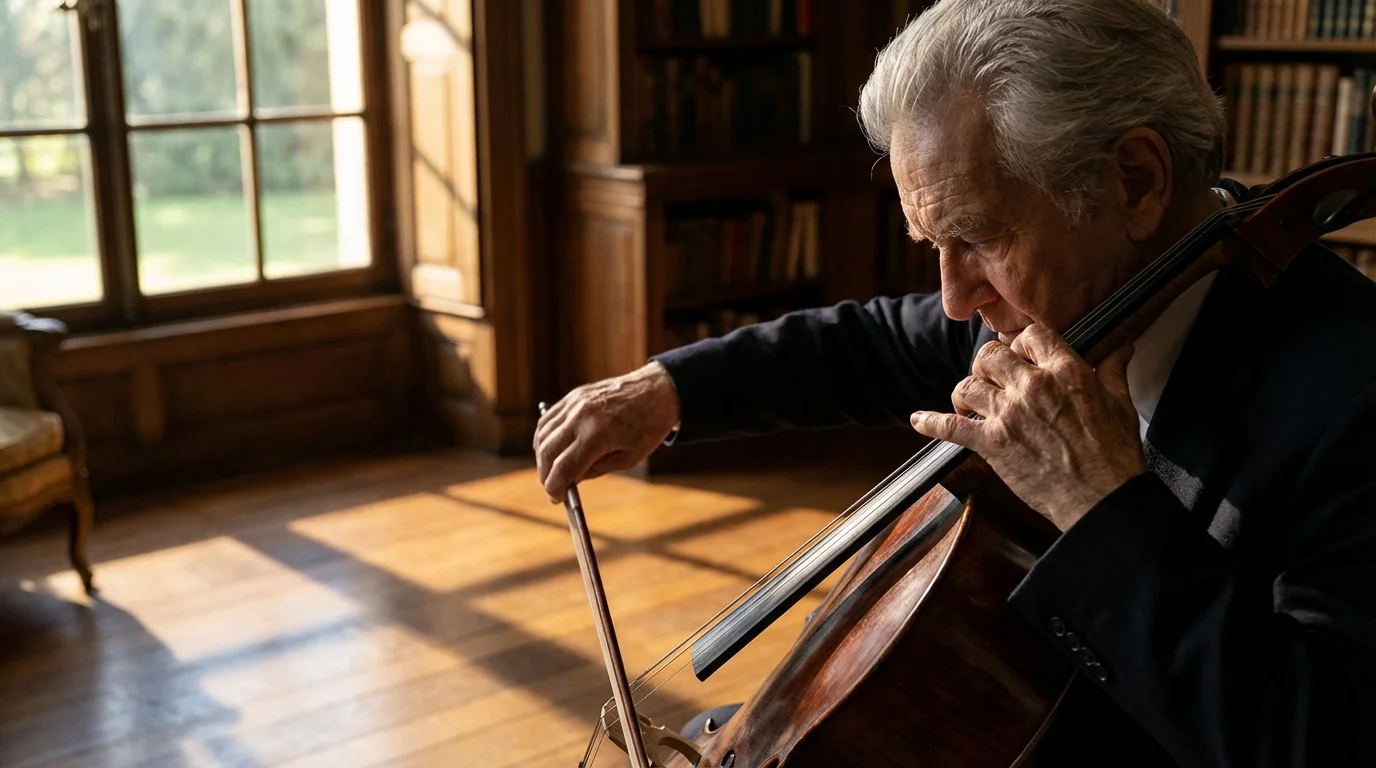
Unleash Your Inner Learner: Retirement as a Growth Catalyst
Retirement offers more than just free time. It provides a unique window for intentional self-improvement and exploration. You gain the autonomy to direct your energy toward what truly captivates you, free from career demands and daily commutes. This freedom presents the perfect environment for embracing lifelong learning.
Think of retirement as an advanced degree in living your best life. You enroll in the university of personal discovery, choosing your curriculum based purely on passion. This active pursuit of knowledge keeps your mind sharp, your spirit engaged, and your days filled with meaning.
It is never too late to be what you might have been. — George Eliot

The Profound Benefits of Senior Education
Embracing `lifelong learning` in retirement offers a wealth of advantages, extending far beyond simply acquiring a new skill. Research consistently highlights the positive impact of continuous intellectual engagement on overall well-being. You are not just learning; you are investing in a richer, healthier future.
Consider these powerful benefits:
- Enhanced Cognitive Function: Learning new skills challenges your brain, building new neural pathways and improving memory, problem-solving abilities, and processing speed. Studies from the National Institute on Aging emphasize the importance of mental stimulation for brain health.
- Increased Sense of Purpose: Actively pursuing knowledge provides a compelling reason to get out of bed each day. It replaces the purpose often lost from a career, offering new goals and achievements to strive for.
- Expanded Social Connections: Many learning environments, both online and in person, foster community. You meet like-minded individuals, share experiences, and build new friendships, combating isolation.
- Greater Adaptability: The world evolves rapidly. Staying current by learning new technologies or concepts helps you navigate modern life with confidence and competence.
- Boosted Self-Confidence: Mastering a new skill, whether it is coding or painting, provides a profound sense of accomplishment. This renewed self-efficacy spills into other areas of your life, encouraging further exploration.
- Improved Mood and Reduced Stress: Engaging in enjoyable learning activities can be incredibly fulfilling. It offers a healthy distraction from daily worries and provides a creative outlet.
You gain more than knowledge; you gain vitality. This proactive approach to your retirement years ensures they are defined by growth, not stagnation.
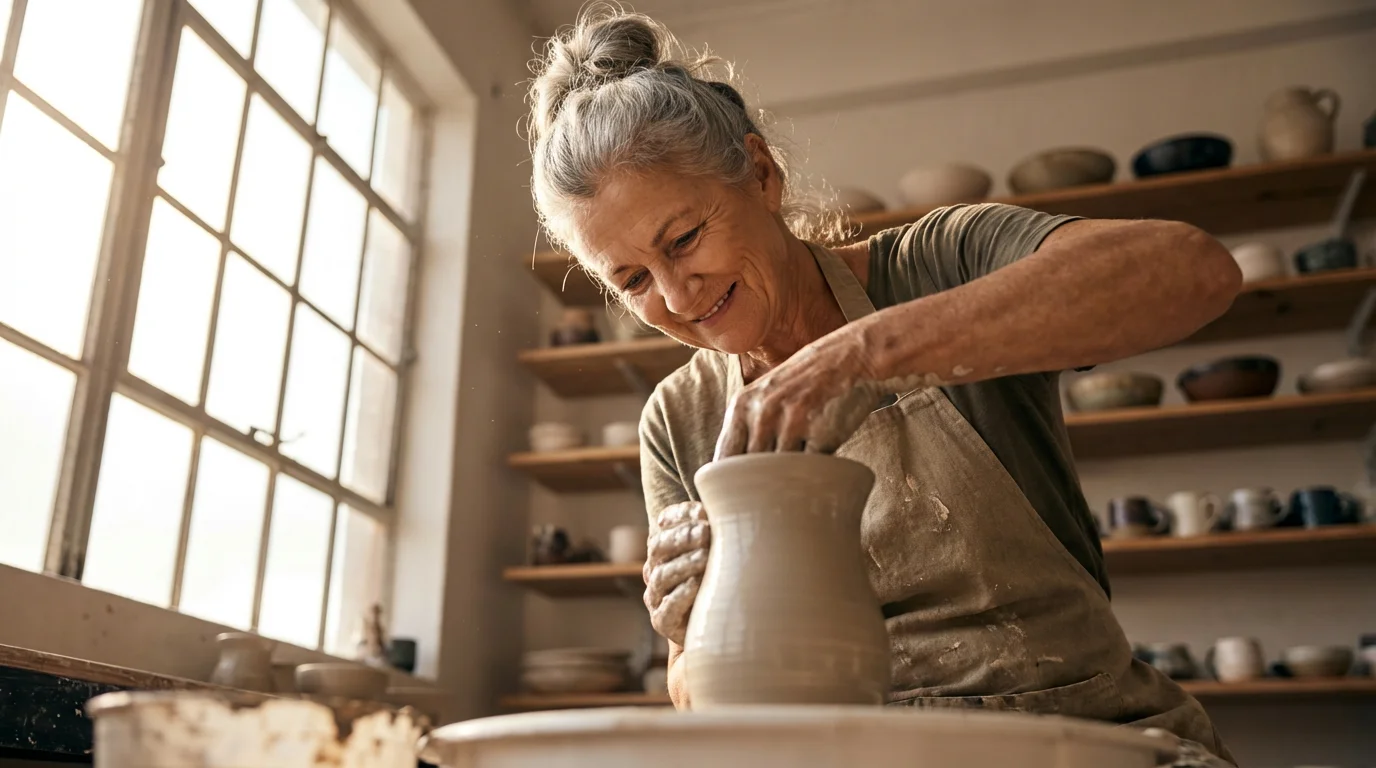
Igniting Your Curiosity: What Skills Can I Learn?
The beauty of retirement learning lies in its boundless possibilities. You have no obligation to learn skills for a job; your only requirement is genuine interest. Begin by reflecting on past dreams, latent talents, or topics that have always intrigued you. Ask yourself, “What skills can I learn that truly excite me?”
Consider these categories to spark your imagination:
- Creative Arts: Painting, sculpting, photography, creative writing, playing a musical instrument, pottery, jewelry making. Unleash your inner artist and express yourself in new ways.
- Languages: Learn Spanish for that trip to Mexico, French for cultural immersion, or Mandarin for a unique challenge. Language learning opens doors to new cultures and experiences.
- Technology & Digital Skills: Web design, coding (Python, HTML), video editing, digital marketing, advanced photo manipulation. Mastering these skills keeps you connected and opens up new avenues for communication and even income. Many `online courses` cater specifically to these technical domains.
- Practical & Home Skills: Woodworking, gardening, home repair, gourmet cooking, baking, sewing, upholstery. Develop self-sufficiency and create beautiful, functional items.
- Health & Wellness: Yoga instruction, meditation, nutrition, personal training certification, massage therapy. Deepen your understanding of well-being and potentially help others.
- Academic & Intellectual Pursuits: History, philosophy, astronomy, physics, literature analysis, economics. Explore subjects that ignite your intellectual curiosity, simply for the joy of knowing.
- Business & Entrepreneurship: Small business fundamentals, social media management, personal branding, financial literacy. You might discover a passion for a new venture, perhaps an `encore career`. SCORE Mentoring offers valuable resources for aspiring entrepreneurs at any age.
Your unique interests will guide you. Remember, the goal is discovery and enjoyment, not perfection.

Navigating the Digital Frontier: Online Courses for Seniors
The internet has revolutionized access to `senior education`, making `online courses` a powerful tool for lifelong learners. You can now access world-class instruction from the comfort of your home, often at your own pace. This flexibility is invaluable, allowing you to integrate learning seamlessly into your retirement lifestyle.
Explore these options when seeking `what are the best online courses for seniors`:
- Massive Open Online Courses (MOOCs): Platforms like Coursera, edX, and FutureLearn partner with universities worldwide to offer free or low-cost courses across virtually every subject. You can audit many courses for free, or pay for a verified certificate.
- Dedicated Learning Platforms: Sites like Skillshare, MasterClass, and LinkedIn Learning provide subscriptions for access to thousands of courses taught by industry experts. You might learn photography from an award-winning artist or cooking from a Michelin-star chef.
- University Extension Programs: Many universities offer online non-credit courses and certificate programs designed for adult learners. These provide structured learning paths and often opportunities for interaction.
- YouTube Tutorials: For specific skills or quick introductions, YouTube offers an incredible library of free video tutorials. You can learn anything from how to fix a leaky faucet to basic guitar chords.
- Specialized Senior Learning Platforms: Some platforms and programs specifically tailor their content and interface for seniors, offering user-friendly experiences and relevant topics.
Don’t let perceived technical hurdles deter you. Many platforms provide excellent support, and the reward of unlocking new knowledge online is immense. Consider starting with a free introductory course to build confidence.
Beyond the Screen: Experiential and Community Learning
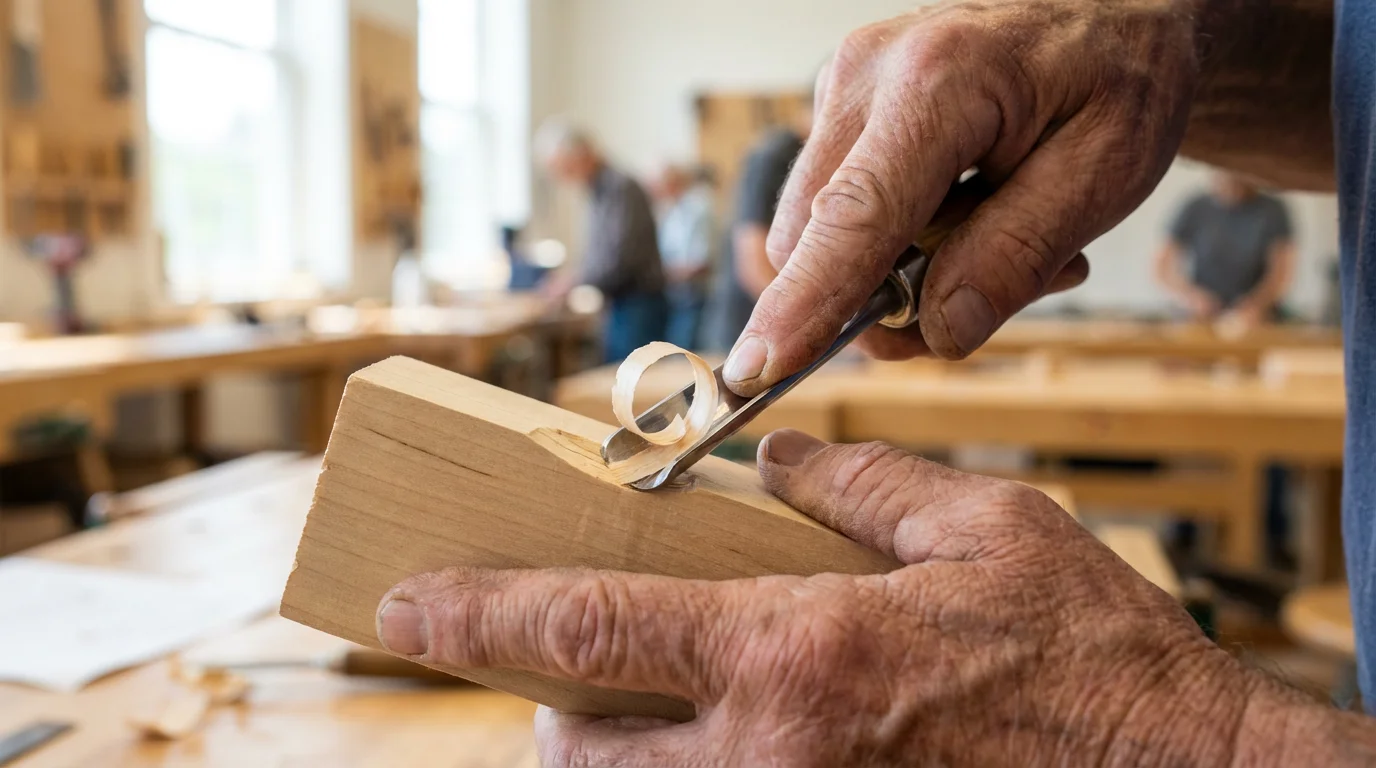
While digital learning offers unparalleled convenience, don’t overlook the rich opportunities for in-person and experiential `senior education`. These avenues provide invaluable social interaction, hands-on experience, and often a deeper dive into local culture and resources.
Consider these vibrant pathways to learning:
- Osher Lifelong Learning Institutes (OLLI): These member-driven organizations, often affiliated with universities, offer a wide range of non-credit courses, lectures, and social events specifically for learners aged 50+. You find them across the country, providing an engaging community. Learn more about their offerings at Osher Lifelong Learning.
- Community Colleges & Adult Education Centers: Local institutions frequently offer affordable courses in everything from foreign languages and computer skills to pottery and fitness. You benefit from structured learning and direct interaction with instructors.
- Travel & Cultural Immersion: Programs like Road Scholar offer educational adventures around the world. You learn history on site, delve into local traditions, and experience new cultures firsthand with expert guides. This combines your love for travel with enriching learning.
- Volunteer Opportunities: Volunteering can be a fantastic way to acquire new skills. Whether it is administrative work for a nonprofit, mentoring young entrepreneurs through SCORE Mentoring, or helping at a local library, you gain practical experience and give back.
- Workshops & Classes: Local art studios, cooking schools, nature centers, and even hardware stores often host short-term workshops. These are perfect for trying out a new skill without a long-term commitment.
- Book Clubs & Discussion Groups: Engage with literature, current events, or philosophy in a social setting. These groups sharpen your critical thinking and communication skills while fostering new friendships.
Blended learning, combining online resources with local activities, often provides the most comprehensive and satisfying experience. Mix and match to find what truly resonates with your lifestyle and goals.

Transforming Dreams into Mastery: Your Action Plan
Turning the aspiration of learning a new skill into a tangible achievement requires a clear, actionable approach. You possess the wisdom and discipline cultivated over a lifetime; now apply it to your passions.
Follow these steps to successfully master a new skill:
- Define Your “Why”: Clearly articulate your motivation. Do you want to learn guitar to play for grandchildren, web design to start a small business, or a new language for travel? Your “why” fuels your persistence.
- Start Small, Think Big: Break down your learning goal into manageable chunks. If you want to learn to paint, start with basic drawing exercises. If you aim to code, begin with an introductory “Hello World” project.
- Set Realistic Goals: Understand that mastery takes time and consistent effort. Celebrate small victories along the way. Your progress, not perfection, defines success.
- Schedule Your Learning: Treat learning time as sacred. Block out dedicated periods in your calendar, just as you would for an appointment. Consistency is more crucial than long, infrequent sessions.
- Find Your Community: Connect with other learners, either in person or online. Share your progress, ask questions, and offer support. This network provides motivation and accountability.
- Embrace Imperfection: You will make mistakes; that is part of the learning process. View errors as opportunities for growth, not failures. Your courage to try is what truly matters.
- Apply What You Learn: Actively use your new skills. Practice regularly, take on small projects, or teach someone else. Application solidifies knowledge and makes learning more engaging.
- Celebrate Your Achievements: Acknowledge your progress. Treat yourself to something special when you hit a milestone, no matter how small. Your efforts deserve recognition.
You have the power to direct your learning journey. Take charge and watch your capabilities expand.

Overcoming Perceived Limitations
Sometimes, self-doubt or external perceptions can surface when considering a new learning endeavor in retirement. You might hear voices, internal or external, suggesting it is “too late” or “too hard.” Dismiss these notions. Age is not a barrier to learning; it is a testament to experience and resilience.
For many, the path to mastery begins by conquering your fears and embracing the unknown with open arms.
Address common concerns directly:
- “I’m too old to learn new things.” This is a myth. The brain maintains neuroplasticity throughout life, meaning it can form new connections and learn new information. Studies from the Stanford Center on Longevity consistently show that engagement and mental activity are key to healthy aging. Your mind remains a powerful instrument.
- “I don’t have enough time.” You likely have more discretionary time in retirement than ever before. Even 15-30 minutes a day, consistently applied, yields significant progress over weeks and months. Break learning into micro-sessions.
- “I’m not good at learning new technology.” Many `online courses` and platforms are designed with user-friendliness in mind. Start with basic tutorials, ask for help from younger family members, or join a `senior education` group focused on tech basics. You can master it.
- “I’m afraid of failing.” Every master was once a beginner. Embrace the beginner’s mind, a state of openness and eagerness. True failure comes only from refusing to try. Your journey of learning is inherently a success.
Your mindset shapes your reality. Choose to believe in your incredible capacity for growth and discovery.

The Unlimited Potential of a Learning Mindset
Embracing `lifelong learning` transforms your retirement years into a period of profound personal renaissance. You stop seeing yourself as “retired” and start seeing yourself as perpetually evolving. This mindset opens doors to unexpected passions, meaningful connections, and a vibrant sense of purpose that invigorates every aspect of your life.
Imagine sharing your newly acquired language skills on an international trip, or showcasing your woodworking creations to friends and family. Perhaps your digital skills lead to a fulfilling volunteer role or a small consulting venture. The possibilities truly are limitless. Your retirement is not an ending; it is the grand opening of a new, extraordinary chapter. Step boldly into the joy of continuous discovery.
Frequently Asked Questions
Is it really possible to learn complex skills later in life?
Absolutely. Research consistently shows that the human brain retains its capacity for neuroplasticity, meaning it can continue to learn and adapt at any age. While learning methods might shift or take a bit longer, your ability to acquire complex skills remains intact. Many seniors successfully master everything from coding to new languages, often benefiting from their accumulated life experience and discipline.
What are the best online courses for seniors who are new to technology?
For those new to technology, look for platforms that prioritize user-friendliness and offer introductory courses. Websites like GCFGlobal.org (formerly GCFLearnFree.org) offer free, easy-to-understand tutorials on basic computer skills, internet use, and common software. Many public libraries also offer free workshops. Once comfortable, platforms like Coursera and edX have beginner-friendly courses in various subjects.
How can I stay motivated when learning a new skill in retirement?
Maintaining motivation is key. Set small, achievable goals and celebrate each milestone. Find a learning buddy or join a community, whether online or in person, for support and accountability. Remind yourself of your initial “why,” and integrate your learning into your daily life. Regularly apply your new skill, even in small ways, to see tangible progress and reinforce your commitment.
Are there free options for senior education?
Yes, many excellent free resources exist. Public libraries offer books, online databases, and often free classes. YouTube provides a vast library of tutorials. Platforms like Coursera and edX allow you to audit many university-level courses for free. Additionally, some community centers and senior centers offer free or low-cost workshops and lectures. These resources make lifelong learning accessible to everyone.
Can learning a new skill help my brain health?
Engaging in `lifelong learning` profoundly benefits brain health. Learning new and challenging skills creates new neural pathways and strengthens existing ones, improving memory, problem-solving, and cognitive flexibility. This mental stimulation is a key component in maintaining cognitive function and can help reduce the risk of cognitive decline as you age. It is a powerful investment in your long-term well-being.
Disclaimer: This article is for informational and inspirational purposes. Life decisions are deeply personal, and we encourage readers to pursue their dreams while considering their unique circumstances, health, and financial situation.






Leave a Reply