
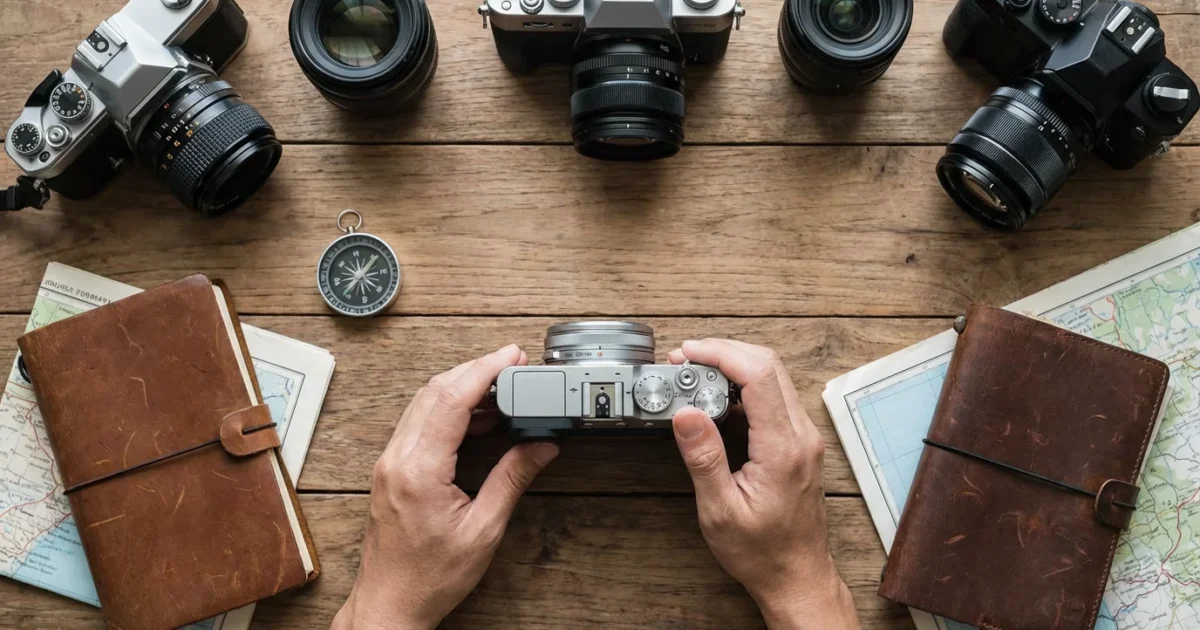
Retirement marks a magnificent new chapter, a time to pursue passions, explore new horizons, and create unforgettable memories. You have earned this season of adventure, and what better way to document every thrilling moment than through the lens of a camera? Photography transforms fleeting experiences into lasting treasures, allowing you to relive your travels, share your discoveries, and express your unique perspective. It offers a rewarding creative outlet, a chance to see the world with fresh eyes, and a skill you can continuously refine.
Embrace Your Inner Visionary: Retirement as Your Creative Canvas
Retirement presents an unparalleled opportunity for personal growth and exploration. You possess a lifetime of experiences, a rich tapestry of stories, and a unique viewpoint waiting to be shared. Photography empowers you to capture these narratives, transforming everyday moments into extraordinary visual memoirs. This is your chance to embrace curiosity, see the world through a new lens, and unleash your creative spirit.
Many individuals discover new talents and passions in retirement. AARP highlights the benefits of pursuing creative hobbies, noting how they enhance cognitive function and overall well-being. Photography fits perfectly into this framework, offering both mental stimulation and a physical outlet for exploration, whether you are hiking a national park or simply capturing the beauty of your backyard.
Think of your camera as a passport to deeper engagement with your surroundings. It encourages you to slow down, observe details, and appreciate the fleeting beauty in light, shadow, and color. Becoming a senior photographer means stepping into a role of an active observer, perpetually learning and discovering. This journey offers endless rewards, transforming how you interact with your world.
“The biggest adventure you can take is to live the life of your dreams.” — Oprah Winfrey
Your retirement adventures, whether they involve global travel or local exploration, deserve to be immortalized. Photography provides the perfect medium, allowing you to build a portfolio of your life’s continuing journey. It is more than just taking pictures; it is about crafting a visual legacy.
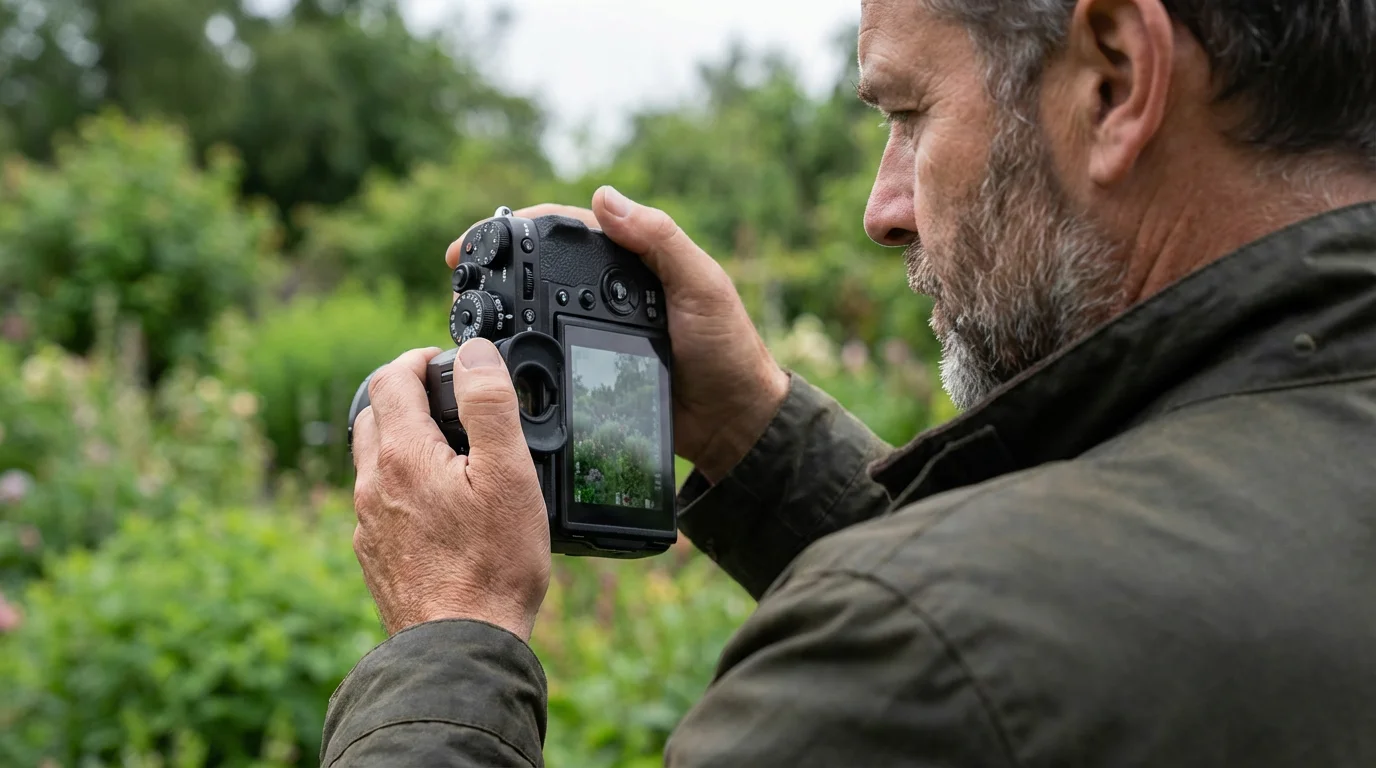
Choosing Your Companion: Gear for the Aspiring Senior Photographer
Embarking on your photography journey does not require a vast array of expensive equipment. The best camera for you aligns with your goals, comfort, and budget. Start simple, understand the fundamentals, and upgrade as your passion grows and your photo skills develop.
Understanding Camera Types
- Smartphone Cameras: Modern smartphones offer incredible convenience and image quality, perfect for casual shooting and social sharing. They excel in good lighting and provide excellent starting points for learning composition. Many professional photographers now use them for specific projects.
- Compact Cameras (Point-and-Shoot): These cameras are user-friendly, lightweight, and produce better image quality than most smartphones, especially in varied lighting conditions. They often feature optical zoom, which phones lack.
- Mirrorless Cameras: A popular choice for enthusiasts, mirrorless cameras offer interchangeable lenses and excellent image quality in a more compact body than traditional DSLRs. They provide extensive manual controls, allowing you to truly master your camera settings. Many senior photographers appreciate their lighter weight and advanced capabilities.
- DSLRs (Digital Single-Lens Reflex): Robust and versatile, DSLRs are known for their superb image quality, fast autofocus, and wide range of interchangeable lenses. While bulkier, they offer unparalleled control and performance, ideal for those committed to serious photography.
Essential Accessories for Your Kit
- Extra Batteries: Nothing halts creativity like a dead battery. Always carry spares, especially on longer excursions.
- Memory Cards: High-capacity, fast memory cards ensure you capture every moment without running out of space or experiencing delays.
- Camera Bag: Protect your equipment from bumps, dust, and weather with a sturdy, comfortable bag. Choose one that suits your style of photography, whether it is a backpack for hikes or a shoulder bag for city strolls.
- Tripod: A tripod is indispensable for sharp images in low light, long exposures, and self-portraits. It stabilizes your camera, reducing blur and allowing for more precise composition.
- Lens Cleaning Kit: Keep your lenses spotless for crystal-clear images. A blower brush, micro-fiber cloths, and lens cleaning solution are vital.
Focus on understanding your chosen camera’s capabilities before investing in more gear. Mastering the equipment you have allows for greater creative freedom.
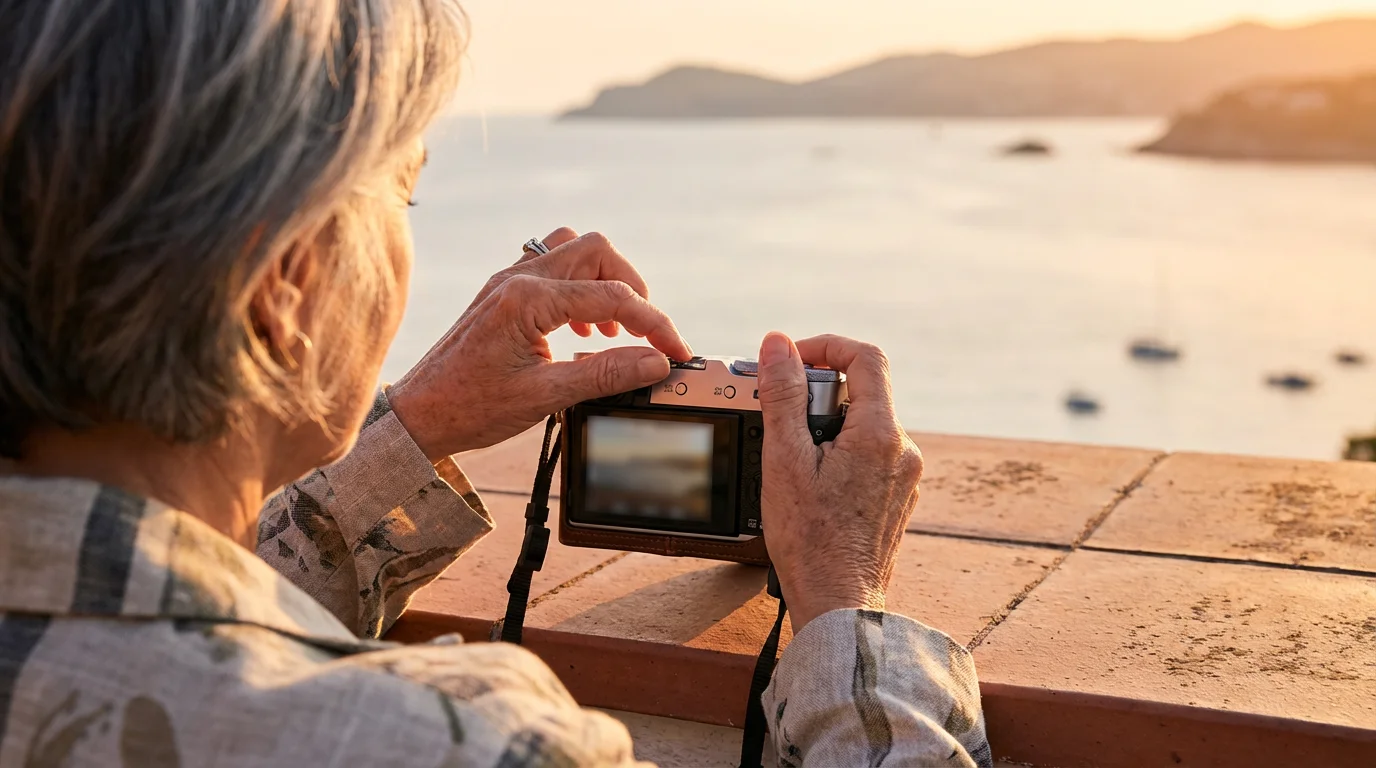
Demystifying the Dial: Understanding Basic Camera Settings
The secret to moving beyond automatic mode lies in understanding the exposure triangle: Aperture, Shutter Speed, and ISO. These three settings work together to determine the brightness and look of your photographs. Learning what are the best camera settings for beginners starts with grasping these core concepts.
1. Aperture: Controlling Depth of Field
Moving away from automatic mode can feel like conquering your fears, but the creative control you gain is incredibly empowering.
Aperture refers to the opening in your lens that lets light pass through to the camera sensor. It is measured in f-stops (e.g., f/2.8, f/8, f/16).
Much like learning a new language, photography provides a new way to communicate your experiences and connect with different cultures.
- Low f-numbers (wide aperture): (e.g., f/2.8, f/4) Create a shallow depth of field, blurring the background and making your subject stand out. This is excellent for portraits and isolating subjects from busy backgrounds.
- High f-numbers (narrow aperture): (e.g., f/11, f/16) Create a large depth of field, keeping both foreground and background in sharp focus. This works well for landscapes where you want everything in the scene to be sharp.
Practice adjusting your aperture to see how it changes the focus and aesthetic of your images. This fundamental understanding is key to developing your photo skills.
2. Shutter Speed: Freezing or Blurring Motion
Shutter speed controls the duration your camera’s sensor is exposed to light. It is measured in fractions of a second (e.g., 1/1000s, 1/60s) or whole seconds.
- Fast Shutter Speeds: (e.g., 1/1000s, 1/500s) Freeze motion, ideal for capturing fast-moving subjects like wildlife, sports, or active grandchildren.
- Slow Shutter Speeds: (e.g., 1/30s, 1 second, or longer) Create motion blur, useful for conveying movement in water, clouds, or light trails. Remember to use a tripod with slower shutter speeds to prevent camera shake.
Experiment with different shutter speeds to convey dynamism or stillness in your photos. This control gives your images a unique narrative quality.
3. ISO: Light Sensitivity
ISO measures your camera’s sensitivity to light. Lower ISO numbers mean less sensitivity, while higher numbers mean more sensitivity.
- Low ISO: (e.g., ISO 100, 200) Produces the cleanest images with the least noise (grain). Use low ISO in bright conditions.
- High ISO: (e.g., ISO 800, 1600, 3200+) Increases sensitivity, allowing you to shoot in low light without a flash. The trade-off is increased image noise, which can make photos appear grainy.
Aim for the lowest ISO possible to achieve the best image quality. Increase it only when necessary to achieve proper exposure in dim lighting. Mastering ISO is a critical step in knowing how to improve photography skills in various environments.
Crafting Compelling Images: Essential Photo Skills for Every Adventure
Beyond technical settings, understanding composition and light elevates your photographs from simple snapshots to captivating works of art. These are the core photo skills that transform your images.
Mastering Composition: The Art of Arrangement
Composition refers to how you arrange elements within your frame. Strong composition guides the viewer’s eye and tells a clearer story.
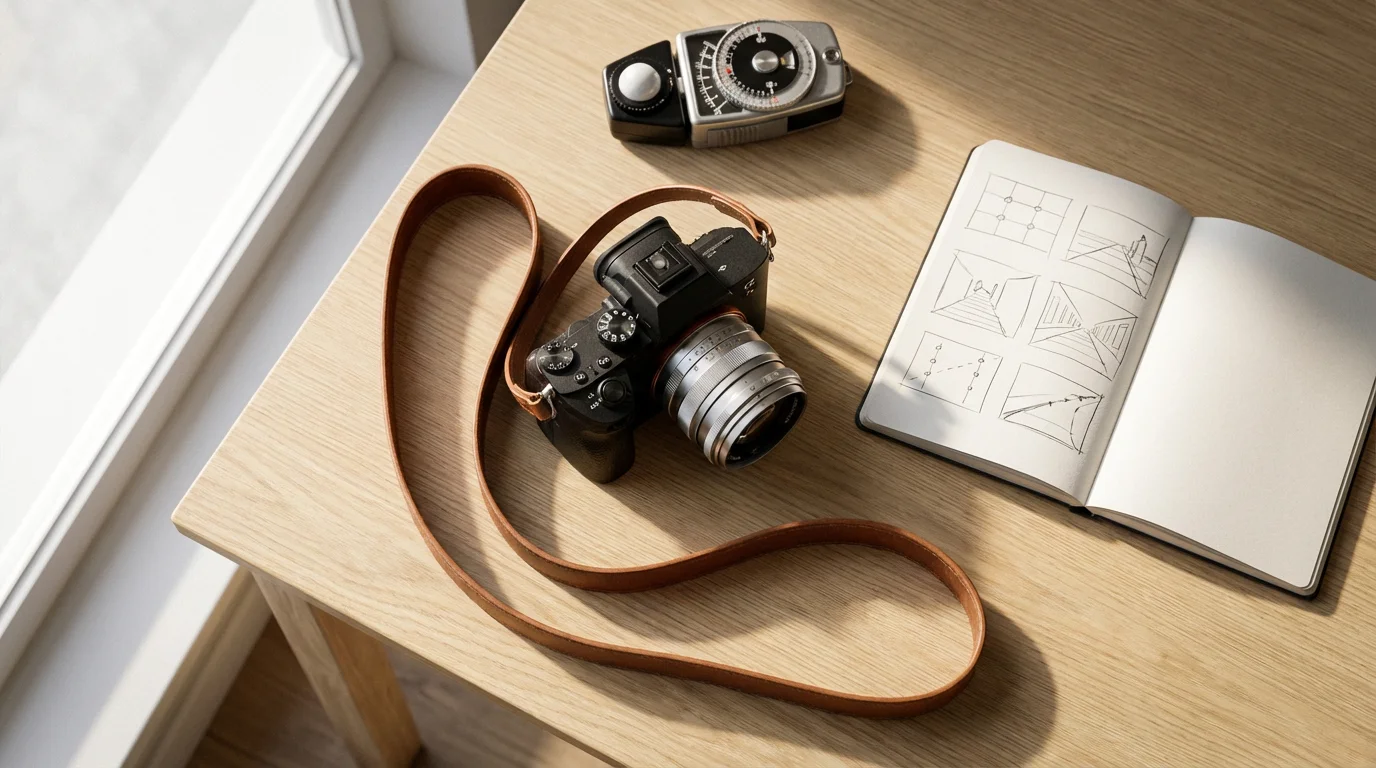
- Rule of Thirds: Divide your frame into nine equal sections with two horizontal and two vertical lines. Place your subject or points of interest along these lines or at their intersections for a more balanced and engaging image. Avoid centering everything.
- Leading Lines: Use natural or artificial lines in your scene (roads, fences, rivers) to draw the viewer’s eye towards your subject or a point of interest.
- Framing: Use elements within your scene, like doorways, tree branches, or windows, to create a natural frame around your subject. This adds depth and context.
- Symmetry and Patterns: Look for repeating patterns or symmetrical elements. Breaking a pattern can also create a powerful visual impact.
- Negative Space: Embrace empty space around your subject. It can make your subject stand out, simplify the image, and convey a sense of calm or isolation.
Harnessing Light: Your Photographer’s Palette
Light is the essence of photography. Understanding how it behaves allows you to create mood, depth, and drama.
- Golden Hour: The hour after sunrise and the hour before sunset provide soft, warm, directional light that is incredibly flattering for portraits and landscapes.
- Blue Hour: The period just after sunset or before sunrise, when the sky takes on a deep blue hue. It is excellent for cityscapes and capturing ambient light.
- Overcast Days: Cloud cover acts as a giant softbox, diffusing harsh sunlight and creating even, soft light perfect for portraits and close-up photography without harsh shadows.
- Backlighting: Placing your subject against the light can create dramatic silhouettes or beautiful rim lighting, separating the subject from the background.
Focus with Precision
Sharp focus is paramount for a professional-looking image. Learn your camera’s autofocus modes and select the one appropriate for your subject. For stationary subjects, a single-point autofocus often works best, allowing you to choose exactly where the camera focuses. For moving subjects, continuous autofocus tracks them, helping you maintain sharpness. Always double-check your focus before pressing the shutter. These elements combine to significantly improve photography skills.

Beyond the Shutter: Post-Processing and Sharing Your Stories
Capturing the image is only half the journey. Post-processing allows you to refine your vision, correct imperfections, and enhance the mood of your photographs. Sharing your work then connects you with others, celebrating your adventures and inspiring new ones.
Once your shots are captured, you might explore digital art in retirement by using editing software to create stylized versions of your favorite images.
The Power of Post-Processing
Even professional photographers edit their images. Simple adjustments can dramatically improve your photos. You do not need complex software to start. Many free and affordable tools exist.
- Basic Adjustments: Learn to adjust exposure (brightness), contrast, highlights, and shadows. These simple tweaks can bring life back to dull images.
- White Balance: Correcting white balance ensures colors appear natural. Cameras sometimes struggle to interpret colors accurately in different lighting conditions.
- Cropping and Straightening: Improve composition by cropping out distracting elements and ensuring horizons are level.
- Sharpening: A subtle touch of sharpening can make details pop. Use sparingly to avoid an artificial look.
Start with your smartphone’s built-in editor or free apps like Snapseed. For desktop editing, consider Adobe Lightroom (subscription) or free alternatives like GIMP or RawTherapee. Mastering these tools enhances your overall photo skills.
Sharing Your Visual Stories
Once you refine your images, share them! Sharing brings joy, fosters connection, and invites feedback that helps you grow.
- Social Media: Platforms like Instagram and Facebook are excellent for sharing your latest captures with friends and family. Join photography groups to connect with fellow enthusiasts.
- Personal Website or Blog: Create your own online gallery. This provides a dedicated space to showcase your best work and perhaps even write about your retirement adventures.
- Photo Books: Compile your favorite images into beautiful photo books. These make wonderful keepsakes and gifts, celebrating your journey.
- Local Exhibitions: Many community centers, libraries, and art galleries host local photography exhibitions. This offers a fantastic opportunity to display your work publicly.
Finding Your Niche: Specialized Photography for Your Passions
Your retirement offers freedom to explore interests deeply. This includes discovering specific types of photography that resonate with your passions. This specialization can significantly improve photography skills in your chosen area.
You can also use your camera to document a genealogy journey, capturing photos of ancestral homes and heirloom artifacts.
Explore Diverse Photographic Genres
For those who love travel, documenting a hot air balloon ride provides a unique opportunity for stunning aerial landscapes that define a visual legacy.
If you enjoy high-energy environments, attending a sporting event offers a fantastic chance to practice your action photography and freeze motion in real-time.
- Travel Photography: Document your journeys. Focus on landscapes, cityscapes, local culture, and candid moments. Road Scholar offers incredible learning adventures, perfect for capturing stunning travel photos.
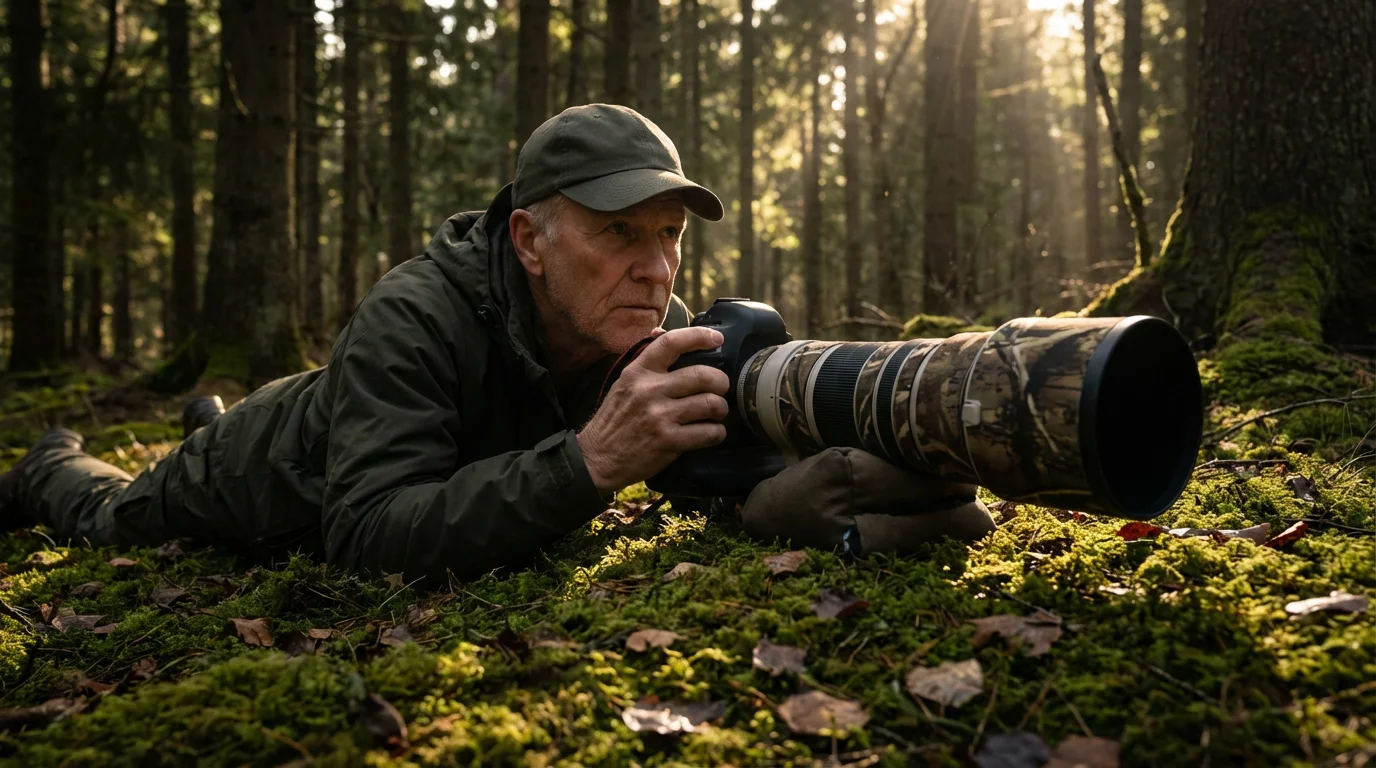
- Nature and Wildlife Photography: Connect with the natural world. This requires patience and often specialized lenses, but the rewards are breathtaking images of flora and fauna. National parks and local preserves are excellent starting points.
- Portrait Photography: Capture the essence of people. This could be family, friends, or community members. Learning to work with subjects and natural light is key.
- Street Photography: Document daily life and candid moments in urban environments. It requires a keen eye for human interaction and a fast shutter finger.
- Macro Photography: Explore the tiny worlds around you, capturing intricate details of insects, flowers, or everyday objects. This often uses specialized macro lenses.
- Architectural Photography: Focus on the lines, forms, and textures of buildings, both historical and modern.
Your choice of niche will inform which photo skills you prioritize developing and what gear might serve you best. For instance, a senior photographer focusing on wildlife might prioritize a telephoto lens, while a portrait photographer would value a fast prime lens.
Continuous Growth: Advanced Techniques and Community Engagement
The journey of photography is one of continuous learning. Your retirement provides ample time to delve deeper, refine your craft, and connect with a vibrant community of fellow enthusiasts. This ongoing engagement is fundamental to knowing how to improve photography skills consistently.
Joining a local photography club is an excellent way to start building social connections with others who share your creative drive.
Advancing Your Photo Skills
As your skills flourish, you might find joy in giving back through mentorship, helping other retirees discover their own creative vision.
- Understanding Light Meters: Learn to read your camera’s light meter and interpret how it influences your exposure settings. This allows for more precise control in challenging lighting.
- Manual Mode Mastery: While aperture and shutter priority modes are excellent, truly understanding manual mode gives you complete creative control over every aspect of your image.
- Compositional Refinements: Go beyond the Rule of Thirds. Explore dynamic symmetry, triangular compositions, and the use of color theory.
- Flash Photography: Learn how to use external flashes to create professional-looking light, whether for portraits or illuminating dark scenes.
- Long Exposure: Experiment with very long shutter speeds to capture light trails, silky water, or star movements, requiring a sturdy tripod and often neutral density filters.
Connecting with the Photography Community
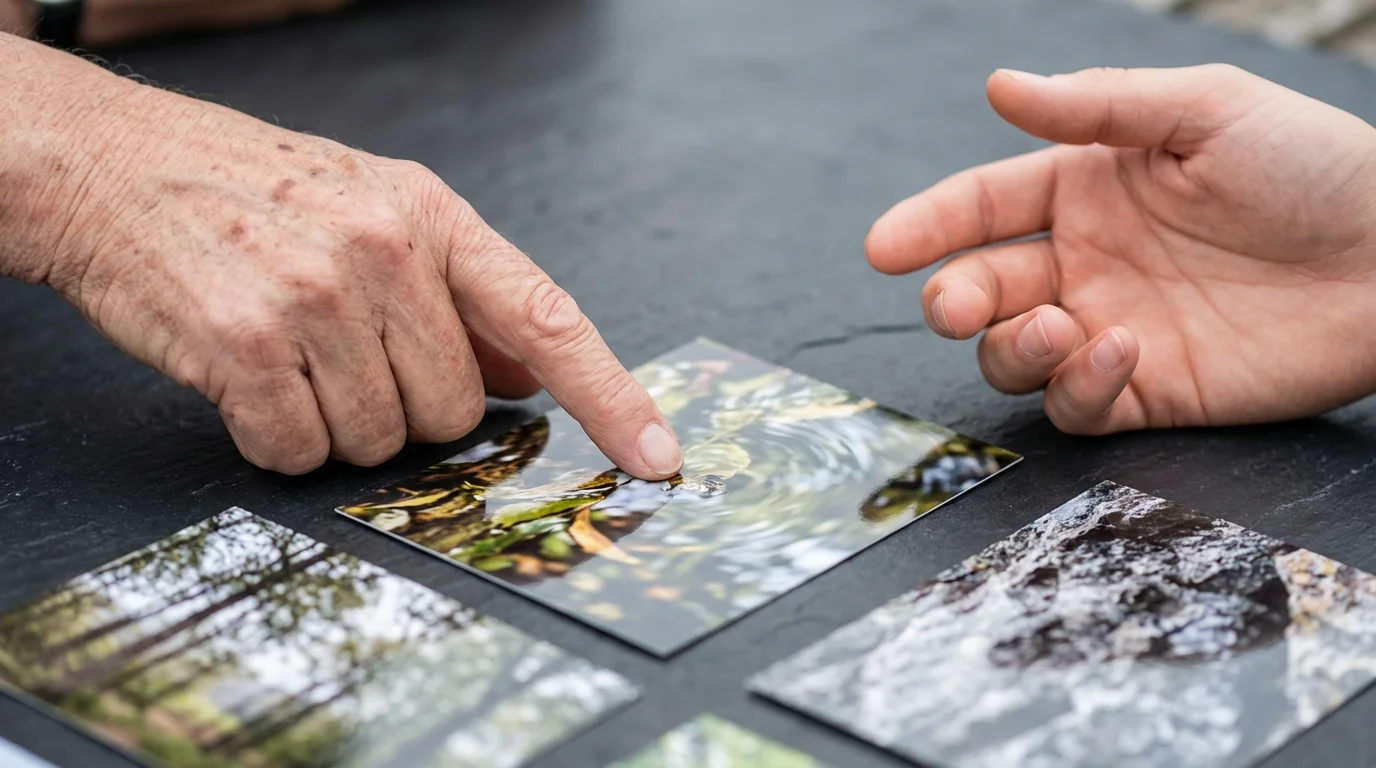
Learning thrives in community. Engage with other photographers to share knowledge, receive feedback, and find inspiration.
- Local Photography Clubs: Join a local club for workshops, photo walks, and critique sessions. Many senior centers and community colleges host these.
- Online Forums and Groups: Participate in online communities dedicated to photography. Share your work, ask questions, and learn from experienced photographers globally.
- Workshops and Courses: Enroll in online or in-person workshops. Websites like CreativeLive or local art schools offer excellent learning opportunities. Consider programs like Osher Lifelong Learning Institutes (OLLI), which often include photography courses.
- Mentorship: Seek out a mentor or become one yourself. Sharing knowledge enriches everyone involved.
Embrace the feedback you receive, view it as a path to growth, and never stop experimenting. Your retirement is the perfect time to commit to lifelong learning, and photography offers an endless wellspring of new discoveries.
Frequently Asked Questions
What is the most important skill for a beginner photographer?
The most important skill is learning to observe and compose. Before you even touch a camera, practice seeing photographically. Look for interesting light, strong lines, and compelling subjects. Once you grasp basic composition, technical skills become easier to master, building foundational photo skills.
Can I really become a good senior photographer starting in retirement?
Absolutely! Age offers a unique advantage: a wealth of life experience and often more time to dedicate to your craft. Many renowned photographers started later in life. Your perspective, patience, and dedication are invaluable assets. With consistent practice, you will see significant improvement.
What are the best camera settings for beginners if I want to shoot in automatic?
While automatic modes are convenient, they limit creative control. For beginners, start with aperture priority (Av or A) or shutter priority (Tv or S) modes. These allow you to control one key setting while the camera handles the rest. This semi-automatic approach helps you learn the impact of individual settings before diving into full manual mode.
How often should I practice to improve photography skills?
Consistency is key. Aim for short, regular practice sessions rather than infrequent long ones. Even 15-30 minutes a few times a week, focusing on a specific technique or setting, will yield better results than an all-day shoot once a month. Make it a habit to always carry your camera, even if it is just your smartphone.
Is photography an expensive hobby to start?
Photography can be as expensive or as affordable as you make it. You can begin with a smartphone or a used compact camera for minimal investment. As your passion grows, you might invest in better gear, but the initial costs do not have to be prohibitive. Focus on learning to improve photography skills with what you have.
Retirement is not an ending; it is a grand commencement. It is your time to explore, to dream, and to create. Mastering photography offers a fulfilling path, transforming your everyday moments into a visual diary of your extraordinary adventures. Pick up your camera, explore the world, and capture the beauty you find. Your best shots are always ahead.
Disclaimer: This article is for informational and inspirational purposes. Life decisions are deeply personal, and we encourage readers to pursue their dreams while considering their unique circumstances, health, and financial situation.




Leave a Reply