
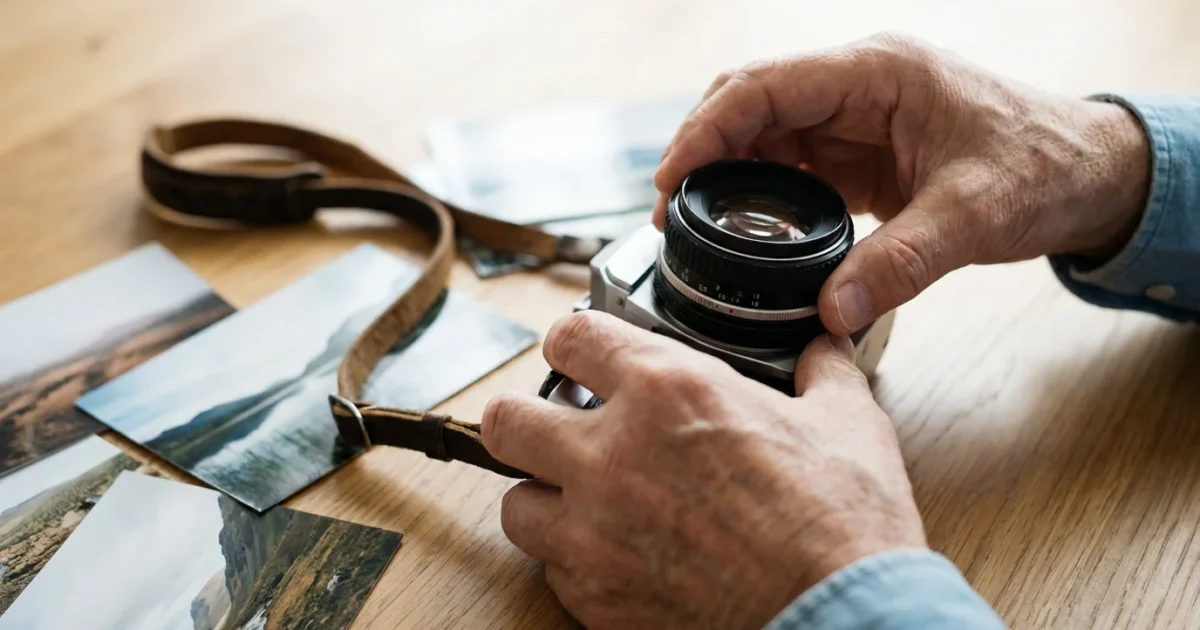
Retirement presents a magnificent canvas, inviting you to paint your days with purpose, passion, and unparalleled adventure. It is a time for reinvention, for exploring long-held curiosities, and for embracing new skills that enrich your life profoundly. Imagine a pursuit that sharpens your eye, broadens your perspective, and allows you to preserve the beauty of your world. This is the power of photography.
Photography offers more than just pretty pictures. It is a journey of discovery, a way to connect with your surroundings and express your unique vision. Whether you dream of capturing stunning landscapes, intimate portraits, or the vibrant energy of everyday life, your retirement years provide the perfect opportunity to master this rewarding art form. Let us explore how you can embark on your photographic adventure, transforming moments into timeless memories.
Unleashing Your Vision: Why Photography Now?
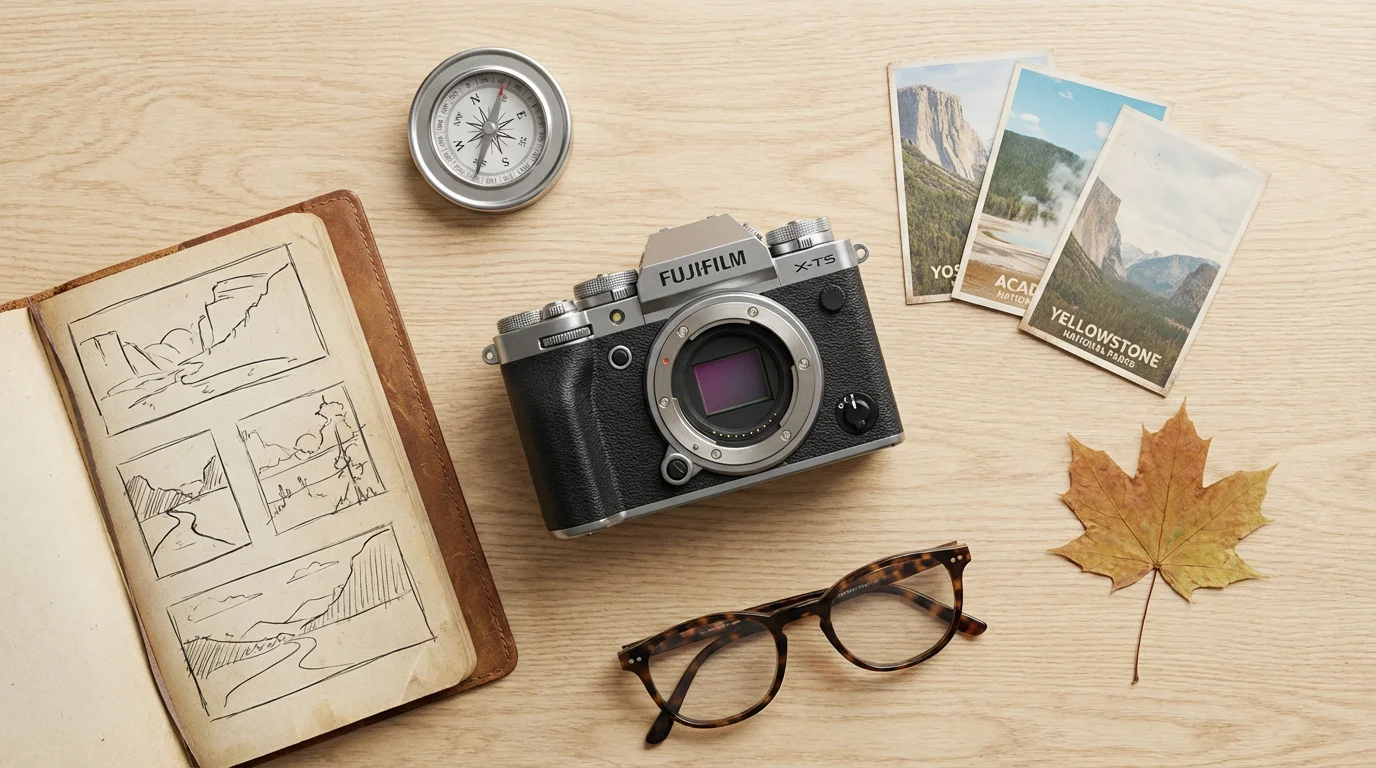
Your retirement is a precious gift of time, a period to pursue passions that ignite your spirit. Photography fits perfectly into this chapter, offering a dynamic outlet for creativity and continuous learning. It is a senior hobby that engages your mind, encourages exploration, and fosters a deeper appreciation for the world around you.
Many photographers find that using creative writing prompts for retirement helps them tell the stories behind the images they capture.
Think about the places you visit, the people you meet, and the everyday beauty often overlooked. A camera in your hands transforms these experiences into opportunities for art. You develop a keener sense of observation, noticing details others might miss. This enhanced awareness enriches your daily life, even when you do not hold a camera.
Moreover, photography provides a wonderful sense of purpose. It gives you a reason to venture out, to learn new skills, and to connect with others who share your interest. Many retirees find immense joy in building a portfolio that reflects their unique journey, capturing a legacy for future generations. It is a powerful form of creative expression that transcends age.
The National Institute on Aging highlights that engaging in stimulating activities like learning new skills can help maintain cognitive function. Photography offers this mental workout, challenging you to problem-solve, plan, and execute. It is a hobby that keeps your mind sharp and your spirit vibrant.
Starting Your Journey: Demystifying Photography Gear
The thought of choosing a camera can feel overwhelming, but starting photography at older age does not require an arsenal of expensive equipment. The best camera is often the one you have with you. Let us explore accessible options that empower you to begin capturing life’s moments immediately.
Your Smartphone: A Powerful Entry Point
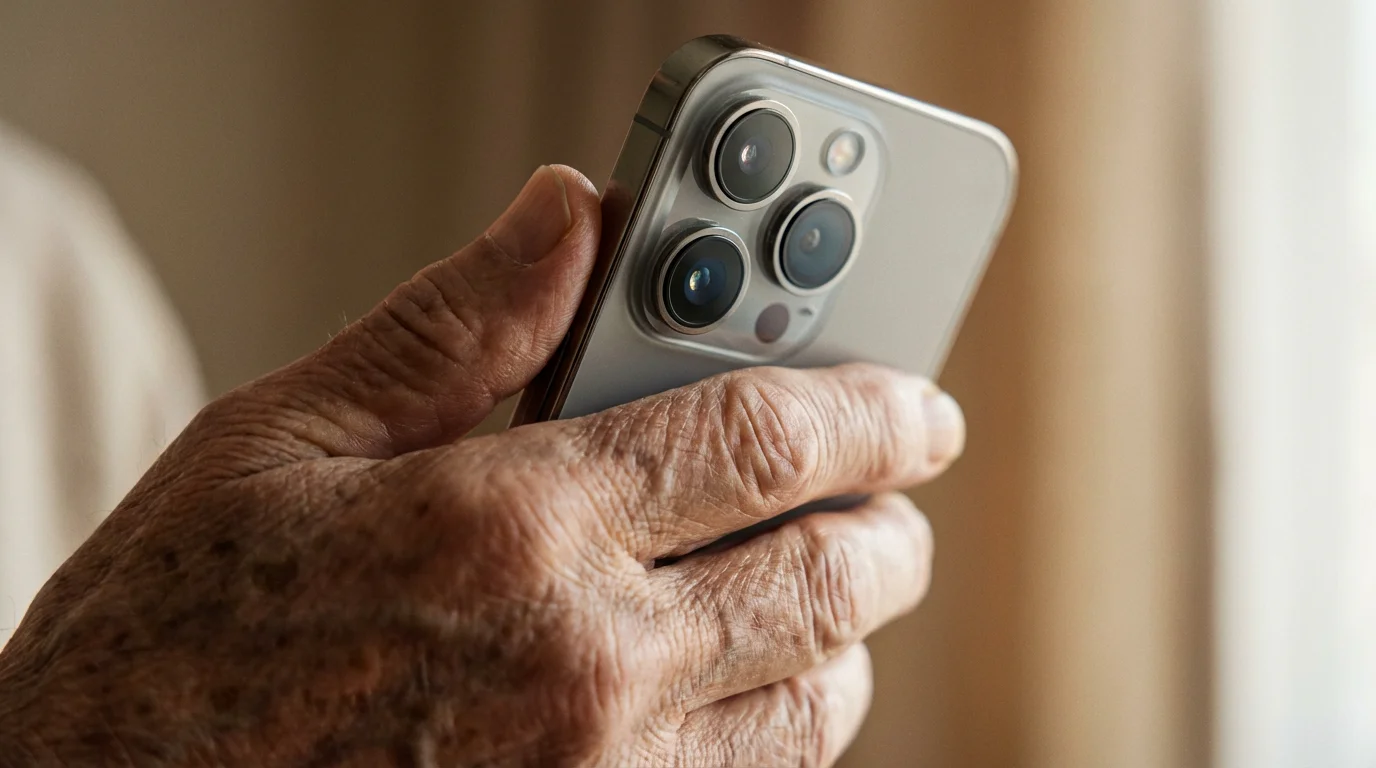
Modern smartphones boast incredible camera capabilities, making them an excellent starting point for any aspiring photographer. They are convenient, always available, and packed with features that were once only found in professional cameras. You already know how to use it, which reduces the initial learning curve.
- Practice Composition: Experiment with angles, leading lines, and the rule of thirds without worrying about complex settings.
- Utilize Editing Apps: Many free and intuitive apps allow you to enhance your photos directly on your phone, adjusting brightness, contrast, and color.
- Learn on the Go: Your phone makes it easy to snap photos during walks, family gatherings, or spontaneous outings, developing your photographic eye constantly.
Stepping Up: Mirrorless or DSLR Cameras
If you desire more control, flexibility, and superior image quality, consider a dedicated camera. Mirrorless cameras are increasingly popular, offering advanced features in a more compact and lighter body compared to traditional DSLRs. DSLRs, while often larger, provide excellent ergonomics and a vast selection of lenses.
- Mirrorless Cameras: Offer interchangeable lenses, advanced sensors, and often feature-rich electronic viewfinders. They are lighter and more compact than DSLRs, making them easier to carry on travels or long walks.
- DSLR Cameras: Known for robust build quality, optical viewfinders, and a wide array of lenses. They provide excellent image quality and tactile control, which many photographers appreciate.
- Consider a Bridge Camera: These cameras offer a powerful zoom lens permanently attached to the body, bridging the gap between compact cameras and interchangeable lens systems. They simplify choices by avoiding multiple lenses.
Essential Accessories for Your Kit
Once you choose a camera, a few accessories can significantly enhance your experience. You do not need everything at once, but these items make a difference.
- Extra Battery: Nothing stops a creative flow faster than a dead battery. Always carry a spare, especially for longer outings.
- Memory Cards: Invest in high-capacity, fast memory cards. You will be taking many photos.
- Sturdy Tripod: Essential for sharp images in low light, self-portraits, and achieving precise compositions. It stabilizes your camera.
- Camera Bag: Protects your gear and makes it easy to organize and transport. Look for one that is comfortable to carry.
- Lens Cleaning Kit: Keep your lenses spotless to ensure crisp, clear images. Dust and smudges degrade photo quality.
Essential Techniques: Easy Photography Tricks for Better Photos
Moving beyond automatic settings opens up a world of creative control. You do not need to memorize every technical term right away. Focus on a few key concepts, and you will see your photos transform. These are easy photography tricks that deliver immediate results.
Understanding Aperture, Shutter Speed, and ISO
These three settings form the “exposure triangle,” controlling how bright or dark your image appears. Learning their functions is fundamental to manual photography. They work together to create a balanced exposure.
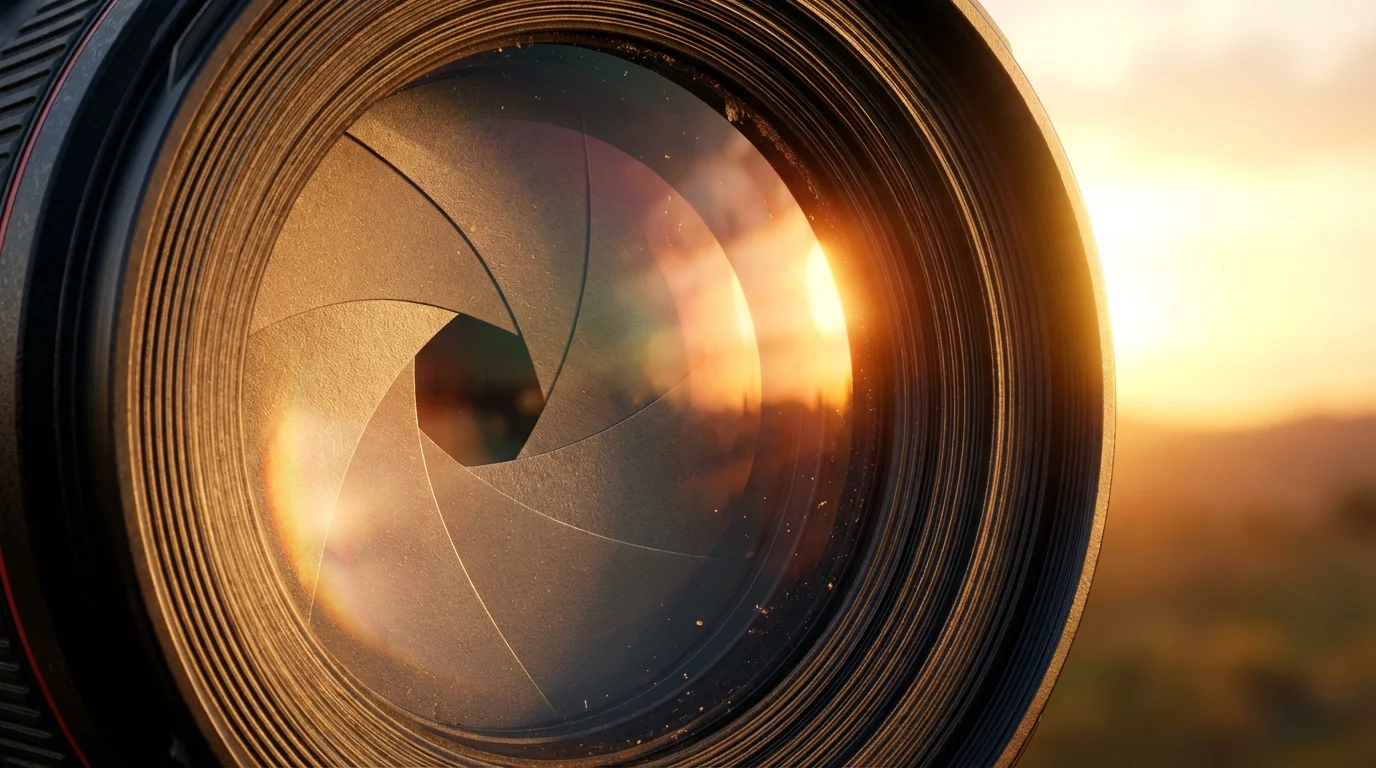
- Aperture (f-stop): Controls the amount of light entering the lens and the depth of field (how much of your image is in focus). A low f-number (e.g., f/2.8) creates a shallow depth of field, blurring the background. A high f-number (e.g., f/16) keeps more of the scene sharp.
- Shutter Speed: Determines how long the camera’s shutter remains open, controlling motion. A fast shutter speed (e.g., 1/1000 second) freezes action. A slow shutter speed (e.g., 1/2 second) creates motion blur, often used for flowing water or light trails.
- ISO: Adjusts the camera’s sensitivity to light. A low ISO (e.g., 100) produces cleaner images but requires more light. A high ISO (e.g., 1600+) allows you to shoot in darker conditions but can introduce digital noise (graininess).
Start by experimenting with Aperture Priority mode (Av or A on your dial) or Shutter Priority mode (Tv or S). These modes let you control one setting while the camera adjusts the others for proper exposure. This simplifies the learning process.
Composition: Crafting Your Frame with Intent
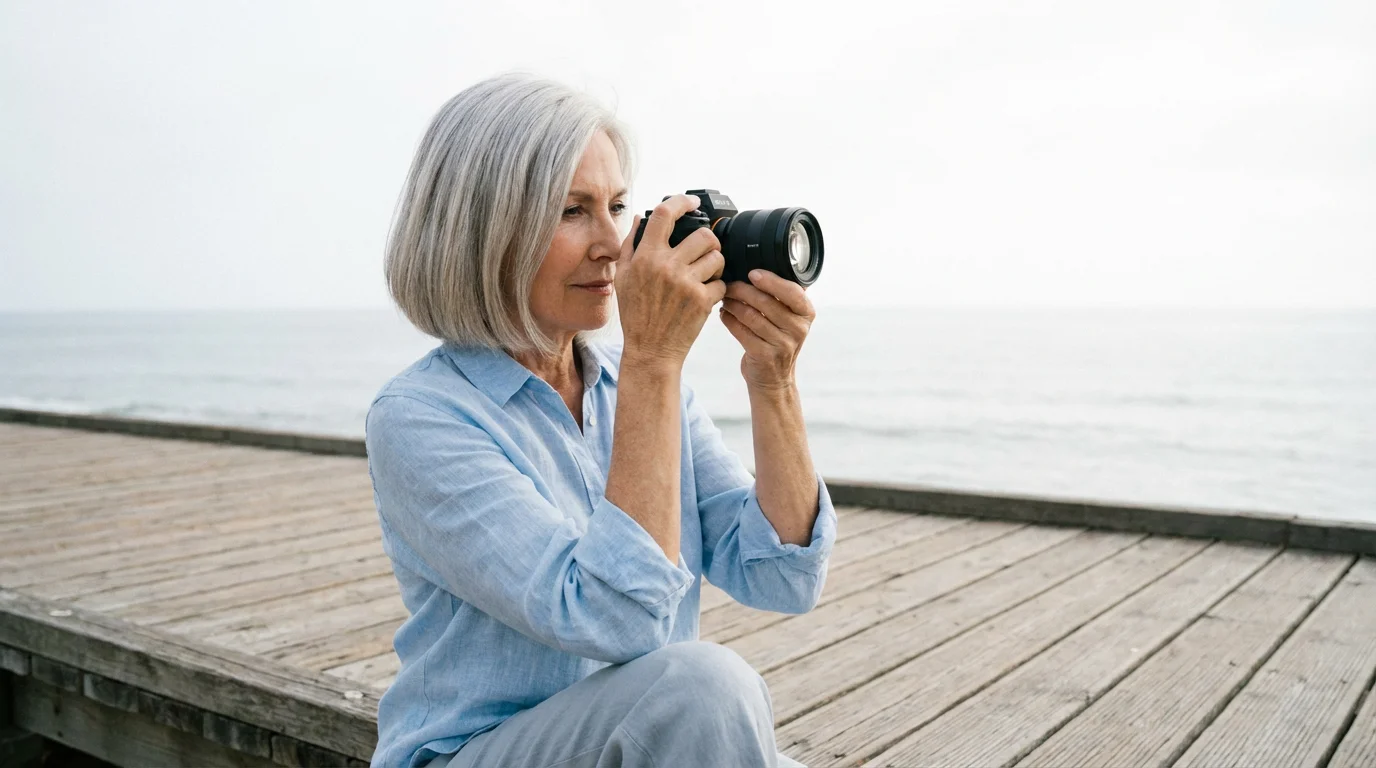
Composition is how you arrange elements within your photo. It guides the viewer’s eye and tells your story effectively. Even with a smartphone, applying these principles elevates your images from snapshots to meaningful photographs.
- The Rule of Thirds: Imagine dividing your frame into nine equal sections with two horizontal and two vertical lines. Place your subject or points of interest along these lines or at their intersections for a more balanced and dynamic image than simply centering everything.
- Leading Lines: Use natural lines in your scene (roads, fences, rivers, paths) to draw the viewer’s eye toward your main subject or deeper into the frame. This adds depth and direction to your photo.
- Framing: Look for natural frames like doorways, windows, tree branches, or archways. These elements can act as a frame around your subject, creating a sense of depth and focus.
- Simplify Your Scene: Clutter distracts. Remove unnecessary elements from your frame to make your subject stand out. Sometimes, less is more impactful.
- Vary Your Perspective: Do not always shoot from eye level. Get down low, climb high, or shoot through objects. Changing your viewpoint dramatically alters the feeling and interest of your photograph.
- Negative Space: Embrace empty space around your subject. This negative space can highlight your subject, create a sense of scale, and add artistic balance to your image.
Lighting: The Photographer’s Secret Weapon
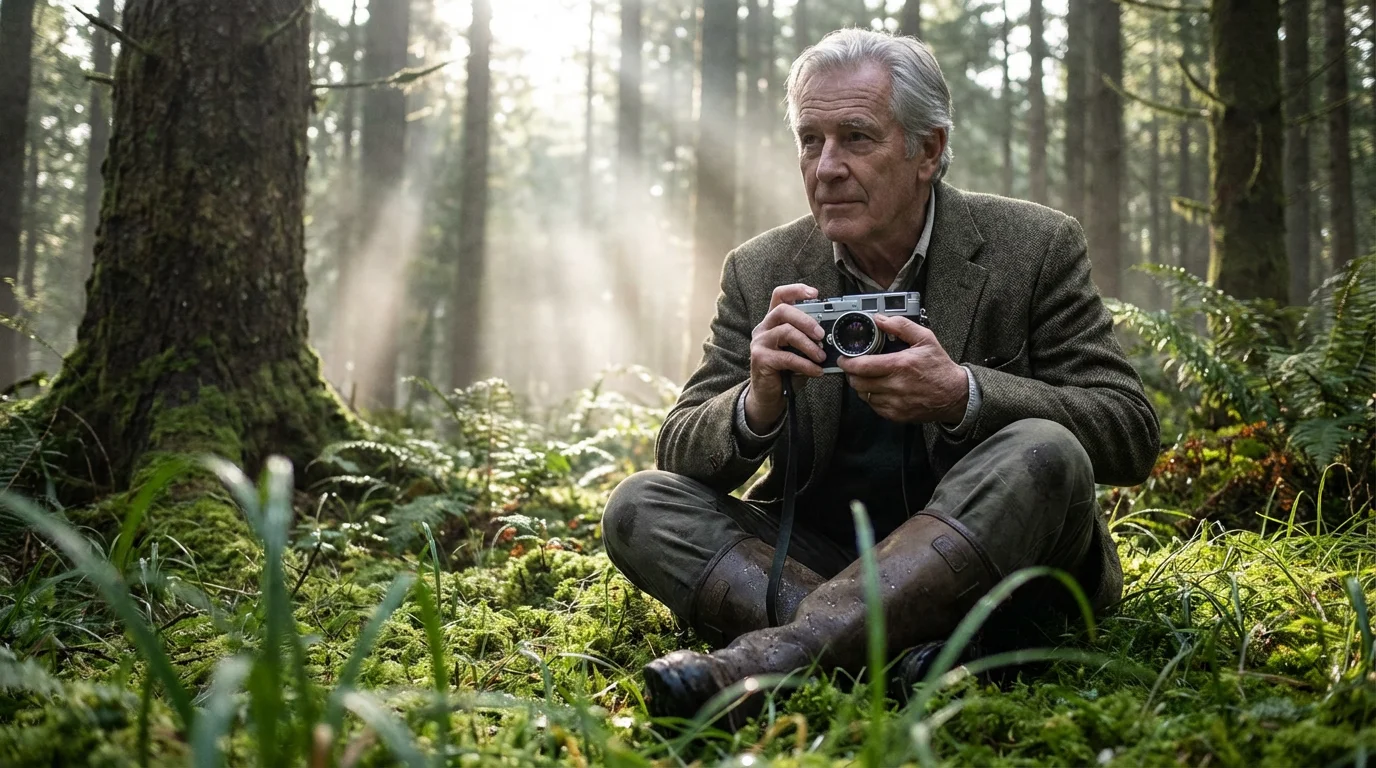
Photography is essentially about capturing light. Understanding how light works and how to use it is one of the most powerful easy photography tricks you can learn. Different types of light create different moods and effects.
- Golden Hour: The hour after sunrise and the hour before sunset offer soft, warm, diffused light. This “golden hour” produces beautiful colors and long, flattering shadows, perfect for almost any subject.
- Overcast Days: Do not let clouds deter you. Overcast skies act like a giant softbox, creating even, shadowless light that is excellent for portraits, flowers, and still life. Colors appear rich and vibrant.
- Direct Sunlight: While challenging, direct midday sun can be used creatively. Look for strong shadows and contrasts to create dramatic, high-impact images. Just be mindful of harsh shadows on faces.
- Backlighting: Positioning your subject between your camera and the light source can create beautiful silhouettes or rim lighting, outlining your subject with a glow. This technique adds drama and artistry.
- Indoor Lighting: Use natural window light whenever possible for indoor shots. Position your subject near a window for soft, directional light. Avoid harsh overhead lights, which can create unflattering shadows.
“The biggest adventure you can take is to live the life of your dreams.”
— Oprah Winfrey
Finding Your Passion: Exploring Different Photography Genres
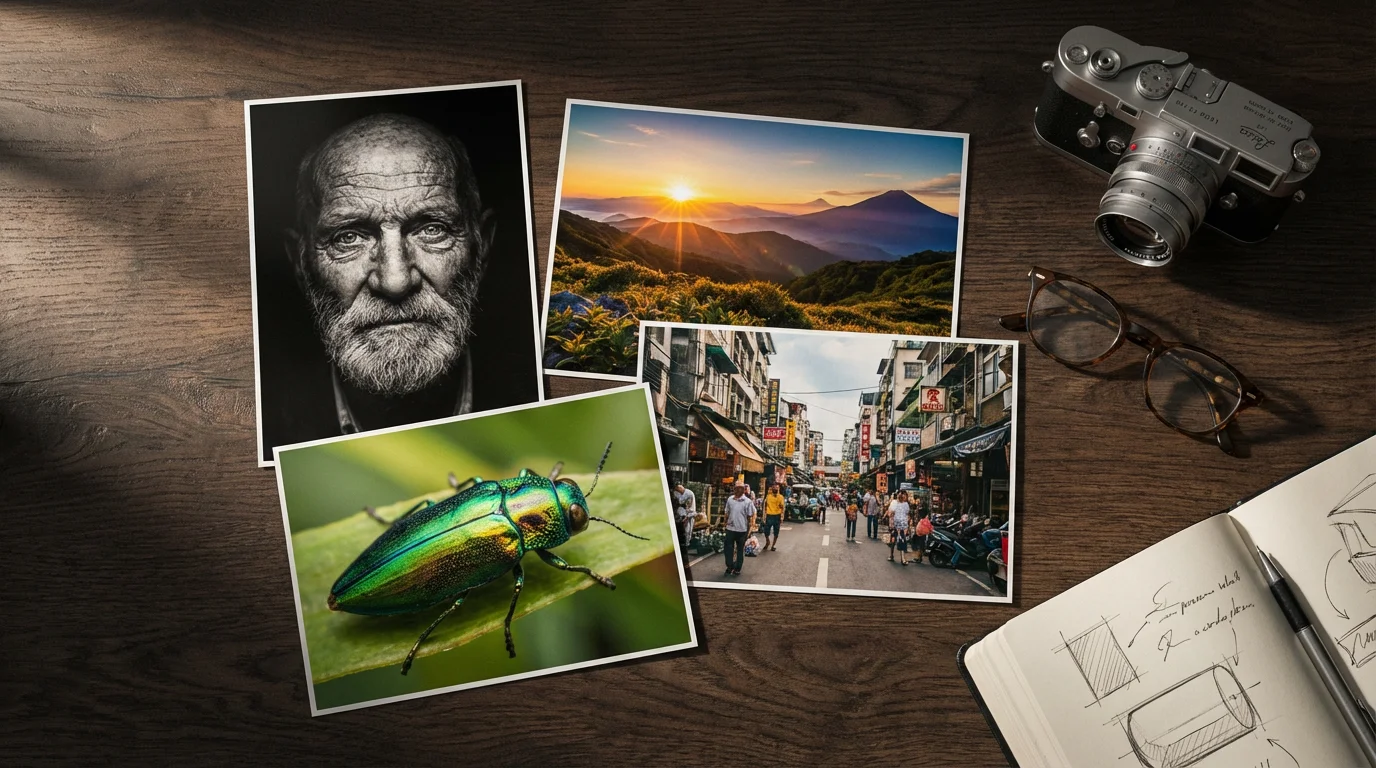
The world of photography is vast, offering countless avenues for creative expression. Experiment with different genres to discover what truly resonates with you. Your retirement allows the freedom to delve deeply into areas that spark your interest.
Exploring different genres is just one way to stay engaged; there are many other inspiring projects you can start to ensure your retirement remains vibrant and fulfilling.
Turning a creative hobby into a professional pursuit is one path toward building a retirement empire that keeps you engaged and motivated.
- Landscape Photography: Capture the grandeur of nature, from sweeping vistas to serene forests. This genre often involves patience, an understanding of light, and a love for the outdoors.
- Portrait Photography: Focus on capturing the essence of people. This can range from formal portraits to candid shots of family and friends, celebrating human connection.
- Street Photography: Document everyday life and candid moments in public spaces. It requires quick reflexes, keen observation, and an ability to tell stories without words.
- Macro Photography: Explore the tiny wonders of the world, revealing intricate details of insects, flowers, or textures often invisible to the naked eye. It opens up a miniature universe.
- Travel Photography: Combine your love for exploration with your camera. Document cultures, landscapes, and experiences from your adventures around the globe.
- Abstract Photography: Focus on shapes, colors, and textures, creating images that are open to interpretation. This genre emphasizes form over literal representation.
- Documentary Photography: Tell a story through a series of images, capturing events, people, or places over time. This approach often carries a powerful message.
Do not feel pressured to stick to one genre. Many photographers enjoy exploring several, letting their interests guide their creative journey. The goal is to find what you enjoy most and to keep shooting.
Lifelong Learning: Resources for Your Photographic Journey
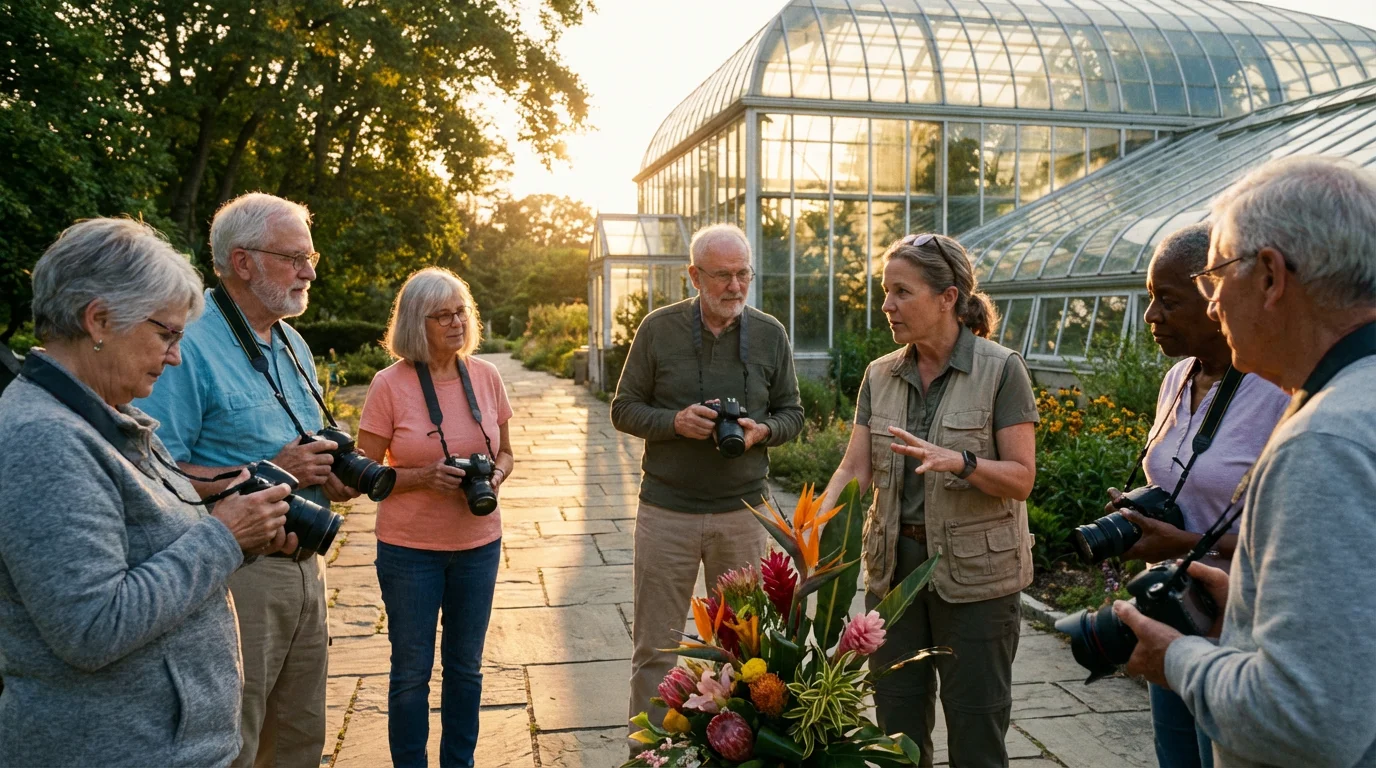
One of the greatest joys of retirement is the opportunity for continuous learning. The photography community offers a wealth of resources to help you grow your skills, no matter your starting point. You can always learn something new, perfecting your craft or discovering fresh perspectives.
Consider these avenues for enhancing your expertise:
- Online Tutorials and Courses: Websites like YouTube, Udemy, and Skillshare offer thousands of free and paid tutorials covering everything from camera basics to advanced editing. You can learn at your own pace from the comfort of your home.
- Local Photography Clubs: Joining a local club provides invaluable opportunities for learning, sharing, and receiving feedback. You connect with fellow enthusiasts, participate in photo walks, and attend workshops. Many communities have active groups for `senior hobbies`.
- Workshops and Retreats: Immerse yourself in a focused learning experience. Many professional photographers offer workshops in beautiful locations, combining travel with intensive instruction. Organizations like Road Scholar offer educational travel programs that often include photography.
- Books and Magazines: Traditional resources remain excellent for in-depth learning. Photography books cover specific genres, techniques, and the history of the art form.
- Community Colleges and Adult Education Centers: Check your local institutions for photography classes. These often provide hands-on instruction and direct feedback from experienced instructors. Organizations like Osher Lifelong Learning Institutes across the country offer engaging courses tailored for older adults, frequently including photography.
- Experiment and Practice: The most crucial learning tool is your camera. Shoot constantly, review your work, and critically assess what you like and what you want to improve. Each click is a lesson.
Lifelong learning is not just about mastering techniques, it is also about nurturing your curiosity. Embrace every opportunity to expand your knowledge and refine your unique artistic voice.
Sharing Your Art: Connecting and Inspiring
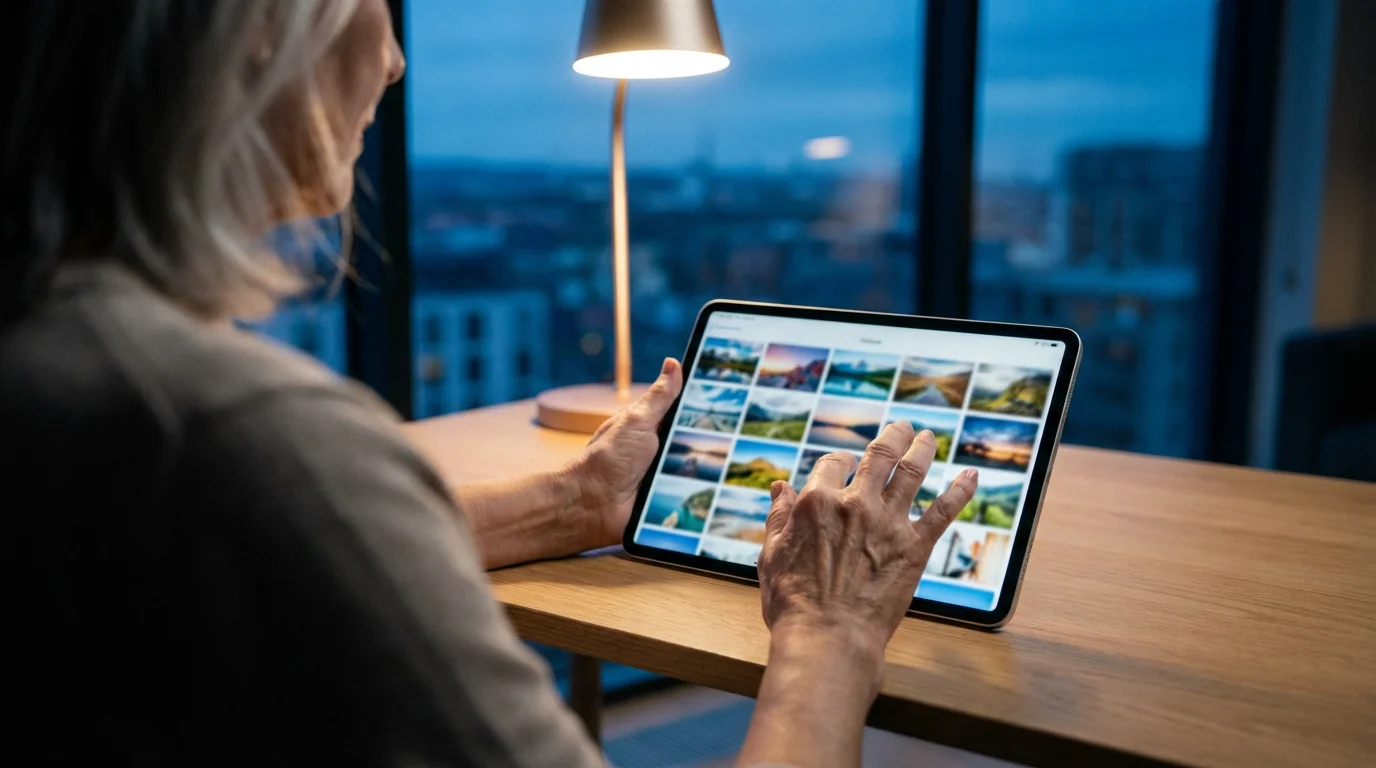
Photography is a personal journey, but sharing your work can multiply its rewards. It allows you to connect with others, receive constructive feedback, and inspire a wider audience. Your perspective holds unique value, and sharing it enriches everyone.
If you find your work resonates with others, you might even explore crafting and selling your prints as a rewarding side venture.
Consider these avenues for sharing your creative expression:
- Family and Friends: Share your images with loved ones. Create photo albums, digital slideshows, or personalized gifts. Your photos become cherished memories and storytelling tools.
- Online Platforms: Websites like Flickr, Instagram, and 500px provide a global stage for your work. They offer communities where you can connect with other photographers, gain exposure, and find inspiration.
- Local Exhibitions and Fairs: Many community centers, libraries, and art galleries host amateur photography shows. Entering your work can be incredibly rewarding, offering a chance for public recognition and feedback.
- Photography Clubs and Meetups: As mentioned, these groups are fantastic for sharing your work in a supportive environment. You can participate in critiques, learn from peers, and even collaborate on projects.
- Create a Personal Website or Blog: If you enjoy writing, combine your photography with storytelling. A personal site allows you to curate your portfolio and share the narratives behind your images.
- Volunteer Your Skills: Offer to photograph local charity events, senior center activities, or community projects. This allows you to give back while practicing your craft. AARP often promotes volunteer opportunities that align with diverse skills.
Remember, sharing is about growth, connection, and celebrating your journey. Do not fear imperfection; every artist evolves. Your unique vision adds immense value to the world.
Frequently Asked Questions
Can I really start photography at older age and achieve good results?
Absolutely. Age is an asset in photography, not a barrier. Your life experience brings a unique perspective and depth to your images that younger photographers often strive for. You have the time and the wisdom to observe, reflect, and capture moments with profound meaning. Many renowned photographers started or refined their craft later in life. Modern cameras and accessible learning resources make it easier than ever to begin.
What are easy photography tricks for beginners to improve immediately?
Focus on composition, light, and perspective. Use the rule of thirds, look for leading lines, and simplify your backgrounds to make your subject stand out. Pay attention to when and where you shoot, favoring the soft light of early morning or late afternoon. Do not always shoot from eye level; try getting low or high. These simple adjustments significantly elevate your photos without complex technical knowledge.
Do I need an expensive camera to be a good photographer?
No, a good photographer makes great images regardless of the camera. While high-end gear offers more technical capabilities, creativity and skill truly define excellent photography. Start with what you have, even your smartphone. As you grow, you will naturally understand if and when an upgrade might benefit your specific photographic goals. Focus on learning principles, not accumulating gear.
How can I find inspiration for my photography?
Inspiration is everywhere. Look around your home, garden, or local park. Visit museums, browse online photography communities, or follow photographers whose work you admire. Read books, listen to music, and pay attention to everyday life. The key is to keep your eyes open and your mind curious. Consider starting a photo journal where you document your daily observations. The more you look, the more you will see.
Is photography a good hobby for cognitive health in retirement?
Yes, absolutely. Photography is an excellent senior hobby for cognitive health. It engages multiple brain functions, including problem-solving when composing a shot, memory when recalling techniques, and creativity when envisioning a final image. It also encourages observation, planning, and continuous learning, all of which contribute to mental sharpness and overall well-being. It is a stimulating activity that keeps your mind active and engaged.
Embrace the Lens: Your Extraordinary Retirement Through Photography
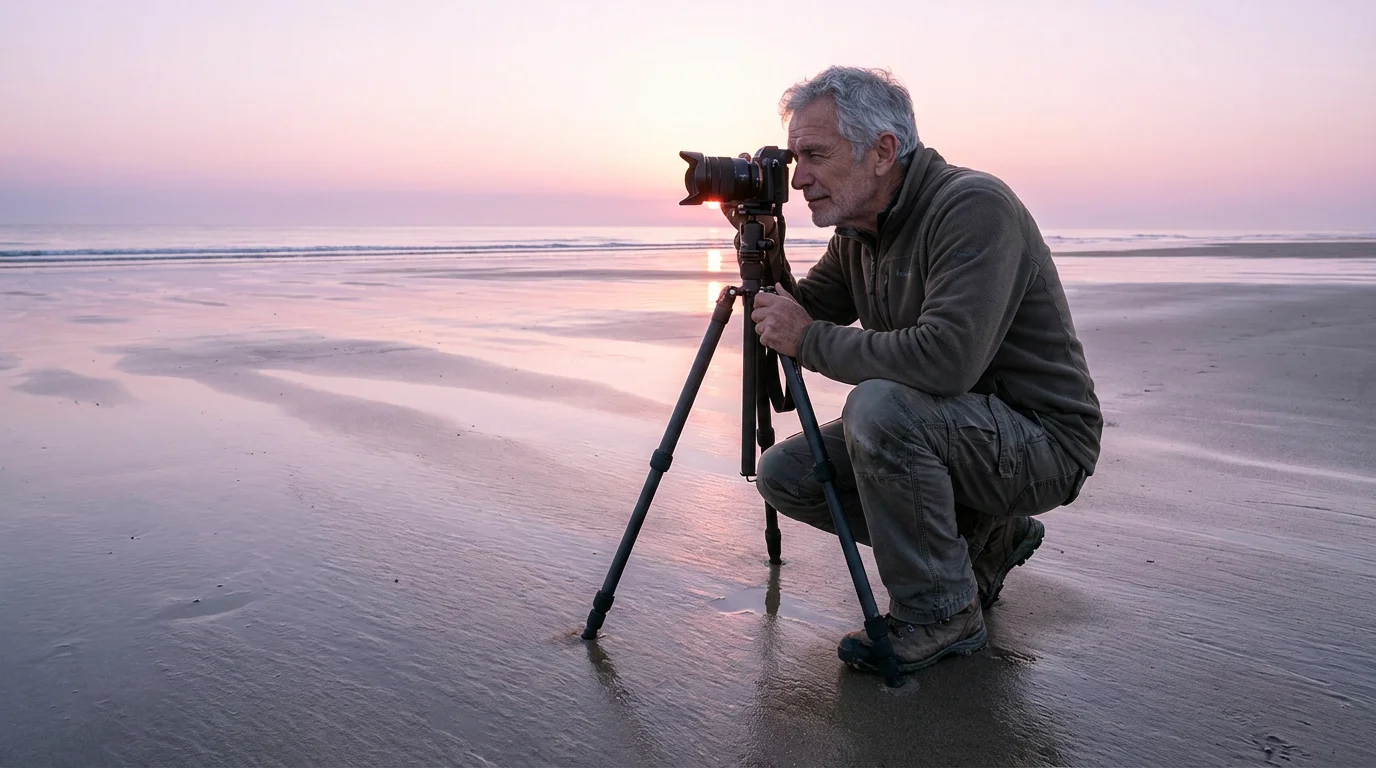
Retirement is not a conclusion; it is an exhilarating new beginning, brimming with opportunities to live boldly. Mastering photography offers a direct path to unlocking this potential, providing a fulfilling outlet for your creativity and a tangible way to document your extraordinary journey. You possess the wisdom, the time, and the unique perspective to capture the world in ways no one else can.
Embrace the curiosity. Pick up your camera, whether it is a sophisticated DSLR or the smartphone in your pocket. Step outside, observe, and engage with the world through a new lens. Every click of the shutter is an act of discovery, a moment preserved, and a step further into an extraordinary retirement filled with vibrant images and boundless creative expression. Your best shots are always ahead of you.
Disclaimer: This article is for informational and inspirational purposes. Life decisions are deeply personal, and we encourage readers to pursue their dreams while considering their unique circumstances, health, and financial situation.
Keeping your gear simple and focused is a wonderful way of embracing minimalism in retirement while enjoying your new craft.

Leave a Reply