
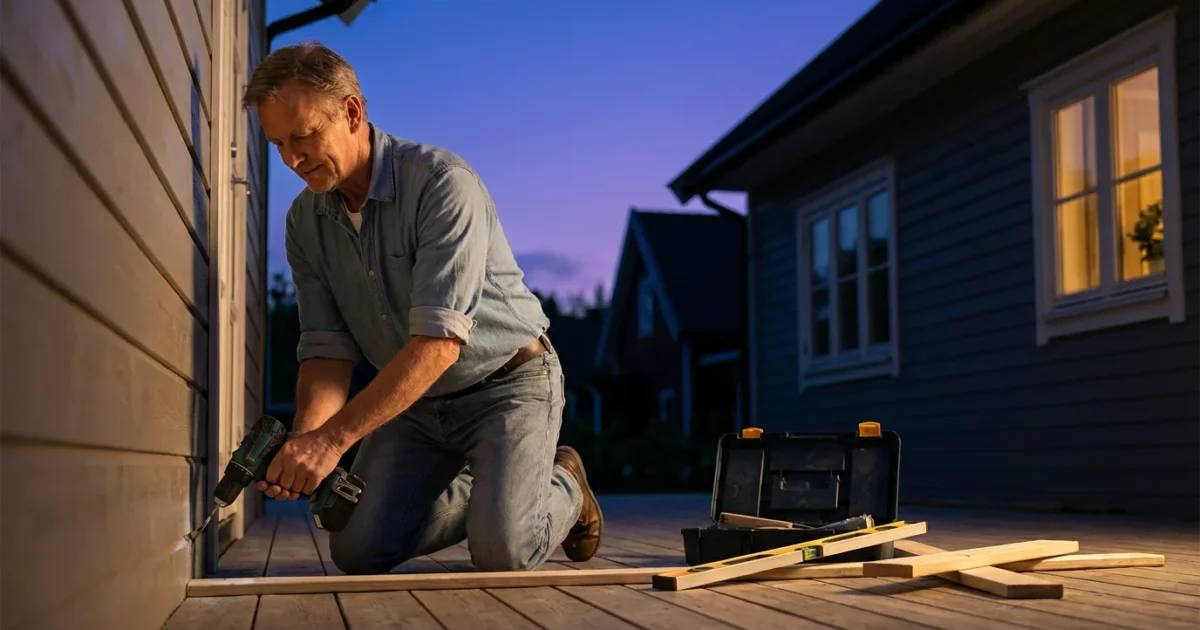
Retirement opens a vibrant new chapter, inviting you to explore passions, embrace challenges, and live with renewed purpose. You possess the wisdom, the time, and the ambition to cultivate new skills, including the incredibly satisfying world of home repair and DIY projects. Imagine the confidence you gain, the money you save, and the personal satisfaction from transforming your living space with your own hands. This isn’t about slowing down, it’s about stepping up to new capabilities, embracing your inner handyman, and discovering the profound joy of self-reliance.
Learning to maintain your home effectively is also a practical companion to downsizing for freedom if you choose to transition to a simpler lifestyle.
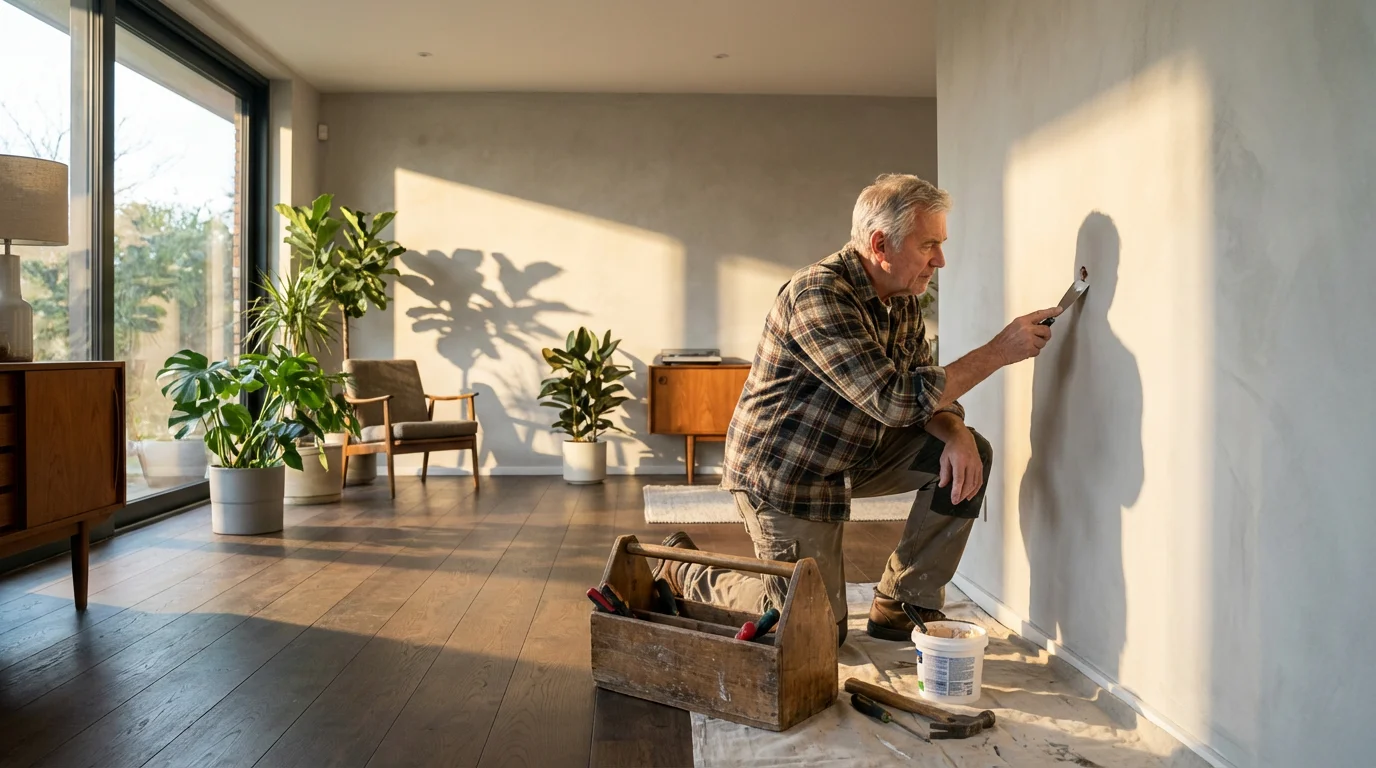
The Power of DIY in Retirement: Cultivating Competence and Joy
Retirement offers a unique opportunity to reclaim your time and invest it in activities that truly enrich your life. Mastering home repair and diy projects delivers tangible benefits far beyond simply fixing a leaky faucet. You gain a deep sense of accomplishment, enhanced problem-solving skills, and a practical way to maintain your independence.
This journey of manual mastery is a perfect example of reinventing yourself in retirement as you explore new roles and capabilities.
Taking on basic home repairs yourself saves significant money over time, freeing up your budget for travel, hobbies, or other adventures. You also control the timeline and quality of the work, tailoring solutions precisely to your home’s needs. This proactive approach to home maintenance ensures your living space remains a comfortable, well-cared-for haven for years to come. Many people discover a new passion, a sense of creative expression, and a powerful boost to their mental and physical well-being through these hands-on endeavors.
“It is never too late to be what you might have been.” — George Eliot
Taking control of your home maintenance is also a practical way to bolster your financial literacy by managing long-term costs effectively.
Building Your DIY Foundation: Essential Tools for Every Project
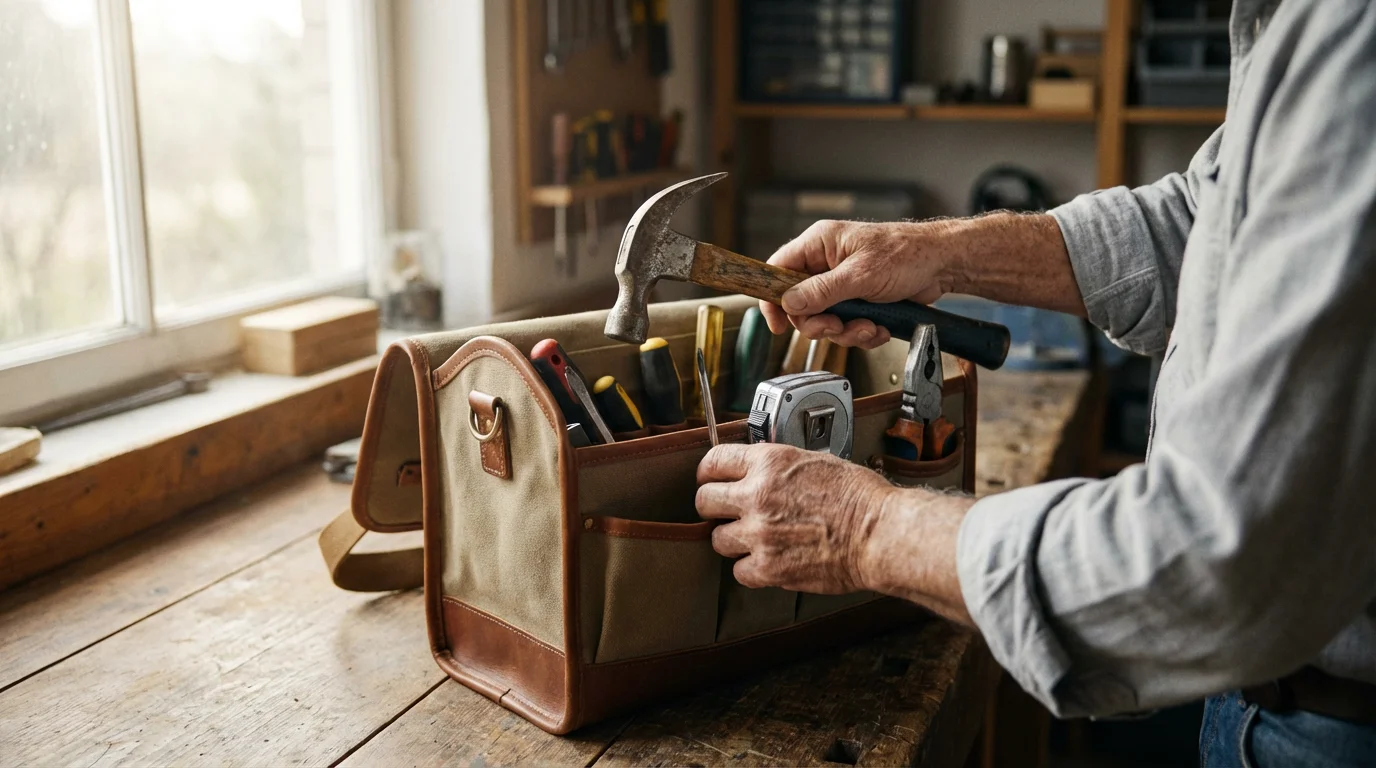
Starting your journey into handyman skills does not require an arsenal of expensive equipment. You can begin with a few fundamental tools that handle a surprising array of common household tasks. Prioritize quality over quantity, as well-made tools perform better and last longer.
Consider these essential items for your basic home repair toolkit:
- Hammer: Choose a standard claw hammer for driving nails and prying.
- Screwdrivers: A set including Phillips head and flat head screwdrivers in various sizes covers most screws.
- Tape Measure: An accurate, retractable tape measure is indispensable for any project.
- Pliers: Needle-nose pliers and slip-joint pliers are versatile for gripping, bending, and cutting.
- Adjustable Wrench: This single tool handles different bolt and nut sizes.
- Utility Knife: Keep a sharp utility knife for cutting cardboard, caulk, or insulation.
- Level: A 2-foot level ensures your pictures hang straight and shelves are even.
- Safety Glasses and Gloves: Protect your eyes and hands always.
You may find it helpful to use digital photography to snap pictures of complex parts before disassembling them.
As you gain experience and tackle more complex easy diy home improvement projects for seniors, you can gradually expand your collection. Power tools like a cordless drill can significantly reduce effort and time on many tasks, making your work more enjoyable and efficient. Invest in additional storage, such as a toolbox or pegboard, to keep your tools organized and easily accessible.
Safety First: Your DIY Non-Negotiables for Every Task
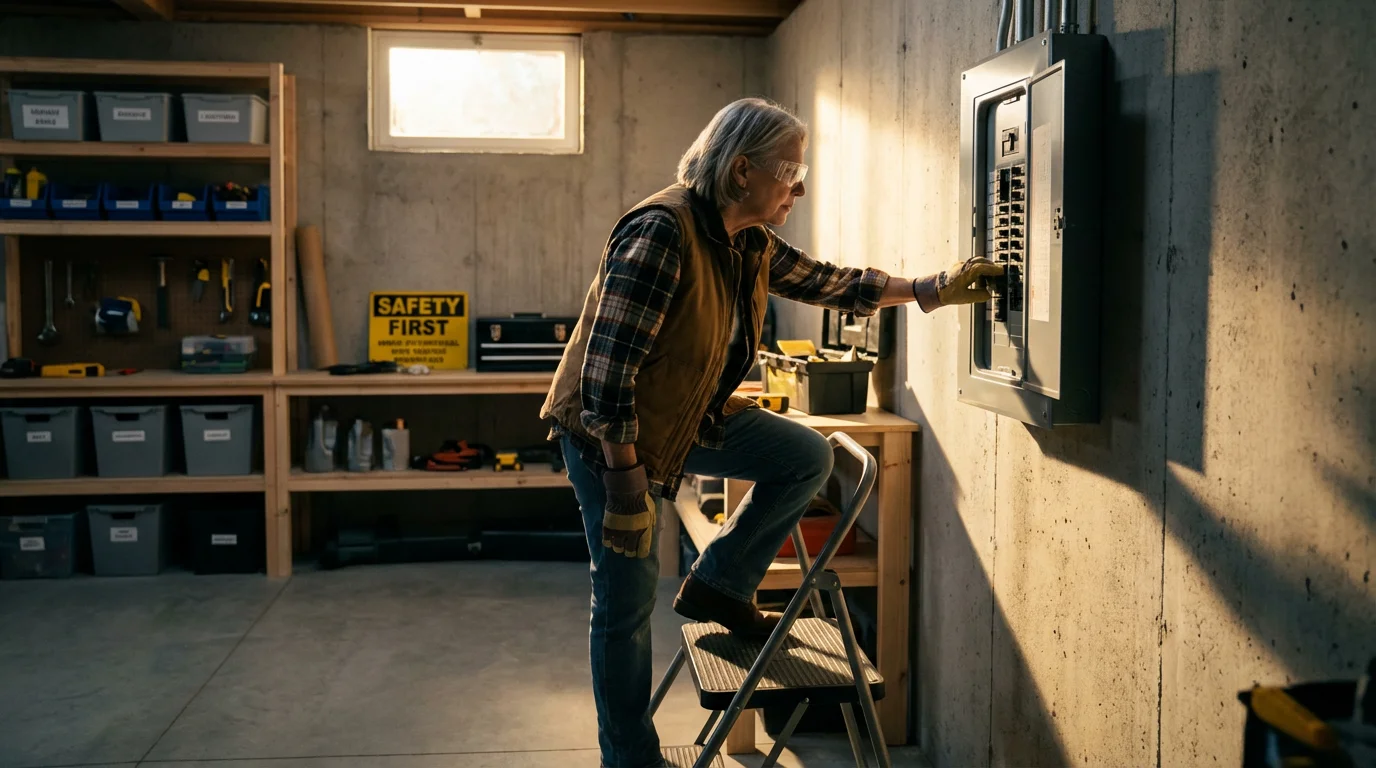
Embarking on diy projects is incredibly rewarding, but your safety must always remain the top priority. Many home repair tasks involve potential hazards, from minor cuts to electrical risks. Approaching every project with a safety-first mindset protects you and ensures a positive, productive experience.
Overcoming the initial intimidation of power tools is a rewarding way of stepping outside your comfort zone during this stage of life.
Always adhere to these crucial safety guidelines:
- Wear Personal Protective Equipment (PPE): Always wear safety glasses to protect your eyes from debris, dust, or splashes. Gloves shield your hands from splinters, cuts, and chemicals. Consider a dust mask when sanding or working with insulation.
- Read Instructions Thoroughly: Before using any new tool or product, read the manufacturer’s instructions completely. Understanding proper operation and safety warnings prevents accidents.
- Inspect Tools Before Use: Check power cords for fraying, blades for dullness, and handles for secure attachment. Never use damaged tools.
- Clear Your Workspace: Ensure your work area is well-lit, free of clutter, and has stable footing. Remove tripping hazards and secure extension cords.
- Disconnect Power: For any electrical work, no matter how small, always turn off the power at the circuit breaker. Verify with a voltage tester before touching wires.
- Work Smart, Not Hard: Use the right tool for the job. Don’t force tools or try to lift objects that are too heavy. Ask for help when needed.
- Know Your Limits: If a task feels too complex, too dangerous, or beyond your current skill level, do not hesitate to call a professional. Your health and safety are invaluable.
Approaching tasks with patience and mindfulness reflects the wisdom found in exploring philosophy throughout your retirement years.
Your ability to engage in these rewarding activities relies on your well-being. Prioritizing safety allows you to enjoy the process and the results for many years.
Your First DIY Projects: Tackling Common Repairs with Confidence
Start your home repair journey with smaller, manageable tasks to build confidence and hone your handyman skills. These initial successes provide the momentum to take on increasingly complex challenges. Here are some easy diy home improvement projects for seniors that offer great learning opportunities.
Consider these approachable starter projects:
- Fixing a Leaky Faucet: Often, a leaky faucet simply needs a new washer or O-ring. Turn off the water supply, disassemble the faucet handle, replace the worn part, and reassemble. This project teaches basic plumbing principles.
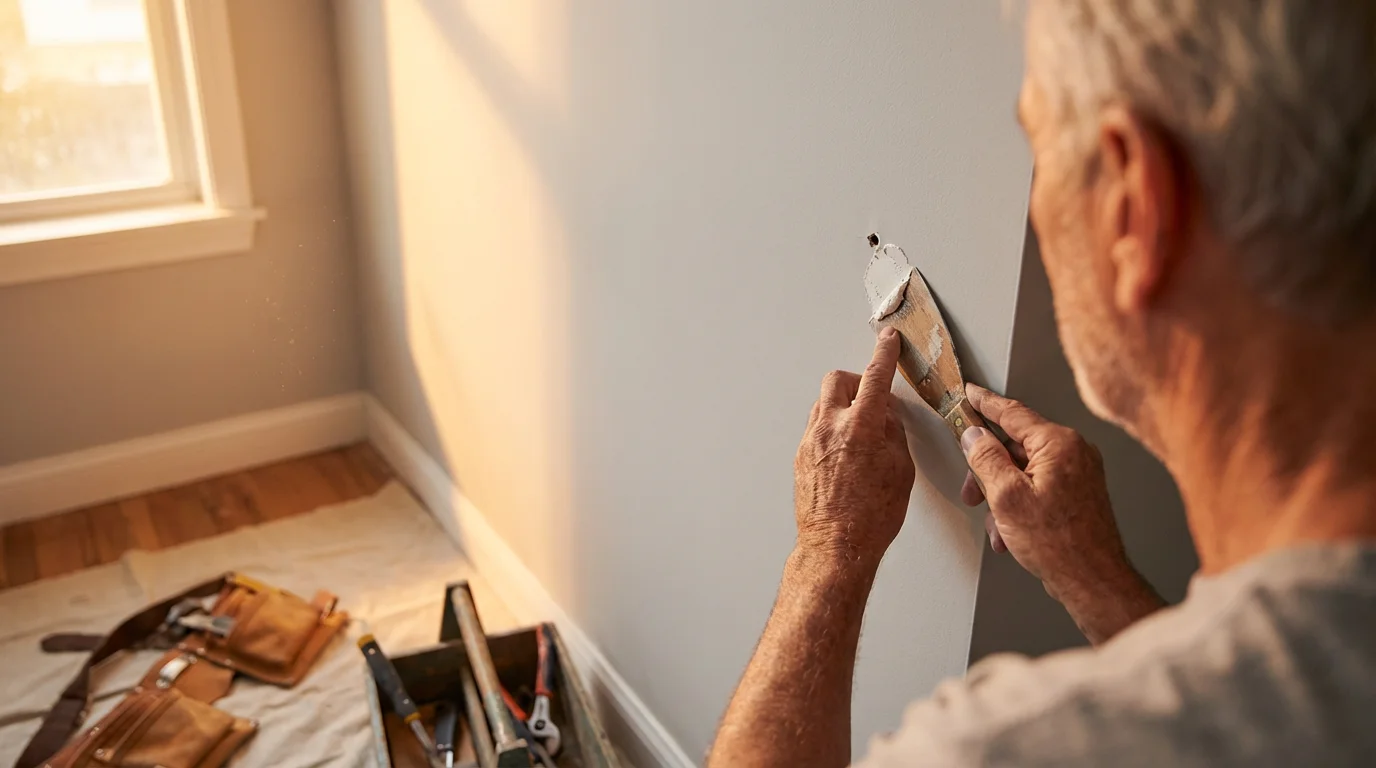
- Patching Small Holes in Drywall: Accidents happen, and small nail holes or dings are common. Use a spackling compound, apply it with a putty knife, let it dry, sand it smooth, and touch up with paint. This quick fix enhances your walls instantly.
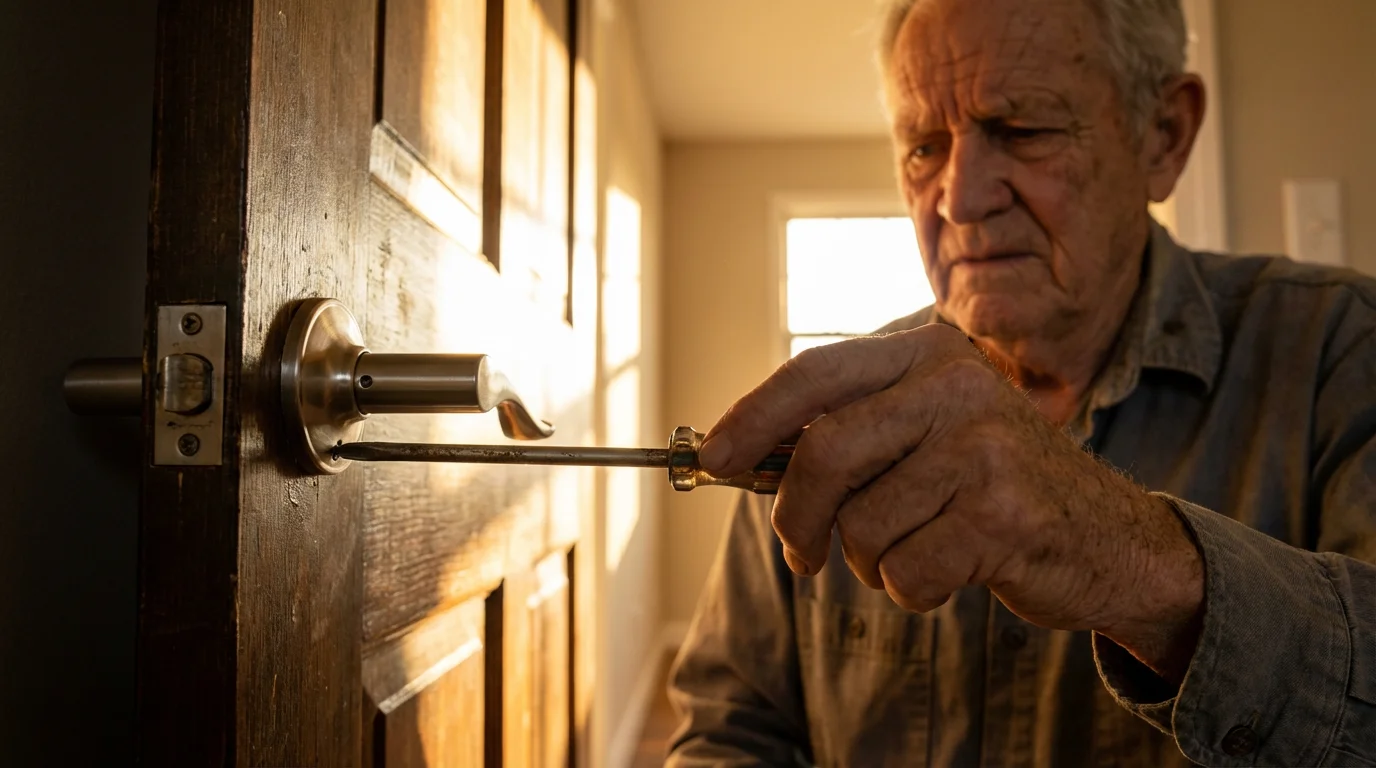
- Tightening Loose Cabinet Hinges or Door Handles: Over time, screws on hinges and handles can loosen. A simple Phillips head screwdriver is often all you need to tighten them, restoring stability and preventing further damage.
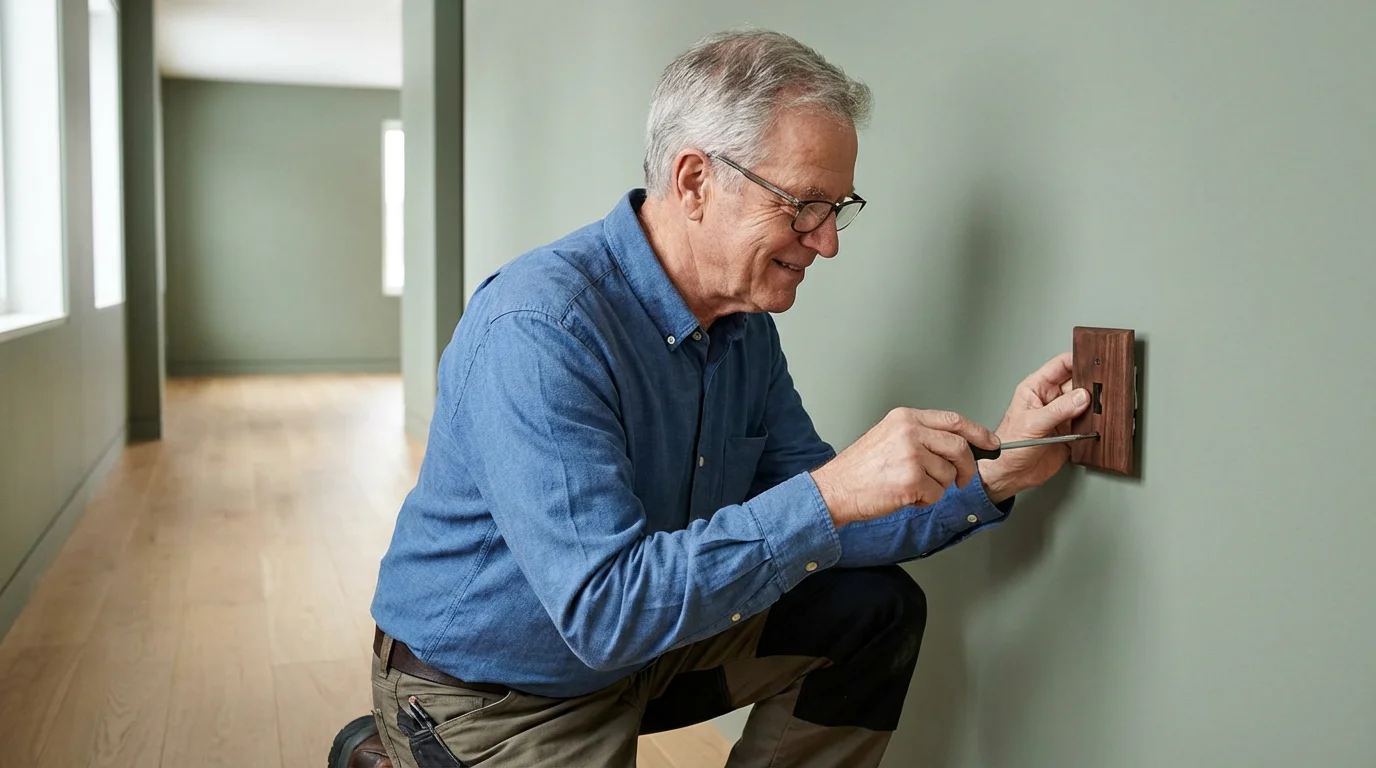
- Replacing a Light Switch or Outlet Cover: Old, discolored covers detract from your home’s appearance. Turn off the power at the breaker, unscrew the old cover, and screw on a new one. This inexpensive update makes a big visual difference.
- Clearing a Clogged Drain: Before reaching for harsh chemicals, try mechanical methods. A simple drain snake or even baking soda and vinegar can often clear minor clogs, saving you a plumber’s call.
Each successful repair builds your experience and understanding of how your home functions. Documenting your work with photos or notes helps you remember techniques and materials for future tasks. You are empowering yourself with practical knowledge for maintaining your living space.
Embracing the Learning Curve: Resources for Skill Development
Learning is a lifelong adventure, and mastering home repair is no exception. You have a wealth of resources available to guide you, from online tutorials to hands-on workshops. Embrace curiosity and actively seek out opportunities to expand your knowledge and refine your handyman skills.
For those who prefer a different medium, mastering photography offers another wonderful way to document your home’s transformation and your personal progress.
Explore these valuable avenues for learning:
- Online Video Tutorials: Websites like YouTube host millions of instructional videos on virtually every home repair topic. Visual demonstrations make complex tasks easier to understand and replicate.
- DIY Blogs and Websites: Many blogs and websites offer step-by-step guides, tool reviews, and project ideas. These resources often provide written explanations and accompanying photos.
- Local Workshops and Classes: Check with your local hardware stores, community colleges, or vocational schools for classes on basic carpentry, plumbing, electrical work, or specific easy diy home improvement projects for seniors. Hands-on learning with expert guidance is incredibly effective.
- Books and Manuals: Invest in a good home repair manual. These comprehensive guides provide detailed instructions and diagrams for a wide range of tasks.
- Connect with Experienced DIYers: Friends, family, or neighbors who have experience in home repair can offer invaluable advice, tips, and even mentorship.
Much like the discipline required for learning a musical instrument, mastering home repair takes patience and steady practice.
Consider joining groups or organizations that promote lifelong learning, such as those highlighted by the AARP. These communities often provide educational resources and opportunities to connect with others who share your passion for personal growth and practical skills. Your retirement years are the perfect time to continuously expand your capabilities.
Beyond Repairs: DIY for Home Enhancement and Personal Expression
Once you feel comfortable with basic home repair, your diy projects can evolve into creative endeavors that personalize and enhance your living space. This is where your unique style and vision truly shine, transforming your house into a reflection of your adventurous spirit. You are limited only by your imagination.
As you develop more delicate hand-eye coordination through repair work, you might even consider designing unique and personalized pieces through jewelry making.
Consider these exciting home enhancement projects:
- Painting and Wallpapering: A fresh coat of paint or a bold wallpaper choice can dramatically change the feel of a room, adding color and personality.
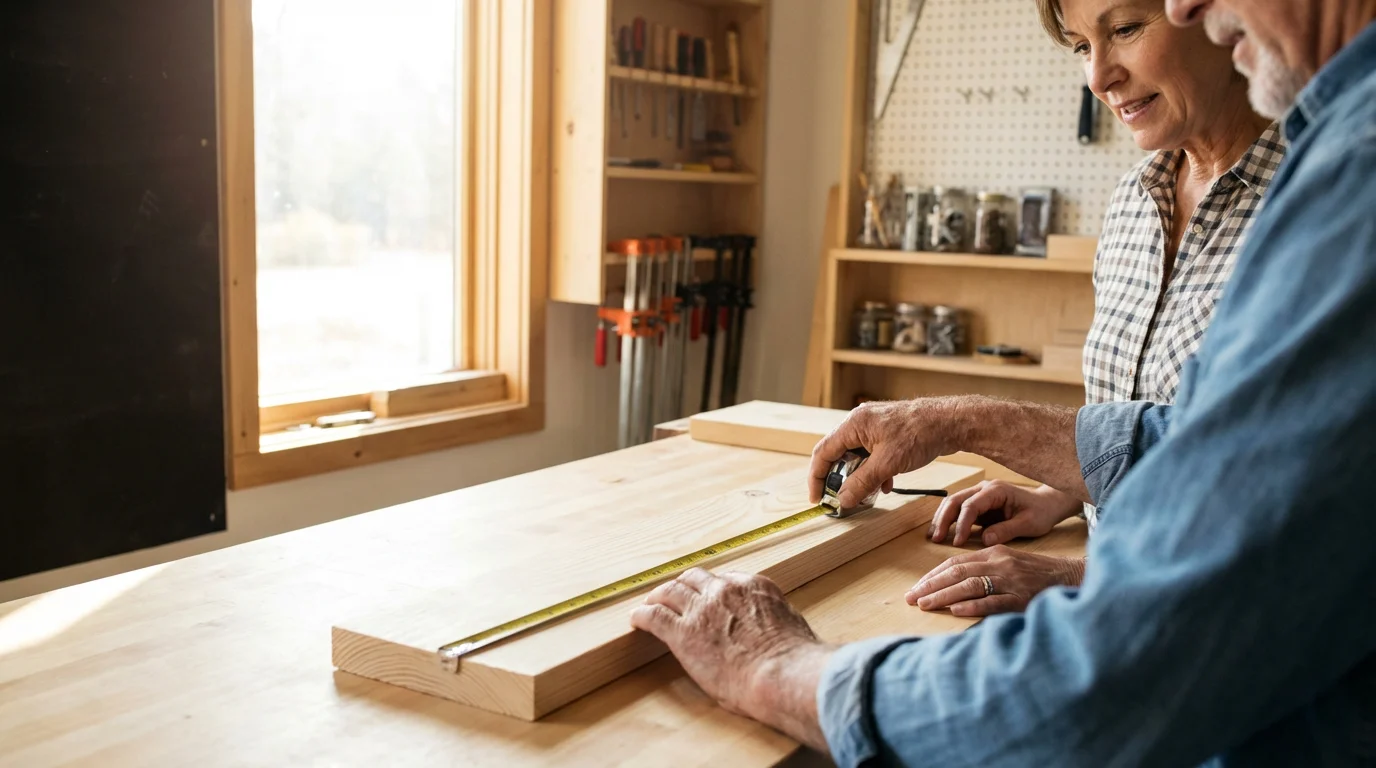
- Building Simple Shelving or Storage: Constructing custom shelves or a small storage unit provides practical solutions while adding character to your home.
- Updating Fixtures: Swapping out old light fixtures, faucets, or cabinet hardware offers an instant, modern refresh without major renovation.
- Creating a Garden or Patio Oasis: Design and build raised garden beds, a small water feature, or comfortable outdoor seating to extend your living space into nature.
- Refinishing Furniture: Give old furniture new life with sanding, staining, or painting. This sustainable practice reduces waste and creates unique pieces.
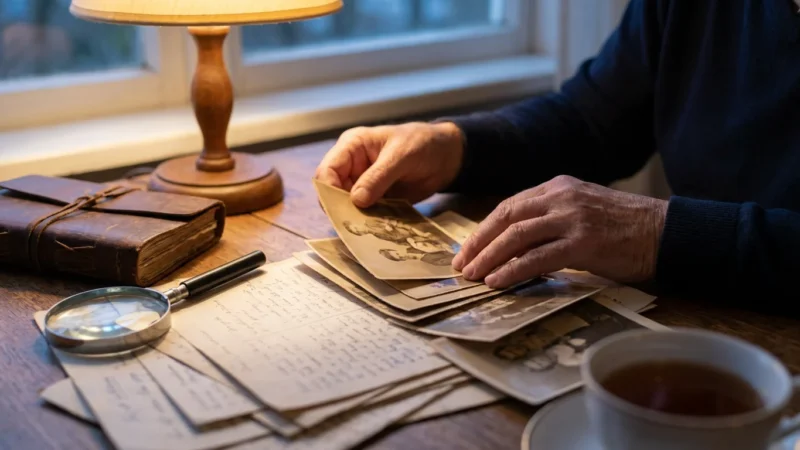
As you work on your home, you might also find space to create a dedicated area for your genealogy journey and family archives.
Each project, whether practical home repair or creative enhancement, builds your confidence and strengthens your connection to your home. You are not just fixing things, you are actively curating an environment that supports your dreams and celebrates your vibrant retirement. These easy diy home improvement projects for seniors keep your mind sharp and your hands busy.
Finding Your Tribe: Community, Collaboration, and Shared Skills
While many diy projects are solo endeavors, sharing your passion and skills with others adds another layer of richness to your retirement. Connecting with a community of fellow enthusiasts provides support, new ideas, and opportunities for collaboration. You might find yourself learning from others or even mentoring a newcomer.
Consider these ways to engage with a DIY community:
- Join Online Forums and Social Media Groups: Participate in online discussions, ask questions, and share your project successes and challenges with a global community of DIYers.
- Volunteer for Community Projects: Many local organizations, such as Habitat for Humanity or community centers, welcome volunteers with handyman skills for various building and repair tasks. This is a powerful way to give back.
- Start a Local DIY Club: Gather like-minded individuals in your neighborhood or retirement community to share tools, knowledge, and even work on projects together.
- Attend DIY Fairs and Exhibitions: These events are excellent for discovering new tools, techniques, and inspiration, while connecting with vendors and fellow enthusiasts.
- Teach Others: As you master more skills, consider sharing your knowledge with friends, family, or even through informal workshops. Teaching solidifies your own understanding and empowers others.
Inviting family members to help with a project is an excellent way to strengthen intergenerational connections while teaching them life skills.
The camaraderie found in shared interests enhances your retirement experience, turning individual home repair tasks into a collective journey of learning and achievement. Your passion for home improvement can inspire and uplift those around you.
Frequently Asked Questions
What are the absolute easiest home repair projects for beginners in retirement?
You can start with simple tasks like tightening loose screws on door handles, patching small nail holes in walls, or replacing an old light switch cover. These projects build confidence without requiring complex tools or extensive knowledge, making them perfect easy diy home improvement projects for seniors.
Whether you are embarking on culinary adventures or picking up a hammer, retirement is the perfect time for self-discovery.
Do I need expensive tools to start learning basic home repairs myself in retirement?
No, you do not need expensive tools. Begin with a basic toolkit that includes a hammer, screwdrivers, a tape measure, pliers, an adjustable wrench, a utility knife, a level, and essential safety gear like glasses and gloves. You can expand your collection as your skills grow and projects demand it.
How can I ensure safety when taking on home repair and DIY projects?
Always prioritize safety. Wear personal protective equipment like safety glasses and gloves, read all tool instructions, clear your workspace, and disconnect power for electrical tasks. Importantly, know your limits and call a professional if a project feels beyond your current skill set.
Where can I find reliable instructions and tutorials for home repair?
A wealth of resources exists for learning home repair. Online video tutorials on platforms like YouTube offer visual guidance, while DIY blogs and websites provide step-by-step written instructions. Local hardware stores or community colleges often host workshops, and comprehensive home repair manuals serve as excellent reference guides.
Can doing DIY projects in retirement help my overall well-being?
Absolutely. Engaging in home repair and diy projects offers significant benefits for your well-being. You experience a sense of accomplishment, reduce stress through focused activity, stimulate cognitive function by solving problems, and maintain physical activity. This proactive engagement keeps you mentally sharp and physically active.
Disclaimer: This article is for informational and inspirational purposes. Life decisions are deeply personal, and we encourage readers to pursue their dreams while considering their unique circumstances, health, and financial situation.








Leave a Reply