
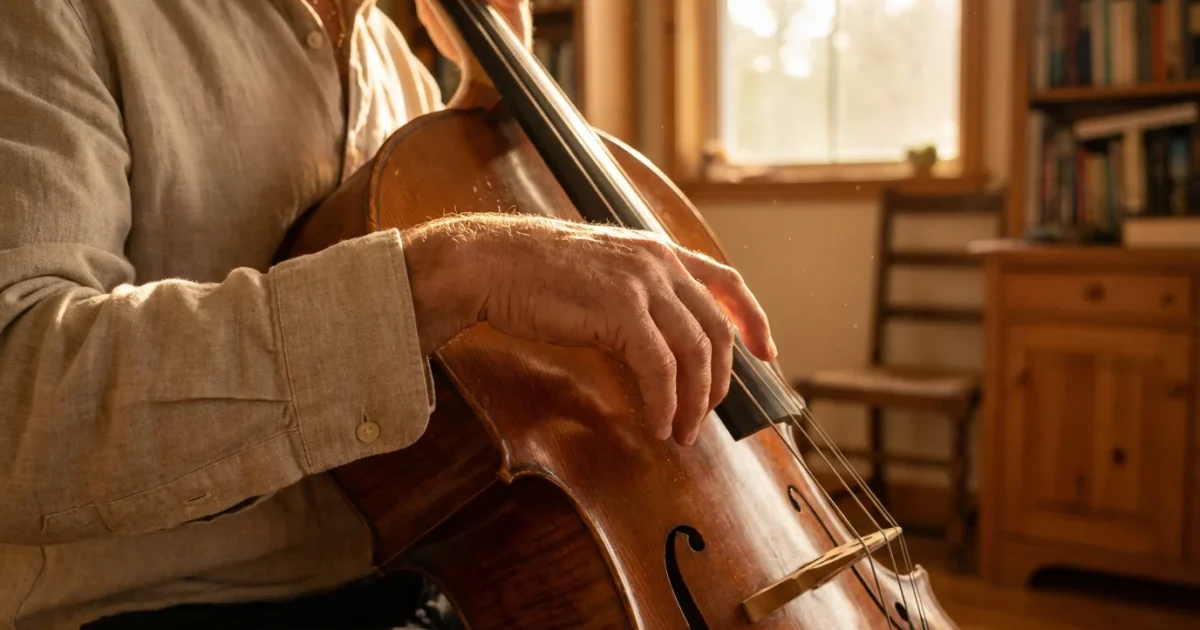
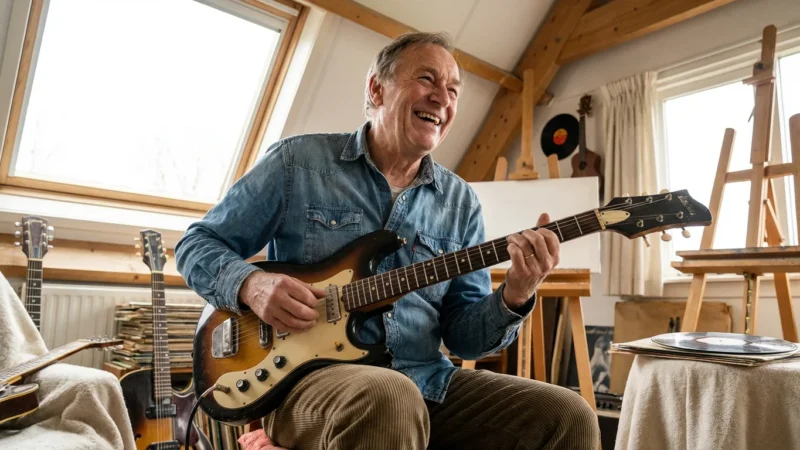
Retirement opens a magnificent chapter, a time for fulfilling long-held desires and exploring new frontiers. Many individuals harbor a secret longing to create music, to feel the resonance of a melody they produce. Perhaps you once dreamed of mastering the piano, strumming a guitar, or losing yourself in the soulful sound of a saxophone. That dream is not only alive but entirely within your reach. This period of life is the perfect opportunity to ignite your passion, learn music, and unleash your inner musician. You possess the wisdom, the time, and the focus to embark on this incredibly rewarding journey.
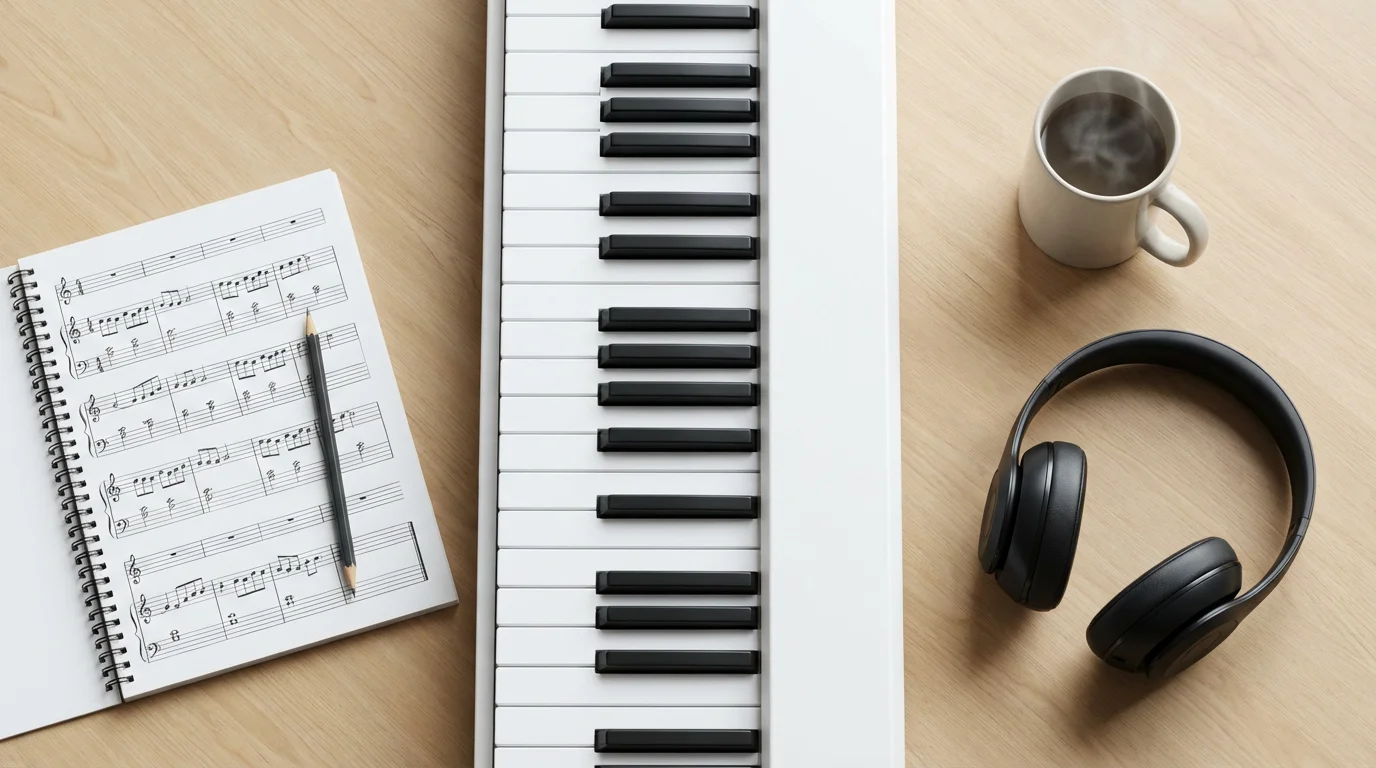
Why Now is Your Time to Embrace Music
You stand at the threshold of a period defined by personal growth and discovery. Retirement provides the precious gift of time, allowing you to dedicate consistent effort to learning new skills. This focused attention accelerates your progress and deepens your enjoyment. Pursuing a passion like music enriches your life in countless ways.
Transitioning from corporate to creative roles allows for a renewed sense of purpose and discovery through artistic expression.
Engaging with music offers significant cognitive benefits. Research consistently shows that learning to play an instrument enhances brain function, improving memory, processing speed, and problem-solving abilities. Your brain thrives on new challenges, and music provides a complex, engaging workout. It fosters neuroplasticity, keeping your mind sharp and agile.
Beyond cognitive gains, playing music brings immense emotional satisfaction. It provides a unique avenue for self-expression, allowing you to convey feelings and stories that words cannot. The act of creating music reduces stress, fosters a sense of accomplishment, and brings pure joy. Many seniors report a significant boost in mood and overall well-being when they embark on this creative path.
Furthermore, music often builds community. You connect with fellow learners, teachers, and enthusiasts, forming new friendships and expanding your social circle. Sharing your musical journey, whether in a casual jam session or a formal group, enhances the experience. This social engagement combats isolation and enriches your retirement lifestyle.
Just as the shared energy of attending a sporting event brings people together, music creates a vibrant social connection.
Choosing Your Musical Companion: What Calls to Your Soul?
Selecting the right instrument begins with listening to your heart. Which sounds resonate deeply within you? What instrument have you always admired? Consider your personal preferences, your physical capabilities, and your practical circumstances. Many options offer accessibility and a fulfilling learning curve for adults.
Whether it is the strings of a guitar or the quiet focus of gardening for the soul, finding a creative outlet is essential for a balanced life.
You might wonder, “what is the easiest instrument to learn for adults?” While ease is subjective, some instruments generally present fewer initial barriers, allowing for quicker gratification. This early success often fuels motivation and commitment. Factors like physical demands, available learning resources, and portability play a role in this perception of ease.
Consider these popular and accessible choices for aspiring senior musicians:
- Ukulele: This charming, portable instrument boasts a gentle learning curve. Its soft nylon strings are easy on the fingers, and you can learn basic chords rapidly. Many online tutorials and community groups cater specifically to ukulele enthusiasts.
- Keyboard/Piano: While seemingly complex, a keyboard provides a visual layout of notes, making music theory more intuitive. Many digital pianos offer features like weighted keys, recording capabilities, and built-in learning tools. You learn melodies and harmonies simultaneously, developing a strong musical foundation.
- Harmonica: Small, portable, and surprisingly expressive, the harmonica allows you to produce beautiful sounds with minimal initial effort. It is excellent for developing breath control and ear training. You can join blues jams or simply enjoy playing familiar tunes.
- Djembe (or other hand drums): Rhythmic instruments offer immediate satisfaction. Playing a djembe or congas requires no prior musical notation knowledge. You tap into your natural sense of rhythm, enjoying stress relief and physical coordination benefits. Drum circles provide a fantastic social outlet.
- Recorder/Flute: Simple woodwind instruments like the recorder teach basic breath control, finger dexterity, and reading sheet music. They are affordable, portable, and provide a good entry point to wind instruments.
Many retirees find that the patience required for music also helps when mastering photography to document their creative journey.
Do not limit yourself to these suggestions. If a guitar, violin, or clarinet truly calls to you, pursue it. Your passion is the most potent motivator. Trying out different instruments, perhaps at a local music store or through introductory lessons, helps you make an informed decision.
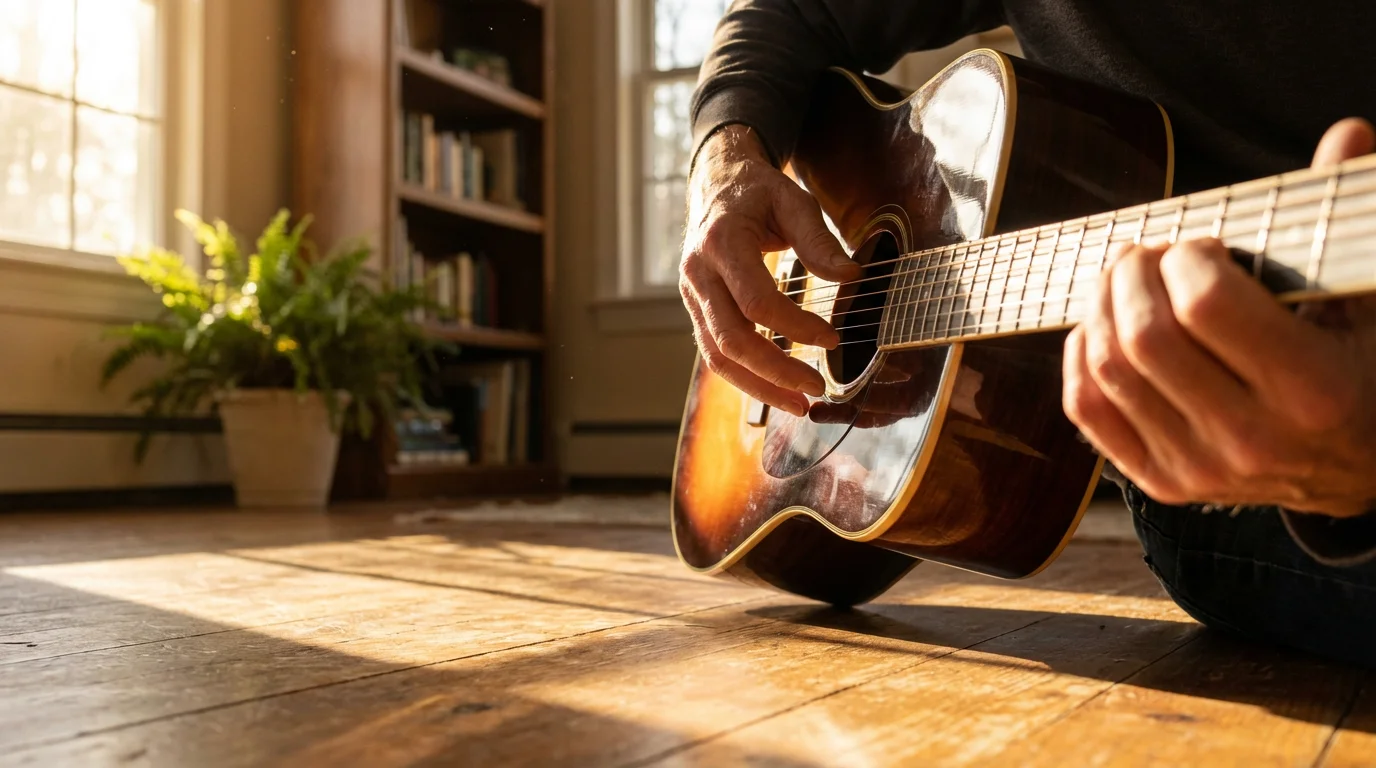
Kickstarting Your Musical Journey: How to Learn Music as an Adult
Embarking on this new adventure requires a structured yet flexible approach. Remember, you learn at your own pace, and every small step forward is a victory. Focus on consistency and enjoyment, not perfection. Many resources are available to guide you as a `senior musician`.
Here is a roadmap for beginning your musical journey:
- Set Realistic Goals: Start small. Perhaps your initial goal is to learn a few chords, play a simple melody, or understand basic rhythm. Achieving these early milestones builds confidence.
- Find a Great Teacher: A good instructor provides personalized feedback, corrects bad habits early, and keeps you motivated. Look for teachers experienced with adult learners, as their approach often differs from teaching children. Inquire about group lessons specifically for seniors, as these offer built-in community.
- Explore Online Resources: The internet offers a wealth of tutorials, apps, and courses. Websites like YouTube provide free lessons, while platforms such as Fender Play, Simply Piano, or Yousician offer structured curricula. Use these as supplements, not replacements for a live teacher if possible.
- Invest in Your Instrument: You do not need the most expensive model to start. A good quality beginner instrument that feels comfortable and sounds decent will enhance your learning experience. Visit a local music store for advice and to try instruments.
- Understand Basic Music Theory: You do not need a deep dive into complex theory initially. Learn the fundamentals: note names, basic rhythms, and simple chord structures. This knowledge demystifies what you play and helps you understand why music sounds the way it does.
Remember, learning an instrument is a marathon, not a sprint. Celebrate effort, not just outcomes. Consistency, even in short bursts, is far more effective than sporadic long sessions.
Nurturing Your Practice: Building a Sustainable Routine
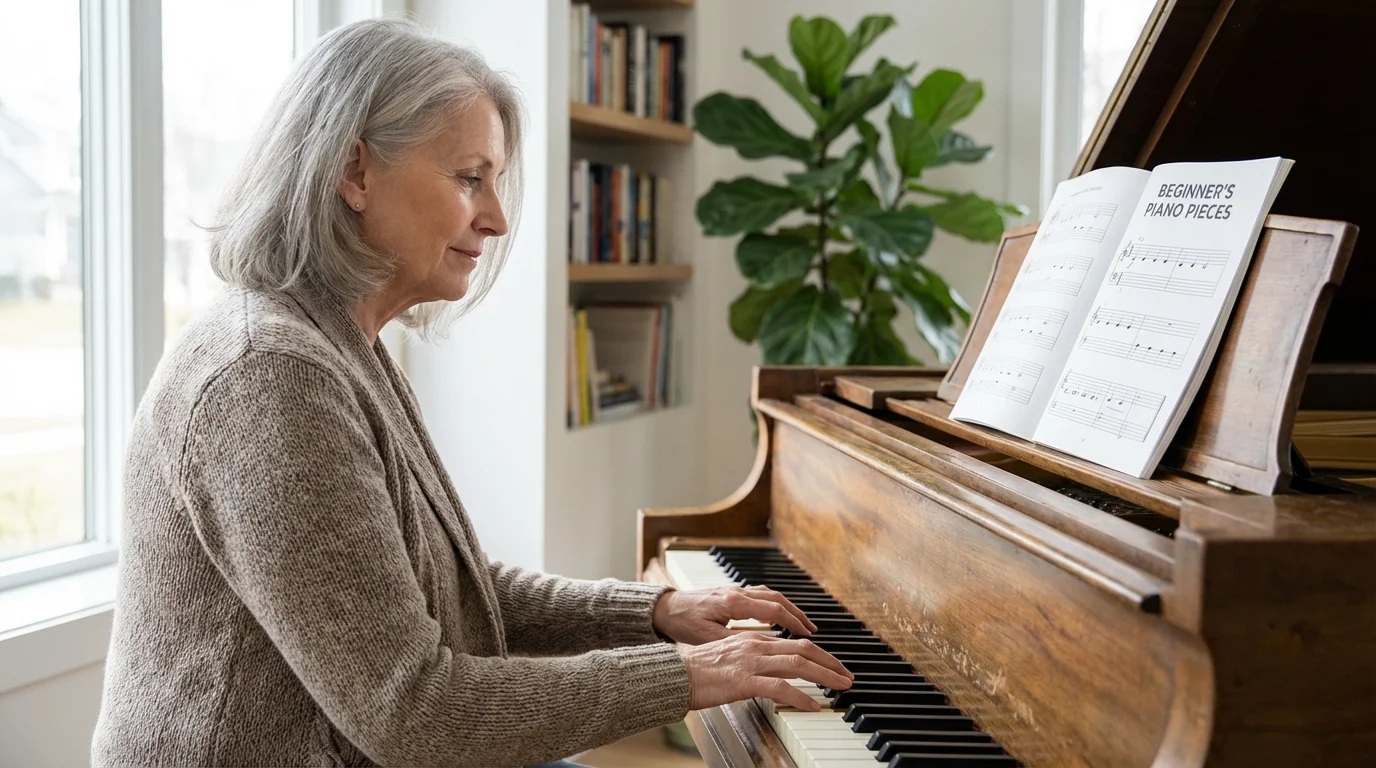
Consistent practice forms the bedrock of musical progress. As an adult, you bring discipline and focus to your practice sessions, which are powerful assets. Designing a routine that fits your lifestyle ensures longevity and continued growth.
Consider these strategies for effective practice:
- Consistency is Key: Aim for shorter, more frequent practice sessions rather than infrequent, lengthy ones. Twenty to thirty minutes daily often yields better results than two hours once a week. Daily engagement reinforces muscle memory and keeps concepts fresh.
- Create a Dedicated Space: Designate a comfortable, distraction-free area for your instrument. This ritual helps your mind shift into practice mode. Ensure good lighting and proper seating.
- Break Down Complexities: If a piece feels overwhelming, break it into smaller, manageable sections. Master one measure, then two, then connect them. Focus on accuracy at a slow tempo before attempting speed.
- Use a Metronome: A metronome is your best friend for developing precise rhythm and tempo. Start slowly and gradually increase the speed as your proficiency grows. This tool is indispensable for all levels of musicians.
- Record Yourself: Periodically record your practice sessions. Listening back objectively helps you identify areas for improvement that you might miss while playing. This also provides a wonderful record of your progress.
- Balance Drills with Enjoyment: While technical exercises are crucial, always dedicate time to playing songs or pieces you love. This keeps the experience fun and reminds you why you started.
If you are currently planning home improvement projects, consider designing a dedicated acoustic space for your new hobby.
Your brain, as an adult, excels at connecting new information with existing knowledge and experiences. Leverage this by consciously thinking about the structure and feeling of the music you play. Engage your mind fully during practice.
Overcoming Challenges and Celebrating Progress
Every learner encounters hurdles. You will face moments of frustration, perhaps doubting your ability. This is a natural part of any learning process. The key lies in how you navigate these moments. Remember, your determination and life experience provide unique strengths.
The mental agility required for music provides similar cognitive benefits in retirement to those found when studying a new dialect or grammar system.
Common challenges for the `senior musician` include:
- Finger Dexterity and Stiffness: Many adults find their fingers are not as nimble as they once were. Gentle warm-up exercises, stretching, and consistent practice significantly improve dexterity. Be patient; improvement comes with time and persistence.
- Reading Music: Learning to read sheet music can feel like learning a new language. Start with basic concepts, use flashcards, and practice regularly. Many apps make learning to read notes interactive and fun.
- Time Management: Even in retirement, schedules fill up. Prioritize your practice time, viewing it as a non-negotiable part of your day, just like other appointments.
- Patience and Persistence: Progress is rarely linear. You will have good days and challenging days. Embrace the journey, focus on incremental improvements, and never compare your progress to others.
Focus on the bravery it takes to start, much like conquering your fears in any other new retirement pursuit.
Celebrate every small victory. Mastered a new chord? Played a phrase without mistakes? Performed a short song for a friend? Acknowledge these achievements. Each step forward validates your effort and fuels your motivation. Consider joining a local jam session or performance group. Groups like Road Scholar offer programs focused on lifelong learning, including music. Sharing your musical journey with others often provides additional encouragement and inspiration.
“It is never too late to be what you might have been.” — George Eliot
The Joy of Connection and Performance
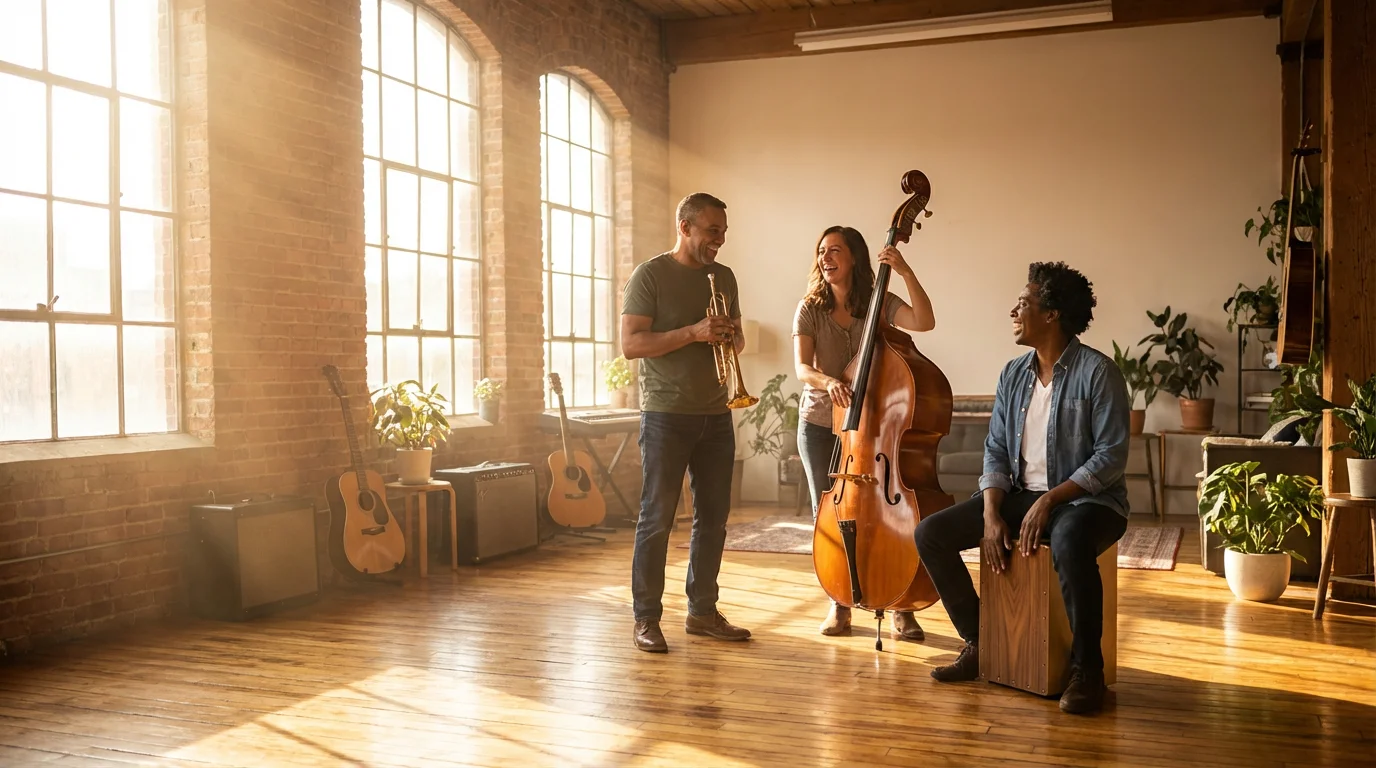
Music is inherently social. As you grow more confident, you unlock opportunities to connect with others through your shared passion. This communal aspect significantly enhances the joy of playing an instrument. You move beyond personal practice to shared experience.
Consider these avenues for musical connection:
- Join a Community Group: Many towns have community bands, orchestras, choirs, or folk music groups that welcome adult learners. Look for beginner-friendly ensembles where the emphasis is on participation and enjoyment.
- Find a Jam Session: Local music stores, cafes, or community centers often host open mic nights or informal jam sessions. These provide a relaxed environment to play with others and learn new styles.
- Collaborate with Friends: Perhaps a friend plays an instrument, or someone else in your retirement community shares your interest. Start a small, informal group. Even playing duets brings immense satisfaction.
- Perform for Family and Friends: Your loved ones will cheer you on. Playing a simple tune for them is a wonderful way to share your passion and build your confidence. The applause, no matter how small, feels incredibly validating.
- Volunteer Your Talents: Once you reach a comfortable skill level, consider volunteering to play at local nursing homes, hospitals, or community events. Sharing music brings joy to others and provides a profound sense of purpose.
Sharing a song with your family can become one of your most cherished grandparent adventures, leaving a legacy of art.
Connecting with other musicians provides inspiration, learning opportunities, and a sense of belonging. Music thrives when shared.
Beyond the Notes: The Profound Rewards
Learning to `play instrument` offers more than just the ability to create sounds. It cultivates discipline, patience, and a deeper appreciation for art. You develop a new language, a new way to express yourself and interact with the world. This journey fosters personal growth that extends far beyond the practice room.
You gain a unique perspective on life. Music teaches you about harmony, rhythm, and structure, lessons that echo in everyday experiences. It hones your listening skills, both musically and interpersonally. The creative process itself boosts your confidence and sense of accomplishment. You prove to yourself that you can master new challenges, regardless of age.
Embracing the role of a `senior musician` inspires others. Your dedication demonstrates the power of lifelong learning and the limitless potential of retirement. You become a living example that passion knows no age limit. This legacy of pursuing dreams encourages your family and friends to explore their own hidden talents.
The journey of learning an instrument is a testament to your courage and curiosity. It offers a rich tapestry of experiences: the challenge of mastering a new skill, the joy of creating beauty, the satisfaction of perseverance, and the camaraderie of shared passion. This is your time to write your own musical story.
Frequently Asked Questions
As you grow in skill, you might even find fulfillment in giving back through mentorship by encouraging other adult beginners.
Is it truly possible to learn an instrument at 55+?
Absolutely, yes. Your age presents no barrier to learning an instrument. In fact, adults often possess advantages such as greater discipline, patience, and a clear understanding of their learning style. You bring a lifetime of experience and focus, which are invaluable assets in mastering a new skill. Your brain remains capable of forming new neural pathways, making learning entirely possible and deeply rewarding.
Whether your bucket list includes a hot air balloon ride or mastering a concerto, this is the season to aim high.
What if I have no musical background?
Many successful adult musicians started with no prior experience. A lack of musical background simply means you begin with a fresh perspective. Embrace the beginner’s mind, approach each lesson with curiosity, and enjoy the process of discovery. A good teacher caters to complete novices, building your skills from the ground up.
How much time should I dedicate to practice?
Consistency proves more important than duration. Aim for 20-30 minutes of focused practice each day, or at least 4-5 times a week. Shorter, regular sessions help build muscle memory and reinforce learning more effectively than infrequent, long sessions. Fit practice into your daily routine, perhaps after breakfast or before dinner.
Will my fingers become too stiff to play?
While some adults experience decreased finger dexterity, this is rarely an insurmountable obstacle. Gentle warm-up exercises, stretches, and consistent practice improve flexibility and strength over time. Many instruments, like the ukulele or harmonica, require less intricate finger work initially. Always consult your doctor if you experience pain or persistent stiffness, but generally, regular movement helps maintain dexterity.
Where can I find other senior musicians to play with?
Community centers, local music stores, and libraries often host listings for community bands, orchestras, or jam sessions. Online platforms and social media groups also connect musicians by region. Additionally, programs like Osher Lifelong Learning Institutes at universities often offer music courses and ensemble opportunities tailored for older adults. Do not hesitate to inquire and connect.
Disclaimer: This article is for informational and inspirational purposes. Life decisions are deeply personal, and we encourage readers to pursue their dreams while considering their unique circumstances, health, and financial situation.




Leave a Reply