
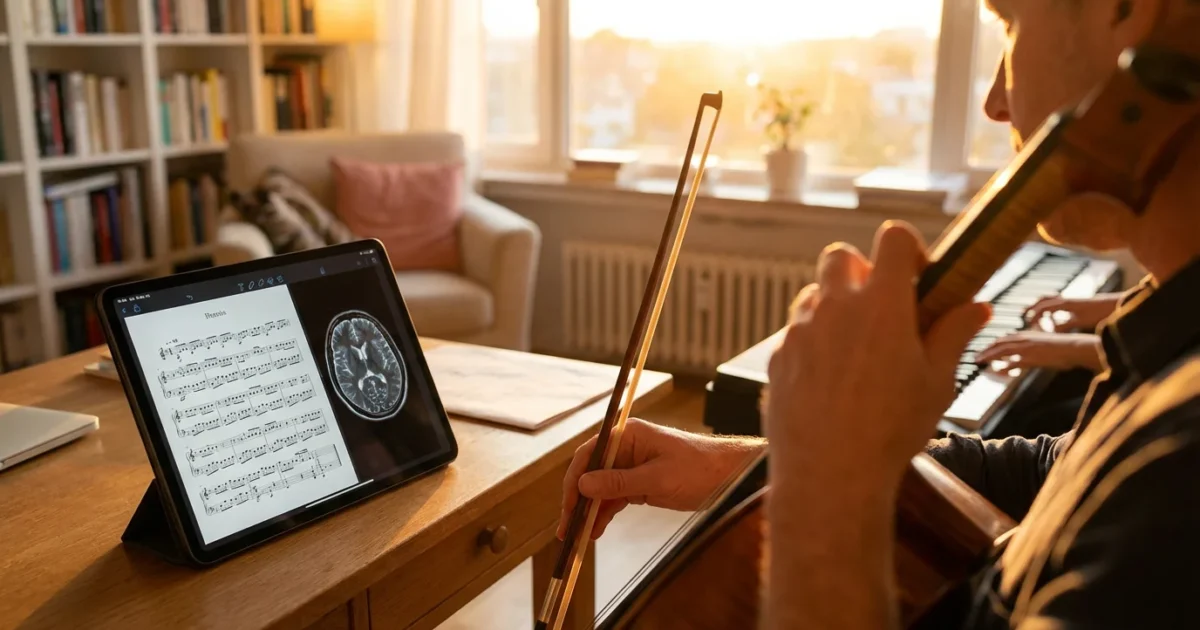
Retirement means orchestrating a new chapter, not merely observing it. It’s a powerful time to fulfill long-held desires and explore uncharted territories. Consider the profound joy and remarkable cognitive benefits of picking up a musical instrument.
Many envision their later years as a period of quiet contemplation. You, however, recognize this era as an invitation to engage, to learn, and to grow more vibrant. Playing music offers a unique pathway to enrich your life, blending artistic expression with remarkable brain enhancement. You possess an unlimited capacity for new skills and new adventures. Your best years truly lie ahead.
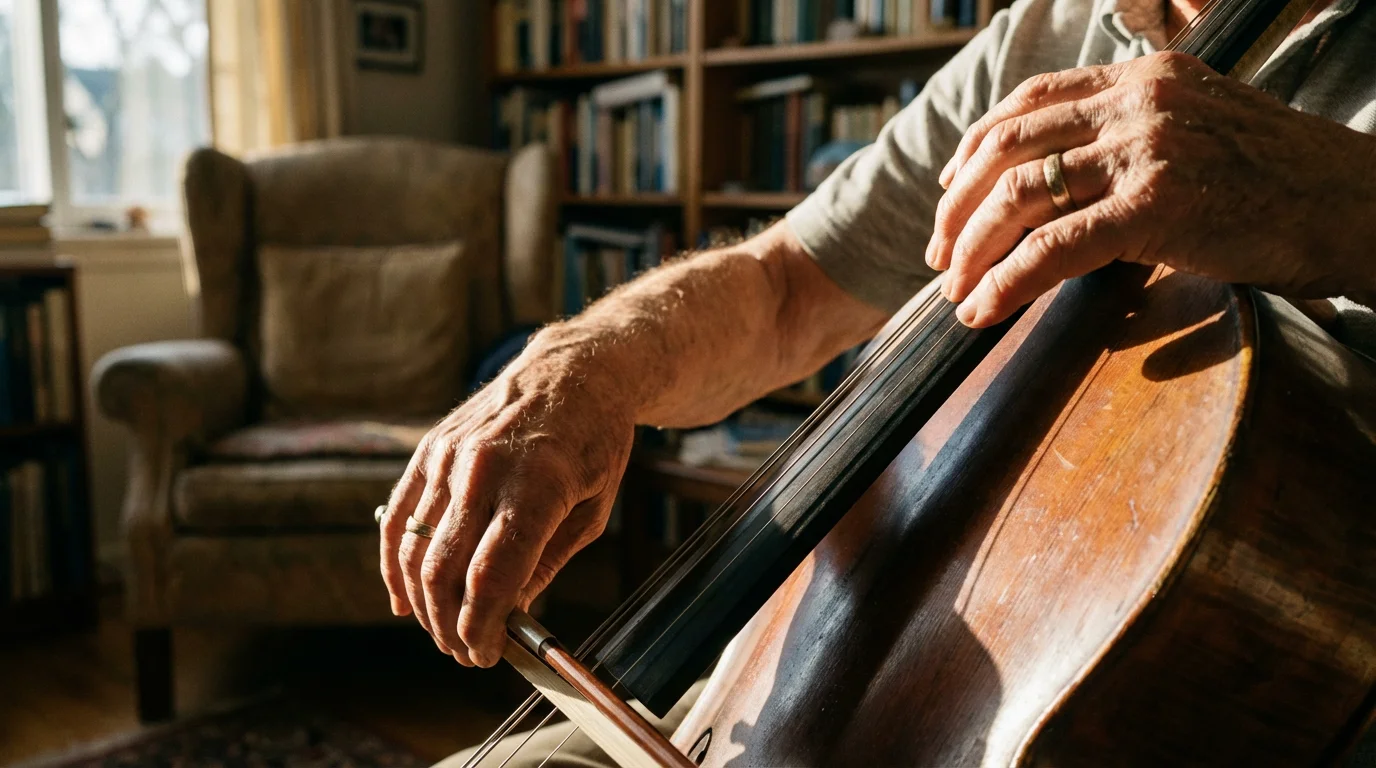
Unleash Your Inner Maestro: Your Retirement Symphony
You have dedicated years to your career, family, and responsibilities. Now, the stage is set for you to pursue your deepest interests. Retirement offers the ultimate freedom to dedicate time to passions you once deferred. Learning a musical instrument provides an unparalleled avenue for self-discovery and personal growth, opening doors to a world of creativity and fulfillment.
Exploring these artistic avenues is a central part of reinventing yourself in retirement and finding fresh purpose beyond your career.
Imagine yourself creating melodies, mastering chords, and experiencing the profound satisfaction of producing beautiful sounds. This journey challenges you in invigorating ways, proving that your capacity for learning and joy remains limitless. You do not simply slow down in retirement; you accelerate into new realms of possibility. Embrace this opportunity to compose an extraordinary chapter of your life.
It is never too late to be what you might have been. — George Eliot
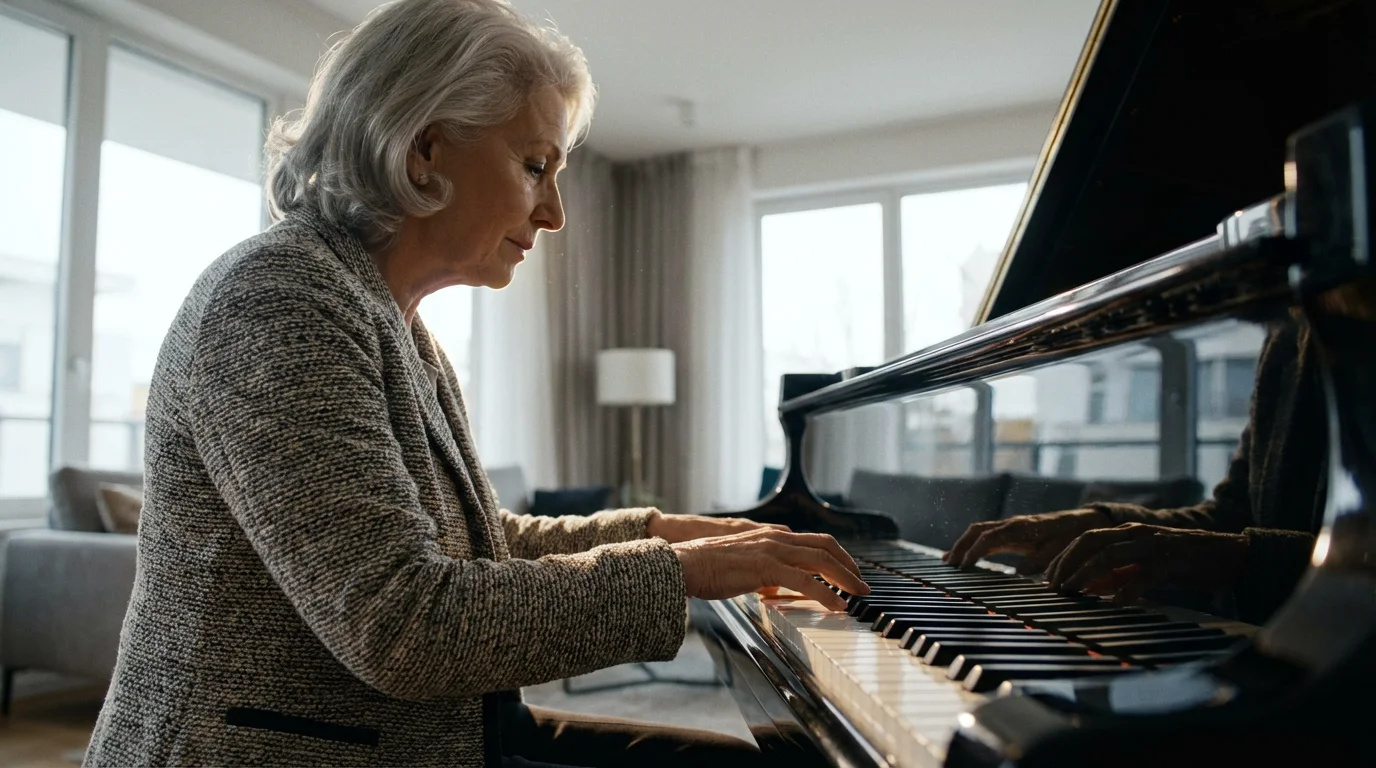
The Harmonic Brain: The Science Behind Musical Mastery
Engaging with music offers far more than just aesthetic pleasure. Scientific research consistently reveals the extraordinary health benefits of playing music in retirement. It actively engages multiple areas of your brain simultaneously, creating a powerful cognitive workout.
Similarly, mastering a new language provides significant cognitive stimulation and helps maintain mental agility throughout your later years.
Studies from institutions like the National Institute on Aging show that playing an instrument enhances memory, improves attention span, and boosts problem-solving skills. When you read music, your visual cortex activates. As you interpret rhythm and harmony, your temporal lobe engages. Your motor cortex coordinates the intricate movements of your hands and fingers, whether you are playing piano, strumming a guitar, or drawing a bow across strings. This holistic brain exercise helps maintain cognitive sharpness and protects against age-related decline.
Beyond cognitive advantages, music serves as a potent antidote to stress and anxiety. The act of creating music releases endorphins, elevating your mood and fostering a sense of calm. Regular practice provides a structured, joyful activity that enriches your daily routine, promoting emotional well-being and a positive outlook. You build resilience and reduce feelings of isolation by engaging in this expressive art form.
The health benefits of playing music in retirement extend to your physical coordination. Learning an instrument often requires precise fine motor skills and hand-eye coordination. This sustained engagement refines dexterity, flexibility, and overall physical control, contributing to your physical health and independence. You invest in your overall well-being with every note you play.
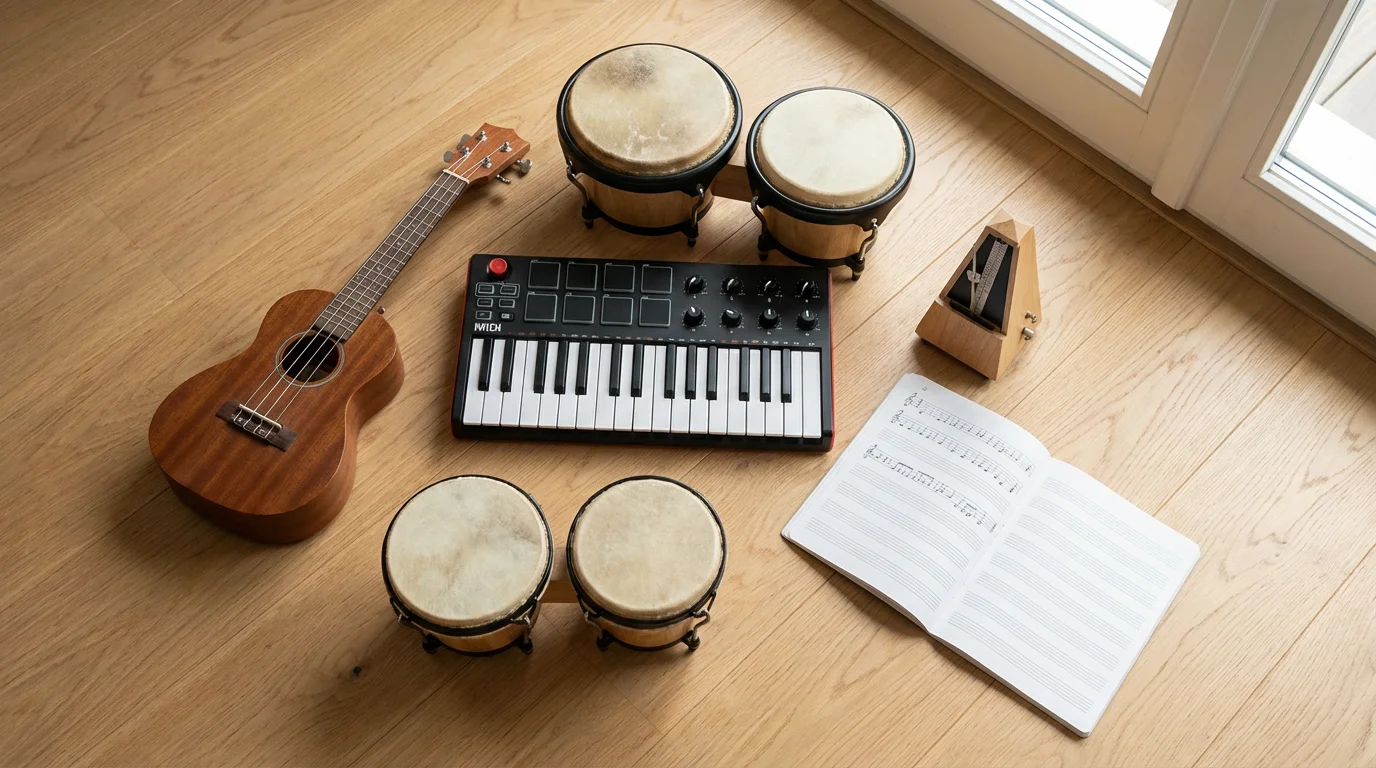
Finding Your Perfect Pitch: Choosing Your Instrument
The vast world of musical instruments offers an exciting array of choices. Selecting the right instrument involves considering your interests, physical capabilities, and practical circumstances. There is no single “easiest” instrument for everyone, as individual preferences and learning styles play a significant role. However, some instruments are often recommended for beginners, particularly for those wondering what is the easiest musical instrument to learn as a senior.
Choosing an activity that matches your spirit is an essential step in crafting a fulfilling retirement full of excitement and discovery.
Before purchasing gear, ensuring you have a handle on financial literacy will help you budget for instruments and professional lessons.
Many seniors find joy in instruments that offer immediate gratification and accessible learning curves. The ukulele, for instance, has soft nylon strings and requires less finger strength than a guitar, making it approachable. Recorders or harmonicas also provide a low-cost, portable entry into music with relatively quick progress for simple melodies. For those drawn to keyboards, playing piano on a digital model can be an excellent start, offering volume control, headphone options, and various sounds.
Consider these factors when making your selection:
- Your Musical Taste: Choose an instrument whose sound genuinely excites you. Do you love the rich tones of a cello, the versatility of a guitar, or the expressive range of a piano?
- Physical Comfort: Assess any physical limitations. Arthritis or joint pain might make a large, heavy instrument challenging. Lighter instruments like a flute or ukulele might be more comfortable.
- Portability and Space: Do you need an instrument you can easily transport for group sessions, or do you have a dedicated space for something larger like a drum kit or a grand piano?
- Cost and Maintenance: Factor in the initial purchase cost, as well as ongoing expenses for lessons, accessories, and potential maintenance. Digital instruments often have lower maintenance costs.
- Learning Resources: Some instruments have abundant online tutorials, method books, and local `music lessons` availability. Both `playing piano` and `guitar lessons` have extensive resources.
Do not be afraid to experiment. Many music stores allow you to try out instruments, or you can rent one for a few months before committing to a purchase. Your journey begins with curiosity and a willingness to explore.
Taking the First Note: Starting Your Music Lessons
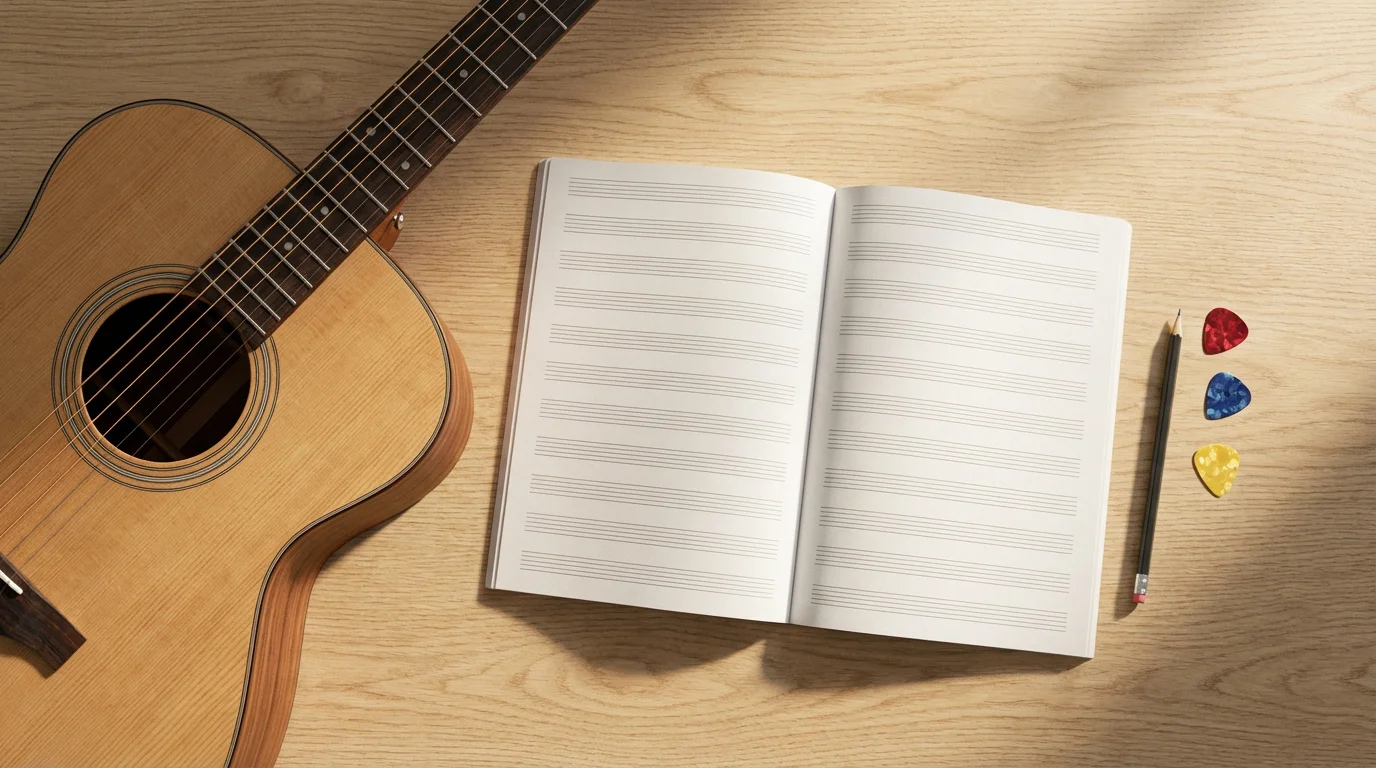
Once you have chosen your instrument, the next crucial step involves finding the right guidance. Formal instruction provides structure, personalized feedback, and motivation, accelerating your progress and ensuring you develop good habits from the start. You gain invaluable insights from an experienced teacher.
Sharing your musical progress with others is a great way of finding community and staying socially active with like-minded peers.
With the right guidance and consistent effort, you will soon develop your musical talents and enjoy the rewards of your hard work.
Much like embarking on culinary adventures in the kitchen, starting music lessons is about exploring new techniques and finding your unique flavor.
Here’s a practical guide to beginning your music lessons:
- Research Local Teachers: Inquire at local music stores, community centers, or schools. Many experienced musicians offer private `music lessons`. Word-of-mouth recommendations from friends or local music groups are also valuable.
- Explore Online Platforms: Websites like TakeLessons, Lessonface, or even YouTube offer a vast array of instructors and self-guided courses. Online lessons provide flexibility and access to teachers worldwide, a great option for `guitar lessons` or `playing piano`.
- Consider Group Classes: Community colleges or dedicated music schools often host beginner group classes. These offer a supportive environment, a chance to meet fellow learners, and can be more budget-friendly.
- Schedule a Trial Lesson: Many teachers offer a single trial lesson. Use this opportunity to assess their teaching style, personality, and whether you feel comfortable and inspired by their approach.
- Define Your Goals: Communicate your aspirations to your teacher. Do you want to play for personal enjoyment, join a band, or simply understand music theory? Clear goals help tailor your lessons effectively.
Remember, a good teacher acts as your mentor, guide, and cheerleader. They provide encouragement when you face challenges and celebrate your successes. You embark on a rewarding partnership focused on your musical growth.
Embracing the Journey: Practice, Patience, and Progress
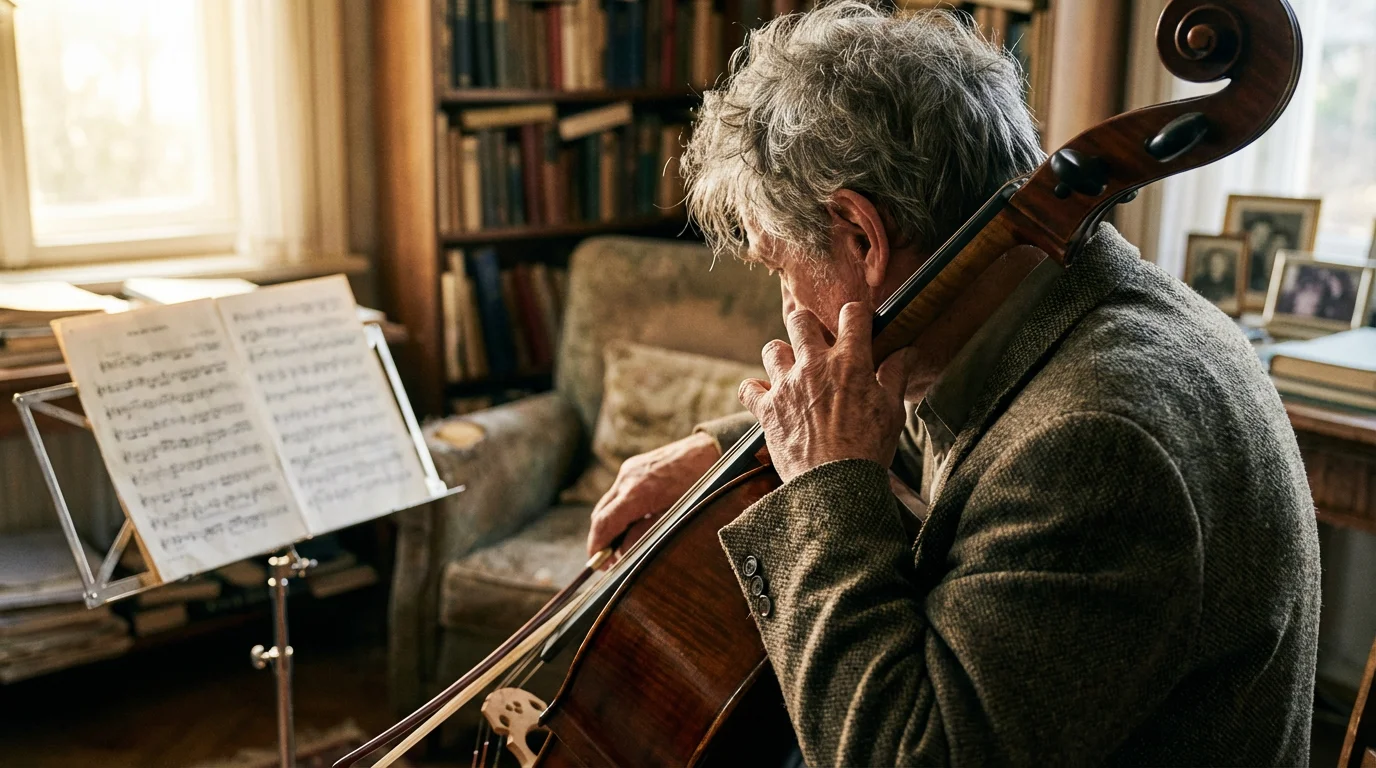
Learning any new skill requires consistent effort, and music is no exception. Developing a regular practice routine is paramount to seeing tangible progress and building confidence. View practice as your dedicated time for creative exploration, not as a chore.
The persistence required to master a complex piece of music is the same dedication needed when discovering your family history through research.
Establish a realistic practice schedule that fits comfortably into your retirement lifestyle. Shorter, more frequent sessions often prove more effective than infrequent, marathon practices. For instance, 15-30 minutes of focused practice each day can yield remarkable results over time. Consistency builds muscle memory and reinforces learned concepts effectively.
Implement these strategies for effective practice:
- Set Small, Achievable Goals: Instead of aiming to master an entire song in one sitting, focus on perfecting a challenging phrase, a new chord, or a specific scale.
- Break Down Complex Pieces: Tackle difficult sections slowly and deliberately. Practice hands separately if `playing piano`, or individual chord changes if taking `guitar lessons`, before combining them.
- Record Yourself: Listen back to your playing. This objective feedback helps you identify areas for improvement and track your progress. You often notice things you miss in the moment.
- Incorporate Fun: Balance technical exercises with playing pieces you genuinely enjoy. This keeps motivation high and reminds you of the joy music brings.
- Be Patient with Yourself: Learning is a process with ups and downs. There will be frustrating moments, but persistence always pays off. Celebrate every small victory, from a perfectly played scale to a tricky chord transition.
Your musical journey is unique, and progress will unfold at your own pace. Trust the process, embrace the learning curve, and allow yourself the grace to grow. Each practice session brings you closer to your musical aspirations.
Beyond the Score: Music, Community, and Connection
While the personal joy of playing an instrument is immense, music also offers incredible opportunities for connection and community. Sharing your musical journey with others amplifies the experience, fostering new friendships and enriching your social life. You gain a sense of belonging and shared purpose.
Consider exploring these avenues for musical connection:
- Join a Community Band or Orchestra: Many towns and cities host ensembles welcoming musicians of all skill levels. These groups provide a chance to play alongside others, learn repertoire, and perform for audiences.
- Participate in Jam Sessions: Local music stores, coffee shops, or community centers often organize informal jam sessions. This offers a relaxed environment to play with fellow enthusiasts and explore improvisation.
- Form a Small Group: If you find other learners through your `music lessons` or social circles, consider starting a small duo or trio. Playing with just one or two others can be incredibly rewarding and less intimidating than a larger ensemble.
- Volunteer Your Talents: Once you gain confidence, consider offering your musical skills to local nursing homes, hospitals, or community events. Sharing your music brings joy to others and provides a meaningful outlet for your talent. VolunteerMatch offers opportunities to serve your community.
- Attend Local Concerts and Workshops: Immerse yourself in the local music scene. Attend performances, masterclasses, and workshops to broaden your musical horizons and connect with other musicians.
Music transcends age and background, creating bridges between people. As you continue `playing piano`, honing your `guitar lessons`, or mastering any instrument, you discover a vibrant community eager to share the harmony with you. You build lasting relationships and contribute to the cultural fabric of your community.
Frequently Asked Questions
Is it really possible to learn an instrument at my age?
Absolutely. Research consistently shows that the brain retains neuroplasticity throughout life, meaning it can form new neural connections and learn new skills at any age. Your motivation, dedication, and a good teacher contribute far more to success than your birth year. Many individuals start `music lessons` in retirement and achieve impressive proficiency and deep enjoyment.
How much time should I dedicate to practice?
Consistency matters more than duration. Aim for 15-30 minutes of focused practice daily, or at least 4-5 times a week. This regular engagement helps build muscle memory and reinforces learning more effectively than longer, infrequent sessions. Adapt your practice schedule to fit your lifestyle, ensuring it remains enjoyable and sustainable.
What are the best resources for finding music lessons?
Begin by checking local music schools, community centers, and college extension programs. Online platforms like TakeLessons, Lessonface, or YouTube also offer a wide array of instructors and self-paced courses, especially for popular choices like `playing piano` or `guitar lessons`. Ask for recommendations from friends or local musicians. A trial lesson helps you find the right fit.
What are the real health benefits of playing music in retirement?
The `health benefits of playing music in retirement` are extensive. They include enhanced cognitive function, improved memory, better problem-solving skills, and reduced stress and anxiety. Playing an instrument also refines fine motor skills, coordination, and can boost overall mood and emotional well-being. It provides a holistic brain workout and a rewarding creative outlet.
Is a digital piano a good alternative to an acoustic one for playing piano?
Yes, a digital piano is an excellent choice, particularly for seniors and beginners. Digital pianos offer several advantages: volume control for quiet practice with headphones, no need for tuning, a variety of instrument sounds, and often built-in learning tools. They are generally more affordable and require less maintenance than acoustic pianos, making `playing piano` accessible and convenient.
Your retirement chapter is an open score, waiting for your unique composition. By embracing the challenge of learning a musical instrument, you choose to fill your days with harmony, growth, and the exhilarating discovery of your own boundless potential. Pick up that instrument, find your rhythm, and let your extraordinary new life begin.
Disclaimer: This article is for informational and inspirational purposes. Life decisions are deeply personal, and we encourage readers to pursue their dreams while considering their unique circumstances, health, and financial situation.






Leave a Reply