
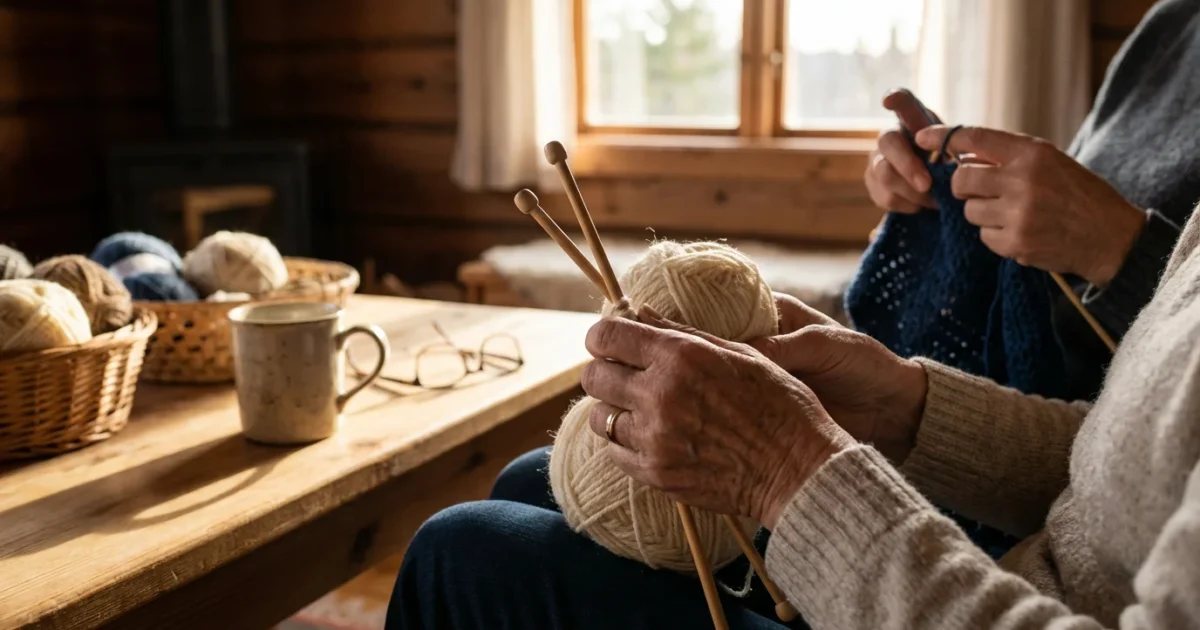
Retirement presents an incredible opportunity to redefine your days, explore new passions, and weave a life rich with purpose and connection. For many, this vibrant new chapter becomes the perfect time to embrace creative pursuits. Knitting and crochet, ancient crafts reimagined for modern hands, offer a powerful blend of comfort, community, and personal expression. They invite you to slow down, create something beautiful, and discover a world of possibilities at your fingertips.
Engaging in fulfilling retirement projects is one of the most effective ways to stay motivated and find joy in your newfound freedom.
You possess a unique chance to turn yarn into art, transforming simple strands into cherished gifts, cozy wearables, or meaningful contributions. This journey is not merely about making stitches; it is about cultivating mindfulness, sharpening cognitive skills, and building a supportive network of fellow makers. Join us as we explore how knitting and crochet can enrich your extraordinary retirement, offering endless avenues for creativity, learning, and connection.

The Art of Yarn: More Than Just a Hobby
Knitting and crochet offer far more than a simple pastime. These crafts provide a tangible way to express yourself, turning abstract ideas into beautiful, functional objects. You engage your mind, your hands, and your artistic sensibilities, fostering a deep sense of accomplishment with every completed project.
Many retirees find that the shift from corporate to creative endeavors provides a fresh sense of identity and personal growth.
If you are looking for other ways to express your inner thoughts, exploring creative writing prompts for retirement can be a wonderful complement to your needlework.
Consider the tactile pleasure of working with different fibers or the satisfying rhythm of repetitive movements. This engagement creates a meditative state, reducing stress and promoting a sense of calm. You are not just making a blanket; you are weaving tranquility into your day.
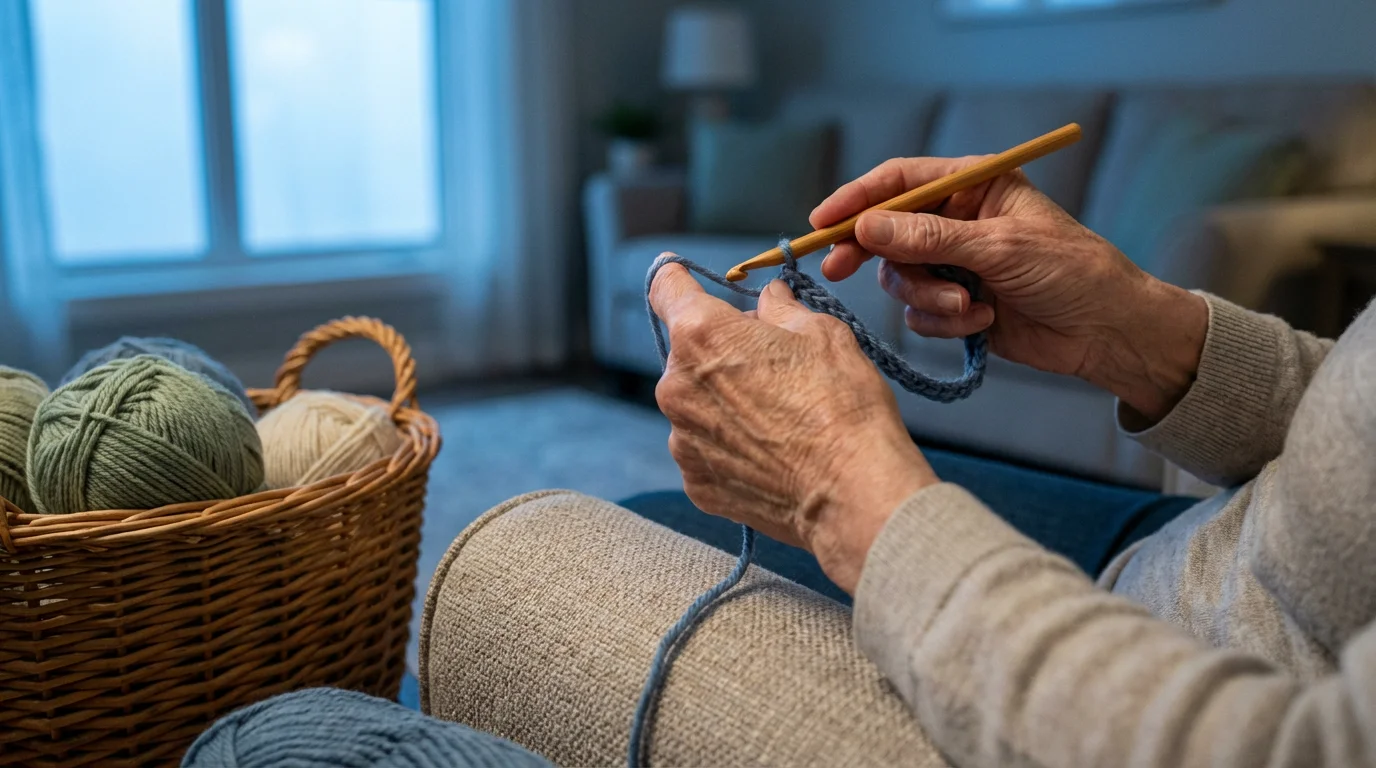
Unlock Your Creativity: Starting Your Yarn Journey
Beginning your adventure with knitting or crochet is exciting and accessible. You do not need prior experience or special talent to start. Many resources exist to guide your first steps, making the learning process enjoyable and rewarding.
Embrace the beginner’s mind. Each stitch you learn builds confidence and opens new creative doors. You will find that perseverance leads to mastery, and every small victory fuels your passion for the craft.
Gathering Your Essential Tools
Starting out requires only a few basic items. You can find these at local craft stores or online retailers. Invest in quality tools to make your learning experience more pleasant.
- Yarn: Choose a smooth, light-colored yarn in a medium weight (worsted or DK). Acrylic is often recommended for beginners because it is affordable and easy to work with.
- Needles (Knitting): Select a pair of straight knitting needles, size US 8 (5.0 mm) or US 9 (5.5 mm). Circular needles also work well for straight projects and offer more flexibility.
- Hooks (Crochet): A crochet hook in size H-8 (5.0 mm) or I-9 (5.5 mm) is a good starting point.
- Accessories: A pair of small scissors, a yarn needle (blunt-tipped, large eye), and a few stitch markers will prove invaluable.
Finding Your First Instructions
Numerous avenues offer excellent guidance for learning. You will discover many resources tailored to visual learners or those who prefer step-by-step written instructions.
- Online Tutorials: YouTube channels provide free video lessons demonstrating basic stitches clearly and slowly. Search for “beginner knitting” or “how to crochet for beginners.”
- Local Classes: Many craft stores, community centers, or libraries offer in-person classes. This provides structured learning and a chance to meet fellow crafters.
- Books and Magazines: Beginner-friendly books offer detailed illustrations and written instructions. Look for titles specifically designed for absolute novices.
- Online Learning Platforms: Websites often provide comprehensive courses, from foundational skills to advanced techniques.
Easy Knitting Projects for Beginners
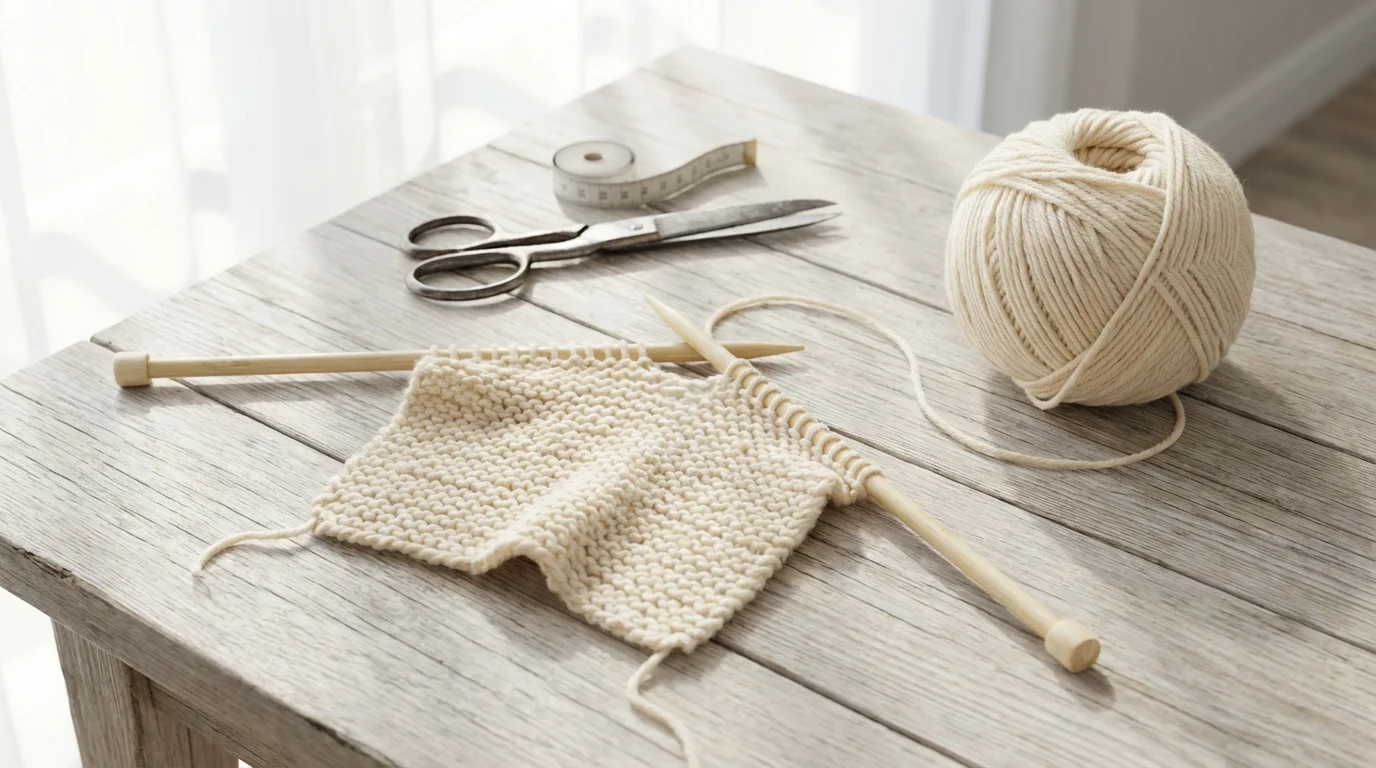
Starting with simple, achievable projects builds confidence and provides quick gratification. You will learn fundamental techniques without feeling overwhelmed. Focus on mastering basic stitches before tackling complex knitting patterns.
These projects allow you to practice casting on, knitting, purling, and binding off. Soon you will possess a foundation for countless future creations. Embrace the journey of learning with these accessible ideas.
- Garter Stitch Scarf: This project requires only the knit stitch, making it the perfect introduction. You simply knit every row, creating a textured, reversible fabric.
- Dishcloths/Washcloths: A square or rectangular cloth helps you practice maintaining even tension and straight edges. You can experiment with basic knit and purl combinations.
- Simple Headband or Ear Warmer: These small projects work up quickly. Many easy knitting patterns for headbands involve knitting a flat rectangle and seaming the ends together.
- Coasters: Crafting small squares helps you get comfortable with different yarn weights and needle sizes. They make excellent gifts too.
- Basic Hat (Knit Flat): Some beginner patterns for hats involve knitting a rectangle and then seaming it into a tube before gathering the top. This avoids working in the round initially.
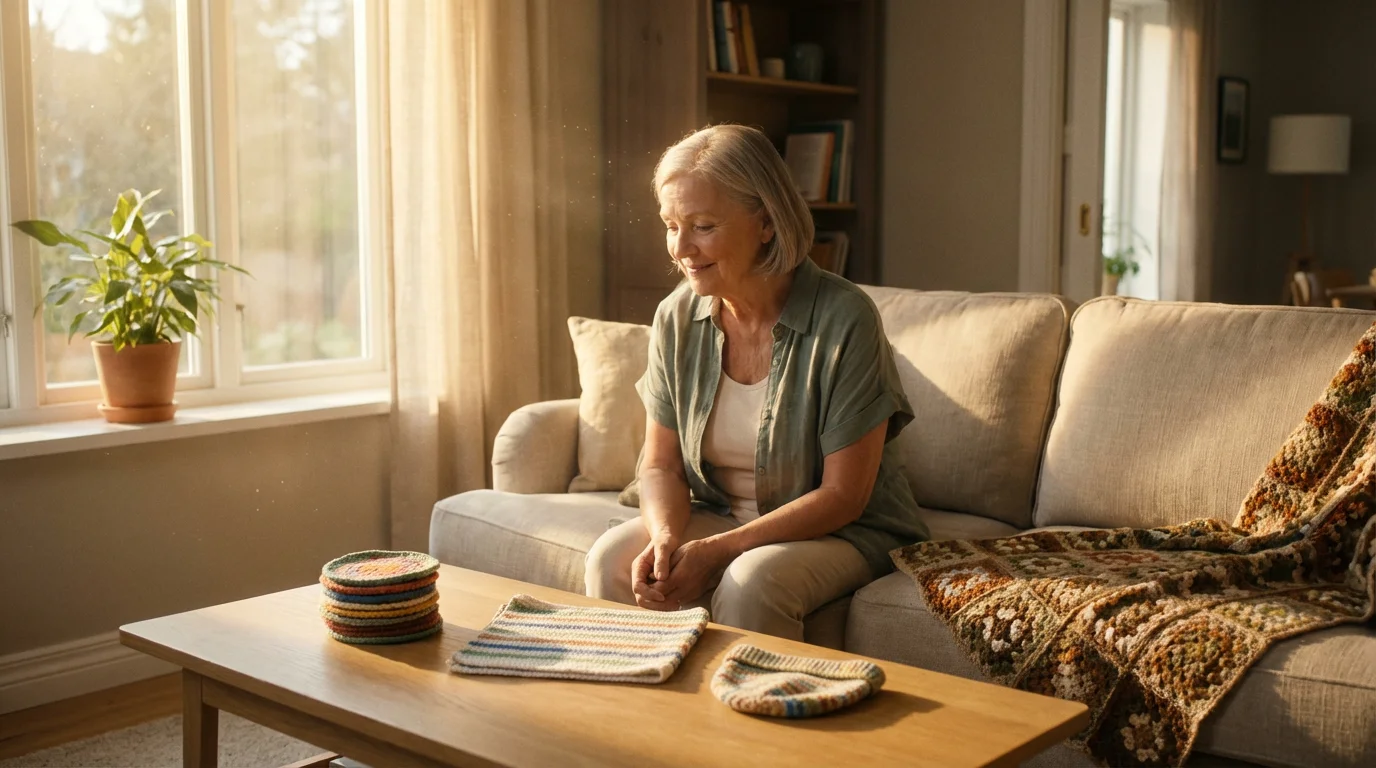
Simple Crochet Projects to Master
Crochet offers a single hook, making it an excellent craft for those who prefer working one stitch at a time. Your initial projects will focus on mastering basic stitches like chain, single crochet, and double crochet. You will quickly discover the versatility and speed of crochet.
These beginner-friendly crochet patterns provide immediate results and help you solidify your foundational skills. Enjoy the satisfaction of seeing your fabric grow stitch by stitch.
- Chain Bracelet/Necklace: This project introduces you to the foundational chain stitch. You can make long chains and wear them as simple, colorful accessories.
- Granny Square: The classic granny square teaches you how to work in the round and combine different basic stitches. You can join multiple squares to create blankets or bags.
- Single Crochet Scarf: Using only the single crochet stitch, you create a dense, sturdy fabric. This project builds your confidence in maintaining consistent tension and straight edges.
- Coffee Cozy: A small, rectangular piece of fabric crocheted to fit around a coffee cup is a quick and useful project. You practice working rows and joining edges.
- Small Basket: Learning to create a flat circular base and then building up the sides introduces you to shaping in crochet. Use a sturdy yarn for best results.
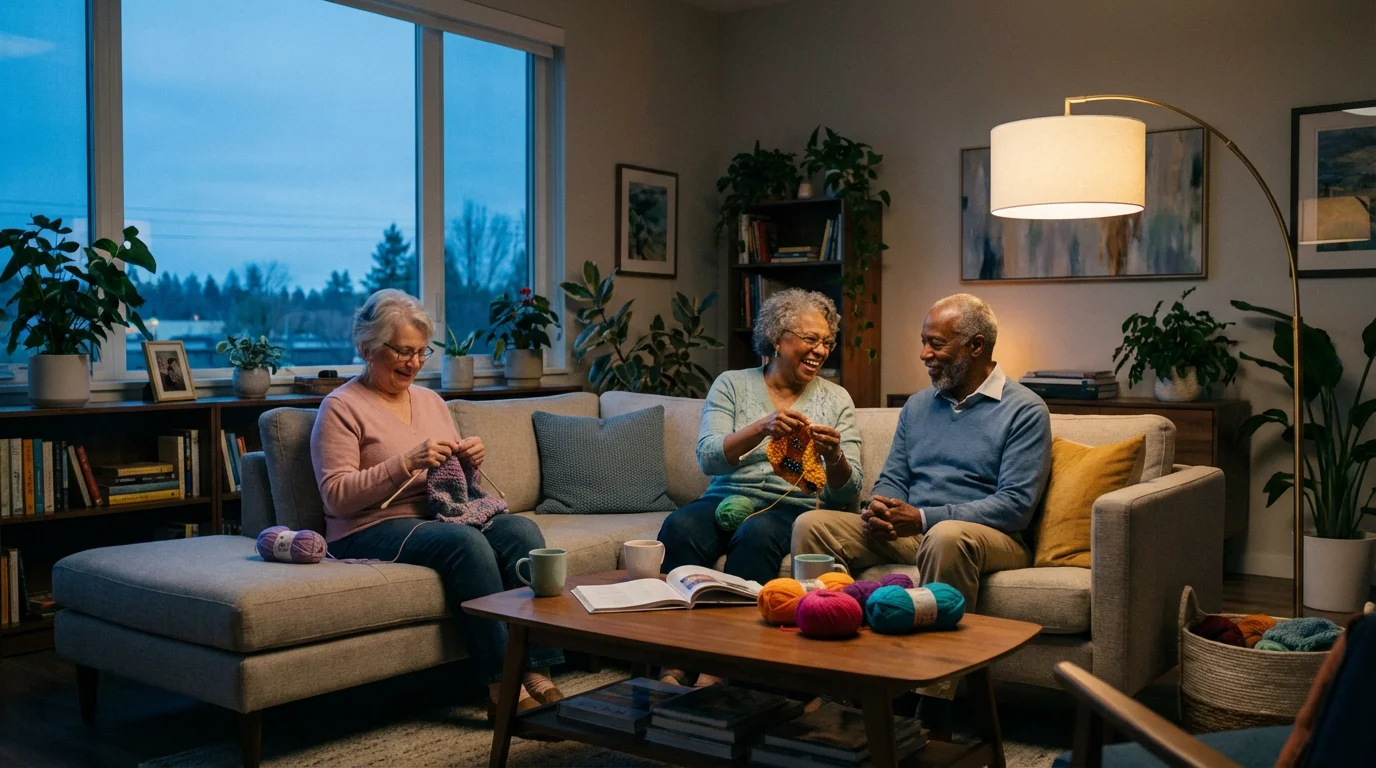
Connecting Through Yarn: Building Community
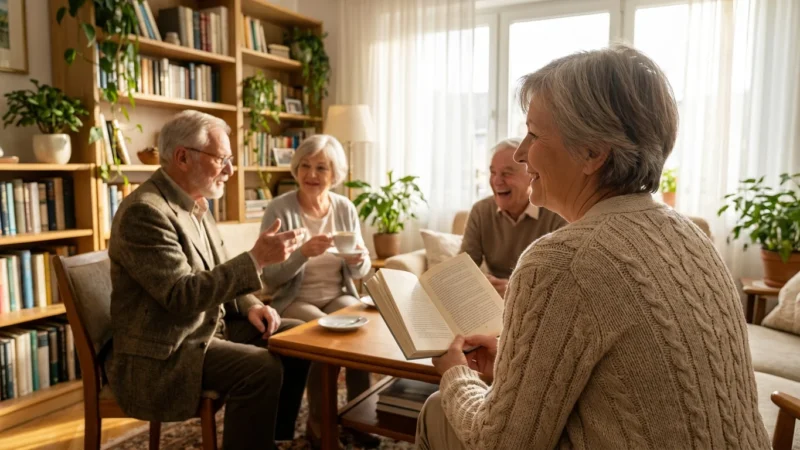
One of the most enriching aspects of knitting and crochet in retirement is the vibrant community you discover. Sharing your passion with others fosters friendships, provides support, and creates a sense of belonging. You will find inspiration and encouragement among fellow crafters.
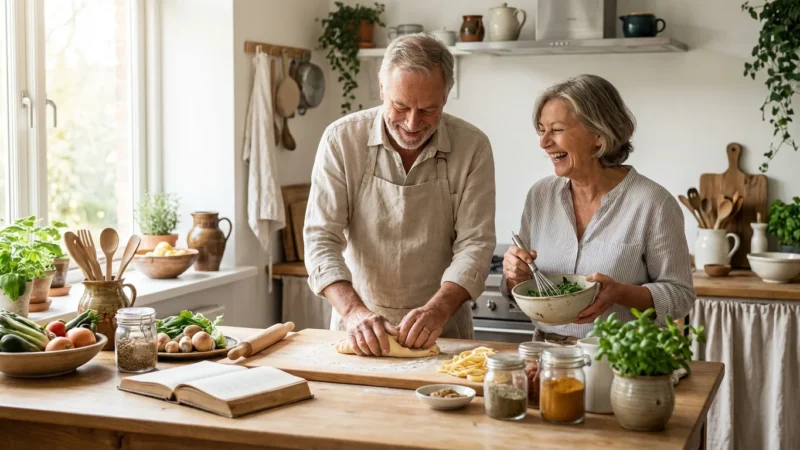
Similar to the camaraderie of a knitting circle, mastering new culinary skills offers a delicious way to bond with others and share your retirement journey.
Seek out opportunities to connect, whether in person or online. These connections extend beyond the craft itself, enriching your social life and expanding your horizons. Building a network of like-minded individuals is a powerful way to enhance your retirement experience.
How to Join a Knitting Circle or Crochet Group
Finding a local group is easier than you might think. These circles offer a welcoming environment to learn, share, and socialize. You will quickly integrate into a supportive network.
- Local Yarn Stores (LYS): Many LYS host regular “stitch and bitch” or “knit night” events. These are often free or have a small fee.
- Community Centers and Libraries: Check their schedules for crafting groups or workshops. They frequently offer free or low-cost options for seniors.
- Online Forums and Social Media: Platforms like Ravelry, Facebook groups, and Reddit communities connect crafters worldwide. You can find virtual meet-ups or discover local groups.
- Meetup.com: Search for knitting or crochet groups in your area. This platform specifically helps people find local interest groups.
- Friends and Family: Ask around! You might discover that friends or acquaintances are already part of a group or would like to start one with you.
Beyond the Basics: Advanced Techniques and Inspiration
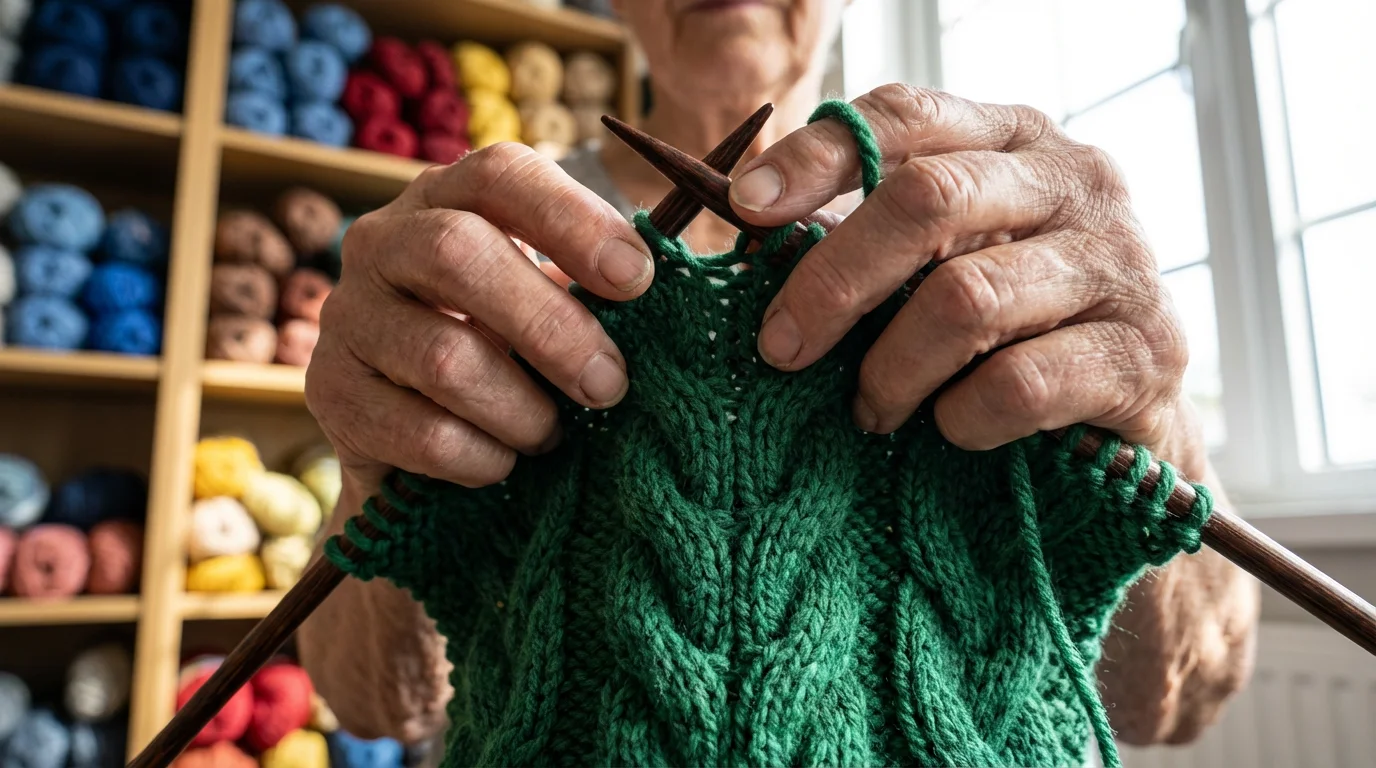
Once you master the fundamentals, a vast world of advanced techniques and intricate knitting patterns or crochet patterns awaits you. Your creativity knows no bounds. This continuous learning keeps your mind active and engaged, fostering a sense of perpetual growth.
For those who develop a significant collection of work, starting an Etsy shop can turn your hobby into a rewarding small business.
Challenge yourself with new stitches, complex colorwork, or larger, more elaborate projects. The journey of skill development is a rewarding part of the craft, constantly offering fresh goals and exciting discoveries.
- Colorwork: Explore techniques like Fair Isle, intarsia, or mosaic knitting/crochet to create stunning designs with multiple colors.
- Lace and Cables: Learn to create delicate, openwork patterns or bold, textural cables that add sophistication to your projects.
- Garment Construction: Move beyond scarves and blankets to knit or crochet sweaters, cardigans, and intricate shawls. Understanding garment fit becomes a new challenge.
- Amigurumi: Dive into the world of crocheted stuffed animals and characters, a popular and charming subset of crochet.
- Designing Your Own Patterns: With experience, you can begin to design your own knitting patterns or crochet patterns, translating your unique vision into reality. This requires understanding stitch counts, gauge, and shaping.
Giving Back: Yarn Crafts for Charity
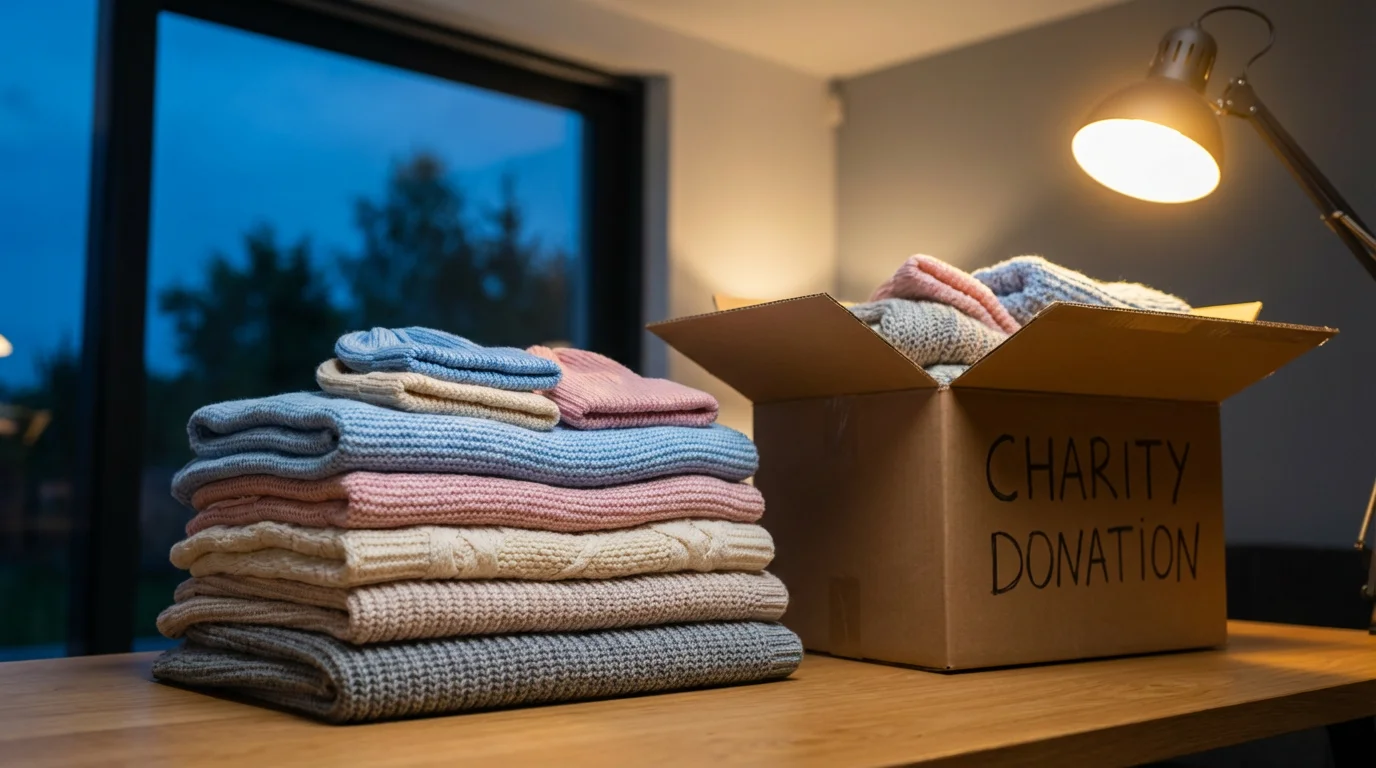
Your passion for knitting and crochet can extend beyond personal enjoyment to make a significant difference in the lives of others. Many organizations welcome handmade items, offering a tangible way to give back to your community and beyond. This purposeful crafting adds another layer of meaning to your retirement.
Teaching these crafts to younger generations is another powerful way of building intergenerational bridges while sharing your skills.
Contributing to a cause you care about provides immense satisfaction. You turn your creative energy into warmth, comfort, and kindness for those in need. Your stitches become acts of compassion, demonstrating the power of handmade generosity.
- Hospitals and Neonatal Units: Many hospitals accept knitted or crocheted blankets, hats, and booties for newborns, especially premature babies. Check local hospital guidelines for specific needs and yarn requirements.
- Homeless Shelters: Scarves, hats, mittens, and warm blankets are always in demand, providing essential comfort during colder months.
- Nursing Homes and Senior Centers: Lap blankets, shawls, and soft throws offer warmth and a touch of personalized care to residents.
- Chemo Caps for Cancer Patients: Soft, comfortable hats are greatly appreciated by individuals undergoing chemotherapy, offering warmth and a sense of dignity.
- Animal Shelters: Crocheted or knitted blankets and toys provide comfort for sheltered animals awaiting adoption. Ensure the materials are pet-safe.
Before you begin, always contact the organization directly to inquire about their specific donation needs, acceptable yarn types, and drop-off procedures. This ensures your beautiful creations go where they are most needed and comply with any health or safety standards.
Benefits Beyond the Stitch: Mind, Body, and Spirit
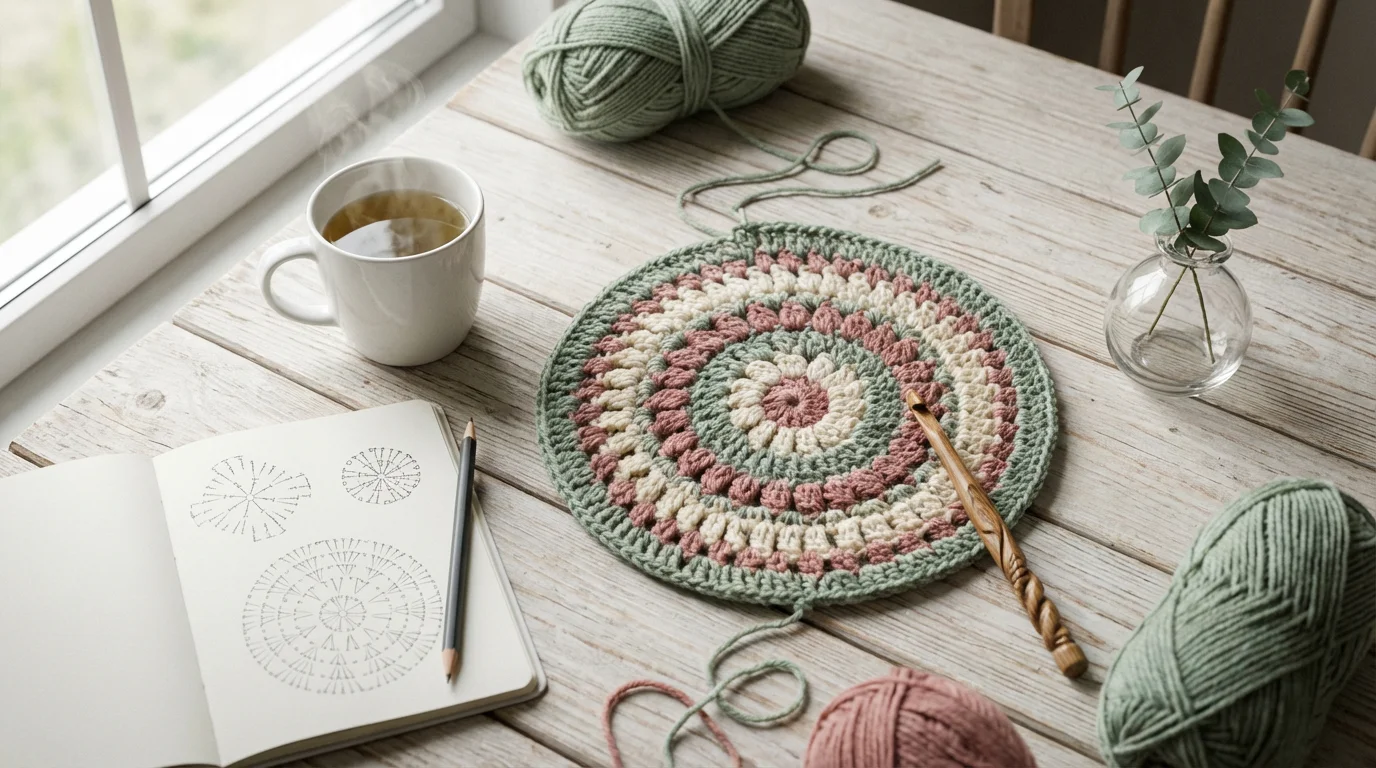
The advantages of engaging in knitting and crochet extend far beyond the finished product. These crafts offer profound benefits for your overall well-being in retirement. You invest in your health, happiness, and cognitive vitality with every stitch.
Much like gardening for the soul, working with yarn allows you to cultivate patience and witness the tangible results of your care.
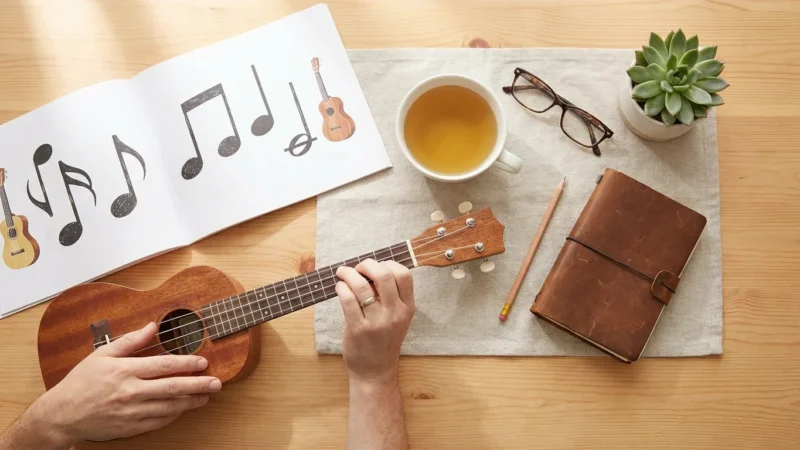
The discipline and cognitive focus required for crafting are very similar to the benefits of learning a musical instrument later in life.
Embrace these activities as a holistic practice for a thriving, vibrant retirement. Your hands create, your mind engages, and your spirit finds peace, demonstrating that your best years are truly ahead.
- Cognitive Boost: The intricate process of following patterns, counting stitches, and problem-solving helps maintain sharp cognitive function. Studies suggest engaging in complex tasks can support brain health as you age. The National Institute on Aging emphasizes how staying mentally active supports brain health.
- Stress Reduction and Mindfulness: The repetitive motion of knitting or crocheting induces a meditative state, reducing anxiety and promoting relaxation. You focus on the present moment, offering a respite from daily worries.
- Enhanced Fine Motor Skills: Regular use of your hands and fingers keeps them nimble and improves dexterity. This can help maintain overall hand health and coordination.
- Sense of Purpose and Accomplishment: Completing a project, no matter how small, provides a powerful feeling of achievement. This consistent positive reinforcement boosts self-esteem and provides a meaningful routine. Psychology Today notes that finding purpose in activities, such as creative pursuits, significantly contributes to overall well-being.
- Social Connection: Joining a knitting circle or online community combats isolation, fostering friendships and a sense of belonging. Human connection is vital for emotional well-being.
- Creative Expression: You have an endless canvas to express your unique style through color, texture, and design. This outlet for creativity is deeply satisfying.
Frequently Asked Questions
Is knitting or crochet easier to learn?
Many find crochet slightly easier to begin with because you only manage one live stitch on a single hook, rather than multiple stitches on two needles. However, both crafts are very accessible for beginners, and your preference might depend on whether you are a visual or kinesthetic learner. Patience and practice are key to mastering either.
What are easy knitting projects for beginners?
Excellent easy knitting projects include garter stitch scarves, dishcloths, simple headbands, and knitted coasters. These projects primarily use the knit stitch and sometimes the purl stitch, allowing you to practice fundamental techniques without complex shaping or stitch patterns. Look for patterns labeled “beginner” or “easy.”
How can I join a knitting circle in my area?
You can find knitting circles by checking with local yarn stores, community centers, and libraries, as they often host regular groups. Online platforms like Meetup.com, Facebook groups, or the Ravelry forums also list local and virtual crafting communities. Do not hesitate to reach out and inquire about joining; most groups are very welcoming to new members.
What are the health benefits of knitting and crochet?
Knitting and crochet offer numerous health benefits, including stress reduction, improved fine motor skills, and enhanced cognitive function. The repetitive motions can be meditative, reducing anxiety and promoting mindfulness. Engaging in pattern following and problem-solving helps keep your brain active, supporting cognitive vitality as you age.
Disclaimer: This article is for informational and inspirational purposes. Life decisions are deeply personal, and we encourage readers to pursue their dreams while considering their unique circumstances, health, and financial situation.
Leave a Reply