
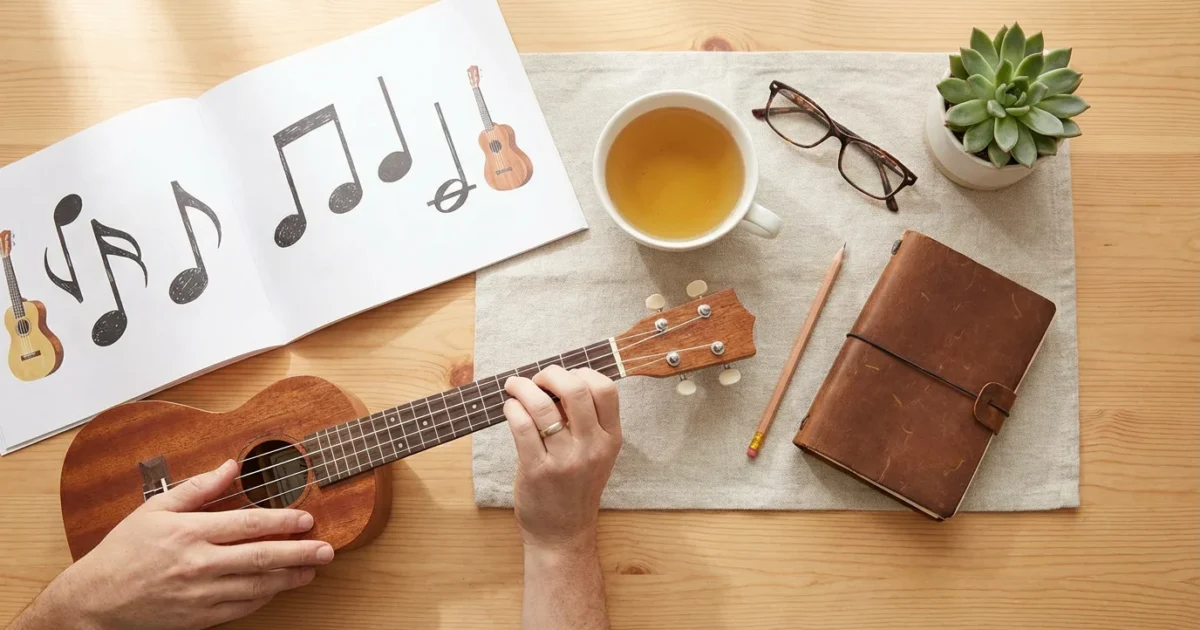
Retirement unfolds as a grand symphony, offering you a unique chance to compose new chapters and explore untapped potential. Many envision this time for travel, hobbies, or quiet reflection. Yet, for a growing number, retirement marks the perfect moment to embrace a long-held dream: learning a musical instrument. You possess the time, the wisdom, and the vibrant spirit to make music a profound part of your life.
This journey into music is more than just picking up an instrument. It is an exploration of self, a boost for your brain, and a gateway to new communities. You stand at the precipice of a fulfilling adventure, ready to fill your retirement with the rich, resonant tones of a new passion.
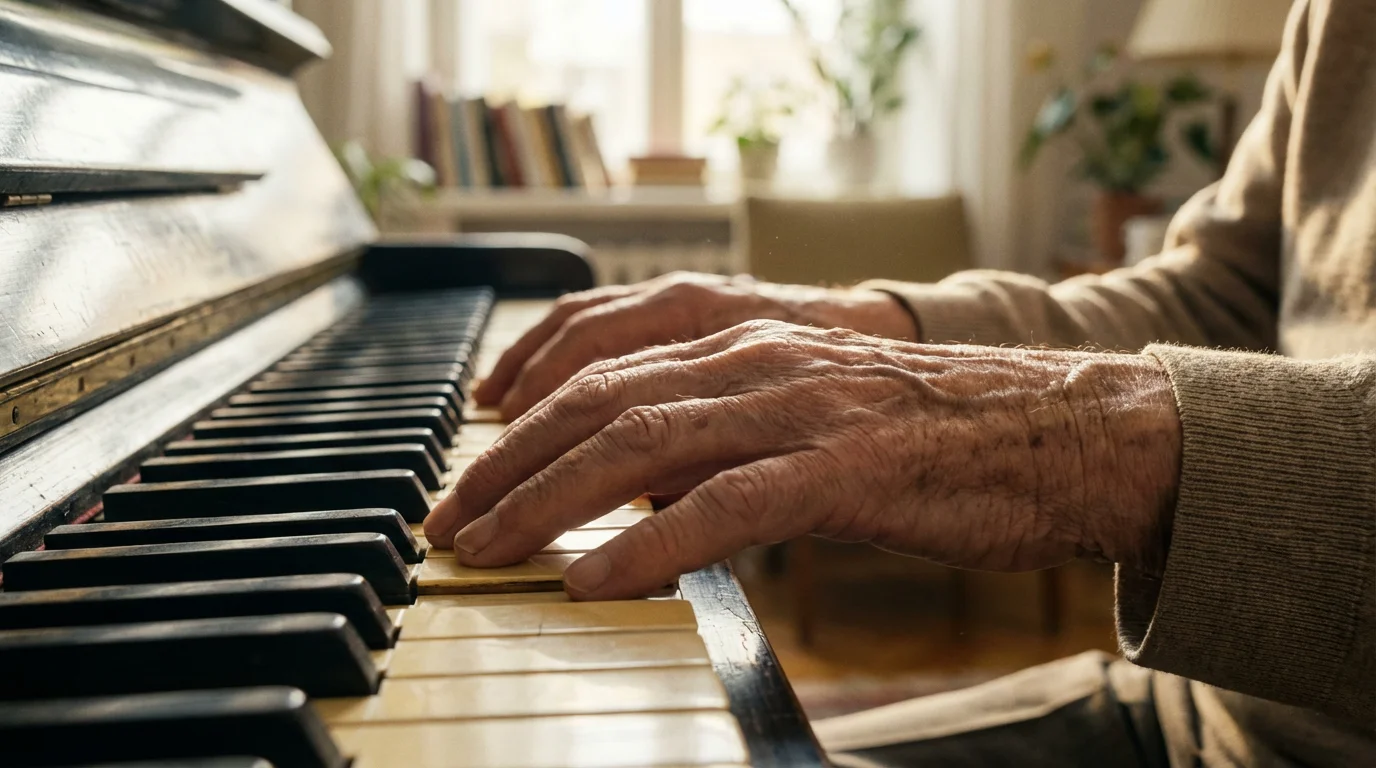
Your Encore Melody: Why Retirement is the Perfect Time for Music
Retirement offers an unparalleled opportunity for personal growth and the pursuit of passions deferred. Imagine filling your days with the satisfaction of learning a new skill, creating beautiful sounds, and challenging yourself in exhilarating ways. Learning a musical instrument provides all of these benefits and more, transforming your retirement into a vibrant, melodious experience.
This phase of life is an ideal time for reinventing yourself in retirement by transitioning from professional duties to artistic discovery.
Much like the discipline and joy found in creative cooking, learning an instrument allows you to create something beautiful from scratch.
You may recall childhood dreams of playing the piano or strumming a guitar. Perhaps you always admired musicians but never felt you had the time or talent. Retirement dismantles these old beliefs. Now, with more flexible schedules and a renewed sense of purpose, you can dedicate yourself to a creative endeavor that nourishes your soul and sharpens your mind. This is your encore, and you get to write the music.
“It is never too late to be what you might have been.” — George Eliot
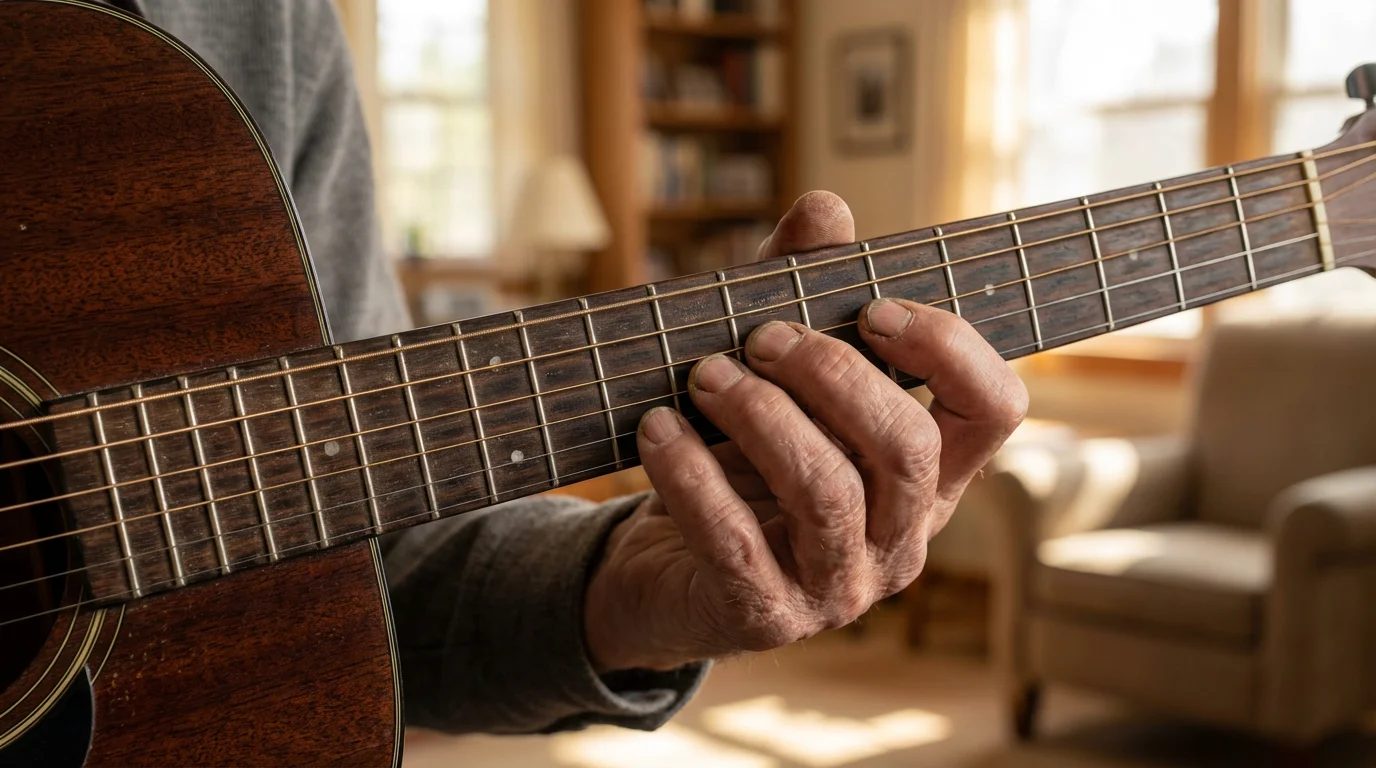
Unlocking Cognitive Harmony: The Brain Benefits of Learning Music
Engaging with musical instruments offers remarkable cognitive advantages, actively exercising your brain in multiple complex ways. Research consistently demonstrates the positive impact of music on brain health, especially for older adults. You strengthen neural pathways, enhance memory, and improve problem-solving abilities simply by picking up an instrument.
Understanding the link between harmony and brainpower can provide further motivation to stay consistent with your practice.
Studies show that learning music can improve auditory processing, fine motor skills, and even language capabilities. The National Institute on Aging highlights how engaging in complex, novel activities, like learning music, contributes to cognitive vitality. You are not just creating sound; you are building resilience in your brain.
The act of playing combines reading music, listening, coordinating movements, and expressing emotion. This multi-faceted engagement provides a comprehensive mental workout. Consider these specific cognitive benefits:
- Enhanced Memory: You memorize notes, rhythms, and song structures, giving your memory a consistent, enjoyable workout.
- Improved Focus: Concentrating on a piece of music demands sustained attention, sharpening your ability to focus amidst distractions.
- Increased Neuroplasticity: Your brain adapts and forms new connections, a crucial process for maintaining cognitive flexibility as you age.
- Better Problem-Solving: You decode complex musical passages, troubleshoot mistakes, and interpret pieces, all of which hone your analytical skills.
Beyond cognitive benefits, the emotional uplift from playing music is profound. It provides a unique form of expression, stress relief, and a deep sense of accomplishment. This blend of mental stimulation and emotional well-being truly makes learning music a form of beneficial `music therapy` for your retirement years.
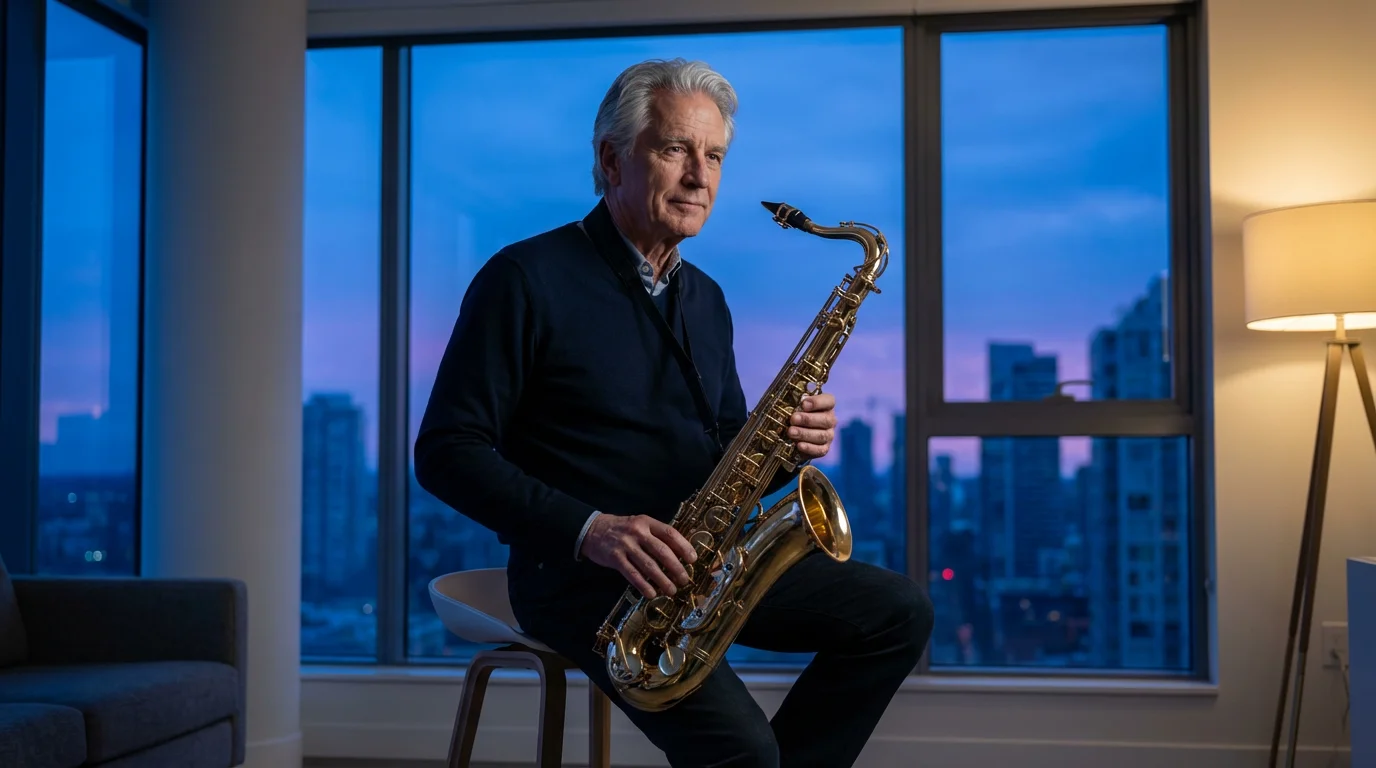
Finding Your Rhythm: Choosing the Best Musical Instrument for You
Selecting the ideal `musical instrument` is a deeply personal decision, influenced by your interests, physical comfort, and musical aspirations. There is no single “best” instrument, only the best one for you. Take time to explore different sounds and consider what truly resonates with your spirit. This choice sets the foundation for your harmonious retirement.
If you find that your interests lean more toward visual expression, you might consider mastering photography in retirement to document your creative journey.
If you enjoy the intersection of technology and art, you might also find fulfillment in exploring digital art in retirement.
When considering the `best musical instrument to learn`, ask yourself these questions:
- What music do you love? If you adore jazz, a saxophone or piano might appeal. If folk music captures your heart, a guitar or ukulele could be perfect.
- What are your physical capabilities? Some instruments, like a harp, require significant finger dexterity, while others, like percussion, might use broader movements. Consider comfort and accessibility.
- What is your budget? Instrument costs vary widely. Ukuleles are generally inexpensive, while grand pianos represent a significant investment. Rentals often provide a great starting point.
- Do you prefer solo or group play? Certain instruments, like the piano, excel as solo instruments, while others, like orchestral strings, naturally invite ensemble playing.
Explore some popular `musical instruments` often chosen by adults later in life:
- Piano/Keyboard: Offers immediate gratification with clear sound production and a logical layout. Digital keyboards are portable and allow for silent practice with headphones.
- Guitar: Versatile and widely loved, perfect for accompanying singing or playing various genres. Acoustic guitars are accessible, and many online resources exist.
- Ukulele: Easy on the fingers, relatively inexpensive, and known for its cheerful sound. It has a gentle learning curve, making it perfect for beginners.
- Voice: Your own instrument, always with you! Voice lessons improve breath control, posture, and confidence. You can sing in choirs or pursue solo endeavors.
- Wind Instruments (Flute, Clarinet, Saxophone): Require breath control and finger dexterity but offer rich expressive possibilities. Consider a beginner-friendly model.
- Percussion (Drums, Hand Drums): Excellent for rhythm, stress release, and coordination. Electronic drum kits allow for quiet practice.
Do not feel limited by traditional choices. Explore world instruments, synthesisers, or even digital music creation software. The goal is to find an instrument that ignites your curiosity and joy.
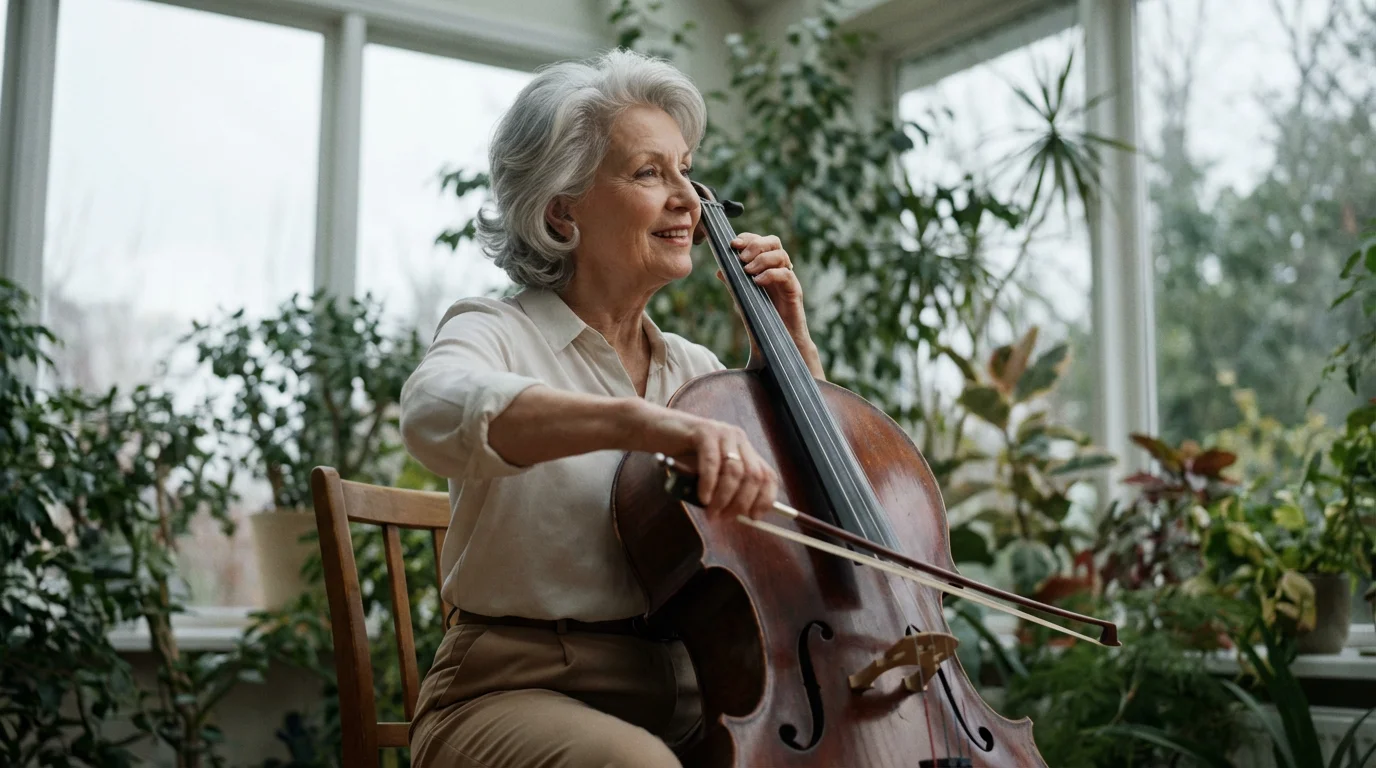
The Path to Mastery: Practical Steps to Begin Your Musical Journey
Embarking on a musical journey requires a blend of inspiration and practical planning. You have chosen your instrument; now it is time to map out your learning strategy. Remember, this is about joyful exploration, not perfection. Start small, celebrate every milestone, and embrace the learning process.
Here are actionable steps to guide you from beginner to accomplished musician:
- Set Realistic Goals: Do not expect to play like a virtuoso overnight. Start with simple pieces, master basic chords, or learn a few scales. Your first goal might be playing one full song.
- Find a Great Teacher: A good instructor provides personalized feedback, proper technique, and motivation. Ask for recommendations from local music stores, community centers, or online forums. Look for someone experienced in teaching adults.
- Explore Learning Resources: Beyond private lessons, consider online tutorials, apps, and self-study books. Many platforms offer structured courses for beginners. These can supplement your formal lessons or serve as your primary learning tool.
- Establish a Practice Routine: Consistency triumphs over long, sporadic sessions. Aim for 15-30 minutes daily rather than one two-hour session weekly. Integrate practice into your daily schedule, making it a natural part of your routine.
- Join a Beginner’s Group: Some music schools or community centers offer group lessons specifically for adults or `senior music` enthusiasts. This provides a supportive environment and builds camaraderie.
- Be Patient and Persistent: You will encounter challenges, plateaus, and moments of frustration. This is a normal part of any learning process. Remind yourself of your initial motivation and celebrate small victories.
- Record Your Progress: Occasionally record yourself playing. It helps you objectively assess your progress and can be incredibly motivating to see how far you have come.
Regarding `how to find music lessons`, look at local music schools, university extension programs, or community arts centers. Websites like Yelp or Google Maps can help you find instructors in your area, and many teachers now offer online lessons, expanding your options significantly. Remember to ask about introductory packages or trial lessons.
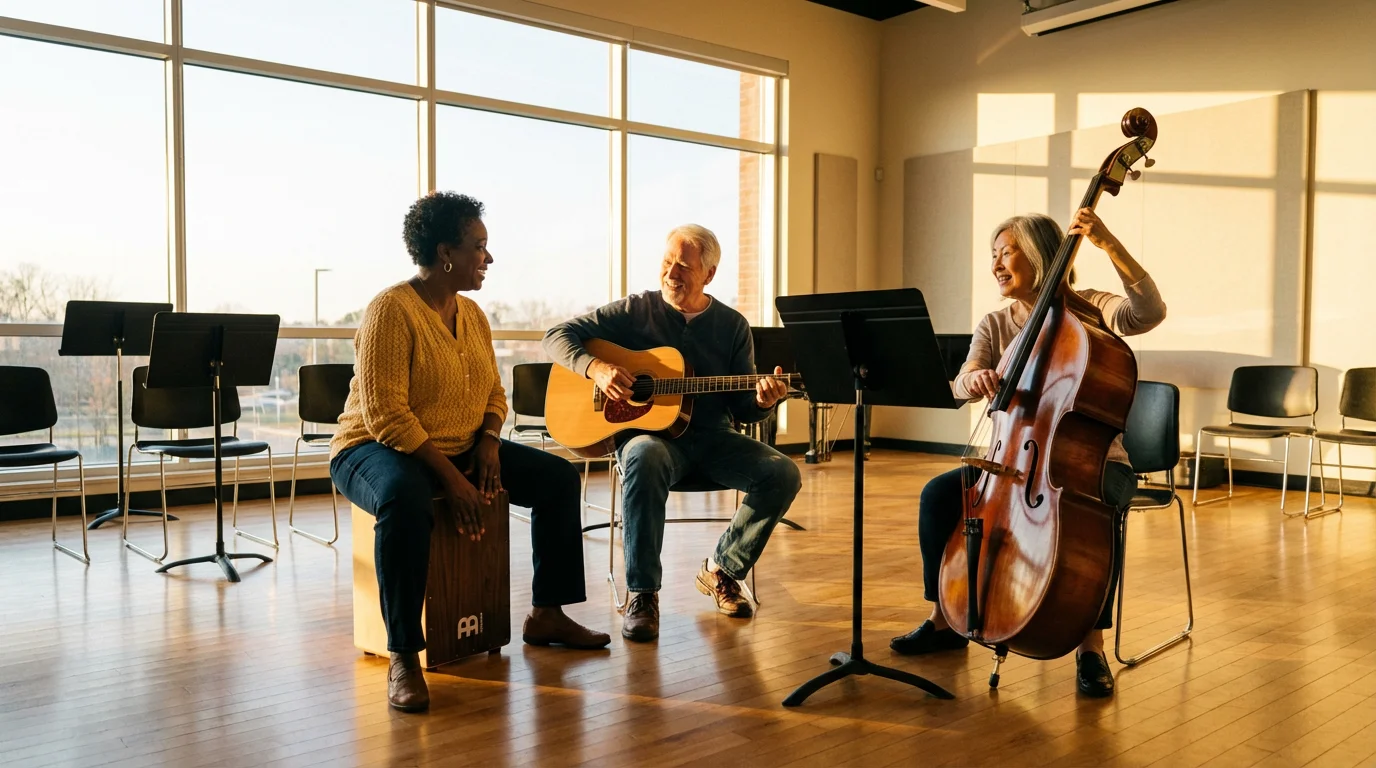
Connecting Through Chords: Building Community with Music
Learning a `musical instrument` is often a deeply personal endeavor, but it also opens doors to vibrant social connections. You move beyond individual practice into shared experiences, finding camaraderie with fellow musicians who understand your passion. This sense of belonging enriches your retirement and combats isolation, a benefit AARP frequently highlights as crucial for well-being.
The introspection required to play music often goes hand-in-hand with seeking wisdom in retirement through other intellectual pursuits.
Musical groups often provide a similar sense of shared accomplishment found in knitting and crochet communities.
Music provides a universal language for connection. Joining a group or performing for others fosters a unique bond that transcends words. Consider these avenues for building community:
- Community Choirs and Bands: Many towns have choirs, concert bands, or jazz ensembles specifically for adults or seniors. These groups welcome various skill levels and provide a regular social outlet.
- Jam Sessions and Open Mics: For more informal interaction, seek out local jam sessions or open mic nights. You can perform, listen, and connect with other local musicians in a relaxed setting.
- Music Clubs and Workshops: Look for clubs focused on specific genres or instruments. Workshops offer intensive learning experiences and networking opportunities.
- Volunteer Performances: Share your talents at local nursing homes, hospitals, or community events. This gives you a performance outlet and brings joy to others.
- Online Music Communities: Digital forums and social media groups connect musicians worldwide. You can share progress, ask for advice, and even collaborate on projects remotely.
These connections not only enhance your musical journey but also contribute significantly to your overall happiness and sense of purpose. You find new friends, share laughter, and create beautiful music together, truly making `senior music` a community endeavor.
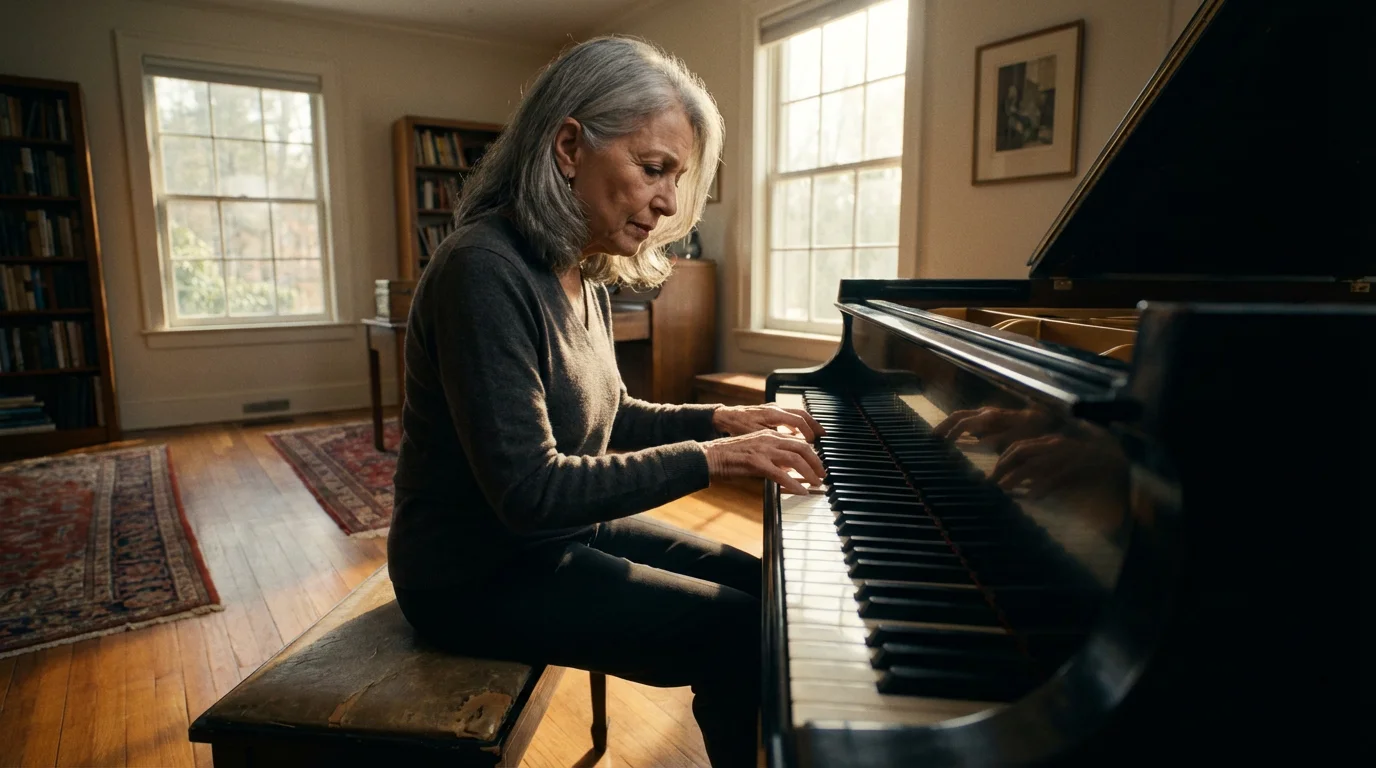
Beyond the Notes: The Joy of Lifelong Musical Exploration
Your musical journey does not culminate in mastering one song or one instrument. It evolves into a lifelong adventure of discovery, creativity, and self-expression. Retirement provides the perfect canvas for continuous exploration, allowing you to deepen your understanding of music and expand your artistic horizons. The joy comes not just from playing, but from the endless possibilities that music offers.
To further explore your self-expression, consider using creative writing prompts to journal about your musical milestones.
Embrace the ongoing process of learning. Perhaps you will learn to compose your own melodies, arrange existing pieces, or explore music theory. You might pick up a second instrument, delving into different sonic textures and challenges. The beauty of `senior music` lies in its infinite capacity for personal growth and enjoyment, without the pressures of professional performance.
Consider these pathways for continued musical growth:
- Explore New Genres: If you started with classical, try jazz. If folk is your foundation, delve into blues. Broadening your musical palate keeps your skills fresh and your interest piqued.
- Learn Music Theory: Understanding the structure of music enriches your playing and allows for deeper improvisation and composition. Many excellent resources, both online and in person, exist for this.
- Attend Concerts and Performances: Immerse yourself in live music. Observing skilled musicians and experiencing diverse styles can inspire your own practice and appreciation.
- Teach or Mentor: Once you gain proficiency, consider sharing your knowledge with others. Mentoring a budding musician can be incredibly rewarding and reinforces your own understanding.
- Document Your Journey: Keep a music journal, logging your practice, new discoveries, and feelings about your progress. This creates a personal archive of your musical evolution.
Institutions like Osher Lifelong Learning Institutes, often affiliated with universities, offer non-credit courses and study groups specifically designed for older adults. These programs frequently include music appreciation, instrument workshops, and even ensemble opportunities. You find intellectual stimulation and a vibrant community of lifelong learners, further enriching your musical path.
Your retirement is a time to live fully, boldly, and harmoniously. Learning a musical instrument provides a powerful avenue for achieving these goals. It is a testament to your enduring curiosity and your commitment to a life well-lived, filled with purpose and the beautiful sound of your own making.
Frequently Asked Questions
Is it really possible to learn a musical instrument effectively in retirement?
Absolutely. Your retirement offers dedicated time and a lack of career pressures, creating an ideal environment for learning. Research indicates that adults can learn new skills effectively, often benefiting from greater patience and focus compared to younger learners. Your life experience also brings a unique depth of interpretation to music.
What are the biggest challenges for seniors learning music, and how can I overcome them?
Common challenges include developing fine motor skills, building finger strength, and memorizing new information. You overcome these through consistent, short practice sessions, focused exercises, and patience. A good teacher provides tailored guidance, and joining a supportive community helps maintain motivation.
How much time should I dedicate to practicing a musical instrument each day?
Consistency is more important than duration. Aim for 15-30 minutes of focused practice daily. Regular engagement keeps your skills sharp and reinforces new learning without causing burnout. Gradually increase your time as your stamina and proficiency grow.
Can learning a musical instrument really improve my brain health?
Yes, numerous studies support the cognitive benefits of learning music. It stimulates multiple brain regions simultaneously, improving memory, attention span, problem-solving skills, and neuroplasticity. This sustained mental engagement contributes significantly to overall brain health and resilience.
Where can I find suitable music lessons or groups for older adults?
Look for local music schools, community centers, and university extension programs. Many offer specific classes or groups for adults, including those focused on `senior music`. Online platforms provide a wealth of virtual lessons and communities, expanding your access to quality instruction from home. Osher Lifelong Learning Institutes often have music programs too.
Disclaimer: This article is for informational and inspirational purposes. Life decisions are deeply personal, and we encourage readers to pursue their dreams while considering their unique circumstances, health, and financial situation.



Leave a Reply