
Retirement unfolds as a boundless landscape, a chapter you write with intention and passion. It is a time not for slowing down, but for accelerating into the pursuits that ignite your spirit, fulfilling long-held curiosities and embarking on adventures of discovery. Imagine peeling back the layers of time, venturing into the captivating narrative of your own family. This is the essence of a genealogy journey, an extraordinary quest perfectly suited for your vibrant retirement years. You possess the time, the wisdom, and the keen interest to uncover the stories, the people, and the heritage that shaped you.
Embarking on genealogy research is more than a hobby; it is a profound exploration, a personal saga waiting to be revealed. You will connect with generations past, understand the remarkable journeys of your ancestors, and gain a deeper sense of identity and belonging. This guide empowers you with the practical steps and invigorating inspiration to begin this incredible exploration, transforming your retirement into a period of unparalleled historical detective work and heartwarming connections.
Unearthing Your Roots: Why Genealogy in Retirement?
Your retirement offers a precious gift: uninterrupted time and focus. This is an ideal moment to dive into projects that demand patience and meticulous attention, qualities you have honed over a lifetime. Genealogy research provides a deeply satisfying intellectual challenge, keeping your mind sharp and engaged as you piece together historical puzzles.
Similarly, the cognitive benefits of detailed research are comparable to those found when learning a musical instrument, keeping your mind sharp and agile.
Cultivating your family history is much like gardening for the soul, as both activities allow you to nurture your roots and enjoy the growth of something lasting.
This journey offers immense personal rewards. You uncover fascinating stories of resilience, migration, and everyday life that enrich your understanding of your own place in history. Many find a profound sense of purpose in connecting with their heritage, recognizing the sacrifices and triumphs of those who came before them. As the National Institute on Aging highlights, engaging in mentally stimulating activities, such as learning a new skill or researching, supports cognitive health and overall well-being in later life.
Exploring your family history is also an opportunity to build a lasting legacy. You compile a narrative that will fascinate future generations, providing them with a concrete link to their past. Imagine the joy of sharing meticulously researched family trees with grandchildren, bringing history to life through personal stories and photographs.
It is never too late to be what you might have been. — George Eliot

Preparing for Your Ancestral Adventure: The First Steps
Every great adventure begins with preparation. Before you delve into online databases, gather the foundational information already within your grasp. You likely hold the keys to many initial discoveries right in your home and within your family members’ memories.
Start with What You Know
Begin by documenting everything you currently know about your immediate family. This forms the bedrock of your family trees. Write down names, birth dates, marriage dates, death dates, and places for your parents, grandparents, and great-grandparents if you know them. This structured approach prevents confusion later and provides immediate search terms.
Gather Your Family’s Treasures
Look through old documents and photographs. Birth certificates, marriage licenses, death certificates, military records, obituaries, diplomas, and even old letters can contain vital clues. Pay attention to names, dates, places, and any annotations that might point to other relatives or locations. These tangible pieces of history offer powerful starting points.
Talk to Your Relatives
Your living relatives are invaluable resources, especially older family members who remember stories and details you may never have heard. Interview them, record their memories, and ask about family legends, photographs, and documents. These oral histories often provide personal insights and connections that mere records cannot capture, guiding your subsequent genealogy research.
- Start with Yourself: List your full name, birth date, and place of birth.
- Add Your Parents: Include their full names, birth and death dates, marriage date, and locations.
- Expand to Grandparents: Systematically add their information, noting any unknown details.
- Collect Documents: Gather physical records like certificates, wills, and photo albums.
- Interview Elders: Ask open-ended questions about family members, stories, and origins.
- Organize Your Findings: Use a simple notebook or a basic spreadsheet to track names, dates, and relationships.
Diving Deep Online: How to Start Researching Your Family History Online
Once you have a solid foundation from your personal knowledge and family interviews, the vast digital world of genealogy research awaits. Online resources have revolutionized how we uncover our past, making it easier than ever to connect with distant relatives and access historical records from around the globe. This step is about understanding the landscape of online tools and effective search strategies.
The internet provides access to billions of records, from census data and immigration manifests to vital records and old newspaper articles. Learning how to start researching my family history online involves familiarizing yourself with major databases and understanding how to construct effective search queries. You are now stepping into the role of a digital detective, piecing together information from disparate sources.
Essential Online Search Strategies
Successful online genealogy relies on smart searching. You will quickly discover that information can be misspelled, incomplete, or recorded inconsistently. Embrace variations and think broadly when conducting your searches.
- Start Broad, Then Narrow: Begin with a name and a general location, then add dates or other specifics.
- Use Wildcards: Many sites allow for partial searches using symbols like an asterisk (*). For example, “Smythe” might be “Sm*th”.
- Check for Misspellings: Surnames were often recorded phonetically, leading to many variations.
- Record Everything: Keep track of where you searched, what you found, and what you did not find. This prevents repetitive work.
- Analyze Every Record: Do not just extract a name or date. Read the entire document for additional clues about other family members, neighbors, or places.

Navigating the Digital Archives: Best Genealogy Websites for Senior Citizens
The digital age has made genealogy research incredibly accessible, with a wealth of platforms catering to different needs and experience levels. For those beginning their journey or seeking comprehensive resources, specific websites stand out as indispensable tools. Knowing which platforms to use will greatly enhance your ability to uncover your family’s past efficiently.
As you travel to visit ancestral sites, you might consider mastering photography to professionally document your findings.
You will find that many of the best genealogy websites for senior citizens offer user-friendly interfaces, extensive record collections, and often, helpful tutorials or communities. Some require subscriptions for full access, but many also provide free resources or trial periods. Investing in a subscription can significantly accelerate your research by opening up vast archives.
Top Platforms for Ancestral Discovery
These websites are often the first stop for anyone asking how to start researching my family history online. Each offers unique strengths, from massive record databases to powerful search engines and community features.
- Ancestry.com: This is arguably the largest commercial genealogy site, boasting billions of historical records, user-submitted family trees, and a powerful search engine. It also offers Ancestry DNA testing, allowing you to connect with genetic relatives.
- FamilySearch.org: Operated by The Church of Jesus Christ of Latter-day Saints, FamilySearch provides free access to a truly enormous collection of records, digitized images, and an extensive family tree that users can contribute to. It is an essential resource for any genealogist.
- MyHeritage.com: A popular choice internationally, MyHeritage is known for its Smart Matches and Record Matches technologies, which automatically find connections between your tree and other trees or records. It also offers DNA testing.
- Findmypast.com: If your ancestors are from the UK or Ireland, Findmypast is an indispensable resource with unparalleled collections of British and Irish records, including parish registers, census records, and military files.
- GenealogyBank.com: This site specializes in historical newspapers, obituaries, and government publications, providing unique insights into the lives and times of your ancestors beyond vital statistics.
When you utilize these platforms, remember to cross-reference information found on different sites. Discrepancies can occur due to transcription errors or different record versions. This cross-verification ensures accuracy and builds a more robust understanding of your family history.

Beyond the Basics: Unlocking Secrets with Ancestry DNA and More
As you progress in your genealogy research, you may encounter “brick walls,” points where traditional records seem to end. This is when advanced techniques and resources become crucial. Embracing these additional tools can unlock new avenues of discovery and help you extend your family trees further back in time or across geographical boundaries.
As you discover more about your roots, you can use creative writing prompts to help turn your research into engaging family narratives.
The Power of DNA Testing
Genetic genealogy, particularly through services like Ancestry DNA, has revolutionized family history research. A simple saliva sample can reveal your ethnic origins and connect you with distant relatives you never knew existed. This can be particularly helpful for adopted individuals or those with unknown parentage.
- Ethnic Origin Estimates: Discover the regions of the world your ancestors came from, often with percentages, offering a fascinating new perspective on your heritage.
- DNA Matches: Connect with other users who share your DNA, providing potential leads to unknown branches of your family. These matches can help you break through brick walls by identifying common ancestors.
- Confirmation of Paper Trails: DNA results can validate or challenge your existing genealogical research, providing scientific evidence to support your family tree.
Exploring Niche Archives and Local Resources
While major online databases are powerful, smaller, specialized archives often hold unique records. Consider these additional resources:
- Local Historical Societies and Libraries: Many communities have dedicated historical societies or local history sections in their libraries that house unique collections, such as local newspapers, family histories, yearbooks, and photographs specific to that area.
- University Archives: Universities may maintain special collections, including papers of prominent local families, business records, or regional historical documents.
- Religious Institutions: Church records, including baptism, marriage, and burial registers, are invaluable, especially for periods before comprehensive civil registration.
- Genealogical Societies: Joining a local or national genealogical society connects you with experienced researchers, educational resources, and often exclusive access to compiled research or databases. AARP encourages lifelong learning and community engagement, making such societies excellent resources.
- Specialized Online Archives: Beyond the big names, sites like Chronicling America (for historical newspapers), Find A Grave (for cemetery records), and various state archives provide specific, rich data.
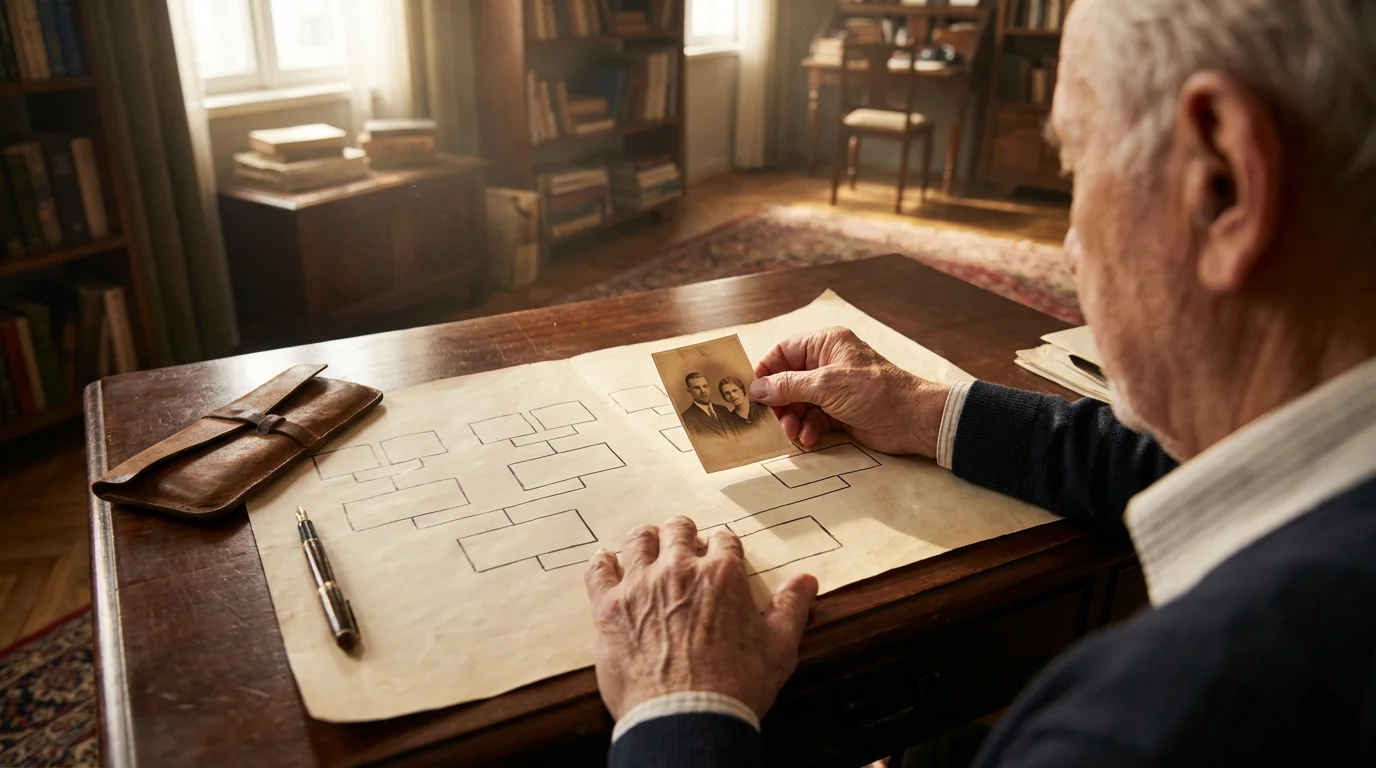
Building Your Legacy: Crafting and Sharing Your Family Trees
As you accumulate names, dates, stories, and documents, organizing this wealth of information becomes paramount. Building your family trees is not just about collecting data; it is about constructing a narrative, a living legacy that you can share with future generations. This is where your careful genealogy research culminates into something truly meaningful.
Choosing Your Tree-Building Method
Several excellent tools are available to help you compile and display your research. Your choice depends on your preference for online collaboration, desktop software, or even a tangible physical record.
- Online Tree Builders: Websites like Ancestry.com, FamilySearch.org, and MyHeritage.com offer integrated tree-building tools that link directly to their record databases. This allows for seamless addition of information and often suggests new leads. These platforms make sharing with family members very easy.
- Desktop Genealogy Software: Programs like RootsMagic or Legacy Family Tree offer robust features for organizing data, creating charts, and generating reports. These provide more control over your data, with the option to sync to online trees.
- Physical Binders or Journals: For those who prefer a tangible record, organizing your research in binders, perhaps with printed copies of documents and handwritten notes, can be deeply satisfying. This method allows for a personal touch and visual organization.
The Art of Storytelling
Beyond names and dates, your family history truly comes alive through stories. You are not just building a chart; you are weaving a tapestry of human experience. Think about the journeys, challenges, and triumphs your ancestors faced. What motivated them? What kind of lives did they lead?
When sharing your findings, focus on these narratives. Use the documents you found to illustrate moments in their lives. A census record might just be a list of names, but knowing a great-grandparent was listed as a factory worker in a bustling city tells a story of industrialization and urban migration. A marriage certificate from a distant state suggests a move, a new beginning.
Share your discoveries at family gatherings, create a family history book, or even start a blog. The act of sharing not only preserves the past but also deepens connections within your living family, fostering a sense of shared heritage. This pursuit of purpose and contribution can be incredibly fulfilling, aligning with the ethos of organizations like Encore.org, which celebrates continued engagement and impact in later life.
Overcoming Obstacles: Common Challenges and Solutions
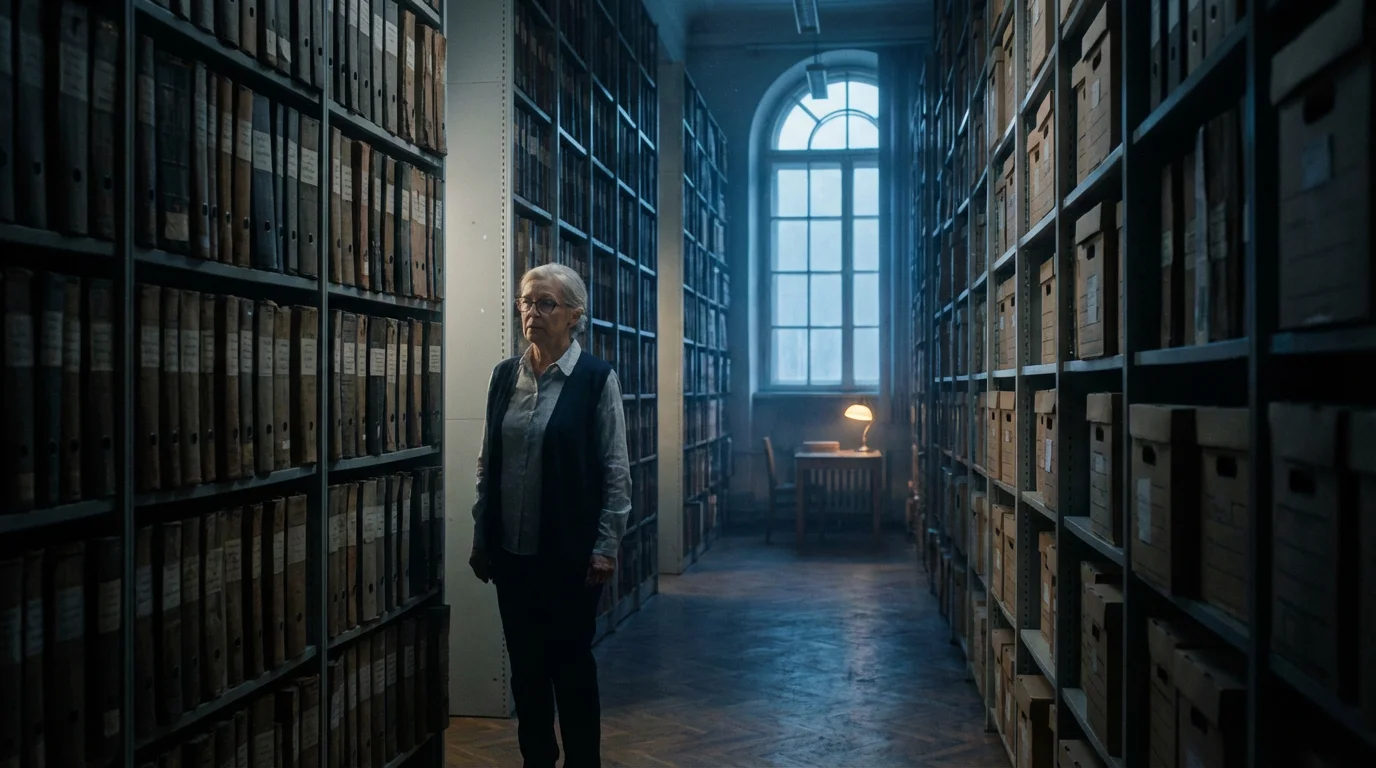
As with any grand adventure, your genealogy journey will present its share of challenges. You will inevitably hit “brick walls,” encounter conflicting information, or feel overwhelmed by the sheer volume of data. Do not let these moments deter you; they are a natural part of the process and often lead to your most satisfying breakthroughs. Persistence and strategic thinking are your allies.
Navigating Brick Walls
A brick wall occurs when you can no longer find records for a particular ancestor. This is often due to name changes, migrations, record destruction, or simply a lack of available historical documents. Instead of giving up, try these strategies:
- Expand Your Search: Look at collateral lines, meaning siblings, aunts, uncles, and cousins of your direct ancestor. Records for these relatives might contain clues to your direct line.
- Broaden Geographical Scope: People moved. If records dry up in one town, look at surrounding counties or even states where migration patterns suggest your ancestors might have gone.
- Utilize Different Record Types: If vital records fail you, turn to land records, probate records, military records, court documents, or newspaper archives. Different types of records can provide new angles.
- Consult Local Experts: Reach out to local genealogical societies, libraries, or historical societies in the area your ancestors lived. They often have specialized knowledge or unique local collections.
- Re-evaluate Assumptions: Sometimes, a brick wall exists because an assumption you made about a name, date, or place was incorrect. Review your facts and consider alternative possibilities.
Dealing with Conflicting Information
You will certainly find discrepancies in your research. A birth year might differ between a census record and a death certificate, or a surname might be spelled inconsistently. This is normal. Here is how to approach it:
- Prioritize Sources: Give more weight to primary sources (records created at the time of an event, like a birth certificate) over secondary sources (like a family history written years later) or tertiary sources (like a compilation from multiple secondary sources).
- Look for Consensus: If multiple sources agree, that information is likely correct.
- Note Discrepancies: Do not ignore conflicting information. Document it, noting the source for each piece of data. This allows you to revisit it later if new evidence emerges.
- Consider the Context: Why might a record be wrong? Was the informant accurate? Was the record keeper careful? For example, a census enumerator might have recorded information from a neighbor who did not know precise details.
Frequently Asked Questions
What is the best way to organize my genealogy research as I go?
Start with a clear, consistent system from day one. Many people use a combination of digital and physical organization. For digital files, create folders for each family line or generation. Use consistent naming conventions for files. For physical documents, binders with dividers for each family or individual work well. Dedicate specific research logs to track what you have searched, where you searched, and what you found, or did not find. This prevents redundant work and clarifies your next steps.
How long does it take to build a comprehensive family tree?
Building a comprehensive family tree is often a lifelong endeavor. It is not about reaching an endpoint but enjoying the journey of discovery. Many researchers can trace several generations back within a few months, especially with readily available online resources. However, reaching much further into the past, especially pre-1800s, often requires more time, persistence, and delving into specialized archives. The process naturally evolves as you learn more.
Can I trace my family history if my ancestors immigrated from another country?
Absolutely. Tracing immigrant ancestors can be one of the most exciting aspects of genealogy. You will typically work backward from records in your home country, seeking clues like ports of embarkation, ship names, and places of origin. Once you pinpoint the ancestral village or region, you can then use international records on sites like FamilySearch.org, MyHeritage.com, or country-specific archives to continue your research abroad. DNA testing can also provide crucial geographical insights for international research.
What if I hit a “brick wall” and cannot find any more information?
Brick walls are common in genealogy, but they are rarely impenetrable. Do not get discouraged. Try expanding your research to collateral lines, looking for siblings, aunts, and uncles who might have records containing clues about your direct ancestor. Broaden your geographical search to nearby towns or counties. Explore different record types, such as land records, probate files, or old newspapers, which can sometimes break through a wall where vital records fail. Often, a fresh perspective or a different type of record is all it takes.
Is Ancestry DNA worth it for genealogy research?
Ancestry DNA, and other DNA testing services, can be incredibly valuable tools for genealogy, especially when combined with traditional document research. It can help confirm your paper trail, break through brick walls by connecting you with genetic relatives, and provide fascinating insights into your ethnic origins. While it does not replace traditional research, it offers a powerful complementary approach, especially for unknown parentage or identifying distant cousins. Many find it opens entirely new avenues of discovery.
Your retirement is a canvas for your grandest aspirations. Embarking on a genealogy journey offers an unparalleled opportunity for intellectual engagement, emotional connection, and profound personal discovery. You hold the power to uncover the rich tapestry of your past, piece by piece, story by story. This is more than a hobby; it is a legacy, a testament to your curiosity and courage. Dive in, explore the records, connect with your heritage, and write the next exciting chapter of your extraordinary life through the stories of those who came before you. The adventure awaits.
Disclaimer: This article is for informational and inspirational purposes. Life decisions are deeply personal, and we encourage readers to pursue their dreams while considering their unique circumstances, health, and financial situation.
During these conversations, you may even rediscover heirloom recipes that inspire new culinary adventures in your own kitchen.








Leave a Reply