
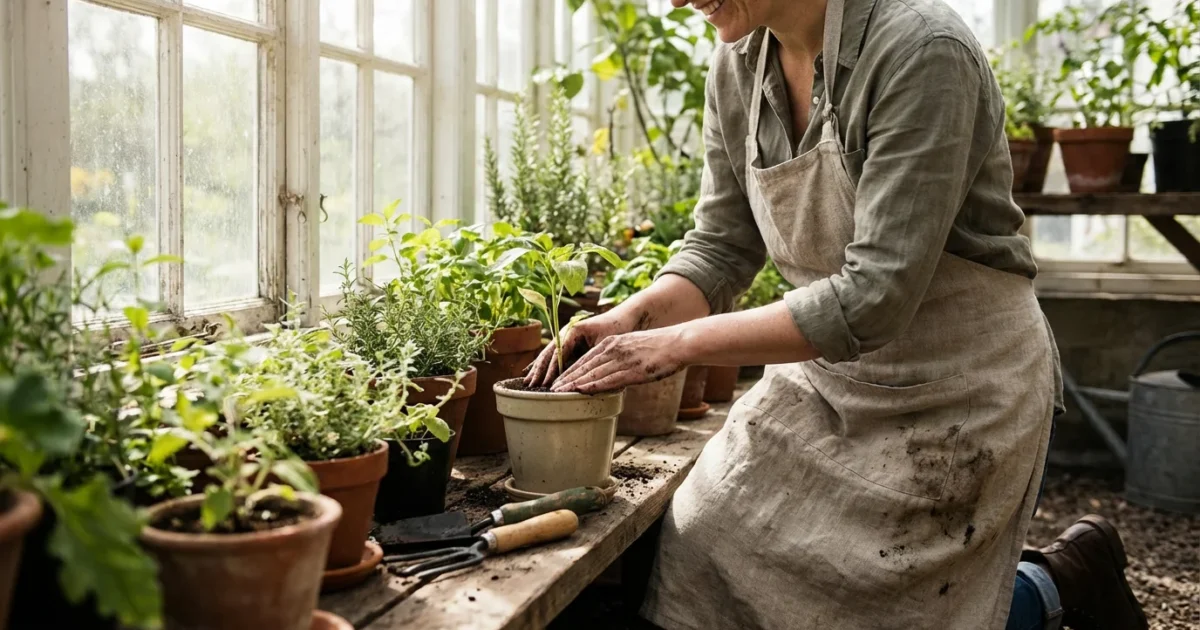
Retirement presents a remarkable opportunity to redefine your life, to step into a chapter brimming with purpose, passion, and profound personal growth. You possess the wisdom of years, the freedom of time, and an unyielding spirit ready to explore new horizons. Many envision grand adventures or global explorations, but an equally transformative journey awaits right outside your door: the garden.
While you cultivate your outdoor haven, it is equally important to secure your retirement future by maintaining a solid grasp of your personal goals and resources.
Gardening offers far more than just beautiful blooms or fresh produce. It acts as a metaphor for life itself, inviting you to cultivate not just plants, but also well-being, resilience, and a deeper connection to the natural world. This pursuit becomes a vibrant expression of your continued vitality, a testament to the belief that your best years are still unfolding.
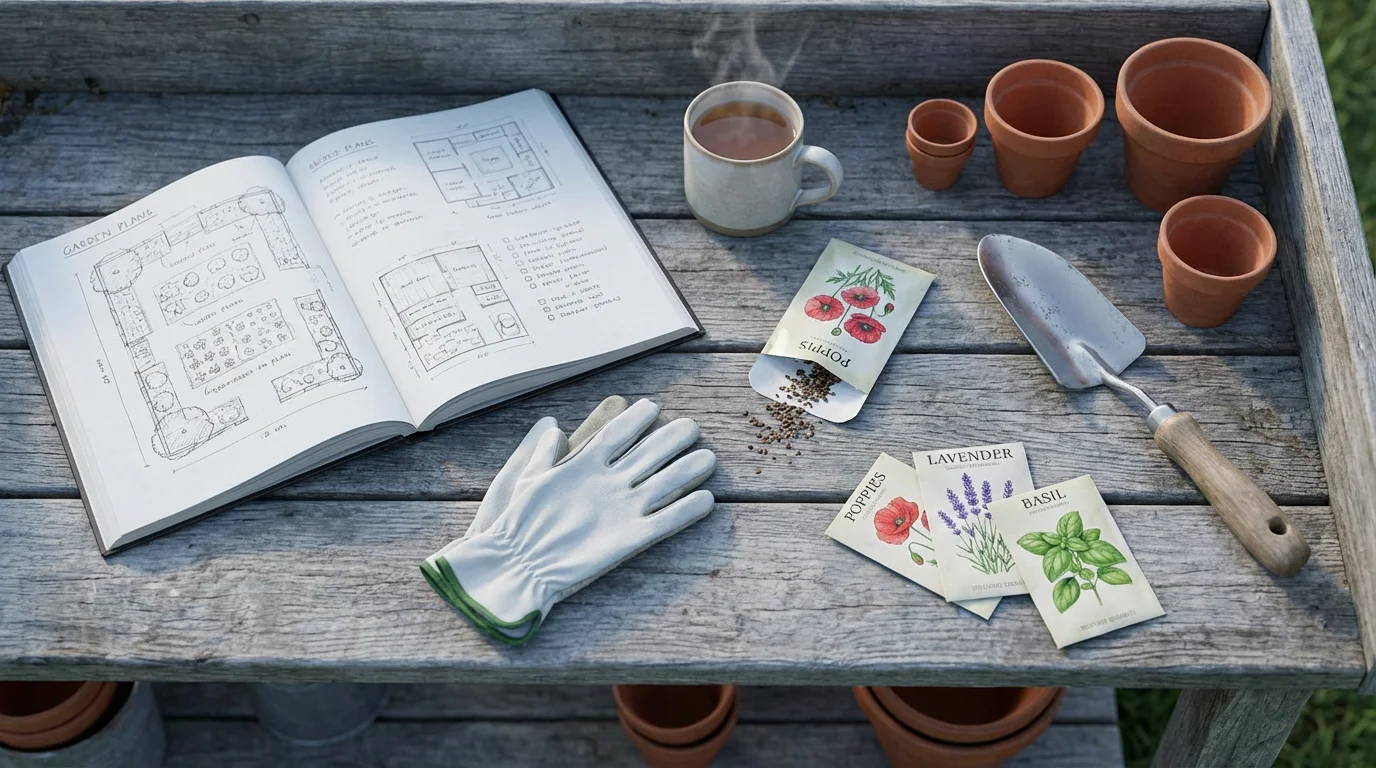
The Uncharted Territory: Your Retirement Garden Awaits
Retirement opens vast possibilities, empowering you to pursue long-held dreams or discover entirely new passions. You now have the time to immerse yourself fully in activities that nourish your spirit and engage your intellect. For many, gardening emerges as a surprisingly profound adventure, a living canvas for creativity and exploration.
Embracing this new hobby might feel daunting, but stepping outside your comfort zone is where true personal growth begins.
As you spend time in quiet reflection among your plants, you may find yourself seeking wisdom in retirement through the deeper contemplation of life’s big questions.
This isn’t about simply maintaining a yard. This is about actively creating, nurturing, and transforming a piece of earth, no matter its size, into a sanctuary of growth and life. You become the architect of your own vibrant space, a space that reflects your vision and provides daily opportunities for discovery.
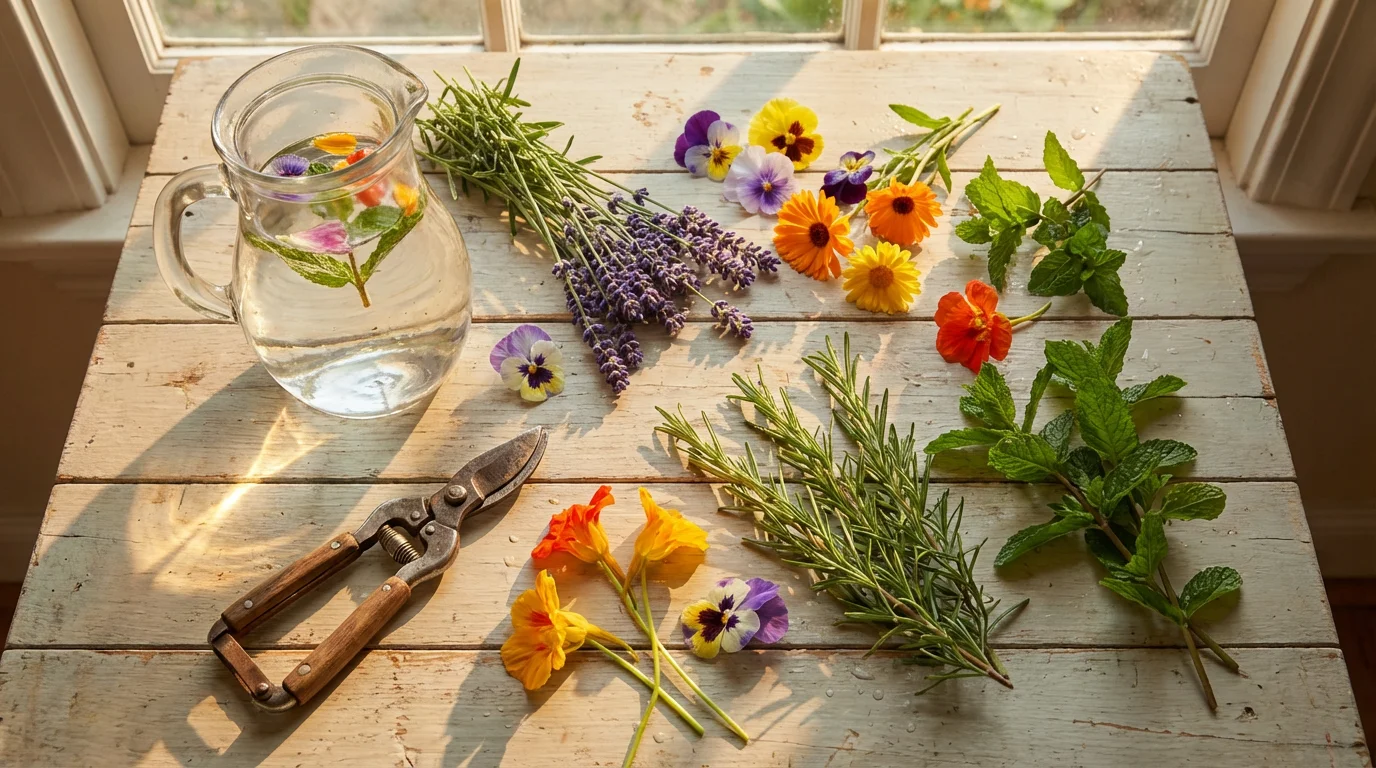
Beyond the Bloom: The Profound Benefits of Gardening for Your Well-being
The allure of gardening extends far beyond aesthetics or fresh produce. It offers a holistic suite of benefits, impacting your physical health, mental clarity, and emotional equilibrium. Engaging with the earth provides a powerful antidote to modern stressors, grounding you in the present moment.
Gardening can also be a social endeavor, helping you in building social connections through local garden clubs or community plots.
Consider the gentle exercise involved. Bending, stretching, lifting, and walking around your garden provides low-impact physical activity, improving flexibility, strength, and cardiovascular health. These natural movements contribute significantly to maintaining mobility and independence throughout your retirement years. Research from the National Institute on Aging consistently highlights the importance of regular physical activity for healthy aging, and gardening delivers this with an added layer of purpose.
The mental benefits are equally compelling. Planning your garden layout, selecting seeds, observing plant growth, and problem-solving pest issues stimulate cognitive function. This continuous learning keeps your brain active and engaged, contributing to mental sharpness and a reduced risk of cognitive decline.
Moreover, gardening connects you deeply with nature’s rhythm. The simple act of putting your hands in the soil, feeling the sun, and breathing fresh air reduces stress and fosters a sense of calm. This immersion offers a powerful form of mindfulness, allowing you to find peace and quiet amidst the busyness of life.
“To plant a garden is to believe in tomorrow.” — Audrey Hepburn
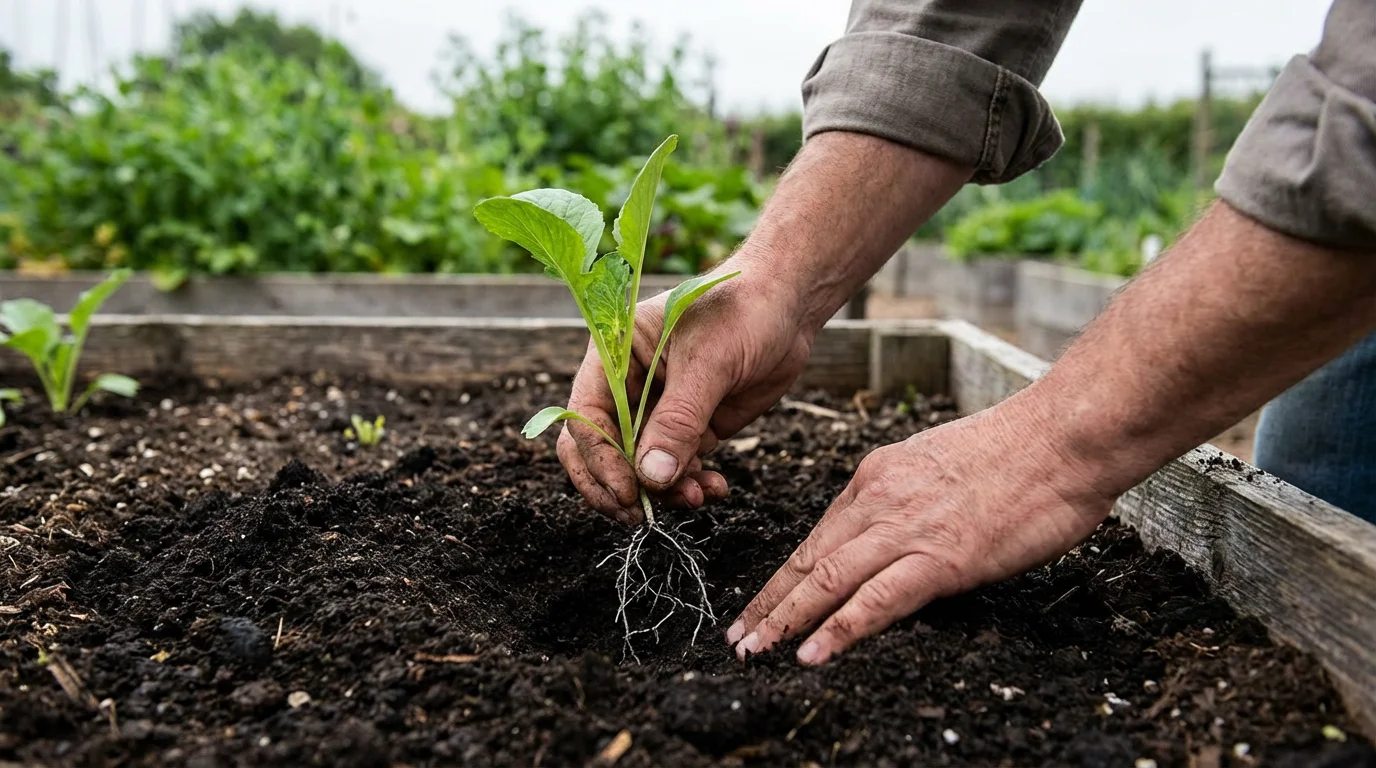
Cultivating Your Green Thumb: Essential Gardening Skills for Every Beginner
Perhaps you’ve admired beautiful gardens but felt intimidated by the perceived complexity. Rest assured, gardening is an accessible joy, and you can develop impressive gardening skills with practice and curiosity. Start with the basics, build your confidence, and watch your abilities flourish.
Here are fundamental skills to begin your gardening journey:
- Understanding Your Environment: Observe your garden space. How much sunlight does it receive daily? What kind of soil do you have? Knowing your conditions helps you choose the right plants.
- Soil Preparation: Healthy soil equals healthy plants. Learn to amend your soil with compost and organic matter, improving its structure and fertility.
- Planting Techniques: Whether starting from seed or transplanting seedlings, proper planting ensures a strong start. Pay attention to spacing and depth.
- Watering Wisdom: Over or under-watering harms plants. Learn to feel the soil, understand your plants’ needs, and water deeply and consistently.
- Weeding and Pest Management: Weeds compete for nutrients, and pests can damage plants. Develop strategies for natural weed control and integrated pest management, protecting your garden without harsh chemicals.
- Pruning and Harvesting: Proper pruning encourages stronger growth and more blooms or fruits. Knowing when and how to harvest maximizes your yield and keeps plants productive.
Many local nurseries and garden clubs offer workshops, providing hands-on learning opportunities. Embrace the learning process, seeing every success and setback as a chance to grow your expertise.
From Seed to Table: The Joy of Growing Vegetables
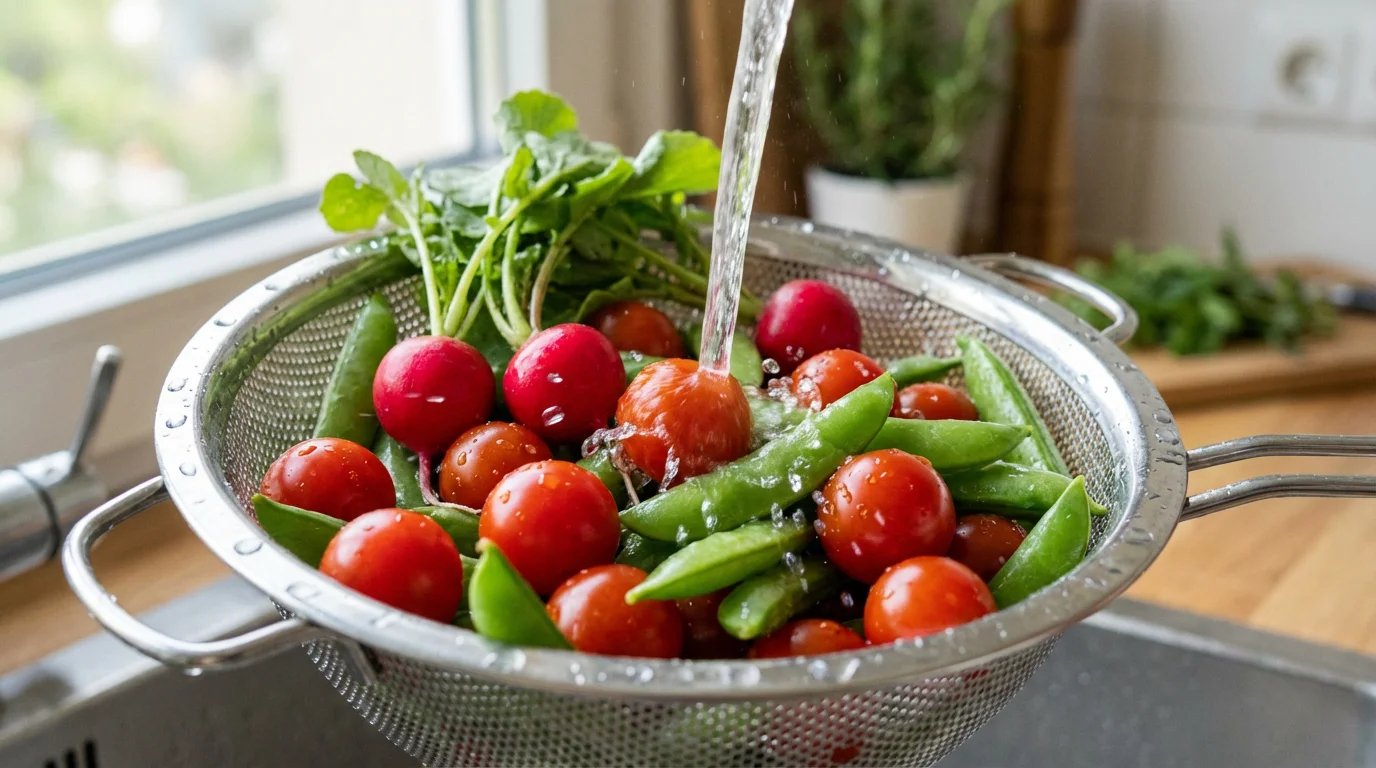
Imagine stepping into your garden and plucking ripe, flavorful tomatoes, crisp lettuce, or fragrant herbs. The satisfaction of growing vegetables transforms your meals, connecting you directly to your food source. This journey from seed to table provides a profound sense of accomplishment and unparalleled freshness.
Sharing the bounty of your harvest is a wonderful way to practice strengthening family bonds and teaching grandchildren about the cycle of life.
Consider these popular and relatively easy-to-grow vegetables for your garden:
- Leafy Greens: Lettuce, spinach, and kale thrive in many climates and offer continuous harvests.
- Herbs: Basil, mint, parsley, and chives are incredibly rewarding, enhancing your cooking and providing wonderful aromas.
- Root Vegetables: Radishes and carrots are satisfying to grow, revealing their treasures beneath the soil.
- Bush Beans: These productive plants offer a steady supply of fresh beans and require minimal support.
- Cherry Tomatoes: Often more forgiving than larger varieties, cherry tomatoes provide abundant, sweet fruits.
Success in vegetable gardening often involves choosing varieties suited to your growing zone and providing consistent care. You will discover the rich flavors that only home-grown produce delivers, transforming your culinary experience and boosting your intake of nutrient-dense foods.
Designing Your Oasis: Creating Vibrant Flower Gardens
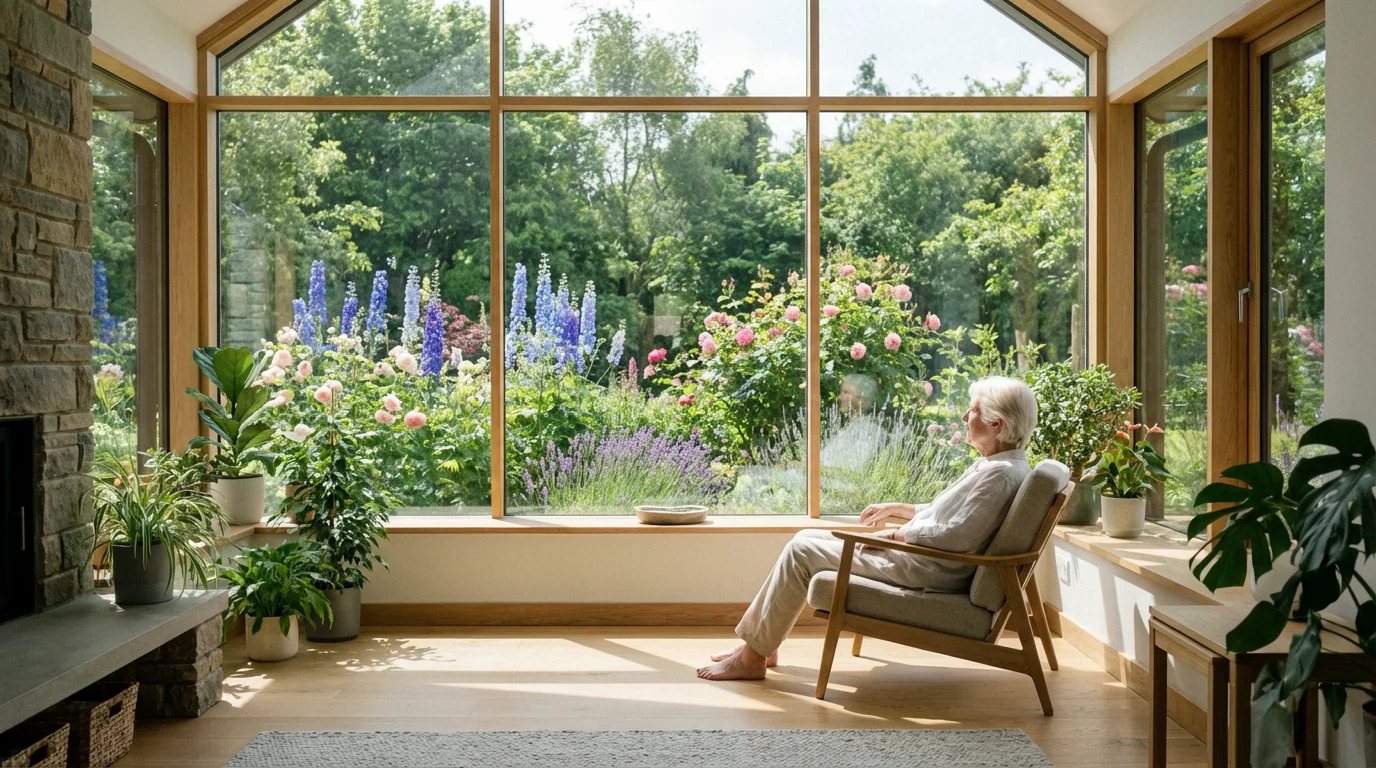
Beyond the edible bounty, flower gardens bring unparalleled beauty, color, and fragrance to your retirement landscape. They create a welcoming atmosphere, attract beneficial pollinators like bees and butterflies, and offer a continuous display of nature’s artistry. Designing a flower garden allows you to express your aesthetic vision, crafting a personal sanctuary.
Think about these elements when planning your floral haven:
- Color Palettes: Decide on a color scheme, whether vibrant and contrasting or subtle and harmonious.
- Plant Heights and Textures: Combine tall, dramatic flowers with shorter, bushy ones and varied leaf textures to create visual interest.
- Bloom Times: Select plants with staggered bloom periods to ensure continuous color throughout the growing season.
- Fragrance: Incorporate fragrant flowers like roses, lavender, or jasmine to delight your senses.
- Native Plants: Choose native species that thrive in your local environment, requiring less water and attracting local wildlife.
Creating a flower garden offers endless creative possibilities, transforming any outdoor space into a personal gallery of living art. You design a space that brings joy, tranquility, and a constant reminder of nature’s exquisite beauty.
Small Spaces, Big Dreams: How to Start a Garden in Retirement with Limited Space
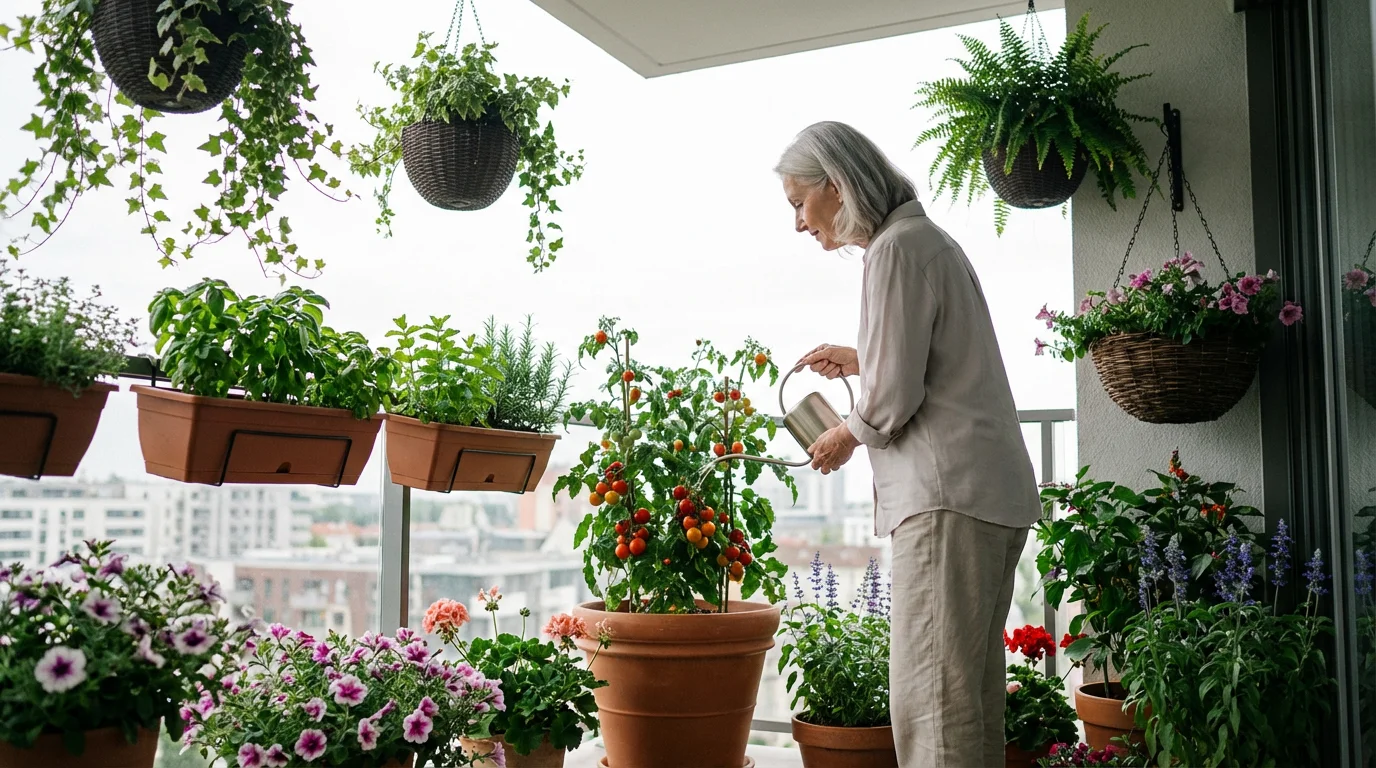
Do you believe a grand garden requires vast acreage? Think again. Your retirement dreams do not diminish because of limited space. You can cultivate a flourishing garden, even with just a balcony, patio, or a sunny windowsill. The key lies in creative planning and maximizing vertical and container opportunities.
Focusing on a smaller garden aligns perfectly with the goal of downsizing for freedom and simplifying your living environment.
Building your own raised beds or vertical planters is a fantastic way to apply DIY skills for retirement while customizing your garden setup.
Here’s how to start a garden in retirement with limited space, proving big dreams fit small footprints:
- Container Gardening: Pots, tubs, and grow bags transform any surface into a planting area. Choose appropriate sizes for your plants, ensuring adequate drainage.
- Vertical Gardens: Wall-mounted planters, tiered shelving, or repurposed pallets allow you to grow upward, utilizing vertical space efficiently.
- Raised Garden Beds: These offer excellent drainage, reduce bending, and create defined growing areas on smaller plots or even paved surfaces.
- Window Boxes: Adorn your windows with herbs, flowers, or compact vegetable varieties, bringing greenery directly into your view.
- Hanging Baskets: Cascading flowers or trailing herbs add beauty and function, occupying otherwise unused overhead space.
- Compact Varieties: Seek out “dwarf” or “patio” versions of vegetables and fruits, specifically bred for smaller spaces.
You adapt your gardening approach, demonstrating ingenuity and passion. Limited space becomes an opportunity for innovation, allowing you to experience all the benefits of gardening in a compact, manageable setting.
Nourishing Body and Mind: The Unique Benefits of Gardening for Senior Citizens
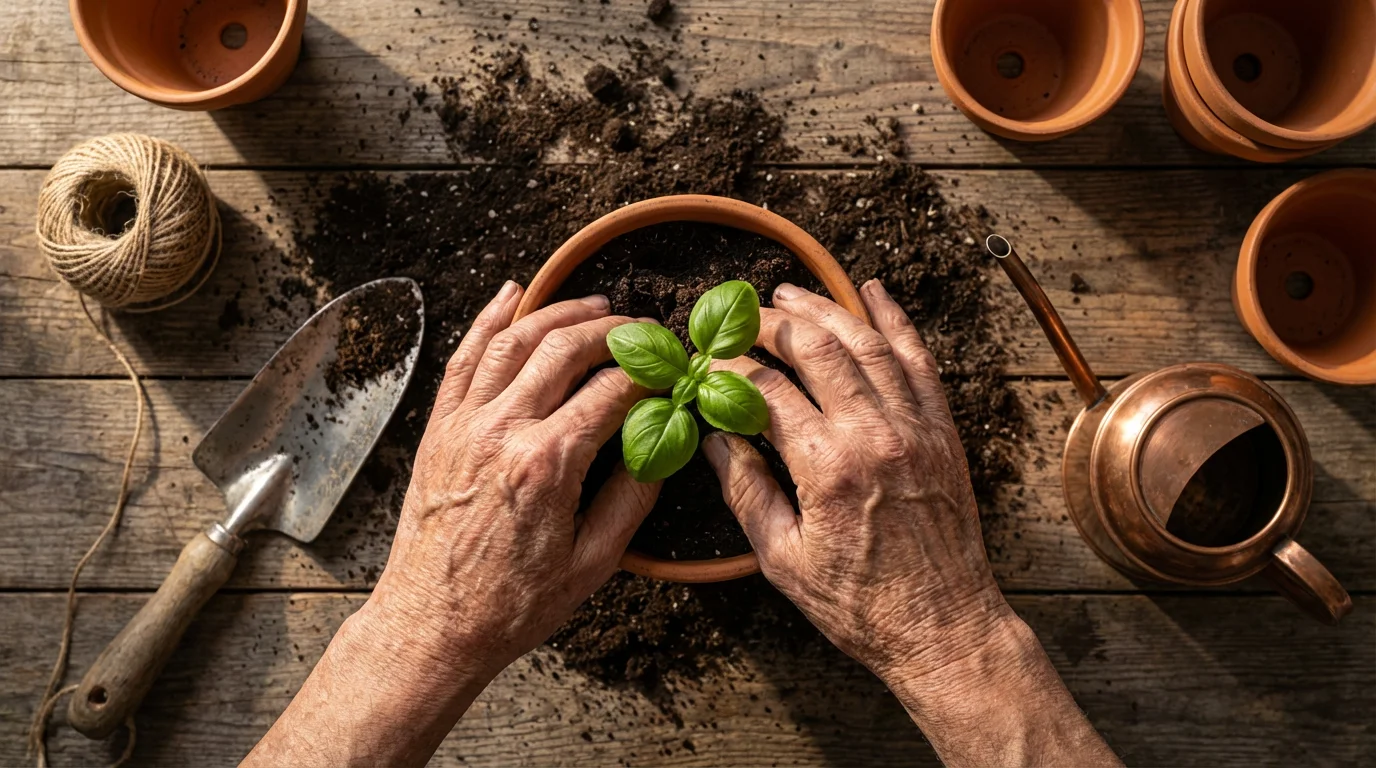
Gardening offers a unique confluence of physical activity, mental engagement, and emotional fulfillment, making it an ideal pursuit during your retirement years. The benefits of gardening for senior citizens are well-documented and deeply impactful, contributing significantly to overall well-being and a vibrant lifestyle.
Consider how gardening supports you:
- Physical Activity: Light to moderate physical activity, inherent in gardening tasks, helps maintain muscle strength, flexibility, balance, and coordination, all crucial for healthy aging.
- Stress Reduction: The calming effect of nature, combined with the meditative aspects of tending plants, significantly reduces stress hormones and lowers blood pressure.
- Cognitive Boost: Planning, problem-solving, and continuous learning required for successful gardening sharpen cognitive functions and memory.
- Purpose and Meaning: Nurturing life from seed to harvest provides a profound sense of purpose and accomplishment, combating feelings of isolation or lack of direction. This sense of purpose is a cornerstone of well-being in later life, as explored by sources like Psychology Today.
- Social Connection: Community gardens, garden clubs, and sharing your harvest foster social interactions, building new friendships and strengthening community ties.
- Improved Nutrition: Growing your own organic produce encourages a healthier diet, providing access to fresh, pesticide-free fruits and vegetables.
Gardening truly cultivates a richer, more active, and more purposeful retirement. You actively engage with life, creating beauty and sustenance with your own hands.
Your Garden, Your Legacy: Growing More Than Plants
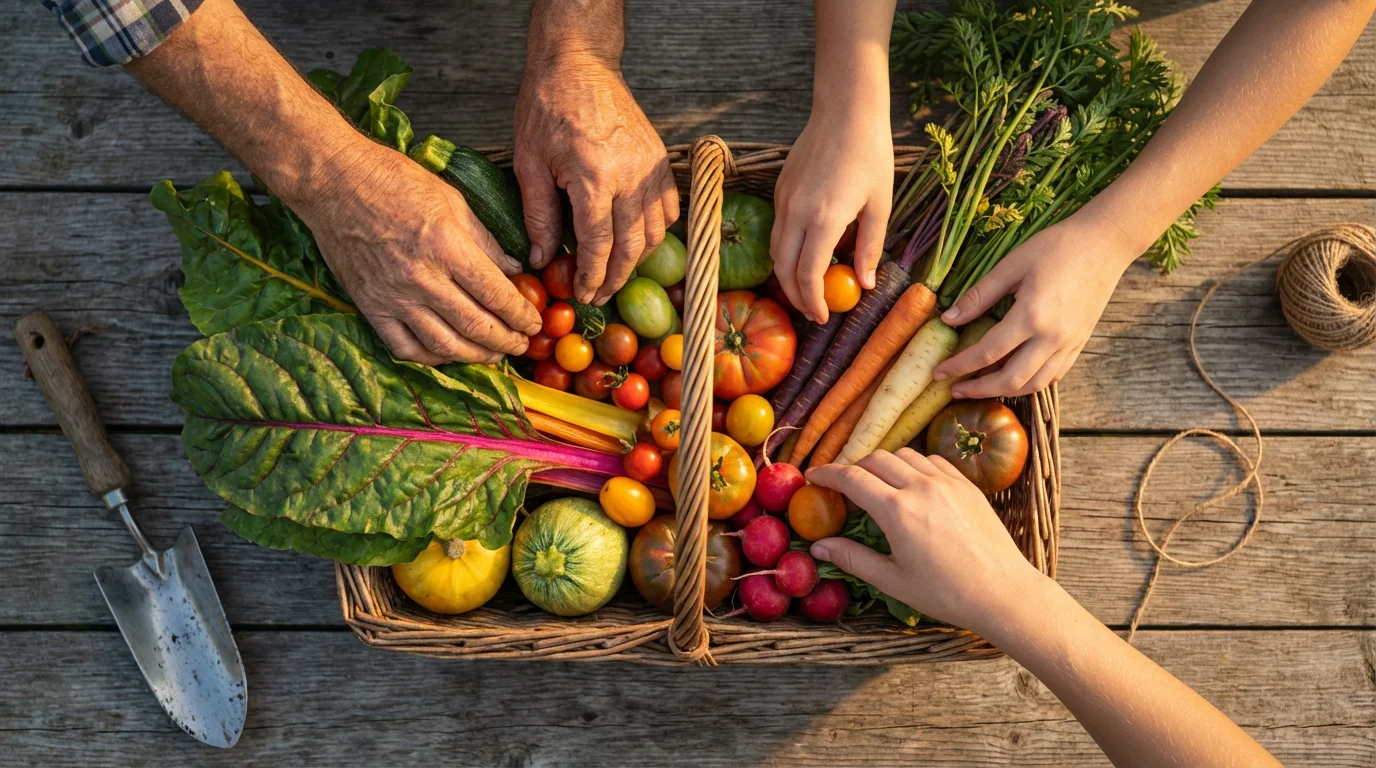
Your garden represents more than just plants; it embodies your vision, your care, and your connection to the future. You cultivate a living legacy, a testament to your ongoing creativity and generosity. Every seed you sow, every plant you tend, contributes to a larger story of growth and renewal.
You might share your harvest with neighbors, volunteer your gardening skills at a community garden, or inspire younger generations to connect with nature. Your efforts create ripples, enriching not just your own life, but also the lives of those around you. This engagement with the natural world and your community powerfully defines a meaningful retirement.
Embrace the dirt, the sunshine, and the magic of growth. Let your garden be a reflection of your boundless potential, a space where dreams take root and flourish. Your retirement is an extraordinary chapter, and your garden provides a vibrant canvas for continued adventure, learning, and profound personal fulfillment.
Frequently Asked Questions
Is gardening physically too demanding for retirees?
Gardening offers incredible flexibility. You control the intensity. Consider raised garden beds, container gardening, or adaptive tools to minimize bending and heavy lifting. Many find gardening a gentle yet effective way to maintain physical activity and strength, adapting practices to suit their individual capabilities. Start small, listen to your body, and celebrate every moment of movement and connection with nature.
Can I garden if I live in an apartment or have limited space?
Absolutely. Limited space presents exciting creative opportunities. Balconies, patios, windowsills, and even vertical wall planters transform into thriving mini-gardens. Explore container gardening, hanging baskets, or compact varieties of vegetables and herbs. Community gardens often provide plots for rent, connecting you with fellow enthusiasts and expanding your growing possibilities.
What are the easiest plants to start with for a beginner?
Beginners find success with resilient, low-maintenance plants. Consider herbs like basil, mint, or rosemary. For vegetables, try lettuce, radishes, bush beans, or cherry tomatoes. Flower gardens flourish with marigolds, zinnias, sunflowers, or cosmos. Research varieties suited to your local climate and sunlight conditions, ensuring you set yourself up for early successes and continued enjoyment.
How does gardening specifically benefit my mental health in retirement?
Gardening profoundly impacts mental well-being. It provides a sense of purpose and accomplishment as you nurture life. The activity reduces stress, fosters mindfulness, and connects you with nature’s calming rhythms. It offers a creative outlet, alleviates feelings of isolation through community garden involvement, and keeps your mind engaged in planning, problem-solving, and continuous learning, contributing to a vibrant, fulfilling retirement.
Disclaimer: This article is for informational and inspirational purposes. Life decisions are deeply personal, and we encourage readers to pursue their dreams while considering their unique circumstances, health, and financial situation.









Leave a Reply