
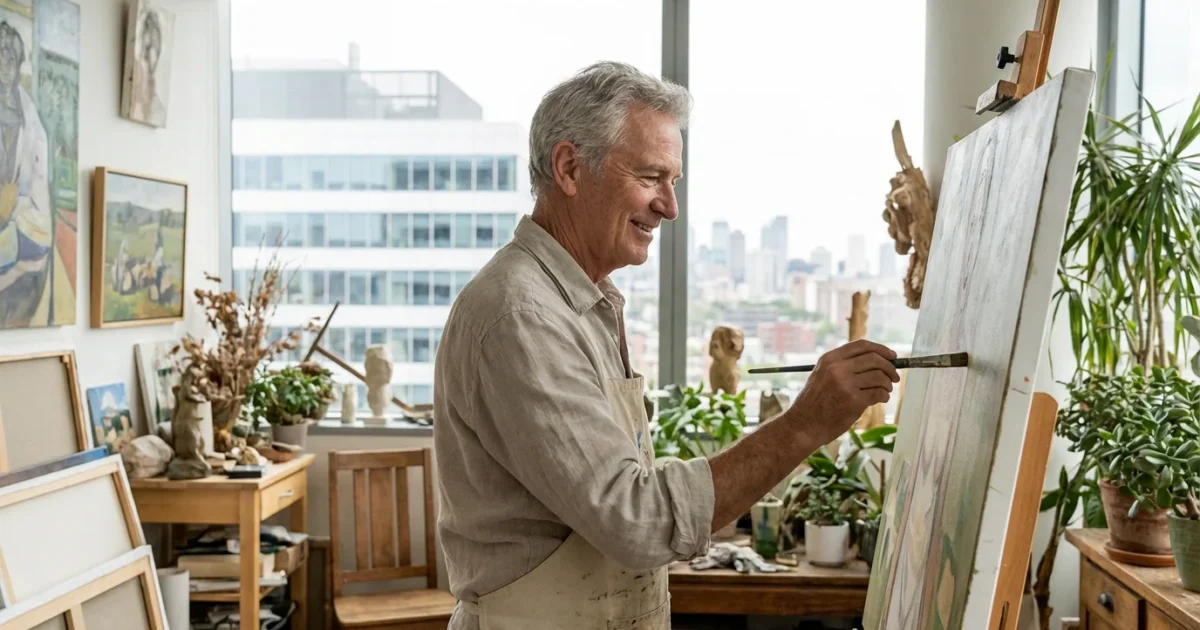
You have dedicated years, perhaps decades, to your professional life, building a career and securing your future. Now, as retirement beckons, a powerful question arises: What incredible chapters will you write next? This isn’t a time for slowing down; it is your moment to accelerate into new passions, cultivate long-held dreams, and embrace the vibrant person you are becoming. Retirement offers an unparalleled opportunity for reinvention, especially if you envision a life rich with artistic expression and purposeful creation.
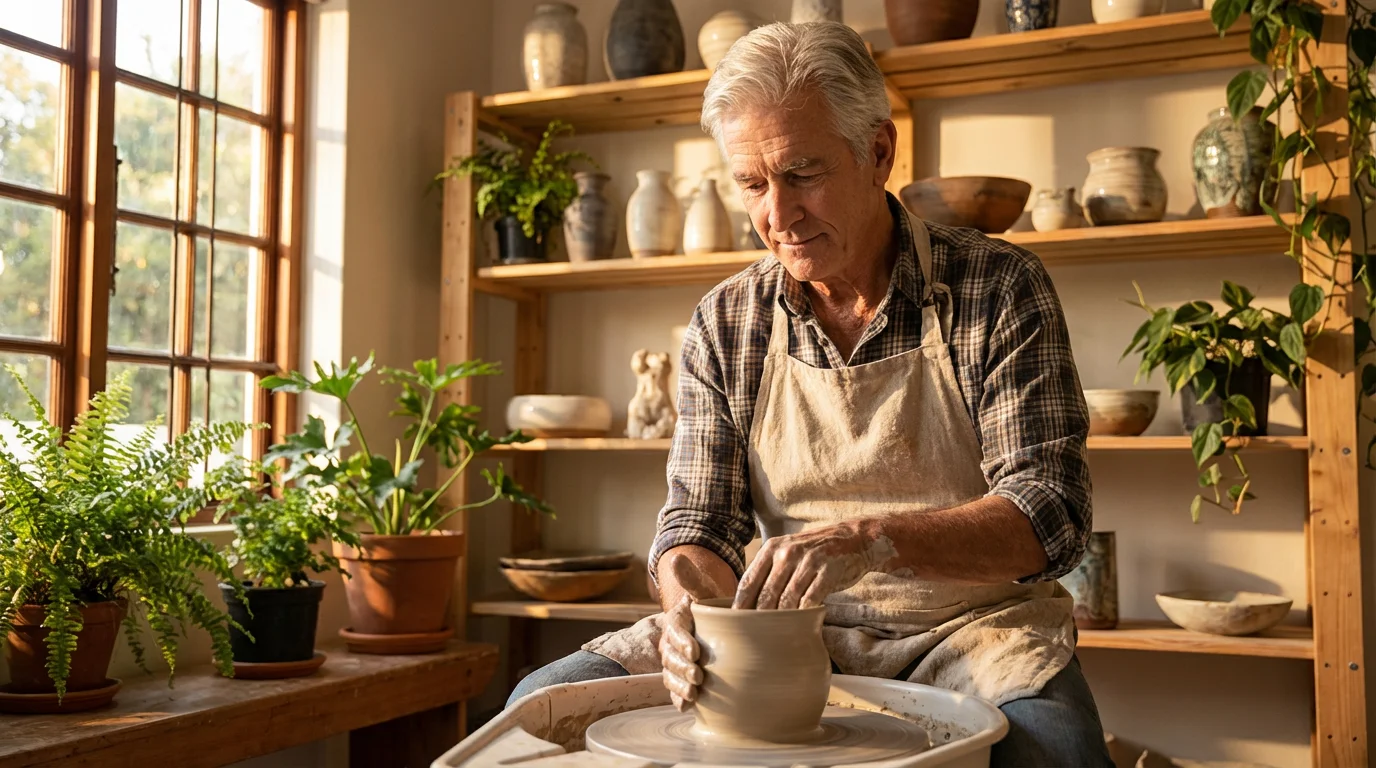
Redefining Retirement: Your Creative Encore
Forget outdated notions of retirement as a gradual winding down. For you, this phase represents an exciting launchpad, a chance to unleash potential and pursue exhilarating ventures. Retirement is not an ending; it is a profound transition into a chapter defined by your deepest desires and creative inclinations. You possess a wealth of experience, wisdom, and untapped creativity ready for expression.
Many individuals find immense satisfaction in transitioning from their corporate roles to engaging in meaningful creative pursuits. This shift offers more than just personal fulfillment; it builds a vibrant, purposeful life. You have the freedom to design a retirement that reflects your true self, contributing to the world in uniquely personal ways. Your encore career or dedicated creative endeavor awaits.
Unearthing Your Creative Spark: Discovering Latent Talents
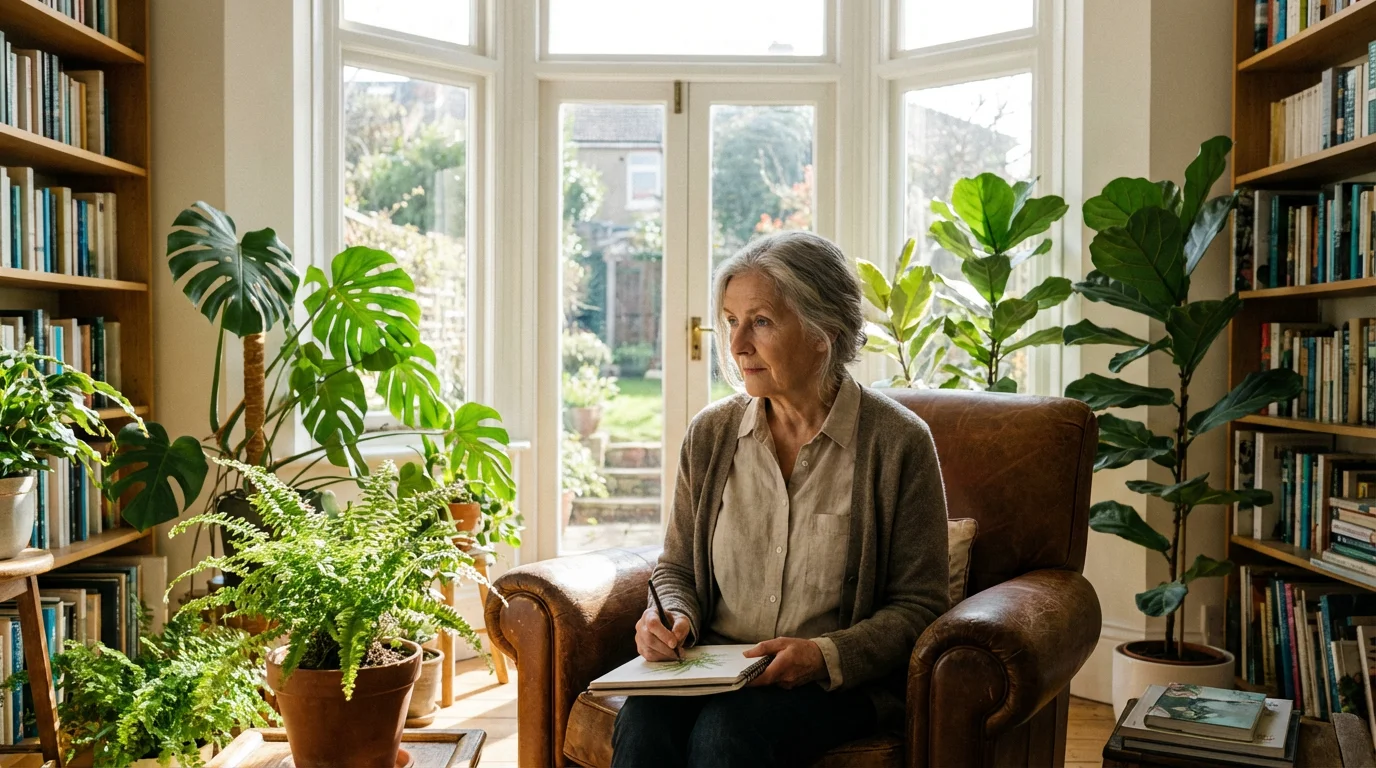
Perhaps you always dreamed of painting, writing a novel, composing music, or mastering a craft. Life’s demands often push these aspirations to the background. Now, you have the time and mental space to explore those dormant desires. Begin by reconnecting with the activities that bring you joy and a sense of flow.
As you uncover these sparks, you might begin finding your niche by evaluating which of your talents have the most potential for growth.
Consider the activities that captivate your attention, where hours seem to melt away unnoticed. These are powerful indicators of your innate creative inclinations. Your journey starts with introspection and open-minded exploration. Give yourself permission to experiment without the pressure of immediate perfection.
- Reflect on childhood dreams: What did you love to do before adult responsibilities took over? Did you enjoy drawing, building, storytelling, or performing?
- Explore hobbies you abandoned: Revisit pastimes that once brought you happiness but fell by the wayside. Dust off that camera, instrument, or sketchbook.
- Identify what you admire in others: When you see someone’s artistic work or craft, what sparks your interest? This can point you towards your own potential.
- Experiment with new activities: Take a short workshop in pottery, photography, creative writing, or coding. Low-commitment exploration minimizes risk and maximizes discovery.
- Journal your thoughts: Regularly write about what inspires you, what skills you wish to develop, and what kind of creative life you envision. This helps clarify your true path.
Understanding what are creative retirement hobbies for you specifically involves this kind of thoughtful self-assessment. Your past holds clues to your future creative endeavors. Embrace the curiosity that leads you to new frontiers of self-expression.

Crafting Your Creative Career: Turning Passion into Purpose
Many retirees discover that their creative pursuits can evolve beyond mere hobbies. They transform into fulfilling second acts, often termed `creative career` paths. This does not necessarily mean replacing your old salary, but it can provide meaningful engagement, mental stimulation, and a sense of continued contribution. A creative career in retirement means defining success on your own terms.
Transitioning from a corporate environment to a creative one requires a shift in mindset. You exchange rigid structures for flexible schedules, and external validation for intrinsic motivation. This freedom allows you to pursue projects that genuinely resonate with your spirit. It’s about building a legacy through your art or craft.
Here are examples of creative careers thriving in retirement:
- Artisan or Crafter: Selling handmade jewelry, pottery, textiles, woodworking, or custom art pieces online or at local markets.
- Writer or Author: Publishing novels, memoirs, poetry, or non-fiction guides. Many retirees find success blogging or writing articles for publications.
- Photographer or Videographer: Offering services for events, nature photography, real estate, or creating stock images and videos.
- Musician or Composer: Teaching lessons, performing locally, composing new works, or producing music for various media.
- Consultant or Coach: Leveraging your corporate experience in a creative field, advising startups, or coaching emerging artists.
- Educator or Workshop Leader: Sharing your skills by teaching classes in art, writing, music, or digital media at community centers or online.
- Digital Content Creator: Starting a podcast, YouTube channel, or managing social media for small businesses, focusing on a creative niche.
These examples illustrate how to pursue a creative career that aligns with your individual talents and interests. The options are as boundless as your imagination.
Monetizing Your Talent: Building Hobby Income Streams
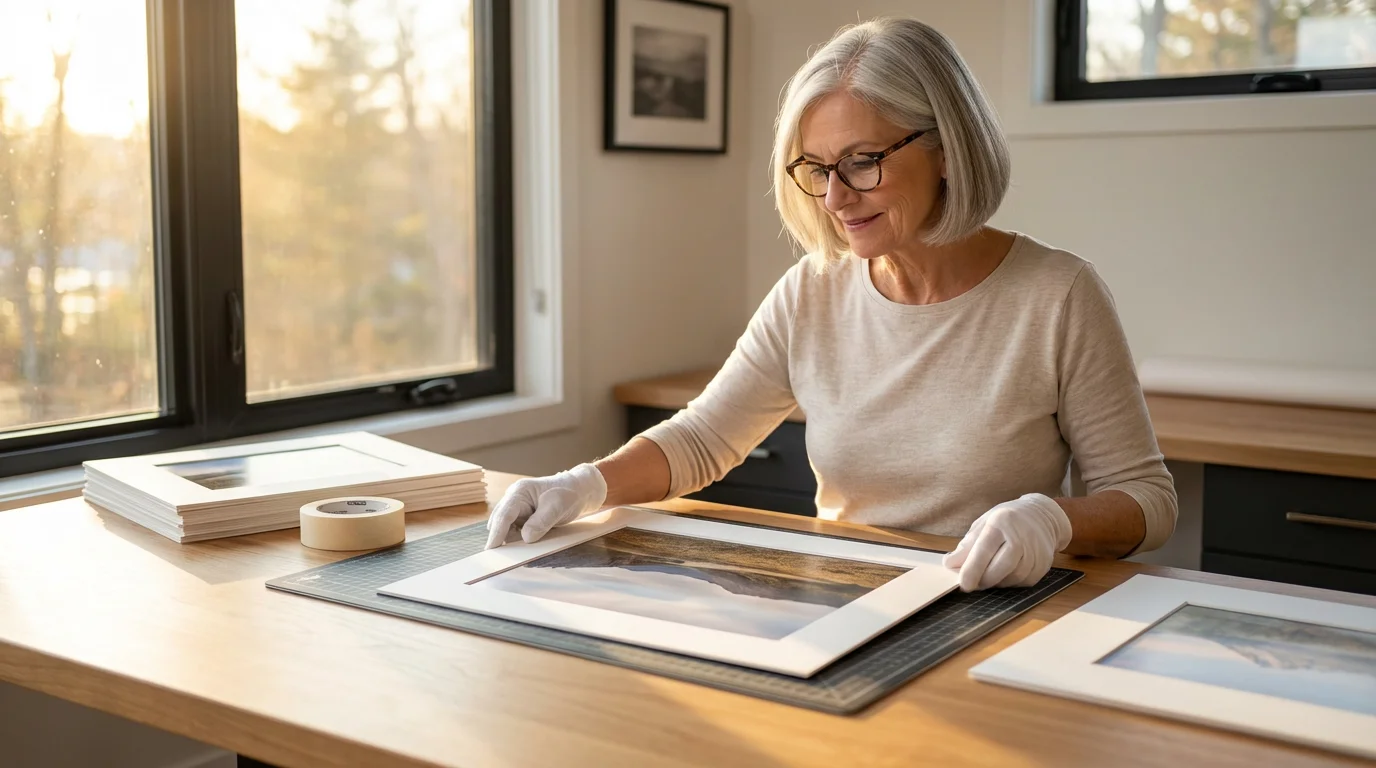
While the primary motivation for a creative career in retirement is often personal fulfillment, generating `hobby income` provides practical benefits. It can supplement your retirement funds, fund further creative endeavors, and validate your work. The key lies in strategic planning and understanding your market.
For those who prefer a business model with established systems rather than starting from scratch, franchising after retirement can be a lucrative alternative to independent creative ventures.
You already possess valuable skills from your corporate background, such as project management, marketing, or financial planning. Apply these competencies to your creative venture. Think of your creative output as a product or service with intrinsic value. Even a small income stream can significantly boost your confidence and provide resources for growth.
- Develop a Niche: Focus on what makes your creative work unique. Are you a portrait painter specializing in pets? A writer crafting historical fiction for local audiences? A niche helps you stand out.
- Create a Portfolio or Body of Work: Before seeking income, build a strong collection of your best pieces. This demonstrates your skill and style to potential clients or buyers.
- Choose Your Sales Channels:
- Online Marketplaces: Platforms like Etsy, Shopify, or even a personal website can reach a global audience.
- Local Markets & Fairs: Engage directly with customers, build community, and gain immediate feedback.
- Galleries & Consignment Shops: For fine art or high-end crafts, these offer curated exposure.
- Teaching & Workshops: Offer in-person or online classes, which also solidifies your expertise.
- Set Realistic Pricing: Research what similar creative work sells for. Factor in your time, materials, and unique value. Do not undervalue your talent.
- Market Yourself Effectively: Share your work on social media, build an email list, and network with other creatives. Storytelling about your creative process can be incredibly engaging for potential customers.
Organizations like SCORE Mentoring offer free business advice and mentorship, which can be invaluable for retirees launching new ventures. Their experienced volunteers help small businesses and startups navigate the complexities of entrepreneurship. You gain wisdom from seasoned professionals as you develop your `creative career` and income strategy.
The Power of Lifelong Learning: Cultivating Artistic Expression
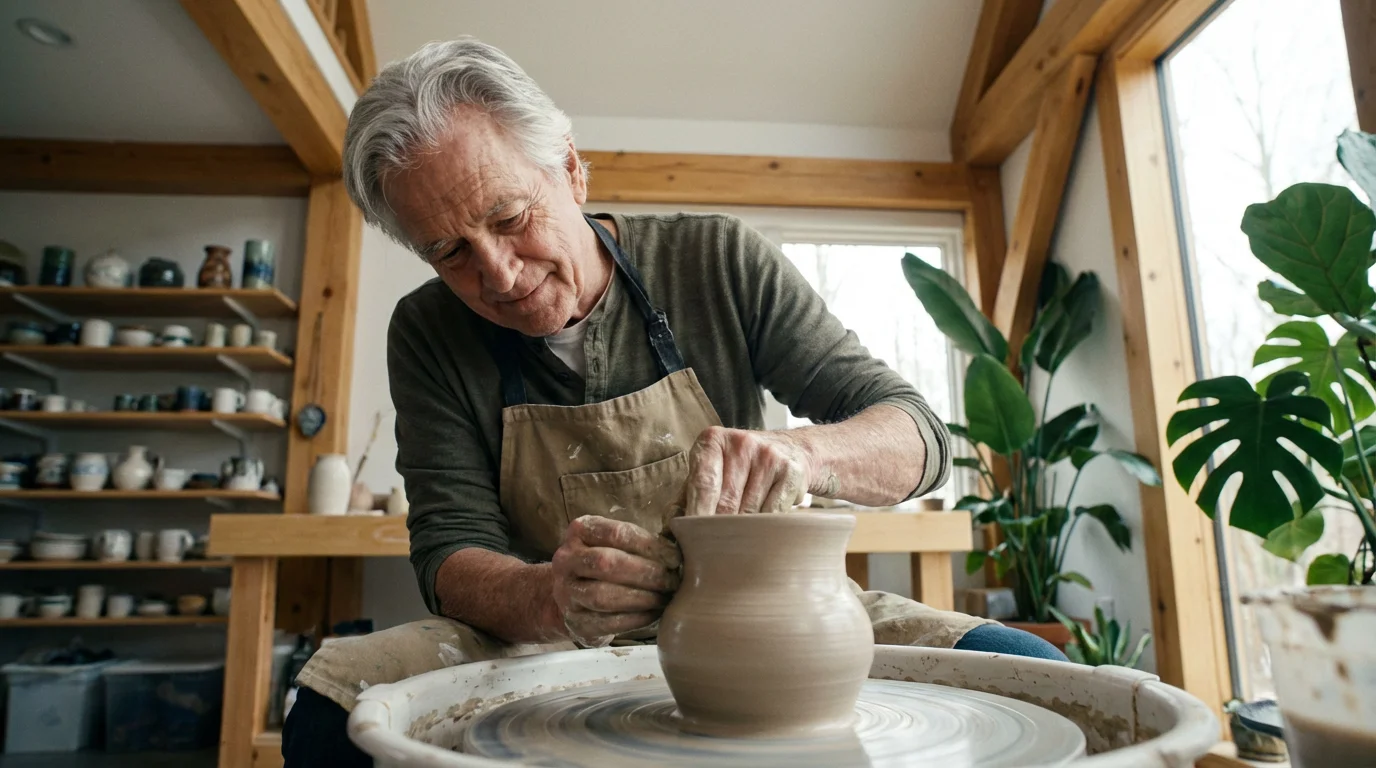
The journey of `artistic expression` is continuous, fueled by curiosity and a commitment to learning. Retirement provides the perfect environment for deep dives into new subjects or honing existing skills. Engaging your mind with new knowledge keeps you sharp and enriches your creative output. Learning becomes an adventure in itself.
Embrace the mindset of a student, regardless of your age. New techniques, historical contexts, or innovative technologies can profoundly influence your creative practice. This commitment to growth ensures your artistic voice remains fresh, relevant, and continually evolving. You are expanding your horizons with every lesson.
It is never too late to be what you might have been. — George Eliot
Consider these avenues for enriching your creative journey:
- University Extension Programs: Many universities offer continuing education courses specifically designed for older adults, often at reduced rates.
- Osher Lifelong Learning Institutes (OLLI): Part of universities nationwide, OLLI programs provide non-credit courses, lectures, and study groups on a vast array of subjects, including arts and humanities. These foster intellectual engagement and community.
- Online Learning Platforms: Websites like Coursera, Skillshare, and MasterClass provide access to expert-led courses in art, music, writing, and digital creativity, often with flexible schedules.
- Workshops and Retreats: Immerse yourself in a specific skill or craft for a few days or weeks. This provides intensive learning and networking opportunities.
- Community Arts Centers: Local centers frequently offer classes in painting, sculpture, ceramics, dance, and theater, catering to all skill levels.
- Travel for Learning: Programs like Road Scholar offer educational tours and learning adventures across the globe, often focused on cultural arts, history, and natural sciences. You can combine your love for travel with artistic exploration.
Investing in your intellectual and creative development is an investment in your quality of life. The pursuit of knowledge invigorates your mind and refines your artistic capabilities, making your retirement years truly extraordinary.

Building Your Creative Ecosystem: Community and Mentorship
While creative work can sometimes be solitary, surrounding yourself with a supportive community significantly enhances the experience. Connecting with fellow artists, writers, musicians, or crafters provides inspiration, constructive feedback, and a sense of belonging. You thrive in environments that understand and celebrate your creative ambitions.
Building relationships within your creative field opens doors to collaborations, shared resources, and invaluable insights. Mentorship, whether as a mentee or a mentor, fosters growth and wisdom exchange. Your experiences and skills are valuable assets you can share with others, just as others can enrich your path.
- Join Local Creative Groups: Seek out art guilds, writing circles, music ensembles, or craft collectives in your area. These groups offer regular meet-ups, critiques, and shared projects.
- Attend Workshops and Conferences: These events are excellent for learning new techniques and networking with peers and established professionals.
- Utilize Online Forums and Social Media Groups: Connect with creatives globally. Platforms like Facebook groups, Reddit communities, or specialized art forums offer virtual spaces for discussion and sharing.
- Find a Mentor: Seek guidance from someone more experienced in your chosen creative field. A mentor can offer invaluable advice, motivation, and a sounding board.
- Become a Mentor: Share your life and career experience with younger or less experienced creatives. This act of giving back is profoundly rewarding and strengthens your own understanding. VolunteerMatch can help you find opportunities to share your skills in your community.
- Collaborate on Projects: Work with other creatives on joint ventures. A writer might collaborate with an illustrator, or a musician with a dancer. Collaboration expands your horizons and brings new energy to your work.
Your journey of `artistic expression` becomes richer when shared. The camaraderie and mutual support found within a creative community fuel your passion and provide resilience through challenges.
Navigating Challenges: Embracing the Creative Journey
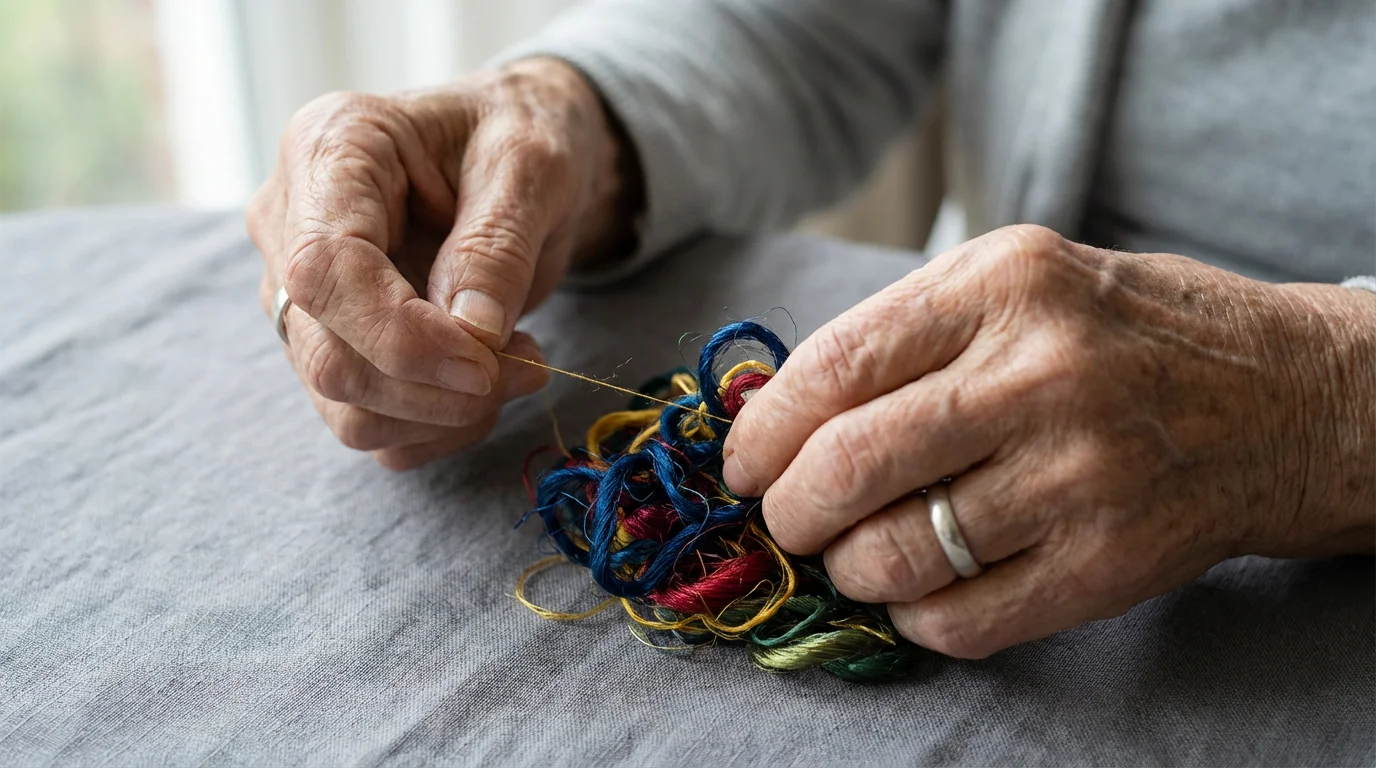
Every significant undertaking comes with its share of hurdles, and a creative reinvention in retirement is no exception. You may encounter self-doubt, creative blocks, or practical difficulties. However, your past experiences have equipped you with resilience and problem-solving skills. View these challenges as integral parts of your growth, not as roadblocks.
The transition from a structured corporate life to a more fluid creative existence demands patience and self-compassion. Recognize that creative development is not linear; there will be moments of intense inspiration and periods of quiet introspection. Trust your process and celebrate every small victory. The journey itself is the reward.
Consider these strategies for sustained creative engagement:
- Cultivate Persistence: Not every creative endeavor will be an instant success. Keep refining your skills and adapting your approach. Persistence is the hallmark of any successful artist or entrepreneur.
- Manage Expectations: Understand that `hobby income` may fluctuate, and creative recognition can take time. Focus on the joy of creation rather than solely on external outcomes.
- Embrace Failure as Learning: Every mistake offers a valuable lesson. Analyze what went wrong, adjust your strategy, and move forward with renewed insight.
- Prioritize Self-Care: Creative work can be demanding. Ensure you maintain a healthy lifestyle, including adequate rest, nutrition, and physical activity. A rested mind is a creative mind.
- Seek Inspiration Broadly: Look beyond your immediate creative field. Explore nature, read diverse genres, travel, or visit museums. New experiences feed your imagination.
- Celebrate Small Victories: Acknowledge your progress, whether it is completing a challenging piece, learning a new technique, or making your first sale. These milestones fuel your motivation.
Your ability to adapt and grow is one of your greatest strengths. This creative chapter empowers you to live authentically, pushing beyond former limitations and embracing your full potential.
Your Action Plan for Creative Reinvention
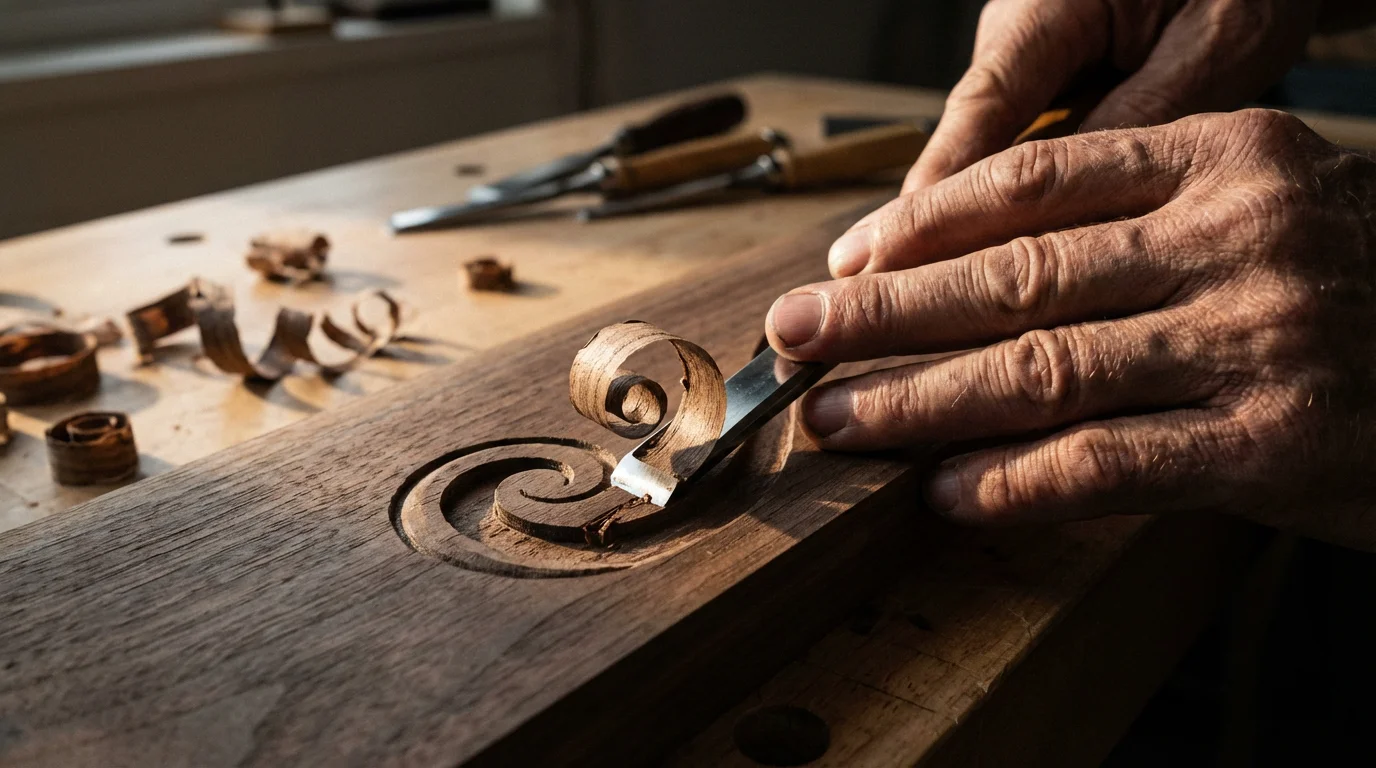
Transforming your retirement into a period of profound creative engagement requires intentional steps. You possess the wisdom and courage to make this vision a reality. Begin today with small, achievable actions that build momentum towards your grander aspirations. Your future creative self will thank you.
- Define Your Vision: Clearly articulate what kind of `creative career` or `artistic expression` you want to pursue. What does success look like for you in this new chapter?
- Assess Your Resources: Evaluate your time, financial resources, and existing skills. What training or equipment might you need? Plan your budget and allocate funds for courses or materials.
- Start Small, Iterate Often: Do not feel pressured to launch a full-scale creative business immediately. Begin with small projects, gather feedback, and refine your approach. This iterative process builds confidence and expertise.
- Build a Learning Plan: Identify specific skills you want to develop. Sign up for a workshop, enroll in an online course, or commit to regular self-study. Remember, `how to pursue a creative career` often starts with skill acquisition.
- Create a Dedicated Space: Designate an area in your home specifically for your creative work. This physical separation helps you focus and signals to yourself and others the importance of your creative time.
- Schedule Creative Time: Treat your creative pursuits with the same respect as a professional appointment. Block out regular, uninterrupted time in your calendar for your art, writing, or craft. Consistency is key to progress.
- Connect with Your Tribe: Actively seek out and engage with other creatives. Join online communities, attend local events, or find a mentor. Building a network provides support and opportunities.
- Share Your Work: Overcome the fear of showing your creations. Share with trusted friends, family, or online groups. Constructive feedback is vital for growth, and celebrating your work inspires you.
- Review and Adapt: Regularly assess your progress and adjust your plan as needed. The creative path is dynamic; be flexible and open to new directions that emerge.
You have the power to sculpt a retirement that is not only extraordinary but also deeply authentic to you. Embrace the adventure of self-discovery and the joy of creation. Your best work, your most fulfilling endeavors, are still ahead.
Frequently Asked Questions
Is it really possible to start a creative career after 55?
Absolutely. Many individuals over 55 successfully launch vibrant creative careers, whether as artists, writers, musicians, or consultants. Your life experience and accumulated wisdom offer a unique perspective and depth to your work. Retirement provides the time and freedom to dedicate yourself fully to these passions, transforming them into fulfilling professional or semi-professional endeavors. This period is prime for innovation and personal growth.
What if I don’t think I’m creative enough?
Creativity is a skill that develops with practice and exploration, not an innate talent only a few possess. Everyone has a creative spark. Begin by experimenting with various activities that pique your interest. Take a class, read books on different art forms, or simply play around with materials. You may discover hidden talents or develop new ones. The goal is enjoyment and expression, not immediate mastery.
How can I find time for creative pursuits amidst other retirement activities?
Effective time management is crucial. Treat your creative time as a non-negotiable appointment in your schedule. Block out specific hours each week, even if they are short initially. Prioritize activities that truly fuel your passion and learn to say no to commitments that do not align with your creative goals. You are crafting your ideal retirement, and that includes making space for what truly matters to you.
Do I need to make money from my creative activities?
No, making money from your creative activities is entirely optional. For many, the joy comes purely from the act of creation and self-expression. However, generating `hobby income` can provide a sense of validation, cover costs for materials or workshops, and offer an additional stream of financial independence. You define what a successful `creative career` means for your unique journey. Focus on the fulfillment first, and financial opportunities may follow.
Where can I find support or community for my new creative venture?
Numerous resources exist to connect you with like-minded individuals. Look for local art centers, writing groups, or music collectives. Online platforms offer virtual communities and courses, providing mentorship and opportunities for collaboration. Organizations like SCORE Mentoring offer free business advice for new entrepreneurs, while Osher Lifelong Learning Institutes provide educational environments for older adults. Actively seek out others who share your passions, and you will find a supportive community.
Disclaimer: This article is for informational and inspirational purposes. Life decisions are deeply personal, and we encourage readers to pursue their dreams while considering their unique circumstances, health, and financial situation.






Leave a Reply