
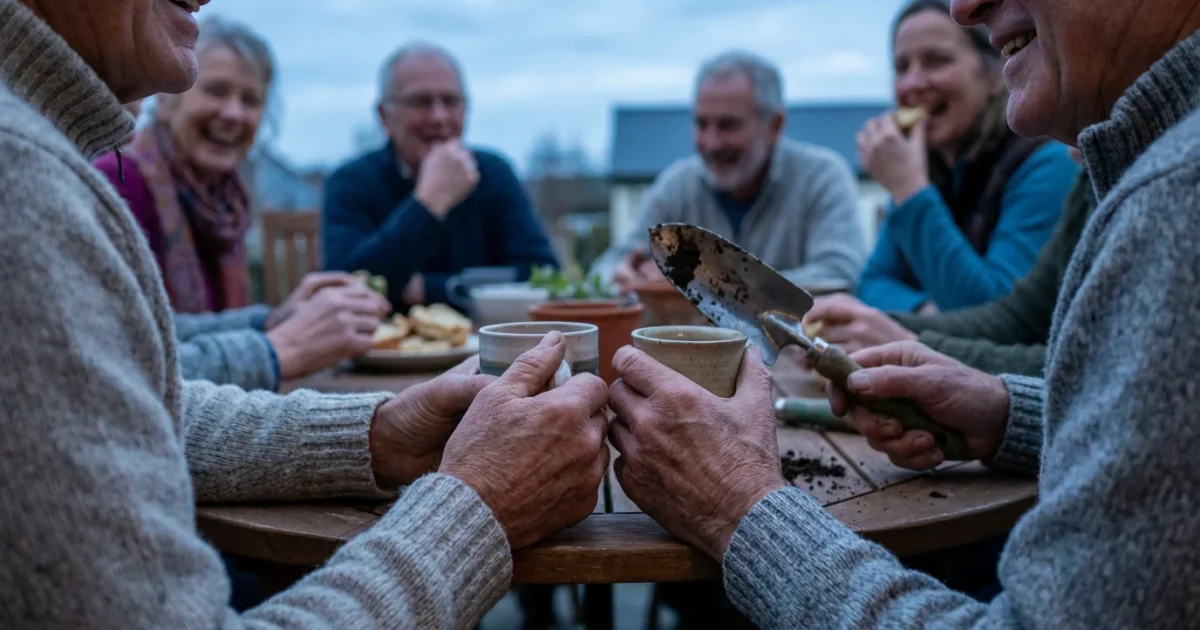
Retirement unfolds as a grand new chapter, an opportunity to redefine your days and pursue passions you once postponed. While you embrace personal freedom, the quest for meaningful connection remains vital. Humans thrive on interaction, and a vibrant social life enriches your golden years, transforming good times into extraordinary experiences. This stage of life isn’t about slowing down, it is about amplifying your potential and expanding your world.
You have the power to create a retirement filled with deep friendships, shared adventures, and a strong sense of belonging. The unlimited potential of this chapter invites you to build a fulfilling senior community. Let’s explore practical strategies and inspiring pathways to ensure your social life truly flourishes.
The Power of Connection: Why Community Matters in Retirement
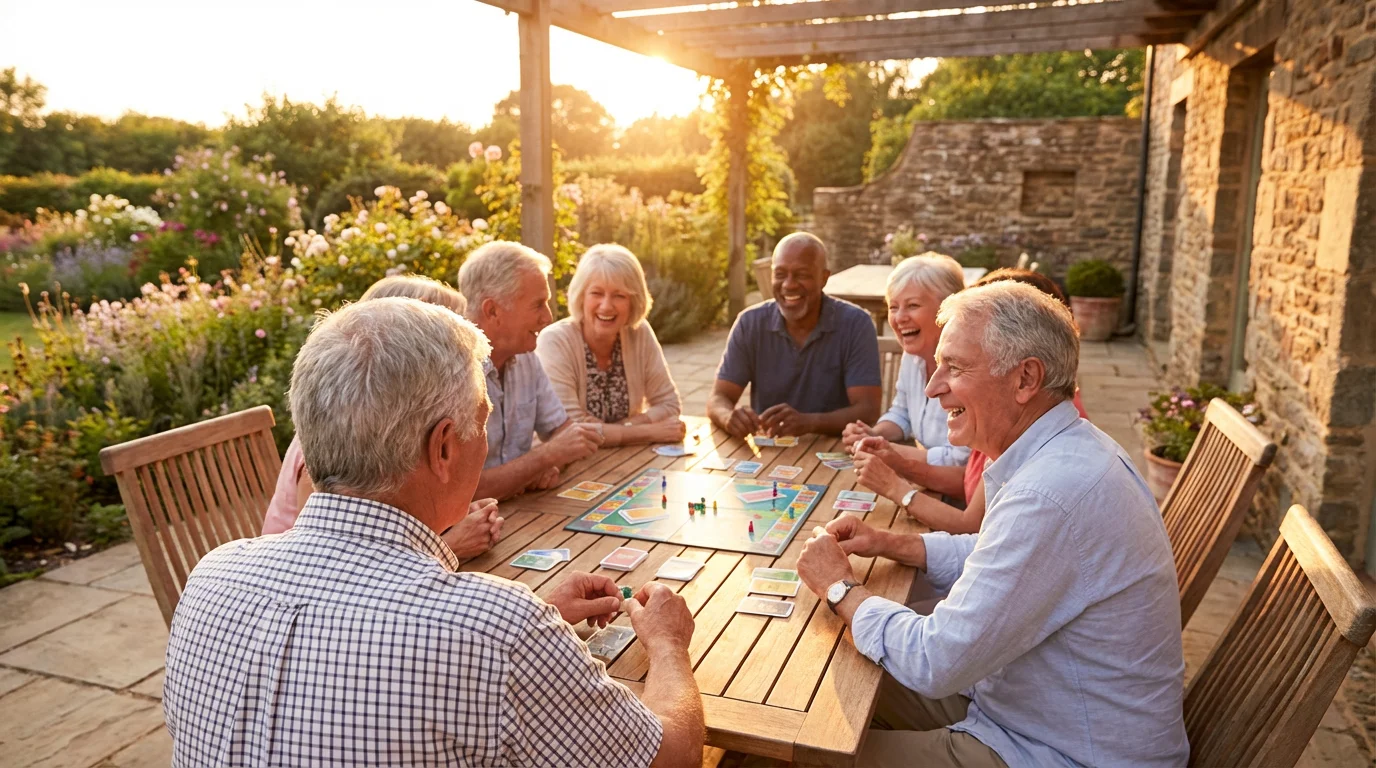
Strong social connections do more than simply make you feel good. They contribute significantly to your overall well-being, fostering both mental sharpness and physical health. Research consistently demonstrates that individuals with robust social networks experience lower rates of depression and cognitive decline, enjoying a higher quality of life.
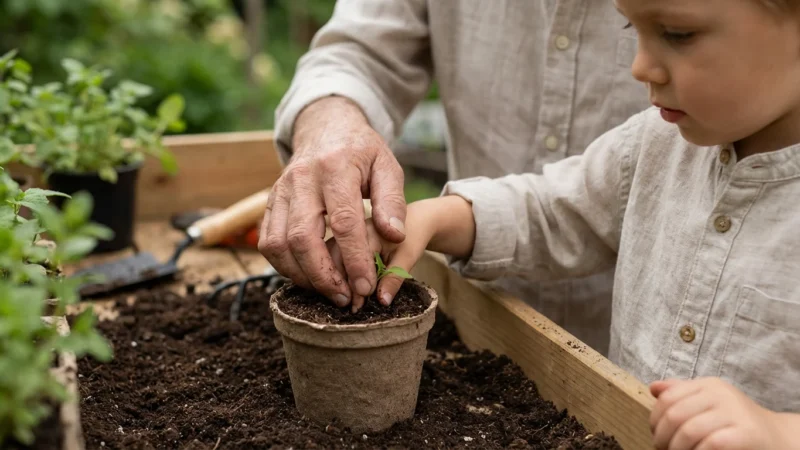
Cultivating intergenerational connections also provides a unique sense of vitality, bridging experience with new perspectives.
The National Institute on Aging highlights the critical role of social engagement in healthy aging, indicating it promotes cognitive vitality and emotional resilience. You gain a greater sense of purpose, improved mood, and even increased longevity when you actively participate in a supportive senior community. This isn’t merely a nice-to-have; it’s a foundational element for a truly extraordinary retirement, empowering you to live your best years.
Connecting with others provides vital emotional support, helps manage stress, and offers opportunities for shared joy. These interactions stimulate your brain, keeping your mind agile and adaptable. Embrace the profound impact of community on your health and happiness.

Defining Your Social Vision: What Kind of Connections Do You Seek?
Before you dive into new activities, consider what types of social connections resonate most with you. Do you seek casual acquaintances for shared hobbies, deep friendships for heartfelt conversations, or perhaps a collaborative team for a new project? Your ideal social life looks unique to you, reflecting your personal needs and aspirations.
Many find that reinventing themselves after a career allows for more authentic social interactions and creative collaborations.
You might also find that embracing minimalism in retirement simplifies your schedule, creating more space for these vital social interactions.
Reflect on your values, your energy levels, and your interests. This clarity guides your search and helps you discover retirement groups and social settings where you genuinely belong. Understanding your preferences allows you to effectively build the connections you truly desire, rather than simply filling your calendar.
Ask yourself what you want to gain from your social interactions. Do you crave intellectual debates, physical activity, creative expression, or simply companionship? Pinpointing these desires helps you choose the right avenues for engagement.
- Deep Friendships: You might seek companions for intimate conversations, shared life experiences, mutual support, and unconditional acceptance. These relationships often develop over time through consistent interaction and vulnerability.
- Activity Partners: Find others who share specific hobbies, like hiking, book clubs, art classes, or board games. These connections form around shared interests and often involve structured group activities, providing an easy entry point for interaction.
- Community Contributors: Connect with individuals through volunteer work or advocacy, focusing on shared causes and making a tangible difference. These relationships are built on a collective purpose and often foster a strong sense of camaraderie and teamwork.
- Lifelong Learners: Join groups centered around intellectual pursuits, lectures, workshops, or educational travel. Here, you connect with curious minds, expanding your knowledge while engaging in stimulating discussions with fellow enthusiasts.
Engaging Your Passions: Joining Retirement Groups and Clubs
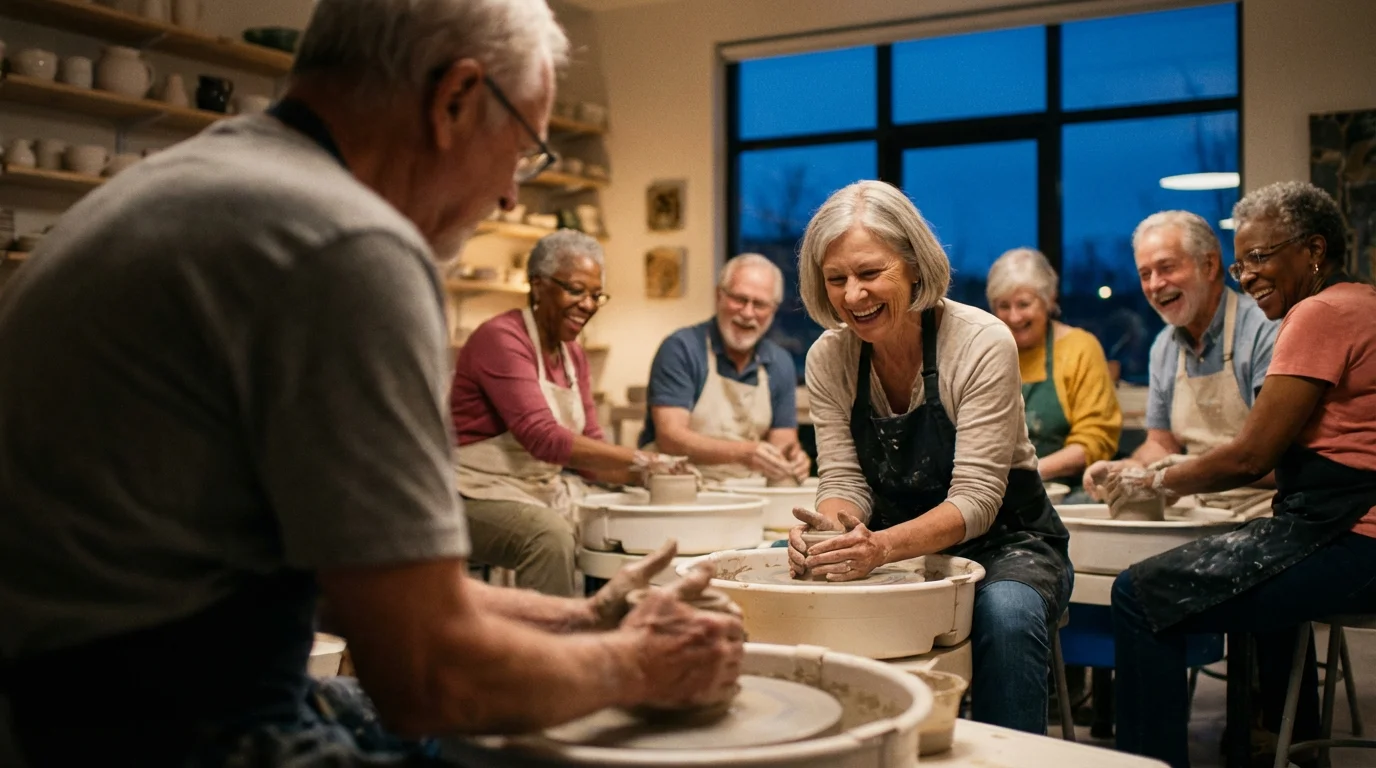
Your existing interests provide the most natural gateway to meeting like-minded people. Think about what truly excites you, then seek out retirement groups and clubs centered around those passions. This proactive approach ensures you find social connections built on shared enthusiasm, making conversations and camaraderie flow effortlessly.
Connecting through high-energy activities, such as transitioning from a corporate desk to cross-country cycling, is an excellent way to bond over a shared sense of adventure.
Many senior community centers, local libraries, and community organizations host a wide array of activities specifically designed for older adults. Explore options that align with your hobbies, whether they are new or lifelong pursuits. You will find people who share your zest for life and specific interests, fostering an immediate sense of belonging.
Don’t hesitate to try something new, even if it feels slightly outside your comfort zone. A new hobby can open up an entirely new world of social opportunities. Embrace the spirit of adventure and curiosity that retirement empowers you to cultivate.
- Join a Book Club: Discuss literature, exchange ideas, and forge intellectual bonds over shared stories. Many libraries or independent bookstores host open book clubs, providing an easy way to join.
- Enroll in a Fitness Class: Participate in yoga, Pilates, dance, or water aerobics classes designed for seniors. These not only boost your physical health but also create a regular, relaxed environment for camaraderie and friendly interaction.
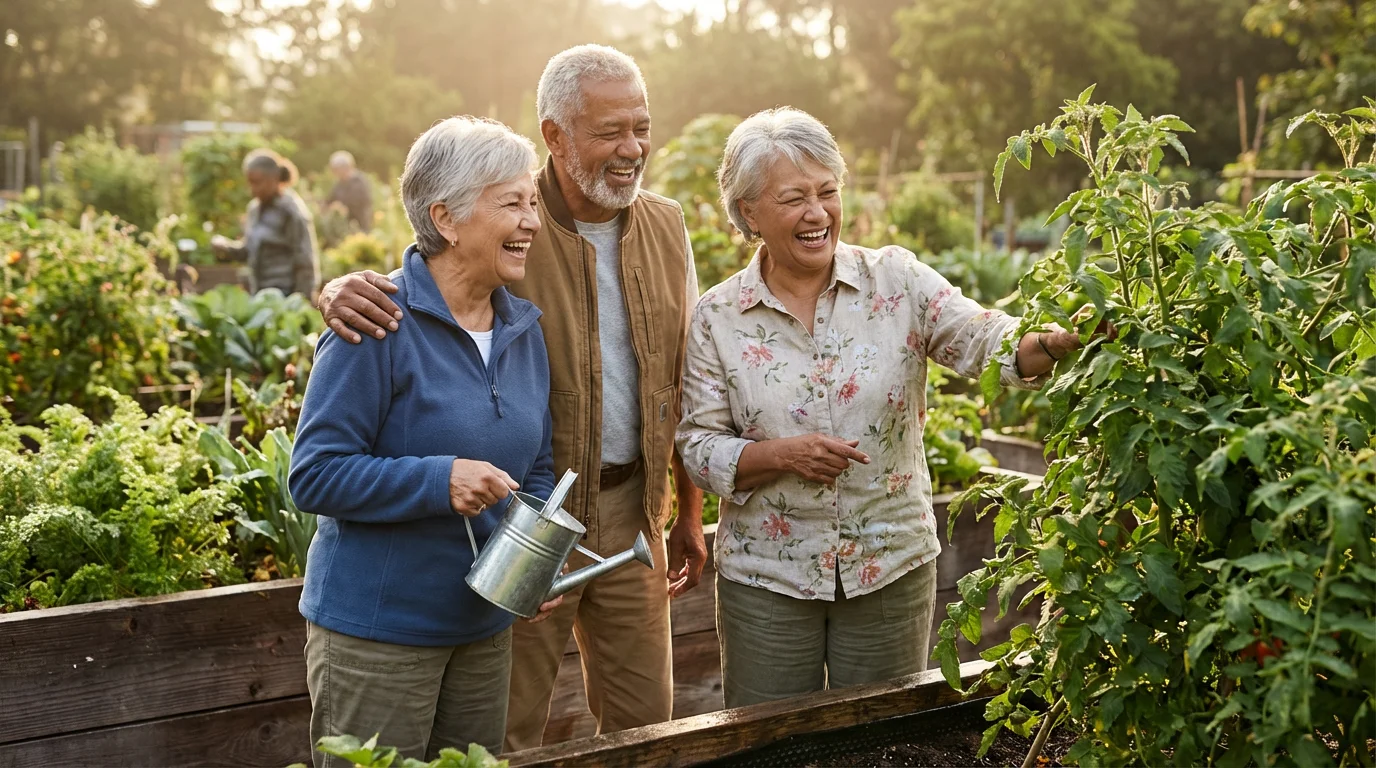
- Discover a Hobby Group: Whether you love gardening, photography, painting, woodworking, or model building, a specific interest group likely exists for you. Check local community boards or online forums for these niche communities.
- Play Cards or Board Games: Engage in regular game nights, fostering friendly competition and social interaction. Bridge, mahjong, poker, or various board games offer structured fun and opportunities to get to know people.
- Participate in a Walking Club: Explore local trails, parks, or cityscapes with a group, combining invigorating exercise with easy conversation. These clubs offer a low-pressure way to build connections while enjoying the outdoors.
- Join a Choir or Band: If music is your passion, contributing to a musical group offers both creative expression and strong social bonds. Shared performances create a unique sense of teamwork and accomplishment.

Learning and Growing Together: Educational Opportunities and Senior Communities
The pursuit of knowledge knows no age limit. Lifelong learning offers an incredible avenue for building social connections, particularly for those who cherish intellectual stimulation. Educational settings naturally bring together curious minds, creating an ideal environment for forming retirement groups and fostering deep discussions.
Focusing on mastering a new skill is a rewarding way to meet others while challenging your cognitive boundaries.
Consider enrolling in courses at a local college or university. Many institutions offer special programs or auditing opportunities specifically for older adults, often at reduced costs. You gain new skills and knowledge while expanding your social circle with individuals who share your intellectual curiosity.
It is never too late to be what you might have been.
This timeless wisdom reminds you of your unlimited potential. Organizations like Osher Lifelong Learning Institutes, often affiliated with universities, provide engaging non-credit courses, lectures, and field trips. These programs offer rich opportunities to learn and connect within a vibrant senior community, focusing on exploration without the pressure of grades. Road Scholar also offers educational travel experiences, combining adventure with intellectual exploration and built-in social interaction, allowing you to learn about new cultures alongside new friends.
Embrace the chance to revisit old subjects or delve into entirely new ones. The shared experience of discovery builds strong bonds and lively discussions. You develop a deeper understanding of the world and each other.
- University Extension Courses: Explore subjects from history and philosophy to creative writing and coding, often through evening or weekend classes designed for adult learners.
- Community College Programs: Learn new crafts, practical skills, or vocational subjects in a supportive environment. These programs often have smaller class sizes, facilitating more personal interactions.
- Osher Lifelong Learning Institutes: Join a nationwide network dedicated to adult education, offering diverse courses led by passionate instructors. These programs actively foster a sense of community among members.
- Local Workshops and Seminars: Attend one-off events on various topics, from financial planning to digital photography. These short engagements provide a low-commitment way to sample new interests and meet people.
- Museum or Botanical Garden Lectures: Engage with cultural and natural history while meeting fellow enthusiasts. Many cultural institutions offer special events or docent-led tours that encourage group interaction.
Giving Back: Volunteering for a Richer Social Life
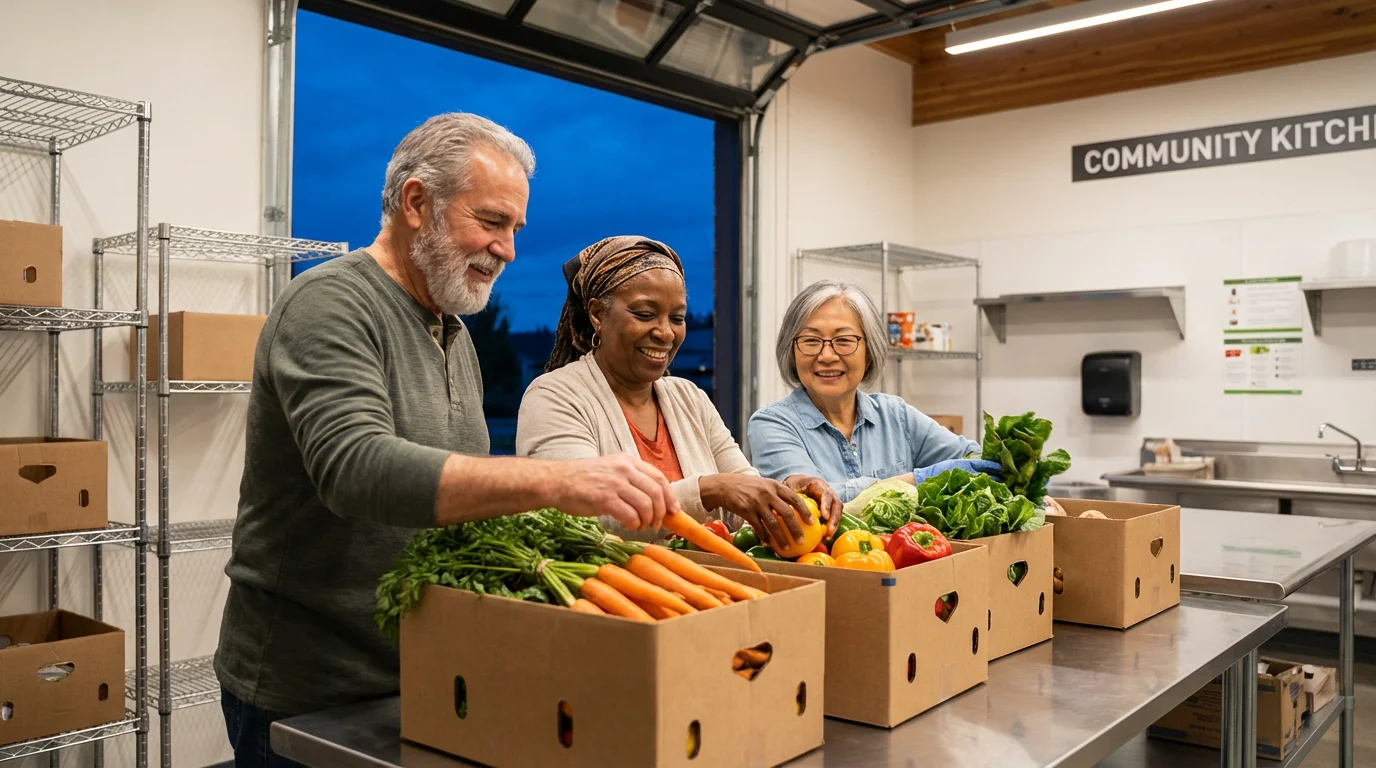
Volunteering offers a powerful dual benefit: it enriches your community and deeply enhances your own social life. When you dedicate your time to a cause you believe in, you connect with others who share your values and passion. This shared purpose forms a strong foundation for new friendships and a sense of belonging within a senior community.
Finding the right volunteer opportunity involves considering your skills, interests, and how much time you wish to commit. Organizations like VolunteerMatch make it easy to discover local opportunities that align with your preferences. You might find yourself mentoring, assisting at a hospital, or working for environmental causes, each offering unique avenues for connection.
Encore.org specifically champions individuals over 50 years old who use their experience to solve social problems, even offering the prestigious Purpose Prize to inspiring changemakers. This organization emphasizes the power of experienced individuals to make a significant impact, providing meaningful engagement and social networks. Giving your time creates purpose and opens doors to unexpected friendships.
- Mentor Younger Professionals: Share your wisdom and experience through organizations like SCORE Mentoring, helping small businesses and startups thrive. This builds intergenerational connections and offers profound satisfaction.
- Support Local Charities: Assist with events, administrative tasks, or direct service for causes you care about, such as food banks, animal shelters, or homeless support. You work alongside dedicated individuals, building bonds through shared effort.
- Help at Animal Shelters: Care for animals and connect with fellow animal lovers, fostering compassion and teamwork. This offers a rewarding experience for those who appreciate animal companionship.
- Tutor Students: Offer academic support to children or adults, making a tangible difference in their lives. This provides a structured way to interact and build rapport with both students and other volunteers.
- Serve on a Board or Committee: Use your professional expertise to guide a non-profit organization. This allows you to contribute at a strategic level, meeting other community leaders and making a significant impact.
- Become a Docent or Tour Guide: Share your knowledge and passion for history, art, or nature by guiding visitors at museums, historical sites, or nature preserves. This provides consistent social interaction and intellectual engagement.

Leveraging Digital Connections: Online Retirement Groups and Beyond
The digital world offers a vast landscape for connection, especially if you live in a rural area or have mobility challenges. Online retirement groups provide platforms to interact with people globally or locally, all from the comfort of your home. These virtual communities offer a diverse array of interests, from travel planning to specific health support forums, ensuring you find a niche.
Many social media platforms host private groups dedicated to retirees, specific hobbies, or regional connections. You can discuss shared interests, exchange advice, and even plan in-person meetups, extending your reach beyond geographical limitations. Embrace these tools to expand your social life significantly.
Remember to prioritize safety and verify identities when interacting online, just as you would in any new social setting. Use strong passwords, be cautious about sharing personal information, and always meet in a public place for initial in-person interactions. Responsible digital engagement opens many doors.
- Facebook Groups: Search for groups related to “retirees in [your city],” “travel over 60,” “genealogy,” or specific hobbies. These groups often facilitate lively discussions and offer event announcements.
- Online Forums: Join dedicated forums for niche hobbies like classic cars, bird watching, photography, or specific health conditions. These platforms allow for in-depth discussions and sharing of expertise.
- Video Conferencing with Family and Friends: Bridge geographical distances with regular virtual calls using platforms like Zoom or FaceTime. Seeing faces makes interactions much more personal and maintains vital family connections.
- Virtual Book Clubs: Participate in discussions with members from anywhere in the world. Many online platforms host ongoing book clubs, offering diverse perspectives and intellectual engagement.
- Online Gaming Communities: Connect with others through shared digital entertainment. Many games offer social features that allow players to collaborate, compete, and communicate, fostering friendships in a fun, interactive environment.
- Skill-Sharing Platforms: Join online communities where you can teach or learn new skills. This could range from coding to knitting, connecting you with others who share your curiosity for growth and exchange.
Nurturing Existing Bonds and Forging New Ones
While seeking new connections, remember the enduring value of your current relationships. Invest time in strengthening bonds with family, long-time friends, and former colleagues. These established connections provide a crucial foundation for your social well-being, offering comfort, history, and unwavering support. Regular communication, shared meals, and planned activities keep these relationships vibrant and meaningful.
Simultaneously, make yourself open to forging new friendships. Attend social events with a welcoming attitude and an open mind. Strike up conversations with new people you encounter at clubs, classes, or volunteer activities. Be genuinely curious about others, ask thoughtful questions, and share aspects of your own life. Building a diverse social network involves both deepening old ties and enthusiastically embracing new ones, creating a rich tapestry of relationships.
Authenticity forms the bedrock of strong connections. Be yourself, share your experiences, and allow others to see the real you. This vulnerability fosters trust and allows deeper friendships to blossom, making your senior community truly vibrant.
- Schedule Regular Get-Togethers: Plan monthly dinners, coffee dates, or cultural outings with close friends. Consistency reinforces the bond and shows your commitment to the relationship.
- Reconnect with Former Colleagues: Reach out and suggest a casual lunch or virtual catch-up. Your shared professional history can provide a unique foundation for renewed friendship in retirement.
- Host Small Gatherings: Invite a mix of old and new acquaintances to your home. This can help bridge different parts of your social circle and introduce new people in a relaxed setting.
- Be an Active Listener: Show genuine interest in what others say. Ask follow-up questions and remember details about their lives. This demonstrates care and makes people feel valued.
- Offer Help and Accept It: Reciprocity strengthens bonds, fostering a sense of mutual support and trust. When you offer assistance or accept help from others, you deepen the connection.
- Share New Experiences: Invite friends, both old and new, to try new restaurants, attend local events, or embark on a short trip. Shared adventures create lasting memories and strengthen relationships.
Overcoming Obstacles: Proactive Steps for Combating Loneliness
Loneliness can feel profoundly isolating, but many proactive strategies exist to combat it effectively. Recognize that feeling lonely is a signal, not a failing. It indicates a human need for more connection. Take deliberate steps to build your social life and address these feelings head-on. You possess the agency to change your circumstances and cultivate a more connected existence.
Start small if large social gatherings feel overwhelming. Even brief, positive interactions with neighbors, shopkeepers, or librarians can brighten your day and build confidence for larger steps. Gradually expand your comfort zone, celebrating each small victory. Prioritizing your social well-being is a powerful act of self-care and a testament to your commitment to a fulfilling retirement.
Understand that building a robust social life is a journey, not a destination. It requires patience, persistence, and a willingness to be open. Every step you take moves you closer to a richer, more connected life, diminishing the shadows of loneliness.
- Identify Your Triggers: Understand when and why you feel lonely to develop targeted strategies. Is it during specific times of day, after certain events, or in particular environments? Awareness empowers action.
- Schedule Social Time: Treat social engagements with the same importance as other appointments. Blocking out time for friends or group activities ensures you prioritize connection in your weekly routine.
- Take Initiative: Don’t wait for others to invite you. Reach out and propose activities, whether a coffee meet-up, a walk in the park, or a movie night. Being the organizer often brings great reward.
- Practice Self-Compassion: Understand that building connections takes time and effort. Some attempts might not lead to lasting friendships, and that is okay. Be kind to yourself throughout the process.
- Seek Professional Support if Needed: If persistent loneliness impacts your mental health, consider speaking with a counselor or therapist. Psychology Today offers resources to find professionals who can help you explore these feelings and develop effective coping mechanisms and strategies for engagement.
- Engage in Random Acts of Kindness: A simple smile, a compliment, or a helpful gesture to a stranger can spark a brief but meaningful connection, improving both your mood and theirs. These small interactions build a sense of community.
Frequently Asked Questions
How can I find retirement groups near me?
Start by checking your local senior community center, public library, or community recreation department. Many offer brochures or online listings of activities and clubs, often tailored for older adults. Websites like Meetup.com also allow you to search for local interest groups based on specific hobbies or locations. Additionally, word-of-mouth from friends or neighbors frequently uncovers hidden gems, so ask around your existing network.
What if I’m shy or introverted? How can I meet people in retirement?
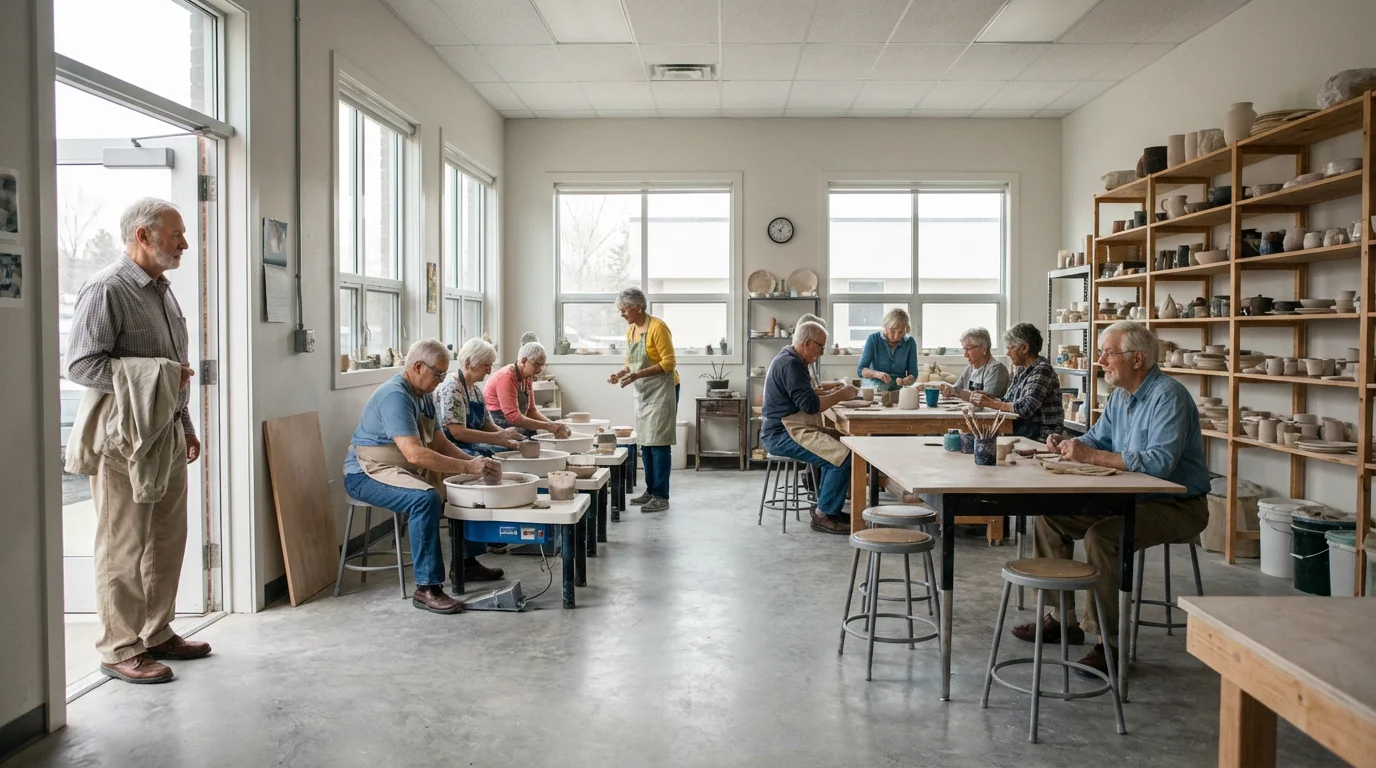
Shyness is a common experience, but it doesn’t prevent you from building a rich social life. Start with activities that focus on a shared task or interest, like a pottery class, a volunteer shift, or a guided tour, rather than purely social gatherings. This provides a natural conversation starter and reduces the pressure for small talk. Remember, deep connections often begin with small, consistent interactions over time. Focus on quality over quantity in your social engagements, allowing authentic relationships to develop at your own pace.
How does social connection impact my health in retirement?
Strong social connections significantly boost your physical and mental health. Studies show that a robust social life can lower your risk of depression, improve cognitive function, and even increase your lifespan, as highlighted by the National Institute on Aging. You experience greater emotional support, reduced stress, and a stronger sense of purpose when you engage actively with a senior community. This positive impact makes social connection a cornerstone of healthy aging, contributing to a more resilient and joyful retirement.
Is it possible to make new close friends in retirement?
Absolutely. You retain the capacity for deep connection at any age. While forming new friendships can take time, retirement offers ample opportunities due to increased free time and fewer work-related constraints. Join groups aligned with your passions, volunteer for causes you believe in, or participate in lifelong learning programs. Shared experiences and consistent interaction pave the way for genuine friendships. Many people report forging some of their most meaningful and supportive bonds in their later years, discovering companions who truly understand this unique life stage.
What role does technology play in combating loneliness after retiring?
Technology serves as a powerful tool in combating loneliness, especially for those with limited mobility or geographical constraints. Video calls connect you instantly with distant family and friends, maintaining vital bonds. Online retirement groups and forums let you pursue hobbies or discuss interests with like-minded individuals worldwide, bridging cultural and physical gaps. Social media, used mindfully, can also keep you engaged with wider circles and local community events. Technology helps bridge distances and create new avenues for connection, but remember to balance virtual connections with real-world interactions when possible for the most holistic social life.
Disclaimer: This article is for informational and inspirational purposes. Life decisions are deeply personal, and we encourage readers to pursue their dreams while considering their unique circumstances, health, and financial situation.








Leave a Reply