
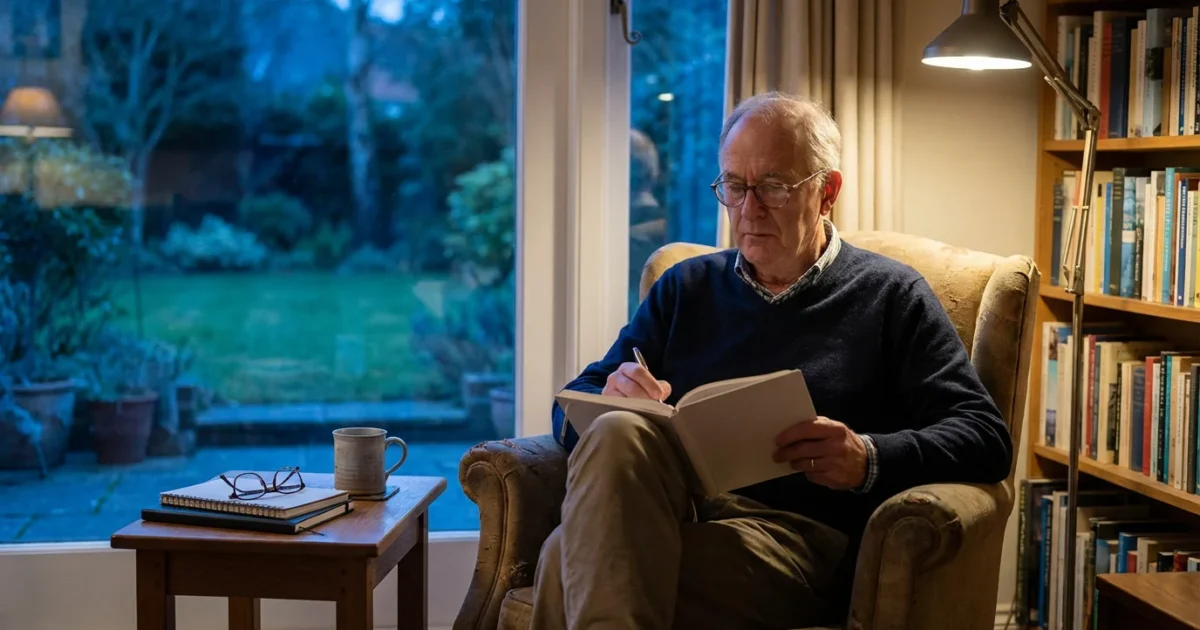
Your retirement chapter offers an unparalleled opportunity for discovery and self-expression. As you embrace new freedoms, you unlock fresh avenues for creativity. Consider the rich tapestry of your life, the wisdom gained, and the stories waiting to be told. Creative writing provides an incredible outlet to explore these depths, whether you pursue fiction, poetry, or memoir.
Engaging in creative writing strengthens cognitive function, reduces stress, and connects you more deeply with your own experiences and emotions. It is a journey of introspection and invention. You hold the pen, ready to craft narratives that resonate with your unique voice and perspective. This article provides a wealth of writing prompts to ignite your imagination and guide your literary endeavors.
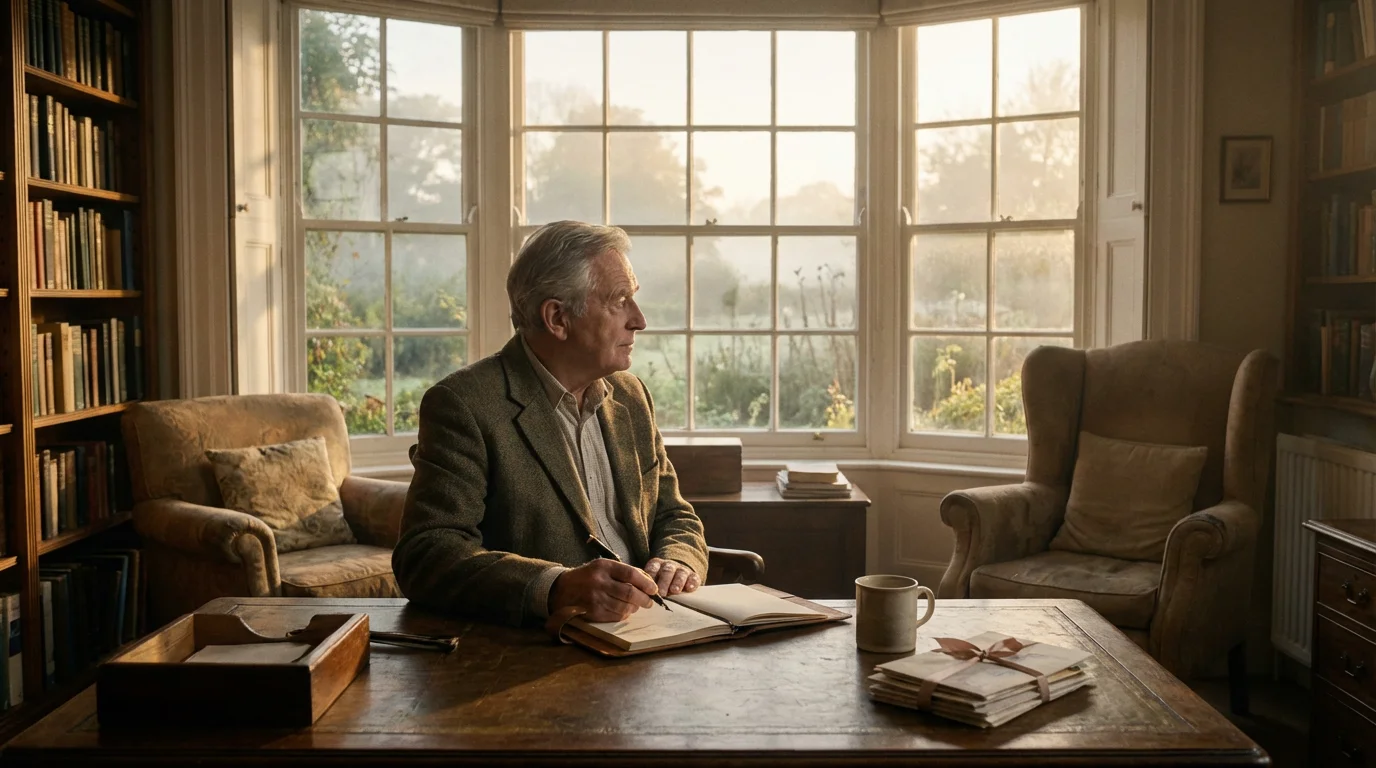
The Power of Your Retirement Story
You carry a lifetime of experiences, observations, and insights. This vast reservoir of knowledge becomes your most valuable asset as a writer. Retirement grants you the time and space to reflect on these memories, transforming them into compelling stories.
Your unique perspective adds authenticity and depth to any narrative. Whether you document personal history or invent fantastical realms, your accumulated wisdom enriches the creative process. Embrace your past as a spring of inspiration for your future writing projects.
It is never too late to be what you might have been. — George Eliot

Why Creative Writing Thrives in Retirement
Retirement presents an ideal environment for creative pursuits. You gain freedom from daily professional demands, dedicating newfound hours to passions like writing. This freedom allows for uninterrupted focus and sustained creative effort.
This shift is a key part of reinventing yourself in retirement as you trade the boardroom for the blank page.
Many senior writers discover a profound sense of purpose through their craft. Engaging in meaningful activities, such as creative expression, contributes significantly to well-being and life satisfaction, as research on purpose in life consistently shows. You build new neural pathways and keep your mind agile, fostering continuous growth.
The absence of external pressures, often present in earlier career stages, allows for a more authentic and uninhibited writing style. You write for yourself, for the joy of creation, and for the satisfaction of telling your story. This intrinsic motivation fuels your passion.

Practical Steps to Begin Your Writing Journey
Starting a new endeavor can feel daunting, yet small, consistent steps lead to significant progress. You can establish a robust writing practice by implementing a few key strategies. These practical steps lay a solid foundation for your creative endeavors.
If you find it hard to describe a scene, mastering photography in retirement can help you visualize the settings for your stories.
Much like the precision required for mastering new culinary skills, establishing a successful writing habit depends on selecting the right ingredients for your routine.
- Designate Your Writing Space: Create a dedicated area free from distractions. This space signals to your brain that it is time to write, fostering focus and routine. Ensure it feels comfortable and inspiring.
- Set Aside Regular Writing Time: Consistency builds momentum. Whether you write for 15 minutes or two hours, commit to a schedule. Treat these sessions as important appointments you cannot miss.
- Read Widely and Actively: Immerse yourself in different genres and authors. Pay attention to structure, language, and character development. Reading fuels your own creativity and expands your literary toolkit.
- Join a Writing Group or Workshop: Connect with other senior writers. These communities provide valuable feedback, encouragement, and accountability. You gain new perspectives and refine your skills in a supportive environment.
- Keep a Writer’s Notebook: Carry a small notebook to capture ideas, observations, and snippets of dialogue as they arise. Inspiration strikes at unexpected moments; be ready to record it.
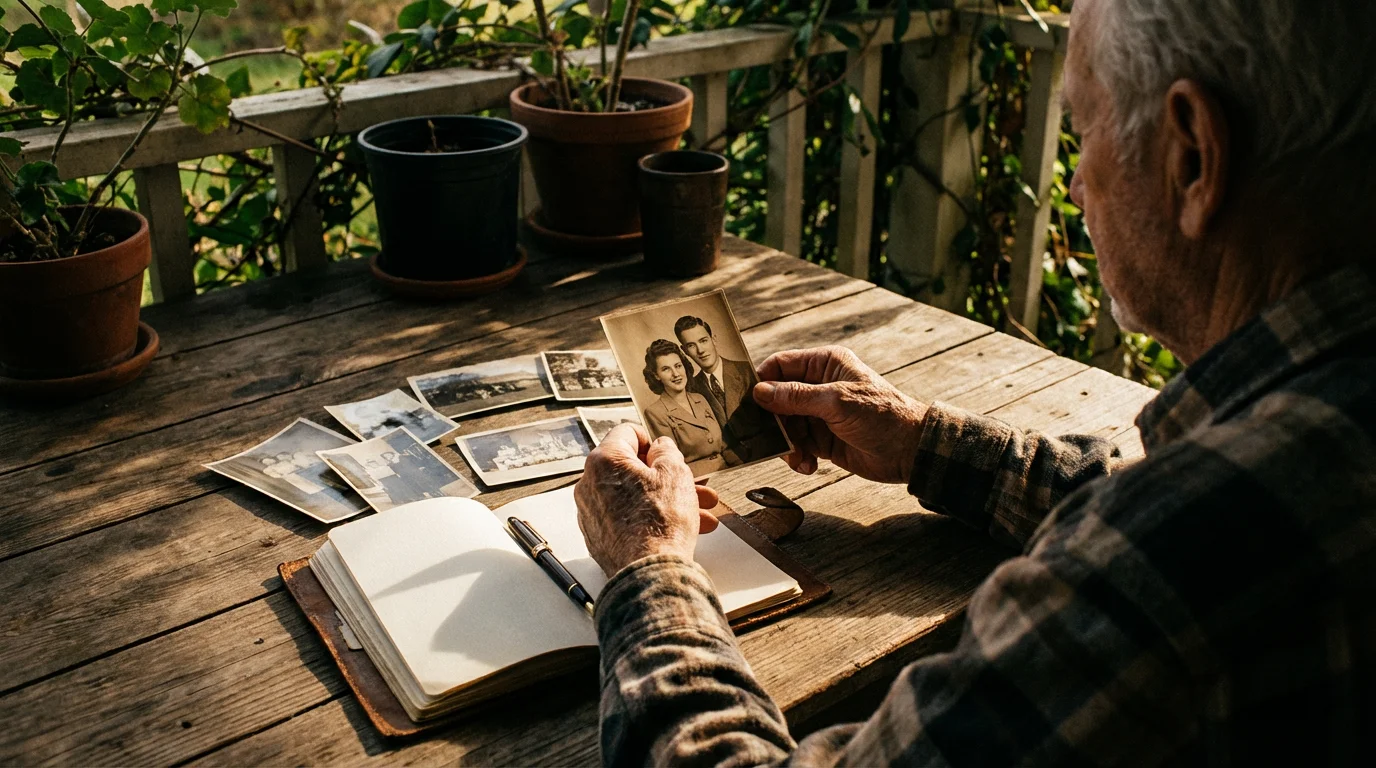
Journaling Prompts: Reflecting on Your Life’s Tapestry
Journaling offers an accessible entry point into creative writing. It encourages reflection, helps you process experiences, and uncovers forgotten details. These prompts guide you through your personal history, transforming memories into narrative.
Consider these journaling prompts to spark your imagination and delve into your rich past:
- Describe your earliest clear memory. What details stand out? What emotions accompany it?
- Recall a person who profoundly influenced your life. What specific lessons did they teach you? How did they change your path?
- Write about a significant turning point in your life. What decision did you make? What were the consequences, both immediate and long-term?
- Detail a place that holds deep personal meaning for you. Use all five senses to bring it to life on the page.
- Imagine a conversation with your younger self. What advice would you offer? What questions would you ask?
- Reflect on a time you faced a significant challenge and overcame it. What inner strengths did you discover?
- List ten things you are grateful for right now, then choose one and write a short story about its origin or significance.
- Describe a family tradition from your childhood. How has it evolved or stayed the same over the years?
- Write about a dream or aspiration you once held that you never pursued. How do you feel about it now?
- Chronicle a typical day in your life during a specific decade (e.g., 1960s, 1980s). Focus on everyday details.
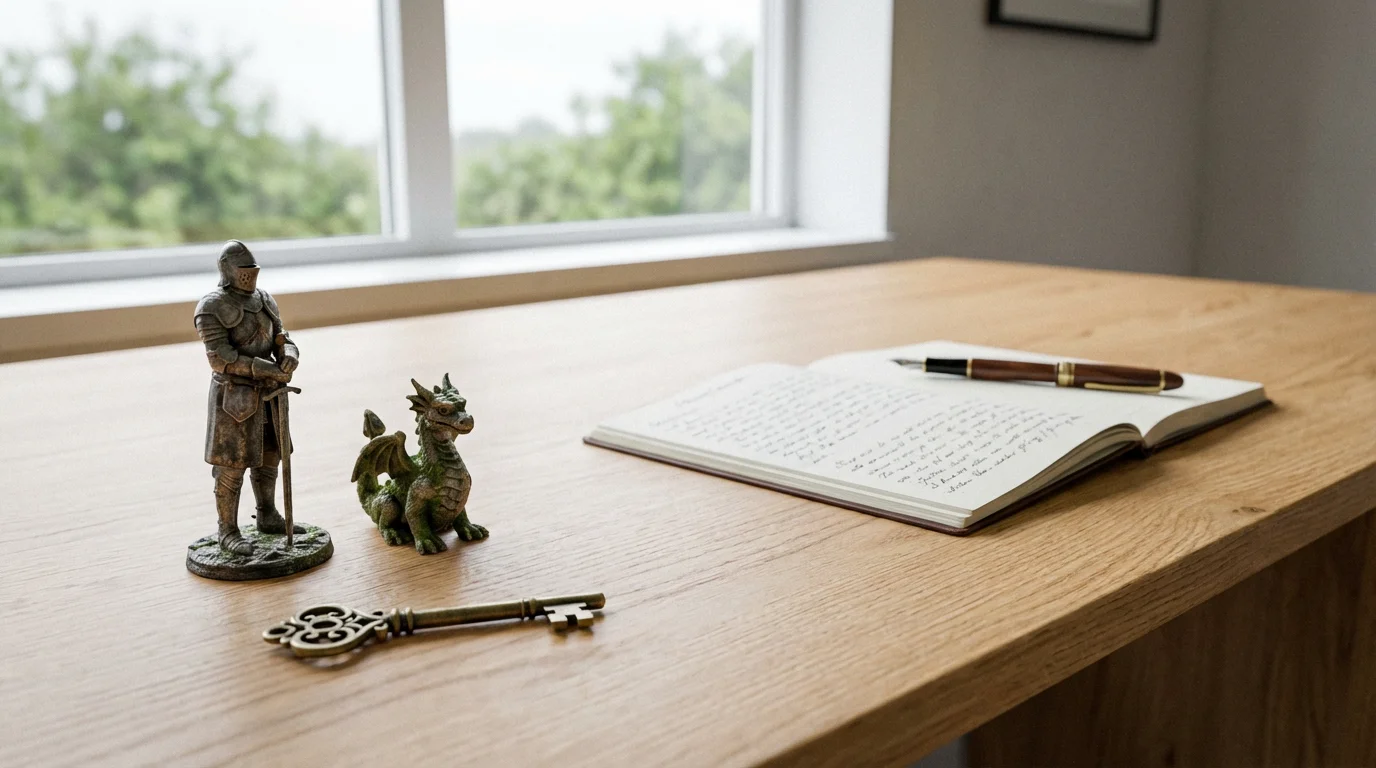
Fiction Prompts: Crafting New Worlds and Characters
Fiction allows you to build worlds, invent characters, and explore possibilities beyond your own reality. It provides an exhilarating escape and a powerful medium for storytelling. These prompts encourage you to let your imagination soar.
Building a complex fictional plot is similar to designing unique jewelry, where every small detail contributes to a beautiful, cohesive whole.
Use these creative writing prompts to develop compelling fictional narratives:
- An unexpected letter arrives, inviting your protagonist to a distant, mysterious estate. What secrets does the letter hint at?
- Your character discovers a hidden talent late in life. How does this new ability disrupt their routine and relationships?
- Write a story from the perspective of an inanimate object in your home, observing the family’s daily life over decades.
- A small town faces an unusual annual event that challenges its residents. What is the event, and how do people react?
- Create a character who believes they are living in a different era. How do they navigate modern life, and what clues hint at their delusion or reality?
- Your protagonist must make a difficult choice that affects their entire community. What are the options, and what are the stakes?
- Begin a story with a striking sensory detail: the smell of old paper, the taste of salt spray, the sound of an unfamiliar melody.
- Imagine a world where dreams are shared experiences. How does this impact society, relationships, and individual identity?
- Write a scene where two characters meet for the first time, but one of them knows a crucial secret about the other.
- A retired detective receives a cold case file from their past. What detail rekindles their interest, and what new evidence emerges?

Poetry Prompts: Expressing Emotion Through Verse
Poetry offers a concentrated form of expression, using rhythm, imagery, and sound to convey deep emotion and insight. It invites you to play with language and discover the beauty in everyday moments. Many senior writers find poetry a deeply satisfying pursuit.
The cadence of your poetry can find new life when paired with the discipline of learning a musical instrument, as both rely on rhythm and tone.
Unleash your inner poet with these inspiring prompts:
- Write a poem about the changing seasons, focusing on how each season reflects a different stage of life.
- Choose an ordinary object in your home (e.g., a teacup, a photograph, a worn book) and write a poem giving it a voice and history.
- Craft a haiku or tanka inspired by a moment of quiet observation in nature.
- Compose a free verse poem exploring the concept of legacy. What do you hope to leave behind?
- Write an ode to something you deeply appreciate: a person, a place, an abstract concept like courage.
- Explore a vivid dream you remember, translating its imagery and feeling into poetic form.
- Create a poem using only words related to color, then another using words related to sound.
- Write a poem that begins and ends with the same line.
- Reflect on a specific emotion (joy, melancholy, wonder) and describe its physical sensations and mental landscape.
- Pen a poem dedicated to a specific moment of gratitude or a small, overlooked beauty in your daily life.

Overcoming Writer’s Block and Staying Inspired
Even seasoned senior writers encounter moments of creative stagnation. Writer’s block is a common hurdle, not a sign of failure. You can employ several effective strategies to reignite your flow and maintain inspiration.
When you face “how to overcome writer’s block,” try these actionable techniques:
- Change Your Environment: Move to a different room, a coffee shop, or a park. A change of scenery often provides a fresh perspective and new sensory input.
- Engage in Free Writing: Write continuously for 10-15 minutes without stopping, censoring, or editing. Explore any thought, even if it seems irrelevant. This exercise loosens your mind and uncovers hidden ideas.
- Revisit Your Prompts: Look back at unused writing prompts or generate new ones. Sometimes a simple, fresh idea is all you need to get started again.
- Read a New Book or Genre: Immerse yourself in someone else’s storytelling. Reading widely sparks new ideas and reminds you of the joy of language.
- Take a Break and Do Something Else: Step away from your writing. Engage in a hobby, exercise, or socialize. Often, solutions emerge when you are not actively trying to force them.
- Connect with Other Senior Writers: Discuss your challenges with peers. Shared experiences and advice from others facing similar situations often provide encouragement and practical solutions.
- Explore Your Senses: Go for a walk and consciously notice five things you see, four things you hear, three things you smell, two things you touch, and one thing you taste. Use these observations as starting points.
- Set Small, Achievable Goals: Instead of aiming for a full chapter, commit to writing just one paragraph or even a single sentence. Success, however small, builds confidence.

Sharing Your Stories and Connecting with Others
Sharing your creative writing offers immense rewards. It allows you to connect with others, receive feedback, and build a sense of community. You validate your efforts and invite new perspectives into your creative process.
Consider these avenues for sharing your work:
- Local Writing Groups: Many communities host writing workshops and critique groups. These environments offer safe spaces for sharing and constructive feedback. You benefit from diverse viewpoints and build relationships.
- Online Platforms: Websites and forums dedicated to creative writing provide opportunities to publish short pieces, engage with readers, and join online communities.
- Family and Friends: Share your stories with those closest to you. Their encouragement and insights can be incredibly motivating.
- Local Publications or Contests: Explore opportunities to submit your work to community newspapers, literary magazines, or writing contests. This builds confidence and provides exposure.
- Self-Publishing: With accessible tools, you can publish your own collections of stories or poems. This gives you full control over your work and its distribution.
Remember, the act of writing enriches your life. Sharing your writing extends that richness to others, creating connections and leaving a lasting impact. Your words possess power and deserve an audience.
Frequently Asked Questions
What are good writing prompts for seniors?
Good writing prompts for seniors often draw upon life experience, encouraging reflection on pivotal moments, relationships, and historical events. Prompts about family history, significant inventions from their youth, or advice they would give their younger selves prove particularly effective. These themes leverage the unique wisdom and perspective that comes with age.
How can I overcome writer’s block in retirement?
Overcoming writer’s block involves several practical strategies. Try changing your writing environment, engaging in free writing for a short period, or stepping away to engage in a different activity. Reconnecting with other senior writers or reading a book outside your usual genre can also refresh your perspective and reignite your creative flow. Focus on small, achievable writing goals to rebuild momentum.
Is creative writing beneficial for cognitive health in older adults?
Yes, creative writing offers significant cognitive benefits for older adults. It stimulates memory recall, improves vocabulary, enhances problem-solving skills, and fosters mental agility. The process of structuring narratives and expressing complex ideas actively engages various brain functions, contributing to overall cognitive well-being. It provides a rewarding mental workout.
Where can senior writers find community and support?
Senior writers can find community and support through various channels. Local libraries often host writing workshops or book clubs. Community centers and colleges frequently offer creative writing courses tailored for older adults, such as those through Osher Lifelong Learning Institutes. Online writing forums and social media groups also connect writers globally, offering critique, encouragement, and shared inspiration.
Disclaimer: This article is for informational and inspirational purposes. Life decisions are deeply personal, and we encourage readers to pursue their dreams while considering their unique circumstances, health, and financial situation.
Just as the rhythmic nature of knitting and crochet provides relaxation, journaling allows you to stitch together the disparate threads of your history.
If words fail to come, trying your hand at digital art can stimulate the visual centers of your brain and help you see your story from a different angle.






Leave a Reply