
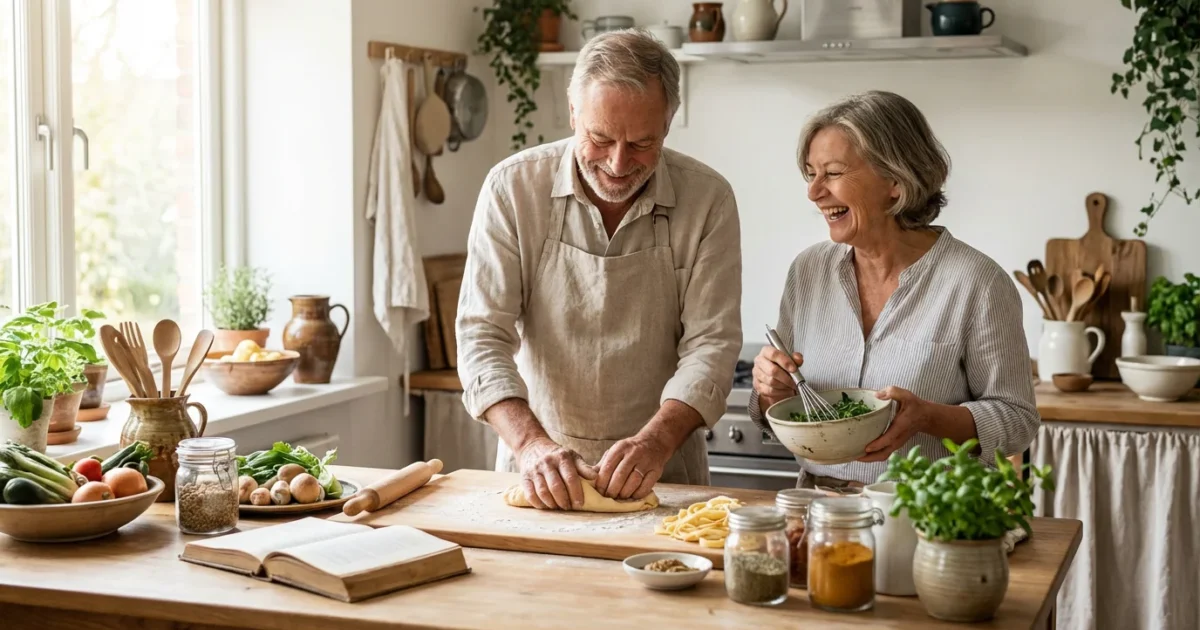
Retirement offers you a remarkable canvas, a boundless opportunity to explore latent talents and ignite new passions. Many envision this chapter as a time for travel or relaxation, but consider the vibrant world of culinary artistry. Imagine transforming your kitchen into a personal test laboratory, a sanctuary where flavors come alive and creativity takes center stage.
This is your chance to move beyond routine meals, to delve into the alchemy of ingredients, and to truly master the craft of cooking. You possess the time, the wisdom, and the curiosity to embark on an extraordinary gastronomic adventure. Prepare to explore new techniques, create unforgettable dishes, and savor every delicious moment of your culinary reinvention.
Uncork Your Inner Chef: Why Retirement is the Perfect Culinary Season
You have dedicated years to careers and family, building a foundation for your future. Now, you hold the freedom to pursue pursuits purely for pleasure and personal growth. Cooking, often seen as a chore, transforms into a joyous exploration when approached with a retiree’s boundless energy and freedom.
Engaging in senior cooking offers profound benefits extending far beyond the plate. It stimulates your brain, challenges your creativity, and provides a tangible sense of accomplishment with every successful dish. You cultivate mindfulness as you focus on flavors, textures, and aromas.
Consider the data: studies consistently link engaging hobbies with enhanced cognitive function and overall well-being in later life. Cooking, which involves planning, problem-solving, and sensory engagement, acts as a powerful mental workout. It also fosters social connections, inviting opportunities to share meals and knowledge with loved ones.
It is never too late to be what you might have been. — George Eliot

Setting Your Culinary Compass: Finding Your Flavor Path
Your culinary journey begins with a simple question: What excites your taste buds and imagination? Do you dream of mastering flaky pastry, recreating a beloved travel dish, or simply making weeknight dinners more exciting? Embrace curiosity as your guide.
Consider capturing your retirement adventures by photographing your completed dishes to document your progress.
Identify your starting point and desired destinations. Perhaps you feel drawn to the precision of baking or the improvisation of global cuisines. Your past experiences, your travels, and even your favorite restaurants can offer valuable clues.
Here are some thought-starters for your culinary exploration:
- Explore regional cuisines: Dive into Italian, French, Thai, Mexican, or Indian cooking. Master signature dishes and understand their unique flavor profiles.
- Become a baking virtuoso: Learn to bake sourdough bread, intricate cakes, or delicate French macarons. Baking offers a wonderful blend of science and art.
- Embrace healthy cooking: Focus on plant-based meals, low-carb options, or Mediterranean diets. Discover delicious ways to nourish your body.
- Master a specific technique: Dedicate yourself to perfect grilling, sous vide, or pasta making. Precision brings immense satisfaction.
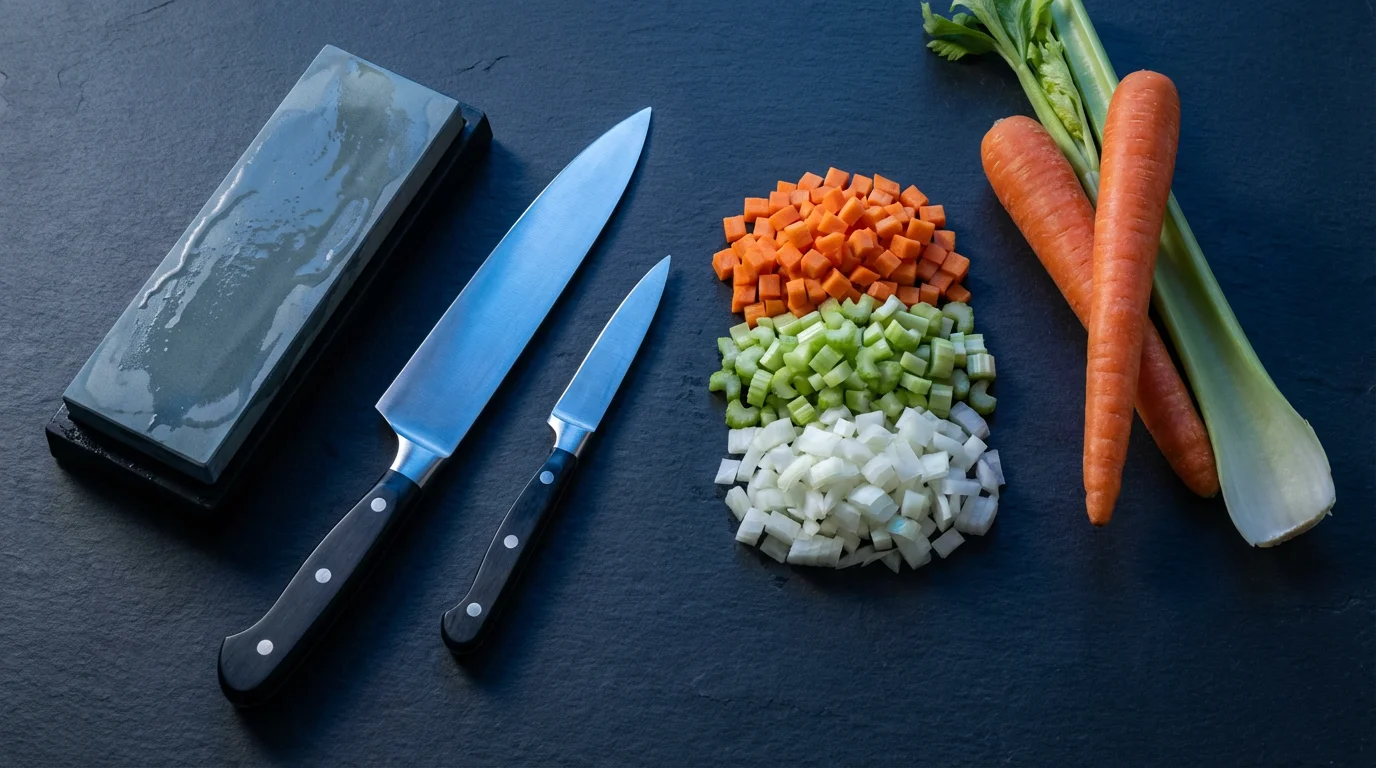
Sharpening Your Knives: Essential Cooking Techniques for Every Senior Cook
Every masterpiece begins with foundational skills. Mastering basic cooking techniques builds your confidence and opens up a world of possibilities. Think of these as your culinary building blocks, enabling you to tackle any recipe with assurance.
Much like mastering home repair, having the right tools and knowing how to maintain them is essential for success.
You do not need to attend a professional culinary school to acquire these skills. Many excellent online tutorials, community classes, and cookbooks offer clear, step-by-step guidance. Practice consistently, and watch your proficiency soar.
Focus on mastering these fundamental cooking techniques:
- Knife Skills: Learn proper knife grips and cuts, including dicing, mincing, and chopping. Efficient knife work saves time and ensures even cooking.
- Sautéing and Pan-Frying: Understand how to achieve perfect browning and tenderness in ingredients like vegetables, chicken, and fish.
- Roasting: Discover the art of roasting vegetables, meats, and poultry to caramelized perfection. This method brings out deep, rich flavors.
- Braising and Stewing: Explore slow cooking methods that tenderize tougher cuts of meat and infuse dishes with incredible depth.
- Sauce Making: Learn basic mother sauces and vinaigrettes. A good sauce elevates any dish from ordinary to extraordinary.
- Seasoning: Develop your palate to understand how to balance salt, acid, fat, and heat. Proper seasoning is the mark of a true cook.
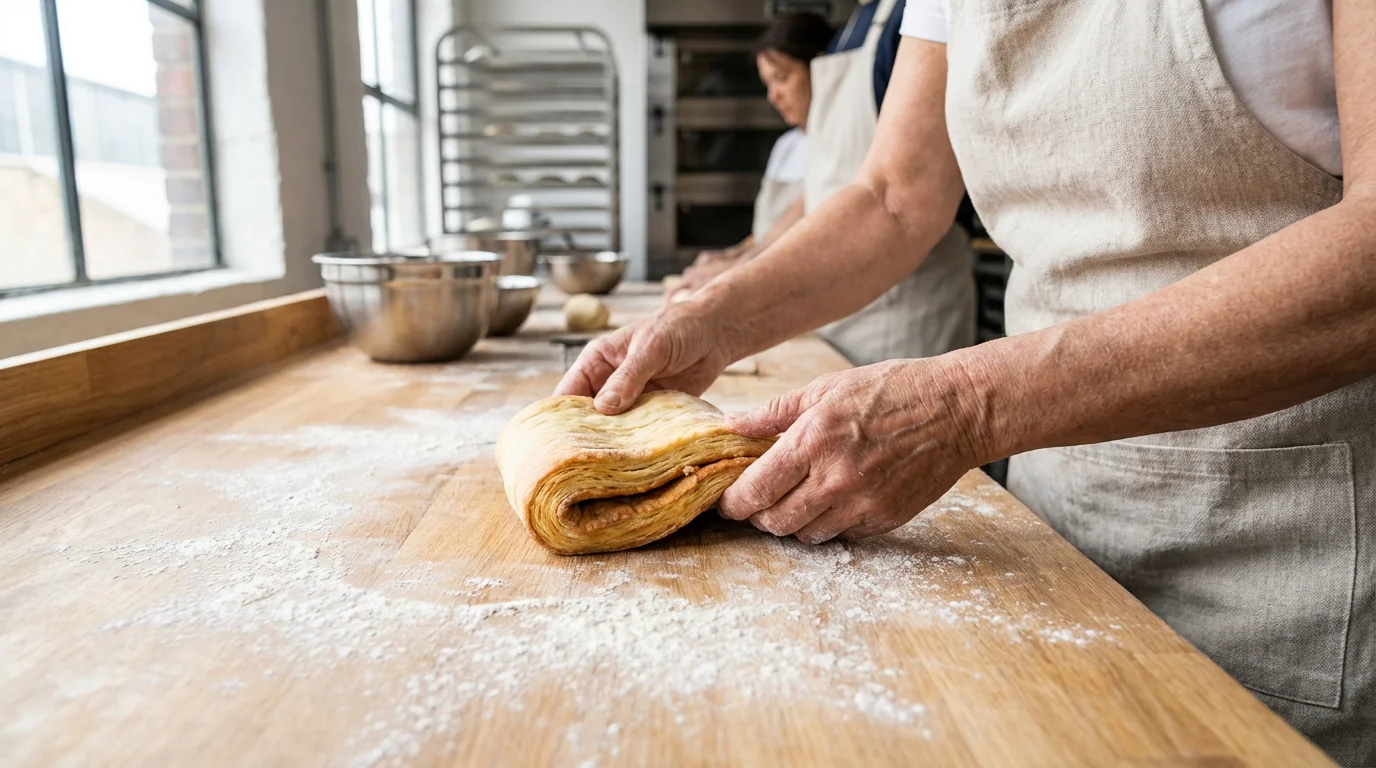
From Basics to Brioche: Exploring Baking Classes and Specialized Workshops
Formal instruction can fast-track your learning and introduce you to advanced concepts. Whether you dream of kneading perfect sourdough or crafting delicate French pastries, dedicated baking classes and workshops offer invaluable guidance. You learn from experienced instructors, gain hands-on practice, and connect with fellow enthusiasts.
Look for opportunities in your local community or expand your search online. Many resources cater specifically to lifelong learners. For example, organizations like Osher Lifelong Learning Institutes, often affiliated with universities, provide non-credit courses on a wide range of subjects, including culinary arts, specifically for older adults. They foster environments where you embrace new challenges and enjoy the camaraderie of shared learning.
Consider these avenues for enhancing your skills:
- Local Community Colleges: Many offer recreational cooking and baking classes at affordable rates. These are excellent for learning fundamentals and specific cuisines.
- Specialty Culinary Stores: Often host workshops on topics like bread making, cake decorating, or regional cooking.
- Online Platforms: Websites like MasterClass, Sur La Table, or even YouTube offer extensive libraries of cooking tutorials and full courses, allowing you to learn from home.
- Travel Culinary Experiences: Combine your passion for cooking with travel. Enroll in a cooking school during your next international trip for an immersive cultural and culinary experience.
Savvy Senior Cooking: Crafting Easy, Flavorful Recipes
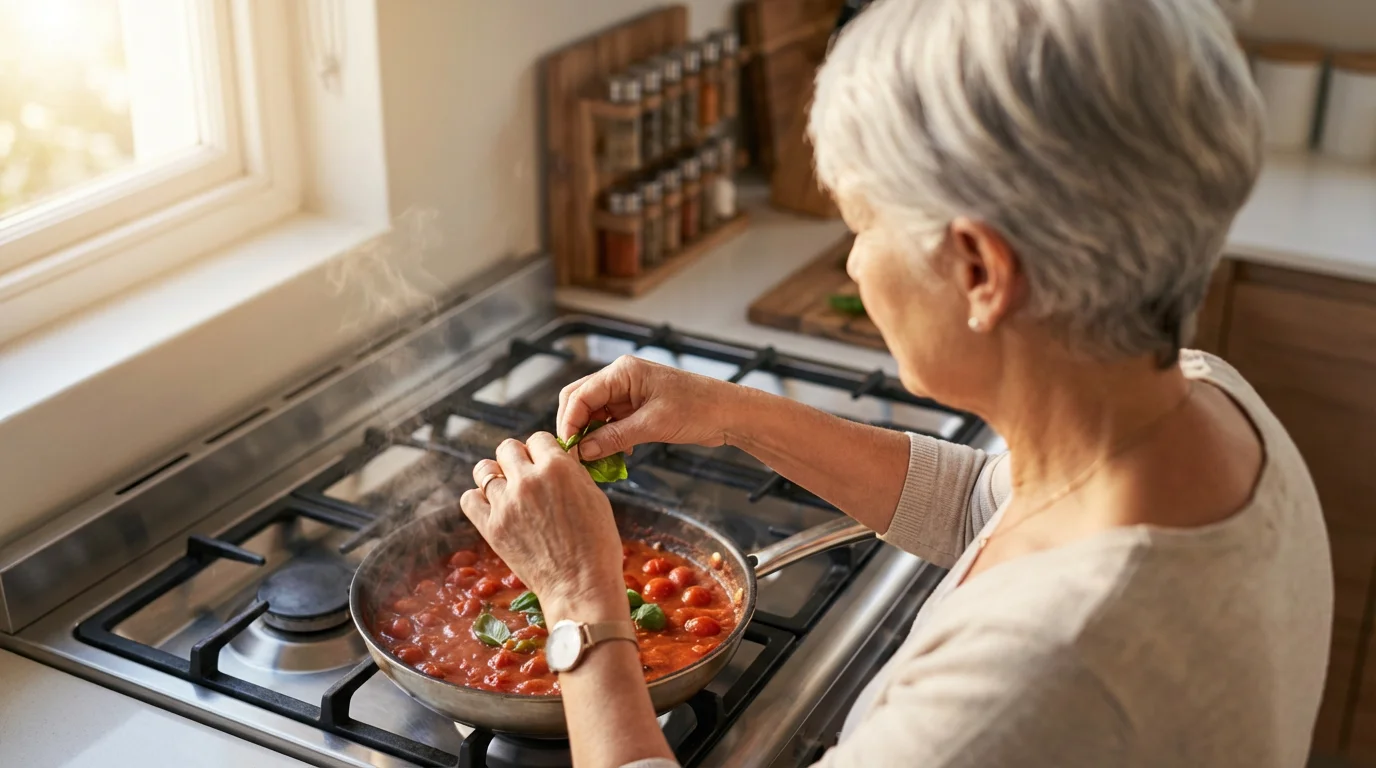
As you build your culinary repertoire, you will appreciate recipes that deliver maximum flavor with minimal fuss. Easy recipes for senior cooks do not sacrifice taste or sophistication; they simply streamline the process. You can create impressive dishes without spending hours in the kitchen, freeing up time for other retirement passions.
Many retirees find that gardening for the soul provides the freshest herbs and vegetables for their daily cooking.
Focus on fresh, quality ingredients. They do much of the work for you, providing vibrant flavors that require less doctoring. Embrace sheet pan meals, one-pot wonders, and quick stir-fries for delicious, efficient dining.
Discover easy recipes for senior cooks by:
- Prioritizing Fresh, Seasonal Produce: Let the quality of your ingredients shine. Farmers’ markets offer excellent inspiration.
- Embracing Herbs and Spices: A well-stocked spice rack transforms simple dishes. Experiment with different flavor combinations.
- Utilizing Time-Saving Tools: A food processor, immersion blender, or air fryer can significantly reduce prep and cooking time.
- Batch Cooking Basics: Prepare larger quantities of staples like cooked grains, roasted vegetables, or grilled chicken. Use them in various meals throughout the week.
- Exploring International Flavors: Many global cuisines, such as Mediterranean or Asian dishes, feature simple, quick preparation with bold flavors.
Adapting for Wellness: Mastering Recipes for Your Dietary Needs
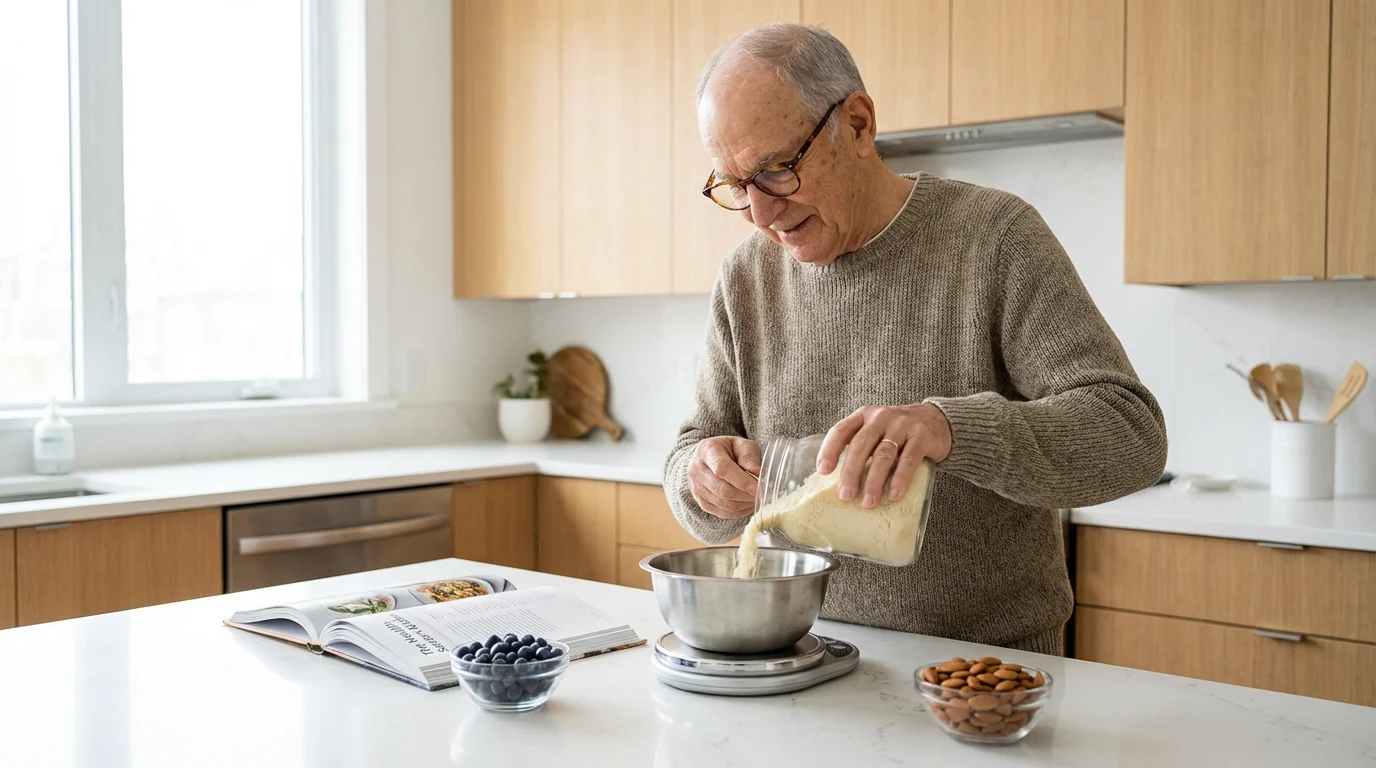
Your health and well-being remain paramount. Retirement offers the perfect opportunity to align your culinary skills with your nutritional goals. Learning how to adapt recipes for dietary needs empowers you to cook delicious meals that support your health, whether you manage specific conditions or simply aim for optimal wellness.
Many common health considerations, such as diabetes, heart health, or gluten sensitivities, do not require you to sacrifice flavor. Instead, they invite creative substitutions and thoughtful ingredient choices. You can enjoy a vast array of delicious foods while adhering to a healthy eating plan.
Here is how to adapt recipes for dietary needs:
- Reduce Sodium: Replace salt with herbs, spices, citrus zest, and vinegars. Use low-sodium broths and check labels for hidden sodium in processed ingredients. The National Institute on Aging offers valuable resources on healthy eating for older adults, including guidance on sodium reduction.
- Manage Blood Sugar: Swap refined grains for whole grains, limit added sugars, and increase fiber intake from vegetables and legumes. Experiment with natural sweeteners in moderation.
- Address Gluten Sensitivity: Utilize naturally gluten-free grains like quinoa, rice, and corn. Explore gluten-free flours in baking and cooking.
- Boost Heart Health: Incorporate lean proteins, healthy fats from avocados and olive oil, and plenty of fruits and vegetables. Reduce saturated and trans fats.
- Lactose Intolerance: Choose dairy-free alternatives like almond milk, oat milk, or lactose-free dairy products.
Beyond the Kitchen: Sharing Your Culinary Joy
Cooking is a generous act. As you master new skills, you will find immense satisfaction in sharing your culinary creations with others. This expands the joy of cooking beyond your personal experience, fostering connection and community. Your delicious dishes become a catalyst for social interaction and shared delight.
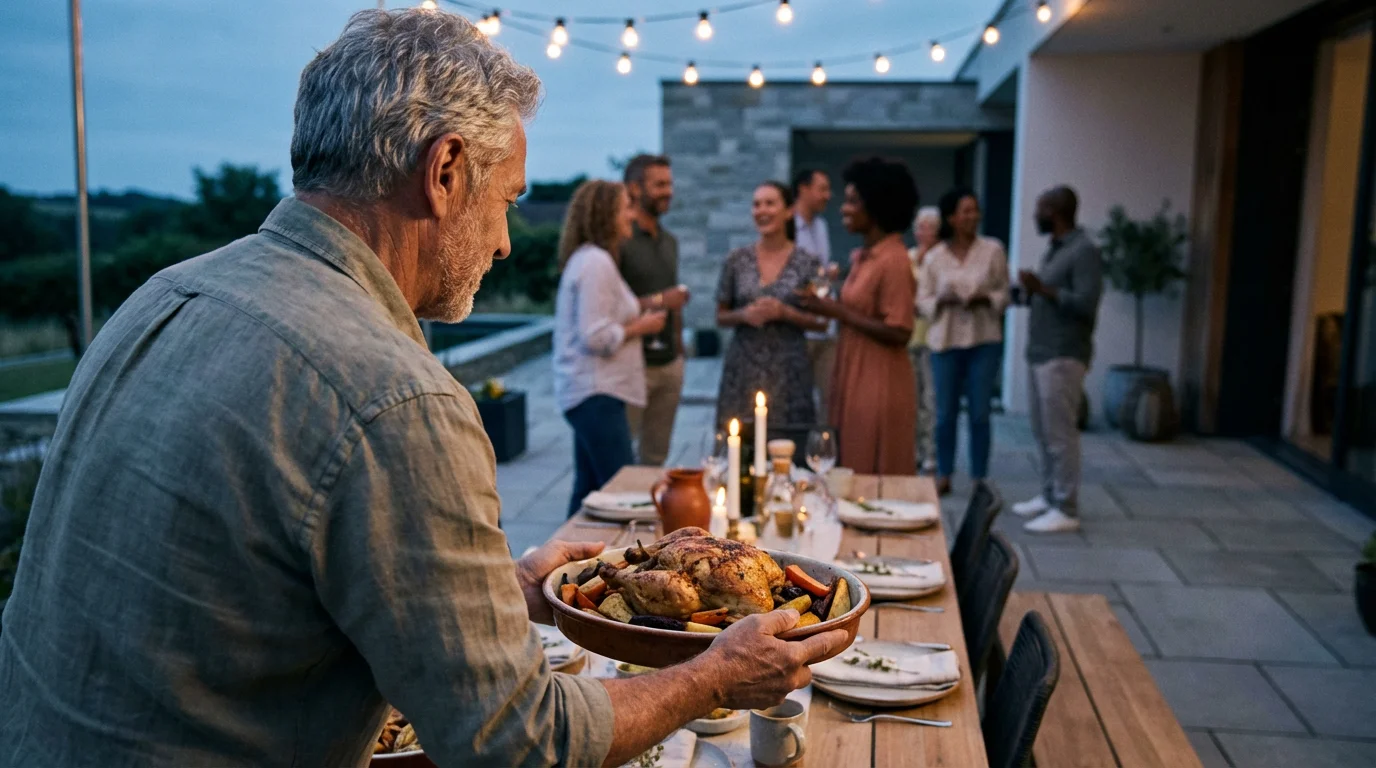
Hosting a dinner party is a wonderful way of building social connections while showcasing your new culinary talents.
Consider these ways to share your passion:
- Host Dinner Parties: Invite friends and family to experience your new culinary prowess. Dinner parties provide excellent motivation to try new recipes.
- Volunteer Your Skills: Offer to cook for local charities, community events, or even neighbors in need. Many organizations welcome culinary contributions.
- Start a Cooking Club: Gather a group of like-minded individuals to cook together, share recipes, and learn from each other.
- Teach Others: Share your knowledge with grandchildren, friends, or through local community programs. Passing on skills creates a lasting legacy.
- Participate in Potlucks: Bring your unique dishes to gatherings, sparking conversations and sharing flavors.
Frequently Asked Questions
Is it really possible to learn advanced cooking techniques in retirement?
Absolutely. Retirement provides the ideal time for focused learning and practice. Your life experience and patience are tremendous assets. Many accomplished chefs started later in life, proving that passion and dedication truly know no age limit. Embrace curiosity and consistent practice, and you will surprise yourself with your capabilities.
What are the best types of cooking classes for seniors?
The “best” classes depend on your interests. Look for hands-on workshops in specific cuisines, baking classes, or courses focusing on healthy cooking. Many community centers, culinary schools, and online platforms offer classes tailored to various skill levels and dietary considerations. Prioritize classes that inspire you and fit your schedule.
How can I adapt my kitchen to make cooking easier as I age?
Simple modifications can enhance comfort and efficiency. Consider ergonomic tools, a comfortable anti-fatigue mat, good lighting, and organized pantry storage. Keep frequently used items within easy reach and ensure your cutting boards are stable. These adjustments create a more enjoyable and accessible cooking environment.
I have specific dietary restrictions. Can I still be a creative cook?
Yes, dietary restrictions often spark the most incredible culinary creativity. They challenge you to think innovatively about ingredients and flavor combinations. Many chefs specialize in specific dietary needs, proving that limitations can lead to delicious and imaginative cooking. Focus on what you *can* eat and explore new ingredients within those parameters.
Retirement is your invitation to live boldly, explore without reservation, and redefine what is possible. Your kitchen awaits, a vibrant space ready for new flavors, new skills, and new adventures. Grab your apron, sharpen your knife, and embark on the most delicious chapter of your life. Your extraordinary culinary journey starts now.
Disclaimer: This article is for informational and inspirational purposes. Life decisions are deeply personal, and we encourage readers to pursue their dreams while considering their unique circumstances, health, and financial situation.







Leave a Reply